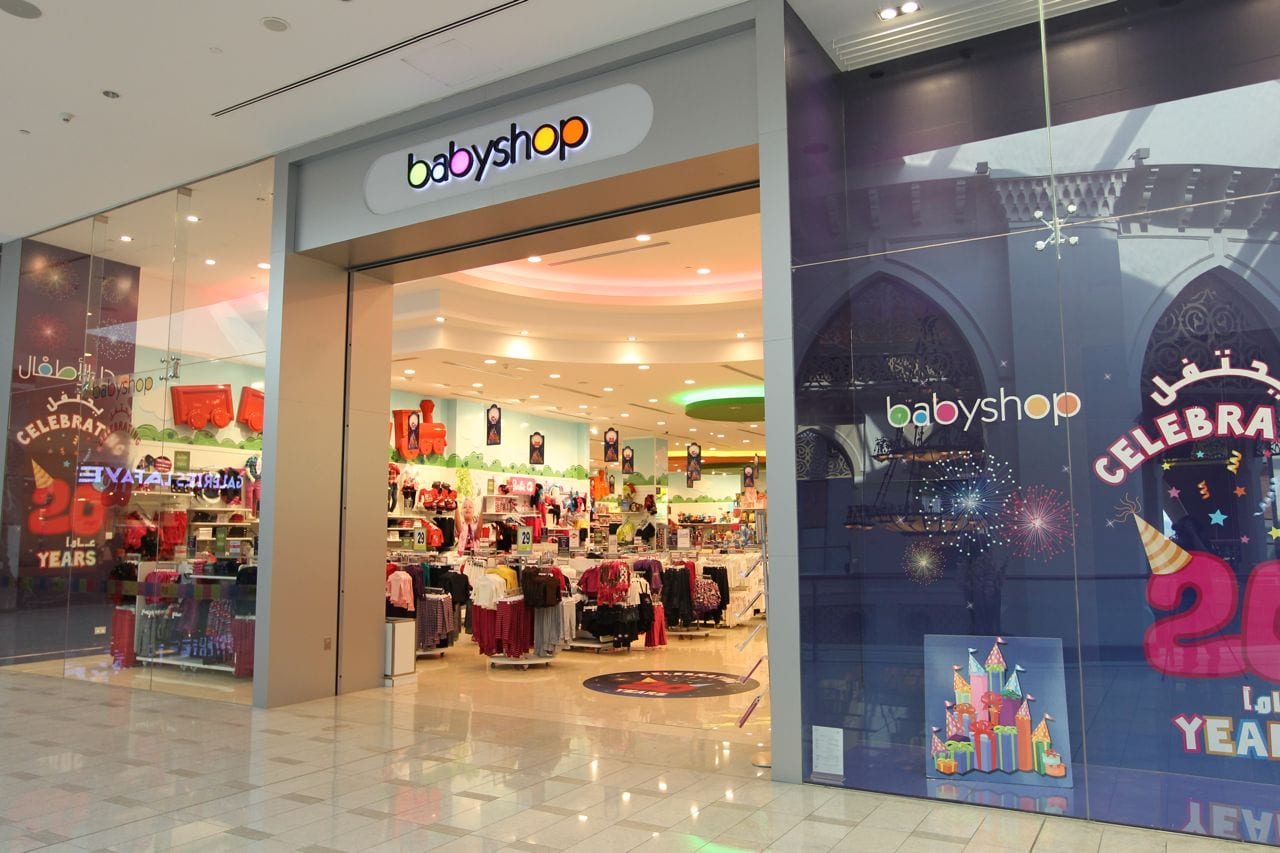
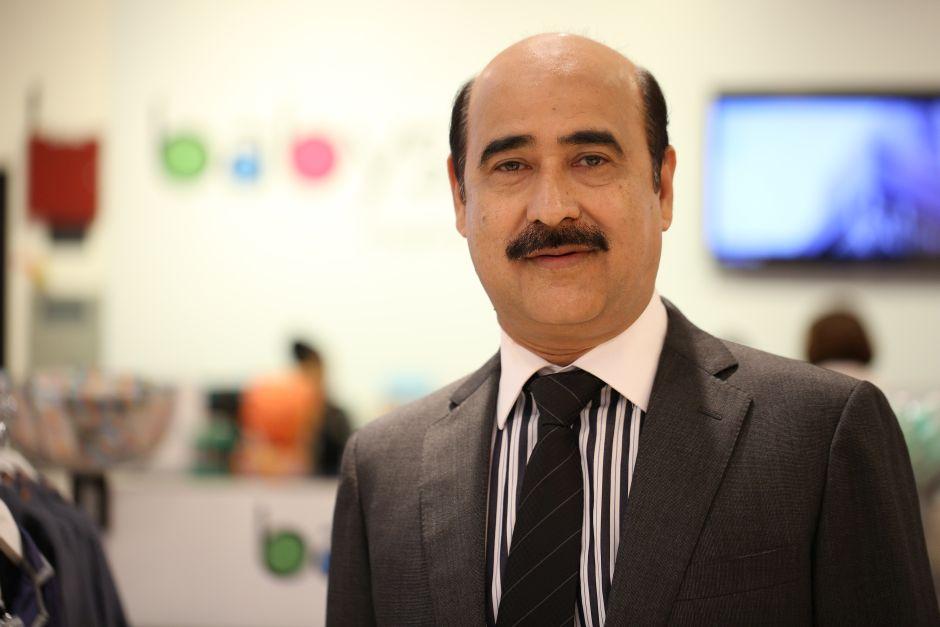
Babyshop is looking to launch 25 stores in Saudi Arabia alone in two years, says Vinod Talreja, CEO of the retail unit under Dubai-based Landmark Group.
Retail sector data from various markets, including the US, highlights the current global economic outlook. The markets in the MENA region, the UAE in particular, have already been hit by the dip in tourist flow. What are your projections?
The retail sector in the MENA region has witnessed strong growth over the years, driven by strong economies, high disposable incomes and increased population, and will continue to see growth in the coming years.
Having said this, in business, there could be periods where markets and situations could be a little slower than the other highly aggressive times. Such situations only give us retailers the opportunity to fuel innovation and strive even harder, working towards improved business growth using various different channels and activities that are in sync with the objectives of the business. Enhancing value propositions while closely catering to customers’ needs and requirements is one way of dealing with situations such as these.
At Babyshop, we are continuing to expand. We are a company that has been expanding consistently for the past many years and our growth plans will not be affected by any short-term market challenges, as our business plans are laid out with long-term future strategy in mind.
In terms of tourism to the region and to the UAE in particular, the upcoming Expo 2020 will definitely propel economic growth, thereby boosting the overall retail sector.
The emirate is targeting 20 million visitors per year by 2020 and this will clearly have a tremendous impact on the sales of every category, proportionate with this massive number of visitors and thus taking retail to new heights.
In 2015 alone, Dubai attracted more than 14.2 million overnight visitors, recording a solid 7.5 per cent increase over 2014, which is double the United Nations World Travel Organisation’s (UNWTO) projected three to four per cent global travel growth for the same period.
These numbers clearly reiterate that the region is geared and well-positioned for the expected huge numbers which in turn will surge sales to significant levels across, thus fostering growth and invigorating the local economy.
Babyshop, as well as its parent group Landmark, has an impressive footprint in the GCC. Although it has a few stores in the regions beyond MENA, the presence there is not much felt.
Is it that the mid-market retailer is not so optimistic about those markets or is it that the “comfort zone” in the home region pulls it back?
Babyshop, started in 1973, has 235 stores across 19 countries in the MENA region. The number is expected to reach 270 by end 2016. The brand is also well on track to achieve its target of 300 stores by end 2017, expanding into regions beyond the GCC.
With a strong retail sector, Saudi Arabia today stands as our largest market, with 116 stores, followed by the UAE with 47 stores. We also have significant presence across the rest of the GCC and Egypt, Jordan, Lebanon, Iraq, Yemen, Libya, Kenya, Nigeria, Tanzania, Pakistan, Thailand and Kazakhstan.
With a long-term vision of having significant footprint across the world, Babyshop has plans to expand into three new territories in 2017, with a major focus on the GCC, predominantly Saudi Arabia; Africa, with an emphasis on North Africa; and Thailand.
We are extremely optimistic about our foray into newer markets in the MENA region and beyond, where retail sales are expected to continue and the retail space pipeline remains strong. These markets continue to be hotspots for the growth of retailers at both the regional and international levels.
In a clear indication of the fundamental role the brand plays, this noteworthy presence of Babyshop and the aggressive expansion plans beyond this region into newer territories confirms its leading position at the frontline of the retail industry.
What factors do you consider when choosing a new market for entry?
Entering a new geography is a very important decision any brand can make and requires significant effort and commitment to implement an appropriate entry plan. In fact, target-marketing selection is a key part of our overall strategy at Babyshop and typically involves a significant in-depth analysis to understand various factors.
Keeping in mind the vision and mission of Babyshop, the key factors that we consider before entering any market are the size of the market, its growth potential, the consumers and their purchase patterns and habits, competition, ease of accessibility to the local residents and, most importantly, the capital investment required to enter the chosen market.
Is India on the list of new markets that you will be entering as part of your expansion plans, bearing in mind that it is going to be one of the fastest-growing economies this year?
Our expansion plans set for the coming years are focused on the GCC, Africa and Thailand. These are highly favourable regions, with continued backing and support of the local governments, increased business prospects and growing population.
As per AT Kearney’s Global Retail Development Index 2015, with a population of 30.8 million in Saudi Arabia, total retail sales grew at a CAGR of 7.7 per cent during 2010-2014 to reach $103 billion. In the next two years, we are looking to launch 25 stores in that market alone.
India is currently not on the cards; however, with the market being a promising retail segment, we might consider it within our strategy in the future.
Is franchising in retail by regional brands a new direction that is being witnessed? Landmark is seen to be taking the lead on this. How is Babyshop doing this?
Franchising in general is just another way of reaching out to larger and booming retail segments, while being able to respond to local tastes, the changing needs of consumers and catering to distinct consumer groups by offering them a different product mix of high-quality products.
Today, we are present in Nigeria, a market that we tapped into in January 2016 in a franchising model with Artee Group, along with Splash and Lifestyle, the other leading fashion and lifestyle brands of Landmark Group. We also have a presence in Thailand under the same model with Robinson, the exclusive distributor for Babyshop products in the market, as well as in Kenya, where The Junction and Sarit Centre are a franchise held with Deacons, a leading retail company in the East Africa region.
The fresh approach adopted for the brand has showcased incredible success so far with great consumer feedback garnered. In Thailand alone, we plan to open ten stores over the next year. We will be continuing to launch in various other regions under the franchising model in the coming years as well.