Retail News CRM

Tag: bag

  • Aupen, Singapore’s Buzzing Bag Brand, Faces Trademark Woes with Target: Staff Cuts and Product Withdrawal Announced

    Aupen, Singapore’s Buzzing Bag Brand, Faces Trademark Woes with Target: Staff Cuts and Product Withdrawal Announced

    Aupen, a burgeoning handbag brand founded by former national swimmer Nicholas Tan, announced layoffs on Monday as the company navigates mounting legal challenges. The spokesperson confirmed that staff were informed of the cutbacks, which affect over ten employees in Singapore as of last December.

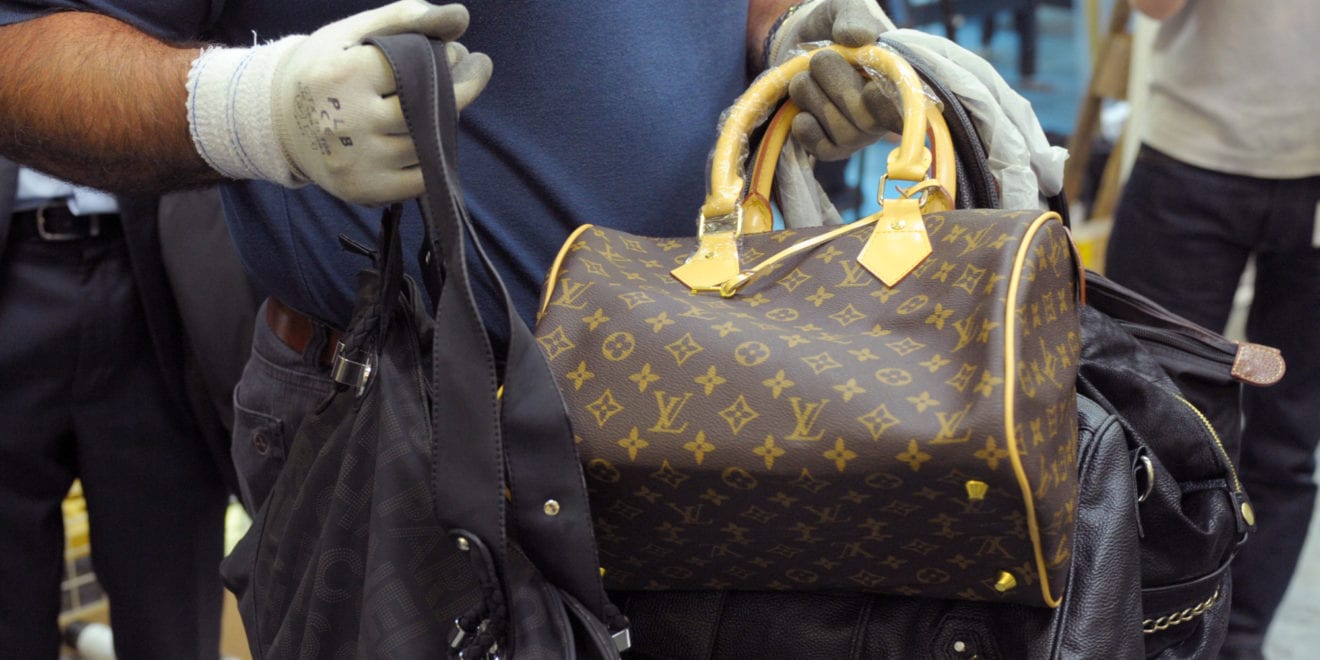
    Operating solely online with no physical storefronts, Aupen specializes in asymmetrical leather handbags, with most pieces priced under US$600. The brand has gained significant traction since its founding in 2022, quickly capturing the attention of celebrities like Taylor Swift, Beyoncé, and Kylie Jenner. However, it remains unclear if the company will continue its operations amid these turbulent circumstances.

    Legal Showdown with Target

    The layoffs come on the heels of a letter from retail giant Target, opposing Aupen’s attempt to register its trademark internationally, including in the U.S. The communication, shared by Aupen on Instagram last month, raised concerns over “source confusion” due to the phonetic and visual similarities between Aupen and Target’s own label, Auden, which has been utilized since 2019 and was relaunched last July.

    In its letter, Target sought clarification on Aupen’s use of its brand name for products and services, questioning why any confusion is unlikely. With nearly 2,000 stores across the U.S. and recently reporting net sales of US$25.21 billion for the second quarter of 2025, Target’s weight in the retail realm is formidable.

    Aupen’s Climb to Fame

    Aupen’s rapid ascent has been nothing short of impressive. From its inception, the brand has established a cult following and even partnered with LVMH Metiers d’Art, an arm of the esteemed luxury conglomerate LVMH. It’s almost as if the fashion gods conspired for a perfect storm of success—until now.

    The Intellectual Property Office of Singapore (IPOS) has stepped in to support Aupen during this tumultuous time, advising the brand to seek independent legal counsel. Despite Aupen’s characterization of Target’s challenge as a lawsuit, IPOS clarified that they do not recognize it as such, confirming that Aupen’s existing trademark in Singapore remains intact. “IPOS maintains a registration regime that ensures equal and fair access for all companies seeking trademark protection in Singapore,” the agency stated.

    A Personal Plea

    Amid this legal fray, Tan has taken to social media to voice his concerns. He described the situation as a David versus Goliath struggle, stating, “a $100 billion giant is crushing an independent brand.” He highlighted the potential for long, costly court battles that could stifle Aupen’s product launches while allowing larger competitors to mimic designs at a fraction of the cost. “This will erase us. And when we are gone, people may think that Auden is Aupen,” he lamented in an Instagram story. Further complicating matters, he attributed the recent staff layoffs to the overwhelming legal pressures, dedicating himself to honoring the salaries of his team and suppliers amidst the turmoil.

    Questions & Answers

    What triggered Aupen’s layoffs?
    The layoffs at Aupen were driven by ongoing legal challenges with Target, which oppose the brand’s attempt to register its trademark internationally, including in the U.S.

    How has Aupen gained popularity since its inception?
    Founded in 2022, Aupen quickly amassed a following through its unique asymmetrical leather handbags, garnering attention from high-profile celebrities and even collaborating with LVMH Metiers d’Art.

    What is the stance of the Intellectual Property Office of Singapore regarding Aupen’s trademark?
    The IPOS has reached out to Aupen for support and confirmed that, while they are aware of Target’s opposition, Aupen’s existing trademark in Singapore remains valid.
  • Sydney startup wins seed funding to expand ‘bagged’ cocktail range

    Sydney startup wins seed funding to expand ‘bagged’ cocktail range

    Ready-to-drink cocktail startup Sophisticated Cocktail Co has successfully completed another seed funding round.

    According to the company, the funds will be used to drive a greater retail presence nationwide and in three international markets by the end of this year.

    The startup has also recorded strong growth in its first six months via its online e-commerce platform as well as a number of independent liquor stores across NSW, the company reports.

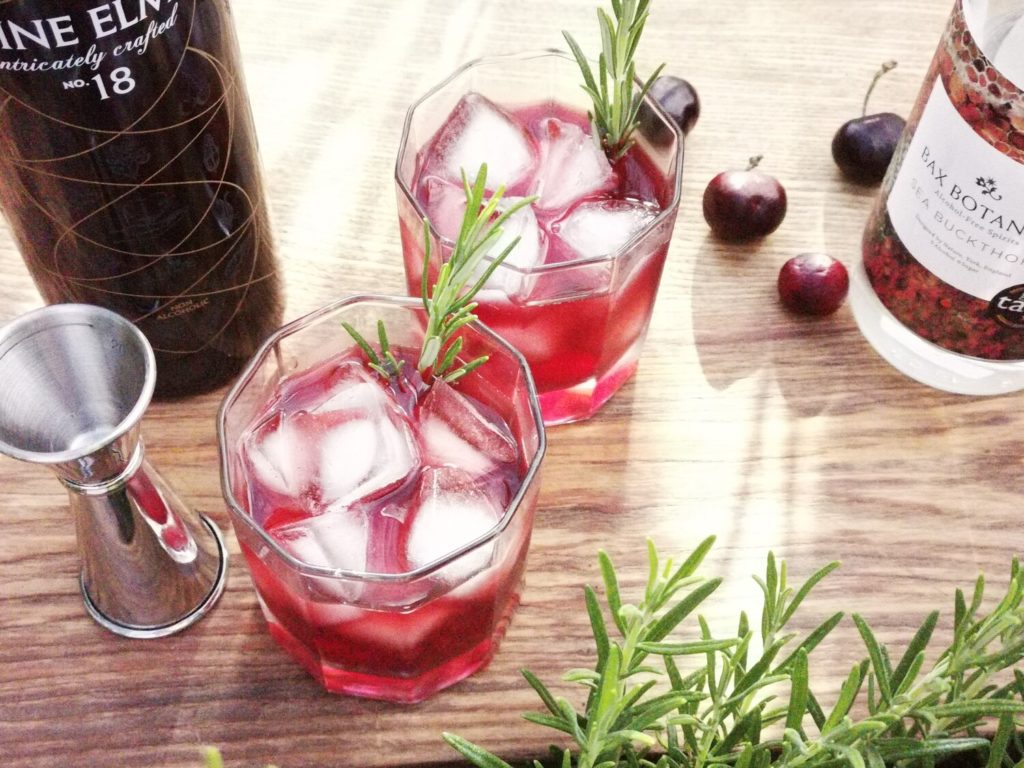
    Launched late last year, the cocktails are packaged in sustainable stand-up pouches with a range of premium Cosmopolitans, Margaritas, Espresso Martinis, and Pina Coladas.

    Online alcohol sales spiked last year, and with an increase in people who prefer to drink their cocktails at home, founder and CEO of Sophisticated Cocktail Co, Vicky Lyon, said she identified a gap in the market for large-scale premium batched cocktails that could be served anytime and anywhere.

    “Everyone loves a cocktail, but not everyone has the know-how or means to make one,” said Lyon.

    “We have noticed that our customers tend to serve our cocktails at events such as dinner parties, picnics, boats, camping, or on weekend trips away. At $7.50 

  • Designer-bag rental platform Style Theory makes great Hong Kong start

    Designer-bag rental platform Style Theory makes great Hong Kong start

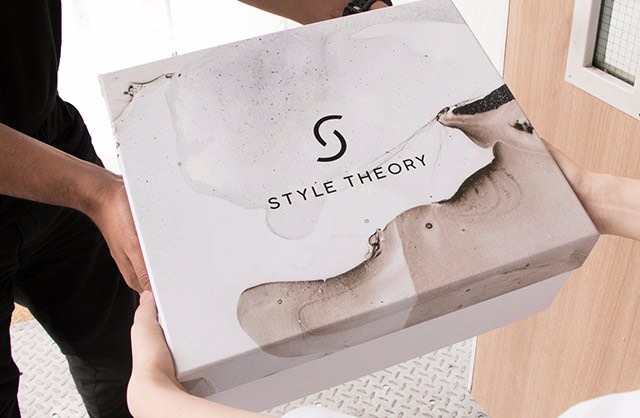
    Online circular fashion platform Style Theory has expanded its network to Hong Kong, its first market outside Southeast Asia.

    Style Theory Hong Kong members now can have access to more than 2000 designer bags from luxury brands, including Hermes, Celine, Chanel, Dior and Saint Laurent, with a rental subscription starting at HK$899 (US$116 per month).

    “Hong Kong was a natural fit in our regional growth plans to lead the circular fashion revolution in Southeast Asia,” said Raena Lim, co-founder of Style Theory. “Hongkongers can be more empowered to access fashion without the guilt of trying new styles or worrying about storage and maintenance.”

    Style Theory Hong Kong will focus on rental subscription and resale services for designer bags before considering other categories.

    Founded in Singapore by Raena Lim and Chris Halim, Style Theory started as an apparel rental subscription service before expanding into luxury bags.

    Style Theory is one of Southeast Asia’s largest online circular fashion platforms with offices in Singapore and Jakarta. The brand launched its flagship brick-and-mortar store in the heart of Orchard Road, Singapore last November.

  • Senreve opens first Hong Kong pop-up store

    Senreve opens first Hong Kong pop-up store

    San Francisco-based online bag brand Senreve has opened a standalone pop-up store in Hong Kong, its first foray into a major city mall.

    Founded in 2016, the brand specializes in Italian-made luxury handbags. The new store has opened in the atrium of Pacific Place in admiralty.

    Designed by Hong Kong and London-based Editecture studio, the pop up features what the design team describes as an organic and open space to highlight Senreve’s core products and new lines.

    Operating until August 6, the pop-up will host workshops in collaboration with local female artists and entrepreneurs. Customers who make a purchase above a specific value will be invited to receive custom twilly scarf embroidery, tarot-card readings, and other benefits free of charge.

    Senreve previously opened a pop-up store-within-a-store last summer inside Khromis in Sheung Wan.

    The company also recently raised US$16.75 million in Series A funding for its upcoming Asian expansion.

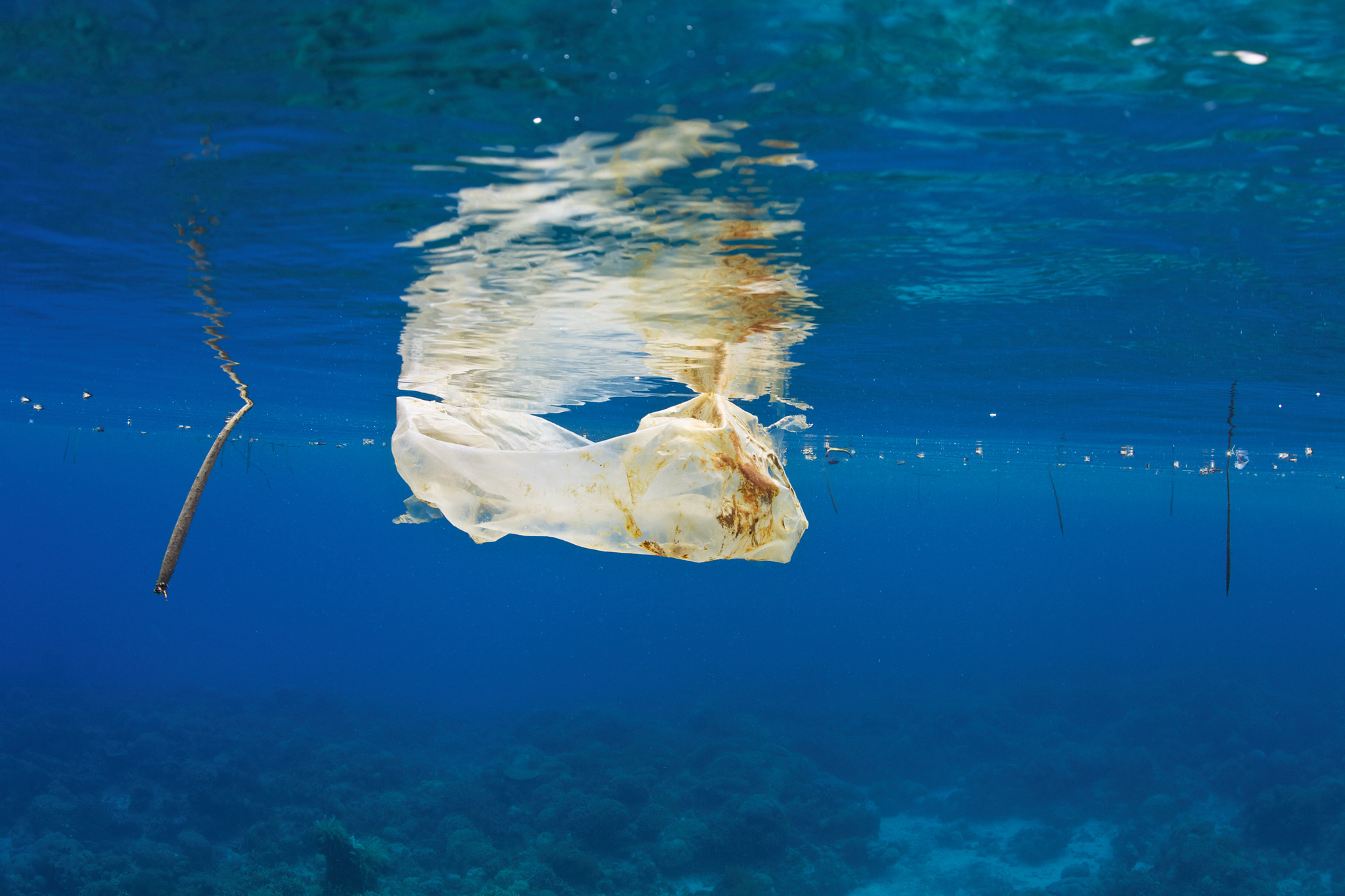
  • China takes first step to banning single-use utensils, plastic bags

    China takes first step to banning single-use utensils, plastic bags

    China’s National Development and Reform Commission has revealed plans to cut the production and use of single-use plastic in China in the next five years.

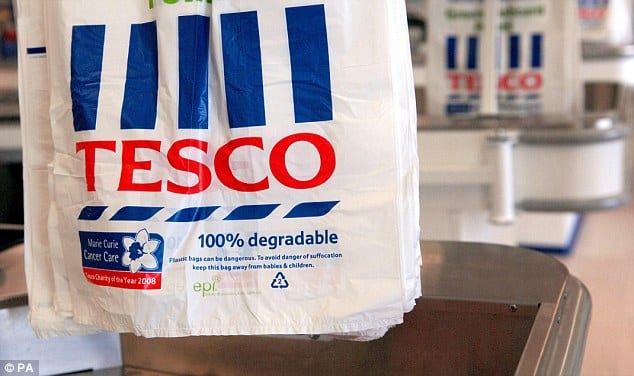
    By the end of this year, supermarkets, shopping malls and food delivery services will not be allowed to use non-degradable plastic bags. Disposable plastic used in e-commerce, express deliveries and takeaway food will be limited in 2022.

    The country will also completely ban the import of plastic waste, said a spokesperson from the commission.

    According to Bloomberg, by 2022, some delivery services in major cities including Beijing and Shanghai will be forbidden from using non-degradable packaging, with the ban extended to the whole country by 2025.

  • Freitag Japan opens store in Kyoto

    Freitag Japan opens store in Kyoto

    Bag and carrying case manufacturer Freitag has opened its fourth outlet in Japan, which was featured in Designboom architectural magazine for its unique interior.

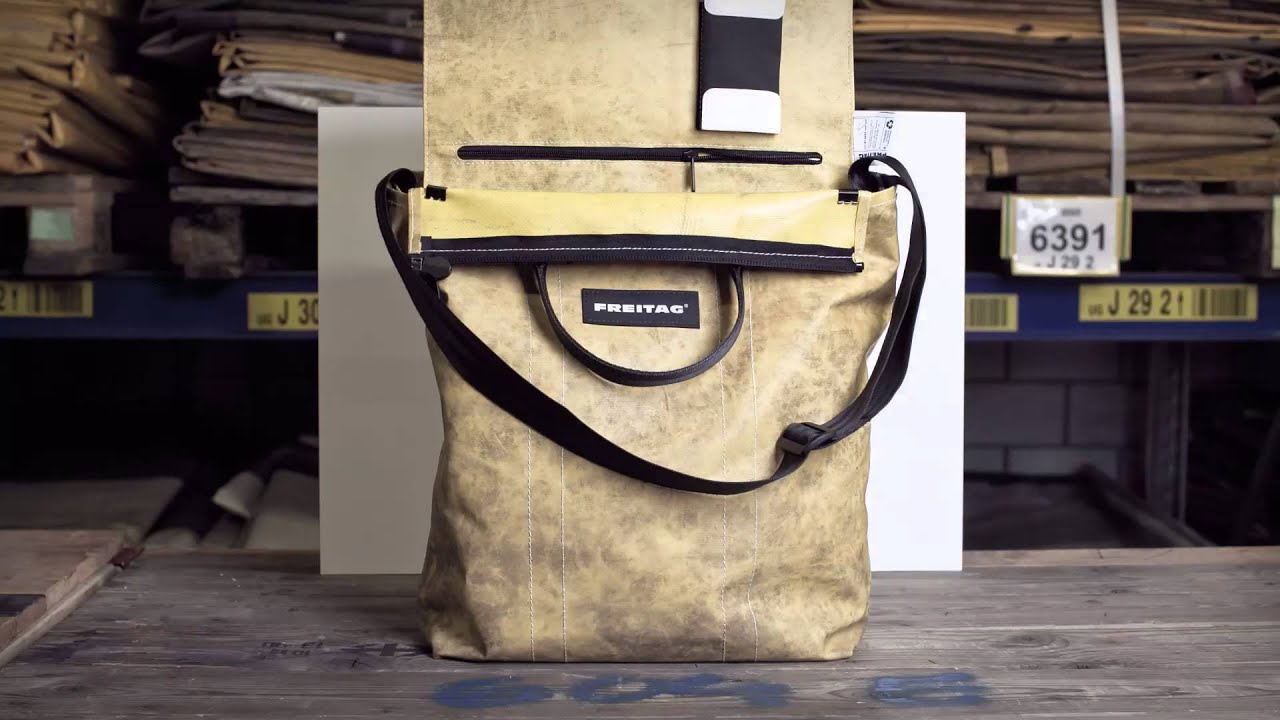
    The Swiss firm, which creates its products from used truck tarpaulins, has set up an 80sqm distribution center in Kyoto in the vicinity of the ancient Nishiki market and the metropolitan Nakagyo-ku pedestrian precinct.

    The store design reflects the industrial style of the firm’s logistics warehouses in Zurich and features a DIY workshop where customers can create their own miniature items from tarp off-cuts.

    Around 1100 recycled one-off bags are currently stored at the outlet.

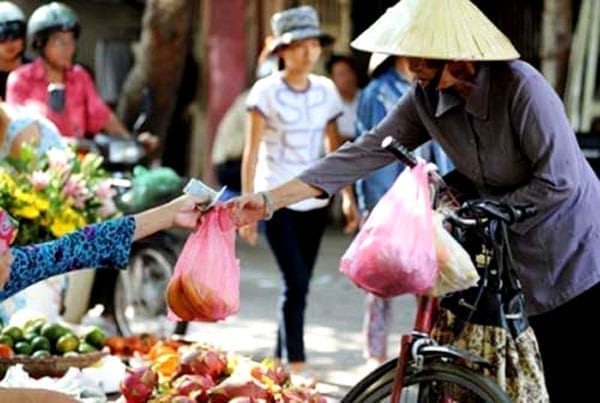
  • Major Thai retailers stop giving out plastic bags

    Major Thai retailers stop giving out plastic bags

    Thai Retailers Association members have stopped providing customers with plastic bags as a ban took effect on January 1.

    A campaign titled Every Day Say No to Plastic Bags run by Thai Retailer Association will stop its 75 member chains from giving away plastic bags through 24,500 outlets, aiming to cut 13.5 billion plastic bags used in Thailand annually – about 30 per cent of the total.

    According to the Department of Pollution Control, 18 billion plastic bags (40 per cent) come from the fresh markets each year, while another 30 per cent or 13.5 billion bags come from local grocery stores. In Bangkok, each person uses eight plastic bags on average per day, creating around 80 million pieces of plastic waste daily.

    “Thailand was ranked sixth among the world’s top countries that dumps waste into the sea,” said Varawut Silpa-Archa, minister of natural resources and environment. “During the past five months, we were down to 10th … thanks to the cooperation of the Thai people.”

    The country reduced the use of plastic bags by 2 billion last year, in the first phase of a campaign to encourage consumers’ voluntary refusal of plastic bags from stores. Many department stores and supermarkets in Thailand already have their own programmes to cut down on plastic bags.

  • Anello opens at Changi, Singapore

    Anello opens at Changi, Singapore

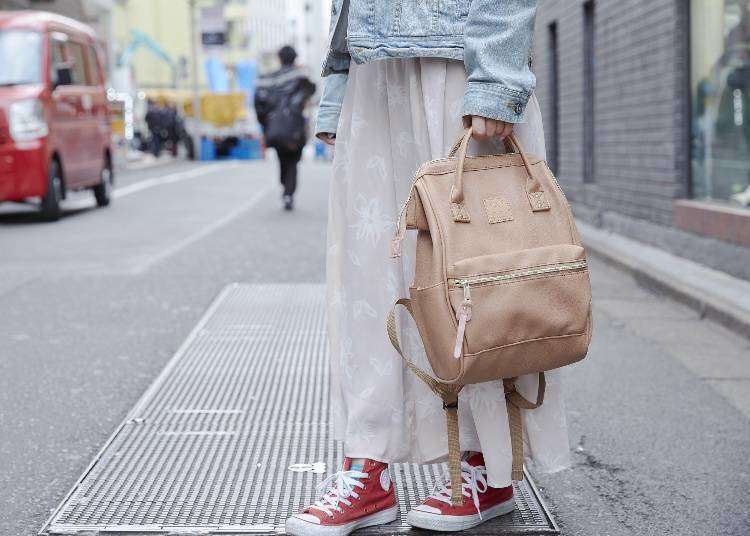
    Japanese backpack and accessories brand Anello has opened its first Singapore store, at Jewel Changi.

    Targeting Singapore residents and visitors alike, the 625sqft store offers a wide selection of designs as well as exclusive and limited-edition collections specifically for the Singapore market.

    From July 23 to 29, to mark its opening, Anello Jewel Changi will be offering a 50-per-cent discount for any second item purchased

    Founded in 2015, Anello – which means “ring” in Italian – is known for its minimalist, chic designs.

    The brand now has stores in China, Myanmar, Philippines, Singapore, Taiwan, Thailand, and Vietnam.

  • Victoria bans single-use Plastic bags

    Victoria bans single-use Plastic bags

    Victoria is bidding adieu to lightweight, single-use plastic shopping bags with a ban to be introduced state-wide in November.

    The state government introduced new legislation to parliament on Wednesday to ban bags at retail outlets including supermarkets, fashion boutiques, fast food outlets, convenience stores and service stations.

    The ban will target lightweight plastic bags with a thickness of 35 microns including those made from degradable, biodegradable and compostable plastic.

    The legislation will ensure all single-use lightweight plastic shopping bags with a thickness of 35 microns or less will be banned, including bags made from degradable, biodegradable and compostable plastic.

    The legislative changes follow community consultation, which revealed “overwhelming” support for the ban.

    “Plastic pollution is a significant environmental problem – the actions we take now will help ensure Victoria has a clean and bright future,” Minister for Environment Lily D’Ambrosio said on Wednesday.

    “The feedback on this one was clear. Victorians want to do more to protect the environment from the damage litter causes and are overwhelmingly supportive of banning single-use plastic shopping bags.”

    The government is working with the National Retailers Association to ensure businesses are prepared for the ban and have access to sustainable packaging alternatives.

    Single-use plastic bags have already been banned by governments in Queensland, Western Australia, South Australia, Tasmania, ACT and NT.

    Coles revealed on Wednesday that it has saved 1.7 billion lightweight single-use plastic bags from landfill since the ban came into place last July.

    Woolworths said it has issued around three billion fewer plastic bags from its stores over the last 12 months, equating to a 4,700 tonne reduction in single-use plastics going into the environment over the course of the year.

  • Leather bag sales decline due to Activewear Offerings

    Leather bag sales decline due to Activewear Offerings

    For the second year in a row, leather bag sales have declined and nylon and other fabric options are now driving significant growth for the US women’s bag market, according to retail tracking service The NPD Group.

    According to the group’s analysis, the same casual athleisure wear trend that continues to drive growth in the active apparel and sport leisure footwear markets is starting to influence women’s fashion accessories.

    While leather still accounted for more than half of dollar sales in the women’s bag market as of the 12 months ending March this year, its decline accounted for 60 per cent of the category’s falling sales. Vinyl accounted for 20 per cent of market and 30 per cent of the declining sales.

    Much smaller in terms of overall sales, nylon, polyester, and cotton options accounted for just 11 per cent of all women’s bag dollar sales, but accounted for almost 90 per cent of the growth this past year.

    “Today, fashion is as much about comfort as it is about personal style, and that is carrying over into the way consumers are accessorising,” said The NPD Group fashion footwear and accessories industry analyst Beth Goldstein. “Women’s bags in new silhouettes and new materials are driving the industry forward.”

    Traditional leather silhouettes, such as shoulder bags, cross-body bags, totes, shoppers, and satchels, are all contributing to leather bag declines. These styles account for 90 per cent of total women’s leather bag sales by value, and drove as large a share of the losses during the year to March. The smaller, fast-growing categories of fanny/waist packs and fashion backpacks remain strong, as does leather in the designer space – but designer non-leather/non-vinyl alternatives grew at a faster rate and generated almost as many incremental dollars as did leather.

    Both established and emerging brands are promoting nylon and other alternative materials, such as “vegan leather”, neoprene and recycled options that may be lighter in weight and easier to clean than leather items. These options can appeal to a consumer looking for day-to-day practicality, as well as those looking for sustainable purchases.

    “New leather goods are facing competition from a multitude of angles – from the casualisation of today’s styles to the emphasis on sustainability, and a changing retail market that is helping to extend the life of pre-owned leather products,” said Goldstein.

    “At the same time, the recent focus on alternative materials and new styles signals opportunity for the fashion accessories market – the opportunity to capture the consumer’s attention again.”

  • Vietnamese supermarkets go back to leave packaging

    Vietnamese supermarkets go back to leave packaging

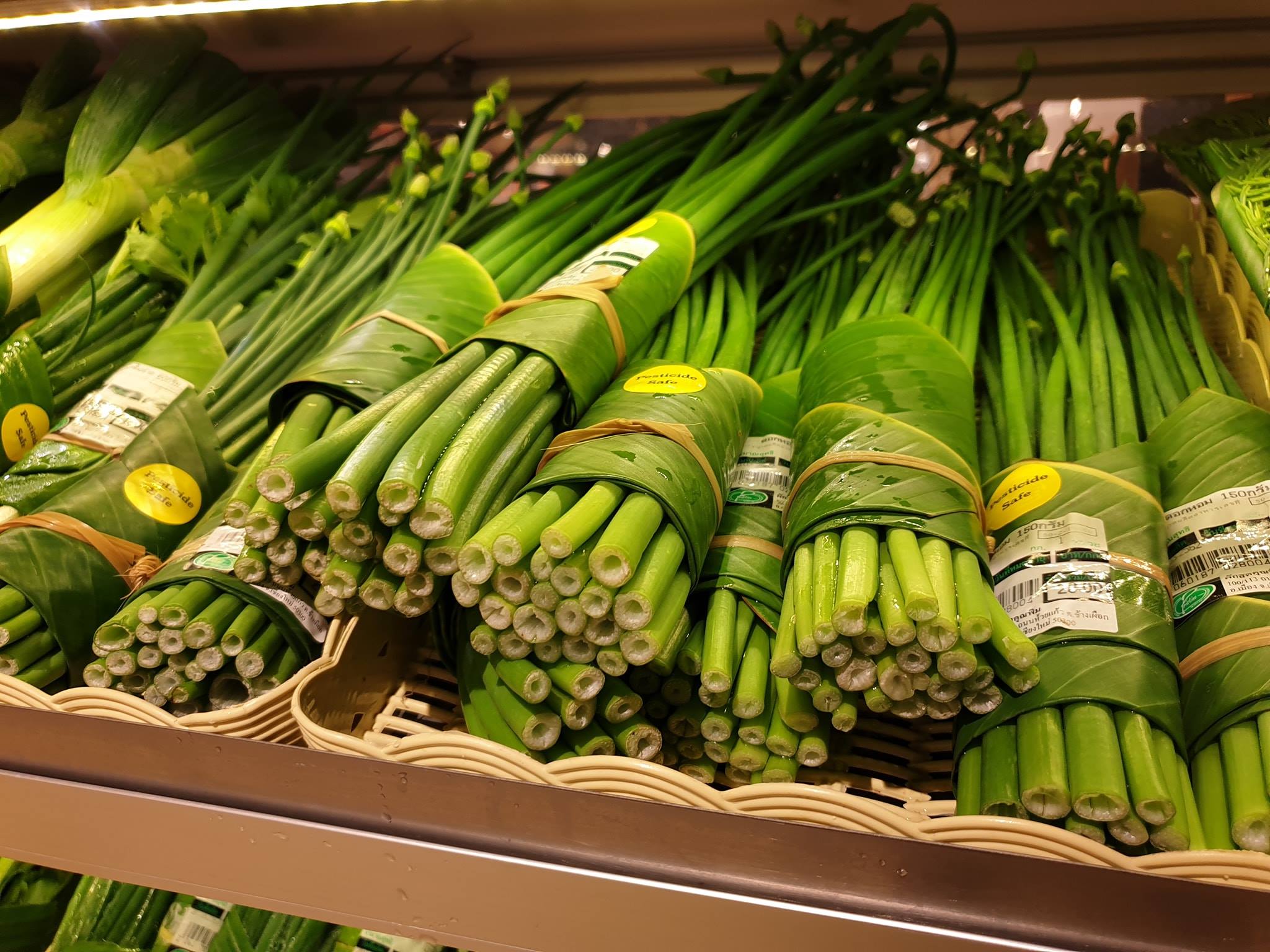
    Shoppers at Lotte Mart in Ho Chi Minh City’s District 7 were recently surprised to see scallions, okra and other vegetables produce wrapped in banana leaves.

    A representative of the supermarket chain said that the company is experimenting with using leaves to wrap veggies in one outlet, and plans to expand this later to the entire chain in the country.

    This is part of a plan to increase the use of environment-friendly products, not just for vegetables but also for fresh meat, the representative added.

    Local shoppers expressed support for the move. “When I see vegetables wrapped in these beautiful banana leaves I’m more willing to buy in larger quantities. I think this initiative will help locals be more aware of protecting the environment,” said Hoa, a District 7 resident.

    The Big C supermarket chain in Hanoi has also started using banana leaves to wrap veggies since Monday, and plans to do so in its central and southern supermarkets in the next few days. The trial is set to last a month.Saigon Co.op is also using banana leaves to wrap vegetables to replace their biodegradable wraps in some of its outlets in HCMC and other southern localities of Phan Thiet, Tay Ninh, Quy Nhon and Tam Ky.

    The supermarket chains are also providing customers with other environmental-friendly products. Lotte Mart said it is selling paper straws and food boxes made with sugarcane waste. Eggs are wrapped in paper packages instead of plastic boxes.

    Big C is offering shoppers bags made with corn powder which is completely biodegradable.

    These moves come after report highlights the large amount of plastic waste generated by Vietnamese people. The country disposes about 2,500 tons of plastic waste a day, according to official figures.

    Vietnam ranks fourth globally in the amount of plastic waste dumped into the ocean, according to the United Nations Environment Programme (UNEP).

    Some local cafes and restaurants have also been encouraging the reduction of plastic use by offering straws made with recyclable or biodegradable materials.

  • Japanese “Yama style” goes global

    Japanese “Yama style” goes global

    The “made in Japan” words on the label, for many people, have always been a guarantee of high quality. Even after the economic downturn and natural disasters,  Japanese still keep their quality and try their best to differentiate themselves through the attention to details. Their perseverance, loyalty to their country and respect for their traditional culture, have always been their strength.

    Unfortunately, today’s fashion industry pursues speed and high productivity. Thus, Japanese’s persistence seems to be easily overlooked. Although this is an irreversible condition in a money-orientated world, there are still some people who appreciate and value the spirit of the craftsmanship in Japan.

    Despite the fact that Japan is a modern country focusing on economic development, Japanese also focus on the pursuit of spirituality. There are Buddha followers, but also those ones who believe in gods behind the natural elements, such as mountains.

    In terms of geography, 70% of land in Japan is hill and mountains. Since the ancient times, fishermen regarded the hills as navigation coordinates. And for people who lived in the mountains, they saw mountains as resources for their lives, harvesting and hunting were their major activities to live on. Through worship of mountain gods, Japanese express their fear of nature as well as pray for peaceful life.

    Today, the Japanese government still shows respect towards mountains. In 2016, the government announced the Mountain Day, 11th August, as public holidays providing a chance for people to get closer to the mountains via hiking.

    Functional and practical with bright and unique colors

    Whenever a craze sweep the country,  Japanese will always concoct and create the relevant peripheral products and accessories. As a result, the “mountain fashion” was developed, which is the so-called Yama Style (Yama means mountain in Japanese), referring to the clothes that is suitable for hiking.

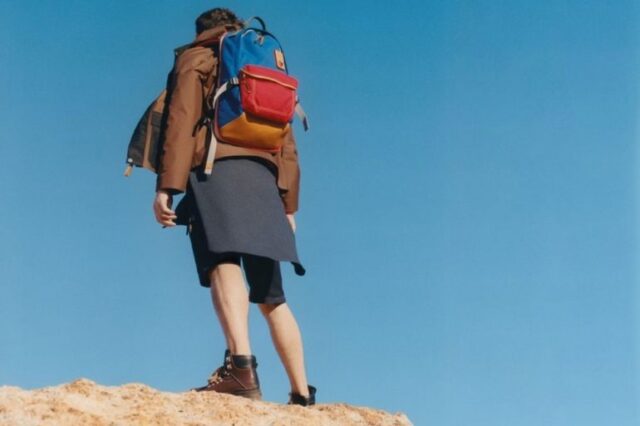
    Yama style emphasizes on integration with the natural environment, usually designed in gray black, dark green, yellow-brown and other earth tone colors. Additionally, it comes with an oversize coat or shawl in relatively bright color, to create a unique style.

    Integration of Art and Technology

    On the other hand, while Korean pop culture has been in the limelight internationally in recent years, the Japanese brand is still leading the world due to a number of Asian representatives who have a pivotal position in the high fashion.

    Since the 1980’s, Japanese have established a position in the international fashion trend, rooted their perception of fashion and influenced over the global fashion industry deeply.

    Due to the fashion industry values on materials, design, and details, Japanese fashion style still has their charm, followed by a lot of people around the world. Thus, many international fashion brands still love to work with Japanese brands, and launched a series of collaborations.

    In the recent years, Loewe, which has been known for its excellent quality, also seems to be paying tribute to Japanese culture and tradition. The new “Eye/Loewe/Nature” menswear series is inspired by nature, offering a range of clothes designed for outdoor activities with both practical and functional features as their selling points.

    Obviously, the design deliberately takes the ideas from the Yama style. Not only replacing the traditional outdoor clothing’s dark color with bright colors, but also having a great variety of styles and different layers. Thus, customer may easily match their outfit with different kinds of  clothes and practice different outdoor activities.

    In terms of accessories, the brand even changes the place of production from Spain to Japan, in order to combine their traditional craftsmanship with advanced technology.

    Undoubtedly, they see the advantages and market in the Japanese Yama style to feed  fashion industry with a new touch.

  • Leather brand Kompanero to expand in Europe

    Leather brand Kompanero to expand in Europe

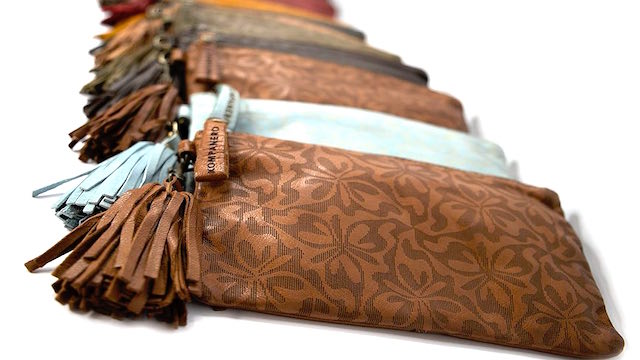
    India’s premium leather bag brand Kompanero plans to open 100 outlets by 2025. The company will open four stores, raising its network to 34, this year. “With four new stores in the pipeline, we are expanding our presence in existing cities with Express Avenue Mall in Chennai and Sarath City Mall in Hyderabad,” said Indranath Sengupta, Kompanero CEO. “In addition, the brand’s airport presence is being strengthened with our newly launched store at Guwahati Airport and Chandigarh Airport, and an upcoming one at Chennai Domestic Airport.”

    The brand is also entering Europe this year with its exclusive stores; however, the exact location of the first store has yet to be revealed.

    The company’s turnover has grown by 60 per cent within the last year.

    Kompanero products are available in Australia, the UK, Japan, and Korea via distribution networks as well as e-commerce portals including Amazon, Myntra and Jabong.

  • Rimowa collaborates with Alex Israel for its latest suitcase

    Rimowa collaborates with Alex Israel for its latest suitcase

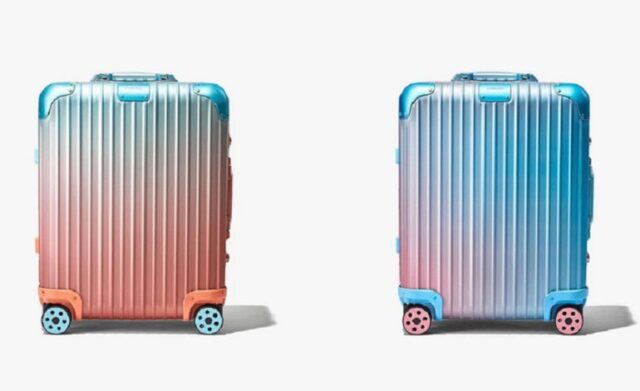
    Alexandre Arnault of Rimowa has just taken to Instagram to tease the luggage purveyor’s latest collaborative suitcase. Set for a full reveal at this year’s Frieze Art Fair, the suitcases are in collaboration with multimedia artist Alex Israel. Inspired by his home town of Los Angeles, the luggage sees the signature use of blue and red hues — inspired by the adored sunsets of the West Coast.

    The suitcases’ exterior shell and wheels are essentially treated with tones of blue, light purple, pink and light orange in a faded finish to reflect the colors of the vibrant sky in Los Angeles during sunset and sunrise.

    The suitcases will come in two color options. One will predominantly be in a gradient sky-blue – fading to flamingo-pink, while the other color option sees the complete opposite.

    Both suitcases will be officially unveiled at the Frieze Art Fair in Los Angeles via a pop-up beginning February 14.

  • Loewe launches outdoor menswear collection

    Loewe launches outdoor menswear collection

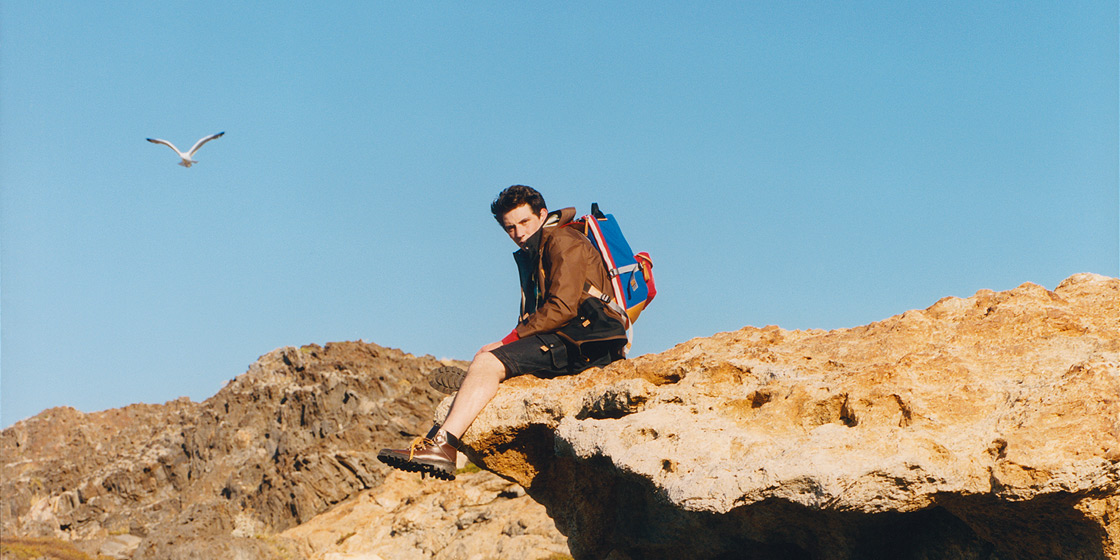
    Inspired by the great outdoors, Loewe has launched a new permanent collection of functional clothes and accessories for men. The campaign features British actor Josh O’Connor in the wilds of Cap de Creus, Spain. Loewe has launched a great outdoors-inspired collection of functional clothes and accessories for men. Featuring a wide range of vibrant colours, the collection – Eye/LOEWE/Nature – makes use of recycled materials, adding an innovative touch to conventional apparel.

    The ready-to-wear collection includes jumpers knit from partly recycled cotton fibre, parkas made of technical material, outerwear, shirts, trousers and cargo shorts.

    The accessories, manufactured in Japan, boast exclusive technology. Hand-sewn from quality canvas with calfskin trim, the Eye/LOEWE/Nature backpacks come with extra cushioning and support. There are interior zip pockets in which iPads can be stored. There are also tote bags and sling sacks for men to choose from.