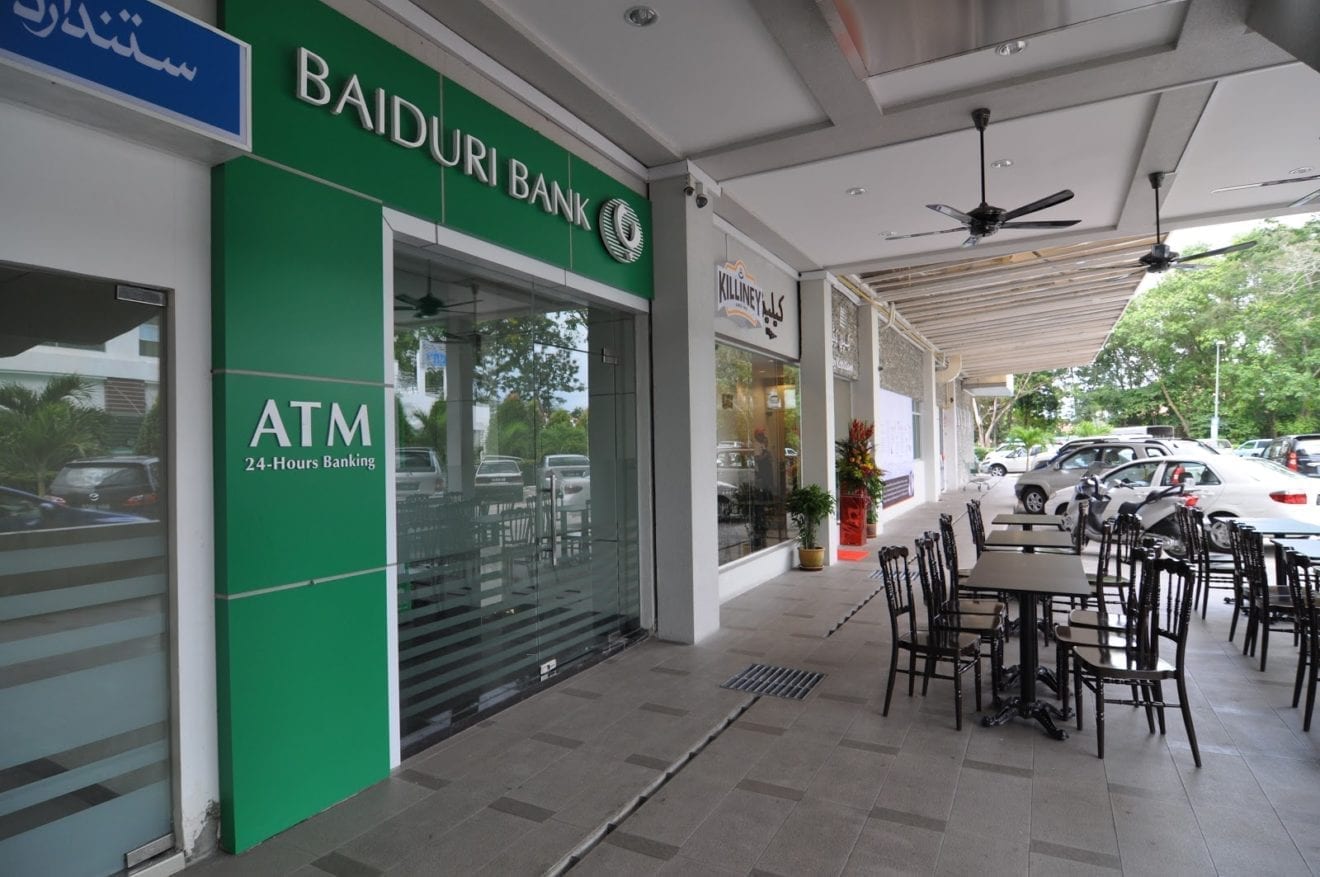
As a result of a wider economic expansion and diversification strategy, Brunei’s banking sector is growing at a rapid rate and attracting a new wave of international players
Despite its small size, Brunei, a southeast Asian nation on the island of Borneo, is a formidable economic power in the region. A thriving oil sector has ensured a very high standard of living for the population. However, similar to many oil-producing nations in the present climate of plummeting prices and global oversupply, the economy’s reliance on the energy industry has become problematic. In response, the Brunei Government is taking comprehensive steps to reduce the economy’s reliance on oil and gas revenue and instead focus on the growth and development of local businesses.
In 2015, ASEAN – of which Brunei has been a member since 1984 – established the ASEAN Economic Community, achieving a major milestone in regional economic integration. “The integration of ASEAN members can potentially represent a huge opportunity for growth”, said Pierre Imhof, CEO of Baiduri Bank. As such, the possible increase in trade and investment flows, which will result from a single market for goods, services, capital and labour, can open the doors to a far broader customer base for Bruneian banks, while also enabling local SMEs to venture outside of the country.
National interests
With the recent implementation of Darussalam Enterprise (DARe), a statutory body established by the government earlier in the year to monitor and nurture the development of local enterprises in Brunei, diversifying the economy and supporting SMEs has become a major priority for a nation that is heavily dependent on revenue from the oil and gas sector. “We have always had a strong focus on SMEs, which has consistently been one of our major customer groups from the very beginning”, Imhof told World Finance. “With the establishment of DARe and its assistance in the development of SMEs, I hope to see the SME market develop to become even more competitive locally, and to eventually become competitive internationally as well. In line with our commitment to develop local businesses and SMEs, Baiduri provides a wide range of financial products to businesses in order to ease their cash flow management and support their growth.”
Baiduri Bank recently rolled out enhancements to its online banking platforms to coincide with the growing demand for flexibility
The bank also offers Business i-Banking, Baiduri’s internet banking facility catering specifically for businesses. “Our aim is to provide customers with a modern, user-friendly and secure channel for businesses to manage their banking more efficiently”, Imhof said.
In April of last year, Baiduri introduced Business Banking – a new unit as part of its retail banking division – that was designed to target the growing number of SMEs in Brunei. According to Imhof, the unit serves to complement the bank’s corporate banking department by tapping into non-borrowing and small-borrowing accounts. Services provided by Business Banking include card merchant services for local retailers and setting up the Baiduri Internet Gateway System, which allows retailers to accept payment from their online customers. The Business Banking unit also helps SMEs apply for credit facilities.
Moreover, Baiduri Bank is launching a new online payment solution with affordability at its core – again with local SMEs in mind. According to Imhof: “Our latest product, known as MerchantSuite, aims to provide a very accessible and user-friendly method of facilitating online payment without the merchant needing to create their own website. This way, our SMEs are able to conduct business efficiently with minimum difficulty. With over 90 percent of our corporate clients being SMEs, Baiduri Bank clearly recognises their ability to generate revenue in the country and the vital contribution they make to the long-term economic stability of Brunei.”
Race to expansion
Another vital aspect to consider when trying to stay competitive in a rapidly changing society is keeping up with the latest technological innovations. In response to this necessity, Baiduri Bank recently rolled out enhancements to its online banking platforms to coincide with the growing demand for greater flexibility, in order to meet various business needs.
This transition towards the modern digital economy also required the bank to provide a safe and secure digital environment for its customers. According to Imhof: “We continue to invest heavily in our systems to ensure a high level of service delivery along with the highest level of security in the industry.” In fact, Baiduri Bank is at present the first and only bank in Brunei to receive the PCI-DSS certification, a payment card industry standard for the secure processing, transmitting and storing of cardholder data. In line with this trailblazing approach, Baiduri Bank has implemented hi-tech security features for its online banking platforms, such as authentication via mobile or tokens, dual-factor authentication and SMS notification for logins and transactions.
In response to a shifting customer trend towards diversified investment portfolios, Baiduri Bank launched Baiduri Capital, a wholly owned subsidiary that offers a range of global investment products and services. Baiduri Capital was also the first business in the country to launch an online securities trading platform, thereby leveraging technological developments in the global market.
“We feel that this is the right time for the Baiduri Bank Group to go into securities trading, as there is a growing number of Bruneians looking for opportunities to build their wealth by investing in stocks and shares, in addition to deposits”, said Imhof. “Therefore, the establishment of Baiduri Capital is very much in line with the bank’s long-term strategy of playing a leading role in the development of Brunei’s financial sector and in serving the people of Brunei.”
The timing of this strategic move was crucial. “Through our online trading platform, our customers can already trade online in various international stock exchanges, such as those in Malaysia, Singapore, Hong Kong and the US”, said Imhof. As indicated by a statement made by Brunei’s financial regulator, there is more and more talk about a stock exchange being established in Brunei Darussalam in the near future. Baiduri Capital has the capacity to play an important role in educating Bruneians and building their experience of stock trading in light of this potential and significant development.
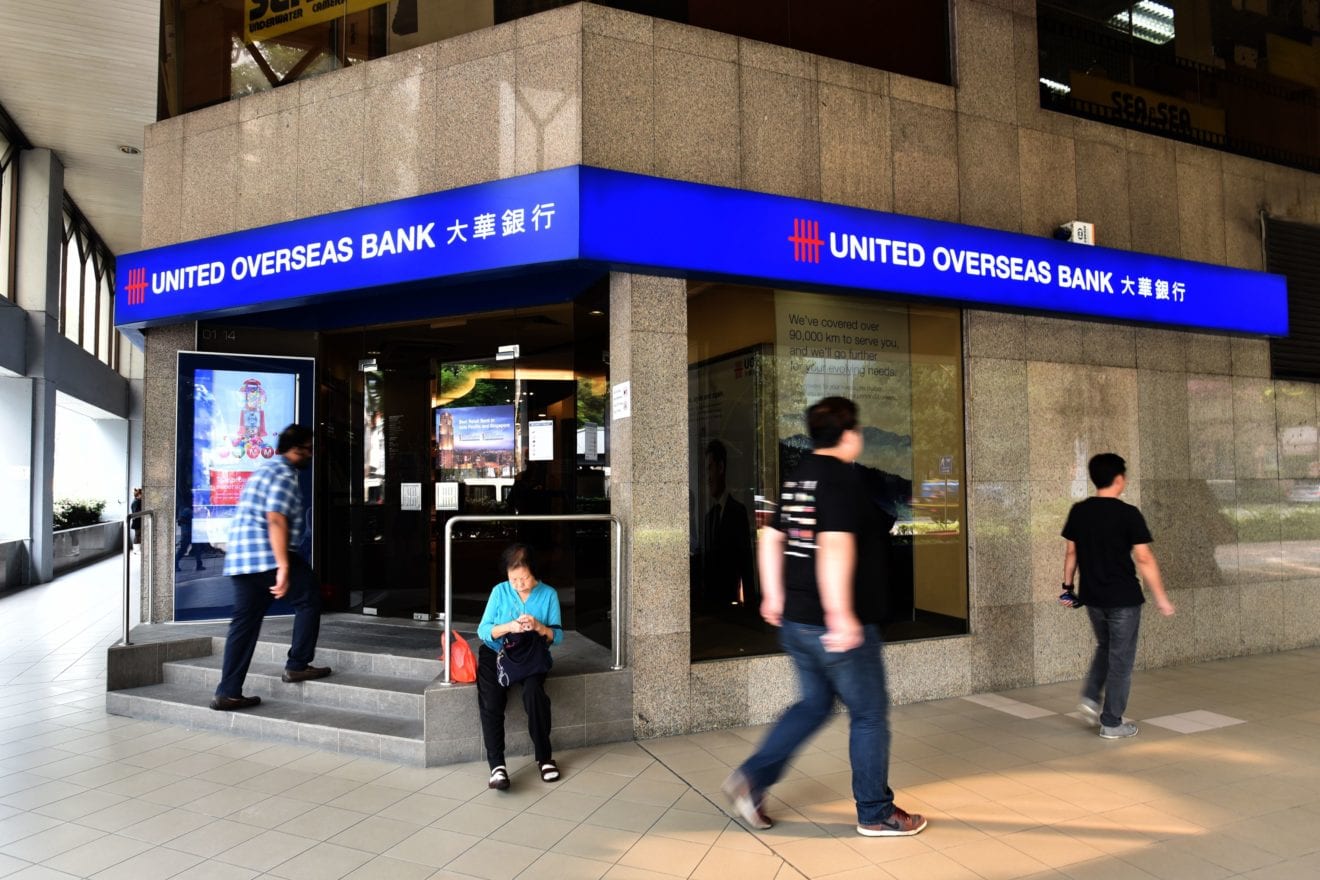
This commitment to Brunei’s economic development is further indicated by the bank’s acquisition of the retail banking business of United Overseas Bank’s Brunei branch at the end of 2015. “We look at strengthening and developing our retail business in line with our long-term strategy”, Imhof said.
In fact, the retail business is now a pillar of the bank’s business activities. With this acquisition, Baiduri has significantly increased its customer base in a bid to get ahead in Brunei’s challenging economic environment. “The acquisition of United Overseas Bank’s Brunei retail business was made possible thanks to Baiduri’s high level of excess liquidity and strong capital base, as evident from its credit rating of BBB/A-2 with a ‘stable’ outlook from Standard & Poor’s, which we believe reflects the bank’s excellent performance.”
Tackling challenges
Being rooted in the domestic market, Baiduri Bank has the competitive advantage of an in-depth knowledge of its customers and cultural preferences, in addition to having strong brand name recognition. Imhof explained: “Some of the main benefits of being a local bank are that the decision process is done internally. This allows us to tailor our products and services to specifically suit our clients’ needs. From a business banking perspective, it also means that we are able to be more flexible and faster in making decisions to grant facilities or in structuring financing options.”
When asked about the recent arrival of the Bank of China in the Bruneian market, Imhof spoke of the move being demonstrative of the strong interest in Brunei from overseas. “Brunei’s local banks are perfectly equipped to cater to the needs of clients, just as well as, if not better than, other international banks. They can offer those clients a wide, if not wider, range of products and services. In terms of the Bank of China specifically, I believe that its presence will have a positive impact on the image of the country and that, as with any newcomer, there will be a learning curve to understanding Brunei’s unique market culture.”
Amid the current international financial landscape, the global banking industry is operating in an increasingly regulated environment – and Brunei is no exception. “Though it is expected that the business environment will continue to face challenges, the opportunities for businesses and for the Baiduri Bank Group to grow are very promising, throughout the process of Brunei promoting economic diversification and development”, Imhof said. Moreover, the prospect of a stock exchange coming into fruition in the coming years is expected to firmly cement Brunei’s place on the map, which may encourage a surge in both local and foreign investment.