Tag: bakery

  • Singapore Bakery Big Mouth Bakehouse Shuts Down Nine Months After Rebranding

    Singapore Bakery Big Mouth Bakehouse Shuts Down Nine Months After Rebranding

    Big Mouth Bakehouse has closed permanently nine months after rebranding. The shutdown ends a 13-year run that began under the Fluff Bakery brand.

    At its peak in 2015, the business sold more than 2,000 cupcakes a day. Rising costs and slowing sales later forced a retreat.

    Debt overhang cuts short the January comeback

    Founders Nursyazanna Syaira Mohammad Suhimi and Ashraf Alami launched Fluff Bakery in 2012 to fund their wedding. Strong social media demand led to a physical store opening in 2013. High daily sales of halal cupcakes quickly turned the shop into a staple for local dessert buyers.

    An expansion during the Covid-19 pandemic stretched resources. Heavy overheads and falling footfall forced the founders to shut Fluff Bakery in September last year, carrying unpaid obligations into their next venture.

    Product shift fails to offset operating costs

    The couple attempted a turnaround in January by reopening under the Big Mouth Bakehouse name. Their revamped menu moved away from standard cupcakes toward higher-ticket baked goods, including cakes, bomboloni and shio pan.

    Changing the menu did not generate enough cash flow to cover daily operating expenses and service old debt. By February, the founders were still struggling to clear liabilities accumulated during Fluff Bakery’s earlier expansion.

    Independent bakers face margin squeeze

    Independent food and beverage operators across Singapore face severe margin pressure from climbing ingredient prices, utility tariffs and commercial rents. When momentum cools, single-outlet shops rarely have the capital to absorb prolonged downturns.

    Rebranding without restructuring underlying debt rarely saves small bakeries. Drawing foot traffic in Singapore’s dining corridors demands heavy promotional spending, which punishes boutique shops that lack bulk purchasing power.

    The final exit after thirteen years

    On Instagram, the owners confirmed the closure and said conditions could no longer be managed.

    “Sometimes, despite your best efforts, things happen that are simply beyond your control,” the business said.
  • Japan’s I’m Donut? Enters Southeast Asia with First Kuala Lumpur Store

    Japan’s I’m Donut? Enters Southeast Asia with First Kuala Lumpur Store

    Japanese bakery concept I’m donut? Opened its first Southeast Asian store at The Exchange TRX in Kuala Lumpur on September 12, 2026. The outlet brings more than 30 pastry varieties to Malaysia.

    The launch is the brand’s first physical retail location outside Japan. It follows rapid growth across Tokyo and other major Japanese cities.

    The Exchange TRX Deployment

    Located at lot GS.05.0 in The Exchange TRX, the shop trades daily from 10:00 AM to 10:00 PM. Staff make every pastry fresh on site throughout the day.

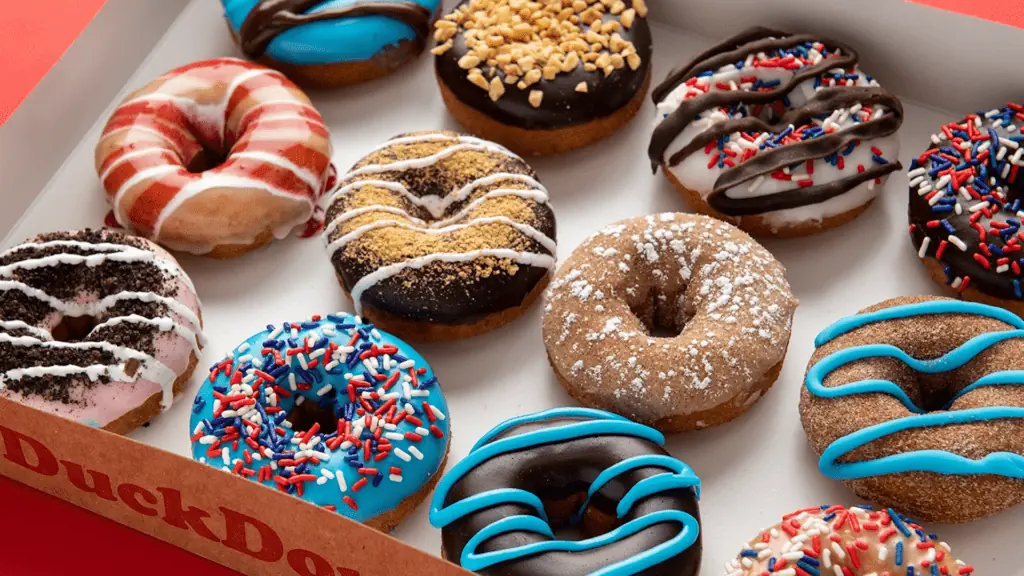
    Chef and founder Ryouta Hirako built the concept around signature nama donuts. His recipe uses a soft dough to produce an airy texture. The Kuala Lumpur branch stocks the brand’s core menu, including the Original, Nama French Cruller, Pistachio Cream, Cacao and Custard variants.

    “We are very happy to finally bring I’m donut? To Malaysia and to introduce our nama donuts to customers in Kuala Lumpur,” said Chef Ryouta Hirako, Founder of I’m donut?.

    Localization and Menu Structure

    Alongside its Japanese lineup, the retailer rolled out items designed specifically for Malaysian consumers. The localized menu incorporates regional breakfast staples and drinks into bakery formats.

    Exclusive items feature sweet and savoury combinations, including Masala Chicken, Cham, Hojicha Kaya Jam, Milo Glazed, Banana Fritter Caramel and Pandan Coconut Cream. Menu localization helps specialty bakeries keep footfall steady once initial novelty fades.

    Mall Dynamics and Food Retail Competition

    Mall operators across Southeast Asia have turned to viral Japanese and Korean food concepts to anchor retail floors. The Exchange TRX serves as a primary landing pad for foreign food and beverage brands entering Malaysia.

    Single-product bakery concepts face sharp competition in Kuala Lumpur’s top retail hubs. Long-term performance requires a balance. Operators must pair core imported recipes with localized seasonal items to hold a broad customer base.

    Expansion Trajectory

    The Malaysian launch follows an announcement in late August 2026 detailing plans to expand across the region. This Kuala Lumpur site gives the company an operating base to test Southeast Asian demand.

    RetailNews Asia tracks store productivity across prime commercial developments in Malaysia. Sales and foot traffic at The Exchange TRX will establish the baseline for future growth. Those figures will determine whether the business adds locations in the Klang Valley or pushes into Singapore and Thailand.

  • Hong Kong Bakery Brand Builds 30,000 Members Without Retailer POS Data

    Hong Kong Bakery Brand Builds 30,000 Members Without Retailer POS Data

    A century-old Hong Kong bakery and confectionery manufacturer signed up more than 30,000 loyalty members within six months by asking shoppers to scan supermarket receipts instead of relying on retailer point-of-sale data.

    Powered by the KlikNGo loyalty and CRM platform, the initiative took Gold for Best CRM Campaign at the DigiZ Awards 2026 in September after doubling repeat purchases and generating 47 per cent of the brand’s sales uplift.

    How receipt scanning bypasses the till

    Suppliers selling through Hong Kong supermarket chains, convenience stores and neighbourhood grocers have long operated with limited visibility of their end consumers. Trade promotions produce temporary sales lifts without delivering customer intelligence, while retailers typically treat transaction records as confidential. At the same time, younger shoppers have drifted toward artisanal and lifestyle food brands, weakening the impact of legacy brand familiarity alone.

    To capture shopper records directly, the manufacturer rolled out a mobile application built on the KlikNGo loyalty platform. Consumers register, buy goods at third-party retailers, and photograph paper or digital receipts. The software extracts the merchant name, branch location, purchase timestamp, payment method, and transaction number. It verifies purchases against approved retail partners while blocking duplicate claims.

    More than 10 major retail chains in Hong Kong are covered by the system. Members redeem accumulated points for tier perks, vouchers, gifts, and lucky draws. Outlet staff validate reward vouchers in real time using a separate merchant app, eliminating any need to integrate with supermarket registers.

    Customer profiling and media returns

    App downloads crossed 23,000 within three months of rollout. Shoppers uploaded more than 30,000 receipts over five months. Member mission completion rates hit 85 per cent, supplying profile details, purchase occasions, and product preferences to turn raw receipt data into targeted first-party segments.

    Direct data reshaped advertising spend. Targeted promotions to verified buyers improved media efficiency by 49 per cent. That allowed the brand to direct ad budgets against known consumption habits rather than buying broad demographics across Hong Kong media channels.

    The shift in supplier use

    Packaged goods makers across Asia face an altered balance of power with physical grocery giants like Dairy Farm and AS Watson. When brands collect store-level purchasing intelligence independently, trade marketing budgets move away from retailer listing fees and end-cap slots. Funds shift directly into proprietary engagement channels.

    Customer friction remains the primary operational risk. Asking shoppers to photograph physical receipts demands higher rewards than swiping a loyalty card at checkout. Redemption costs rise if mission completion drops or rewards fail to compensate for the manual step.

    Industry recognition followed the rollout. The initiative won Gold for Best CRM Campaign at the DigiZ Awards 2026, while platform provider KlikNGo took Bronze for Best MarTech for CRM. KlikNGo presents the Hong Kong case study at the Digital Marketing Asia conference in Singapore on September 22.

  • Edible Adventures: Pop Marts Toy-Inspired Desserts Invade Singapore in Global Bakery Debut

    Edible Adventures: Pop Marts Toy-Inspired Desserts Invade Singapore in Global Bakery Debut

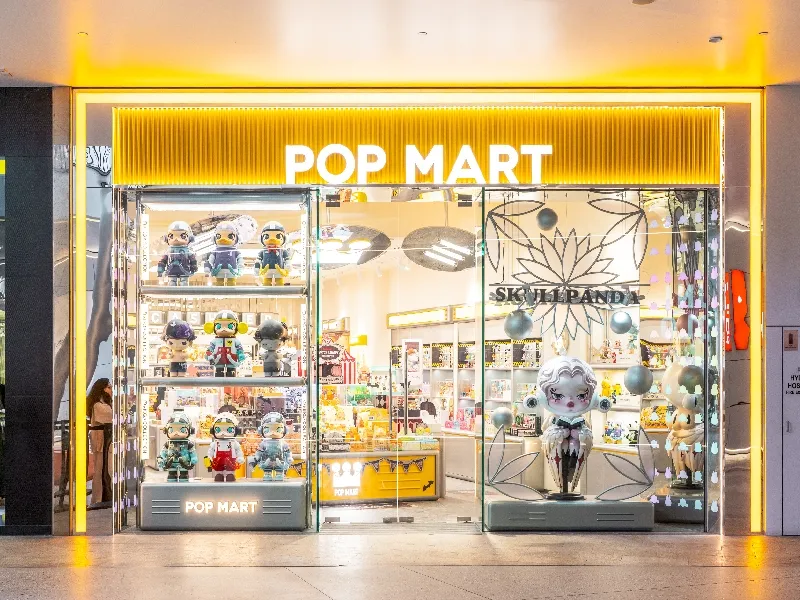
    Beijing-based creator of popular ‘blind box’ toys, Pop Mart, is branching out with a new line of business, launching its premiere international bakery in Singapore. The company is giving a fresh, three-dimensional, and edible spin to its famous characters, such as the wide-eyed Labubu and the adorable Molly. From black sesame Labubu popsicles to double cheesecake Molly, these delightful treats will now take the form of pastries and beverages. The bakery, located opposite Universal Studios Singapore, showcases a line-up of 45 toy-inspired treats with prices ranging from S$5 to S$32 (approx. US$3.87 to US$24.77).

    From Toys to Tasty Treats: Pop Mart Expands

    Singapore is just the beginning for Pop Mart’s global culinary conquest. The company is contemplating setting up bakeries in Europe and the United States, according to Zhang Xiaoyang, the head of Pop Bakery at Pop Mart. However, the company is aware that it will have to navigate complex issues such as establishing local supply chains. The company’s strategy also includes launching dessert shops across Southeast Asia, specifically in Thailand, Indonesia, and Malaysia.

    This move to extend the brand into the bakery business follows the successful launch of Pop Mart’s first bakery in the Chinese coastal city of Qinhuangdao in April. Before this, the company had tested the concept through over 30 dessert truck pop-ups within China.

    A Strategic Move Amidst Challenges

    The foray into the bakery business comes at a time when Pop Mart is grappling with inflated production costs. The company’s business model has recently been met with skepticism from analysts as they have observed the company’s annual sales and earnings growth fall short of expectations in recent quarters.

    “Pop Mart’s diversification into the bakery business is a smart move. There’s only so much a toy company can do, and they’ve likely reached their limit with toy manufacturing,” said Laura Pan, a lecturer at a prominent school of management. However, she notes that the reception of Pop Mart’s bakeries in the United States remains uncertain, considering the waning popularity of the Labubu series.

    In the face of a global surge in demand for its plush toys, bag charms, and collectibles, Pop Mart has been innovatively expanding its business beyond toy selling. The company hopes to emulate Disney’s success in transforming short-term popularity into long-lasting success.

    In line with this strategy, Pop Mart has made notable strides this year. It has announced a collaboration with Sony Pictures to produce a Labubu movie and has expanded its Beijing theme park, Pop Land.

    “We aim to integrate our IP (intellectual property) into all aspects of consumers’ lives, and desserts are one part of this mission,” Zhang said.

    Questions & Answers

    What is Pop Mart’s new business venture?
    Pop Mart has launched its first international bakery in Singapore, featuring pastries and beverages inspired by their popular toy characters.

    Is Pop Mart planning to open bakeries in other countries?
    Yes, the company is considering setting up bakeries in Europe and the United States and also plans to launch dessert shops across Southeast Asia, specifically in Thailand, Indonesia, and Malaysia.

    How is Pop Mart diversifying its business?
    Aside from launching a bakery business, Pop Mart is also developing a Labubu movie in partnership with Sony Pictures and has recently expanded its Beijing theme park, Pop Land.

  • Miopane Bakery: Fresh Taiwanese Bagel Sensation Now Baking in Los Angeles

    Miopane Bakery: Fresh Taiwanese Bagel Sensation Now Baking in Los Angeles

    The Taiwanese bakery, Miopane, has successfully ventured into the United States market, launching its first store in Pasadena, Los Angeles.

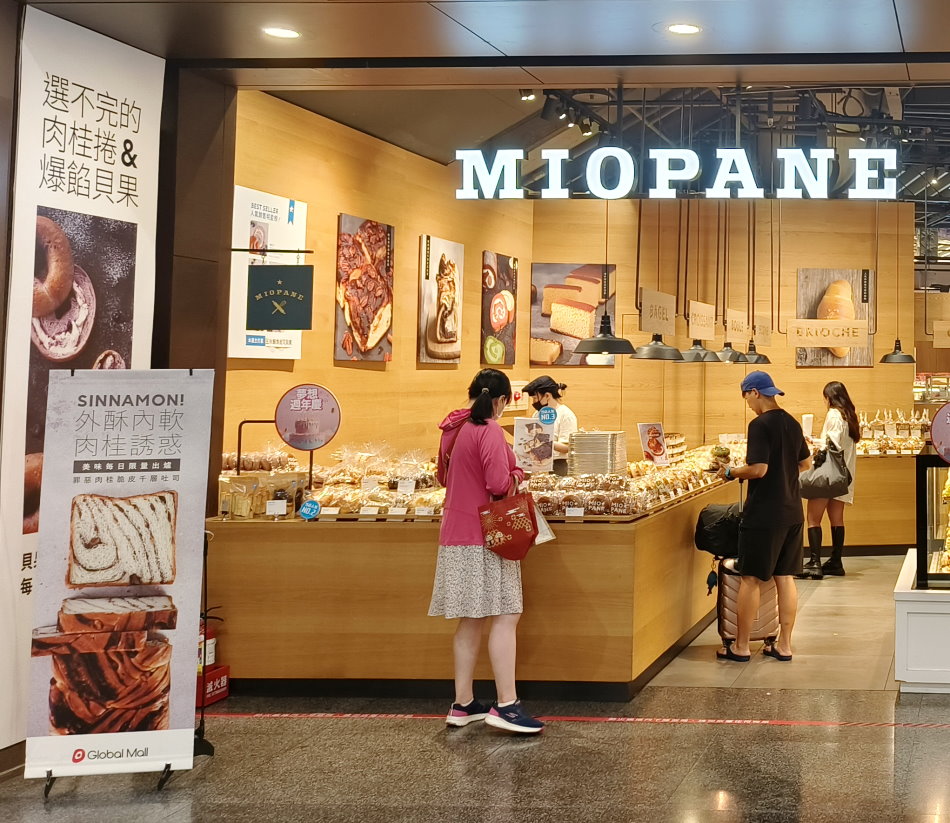
    The Pasadena store boasts an open, production-centric layout, highlighting bagels showcased behind a glass counter with a preparation area that is completely visible to patrons. The setup not only allows customers to witness the baking process, but also accentuates the company’s commitment to freshness and craftsmanship.

    The on-site bakers, who knead and bake the bagels, play a crucial role in promoting Miopane’s focus on craft and freshness.

    Miopane’s American menu is broad and diverse, offering over 20 types of bagels, complemented by a selection of coffee and tea.

    The bakery’s signature items have quickly become customer favorites. These include the Maple Glaze and Green Onion Croissants, and the Jalapeno Sharp Cheddar Bagels, which have all been well-received.

    Despite the pricing being higher than in its Taiwanese market, Miopane’s bagels retail at approximately US$7.50 (NT$230) per bagel. This compares to around US$2.50 (NT$80) in the bakery’s domestic market.

    However, customers have observed that the pricing is comparable to other artisanal bagel offerings within the Los Angeles area, suggesting that Miopane’s pricing strategy may be well-aligned with the market expectations.

    Questions & Answers

    What is the key feature of Miopane’s Pasadena store layout?
    The key feature of Miopane’s Pasadena store is its open, production-centric layout. Bagels are displayed behind a glass counter, and the preparation area is fully visible to customers.

    What are some of Miopane’s signature items?
    Miopane’s signature items include Maple Glaze, Green Onion Croissants, and Jalapeno Sharp Cheddar Bagels.

    How does the pricing of Miopane’s bagels in the US compare to the pricing in Taiwan?
    The pricing of Miopane’s bagels in the US is higher than in Taiwan, with bagels retailing at about US$7.50 compared to roughly US$2.50 in its home market. However, customers have noted that the pricing is similar to other artisanal bagel offerings in LA.

  • Simson’s Pantry Bolsters Bakery Line with High-Protein Mini Pizza Bases: A Tasty Transformation of a Family Favourite

    Simson’s Pantry Bolsters Bakery Line with High-Protein Mini Pizza Bases: A Tasty Transformation of a Family Favourite

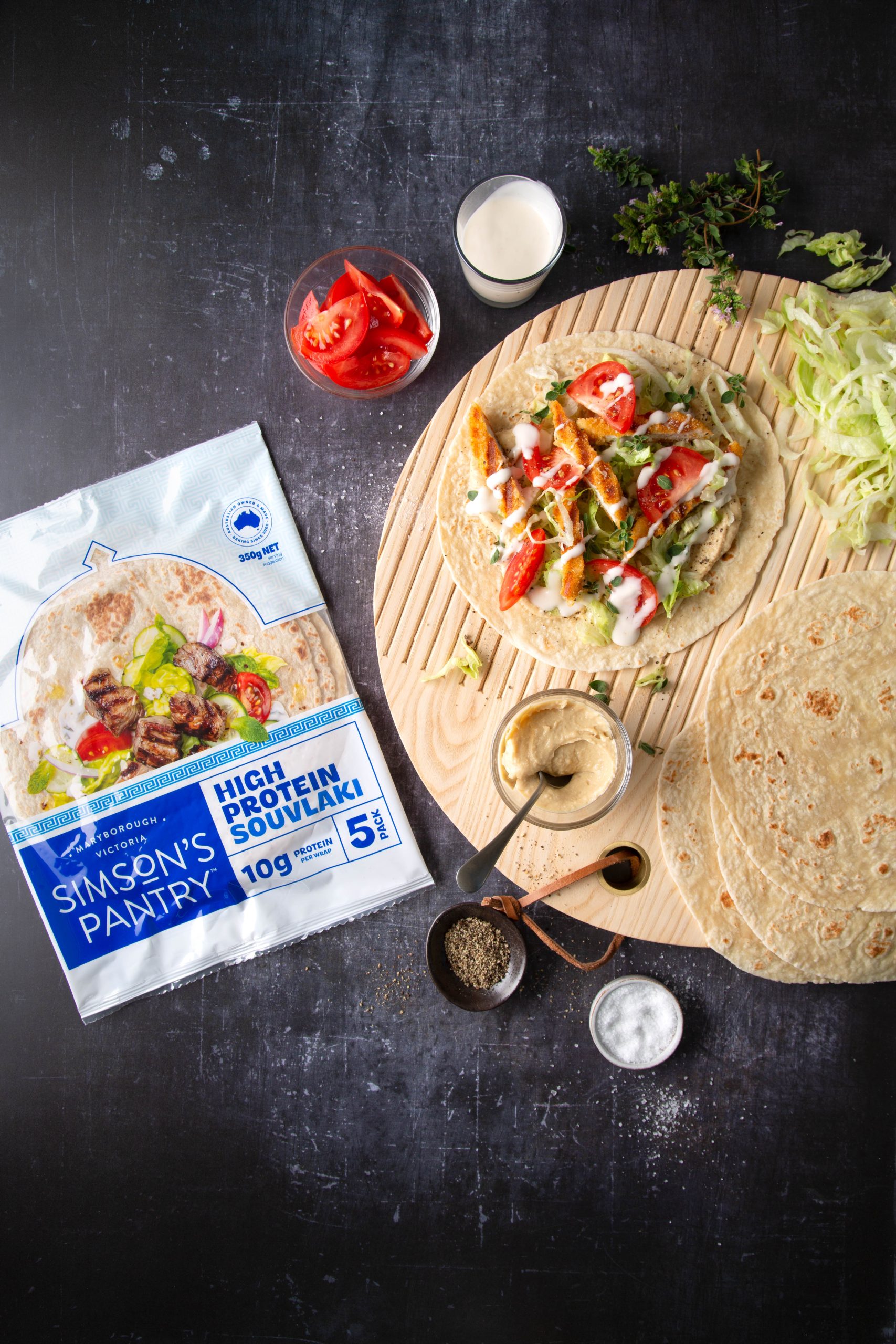
    Simson’s Pantry, the renowned bakery brand, has broadened its healthier product line by launching a new high-protein mini pizza base. This move comes following the successful initiation of its High Protein Souvlaki Flatbreads earlier this year.

    Enhancing Nutritional Value

    Offered in packs of six, each mini pizza base packs 6.3g of protein per serving. The brand has indicated that this product is designed to provide greater nutritional benefits without sacrificing flavor.

    Reimagining a Family Classic

    Mark Malak, the company’s Head of Marketing and Growth, stated that Simson’s Pantry saw an opportunity to reimagine a beloved family product by offering a healthier, more balanced alternative. He emphasized that the mini size format is ideal for controlling portions, whether for lunchboxes or snacks. Furthermore, the product is versatile, perfect for both sweet and savory dishes, and is air fryer-friendly.

    Nationwide Availability

    The Simson’s Pantry High Protein Mini Pizza Bases are now available for purchase across the country at Woolworths retail stores. Each six-pack is priced reasonably at $4.50.

    Questions & Answers

    What is the protein content in Simson’s Pantry’s new mini pizza base?
    Each serving of the mini pizza base contains 6.3g of protein.

    How is the mini pizza base package sold?
    The mini pizza bases are sold in packs of six.

    Where can customers purchase Simson’s Pantry High Protein Mini Pizza Bases?
    The product is available for purchase nationwide at Woolworths.

  • Baileys Joins Forces with Melbourne’s Simply Mike’s Bakery to Unveil Limited-Edition Cinnamon Scroll Liqueur

    Baileys Joins Forces with Melbourne’s Simply Mike’s Bakery to Unveil Limited-Edition Cinnamon Scroll Liqueur

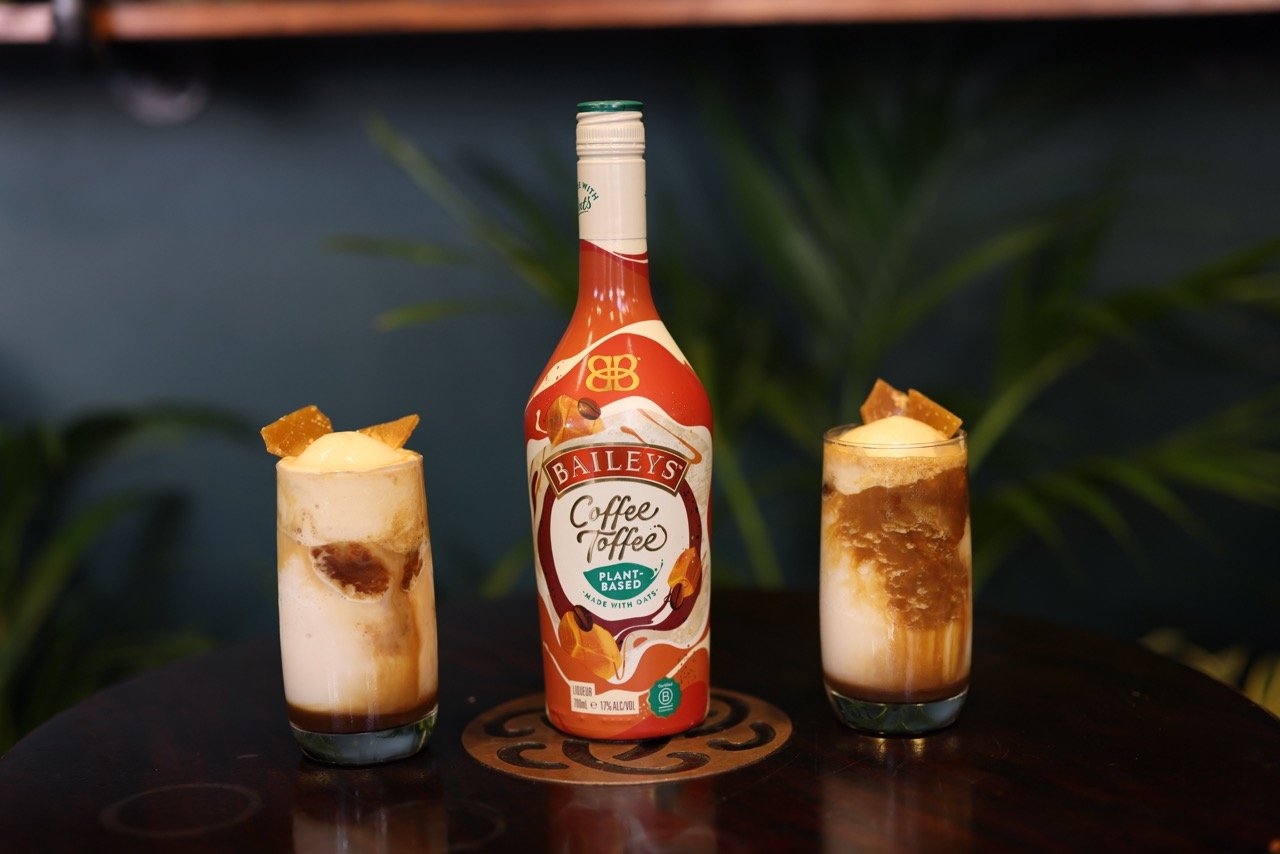
    In a unique pairing of flavors, Baileys has collaborated with the Melbourne-based bakery Simply Mike’s to bring to market a limited-edition Baileys Cinnamon Scroll. This creative concoction combines the warmth of cinnamon with the rich, creamy taste of Baileys Irish Cream, offering a festive delicacy that can be savored on its own, as a garnish on ice cream, or stirred into hot chocolate.

    Simply Mike’s: A True Master of the Scroll

    Simply Mike’s, which initially made its mark as a quaint French patisserie noted for its delectable croissants, subsequently earned accolades for its cinnamon scrolls. In its quest for a “true master of the scroll”, Baileys handpicked this bakery as the ideal partner for creating an innovative new flavor.

    Nishant Samuel, the head of whisky and liqueurs at Diageo Australia, expressed his excitement about the partnership. He stated, “We were seeking a partner who could encapsulate the very essence of Baileys in a way that was fun, local, and brimming with personality.”

    Limited-Edition Indulgence

    The Baileys Cinnamon Scroll will be available for a limited time only, marking another addition to Bailey’s innovative flavor explorations. In 2023, Baileys made waves with a festive tiramisu twist, introduced specifically for the Christmas season.

    Questions & Answers

    What is the Baileys Cinnamon Scroll?
    The Baileys Cinnamon Scroll is a limited-edition flavor that combines the spice of cinnamon with the creamy taste of Baileys Irish Cream.

    Who has Baileys collaborated with for this new flavor?
    Baileys has partnered with Simply Mike’s, a bakery based in Melbourne, known for its exceptional cinnamon scrolls.

    How can the Baileys Cinnamon Scroll be enjoyed?
    The Baileys Cinnamon Scroll can be enjoyed by itself, drizzled over ice cream, or stirred into hot chocolate for an added layer of flavor and richness.

  • Budget bakery boom as Koreans turn to convenience store bread

    Budget bakery boom as Koreans turn to convenience store bread

    In response to escalating prices in bakery franchises, that can exceed 10,000 won for just a few items, South Korean consumers are progressively seeking out more affordable private label (PB) bread. These are readily available in convenience stores and large retailers. As a consequence, the rise in sales of PB bread has prompted industry insiders to refer to the phenomenon as a ‘budget bakery boom’.

    The Surge of Private Label Bread

    Major convenience store chains report that PB bread now constitutes over 20 percent of all bakery sales. The market share of CU’s PB products has more than doubled from 9.4 percent in 2023 to 21 percent between January and September 2025. Similarly, GS25 experienced a rise from 21.1 percent to 24.9 percent, and 7-Eleven increased its PB ratio from 15 to 20 percent within the same timeframe.

    Due to this growing trend, retailers have been quick to introduce new in-house bakery brands. CU’s ‘Bakehouse 405’ launched in August 2023 and currently offers around 30 products. GS25 operates two PB lines, ‘Breadyque’ and ‘Seongsu’, which were launched in 2021 and 2024 respectively. These lines have sold 70 million and 3 million units to date. The ‘Seven Select’ range offered by 7-Eleven features approximately 40 varieties, and Emart24’s ‘Bakery of the Day’ (BOTD) was introduced in June with an initial selection of seven products.

    Price Versus Quality

    The primary attraction for consumers is the price tag. Items from CU’s Bakehouse 405, such as a sweet pastry, are priced at just 1600 won. Similarly, GS25’s bun is priced at 2100 won, and 7-Eleven’s honey hotteok is a mere 1500 won. Even on the higher end of the price scale, Emart24’s apple pie retails for 2400 won, which is less than a third of the price of similar pastries in high-end bakeries.

    In addition to the cost savings, the stores have also expanded their product ranges. Their selections now include a wide variety of items such as bagels, cream buns, baguettes, roll cakes, and even pizza rolls. Retailers stress that PB bread is not only affordable, but also of high quality. This is attributed to their partnerships with small manufacturers, which help to cut out middleman costs and marketing expenses.

    Supermarkets Join the Trend

    Large supermarkets are also following the trend. Homeplus runs ‘Mont Blagé’ bakery corners in over 120 stores nationally, offering traditional red bean, custard, and soboro buns for around 2000 won each. Lotte Mart’s ‘Poongmiso’, which was launched in 2022, is also growing its reach. Meanwhile, Emart has been selling imported ready-made cakes and dough under its ‘No Brand’ and ‘Peacock’ ranges since 2024, highlighting the advantages of affordability and convenience.

    Industry pundits believe that the popularity of PB bread highlights a shift in consumer thinking, driven by continuous inflation. Consumers are prioritising practicality and taste over brand prestige.

    Questions & Answers

    What is causing the ‘budget bakery boom’ in South Korea?
    The ‘budget bakery boom’ is due to rising prices in bakery franchises, prompting South Korean consumers to seek out more affordable private label bread from convenience stores and large retailers.

    How is the industry responding to the increased demand for private label bread?
    The industry is responding by introducing new in-house bakery brands. These brands offer a wide variety of products at a fraction of the cost of high-end bakeries.

    What are the advantages of buying private label bread?
    The main advantages of buying private label bread are affordability and quality. These breads are more inexpensive due to partnerships with small manufacturers that reduce costs. The quality of the bread also remains high, providing consumers with a cost-effective alternative to higher-priced branded products.

  • Filipino Bakery Chain Mary Grace Set For First International Venture In Singapore

    Filipino Bakery Chain Mary Grace Set For First International Venture In Singapore

    Singapore has recently seen an influx of Chinese food and beverage (F&B) brands. Among them are the florist-café Tomacado, the popular teahouse Incloud, and Siji Miinfu, a specialist in Peking duck. However, the island nation is also preparing to welcome a notable name from the Philippines: Mary Grace. From its humble beginnings as a small bazaar stall set up by a mother of five in 1994, Mary Grace has grown into a bakery and café chain with over 140 outlets in the Philippines. The upcoming Singaporean outlet will be its first international venture.

    Mary Grace’s Initial Success in Singapore

    In September of this year, Mary Grace held a three-day pop-up event in Singapore. Despite minimal advertising, the event was a sold-out success. This could be a signal that when the permanent store opens, a large number of eager customers will be waiting.

    Signature Offerings

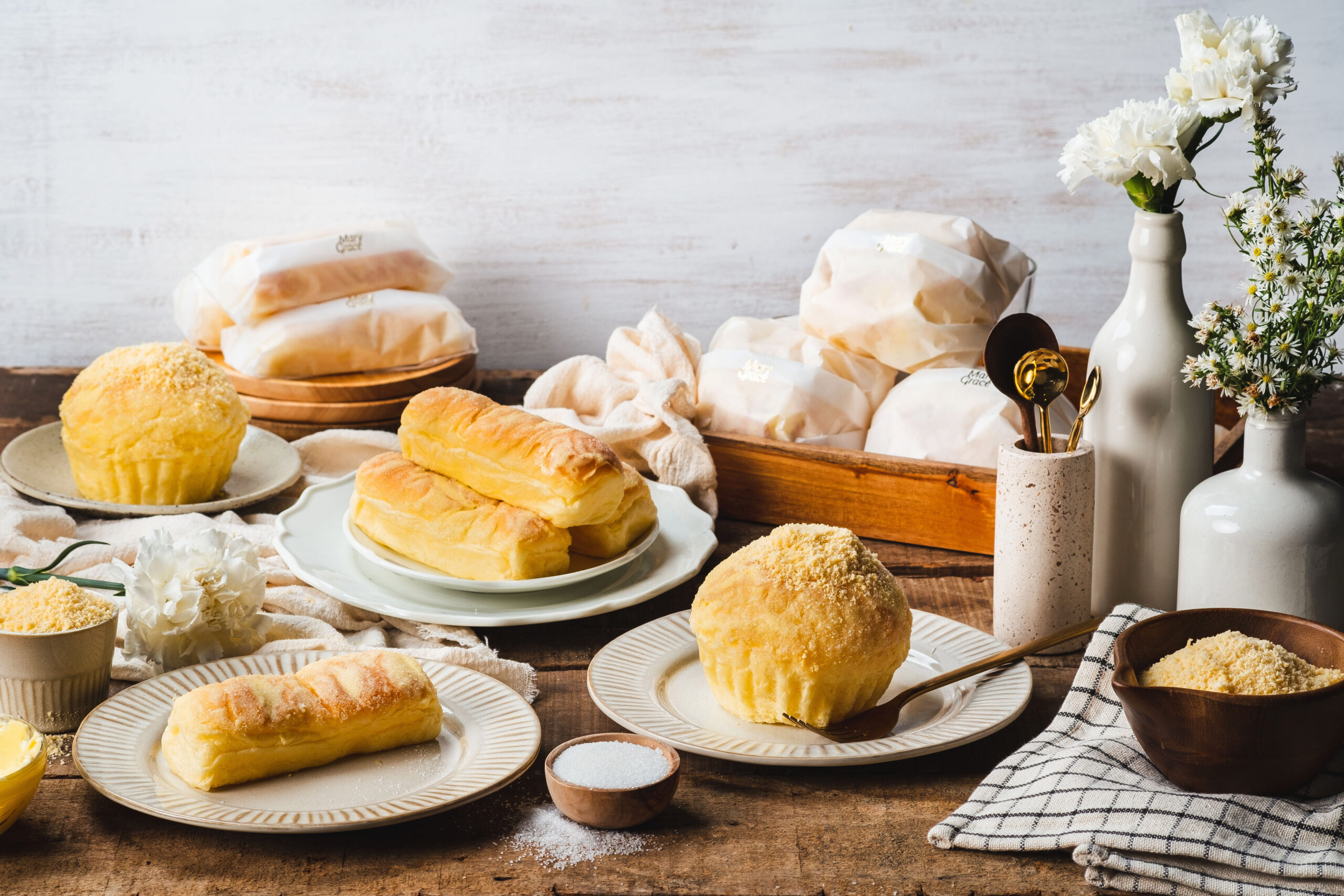
    The bakery’s signature offerings include its cheese rolls and ensaymada, a soft and buttery Filipino pastry adapted from the Spanish ensaïmada. In the classic version, Mary Grace tops the pastry with a dusting of aged Edam cheese. During the pop-up event, a box of six was sold for $31.50. The ensaymada also comes in several other flavours, such as cinnamon apple and chocolate.

    Mary Grace’s other home-style baked goods include carrot cake, banana bread, lemon bars, and strawberry shortcake. It is hoped that these, along with savoury items like sandwiches and Filipino-style all-day breakfast dishes, will be available in the Singapore store.

    Further Information

    Details about the exact location and opening date of Mary Grace’s Singapore location are still forthcoming. The latest updates will be posted on its Instagram account @cafemarygrace.sg.

    Questions & Answers

    What is Mary Grace’s origin?
    Mary Grace originated as a small bazaar stall set up by a mother of five in the Philippines in 1994. It has since grown into a large bakery and café chain with over 140 outlets in its home country.

    What are some of the signature items at Mary Grace?
    Some of the signature items at Mary Grace include cheese rolls, ensaymada which is a fluffy, buttery Filipino pastry, and other home-style baked goods like carrot cake, banana bread, lemon bars, and strawberry shortcake.

    When and where will the permanent Mary Grace store in Singapore open?
    The exact details regarding the opening date and location of the Mary Grace store in Singapore have not yet been released. Future updates will be posted on its Instagram account @cafemarygrace.sg.

  • Luxury bakery chain Lady M shuts stores in Mainland China

    Luxury bakery chain Lady M shuts stores in Mainland China

    Luxury confections brand Lady M will close all outlets on the Chinese mainland by September 10 but plans to return with a new business strategy later.

    The New York-based patisserie brand has 27 licensed stores in Chinese cities including Shanghai, Beijing, Shenzhen and Xiamen, as well as three food-processing plants.

    Customers who own prepaid cards and vouchers can still use them to make offline and online purchases before September 10.

    They can also claim a refund between September 1 and September 15 through its mini-program on WeChat mini program.

    The company announced earlier this month that it plans to pursue a direct company-owned strategy in China to strengthen business and drive growth.

    Lady M did not renew the license agreement with Shun Lee Shanghai Commercial Management Co for five provinces, which expired on April 9.

    “We have built up a significant business presence in the past five years and regret any inconvenience caused by the closing of the license stores,” Shanghai Muxin Catering Service Management Co, a wholly unit of Shun Lee, said in an announcement on Wednesday.

    Lady M’s stores at high-end shopping malls and popular areas always attract large crowds, with people queuing up for a taste of its handmade multi-layered crêpe cakes and gourmet desserts.

    The first Lady M boutique store in China was launched at the IFC Mall in the Lujiazui area of ​​​​Shanghai in September 2017.

    Microblog user “Lovley Butter” has been ordering birthday cakes from Lady M for the last few years as an avid lover of its signature multi-layered crêpes.

    But new bakery and dessert stores have continued to emerge in recent years, which have done better at catering to local tastes and providing seasonal offerings.

    Lady M said it is looking forward to taking a direct role in elevating the China business, a market that is pivotal to its growth strategy, said CEO of Lady M, Ken Romaniszyn, in a press release on July 14.

    It plans to focus on developing the China market with new concept boutiques and innovative product offerings, allowing the company to maintain the highest quality and consistency for its customers.

  • Paris Baguette opens its largest Singapore store

    Paris Baguette opens its largest Singapore store

    Best known for its Paris Baguette bakery franchise, SPC Group has opened four food brand stores in Singapore. The group is planning to make Singapore as its third axis of global growth after China and the United States.

    The group opened the new stores at Jewel Changi, a commercial complex connected to Changi Airport in Singapore, on April 17. The four food brands include Maison de PB, the first high-end brand of Paris Baguette; Coffee@Works, a special tea and coffee brand; and Shake Shack, a burger brand.

    Jewel Changi is a seven-story lifestyle complex built as part of the Singaporean government’s Chingi Airport development projects.

    Maison de PB serves not only bakery products but also various meals that go well with bread such as “Beef On The Stone” and “Signature Seafood Pasta.”

    Coffee@Works has opened its first overseas store at Jewel Changi. Currently, it operates a total of 12 stores in South Korea. Shake Shack has also opened the first store at the complex after it obtained a license for business operation in Singapore in October last year. Singapore is the third-largest market in SPC Group’s global operations.

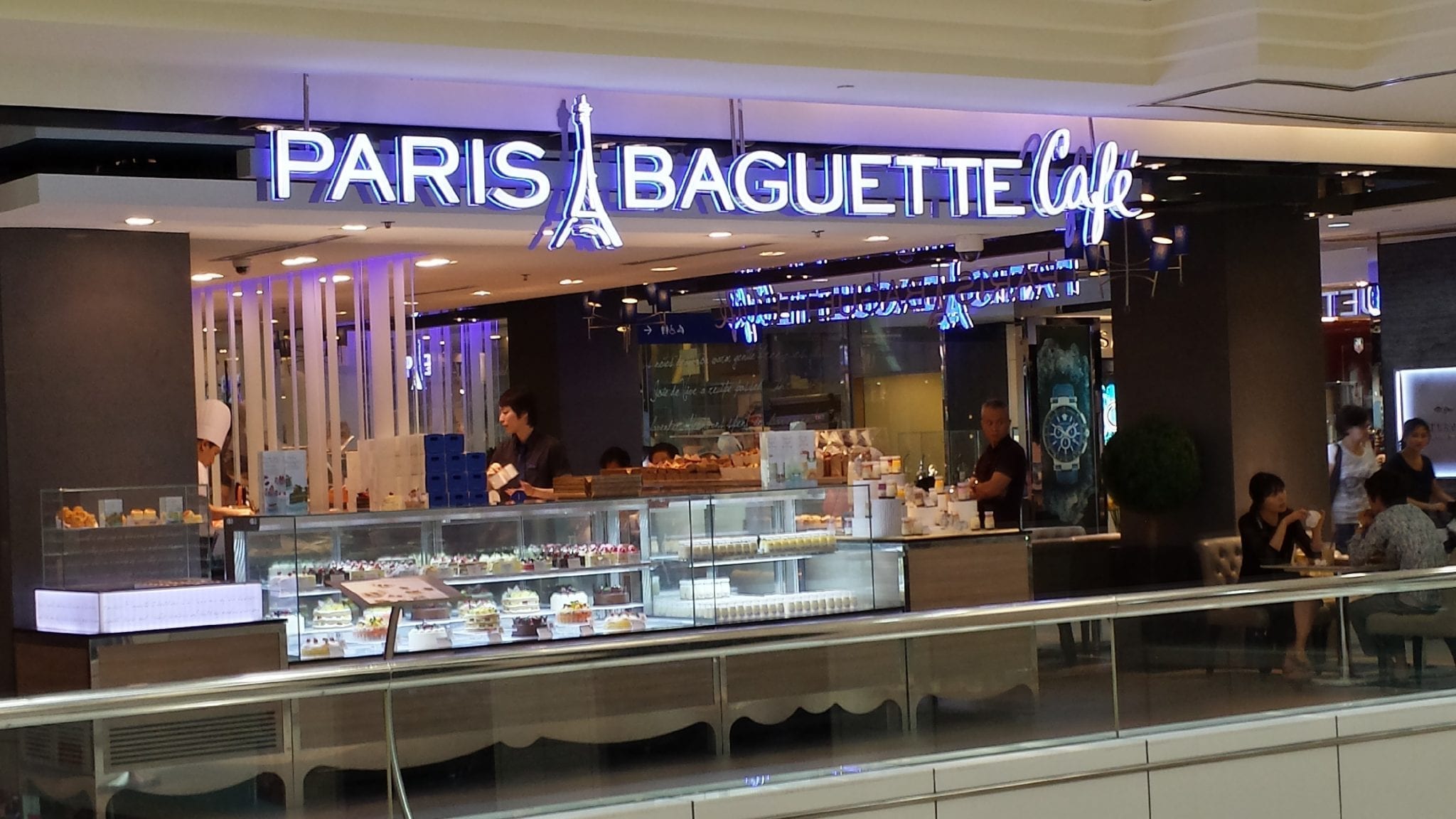
    Paris Baguette has 12 stores in Singapore, including the one at Jewel Changi. Although the number of stores in Singapore is less than the 14 in Vietnam, sales in Singapore, which came to 14.90 billion won (US$13.13 million) last year, are nearly three times higher than those in Vietnam.SPC Group is seeking to establish a holding firm in Singapore. It is planning to build a base in Singapore, which is considered a hub of logistics, finance, and business in Asia, and expand its business to neighboring Southeast Asian countries.

    The group is also seeking to build a Halal certified production facility to target Muslims and the global Halal food market. It will establish the facility in the Southeast Asian region in order to target Muslim countries, including Indonesia and Malaysia, and will set the exact time and place in the future.

  • Macau chain Koi Kei Bakery shuts stores as tourists stay away

    Macau chain Koi Kei Bakery shuts stores as tourists stay away

    Macau souvenir bakery Koi Kei Bakery, known for its peanut brittle and almond biscuits, will be closing its Hong Kong branches in Tsim Tsa Tsui, Causeway Bay and Mong Kok this Saturday, leaving the airport outlet (pictured) its sole remaining store in the territory.

    Hong Kong’s tourism board says inbound visitor numbers have plunged 98 percent this month against last year’s figures, affecting businesses that are heavily reliant on foreign and mainland visitors, including chains such as Sasa, watch and jewelry stores and luxury retailers.

    Koi Kei Bakery says the ongoing epidemic has led to problems sourcing raw materials, managing logistics and labor shortages at their Macau headquarters. While production lines are expected to resume soon, the company sees few signs of tourist numbers rebounding in the near future.

    Despite the retailer strikes against shopping center owners last week, some tenacious landlords are still unwilling to ease rents.

    Even though several property groups, such as Hysan Development and MTR Corp, have offered rent relief to tenants, many retailers are unable to keep afloat due to the effect of the tourists disappearing.

    Annie Tse, chairwoman of Hong Kong Retail Management Association, told the South China Morning Post she predicts more than 7000 retailers will be forced to close their stores if landlords fail to show leniency.

  • Gontran Cherrier opens first Asian bakery in Hong Kong

    Gontran Cherrier opens first Asian bakery in Hong Kong

    Fourth-generation French baker and globally recognized pastry chef Gontran Cherrier has opened his first boulangerie and restaurant in Hong Kong’s K11 Musea.

    The Hong Kong store and restaurant mark the first flagship for Asia with further openings planned across Japan, Taiwan, and the UAE.

    At K11 Musea’s Food Playground, the 3500sqft Gontran Cherrier space encompasses an open bakery, an 80-seat restaurant along with a communal table, a cafe area with seating as well takeaway coffee, and a retail space for take-home baked goods.

    More than 2000 baguettes and croissants are prepared in an open kitchen each day, using premium French flour and butter flown in from France. The baked menu consists of more than 50 handmade creations ranging from viennoiserie, bread, patisserie, cookies, and cakes.

    In just nine years, Gontran has built a pastry empire including more than 50 stores worldwide from a single store in Montmartre, Paris. He has written cookbooks and appeared on television.

  • Croquant Chou Zakuzaku opens in Singapore

    Croquant Chou Zakuzaku opens in Singapore

    Japanese bakery brand Croquant Chou Zakuzaku will open its first store in Singapore next month.

    The Croquant Chou Zakuzaku Singapore flagship store will take over its sister brand’s outlet Bake Cheese Tart at Ion Orchard.

    The new Japanese store will offer its first Croquant Chou, a crunchy stick-shaped cream puff filled with fresh cream, and its soft-serve ice cream made with Hokkaido milk and coated with croquant chunks, Zakuzaku Soft.

    “We are honoured to be able to open a flagship store in Singapore. We have been eyeing to open the store for a long time in a trendy location, and have finally been able to do so in Ion Orchard,” said Hajime Kikuchi, director at Croquant Chou Zakuzaku. “We hope that Croquant Chou Zakuzaku can become a brand that is loved by Singaporeans who are interested in high quality sweets and dessert items.”

    Since opening its doors in Lumine Est Shinjuku in 2014 , Croquant Chou Zakuzaku has expanded to more than 30 outlets in five countries, with its tagline “All the good stuff in one hand”.


  • Hattendo bakery to franchise stores in Hong Kong

    Hattendo bakery to franchise stores in Hong Kong

    Japanese baker Hattendo is planning to ramp up its store rollout in Asia, with particular focus on Greater China and Southeast Asia.

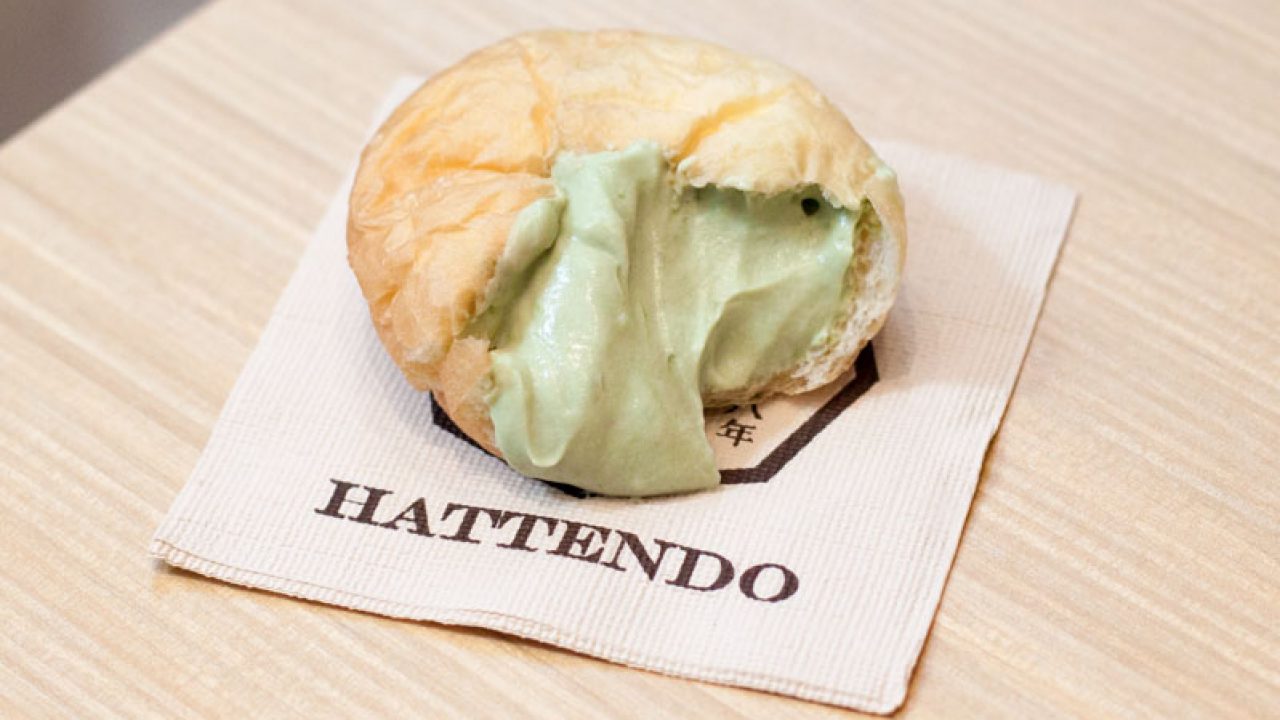
    The company – known for its cream-filled buns – already has stores in Hong Kong, Singapore, and Australia. Its next stop is Malaysia where it will launch next month after finding a local partner to produce its buns, selling through convenience stores.

    Hattendo is currently finalizing a joint venture with a Thai company to manufacture its products to supply stores locally. The plan there is to supply supermarkets and a network of its own-branded kiosk stores in shopping malls and other locations.

    In Hong Kong and Mainland China, Hattendo will expand its network by appointing franchisees, part of a plan to boost its network six-fold to 30 by the end of 2021.

    “In China’s Shenzhen and Hong Kong, there is strong interest from potential franchisees and we receive a lot of inquiries,” Daisuke Ishioka, the company’s representative director, told Nikkei.

    Last year, Hattendo’s group sales reached US$19.6 million. The company is planning to issue new shares by the end of this year to raise about $900,000 to fund the expansion.