Tag: baking

  • Miopane Bakery: Fresh Taiwanese Bagel Sensation Now Baking in Los Angeles

    Miopane Bakery: Fresh Taiwanese Bagel Sensation Now Baking in Los Angeles

    The Taiwanese bakery, Miopane, has successfully ventured into the United States market, launching its first store in Pasadena, Los Angeles.

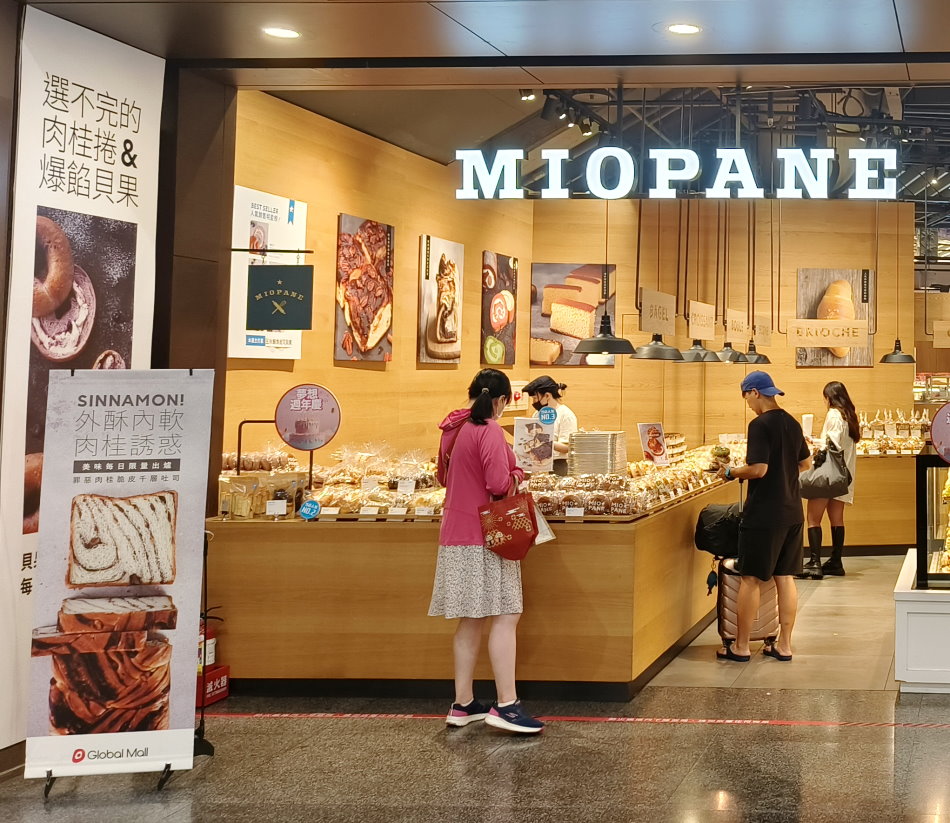
    The Pasadena store boasts an open, production-centric layout, highlighting bagels showcased behind a glass counter with a preparation area that is completely visible to patrons. The setup not only allows customers to witness the baking process, but also accentuates the company’s commitment to freshness and craftsmanship.

    The on-site bakers, who knead and bake the bagels, play a crucial role in promoting Miopane’s focus on craft and freshness.

    Miopane’s American menu is broad and diverse, offering over 20 types of bagels, complemented by a selection of coffee and tea.

    The bakery’s signature items have quickly become customer favorites. These include the Maple Glaze and Green Onion Croissants, and the Jalapeno Sharp Cheddar Bagels, which have all been well-received.

    Despite the pricing being higher than in its Taiwanese market, Miopane’s bagels retail at approximately US$7.50 (NT$230) per bagel. This compares to around US$2.50 (NT$80) in the bakery’s domestic market.

    However, customers have observed that the pricing is comparable to other artisanal bagel offerings within the Los Angeles area, suggesting that Miopane’s pricing strategy may be well-aligned with the market expectations.

    Questions & Answers

    What is the key feature of Miopane’s Pasadena store layout?
    The key feature of Miopane’s Pasadena store is its open, production-centric layout. Bagels are displayed behind a glass counter, and the preparation area is fully visible to customers.

    What are some of Miopane’s signature items?
    Miopane’s signature items include Maple Glaze, Green Onion Croissants, and Jalapeno Sharp Cheddar Bagels.

    How does the pricing of Miopane’s bagels in the US compare to the pricing in Taiwan?
    The pricing of Miopane’s bagels in the US is higher than in Taiwan, with bagels retailing at about US$7.50 compared to roughly US$2.50 in its home market. However, customers have noted that the pricing is similar to other artisanal bagel offerings in LA.

  • CommBank Launches AI Bots to Combat Scams and Enhance Customer Security

    CommBank Launches AI Bots to Combat Scams and Enhance Customer Security

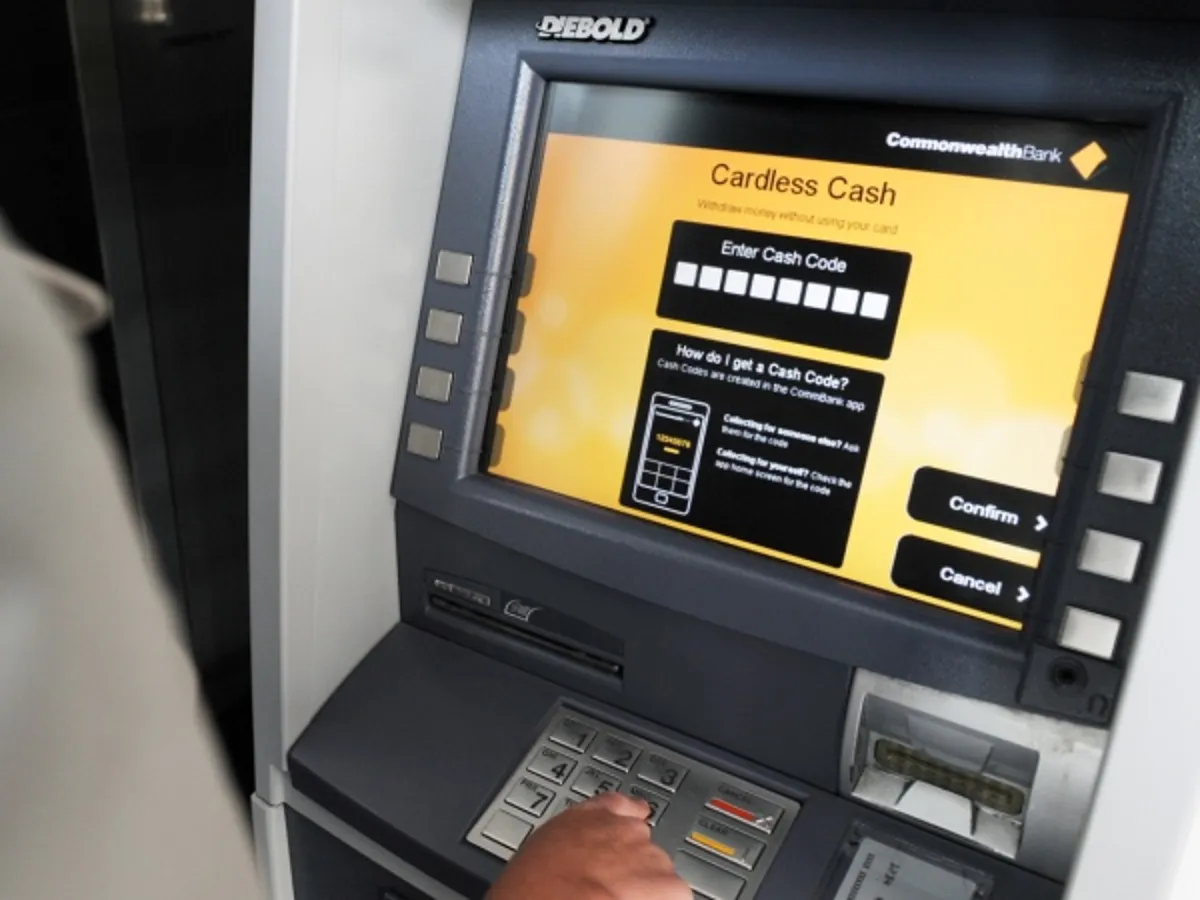
    The Commonwealth Bank of Australia (CBA) is leveraging the power of artificial intelligence to combat the rising tide of scams targeting unsuspecting Australians. In an innovative move, the bank has deployed “a fleet of thousands of AI-powered bot profiles” specifically designed to engage with scammers, gather crucial intelligence, and disrupt their illicit operations.

    AI Bots on the Frontlines Against Scams

    This impressive initiative comes from Apate.ai, a cyber-intelligence firm that evolved from Macquarie University. Each day, Apate.ai unleashes thousands of these smart conversational bots to thwart scammers who rely on text messages and voice calls to deceive their victims. The launch of this bot network follows a successful pilot program from late 2024, showcasing the potential of AI in consumer protection.

    A Honeypot System for Scammers

    At the core of Apate.ai’s operations is an innovative “honeypot” system, explained Dali Kaafar, the company’s CEO and founder. In collaboration with telecommunications partners, the firm maintains an expansive and ever-growing array of dedicated phone numbers that are specifically designed to attract scammers. “When a scammer dials or messages one of these numbers, they actually engage in conversations with one of our AI-powered bots and not a person,” Kaafar elaborated, emphasizing the ingenious trap set for fraudsters.

    The Evolution of Retail security

    The integration of such technology marks a significant step not just in banking but across the entirety of retail, as businesses grapple with the constant threat posed by scammers. While traditional methods of fraud prevention still have their place, the adoption of advanced AI technologies offers a fresh line of defense, transforming the way retailers and banks protect their customers and maintain their trust.

    With creativity and intelligence, CBA and Apate.ai are setting a precedent that may very well redefine how industries combat financial fraud in the digital age. In a world where scams are becoming as common as avocado toast on brunch menus, it pays to have sophisticated tools in your corner.

    Questions & Answers

    How is Commonwealth Bank using AI to combat scams?
    The Commonwealth Bank of Australia is utilizing a network of thousands of AI-powered bots to engage with scammers, gathering intelligence and disrupting their operations.

    What technology underpins Apate.ai’s scam-fighting strategy?
    Apate.ai’s approach is based on a “honeypot” system that employs dedicated phone numbers designed to attract scammers and engage them in conversations with AI bots.

    Why is the integration of AI significant for the retail industry?
    The use of AI in combating scams represents a revolutionary step for the retail industry, as businesses increasingly adopt advanced technologies to protect consumers and safeguard trust.

  • Covid-led baking craze inspires new flours from McKenzie’s Foods

    Covid-led baking craze inspires new flours from McKenzie’s Foods

    Australian food maker McKenzie’s has met the demand of consumers after seeing more Aussies baking and cooking at home since the Covid-19 pandemic arrived. The company has expanded its single alternative flour range and unveiled a new special purpose flour range.

    “We’re proud to be able to offer such a large variety of flours to our consumers and inspire them to experiment in the kitchen and unlock the power of alternative flours,” said McKenzie’s marketing manager, Bianca Piscopo.

    The alternative blended flour range includes Bread & Pizza Flour, Cake Flour, Cookie Flour, and Pancake Flour. The Bread & Pizza Flour has plain, oat and wholemeal spelt flour for bread and pizzas. The Cake Flour blend is made with low-protein plain flour and cornflour for cakes, cupcakes, and biscuits. The Cookie Flour contains chickpea, plain and oat flour for cookies. Pancake Flour is made with plain, oat, and rice flour.

    While McKenzie’s single-source alternative flour range now has Almond Flour, Brown Rice Flour, and Yellow Pea Flour. The Yellow Pea and Almond versions are a good source of fiber and protein while the Brown Rice Flour contains whole grains.

    The Almond Flour and Brown Rice Flour are gluten-free which can be used for cakes, biscuits, and bread. The Yellow Pea Flour has an earthy flavor and is ideal for baking. They are made from Australian ingredients.

    McKenzie’s alternative and special purpose flours are sold at Woolworths.

  • Malaysian bakery Lavender Singapore Opens Its Doors

    Malaysian bakery Lavender Singapore Opens Its Doors

    Malaysian bakery Lavender is opening at Jewel Changi in Singapore this week.

    Set to open on Thursday (April 11), the store will sell Lavender’s buns, French-style choux cream puffs, and house-made pandan kaya.

    Located next to the 40m-high Rain Vortex waterfall, the outlet offers takeaway-only baked goods.

    “We try to stay competitive with prices so all our customers can enjoy our products and taste the difference in quality,” a Lavender bakery representative said.

    “Prices will definitely be different to Malaysia’s as overheads like rent, salaries and material costs will all be in Singapore dollars.”

    Malaysian bakery Lavender has six outlets in Kuala Lumpur and five in Johor Bahru, including a multi-storey flagship at Taman Pelangi.

  • Philippines’ BDO sets up first GCC branch

    Philippines’ BDO sets up first GCC branch

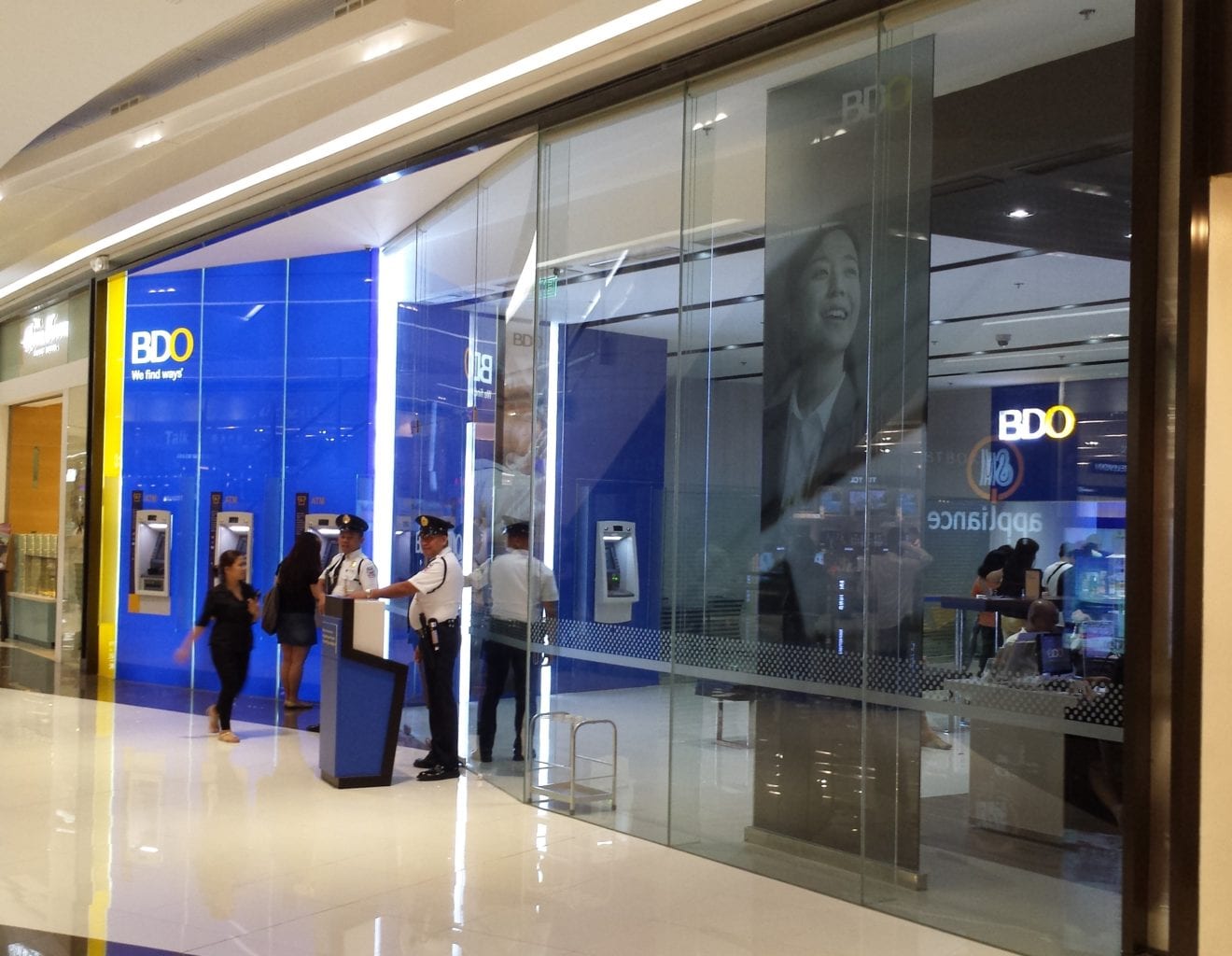
    Manila-headquartered BDO Unibank, the largest bank in the Philippines, has become the first Filipino bank to set up an office in the Gulf Cooperation Council (GCC) where it will operate within the premises of the UAE’s Dubai International Financial Center, a financial free zone and one of the largest financial hubs in the Middle East.

    The establishment of a GCC office is a reaction to the growing number of Philippine expats in the region and their banking needs, Nestor Tan, president and CEO of BDO Unibank, explained. Filipinos form one of the largest expat communities in the GCC, with an estimated 700,000 of them living and working in the UAE. More than 1.2mn are said to stay in Saudi Arabia and over 200,000 in Qatar, and all are the source of significant money flows back to the Philippines.

    “Setting up a representative office in the Dubai International Financial Center was driven by our objective to further widen our overseas network to provide support to Overseas Filipino Workers (OFWs) and residents,” Tan said, adding that “the expansion into Dubai will boost our capability to service the needs of our countrymen in the entire Middle East and, hopefully, make the bank a catalyst for the progress of financial inclusion of the expatriates in the Philippines.”
    The new branch comes on top of several partnerships BDO Unibank already has in the Gulf. It struck a deal with Emirates NBD in January this year to provide quick money transfer services to the Philippines. It also cooperates with UAE Exchange, Al Ansari Exchange and Al Ghurair Exchange for remittance services, as well as with Gulf Exchange in Qatar and other banks and financial service providers in Saudi Arabia, Oman, Kuwait, Bahrain and Jordan.

    OFWs are the third largest source for remittances globally, with $28bn sent back home in 2014, only being topped by Indians and Chinese who sent home the biggest chunk at $70bn and $64bn, respectively. With regards to Filipino remittances, estimates are that more than half of total remittances to the Philippines are originating from the GCC, making it a huge business for regional money remittance services.

    The new branch in Dubai, however, aims at widening the scope of banking services on offer for Filipinos, Tan indicated, as well as at extending the reach of BDO Unibank’s portfolio within GCC countries as the bank also wants to address possible Philippine expat and Middle East investors and provide more sophisticated financial services than just remittances. The bank offers a variety of corporate, commercial and retail banking services, including traditional loan and deposit products. This is in addition to treasury, trust banking, private banking, wealth and cash management, leasing and finance, insurance, retail cash cards and credit card services.

    BDO Unibank – its full name is Banco de Oro Universal Bank – was founded in 1968 as a small savings bank in Manila and became a universal bank only in 1996. Today, it has over 870 branches in the Philippines and one other foreign branch in Hong Kong. It is one of the many banks owned by Chinese-Filipino businessmen in the Philippines, namely tycoon Henry Sy – listed by Forbes Magazine as the richest man in the Philippines – through his conglomerate SM Group of Companies, one of the country’s largest business groups with activities spanning from retail, mall operations and property development to financial services.

    Since 2001, the bank grew through remarkable mergers and acquisitions, among them the Philippine operations of Banco Santander, Citibank, UOB, Deutsche Bank and GE Money. In March 2008, it was listed on the Philippine Stock Exchange. Its main competitors on the home soil are Metrobank, owned by Chinese-Filipino business tycoon George Ty, and Bank of the Philippine Islands (BPI), the oldest bank in the Philippines and a subsidiary of Ayala Corp, the country’s largest business conglomerate majority-owned by the influential Ayala family, which is of Spanish descent.