Retail News CRM

Tag: Ban

  • Cebu Pacific, PAL to resume Taiwan flights after travel ban lifting

    Cebu Pacific, PAL to resume Taiwan flights after travel ban lifting

    Two local airlines will again mount flights to and from Taiwan after the government lifted the travel ban on the territory.

    Cebu Pacific flights will resume February 17.

    In an advisory, the airline will have one flight from Manila on Monday and only arrival flights from Taiwan beginning February 18.

    On February 21, there will be two flights from Manila and two from Taiwan.

    “We are notifying passengers both on those flights on the resumption of scheduled flights starting Monday,” said Cebu Pacific spokesperson Charo Logarta- Lagamon in a phone patch interview.

    Lagamon said the airline has carried out safety measures since the coronavirus disease (COVID-19) outbreak.

    “Ever since the situation with the COVID-19 broke out, we have implemented precautionary measures — disinfection of aircraft, measures for personnel — and we try as best as we could to keep them in place all through these weeks,” she said.

    Meanwhile, Philippine Airlines announced in an advisory that Taiwan flights will begin February 21. Trips will initially be four times weekly — Monday, Wednesday, Friday, and Sunday — until February 29.

    Daily flights will resume March 1.

    “Passengers originally confirmed on canceled MNL-TPE and TPE-MNL flights now have the opportunity to book on the restored PR890 and PR891 flights,” said PAL.

    Presidential spokesperson Salvador Panelo earlier said that the Inter-Agency Task Force for the Management of Emerging Infectious Diseases lifted the travel restriction given Taiwan’s strict security protocols against the COVID-19.

  • Prada to phase out virgin nylon

    Prada to phase out virgin nylon

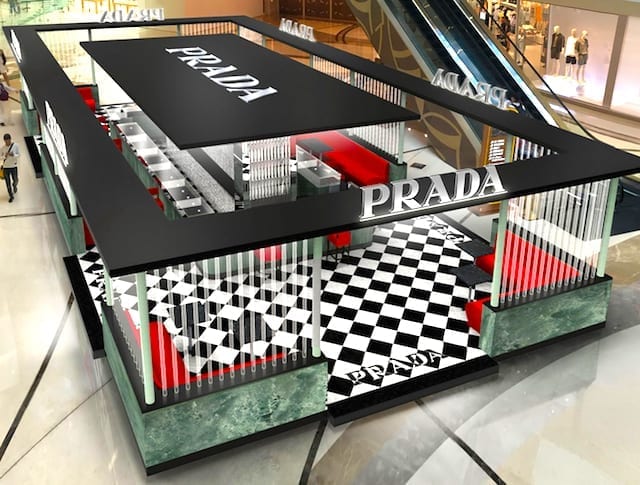
    Luxury Italian fashion brand Prada has launched six bags made from regenerated nylon, as the first stage in a plan to phase out virgin nylon during the next two years.

    In a project dubbed ReNylon, Prada will replace virgin nylon in its collections by using regenerated nylon yarn called Econyl.

    The first products made with Econyl are a belt bag, shoulder bag, tote bag, a duffle and two backpacks.

    The company will replace all the virgin nylon it currently uses with Econyl recycled nylon in the next two years.

    “Our ultimate goal will be to convert all Prada virgin nylon into ReNylon by the end of 2021,” said head of communications at Prada, Lorenzo Bertelli.

    Prada has collaborated with Italian textile yarn producer Aquafil on the project, a manufacturer with more than 50 years experience in producing synthetic textiles.

    The resulting material, Econyl, is produced through a process of depolymerisation. It can be recycled an indefinite number of times with no loss of material quality.

  • Online liquor sales boom in Vietnam

    Online liquor sales boom in Vietnam

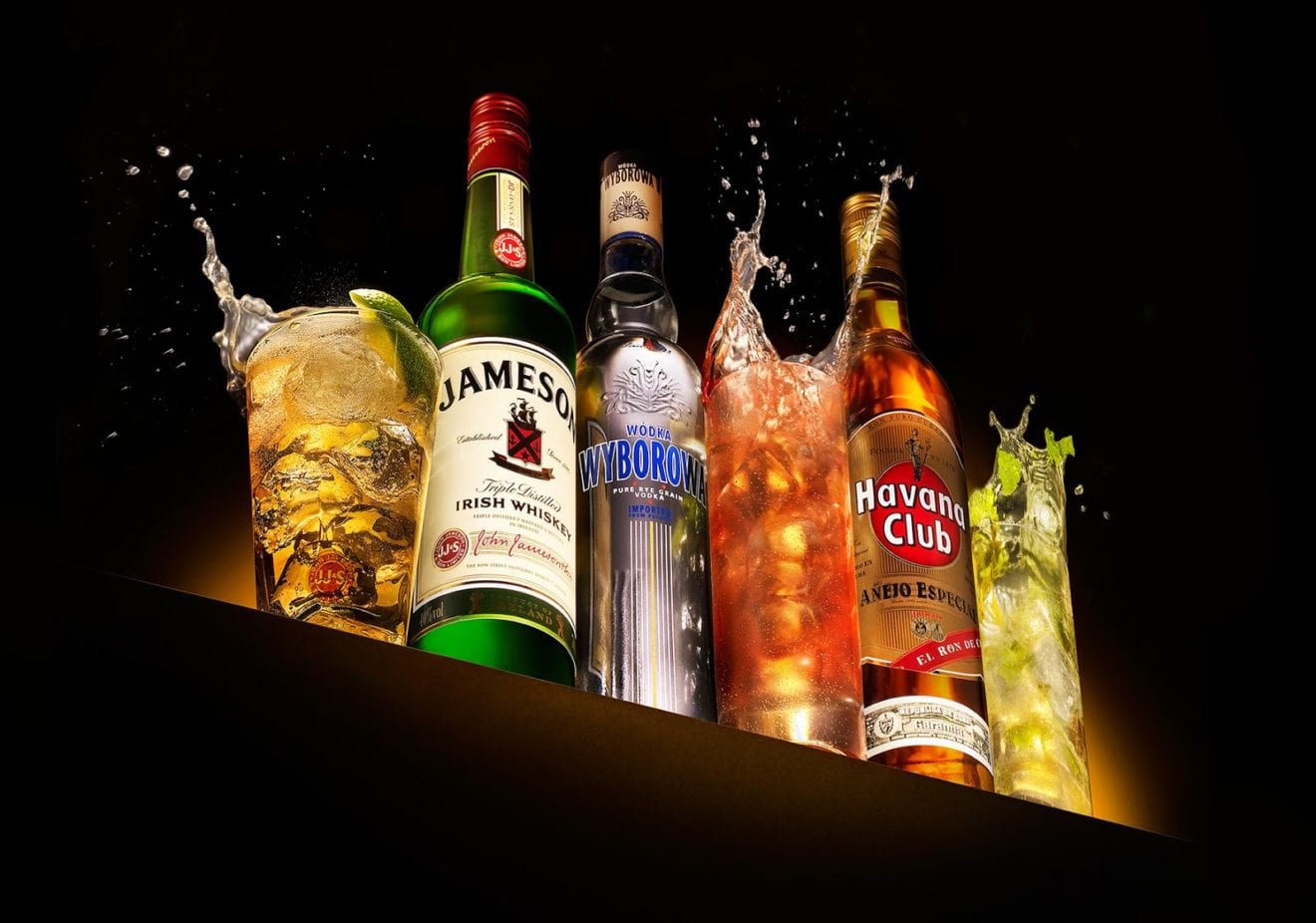
    Vietnam has removed a proposed decree to prohibit online liquor sales, accepting that it goes against international trends. The bill, proposed by the Ministry of Health last year, would have prohibited online sales of beverages with an alcohol content of more than 15 percent. But legislators got into a heated debate over this regulation, with critics saying that it would go against international trends and challenge e-commerce development.

    The National Assembly (NA) Committee for Social Affairs on Thursday said it has removed the decree after listening to legislators’ views.

    Some new changes have been made in the latest version of the bill. The advertisement for beverages with less than 15 percent of the alcohol content will now be allowed on TV and radio.

    However, these advertisements must not be carried between 7-8 p.m. every day.

    The bill is set to be discussed and voted on at the end of the ongoing National Assembly session.

    Alcohol, especially beer, is widely consumed in Vietnam. Data collected by the Ministry of Health shows Vietnamese citizens consumed 305 million liters of liquor and 4.1 billion liters of beer in 2017, making it the biggest alcohol consumer in Southeast Asia and third biggest in Asia after Japan and China.

  • Google to ban Huawei’s access to Android

    Google to ban Huawei’s access to Android

    Huawei’s consumer business has been dealt a potentially devastating blow to its future prospects after US president Donald Trump formally added the vendor to a list of companies that American companies cannot trade with if they don’t obtain a license.

    Huawei was added to the entity list of banned companies covered by the national emergency Trump declared last week, which gave him the power to regulate commerce to ostensibly protect national security.

    In the wake of Huawei being added to the list, Google has barred Huawei from receiving some updates to Android, announcing that it is “complying with the order and reviewing the implications”.

    US Chipmakers including Intel, Qualcomm, and Broadcom also reportedly told employees that they will cease supplying Huawei until further notice.

    But the US Commerce Department has subsequently issued a three-month exemption allowing Huawei to continue to purchase and access American products in order to maintain existing networks and provide software updates to existing devices.

    The exemption will not Huawei to purchase US components for new products. On the bright side for Huawei, the Commerce Department has announced it may extend the exemption further than the initial 90 days.

    In various communications including one sent to Globe Telecom in the Philippines, Huawei has pledged to continue providing security updates and after-sales services for its devices.

    Huawei founder and CEO Ren Zhengfei has meanwhile taken a bullish stance over the impact of the ban, telling Japanese media that the company’s growth “may slow, but only slightly.”

    The vendor had been anticipating the ban for some time, and has been investing in producing homegrown chips and further developing its own operating system in preparation.

    Ren has rejected the prospect of building manufacturing facilities in the US – even if the government asks Huawei to.


  • Trump signs order paving way for Huawei ban

    Trump signs order paving way for Huawei ban

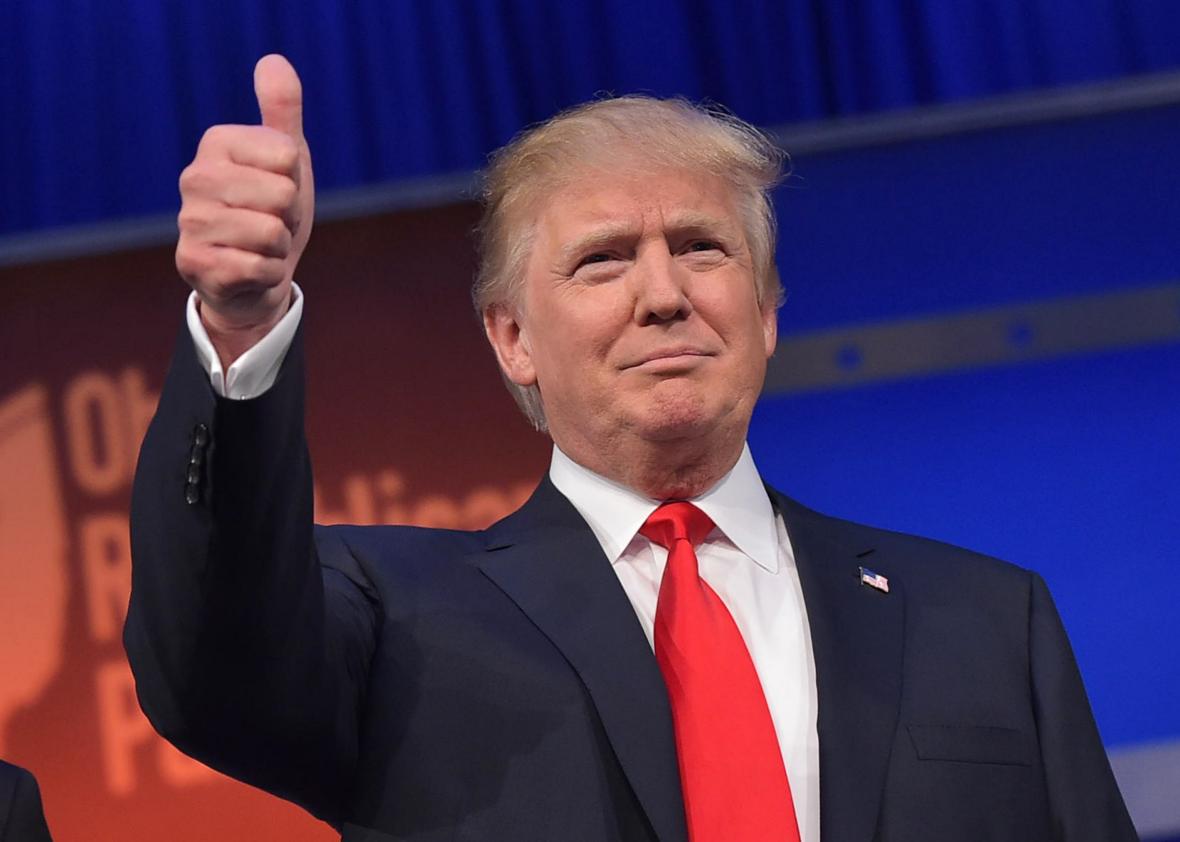
    US president Donald Trump has signed an executive order paving the way for banning Chinese vendors including Huawei from supplying equipment for US telecommunications networks.

    The executive order declares a national emergency to give Trump the authority to regulate commerce and directs the Commerce Department to draw up an enforcement plan within 150 days.

    It has been designed to protect US telecommunications supply chain from foreign adversaries. While the order does not specifically name any countries or companies, it has been specifically promoted by members of Congress as being aimed at companies including Huawei, which has been labeled a security threat by US officials.

    The US government has been pressuring allies to prohibit Chinese vendors from supplying equipment for 5G rollouts, citing concerns that their equipment could be used by the Chinese government to spy on the communications of foreign nations. Countries including Australia have already yielded to this pressure.

    Meanwhile, Huawei, which has repeatedly denied any allegations that its equipment could be used this way, has separately revealed it is willing to sign no-spying pacts with governments to alleviate these concerns.

    The agreements, which could be negotiated with nation states including the UK, would involve the company committing to meet no-spy, no-backdoors standards.

    But Reuters cited comments from the German government pointing out that there is no indication that the Chinese government itself is offering such an agreement.

  • United Kingdom said to reject calls for Huawei 5G ban

    United Kingdom said to reject calls for Huawei 5G ban

    The UK government has reportedly approved Huawei supplying some 5G equipment for operators in the nation despite warnings from intelligence agencies and the US government of a potential security risk.

    Leaked discussions believed to have been held at the UK government’s National Security Council meeting from Tuesday indicate that Huawei will be able to supply non-core 5G network components including antennas.

    According to the leaked details, the UK’s prime minister Teresa May ignored warnings from some senior ministers to make the decision.

    Approval would also put the UK government at odds with its Five Eyes allies the US and Australia, which have made moves to ban Huawei from providing 5G equipment in their respective markets.

    While the UK government has denied that a final decision has been made, government ministers are also calling for a full investigation into the leak of the National Security Council discussions about Huawei.

    Huawei has repeatedly denied concerns from the US and some other nations that its equipment could be used to facilitate espionage by the Chinese government.

  • Vietnam to end plastic scrap imports from 2025

    Vietnam to end plastic scrap imports from 2025

    Vietnam will not import plastic scrap from 2025 and will deal with the scrap consignments stuck at ports, the government has said. It has ordered the Ministry of Natural Resources and Environment to work with other government bodies to eliminate unnecessary procedures which are delaying their delivery.

    Customs data shows almost 21,600 containers of scrap remain uncleared at ports as of February 22, 44 percent of them for more than three months.

    The government instructed the environment ministry to issue environmental safety certificates to eligible containers so that their importers could use them to manufacture products. All imports of plastic scrap as feedstock would cease on December 31, 2024, it said.

    Prime Minister Nguyen Xuan Phuc ordered to scrap imports temporarily last July, saying Vietnam must not become a dumping ground for other countries’ scrap, leaving thousands of containers stuck at ports for months.

    His orders followed a surge in imports in the first six months after China banned imports of certain wastes.

    But steel, paper and plastic industries have expressed concern since they need to import metal, paper and plastic scrap as feedstock.

    Vietnam imported 9.2 million tons of scrap last year, up 14 percent from 2017, according to Vietnam Customs.

  • Vietnamese pork banned in several countries

    Vietnamese pork banned in several countries

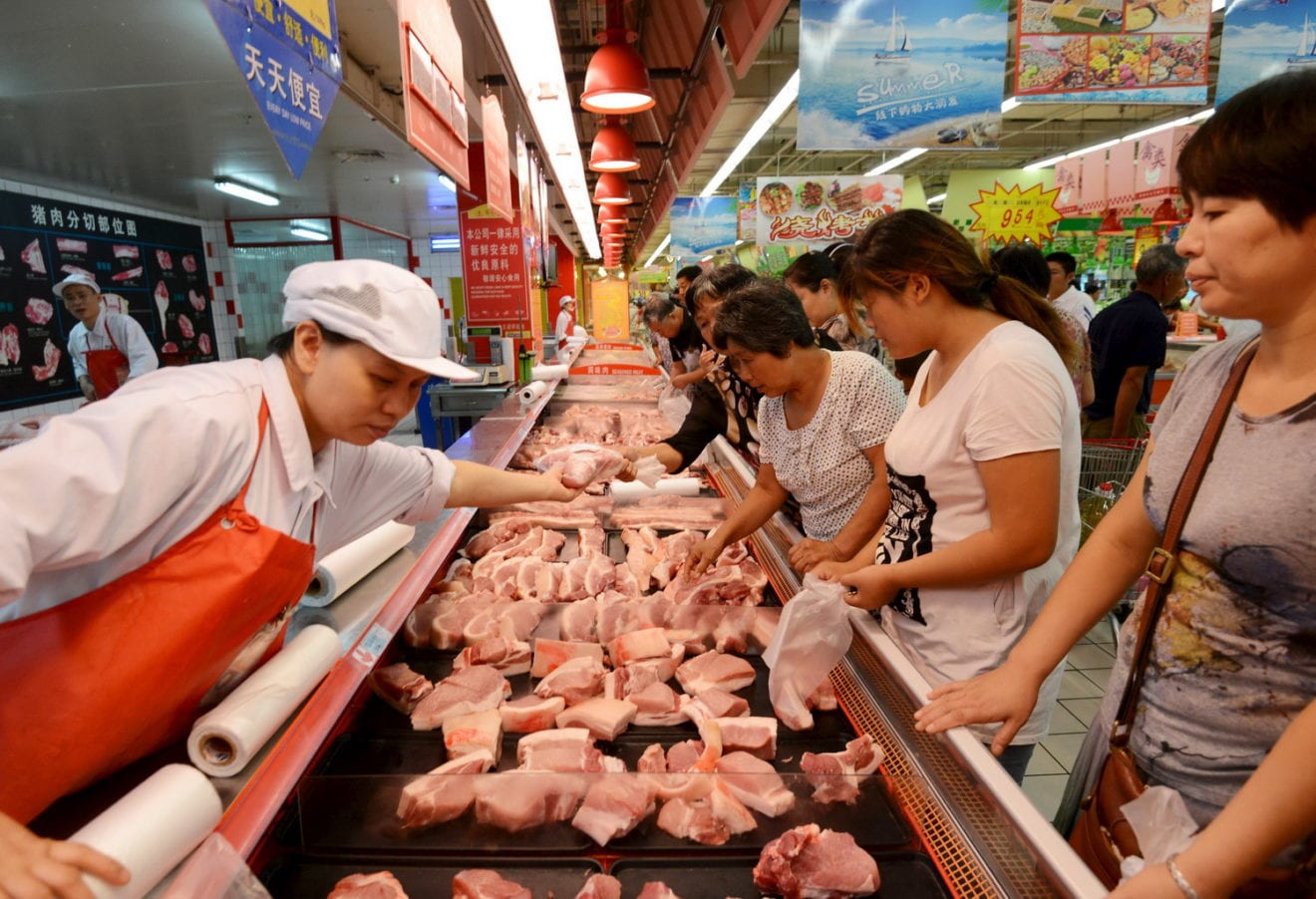
    Some countries and terriories are banning pork imports from Vietnam following the recent outbreaks of African swine fever in the country. Violators of the ban face fines and even imprisonment. Taiwan has announced that Vietnamese people coming in with pork products would be fined about $6,500, according to Vietnam’s Ministry of Foreign Affairs.

    The fine will go up to $33,000 if a passenger is caught for a second time and denied entry if they do not pay the fine in full.

    A Vietnamese woman was fined $6,500 for bringing a pork snack into Taichung airport in central Taiwan on February 27.

    Vietnam Airlines has been warning passengers against carrying pork items into Japan and Australia.

    Passengers carrying raw or processed foods to Japan from Vietnam must have a certificate of safety, failing which they face three years’ imprisonment or a fine of JPY1 million ($8,900).

    In Australia, passengers must declare all foods made from plant or animal ingredients or face a fine of AUD420,000 ($298,032).

    Dubai, the U.K. and the U.S. also prohibit pork products from Vietnam.

    Following China and Mongolia, Vietnam has become the third Asian country hit by the incurable African swine fever, which has been detected in the cities of Hanoi and Hai Phong, and four provinces of Thai Binh, Hung Yen, Ha Nam, Thanh Hoa and Hai Duong.

    The flu is a viral disease that infects all pig species through bodily fluids such as blood and mucus. It causes hemorrhagic fever with a 100 percent mortality rate.

    Humans are not affected by the disease.

  • Duty-free sales may hit all-time record this year

    Duty-free sales may hit all-time record this year

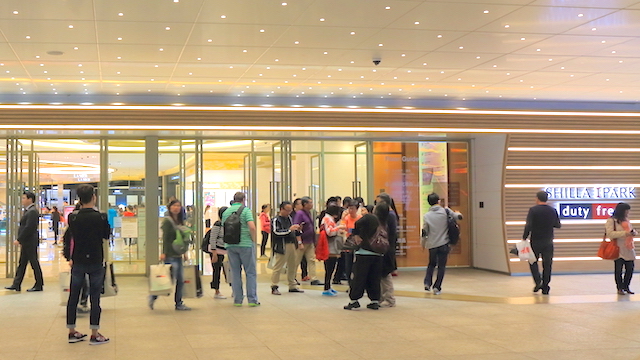
    Korea’s duty-free sales are likely to set a new annual record this year despite Chinese group tour traffic not having fully recovered.  According to the Korea Duty Free Shops Association, duty-free store operators made $1.44 billion in October, a 28.6 percent increase year on year. This takes Korea’s total duty-free revenue between January and October to $14.3 billion, surpassing 2017’s full-year revenue of $12.8 billion.

    “The local duty-free market was 14 trillion won [$12.4 billion] in size last year – some forecast this year will reach a new all-time record of 18 trillion won,” said a source at one of Korea’s largest duty-free store operators.

    The growth is meaningful considering that Chinese group tours are not fully back in the market.

    Industry watchers and analysts attribute the increase in duty-free sales this year to “daigongs,” or individual Chinese merchants that purchase Korean goods and resell them at home.

    Before Chinese group tours were banned in March 2017 after Korea’s deployment of the U.S. Terminal High-Altitude Area Defense antimissile system, they were a major source of revenue for local duty-free stores. As traveling to Korea for Chinese became more difficult, the reselling business began to grow.

    “Revenues are going up this year but we’re still waiting for group tours to come back,” said another source at one of top three duty-free companies.

    Sales increases are generally good news, but industry watchers warn that operating profits will not grow as fast as revenues. Attracting daigongs entails high marketing costs. New duty-free outlets opened in Seoul this year, which means competition to pull in daigongs may become more intense.

    Signs suggest restrictions on group tours from China are easing. Some online tour agencies have started marketing group tour packages to Korea on their websites. Last week, China’s largest online tour agency Ctrip posted Korean tour products on its website, but erased them the same day.

  • One in five Australian Shoppers opposed to Plastic Bag ban

    One in five Australian Shoppers opposed to Plastic Bag ban

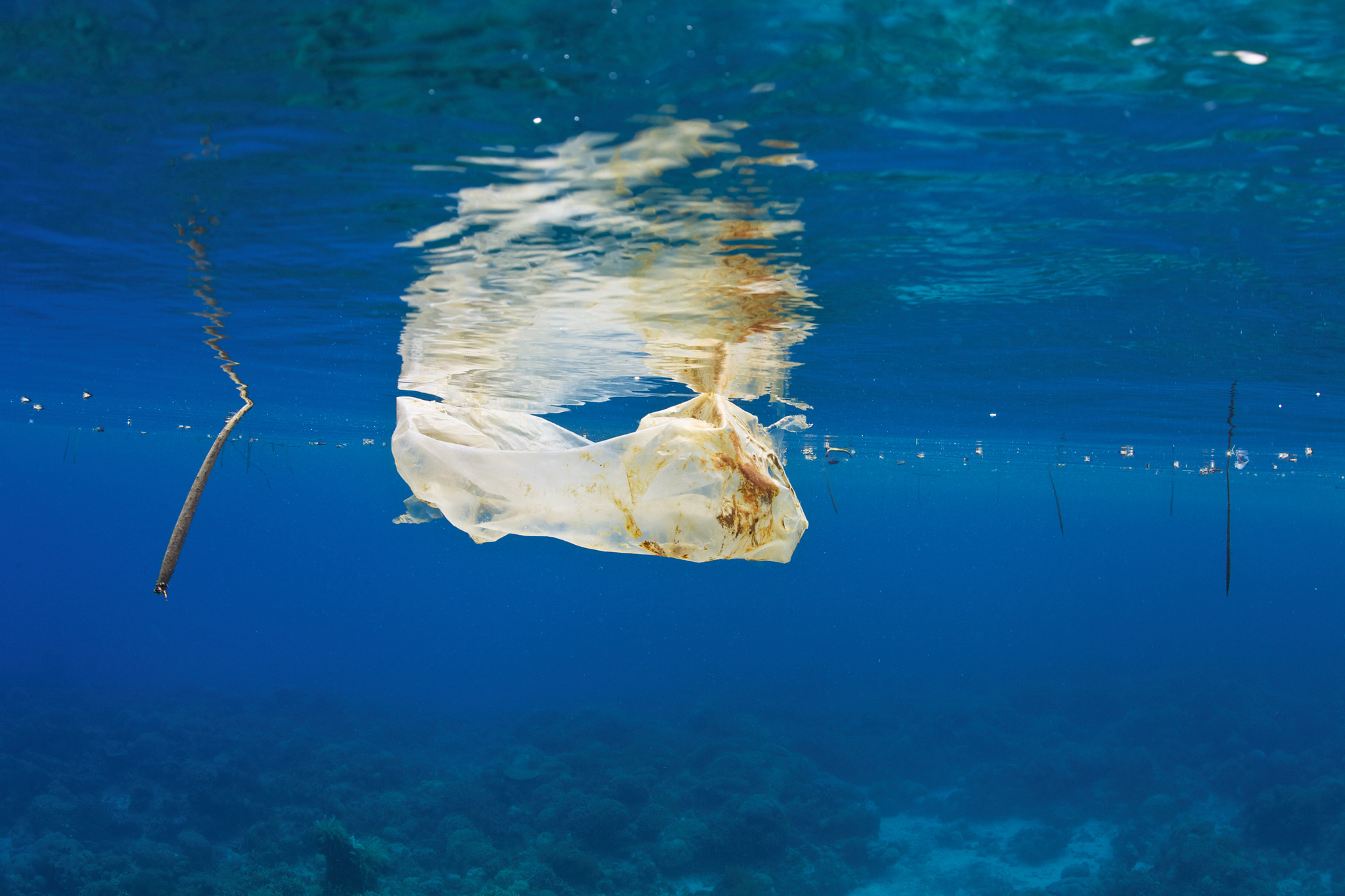
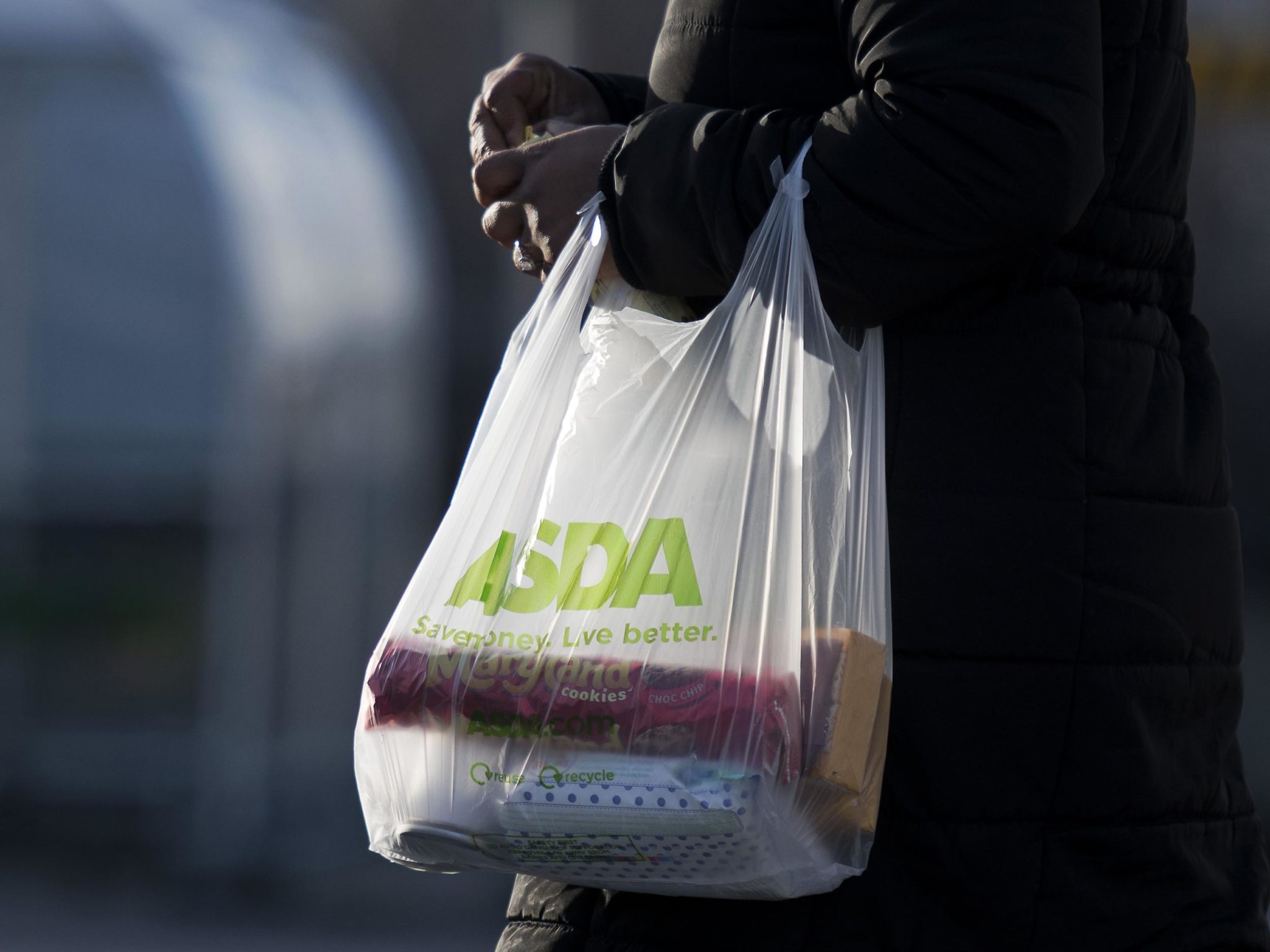
    One in five Aussie shoppers are opposed to retail giants Woolworths and Coles introducing bans on single-use plastic bags.

    While the bans have been welcomed by green groups and many shoppers, research by Canstar Blue shows 20 per cent don’t agree.

    Woolies introduces its ban on Wednesday, when the retail giant’s supermarkets, BWS, Metro and petrol outlets will stop offering free disposable bags to shoppers in NSW, Victoria, Queensland and Western Australia.

    Coles stores will follow suit on July 1.

    Canstar says more than half of shoppers have already begun stockpiling plastic bags at home, based on a survey of more than 2,200 people.

    While 71 per cent of those surveyed back the ban, 21 per cent disagree and eight per cent are undecided.

    Nearly half expect that taking their own bags to the shops would be a hassle.

    “While the plastic bag ban is supported by most, the supermarkets can expect some frustrated customers in the weeks ahead,” Canstar Blue Editor Simon Downes said on Monday.

    “While Coles and Woolworths have been trying to get the message across, there will still be lots of shoppers turning up unprepared and shocked that they’ll need to purchase one or more bags to carry their groceries home.”

  • ZTE on life support after US export ban

    ZTE on life support after US export ban

    ZTE has been forced to cease its global operations as a result of the crippling sanctions imposed on the company by the US government.

    In an announcement to shareholders, ZTE said [PDF] that the major operating activities of the company have ceased due to the activation of the denial order from the US Department of Commerce’s Bureau of Industry (BIS).

    This order prohibits US companies, including ZTE’s major suppliers such as Qualcomm and Google (for Android), from exporting their products to ZTE for a period of seven years.

    The denial order was initially imposed but automatically suspended in March last year on the condition that ZTE adhere to a settlement agreement which included penalizing the senior officials responsible for the decision to contravene the Iran sanctions.

    But the BIS activated the denial order last month after accusing ZTE of violating these conditions by offering full bonuses to executives implicated in the case and failing to issue letters of reprimand in a timely manner.

    The sanction relates to an investigation into ZTE’s alleged sale of telecommunications equipment containing US components to Iran in violation of US sanctions imposed on the country.

    ZTE’s announcement states that the company has sufficient cash to remain in business “as of now”, and is actively seeking a modification or reversal of the denial order from various US government departments.

    But in light of the ongoing trade war between the US and China, the Trump administration may not back down so easily, which would threaten ZTE’s ongoing existence.

  • Why China’s ivory ban is a mammoth step towards saving the elephant

    Why China’s ivory ban is a mammoth step towards saving the elephant

    At the end of last year, China announced a complete ban on its ivory trade and processing activities by the end of 2017. The news, a late Christmas gift to many conservationists, was greeted as a “game changer” by groups including the World Wildlife Fund, which says around 20,000 African elephants are being killed every year for their ivory. As the world’s largest consumer of ivory products, Chinese demand has seen poaching increase and ivory prices rise. The country has had a seemingly insatiable appetite for so-called “white gold”.

    At a meeting of the Convention on International Trade in Endangered Species of Wild Fauna and Flora (CITES) last September, a resolution was tabled which recommended that its 183 member states “close their domestic markets for commercial trade in raw and worked ivory as a matter of urgency”. China’s support of the resolution surprised many and led to it being adopted by consensus. The country had taken a big step in re-evaluating its relationship with ivory and its effect on the world’s elephants.

    The subsequent announcement on December 30 2016 saw China commit to closing up to 15 of its 34 ivory processing firms and 50 to 60 of its 130 licensed ivory retail shops by March 31 2017. The second stage will see China phase out the country’s remaining registered legal processors and traders by the end of the year.

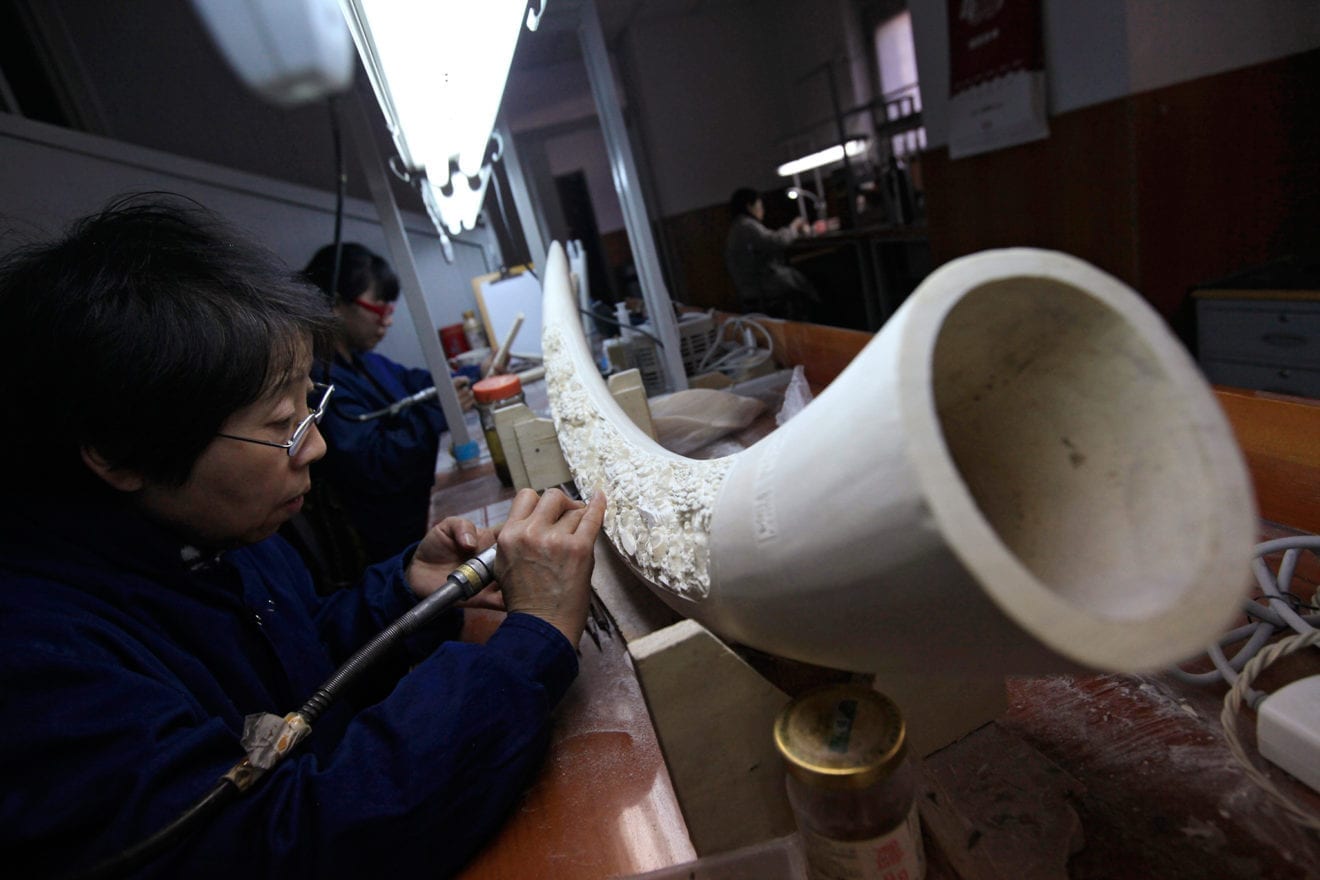
    China has a popular ivory carving industry with a history which stretches back to the Ming and Qing Dynasties. To assist those who carry out this work, there will be schemes to assist ivory carvers with the transition into working with other mediums. “Master carvers” will be encouraged to work in museums and in the repair and maintenance of artistic and culturally significant ivory artefacts.

    The Chinese move effectively brings to an end the future of the country’s domestic ivory market. But there are millions of pieces of (currently) legally owned ivory artefacts all over China which will have to be dealt with through a strict new management system. Ivory products will only be displayed in museums and art galleries for non-commercial purposes or exhibition and the giving and inheriting of ivory will still be allowed.

    The elephant in the sale

    More worryingly, the Chinese ban on trade specifically excludes items described as “genuine antiques”. This exemption raises concerns that elephants will continue to be poached to supply an increased trade in “ghost ivory” (illegal ivory sold as antique legal ivory) as the legitimate market closes.
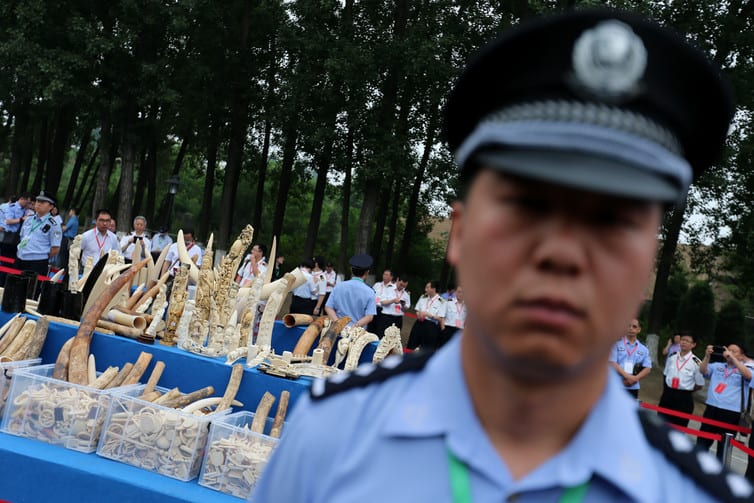
    Another problem is that a large portion of China’s ivory trade will simply shift to Hong Kong, which is not subject to the Chinese ban. Hong Kong is the world’s biggest legal retail market for elephant ivory and a major transit hub for illegal imports. Hong Kong has itself pledged to phase out its domestic ivory market by 2021 and it is hoped that the Chinese announcement will encourage Hong Kong to speed up the timescale. But there is no guarantee this will happen.

    Concerns over the sale of “ghost ivory” alongside legitimate legal ivory pieces are even greater in Hong Kong. “Hong Kong ivory” has even come to be a derogatory term to describe new ivory masquerading as old.

    This point was recently highlighted by British auctioneer James Lewis, who said of his experiences in Hong Kong:

    You see old ivory on the same shelf as new ivory. I realised then there’s a major market in the Far East that looks at ivory as a commodity as well as an art form, and that the old ivory market is fuelling modern ivory demand.

    But these concerns should not distract us from the positive aspects of China’s plans. In terms of addressing the decline in wild elephant populations and Asia’s attitudes to ivory, the Chinese ban can only be a good thing. Provided Beijing is able to police and manage the changes effectively it could even be the “game changer” conservationists hope for.

    Just as importantly, the fact that China has gone so far and with such a strict time scale after years of negotiation could be the catalyst for other states such as Hong Kong, Laos, Myanmar and Vietnam to follow suit. Demand for “white gold” has taken the elephant to the brink of extinction. Chinese remorse could be the species’ salvation.
  • China bans imports of South Korean air purifiers

    China bans imports of South Korean air purifiers

    China has banned imports of South Korean air purifiers, industry sources said Friday, amid growing concerns Beijing is retaliating against Seoul’s move to install an advanced U.S. missile defense system.

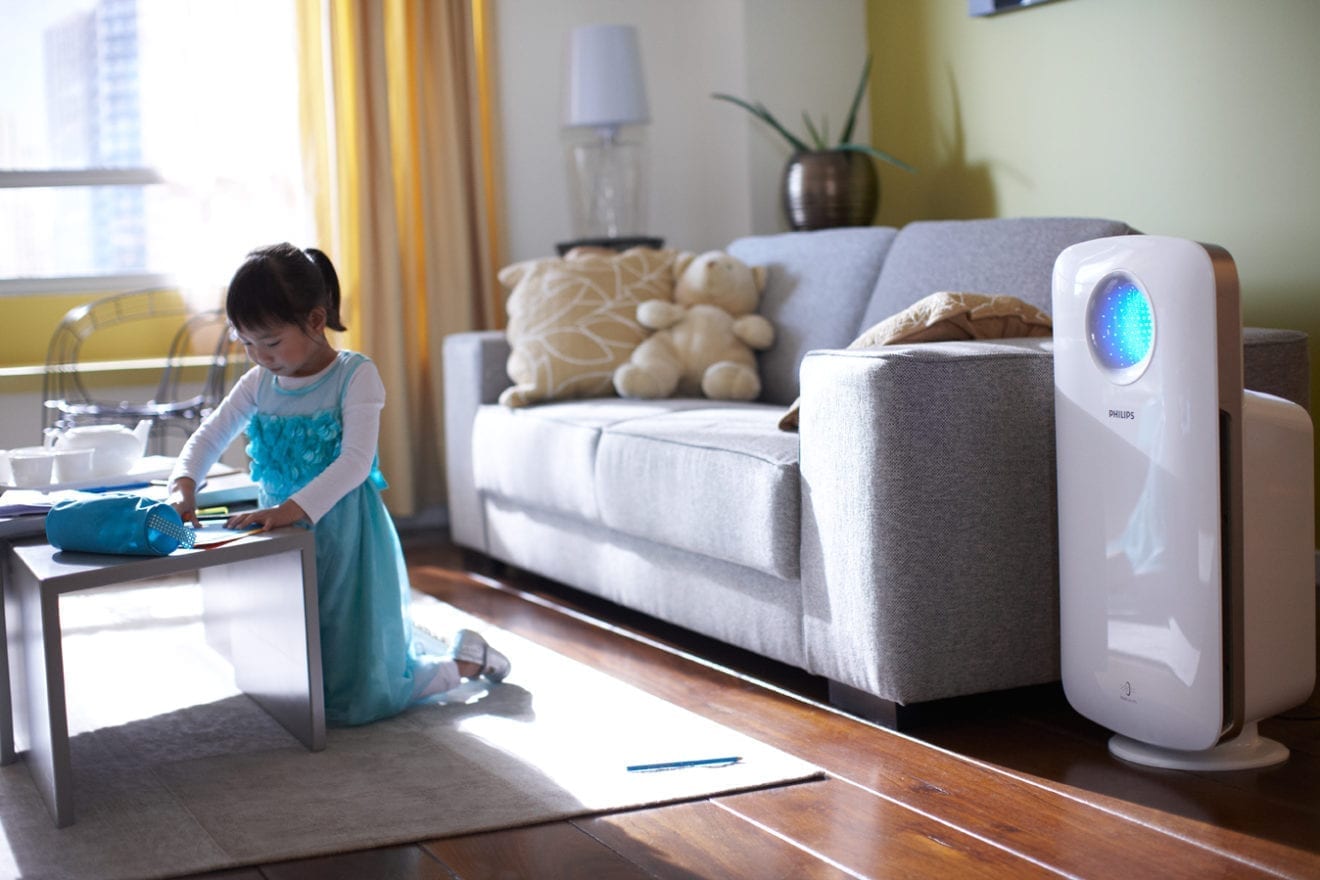
    Air purifiers made by LG Electronics Inc., Shinil Co. and two other South Korean firms were listed as disqualified by Chinese authorities on Dec. 20, along with air purifiers produced by four other foreign manufacturers, due to safety problems and poor performance, the sources said.

    China is believed to be economically retaliating against Seoul’s decision in July to have the Terminal High Altitude Area Defense (THAAD) system deployed on South Korean soil late this year. South Korea says the missile system will not target China but only counter threats from North Korea.

    China recently rejected shipments of bidets made by 22 South Korean manufacturers, citing poor power connection and instructions.

    China has also banned imports of South Korean cosmetics that are widely consumed by Chinese women influenced by the popularity of Korean pop culture in the world’s most populous country.

    Several Lotte Department Stores and its affiliated outlets in China have been under strict tax, safety and hygiene inspections since November, although Chinese authorities have denied any connection to THAAD.

    Lotte, a South Korean retail giant, is expected to conclude a deal soon for the swap of a golf course in Seongju County, North Gyeongsang Province, for a piece of land near Seoul owned by the Defense Ministry for the deployment of THAAD.


  • New Zealand cellcos to blacklist Note7’s next week

    New Zealand cellcos to blacklist Note7’s next week

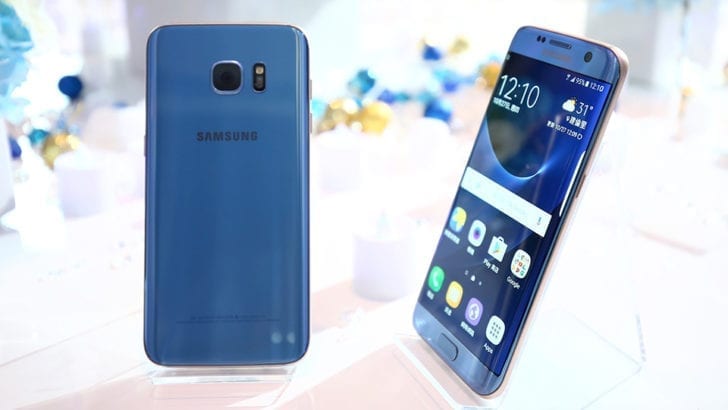
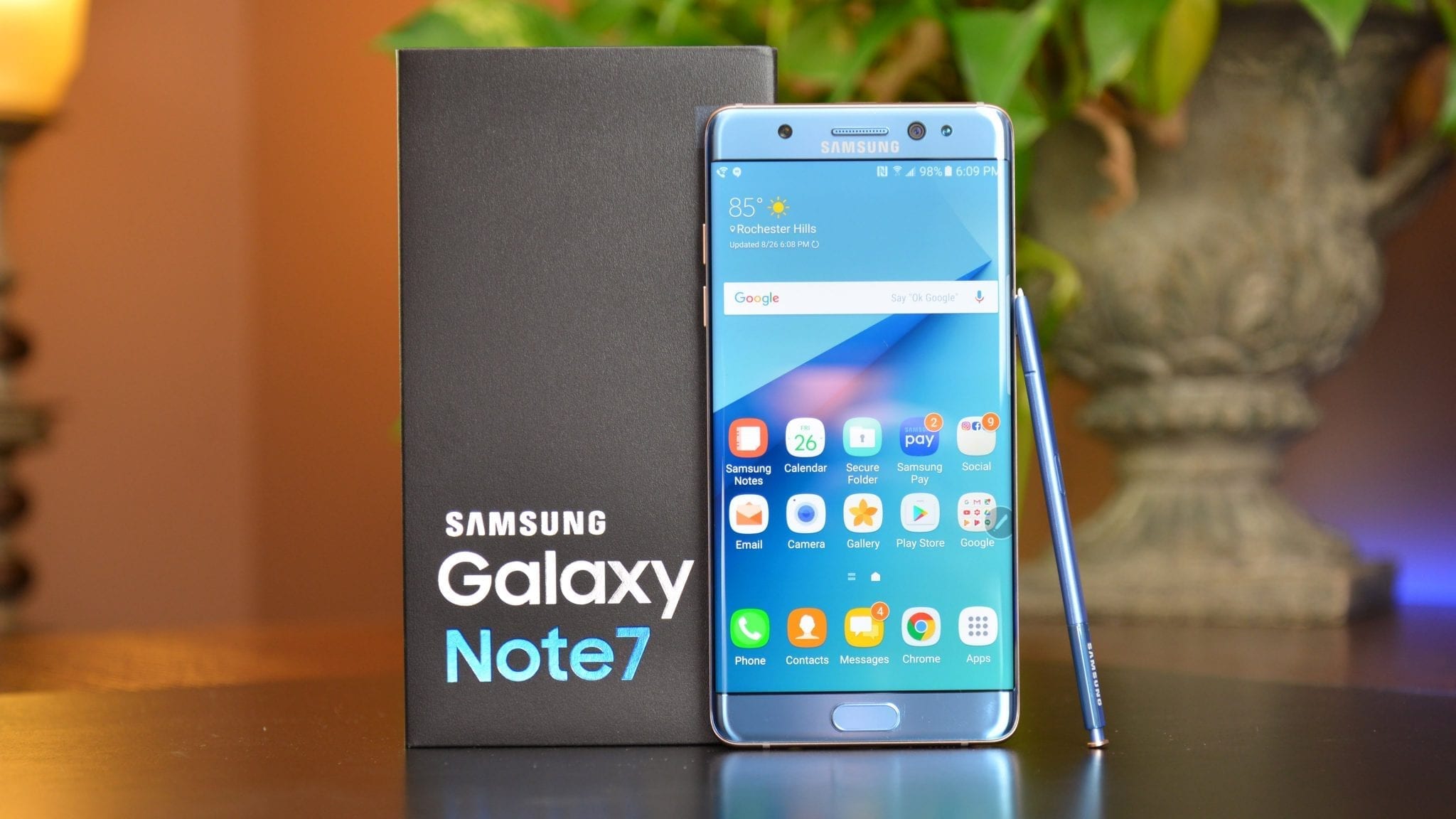
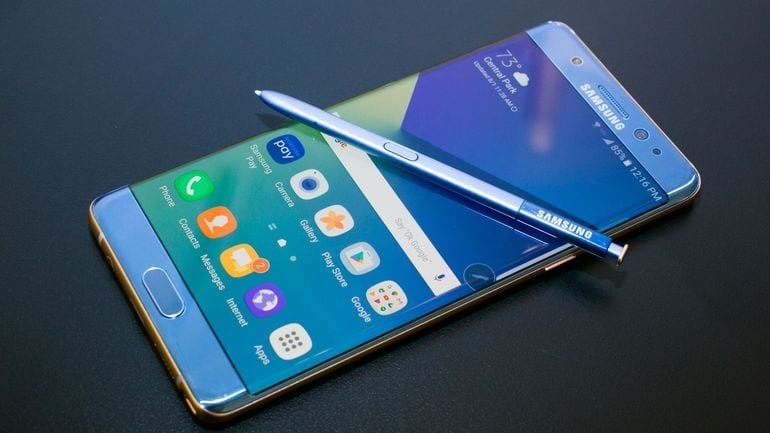
    New Zealand’s mobile operators have hammered a nail into the coffin of Samsung’s discontinued Galaxy Note7 smartphones, arranging to blacklist use of the device across all of their mobile networks.

    Industry body the New Zealand Telecommunications Forum (TCF) is working with Samsung to cut off access to Note7 owners from November 18.

    After this date, the devices will not be able to be used across any New Zealand mobile network, although Wi-Fi services will still be available.

    TCF CEO Geoff Thorn said the blacklisting represents an additional safety measure by the nation’s mobile operators.

    “Numerous attempts by all providers have been made to contact owners and ask them to bring the phones in for replacement or refund, this action should further aid the return of the remaining handsets,” he said.

    The blacklisting marks and attempt by operators to coerce the hold-outs to take advantage of the global recall of the device and be refunded or swap their handsets with a Galaxy S7 or S7 Edge.

    Samsung permanently ended production of Note7 smartphones last month after reports that even some devices that had been replaced in the September recallhad suffered from the same overheating battery problem that led to a handful of devices exploding. Airlines worldwide had already banned in-flight use of the devices.

  • Garuda Indonesia Bans Samsung Galaxy 7 Note From All Flights

    Garuda Indonesia Bans Samsung Galaxy 7 Note From All Flights

    Garuda Indonesia has issued a ban on the Samsung Galaxy Note 7 for all its flights starting from Monday due to safety issues.

    This move ensues the recent ban by US Department of Transportation on the device, including its recalled and replaced units, after reports of the smartphone catching fire.

    Garuda Indonesia VP corporate communications Benny S. Butarbutar said in a press release Monday that passengers in possession of a Samsung Galaxy Note 7 would not be permitted to board the aircraft. Bringing the device through carry on baggage, checked-in luggage, or cargo was also strictly prohibited.

    This is the second ban issued by the airline regarding Samsung Galaxy Note 7. In early September, it banned the use of the device during flights as well as warned passengers not to charge the battery or store the smartphone in checked baggage.

    Samsung has already been forced to recall more than 2.5 million devices due to faulty batteries. The company has instructed users to “power down and stop using the device”, and announced the permanent end of its production last week.