Tag: banana republic

  • Gap mulls sale of China business

    Gap mulls sale of China business

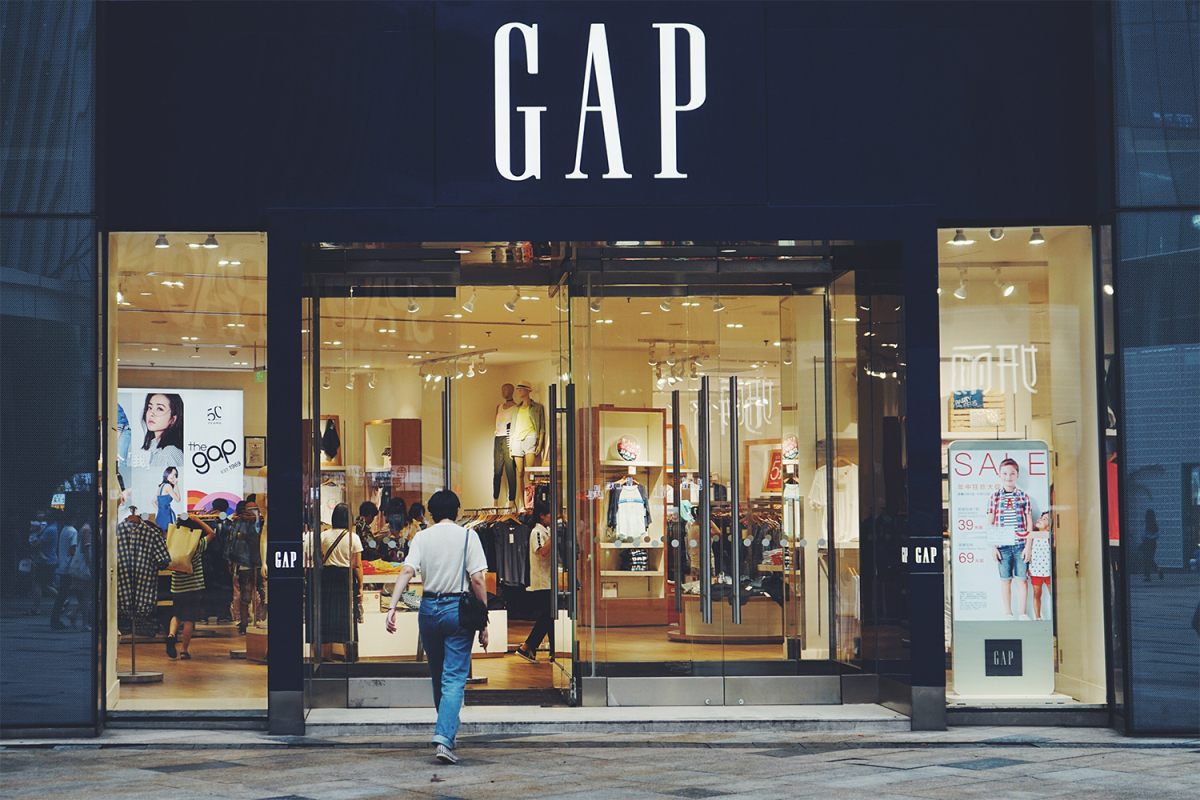
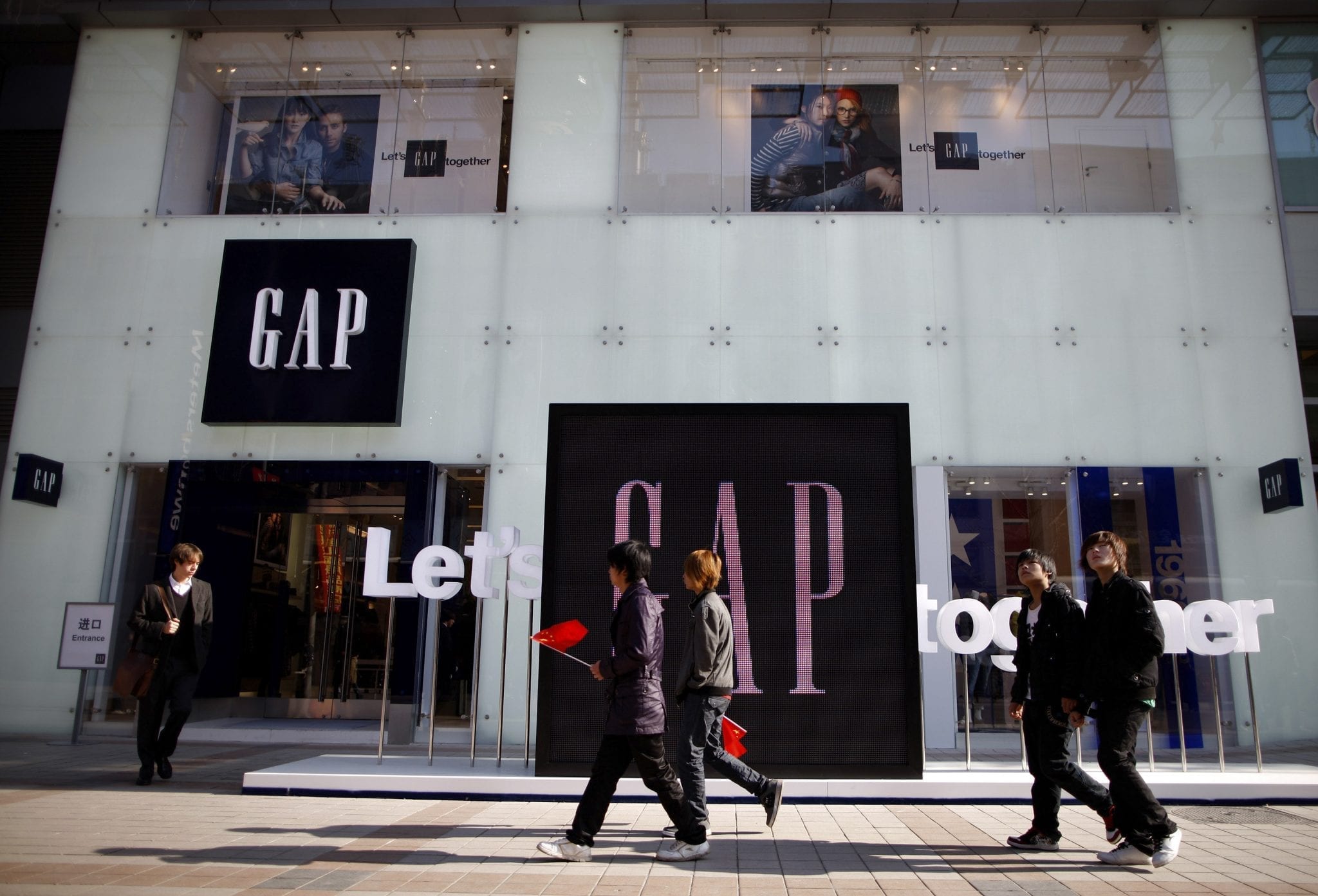
    Apparel retailer Gap is weighing options including a potential sale of its China business, citing people with knowledge of the matter.

    The report said the Old Navy parent was working with an adviser to explore its options and has contacted prospective suitors. It added there was a possibility that Gap could also keep the business.

    The company, owner of Banana Republic and Athleta brands, said it does not comment on rumors when contacted by Reuters.

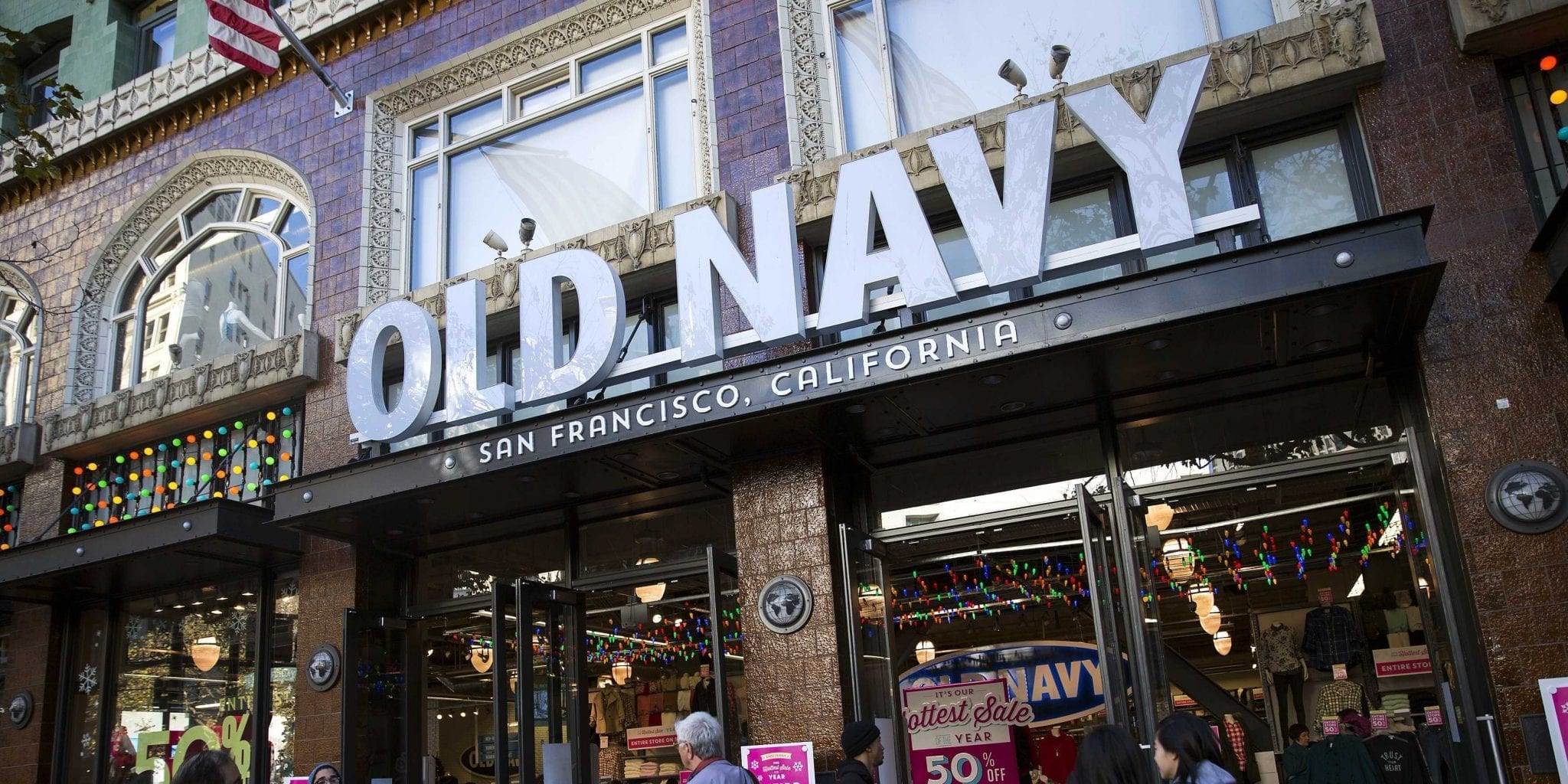
    Gap entered the Chinese market about a decade ago, betting on rising incomes in the world’s second-largest economy to boost its sales. However, it stopped selling Old Navy apparel in the country last year to sharpen its focus on North America.

    Gap’s Asian market accounts for about 5 percent of its overall net sales, according to its latest regulatory filing. The company does not break out country-specific sales.

    Shares of Gap, up 43 percent this year, rose about 1 percent in extended trading after the report.

  • GAP sales report slumps in Q3

    GAP sales report slumps in Q3

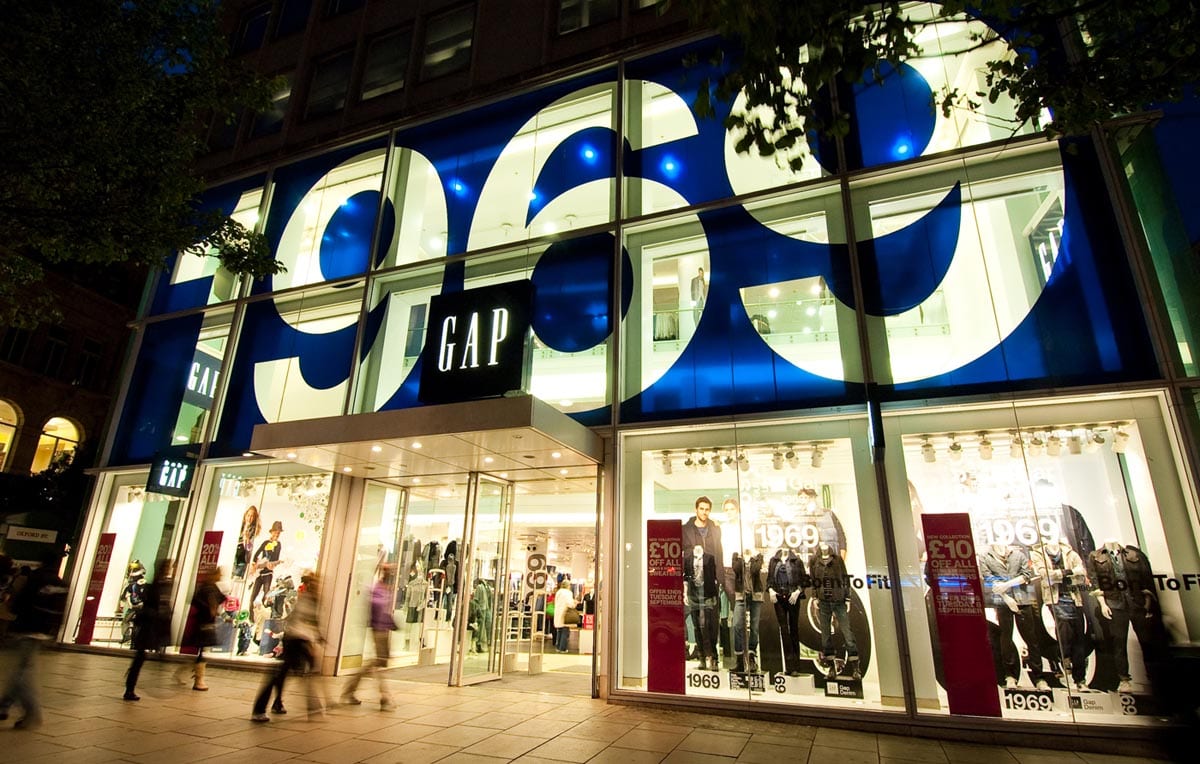
    Gap brand sales fell 7 per cent globally in the last quarter as the US apparel retailer fails to re-engage consumers.

    However Gap Inc increased its overall sales by 6.5 per cent to US$4.09 billion on the back of solid growth in its Old Navy business and a modest 2 per cent improvement of the more upmarket Banana Republic banner. Net income rose to $266 million, up $37 million year on year.

    “Old Navy is doing all of the heavy lifting while the Gap brand languishes,” observed retail analyst Neil Saunders, MD of GlobalData Retail.

    “When it comes to Gap the numbers are particularly bad. Despite protestations from management that improvements to the range and inventory are coming through, we do not buy the story of recovery. Gap’s brand image is still lacklustre and it is not bringing anything new or exciting to the market. Products are still samey and boring and they are still being discounted because Gap is unable to sell them at full price.”

    Saunders said the sales results testify to the deep-seated problems at the Gap brand – especially when they are delivered against the backdrop of a robust consumer economy in which people are spending more on clothing than they have done for many years.

    “Our consumer data still shows that shoppers see Gap as bland and increasingly irrelevant in the apparel space. This is not healthy and it underlines the fact that Gap still has an enormous amount of work to do before it can even start down the road to recovery.”

    In contrast, Old Navy’s fashion edits and the brand’s ability to put out well-curated collections are attracting the attention and spend of family shoppers.

    “The strong economy is giving consumers a little more money to spend and we believe that Old Navy is benefitting from this as consumers buy more treats for themselves and their families. The strength of Old Navy’s brand is evidenced by the fact that all categories and channels have benefitted from growth.”

    Gap Inc will end the year with a net gain of about 70 new stores, including outlets in Canada and Mexico, where the brand continues to perform well.

    Banana Republic turns a corner

    Meanwhile, Banana Republic achieved a 9.2 per cent uplift in US sales due to store openings and a 2 per cent increase in comp sales.

    “The work to re-engineer the brand is paying off,” said Saunders. “Fall and winter collections were stronger than they have been for many years and there is now more cohesion between marketing and assortments. While the recovery remains in its early phases, Banana Republic is moving in the right direction.”

    Overall, said Saunders, despite poor Gap brand sales figures, the business is in a reasonable state. “However, the ongoing issues at the Gap brand are raining on what would otherwise be a sunny parade.”

  • GAP exit brings ex parent some turning wheel of fortune

    GAP exit brings ex parent some turning wheel of fortune

    Singapore retailer FJ Benjamin has recorded a change of fortune, turning its first annual profit in four years.

    The multi-brand retailer reported a pre-tax profit of S$939,000 for the year to June 30, compared to a loss of $16.5 million the previous year.

    “We are encouraged by our 2018 operating results,” said CEO Nash Benjamin. “With improved consumer sentiment, we witnessed comparable store growth in most of our brands as well as full-year contributions from new stores opened during 2017.”

    He said the company will now focus on growing the business organically with improved merchandise assortments and the implementation of a new Customer Relationship Management system.

    Sales in Singapore and Malaysia last year grew by $16.2 million, however due to the discontinuation of a business overall revenue declined $39.9 million. The company shuttered its Gap and Banana Republic stores in February after opting not to renew the licence.

    Gross profit margin improved four percentage points to 46 per cent due to higher margins from retained brands and the discontinuation of the less profitable labels.

    Nash Benjamin said FJ Benjamin continues to evaluate prospects for introducing new brands into its portfolio.

  • GAP is struggling figure out next strategy

    GAP is struggling figure out next strategy

    At headline level, Gap’s second-quarter results look strong: Total group sales are up by 7.5 per cent, while US sales rose by 9.3 per cent.

    However, these gains are inflated by a change in the way revenue is recognised and when this is accounted for, sales increased by a more subdued 4 per cent. Growth falls still further, to around 3.4 per cent, when currency fluctuations are taken into account. While such adjustments may seem pedantic they are important as they help give a true picture of how Gap is actually trading.

    Regardless of the various financial mechanics, two things stand out from this quarter’s numbers. First, growth has slowed since the prior quarter – even though the consumer economy has strengthened. Second, growth is not evenly balanced across all parts of the business.

    One of the notable areas of weakness is the Gap brand in the US. Here, total sales rose by a very modest 1.2 per cent. While there were some store closures, they were not so numerous as to drag down the growth rate significantly. Moreover, global comparable sales at Gap were down by 5 per cent, off the back of a 1 per cent decline in the prior year. That the Gap brand cannot deliver, even over a period of very robust consumer spending, is evidence that it is still broken. A rising economic tide does float all retail boats, but it cannot float those with holes in them and, in our view, the Gap brand is still a very leaky vessel.

    The main problem is still the range. As much as Gap claims this has improved, there is scant evidence on the ground. The assortment continues to look samey and boring, with little effort being made to create newness or points of interest. This creates two problems. First, it discourages people from visiting and purchasing. Second, it means Gap struggles to charge full price and has to resort to continuous discounting to try and stimulate sales. Neither of these things are healthy.

    In our opinion, management needs to press the Gap brand’s reset button. The brand is adrift and needs a much clearer identity and sense of purpose. This is now an urgent requirement as a lot of other apparel brands – like J Crew, American Eagle, and Abercrombie & Fitch – are all upping their game and producing more consumer-centric collections. While the market is moving forward, Gap is, at best, standing still. This shows in our data, which indicates satisfaction with Gap’s proposition is still declining.

    Old Navy “superstar”

    Fortunately for the group, the superstar Old Navy has come to the rescue. Its results are the direct opposite of its troubled sister brand. Total sales growth accelerated over the prior quarter, rising by a stellar 13.7 per cent, while comparables rose by a solid 5 per cent off the back of a good increase in the prior year. There is definitely evidence that the strong consumer economy aided Old Navy, especially among families who were willing and able to spend more. However, the fact that the division continues to produce nice fashion edits at good price points is key to its success. Furthermore, we are encouraged by upcoming initiatives, such as the addition of plus sizes into the range.

    Even Banana Republic managed to put in a better showing, although with a modest 2 per cent rise in comparables there is clearly more work to do in refining the offer. The jury is still out on whether the current recovery is sustainable.

    Overall, the group has made some progress. However, the deep-seated problems at the Gap brand need to be resolved. And soon.

  • Old Navy Drives Growth for Gap in First Quarter

    Old Navy Drives Growth for Gap in First Quarter

    The tried-and-true formula of trendy casual wear at a bargain price was the right formula for Old Navy, a division of Gap Inc.

    In its first-quarter earnings report for the period ending May 5, Gap Inc. said that Old Navy’s same-store sales were up 3 percent, but that was still off from the same period last year when Old Navy comps showed a strong 8 percent increase.

    Still having trouble was the San Francisco company’s principal nameplate, Gap. Gap’s same-store sales declined 4 percent in the first quarter compared with the same period last year.

    The Gap stores have been experiencing a lack of depth in some products and inventory overstock, left over from last year. The excess inventory led the company to slice prices to get rid of excess merchandise, said Teri List-Stoll, Gap’s chief financial officer and executive vice president, who was speaking on a May 24 earnings call. “During the quarter, we cleared inventory through sell-offs and cut prices,” she said. “It does set us up for cleaner stores in the second quarter and a better inventory position for the back half of the year.”

    Gap stores have been going through a difficult year. In February, the company fired its Gap brand president, Jeff Kirwan, and replaced him with Brent Hyder, who is the acting Gap brand president.

    In a welcome change, the company’s Banana Republic division saw comp-store sales rise 3 percent compared with last year’s negative 4 percent. Art Peck, Gap’s president and chief executive officer, said the company has been investing in quality yarns and fabrics for its Banana Republic clothing, which has been well received by customers. Items that sold well included sweaters, bottoms and dresses.

    Overall, same-store sales for the company were up 1 percent across the board compared with 2 percent last year.

    Gap Inc. reported that net income for the first quarter totaled $164 million, up from $143 million in the first quarter of 2017. Net sales came in at $3.8 billion, a 10 percent rise over last year.

    At the end of the quarter, Gap Inc. had 3,617 stores in 45 countries, of which 3,171 were company-operated. Gap executives said they continue to invest in stores such as Old Navy and its activewear brand store Athleta while closing less profitable Gap and Banana Republic stores, located mostly in malls.

  • Gap, Banana Republic to exit by end of Feb

    Gap, Banana Republic to exit by end of Feb

    Clothing brands Banana Republic and Gap are about to quit Singapore, FJ Benjamin has announced.

    Both outlets have announced their impending departure on their respective Facebook pages.

    FJ Benjamin, which brought both American brands to Singapore, says it will be closing the final two Banana Republic and three Gap stores in Singapore by the end of this month. The company has decided not to renew the franchise, which expires on February 28.

    When the fashion retailer announced the brands’ arrival in Singapore in 2006, it said it planned to open 30 stores – including outlets in Malaysia – by 2010.

    Gap’s stores are at Suntec City, United Square and VivoCity, while the Banana Republic stores are at Paragon and the Shoppes mall at Marina Bay Sands.

  • Gap results to be saved by Old Navy

    Gap results to be saved by Old Navy

    At headline level, the latest Gap Inc results are not too bad. Overall revenue rose by 1.1 per cent, a respectable increase that is some way above that posted over the last two quarters. Net income also increased by 12.3 per cent compared to the previous year.

    Unfortunately, behind the headline, it is the same old story. Old Navy is driving group performance while the other two leading brands are struggling. Admittedly, the 0.8 per cent US revenue decline at Gap and the 2.6 per cent dip at Banana Republic are better than recent reporting periods, but neither demonstrates a fully-fledged recovery.

    Management has been keen to emphasise the changes that are being made to revitalize the challenged brands. On the ground, there is some evidence of this happening. At Gap, for example, there have been marginal improvements in quality and greater emphasis has been placed on in-demand products like athletic wear. However, the majority of the offer remains samey, as do things like store environments and point of sale material. In our view, Gap has very little newness to communicate and, as such, is still finding it difficult to inspire customers.

    The new marketing campaign, ‘Meet me in the Gap’, is not terrible, but neither is it particularly compelling. As such, while it has helped rather than hindered sales, it has not succeeded at pulling in new shoppers or getting lapsed shoppers to take a fresh look. Given the offer has not shifted very much, perhaps this is just as well.

    In essence, the change at Gap is lacklustre – especially when compared to a brand like Abercrombie & Fitch which has ripped up the rulebook and completely reinvented itself. Gap needs to emulate this bravery and do something radical to put the business back on a sustainable growth trajectory.

    Stuck in a rut

    If Gap has made some progress, Banana Republic still seems stuck in a rut. Despite a change of leadership, the proposition still lacks energy and focus. As such, it is hard to understand who the brand is targeted towards or what needs it is trying to address. Until these things are resolved, Banana Republic will remain on the back foot. To be fair, management always said that the latter part of this year would be about stabilising the brand rather than reinventing it, but this could amount to a tacit admission of not knowing what changes to make or how to make them.

    Fortunately, Gap Inc has been able to rely on Old Navy to push up performance. While sales growth moderated this quarter, the brand remains a popular destination for younger and family shoppers. The new winter and fall collections are compelling, which should benefit sales over the holiday quarter.

    There has been good progress within Gap’s stable of smaller brands like Athleta and Intermix. Both of these concepts have significant potential, with Athleta in particular positioned to grow its market share. Unfortunately, the revenue contribution of these divisions is insufficient to make a material difference to the group’s overall numbers.

    In summary, Gap has become a more stable business and sales declines appear to be starting to bottom out. However, the company has no real sense of direction or ambition for two of its major brands.

  • Penang outlet mall Design Village about to launch

    Penang outlet mall Design Village about to launch

    Penang will gain its first premium outlet mall, Design Village, next month.

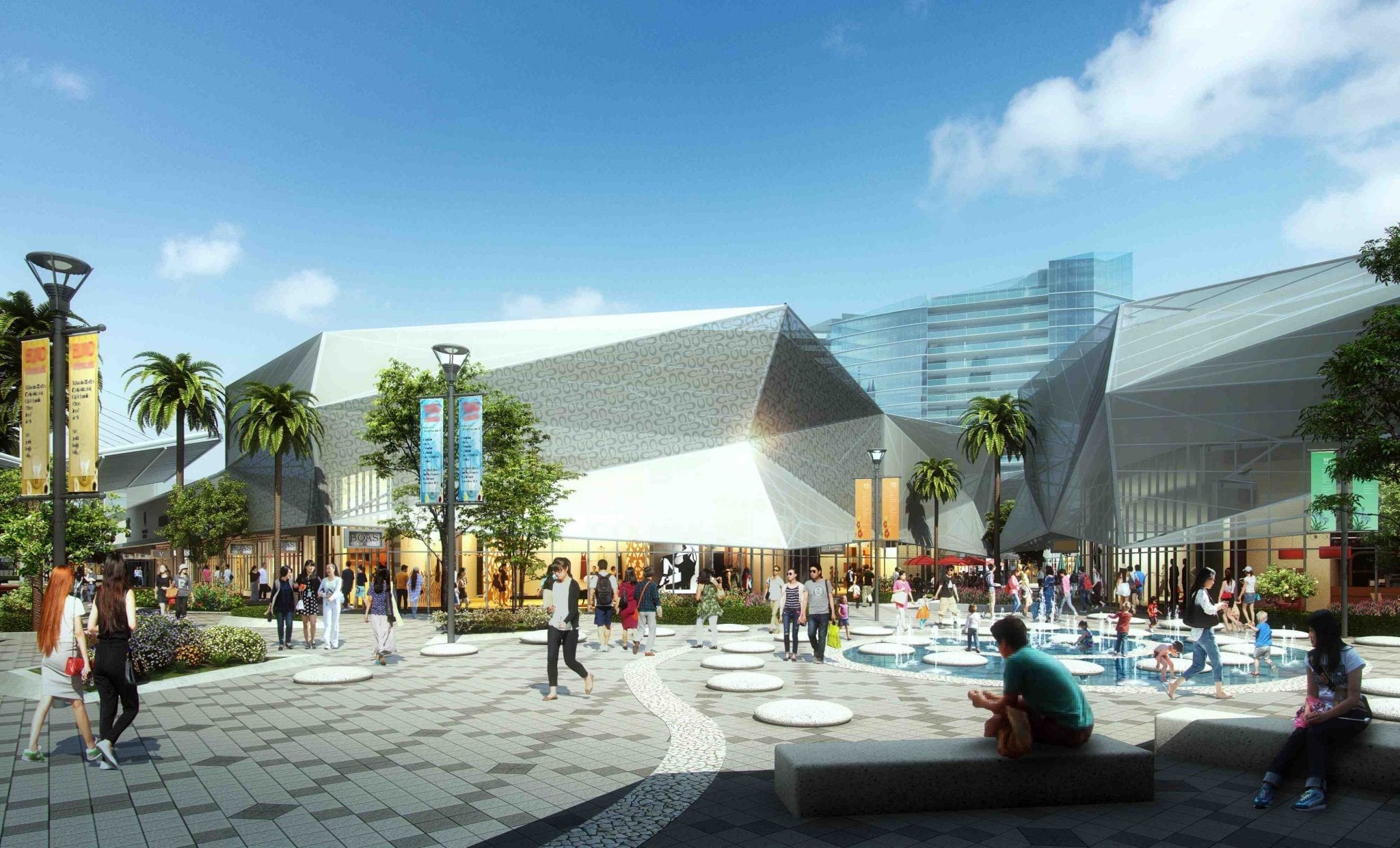
    In Batu Kawan in mainland Penang, it will be the biggest outlet mall in Malaysia. It was developed by PE Land, which owns and runs The Spring shopping mall in Kuching.

    The outlet mall is on a mixed-use site that will include a hotel and high-end condominiums. The single-storey mall has a net leasable space of 400,000 sqft (37,161 sqm) for 150 stores.

    There are more than 80 brands already committed to the mall, which is aiming for up to 100, says Savills Malaysia MD Allan Soo. The company is the international leasing and retail development adviser for Design Village.

    Design Village Malaysia 1

    The mall’s retail mix will be 20 per cent large-format stores, 15 per cent F&B, 7 per cent sports outlets and 5 per cent children’s stores, with 25 per cent new tenants and 28 per cent others.

    It will include the biggest Adidas outlet in Malaysia, plus the first outlet stores for Aldo and Bata. Other retailers include Banana Republic, Guess, Padini Concept Store, Sacoor Brothers, Samsonite and Starbucks.

    The mall will provide daily shuttle services to and from hotels and the airport.

    Design Village GM Aileen Tay says the mall is also working with tour companies to bring in tourists who will be offered rebates through tax-free shopping network Global Blue.

    PE Land is the retail and property development arm of Borneo-based conglomerate Pan Sarawak Holdings.

  • RSH launching Old Navy in Malaysia with KL store

    RSH launching Old Navy in Malaysia with KL store

    With distributor RSH, fashion label Old Navy will open its first store in Malaysia at the end of this month.

    RSH regional marketing and communications manager Roy Lan says the brand will launch a “robust” integrated campaign to raise awareness among consumers of the arrival of Old Navy in Malaysia.

    Its store will be in the 1 Utama Shopping Center in Kuala Lumpur.

    Launched in 1994, Old Navy offers fashion essentials for families. It became the first retailer in the US to reach $1 billion in annual sales in less than four years, and is part of the Gap portfolio of brands, which also includes Athleta, Banana Republic and Intermix.

    With an 800 sqm layout, the new store will offer apparel and accessories collections for men, women, children and babies.

    Its launch in Malaysia follows its entry into Indonesia this year.

    “In the next five years, if everything goes according to plan, we should have 10 stores in Indonesia and five stores in Malaysia,” says Lan.

    Malaysia is the seventh franchise market expansion for Old Navy. In launched its first franchised stores in the Philippines two years ago, and has since opened in four Middle East countries. Its move into Southeast Asia builds on the success Gap and Banana Republic have experienced since entering the market in 2007.

  • What lies behind the Gap sales decline

    What lies behind the Gap sales decline

    That the overall pace of the Gap sales decline has moderated since both last quarter and last year is the only – very small – crumb of comfort for Gap Inc in its latest set of results.

    Gap last week reported a profit of US$125 million for the quarter, down from $219 million a year earlier. Total revenue declined 1.2 per cent to $3.85 billion.

    The total sales decline in the US is actually worse than last year with much heavier declines at Banana Republic and flat growth at Old Navy dragging down performance.

    Looking in stores it is not hard to see why this is the case. The Gap brand has no sense of newness and heavy discounting and constant promotion still appear to be the only tools the company has to drive trade. From Conlumino’s data it is clear that in the US Gap is not only losing customers but the customers it has retained are visiting less and spending less – mostly thanks to taking advantage of offers and deals. This is a dangerous position that erodes sales and profit, and suggests Gap has not even begun to remedy its underlying problems.

    Although it is clear the company is serious about creating a step change at its main brand, and while the autumn “#DoYou” campaign and its associated merchandise represent a small step forward, Gap has failed to convince it has done enough to correct the problems in its business.

    While Gap has troubles, Banana Republic is even more problematic. Over the quarter total sales in the US fell by 7.1 per cent, and on a global basis comparable sales for Banana shrunk by 9 per cent off the back of a 4 per cent decline in the prior year. The assortment is at the heart of Banana’s issues and symbolises a brand that has simply lost its way. The spring and summer collection is best described as predominantly bland with a generous sprinkling of oddness thanks to garments with strange cuts and patterning. Customers are confused and, of course, increasingly unwilling to pay the premium that Banana Republic once commanded. As a consequence the brand is falling into exactly the same trap as Gap as it resorts to discounting and deals to shift merchandise.

    Banana Republic is a smaller part of the group, but it is one in which a turnaround will be difficult to engineer. For this reason, it is getting set to completely shutter its UK, and possibly European, operations. As much as this retrenchment is an admission of failure, it is a necessary contraction given the parlous state of the business.

    Old Navy, which once delivered consistently positive numbers, spluttered again this quarter with flat growth in the US. While this brand is in a much better position than its siblings, it has become much less consistent in its marketing and instore merchandising, something which is reflected in its choppier sales numbers.

    Gap Inc is a troubled retailer without much of a plan – a plan that is desperately needed as its net profit decline of 43 per cent in this quarter aptly shows.

  • Takashimaya Vietnam opens doors

    Takashimaya Vietnam opens doors

    Three years after the Japanese luxury department store chain announced plans to enter Saigon, Takashimaya Vietnam opened its doors at the weekend.

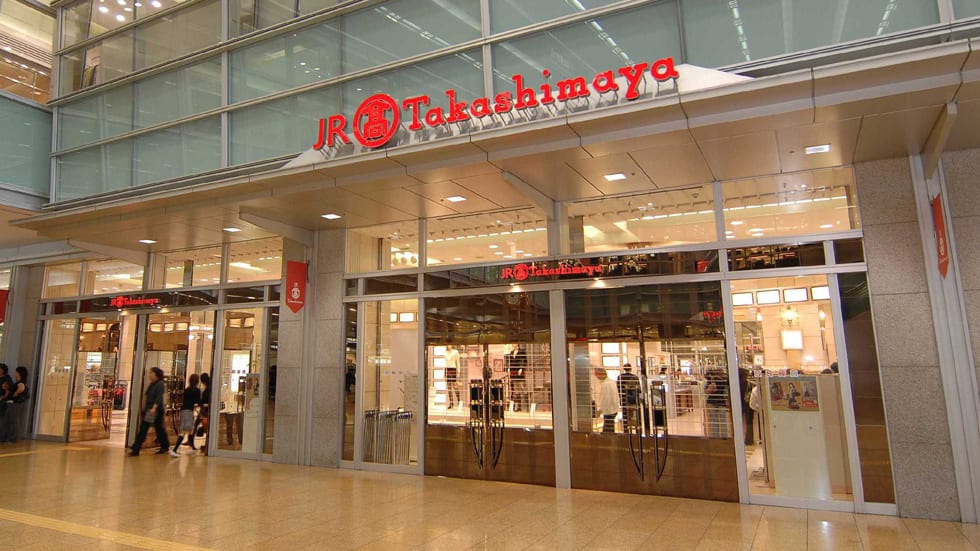
    As the anchor tenant of  downtown Ho Chi Minh City’s Saigon Center, Takashimaya takes up a whole five floors making it by far the nation’s largest department store – and likely its most expensive.

    The first impression that the department store makes is its spacious interior. Concessions to brands have been arranged to leave unusually wide aisles – ensuring the store was comfortable even on its crowded grand opening day.

    Takashimaya Vietnam - interior

     The central atrium of the expanded Saigon Center featuring Takashimaya’s first Vietnam store.

    The first floor of Takashimaya houses the food maison, most of which is filled by Japanese F&B brands such as Minamoto Kitchoan, Gyumaru, Azabu Sabo, Yamazaki and Suizan. Some tea brands make their way into that space, including Vietnam’s own Phuc Long, Singapore’s TWG tea, and B Tea.

    Targeting the high class consumers in Saigon and Vietnam, Takashimaya has chosen carefully the brands to appear in their stores, including luxury brands coming to Vietnam the first time, complemented by the high level of customer service Takashimaya offers elsewhere in the world.

    Takashimaya Vietnam

    The second floor is exclusively for ladies with international fashion names such as Banana Republic, Bebe, Bonia, Braun Buffel; footwear from Clarks, Geox, Cole Haan; bags from Carlo Rino, Cromia; and Furla with its first flagship in Vietnam after years being distributed by Ha Vang company.

    The rest space is occupied by cosmetics brands, including Korean labels Skinfood, which marked the store’s opening with a special event ‘Makeup Style for Your Summer’.

    Takashimaya Vietnam - Skinfood

    “We offer free makeup and manicure for our customers for two days. Besides, when they buy our products, they will receive a gift set,” said Kieu Oanh, senior PR & marketing executive of Skinfood Vietnam.

    For women, the excitement continues on the next level of Takashimaya: a heaven of luxury cosmetics, jewelleries and fragrances. Christian Dior is prominently located at the front, with rival Lancome opposite. Lancome also opened its own ‘Lancome Cafe’ – a style boutique, where women can take free makeup lessons and receive gifts for the best ‘artwork’.

    Takashimaya Vietnam - Lancome

    Other brands include Bobbi Brown, Shiseido, Estee Lauder, Swarovski, and Mac.

    Takashimaya Vietnam - Yves Rocher

    The next floor features international fashion and cosmetics brands including Diane von Furstenberg, Hugo, Versace and Paul & Shark, along with restaurants and cafes. This level has a rest space with some chairs for visitors arranged around a huge grey pillar.

    Takashimaya Vietnam - Diane von Furstenberg

    Local luxury multibrand retailer Runway comes back after closing its store in Vincom Center in March. As usual, it has a large space in the center, gathering all women’s favourite brands with modern and elegant designs.

    Takashimaya Vietnam - Runway

     The new Runway store replaces the local multi-label luxury brand’s previous space at Vincom. 

    Another highlight is the ready-to-launch space of women handbags Kate Spade New York. That outlet is expected to open soon.

    Takashimaya Vietnam - Kate Spade

    Coming soon: Kate Spade.

    The last level of Takashimaya is filled with men’s fashion and casual wear and children’s clothing and toys. Tommy Hilfiger has the largest outlet here, opposite the first authentic Fred Perry store.


    With more than 180 years of experience and US$290 million investment, it is expected that Takashimaya will not only take Vietnamese shopping to a higher level but also mark a turning point for economic development and quality retail in Vietnam.

  • Gap Japan to axe Old Navy

    Gap Japan to axe Old Navy

    Gap Japan will close its 53 Old Navy stores as its parent narrows its focus in Asia.

    But CEO Art Peck says the company “remains committed” to growing its brands in regions where it has a structural advantage.

    The relatively down-market Old Navy brand will focus on the Mainland China market and the Gap brand will remain in Japan, he announced, at the time of revealing a first quarter sales decline of US$$3.44 billion, down 5 per cent.

    “Japan remains an important market for Gap Inc’s portfolio, with a continued strong presence of more than 200 Gap and Banana Republic stores,” said Peck.

    A further 22 international stores will close, but the company has not revealed where or which brands.

    “As the pace of change across the apparel industry increases, now is the time to accelerate our

    transformation by scaling our product and operating capabilities across our global portfolio,” said Peck.

    Asia accounted for 11 per cent of Gap’s global sales, 1 per cent more than during the same quarter of last year. Across the region it no has 312 Gap-branded stores (up seven), 69 Old Navy stores (up four) and 51 Banana Republic stores (no change).

    Globally, Gap stores sales decline 3 per cent – which was better than last year’s 10 per cent; Banana Republic sales fell 11 per cent compared with 8 per cent and Old Navy fell 6 per cent, compared with 3 per cent.

    Neil Saunders, CEO of Conlumino, described the quarter as “disastrous” for Gap, “ one during which all of its main engines stalled and went into reverse”.

    “Gap Inc is now retailer without any star brands and with seemingly little vision to move itself forward. Unless it takes radical action to overhaul its businesses the outlook will only darken still further,” said Saunders.

    “Most worryingly, while the latest April numbers are likely impacted by the earlier Easter, they nevertheless show that all brands failed to gain any momentum as the quarter progressed. Indeed, in the case of Old Navy the sales slip accelerated.”

    Saunders says the central issue for Gap is that it is “creatively dull” and does very little to change collections from season to season or year to year.

    “As a result it has become increasingly reliant on customers buying on a replacement cycle rather than being inspired to buy new products. This, in turn, leads to it stimulating sales by the use of extensive discounting which then discourages consumers from buying at full-price. Gap shows no signs of getting out of this viscous cycle.”

    He said its Banana Republic brand has gone into reverse since the departure of Marissa Webb.

    “While Webb’s attempts to revitalise the chain did not bear immediate fruit, that she was not given sufficient time in the job and, much like the departure of Rebekka Bay, her leaving signifies Gap has both a problem with change and with giving competent people the scope to get on with the job in hand.”

    Old Navy’s decline is more recent, he argues.

    “While the brand has been the star of the show for many quarters, the past few collections have been dull and uninspiring. Stores are also looking more fragmented with no clear merchandise or brand story to entice shoppers. Coupled with excess inventory this has made for a less than pleasant shopping experience – something that has diluted the impact of the various flash sales and offers Old Navy has traditionally relied on for growth.

    “As problematic as sales are, there is no doubt that margins are equally troubled. All Gap brands have resorted to heavy discounting in order sales and, even so, the company still has an excess of inventory. The final profit position for the quarter is very poor with net income down by a sharp 47 per cent over the prior year.

    “All of this bodes badly,” Saunders concluded.

  • China’s mall growth

    China’s mall growth

    Over the subsequent three years, a staggering 40 million sqm of shopping center improvement is predicted throughout China.

    Of this, 55 new malls will probably be in Shanghai – a metropolis whose retail business has been turned on its head, actually, by the emergence of a mega metro system. Road degree shops nonetheless command the highest rents, however sub-terrain area is now extremely fascinating, particularly among the many footfall hungry fast-fashion manufacturers.

    “Shanghai metro has grown amazingly shortly, newly developed malls are popping up above or near the stations,” stated Rebecca Tibbott, head of retail leasing, JLL Shanghai.

    “Some manufacturers, Uniqlo for instance, can command prime degree one area however they’ll take basement one if there’s direct metro entry.”

    Till just lately, probably the most outstanding shops in any Chinese language mall have been the protect of the posh manufacturers however the luxurious market has grow to be saturated and that is, partially, answerable for a sizeable shift within the buying habits of the nation.

    Because the worthwhile millennial demographic demand extra selection at decrease costs, worldwide quick trend manufacturers are gaining a foothold. Zara, H&M and Perpetually 21 are a number of the western retail stalwarts giving prime tier luxurious names a run for his or her cash.

    “Quick style retailers are nonetheless very aggressive in China,” stated Tibbott. They’re all in search of prime excessive road area.

    “H&M has round 250 shops in China and it’s actively looking for area for 80 new shops this yr; Zara has its sights set on 60 new shops and Uniqlo plans one other 100, having already opened 100 final yr,” she added.

    New manufacturers are additionally rising. US-based Perpetually 21 has opened 9 shops and has plans for an extra 50, Hole has opened 32 shops since 2013 and Banana Republic is planning to enter the market in 2016, all contributing to China’s mall growth.

    “To get visitors into malls now, landlords want quick trend. In some instances they’re [landlords] asking quick style manufacturers and luxurious retailers to take a seat aspect by aspect.”

    Retail’s supporting position

    The place standalone buying facilities stood as beacons of Chinese language consumerism, ‘mixed-use developments’ at the moment are inspired with malls being only one element half. In future malls, retail will complement way of life, F&B and leisure.

    “Chinese language malls historically common at 80,000-100,000 sqm however, for instance, in Shanghai, the typical retail allocation is down to only 70,000-80,000 sqm,” stated Colin Dowall, head of retail asset administration, China.

    “Now when a improvement is proposed the Chinese language authorities needs to monetize it and more and more this requires making a improvement mixed-use and financially sustainable,” he added.

    “On the sale of land the federal government asks ‘what number of jobs will the event create?’”

    Authorities affect, it appears, is altering retail area in additional methods than one. A clamp down on ‘gifting’ – the follow of providing extravagant company favors – has curtailed luxurious purchases and prime tier retailers are struggling the fallout.

    “There’s been an enormous knock on impact on watches and jewelry particularly,” stated Tibbott.

    Meals and beverage is affected, too, as lavish lengthy lunches turn out to be a factor of the previous. “Earlier than the brand new guidelines, a Chinese language restaurant might have occupied a big 2000 sqm area, however they will’t justify that today,” she added.

    This altering shopper conduct has inspired landlords to put higher emphasis on expertise and idea shops. Additionally newly developed malls are dedicating more room to F&B and fewer to unbranded trend (as this phase has swiftly moved on-line). Landlords look internationally for solutions to offer higher buying environments and undertake know-how as a way of scrutinizing shopper habits. In lots of instances they discover themselves main the best way on this regard.

    With cellular penetration in China among the many highest on the earth, landlords are engaging smartphone savvy consumers via progressive promotions. In lots of malls, provides are projected on to screens and buyers are inspired to play video games to win prizes, which they will then redeem instore.

    This know-how adoption is spreading via e-commerce adoption. Current figures present on-line gross sales now account for 11 % of complete retail gross sales in China. Cellular know-how can also be serving to some landlords to measure footfall and document what clients are shopping for by means of their cellular pockets knowledge. Retailers may also profit from this knowledge as a way of monitoring inventory or they will use it to tailor promotions consistent with fashionable gadgets.

    Invaluable knowledge insights

    Knowledge wealthy insights similar to these are key, in accordance with Dowall.

    “Understanding the market is extra essential than ever. Once I first arrived I met a purchaser and a designer for H&M who had been right here 5 years simply making an attempt to know the market. Some manufacturers have entered too quick and located it onerous to adapt or have failed.”

    The event pipeline is encouraging for the way forward for the bodily retailer, regardless of competitors from growing on-line gross sales. Nevertheless, the query is what the Chinese language malls will present to outlive and what is going to they seem like in years to return?

    “Giant enclosed malls will develop into much less widespread and the price of operating these malls will form improvement; there will probably be some however the taste of the month is decentralisation that locations quick style alongside premium manufacturers.

    “Neighborhood purchasing facilities that replicate Western improvement cycles are arising and outlet malls on the peripheries are proving common.”

    Within the brief time period the most important change in Chinese language retail is the ever-increasing competitors between the landlords and tenants: “I all the time ask, ‘is it a landlord or a tenant market’, once we enter a brand new undertaking as a result of the technique will differ relying on the product they’re promoting.”

    Retailers undoubtedly have their work minimize out however landlords have to be smarter than ever about their tenant combine and purchasing expertise.