Retail News CRM

Tag: Banana

  • Billion-Dollar Boom: Vietnam’s Banana Exports Set to Topple Records

    Billion-Dollar Boom: Vietnam’s Banana Exports Set to Topple Records

    Vietnam’s banana exports could potentially surpass the US$1 billion threshold in the near future due to increased investment, value-chain-driven production, and expanded export markets, a number of experts and industry insiders have highlighted. They shared this optimistic outlook during a recent forum held in Ho Chi Minh City that focused on strategies for preventing and controlling Panama disease in bananas.

    Current Production and Future Prospects

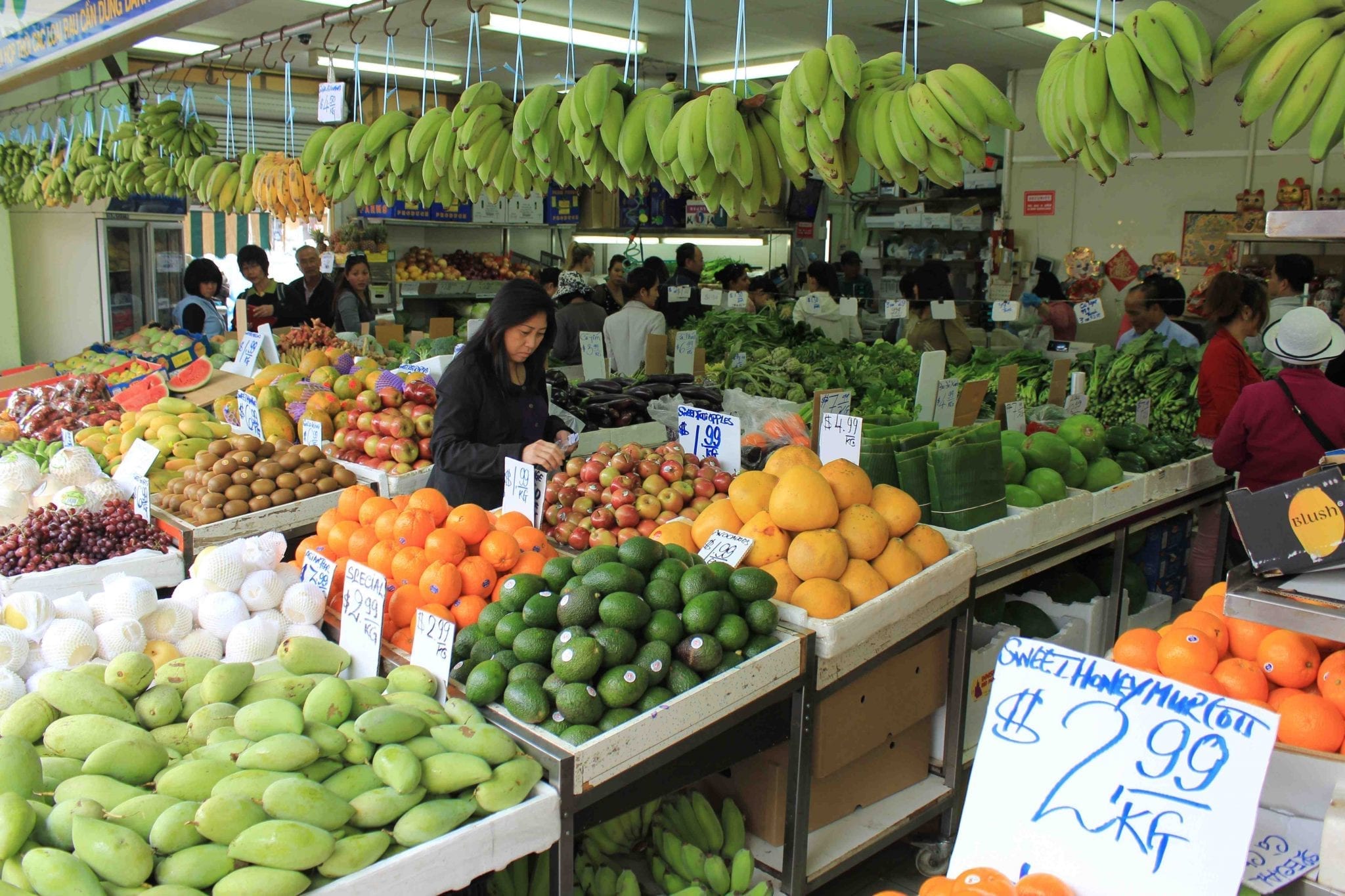
    Assoc. Prof. Dr. Le Quoc Doanh, a previous deputy minister of Agriculture and Rural Development and current chairman of the Vietnam Gardening Association, shed light on the current state of banana production in Vietnam. He indicated that the country produces approximately 2.8 million tonnes of bananas annually.

    Doanh pointed out that both the acreage dedicated to banana cultivation and the resultant yields have been on an upward trend. This growth reflects an increasing market demand and the sector’s expanding production capacity.

    In 2024, bananas accounted for about $372-378 million of Vietnam’s total fruit exports, trailing behind durian, dragon fruit, and coconut. Nonetheless, Doanh believes the current contribution of bananas to the export economy is still quite modest relative to the sector’s production scale and overall potential.

    Pham Quoc Liem, chairman of U&I Agriculture Corporation, shared his insights from a business point of view. He mentioned that the global banana market was worth approximately $15.3 billion in 2024, and is projected to balloon to $21 billion by 2030. Vietnam, despite being the ninth largest banana producer globally, has a relatively low share in banana exports.

    Liem also highlighted that Vietnamese bananas command less than 40% market share in China, around 3% in Japan, and below 17% in South Korea. These figures suggest that there is a significant potential for growth in these markets.

    Challenges Ahead

    The banana industry in Vietnam, while having strong prospects, faces several challenges. Nguyen Quoc Manh, deputy director of the Department of Crop Production and Plant Protection, stated that producers have limited access to market information. This problem is compounded by sharp fluctuations in prices, especially for shipments that fail to meet official export standards.

    Furthermore, stricter technical barriers in some markets, particularly those related to plant quarantine and chemical residue limits, are intensifying pressure on both farmers and exporters.

    Doanh identified plant disease as the greatest threat facing the sector, with Panama disease being the most dangerous. He called for a comprehensive strategy that encompasses plant varieties, cultivation techniques, production organization, and market development.

    Tackling Panama Disease

    Panama disease has been a major global issue since the mid-20th century, inflicting an estimated $1 billion in losses each year. Vietnam has experienced the effects of this disease since 2016-2017, leading to significant reductions in Cavendish banana production and forcing farmers to switch to alternative crops.

    To mitigate the disease’s spread, Vietnam has participated in international cooperation programs such as the Asia-Pacific Banana Network. The country has also boosted its own research and training efforts.

    Dr. Tran Ngoc Hung from the Fruit and Vegetable Research Institute emphasized that the most sustainable solution is developing banana varieties that are resistant to Panama disease.

    Future Developments

    Experts have concurred that with effective disease control, sustainable production restructuring, and stronger value chains, Vietnam’s banana industry can potentially become a billion-dollar export in the near future.

    Manh projected that the total area dedicated to banana cultivation in Vietnam this year would be around 163,000-163,500 hectares, with an estimated annual output of 2.75 million tonnes.

    Questions & Answers

    What is the current value of Vietnam’s banana exports?
    In 2024, Vietnam’s banana exports were worth approximately $372-378 million.

    What challenges does the banana sector in Vietnam face?
    The key challenges include limited access to market information for producers, price fluctuations, increasingly strict technical barriers in export markets, and threats from plant diseases, particularly Panama disease.

    What is the projected annual output of bananas in Vietnam?
    Vietnam is projected to produce an estimated 2.75 million tonnes of bananas annually.
  • Vietnam’s Fruit Exports Skyrocket to $4.06B in China: Durian and Banana Leading the Charge

    Vietnam’s Fruit Exports Skyrocket to $4.06B in China: Durian and Banana Leading the Charge

    In the first three quarters of 2025, Vietnam set a new export record, shipping out fruits and vegetables worth US$4.06 billion to China, marking a 19% increase in comparison to the previous year. This growth was largely driven by the export of durian and banana.

    Vietnam’s Market Share in China

    According to the data from Chinese customs, these exports accounted for 20% of China’s total fruit and vegetable imports, marking an increase from 17.9% a year earlier. Durian was the leading export product, with shipments valued at $2.3 billion. The average export price per ton was $3,696, which is 14-15% less than that of Thai durian. This fact has positioned Vietnam as the second-largest exporter of this fruit to China, preceded only by Thailand.

    The Popularity of Vietnamese Bananas

    Bananas were another significant export product, with shipments totaling $232 million, a 16% annual increase. With an average price of $409 per ton, Vietnamese bananas were considerably less expensive than those from the Philippines and Ecuador, which cost $589 and $757 respectively. This has made Vietnamese bananas a favorite among Chinese importers, particularly in border provinces such as Guangxi and Guangdong, where consumers value fresh, affordable, and high-quality products.

    China’s Fruit and Vegetable Imports

    Chinese imports of fruits and vegetables amounted to nearly $20.3 billion in the first nine months of 2025. Thailand was the leading supplier, with its exports to China accounting for $6.7 billion, representing a yearly increase of 10% and a 33% share of the market.

    Vietnam’s Export Strategy

    Dang Phuc Nguyen, the general secretary of the Vietnam Fruits & Vegetables Association, noted that Vietnamese exporters benefit from the close geographical proximity to China, resulting in lower transportation durations and costs. A representative from an exporter in Can Tho, a major durian producer, confirmed this, stating that this advantage enables them to maintain the freshness and quality of the fruit while cutting shipping costs by half compared to their Thai competitors.

    Free trade agreements, like ASEAN-China and RCEP, as well as bilateral quarantine protocols, have also facilitated exports. In response to China’s stricter import requirements, many Vietnamese businesses have improved their orchards and packaging lines and invested in cold storage facilities this year.

    Despite durians accounting for over half of Vietnam’s fruit and vegetable exports to China, export specialists have advised against over-reliance on a single product. To enhance its market share in China, they recommend that Vietnam diversify its products, improve storage technology, and adhere to quality standards.

    Questions & Answers

    What is the main fruit exported from Vietnam to China?
    Durian is the main fruit that Vietnam exports to China.

    How have Vietnamese businesses upgraded in response to China’s stricter import requirements?
    Vietnamese businesses have upgraded their orchards and packaging lines and invested in cold storage to meet China’s stricter import requirements.

    What are the recommendations for Vietnam to increase its market share in China?
    To increase its market share in China, Vietnam should diversify its products, improve its storage technology, and adhere to quality standards.

  • Banana Sisters Boosts Global Expansion With Second Flagship Store In Southeast Asia

    Banana Sisters Boosts Global Expansion With Second Flagship Store In Southeast Asia

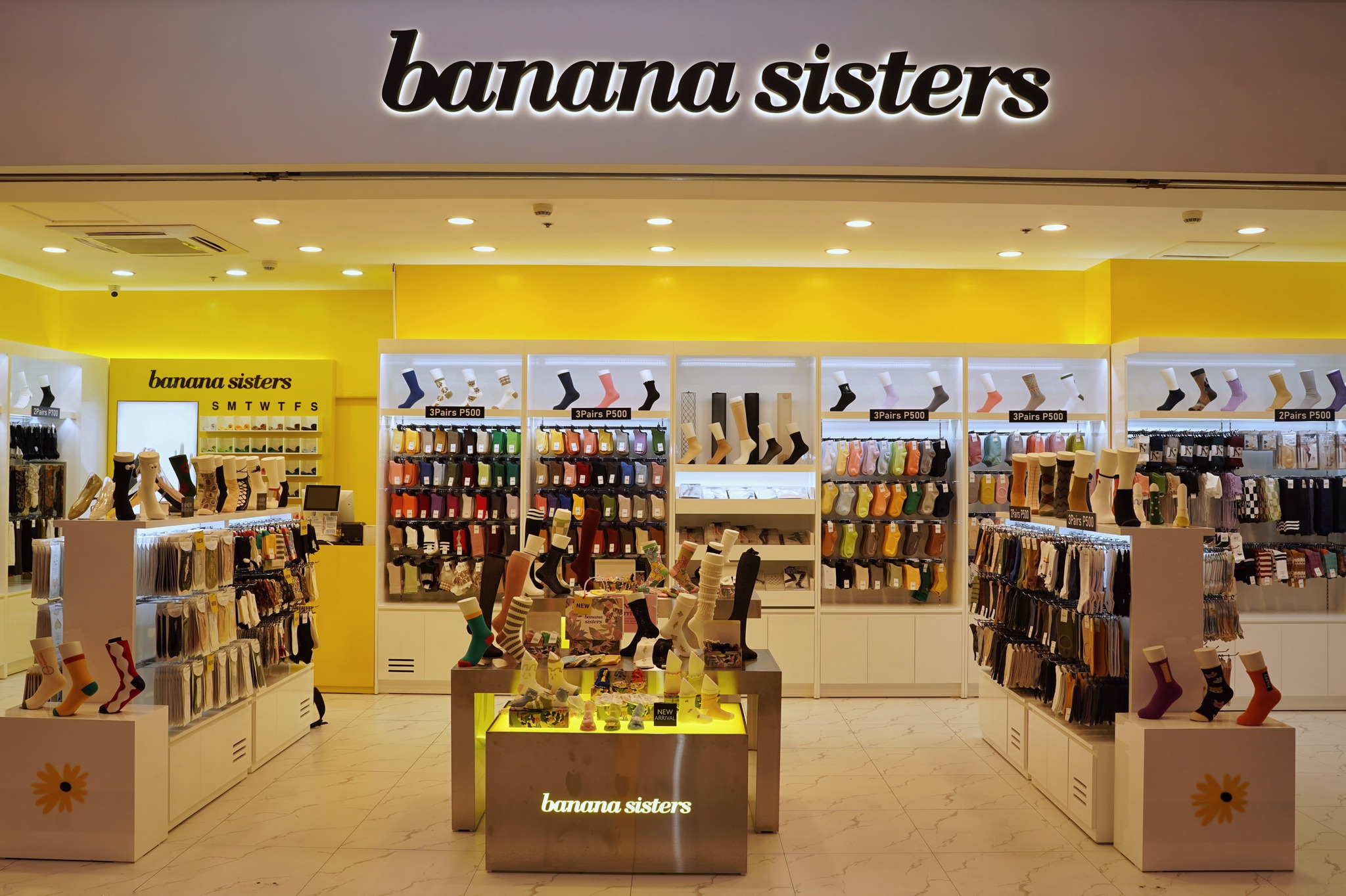
    Banana Sisters, a South Korean legwear brand, has broadened its global presence by launching its second international flagship store in the SM Mall of Asia. This move forms part of the company’s broader expansion plan in Southeast Asia.

    The new retail outlet occupies a 46-square-meter area situated on the third floor of the mall’s Entertainment section. Shoppers will find an impressive variety of approximately 300 different sock styles in the store. Additionally, the store boasts a range of branded merchandise such as T-shirts, caps, and a selection of eco-friendly bags.

    Banana Sisters is the umbrella company for several sub-brands. These include Banana Sisters, which caters to women, Banana Brothers for men, Biarritz offering chic styles, Bitz for sportswear, and Banana Kids for children’s wear.

    In addition to expanding through physical stores, Banana Sisters also plans to establish an e-commerce platform dedicated to the Philippines. This online venture is set to launch by the end of next year and will provide local payment options and nationwide delivery service.

    Yong Ju Jung, the CEO of Banana Sisters, affirmed that the store at the Mall of Asia will play a crucial role in expanding the brand’s presence in the region.

    Questions & Answers

    What is Banana Sisters’ recent strategic move in Southeast Asia?
    Banana Sisters, a South Korean legwear company, has launched its second international flagship store in the SM Mall of Asia.

    What can shoppers expect to find in the new Banana Sisters store?
    The store boasts approximately 300 different sock styles, as well as a range of branded apparel and accessories, including T-shirts, caps, and eco-friendly bags.

    What are Banana Sisters’ future plans besides expanding their physical stores?
    The company has plans to launch a dedicated Philippine e-commerce platform by the end of next year, offering local payment options and nationwide delivery.

  • Edgewell Faces Legal Action Over Alleged ‘greenwashing’ Of Sunscreen Products

    Edgewell Faces Legal Action Over Alleged ‘greenwashing’ Of Sunscreen Products

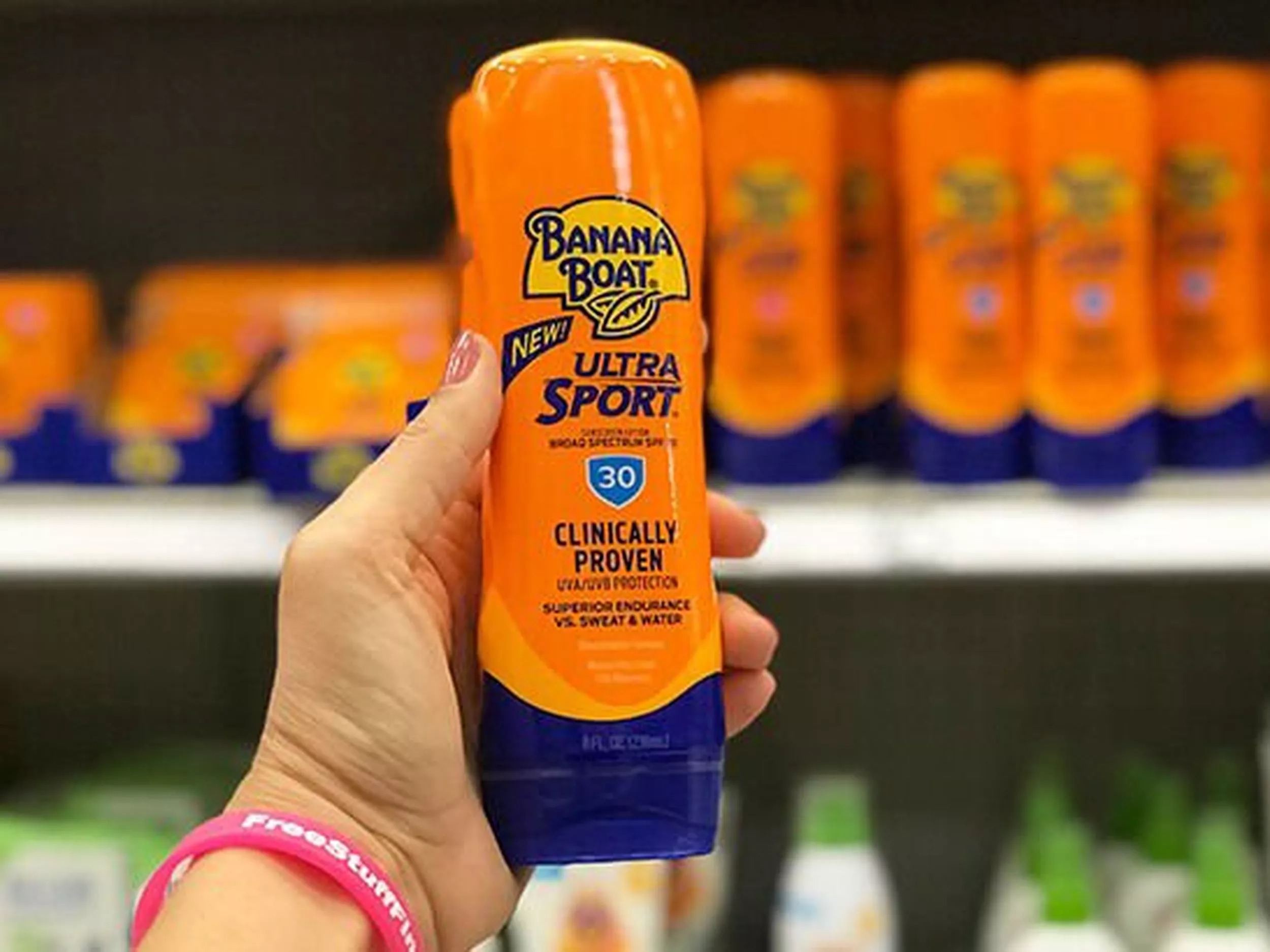
    Edgewell Personal Care Australia, the firm behind the well-known Banana Boat and Hawaiian Tropic sunscreens, is embroiled in a legal dispute with the Australian Competition and Consumer Commission (ACCC). The ACCC claims that the company misled consumers by inaccurately promoting their products as “reef-friendly.”

    Legal Action Initiated

    The ACCC has initiated a court case in the Federal Court against Edgewell Personal Care Australia and its American parent company, Edgewell PCC. The consumer protection organization alleges that more than 90 of Edgewell’s sunscreen products were falsely marketed as reef safe from August 2020 through December 2024. The promotion was done through various channels, including websites, social media, retail catalogs, and product packaging. Some of the promotional materials even featured images of coral reefs alongside the claims.

    Misleading Claims

    Despite the fact that the products do not contain oxybenzone and octinoxate, two chemicals banned in areas like Hawaii due to their proven toxicity to coral reefs, they contain other ingredients. These include octocrylene, homosalate, 4-MBC, and avobenzene, which are either known or suspected to be harmful to marine ecosystems.

    According to the ACCC, Edgewell was aware of scientific research indicating these potential environmental hazards but did not conduct independent testing to verify these findings. Even though “reef-friendly” labels were removed from the company’s US product line around 2020, the misleading claim continued in the Australian market until late 2024.

    “Greenwashing” Accusations

    ACCC Deputy Chair, Catriona Lowe, referred to Edgewell’s actions as “greenwashing,” suggesting that the company’s misleading marketing could have influenced consumer purchasing decisions.

    “The company’s behavior has potentially misled a significant number of consumers,” Lowe said. “The sunscreen products were distributed across Australia over a four-year period, available in large stores and online platforms.”

    Lowe added that companies should not hesitate to promote their product’s environmental credentials but they must ensure they can back up such claims with reputable third-party certification or reliable scientific evidence.

    The ACCC now seeks penalties, declarations, injunctions, and legal fees in its court case against Edgewell.

    Questions & Answers

    What are the ACCC’s allegations against Edgewell Personal Care Australia?

    The Australian Competition and Consumer Commission alleges that Edgewell falsely marketed its sunscreen products as “reef-friendly” when they contain ingredients that are potentially harmful to marine life.

    What chemicals are in question in Edgewell’s sunscreen products?

    The chemicals that are known or suspected to be harmful to marine life in Edgewell’s sunscreen products include octocrylene, homosalate, 4-MBC, and avobenzene.

    What action is the ACCC seeking against Edgewell?

    The ACCC is seeking penalties, declarations, injunctions, and legal costs from Edgewell in their case against the company.

  • Vietnam becomes top banana supplier to China

    Vietnam becomes top banana supplier to China

    Vietnam has surpassed the Philippines to become the largest banana supplier to China with a 40.7% market share in the first eight months.

    China increased its imports from Vietnam by 19.6%, according to data from its customs department, while cutting its imports from the Philippines by 39.2%. Unfavorable weather and diseases reduced the Philippines’ banana output this year and pushed up prices, according to its Ministry of Industry and Trade.

    This allowed Vietnamese exporters to claim a bigger share.

    Aeon supermarkets in China earlier this year began selling only Vietnamese bananas and stopped stocking imports from the Philippines and Taiwan.

    Some other retailers have also followed suit.

    Exporters say Vietnamese bananas have reliable quality and quantity and competitive prices, with the country’s proximity to China helping reduce logistics costs.

    Vietnamese companies have been trying to meet China’s strict quarantine standards, resulting in higher exports.

    But there are also challenges in selling in China.

    Vo Quan Huy, CEO of agriculture export firm Huy Long An, said banana prices there sometimes fluctuate hugely, with local produce flooding the market during harvest season and sending prices tumbling.

  • Banana prices double in Thailand

    Banana prices double in Thailand

    The price of kluay hom thong banana or “golden bananas” in Thailand has doubled to 30 baht (US$0.89) amid growing demand.

    Somchai Nunual, leader of the golden banana and fruit safety group in Bang Kaew district in Thailand’s Phatthalung province, said the price hike was due to the growing popularity of the fruit, while the lack of rain since the second half of last year has curtailed the supply of bananas to the market.

    Bang Kaew district has been the center of the bananas in the province since farmers discovered the soil in the district is more suited to growing bananas than rubber, rice or oil palm.

    Thailand’s Ministry of Agriculture and Cooperatives predicted that the kluay hom thong banana harvest this year will amount to just 32,000 tons, a massive drop from last year’s 120,000 tons.

    Farmers made an average of 278 baht per 100 bananas last year, up from 243 baht in 2022, according to the ministry. It forecast that banana farmers will pocket 292 baht per 100 fruits this year.

    The kluay hom thong banana is one of Thailand’s main fruit exports, with 80% going to Japan and the rest largely to China and Cambodia.

    Japan allows Thailand a quota of 8,000 tons of the fruit annually, but the actual export volume is only half that because farmers cannot produce enough of the fruit that meets Japanese standards, according to the Internal Trade Department.

  • AEON Hong Kong switches to Vietnamese bananas

    AEON Hong Kong switches to Vietnamese bananas

    Japanese retailer AEON has replaced Philippine and Taiwanese bananas with Vietnamese imports at its Hong Kong outlets.

    AEON started selling Vietnamese bananas at its 91 outlets in Hong Kong last year because they are of high quality and grown using a process that does not result in waste, Yuichiro Shiotani, CEO of AEON Topvalu Vietnam, said at a forum Friday.

    “This process meets AEON’s sustainability criteria.”

    Apart from prices, environment friendliness and quick delivery are now top priorities for retailers, he added.

    The company plans to double its purchase of Vietnamese bananas this year and also switch exclusively to Vietnamese mangoes instead Thai and Philippine varieties.

    Mirash Basheer, CEO of May Exports Vietnam, a division of LuLu Group International, a major retailer headquartered in the United Arab Emirates, said there is increasing demand for Vietnamese goods, especially those that meet green production requirements.

    May Exports Vietnam plans to buy more cashew from Vietnam, along with other products such as canned fruit juice, coconut juice and canned tuna.

    U.S. retailer Walmart said it buys from around 500 suppliers in Vietnam, but most are foreign-owned companies with Vietnamese ones mostly being secondary suppliers.

    More Vietnamese goods could reach American consumers if they meet sustainability criteria, a spokesperson for the retailer said.

    Do Ngoc hung, a trade consultant for Vietnam in the U.S., said Vietnamese businesses should study the requirements of U.S. distributors such as Walmart, Costco and Amazon, who all require green products.

  • Vietnamese fruit exports to China and Laos surge

    Vietnamese fruit exports to China and Laos surge

    The export of bananas, durians, and jackfruit from Vietnam to China and Laos surged in the year’s first four months.

    The export value of vegetables and fruits reached $1.39 billion, up 19.4% over the same period last year, according to the Ministry of Agriculture and Rural Development.

    China led the consumption of Vietnamese fruits and vegetables with 58.7% market share, valued at $576.4 million in the first quarter of the year, up 27.4% over the same period in 2022.

    Laos, South Korea and Japan also increased imports of Vietnamese fruits. Exports of Vietnamese vegetables and fruits to Laos increased the most, by 2.8 times.

    Durian, jackfruit and banana had a significant increase in exports. In the first quarter, Vietnam’s durian export turnover reached $153.5 million, up more than 8.3 times over the same period last year. China accounted for 87% of the market share with a turnover of $133.6 million.

    Thousands of tons of durian have been exported to China every month. Vietnamese durians are ordered in large quantities because of their good quality, suitability for local tastes and prices that are more attractive than produce from Malaysia and Thailand.

  • Banana exports to China boom despite Covid restrictions

    Banana exports to China boom despite Covid restrictions

    Banana exports to China increased by 10 percent in the first five months though total vegetable and fruit exports to that country were down 28 percent.

    Vietnam was China’s largest supplier of bananas at 742,000 tons or 43 percent of its total imports, according to the Vietnam Fruit & Vegetables Association (Vinafruit).

    Vo Quang Huy, director of agriculture firm Huy Long An Co. Ltd, said his company’s banana exports to China were up almost 30 percent year-on-year despite the Covid-19 restrictions and safety measures in place there.

    Nguyen Van Cu, director of a northern exporter, agreed, saying his company’s exports doubled to around 500 tons.

    “Prices have surged from VND3,000 (13 U.S. cents) a kilogram last year to VND5,000-8,000.”

    Vinafruit chairman Dang Phuc Nguyen attributed the rise to falling output in China, where banana farms have been plagued by Fusarium wilt, a lethal fungal disease that has no cure, and rising input costs.

    But packaging and logistic costs of up to VND13,000 a kilogram eat up profits, exporters said.

    They expect exports and prices to rise sharply in the second half of this year.

    Vietnamese exports need to improve their quality and origin traceability to increase their chances of entering the Chinese market, Nguyen added.

  • Vietnam to expand banana farming for China export

    Vietnam to expand banana farming for China export

    A Vietnamese agriculture company, Hoang Anh Gia Lai Agriculture Jsc, is set to invest in another 5,000 hectares of land in Cambodia to grow bananas for export to China.

    It will invest VND976 billion ($42 million) in the project, the company said in a recent statement.

    Most of the bananas will be exported to China by ship or road. They will fetch VND22,000-23,000 (95-99 cents) per kilogram from September to March and VND13,000-14,000 (56-60 cents) at other times.

    While China has a demand for 15 million tons of bananas a year, the company has only been supplying 240,000 tons, Doan Nguyen Duc, CEO of Hoang Anh Gia Lai (HAGL) Agrico, said.

    But to reduce its excessive reliance on the Chinese market, Duc is also hoping to shift 20 percent of the company’s banana exports to South Korea and Japan.

    It expects to harvest over 106,000 tons of bananas and earn revenues of around VND1.7 trillion ($73 million) and VND983 billion ($42 million) in gross profit this year.

    The company already possesses 13,500 ha of farmlands in Vietnam, Laos and Cambodia. It is also a major producer and exporter of dragon fruit and chili.

    HAGL used to be a leading property developer in Vietnam, but restructured in 2010 to focus on rubber and livestock farming.

    HAGL Agrico has been growing fruits since 2016, and last year its passion fruit, banana, chili, and dragon fruit crops fetched revenues of VND1.6 trillion ($71 million), accounting for around 49 percent of HAGL’s total revenues.

    This year, the firm expects sales of VND3.7 trillion ($164.4 million) and gross profits of VND1.67 trillion ($74.2 million).

  • Philippines stands to gain in new export markets

    Philippines stands to gain in new export markets

    Philippines stands to gain in new export markets

    The Philippines stands to profit from agriculture products with its entry into new export markets in an attempt to diversify their economy.

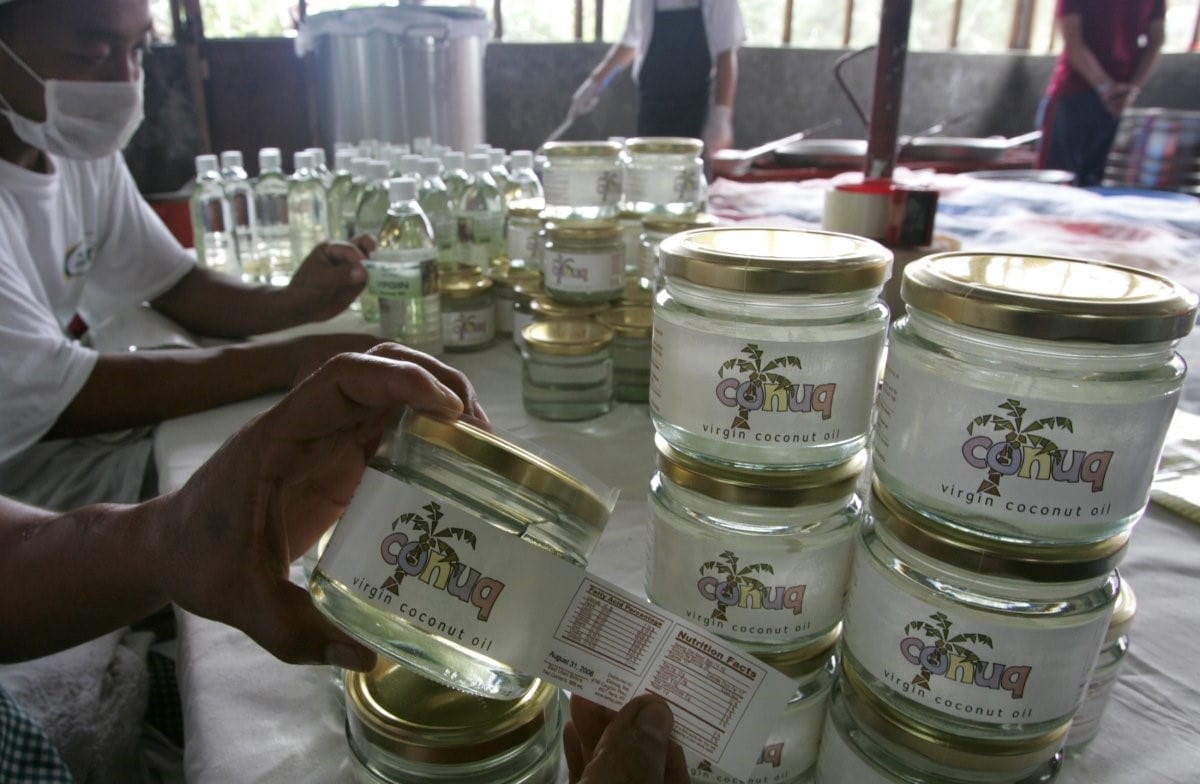
    In particular, virgin coconut oil is in demand in South Africa, where the coconut is not a native tree, its embassy in Manila said in a statement.

    “If someone sees you in a retail store with coconut oil, they classify you as someone from a high-end society. It is very expensive. So it has a good market in South Africa,” Deputy Head of Mission Tshire Kau said.

    Even though high volumes of Philippine bananas are shipped to the Persian Gulf, the demand for the fruit, as well as other agriculture products from the Philippines, continues to exceed supply in Iran.

    Consumers want products not easily available in local stores but which are widely produced or grown in the Philippines.

    “So many Iranian companies are still requesting for more bananas from the Philippines,” Iranian Ambassador to the Philippines Mohammad Tanhaei said.

    He explains the growth of exports and the growing variety of foods consumed by the people of India, another potential export market, stating:

    “India is one of the world’s fastest growing economies, enabling its population to acquire large disposable incomes, a big portion of which is spent on food. Indians now like to experiment with what they eat and have developed a huge appetite for non-traditional Indian cuisine, Ramakrishnan noted”


  • 44 BKK outlets moving ownership

    44 BKK outlets moving ownership

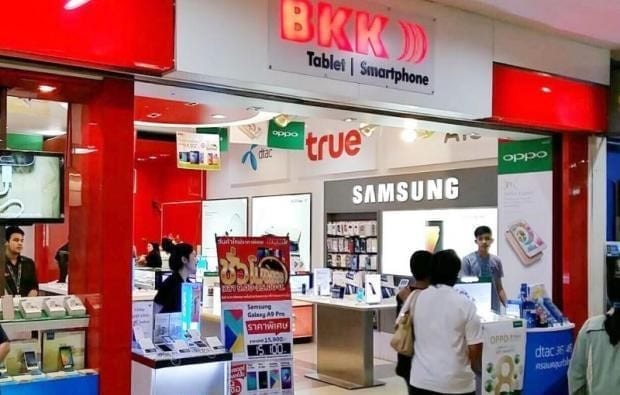
    Bangkok-based IT chain store Com7, under the Banana brand, has taken over 44 BKK outlets from Bangkok Telecom 999.

    The TB184 million (US$5.1 million) deal is a bid by Com7 to drive its expansion into the mid- and entry-level segments.

    “This is our first acquisition for the purpose of pursuing growth,” says Com7 chief executive Sura Khanittaweekul. The roll-out is expected to be completed in the first quarter of next year.

    Com7 will keep the BKK branding on its acquired stores, most of which are in high-density areas. At least 10 of the stores compete directly with Com7.

    BKK Telecom 999 still has 36 BKK branches.

    Sura says the acquisition will enable Com7 to expand more quickly as it will not need to build its own stores. It will be able to tap the mid- and entry-level markets with handsets priced below TB10,000 a unit.

    Com7 aims to expand its retail shops to 500 branches by the end of next year, up from 365. It launched Bananastore.com in August to extend its sale channels online.

  • Banana acquires 44 Bangkok outlets

    Banana acquires 44 Bangkok outlets

    A Bangkok IT store in a shopping mall in Bangkok. The stores will complete their transfer to Banana in the first quarter of 2017.

    Com7, the Bangkok-based IT chain store under the Banana brand, has taken over 44 BKK shops from Bangkok Telecom 999 for 184 million baht in a drive to accelerate its expansion into the mid- and entry-level segments.

    “This is our first acquisition for the purpose of pursuing growth,” said Sura Khanittaweekul, chief executive of Com7.

    The move is a reflection of how medium-sized IT retail chain stores in Thailand are trying to survive the hyper-competitive handset sales market.

    Small retail chains are being forced to close their shops because they cannot compete directly with cash-rich large stores.

    The process of transferring BKK’s shops will begin on Dec 1 and is expected to be completed in the first quarter of 2017, Mr Sura said.

    Com7 will operate the acquired 44 stores under the BKK brand, most of which are located in high-density areas. At least 10 BKK shops (out of the 44 acquired stores) compete directly with Com7.

    BKK Telecom 999 sold 44 branches out of its 80 shops.

    Mr Sura said the acquisition will enable Com7’s expansion strategy to grow faster, as the company need not build its own stores, which takes time and planning.

    The average size of a BKK shop is 30-70 square metres, while the average size of a Banana shop is 100 sq m.

    He said the acquisition of the BKK shops will enable Com7 to penetrated untapped mid- and entry-level markets, with handsets priced below 10,000 baht each.

    “Returns on the acquisition can be expected over the next 3-4 years,” Mr Sura said.

    Most Com7 branches are situated in prime locations in department stores serving premium customers with high purchasing power.

    Thailand’s smartphone market is quite mature. There is still an extensive demand in the mid-level handset segment in the replacement market.

    Com7 aims to expand its retail shops to 500 branches by 2017, up from 365.

    In August, Com7 launched bananastore.com to extend its sale channels online to capitalise on new-generation customers who lead the digital lifestyle trend.

    “We aim to have 1 billion baht in total sales revenue in 2017,” Mr Sura said.

    Com7 expects revenue to grow 10% to 17 billion baht this year. Of the total, 35% will come from sales of mobile phones, 30% from computers, 10% from tablets and the rest from accessories.