Retail News CRM

Tag: bancruptcy

  • Sears gets away from bankruptcy

    Sears gets away from bankruptcy

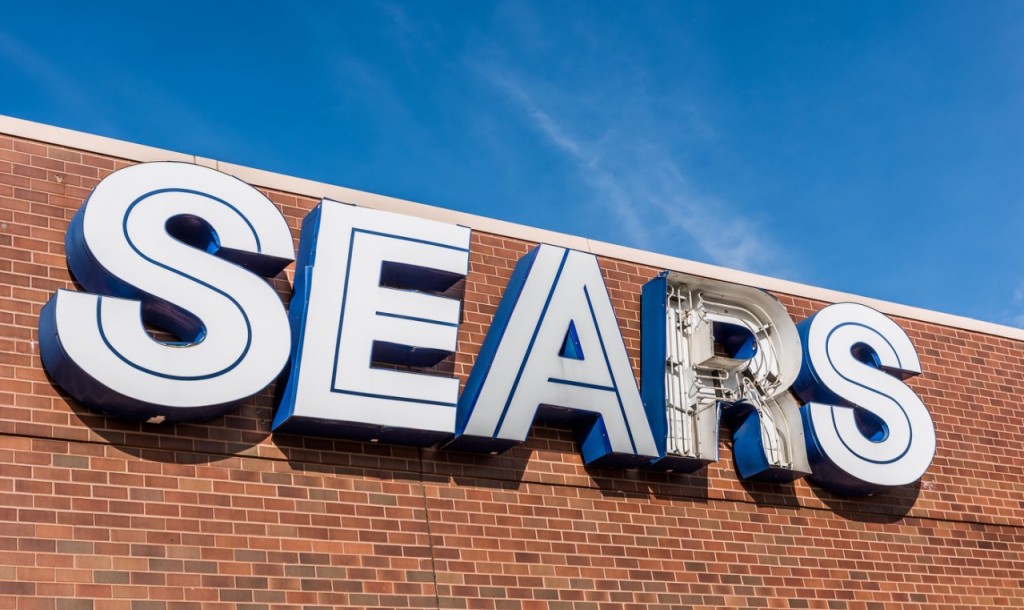
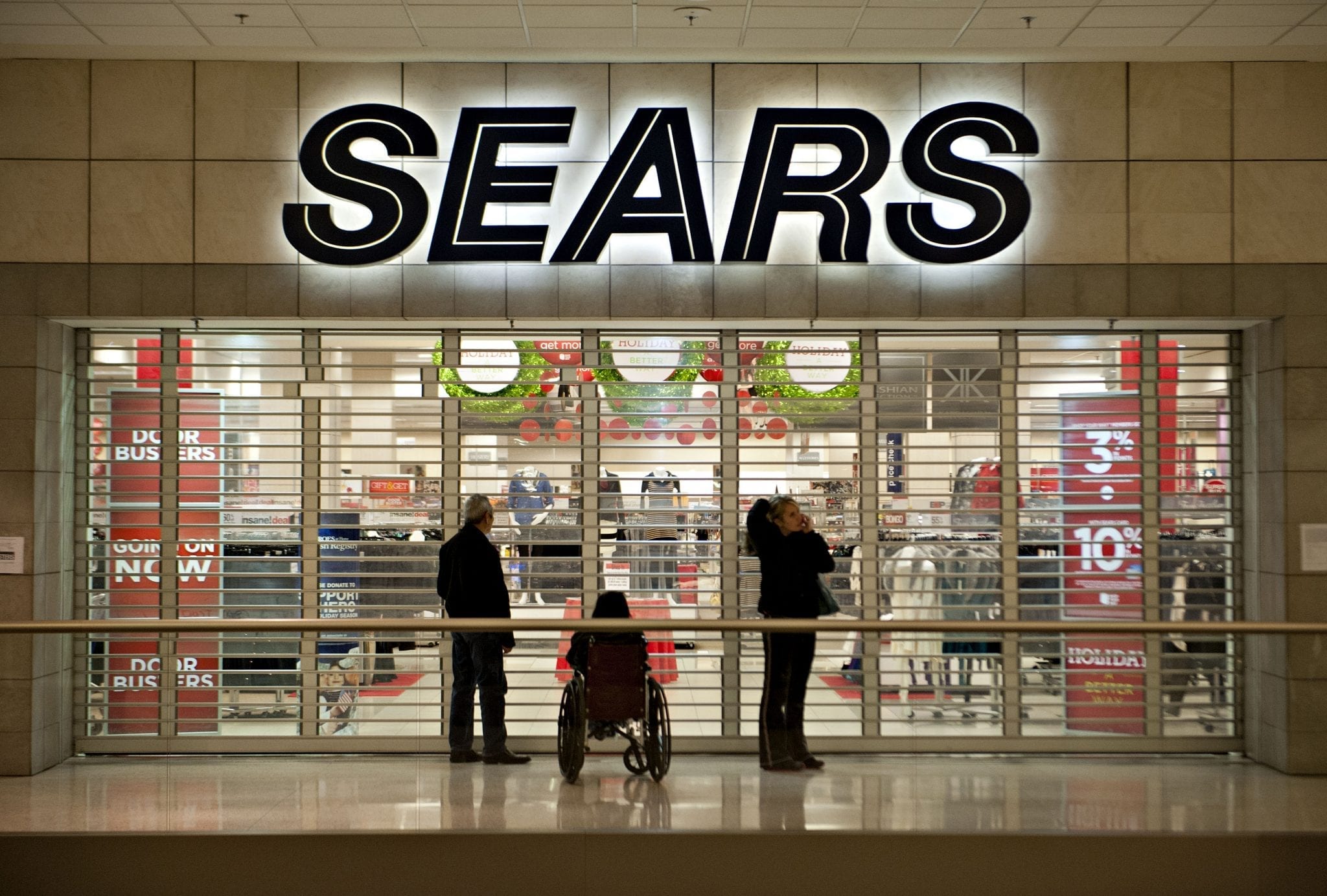
    Sears Holdings chair Edward Lampert’s US$5.2 billion bid to save 425 Sears and Kmart stores and roughly 45,000 jobs from liquidation was approved by a US bankruptcy court judge last week. Lampert’s bid, which he made through his hedge fund ESL Investments Inc., was approved by Judge Robert Drain after a hearing spanning several days in a White Plains, NY, federal bankruptcy court.

    Terms of the sale allow for some litigation to continue against Lampert and ESL.

    Drain said that Lampert, the only bidder offering to keep Sears alive, had been subjected to substantial verbal abuse during the proceedings, with critics characterising the Sears chairman’s plan a scheme to rob the company and its creditors of assets.

    “He is a wealthy individual and a big boy and I guess he can take it,” Drain said, adding that some of the abuse may have been justified.

    As CEO and chairman, Lampert’s time at Sears led to cost-cutting efforts that had resulted in a decline in sales, store closures, and inventory reductions.

    He arranged the US$11 billion merger between Sears and discounter Kmart in 2005 and tried for years to boost business.

    The company’s restructuring officer Mohsin Meghji and company directors Bill Transier and Alan Carr were among those questioned on the witness stand during the court hearing on Lampert’s offer.

    Lampert, who stepped down as CEO when the department store chain filed for bankruptcy in October last year, remained the retailer’s chairman, largest shareholder and creditor. A restructuring committee of independent directors negotiated with Lampert and his advisers.

    Lampert’s offer, which had been rejected more than once, came after the retailer had been pushed to the brink of liquidation multiple times. In the end, he increased his initial offer by $800 million, largely in the assumption of Sears’ bills for taxes and merchandise.

    As per a report, Drain grew impatient as the proceedings wore on Thursday, when a creditor’s committee lawyer argued an objection to the takeover bid.

    It added money owed to lawyers, bankers and other advisers working on the retailer’s bankruptcy case also proved contentious as Sears lacked enough money to meet all its obligations.

    The report added Lampert still remains exposed to lawsuits related to certain transactions he engaged in while leading Sears before filing for bankruptcy.
  • HMV saved by Sunrise Records, but some stores will close

    HMV saved by Sunrise Records, but some stores will close

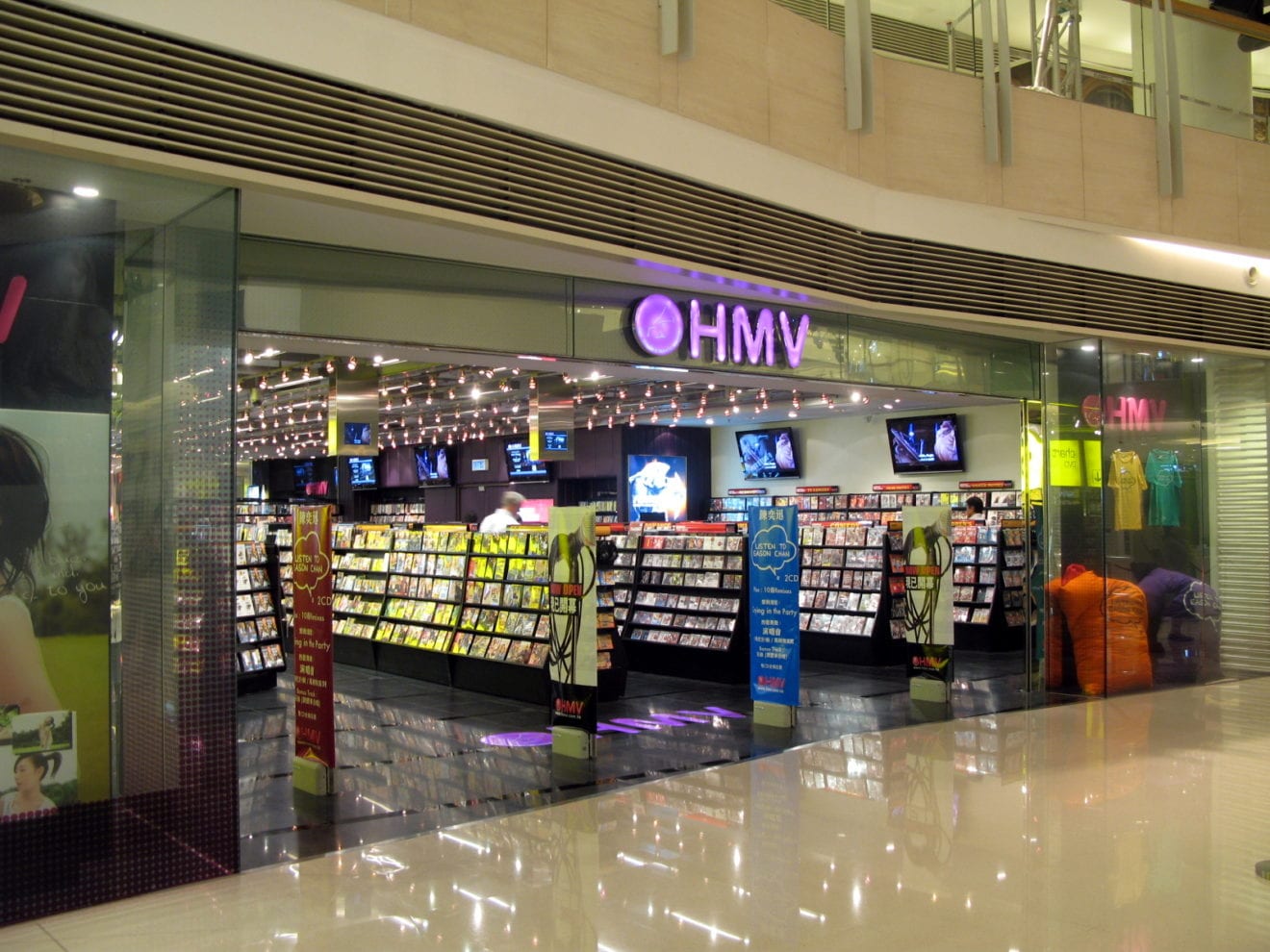
    Canadian firm Sunrise Records has emerged as the buyer of collapsed music chain HMV, beating competition including Sports Direct owner Mike Ashley. The firm will buy 100 stores out of administration, securing 1,487 jobs. But 27 stores will close, resulting in 455 redundancies. Sunrise Records chief executive Doug Putman said he was “delighted to acquire the most iconic music and entertainment business in the UK.”

    No price was given.

    Canadian entrepreneur Mr Putman, 34, bought the retail chain Sunrise Records in 2014. He previously bought HMV’s Canadian business in 2017, expanding his small chain into a national operation with 80 outlets.

    Mr Putman is also President of Everest Toys, the largest toys and games distribution company in North America. He said that HMV was a “fantastic, heritage brand”. He also said the chain would be looking to stock more vinyl records, in response to customer demand.

    HMV owner Hilco, which took the company out of its first administration in 2013, has blamed a “tsunami” of retail challenges for the latest collapse.

    These include business rate levels and the increasing use of streaming services to deliver music and movies.

    HMV sold 31% of all physical music in the UK in 2018 and 23% of all DVDs, with its market share growing month by month throughout the year.

    However, the music industry expects physical entertainment sales to shrink by another 17% this year.

    Will Wright, partner at KPMG and joint administrator said: “We are pleased to confirm this sale which, after a complex process, secures the continued trading of the majority of the business.

    “Our immediate concern is now to support those employees that have unfortunately been made redundant.”

  • Sears saved by chairman’s last minute $5.2 billion bid

    Sears saved by chairman’s last minute $5.2 billion bid

    Bankrupt US retailer Sears has been saved from liquidation following a successful, last-minute US$5.2 billion bid by chairman Eddie Lampert, subject to court approval. The acquisition includes substantially all of the company’s assets as an on-going concern and preserves the positions of 45,000 employees.

    “We are pleased to have reached a deal that would provide a path for Sears to emerge from the chapter 11 process,” Sears’ restructuring committee of the board of directors wrote in a release to investors.

    “Importantly, the consummation of the transaction would preserve the employment for tens of thousands of associates, as well as the relationships with many vendors and suppliers who provide Sears with goods and services.”

    Provided the sale is approved by the Bankruptcy Court, the transaction is expected to close on February 8, 2019.

    The retailer had previously announced plans to close up to 120 stores, though it is not clear whether these closures will go forward with the successful bid.

    Lampert made the last-minute bid after several prior offers were turned down for being “administratively insolvent” – unable to cover fees and vendor payments owed by the retailer.

    After initially offering US$4.4 billion to purchase the business, as well as a secondary offer to purchase just 250 of its locations, Lampert was forced to raise his bid to US$5 billion in an effort to get the sale completed.

    But even this bid was deemed insufficient, and Lampert, through bidding vehicle ESL Investments, upped the offer to US$5.2 billion.

    The new bid, while successful, will mean roughly 5000 fewer staff able to keep their jobs as a result of the bankruptcy.

    Sears applied for bankruptcy in October 2018, citing a failing turnaround effort to transform the business and unlock the value of its assets.

    GlobalData Retail managing director Neil Saunders pointed to Sears’ efforts to “shrink its way to profitability”, and that continuing to do so under the guise of bankruptcy was unlikely to result in a successful outcome for the business.

    “Ultimately, Sears needs not just to fix its financial problems,” Saunders said.

    “It also needs to repair the deficiencies in terms of retail strategy… only a complete change of management will bring this about.”

  • Zuji Hong Kong goes bancrupt

    Zuji Hong Kong goes bancrupt

    Hong Kong-headquartered online travel agent Zuji collapsed on Friday owing HK$250,000 (US$32,000) to customers awaiting refunds. The firm – which was one of the first online travel agencies in Asia Pacific– failed to have its IATA agency licence renewed due to overdue payments to airlines for tickets sold to travellers.

    “Zuji is no longer a licensed travel agent and cannot continue to operate travel agent business in Hong Kong, but the company has the responsibility to properly handle all booked travel services,” said a spokesperson from Hong Kong’s Commerce and Economic Development Bureau.

    Zuji closed its business in Singapore in late November and shut down its website. But the company has said it will continue operations in Hong Kong. It has announced “technical difficulties” in refunding customers for the time being.

    The company has not explained how it will be able to continue operations without an IATA licence.

  • Judge extends Sears lifeline to mid-January

    Judge extends Sears lifeline to mid-January

    Embattled US department store Sears has been granted yet another lifeline, with a bankruptcy auction now scheduled for January 14. That will give billionaire hedge fund operator Edward Lampert, Sears biggest shareholder and former CEO, one final opportunity to preserve the business. At Monday’s auction, he will bid against rival parties seeking to liquidate the business, described by GlobalData Retail MD Neil Saunders as “more like a patient in a coma than a fully functioning retailer”.

    Sears filed for Chapter 11 bankruptcy protection in October and the independent directors of the 126-year-old company are seeking its liquidation, seeing it as the only means by which creditors can retrieve some of the $5 billion in debts it owes. Lampert wants the remaining 425 stores trading under the Sears and Kmart banners to remain open, convinced it can return to viable trading.

    Saunders disagrees and says talk of a potential liquidation of the company suggests the much-storied retailer is now at the end of its long road to collapse.

    “Its recent journey to this point has been characterised by incredibly poor strategic decisions, chronic underinvestment, and continuous financial machinations designed to keep the company afloat. All of this impacted trading, which has remained dire.”

    Saunders says while Lampert has worked hard to rescue the remains of his empire, there is simply not enough financial firepower left in the company to persuade investors of his bid. Indeed, the terms of the deal put forward by Lampert would only likely delay the inevitable and make it far more difficult for creditors to extract their money.

    “Moreover, his track record in putting the company on a sound financial footing has been less than impressive, and we believe this has undermined his credibility with stakeholders.”

    Saunders says there may be interest from people who see value in elements of Sears business such as the automotive side, the online operations, the brands, and the various home services. Those operations include brands like Kenmore appliances, DieHard batteries and Wrangler jeans. “As such, parts of Sears could live on even if the company as we know it will disappear.”

    According to The Wall Street Journal, Sears, which merged with rival Kmart in 2005, has been losing money for seven years under Lampert’s leadership. Sine April 2007, the company has shed 200,000 staff, lost $30 billion in shareholder value and closed more than 1700 stores, leaving it with less than 700 now.

    Saunders says Sears will act as a case study in how not to run a retail operation.

    “It also serves as an example that even the once most powerful and cutting edge of brands can easily fail in a retail environment where change and evolution are the order of the day.”

  • Time is running out for Sears offer

    Time is running out for Sears offer

    Sears chairman Eddie Lampert’s last minute plans to save the bankrupt retail chain are set to be terminated on Friday afternoon, New York time, should they be determined to not be a “qualifying bid”. The first plan, a US$4.4 billion offer to purchase Sears, would provide ongoing positions for 50,000 employees and is the “best outcome for the debtors and their creditors and other stakeholders,” according to documents filed with the US Securities and Exchange Commission.

    The second plan, however, is an offer to acquire at least 250 stores as a going concern, as well as certain assets across the home services division and certain intellectual property.

    Earlier this week the business confirmed a further 80 stores would be closing by March, alongside the 40 already announced, with liquidation sales expected to begin in early January 2019.

    GlobalData Retail managing director Neil Saunders mused that the brand had hit rock bottom and was “essentially worthless” in its current state.

    “Ultimately, reinventing Sears now would be akin to raising the Titanic and making is seaworthy again: a thankless and rather pointless task,” Saunders said.

    Lampert stepped down as company chief executive when it filed for bankruptcy in October.

  • Sears US to close further 80 stores by March

    Sears US to close further 80 stores by March

    Bankrupt US retailer Sears has informed 80 further stores of impending closure, in addition to the 40 store closures already announced. The second batch of closures is expected to be finalised by late March 2019, with liquidation sales expected to begin in early January 2019. The closures have been made in an effort to accelerate and facilitate the ‘strategic transformation’ of the business, as well as assist its financial restructuring, though GlobalData Retail managing director Neil Saunders notes that the brand is now at rock bottom.

    “As a last roll of the dice, Sears has attempted to shrink its way to success by closing stores,” Saunders said.

    “While closure sales have helped to temporarily boost footfall and revenue at some shops, they have done nothing to put the firm on a sound footing. Nor have the efforts improved perceptions.”

    According to data from the research firm, overall customer usage of both the Sears and Kmart brands has fallen over the holiday period, and brand perception has fallen below the year prior.

    “Ultimately, reinventing Sears now would be akin to raising the Titanic and making it seaworthy again: a thankless and rather pointless task,” Saunders said, continuing that liquidation is the most likely outcome at this point of the bankruptcy process which began in October 2018.

    “In our view, the lack of bids and the difficulties [Sears chairman] Eddie Lampert is having in raising finance for his own offer reflects the fact that Sears is essentially worthless.”Adtech Ad

    Lampert stepped down as company chief executive when it filed for bankruptcy in October, and made a last-minute US$4.4 billion bid to buy the retailer in late December.

    The bid would “offer employment to up to 50,000 associates”, according to CNBC, and may divert the liquidation process should Sears’ advisors decide the bid to have come from a “qualified bidder”.

  • Sears to be fined US$443 million

    Sears to be fined US$443 million

    Bankrupt U.S. retailer Sears has been hit with a charge of approximately US$443 million due to store closures. The charges relate to markdowns, severance costs and lease termination costs related to the business’ Chapter 11 bankruptcy, filed due to its inability to hit a debt payment deadline in October.

    The company said some of the charges, revealed in a regulatory filing, have already been incurred, with the remaining charges to be booked in the fourth quarter.

    At the time, Sears chairman Edward Lampert told investors that while the business had made progress, its plan had not delivered the desired results.

    “Addressing the Company’s immediate liquidity needs has impacted our efforts to become a profitable and more competitive retailer,” Lampert said.

    GlobalData Retail managing director Neil Saunders noted there was no clear path to success for the retailer.

    “The group has tried to shrink its way to profitability for years to no avail, so it is hard to see why pursuing the same strategy under the auspice of Chapter 11 would result in a different outcome,” Saunders said.

    Saunders said that several reasons have contributed to this outcome, but foremost among them is Sears management’s failure to evolve the store offering as retail modernised.

    “Ultimately, Sears needs not just to fix its financial problems. It also needs to repair the deficiencies in terms of retail strategy… only a complete change of management will bring this about.”

  • Miniso Canada is collapsing

    Miniso Canada is collapsing

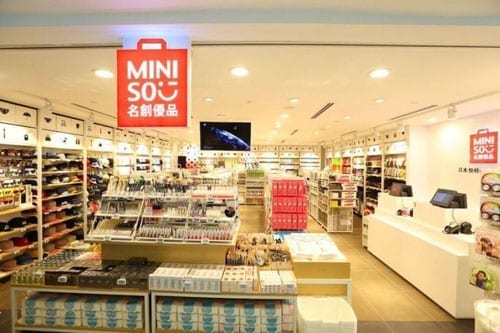
    Miniso Canada is on the brink of bankruptcy after an action brought against it by its Chinese parent company alleging fraudulent business dealings and the transfer and hiding of assets. The extraordinary situation was revealed by Canadian website which in its last update reported the Canadian subsidiary had reached a preliminary agreement with the Chinese company to avoid the move.

    Miniso China has declined comment.

    Citing court documents, Miniso China is owed C$20 million (US$14.7 million) and had retained a lawyer to commence legal action in British Columbia courts to recover the amount.

    Minso launched in Canada last year with plans for 500 stores within five years. To date it has opened 48.

  • HMV Hong Kong collapses

    HMV Hong Kong collapses

    The HMV Hong Kong business has collapsed, with the chain’s owner appointing liquidators. In a statement, HMV Digital China Group chairman Stephen Shiu Jnr said the company was “unable to escape from the crushing force of the wheel of history” as live-streaming services like Spotify and Netflix made CDs and DVDs redundant.

    The company is believed to have debts of HK$40 million and assets – mainly stock – of just $9 million. All seven stores have been closed and 80 staff laid off.

    “The company is under negotiation with the landlords of the settlement plans. HMV Retail has not been generating sufficient revenue to cover its own operating expenses and there is no reasonable prospect of making any significant improvement on its financial performance or operations in the foreseeable future.”

    As reported last week, HMV was facing three legal suits over unpaid rents on stores, totalling $5 million. One of those related to its four-story Causeway Bay flagship.

    After the chain last went into administration in 2013, private equity company AID Partners converted the business into more of a lifestyle destination, stocking headphones, bicycles, backpacks and other curated products. That met with some success, and AID sold the business to Shiu’s company in 2016 for $408 million. Yesterday, Shiu cited Apple’s AirPods for eroding demand for earphones, which had become a core category.

    “[We have] faced numerous struggles and ups and downs, witnessing the rise of the record industry and the heyday of CD, VCD and DVD home entertainment systems, but as time changes, the global development of information and economic climate have also changed”, the company said Shiu.

    The HMV Hong Kong business achieved a profit of $1.85 million in the September quarter last year – but during the same period this year, retail sales fell 41 per cent to $31.55 million and the business lost $18.81 million.

    The liquidators, Wong Sun-keung and Janice Tsui Mei-yuk of Vision AS will try to find new investors to refinance HMV Retail’s operations, although clearly any solution would involve adopting an entirely new business model.

  • Businesses in Vietnam close down at increasing rate

    Businesses in Vietnam close down at increasing rate

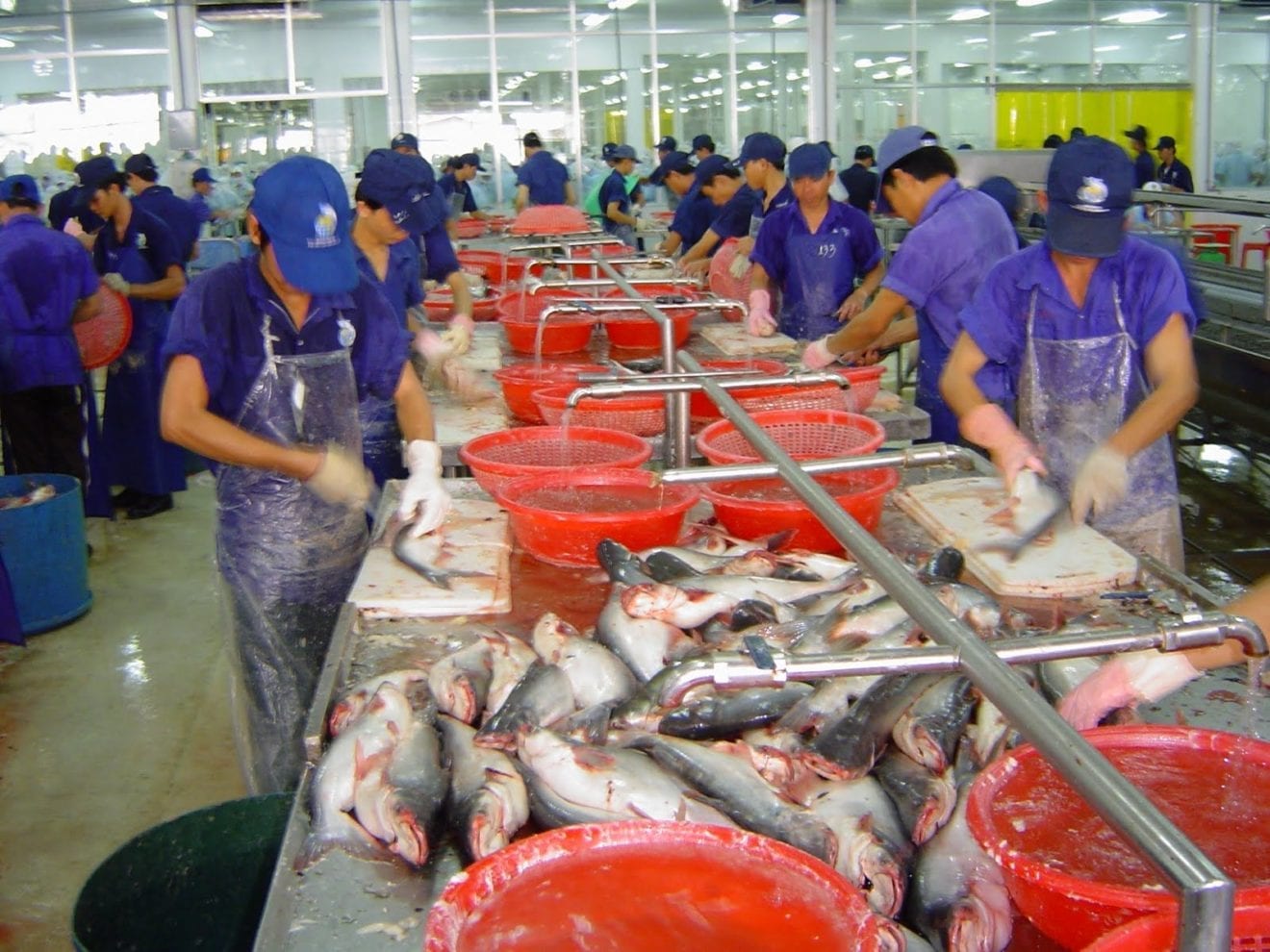
    The number of enterprises closing down in the year to date hit 67,000, double the number in the same period last year. Chu Tien Dung, chairman of the HCM City Business Association said that this number is unusually high but can be explained by problems that have existed for years.

    The government’s target of having 1 million enterprises by 2020 is to blame in no small measure since it has led to policies that encourage quantity rather than quality, he said.

    Typically, this has seen sole traders registered as one-man limited companies and a big start-up movement in major cities such as HCM City and Hanoi.

    “The procedures for setting up a limited company have been greatly simplified so that anyone can become a boss. If within a few years or even months the owner finds the business line to be unsuitable or does not like the company name, it is not difficult to dissolve and establish a new business.”

    Statistics from the Department of Business Registration show that of the enterprises closing down each month the rate of those with charter capital of below VND10 billion ($426,350) is overwhelming.

    The reason lies primarily in the fact that small and medium- sized enterprises (SMEs) lack resources and also have difficulty accessing credit.

    The liberalization of the law on investment is being used by some to profit illegally, he said. Many enterprises have announced insolvency due to heavy losses.

    According to the World Bank, starting up in Vietnam now involves only eight steps which can be completed in 17 days while it takes 26 days on average in East Asia and the Pacific to complete formalities and enter the market.

    Tran Thi Hong Minh, director of the Department of Business Registration, said: “Dissolution and bankruptcy is the natural, objective law of the economy. The market will eliminate and purge weak businesses to replace them with those of better quality.

    “Vietnam is considered a dynamic economy with rapidly developing science and technology and so the pressure on businesses is of an equivalent magnitude.”

    Pham Chi Lan, former chairwoman of the Vietnam Chamber of Commerce and Industry (VCCI), said business owners had expressed concern the business climate had not improved much.

    Even in the case of single-door administrative procedures, where all documents are meant to be submitted and received at one office, an applicant has to go through many other doors, she said.

    “While we are talking about creating new tools and policies, old, defunct procedures are still not scrapped. As such, Vietnamese businesses are very worried about their future.”

  • Indonesia’s Legendary Tea Producer Declared Bankrupt

    Indonesia’s Legendary Tea Producer Declared Bankrupt

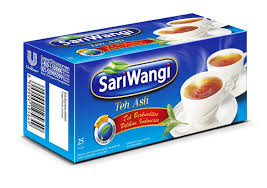
    When Indonesians enjoy a cup of hot black tea,  they are often reminded of one particular brand that seems to have been around forever: Sariwangi. The brand, established by Johan Alexander Supit in 1962 and introduced by the Sariwangi Agricultural Estate Agency in 1973, has been a household favorite for decades.

    The company based in Gunung Putri, a subdistrict of Bogor, West Java, started as tea trader, but soon diversified its business to become a tea producer. Its products were initially in sold in loose-leaf style under a different brand before the introduction of teabags, which changed the way Indonesians drink their tea.

    During the 1980s, the company also started exporting its products to other countries in the region and even as far afield as Eastern Europe, Australia and the Middle East.

    In 1989, the local unit of multinational consumer goods giant Unilever saw a business opportunity and acquired the brand, changing the styling of the name to SariWangi, and introducing several variants, including jasmine tea, green tea and circular teabags.

    The company was still expanding and selling up to 8 million tons of tea per year before it faced an unexpected downturn in 2015. This resulted in Sariwangi and its affiliate, Maskapai Perkebunan Indorub Sumber Wadung (Indorub), reportedly accumulating more than Rp 1 trillion ($66 million) in debt, owed to several lenders.

    In the same year, Bank ICBC Indonesia, HSBC Indonesia, Bank Panin Indonesia, Bank Rabobank Internasional and Commonwealth Bank took legal action against Sariwangi to recover the outstanding debt.

    This prompted Sariwangi to file a petition for a debt postponement in September 2015. In March the next year, the company filed for bankruptcy in the Central Jakarta District Court, but the court did not reach a verdict at the time.

    In August 2016, Bank ICBC Indonesia filed another lawsuit against Sariwangi and Indorub, claiming that the company and its affiliate did not have any intention to repay the Rp 322.7 billion they owed the lender.

    On Oct. 16, the court declared Sariwangi insolvent.

    Unilever Indonesia corporate secretary Sancoyo Antarikso said on Thursday last week that the consumer goods company was in no way affiliated with either Sariwangi or Indorub.

    Unilever said it once partnered with the original company to supply it with tea, but that the partnership had ended long ago.

  • Bankrupt US retail giant Sears owes Vietnamese firm $4 million

    Bankrupt US retail giant Sears owes Vietnamese firm $4 million

    Sears, a U.S. retail titan that has filed for bankruptcy, owes a Vietnamese textile company upwards of $4 million. Sears Holdings filed for bankruptcy on October 15 after failing to make a $134 million debt payment tranche. Its subsidiaries, Sears, Roebuck and Kmart are partners of Vietnamese textile firm Thanh Cong, contributing about 7 percent to the textile firm’s revenue every year.

    Last year, Sears contributed VND220 billion ($9.38 million) to Thanh Cong’s revenues of VND3.2 trillion ($136.5 million). Sears remaining debt to Thanh Cong is VND95 billion ($4 million), or 3 percent of the textile firm’s total assets, according to Vietnamese company’s  third quarter report.

    Thanh Cong CEO Lee Eun Hong said that his company was seeking to participate in the process and retrieve its money.

    The hearing is scheduled for November 15.

    Thanh Cong Textiles, established in 1967, has reported accumulated revenues of VND2.82 trillion ($120.3 million) in the first nine months of this year, up 15 percent year-on-year.

    Exports account for 88 percent of the firm’s revenue.

    The bankruptcy filing by Sears follows a decade of revenue declines, hundreds of store closures, and years of deals by billionaire Eddie Lampert in an attempt to turn around the company he acquired in 2005 for $11 billion.

  • New York-based Russian label J.Mendel files for bankruptcy

    New York-based Russian label J.Mendel files for bankruptcy

    After fighting creditors in court for several months now, fashion label J.Mendel has filed for bankruptcy, in a last minute bid to restructure debts and continue operations.

    The U.S-based womenswear brand has officially filed for Chapter 11 protection in bankruptcy court in New York.

    According to J.Mendel’s controlling investor Stallion Inc. and its John Georgiades — who has been at the helm of the Russia-founded firm since Marc Durie’s leaving as CEO in early 2016 – the company plans to “move forward” despite the news.

    “Restructuring the company’s debts will allow J.Mendel to face the current challenging luxury retail environment, and I am confident that this will allow the company to move forward with renewed financial stability, allowing us to focus on crafting the best designs for our devoted clientele,” said Georgiades.

    With bills owing to landlords and modelling agencies, among other firms, J.Mendel’s creative director and brand scion Gilles Mendel, revealed that he continues to work on the label’s upcoming collection.

    “I am actively designing our spring 2019 collection and look forward to presenting it in September during fashion week,” said Mendel.

    Founded in St. Petersburg, Russia, in 1870 before moving to New York in the 1980s under Mendel’s guide, J.Mendel is known its formal women’s wear and gowns that often appear on red carpets.

    In 2015, J.Mendel reportedly made some $30 million a year in sales from its ready-to-wear, couture, bridal and accessories lines.

    According to recent U.S. press reports, the brand owes real estate firm The Arsenal Co. $1.1 million relating to the lease of an entire floor in a Midtown building, where the brand previously kept its headquarters, which is left early and has since stopped paying.

    Earlier this year, public relations firm Karla Otto said the brand owed $260,000 for its work putting on J.Mendel’s first couture show in July 2016 in Paris.

    The New York Times is also suing J.Mendel for $28,000 owed for advertising. DNA Model Management is owed close to $60,000 in unpaid modelling fees while Er Fur Trading Corp. requires $107,500 for animal fur skins.

    It also owes e-commerce platform management company Acadaca LLC some $60,000.

  • Toys ‘R’ Us planning to close more stores

    Toys ‘R’ Us planning to close more stores

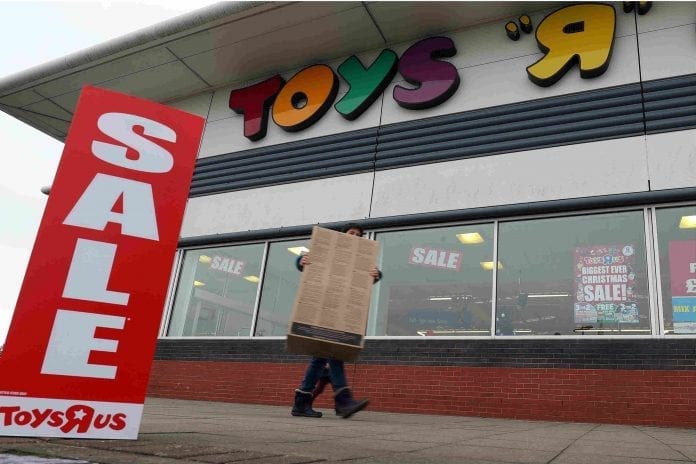
    Toys “R” Us, the beleaguered chain under pressure from Amazon and bigger toy sellers, may close dozens more stores as it struggles to find a path out of bankruptcy and return to financial viability.

    The toy retailer has not recovered from a dismal holiday selling season, making the company’s difficult situation even worse. Now, it is under pressure to demonstrate to its lenders that it has a realistic strategy for flourishing in the ultracompetitive toy industry.

    One plan under discussion includes shutting down close to 200 stores, and possibly more, according to people briefed on the matter, who were not authorized to speak publicly.

    While the planning is fluid and far from completion, the possible store closings, reflect the serious challenges that Toys “R” Us faces.

    “If you look at the numbers, it doesn’t look good,” said Richard Gottlieb, an analyst and the publisher of Global Toy News. “And it appears that some dramatic action is going to have to take place.’’

    Toys “R” Us has already been taking steps to stabilize its business. Last month, the company said it was shutting down 182 stores, affecting 4,500 workers.

    It is not clear whether any additional closings would occur in the United States, or overseas. The company operates about 800 stores in the United States.

    Even as other retailers experienced strong holiday sales, Toys “R” Us cited undisclosed “operational missteps” in explaining its poor performance.

    Analysts say that a primarily bricks-and-mortar toy retailer can succeed, but that its stores have to be smaller, unlike the hulking Toys “R” Us facilities that dot suburban strip malls.

    “A toy store needs to be fun and engaging and interactive,” said Mr. Silver. “Toys “R” Us has been talking about better customer service and experiences, but they never really transpired.”