Tag: band

  • Xiaomi’s next Mi Band could come with NFC support in the states

    Xiaomi’s next Mi Band could come with NFC support in the states

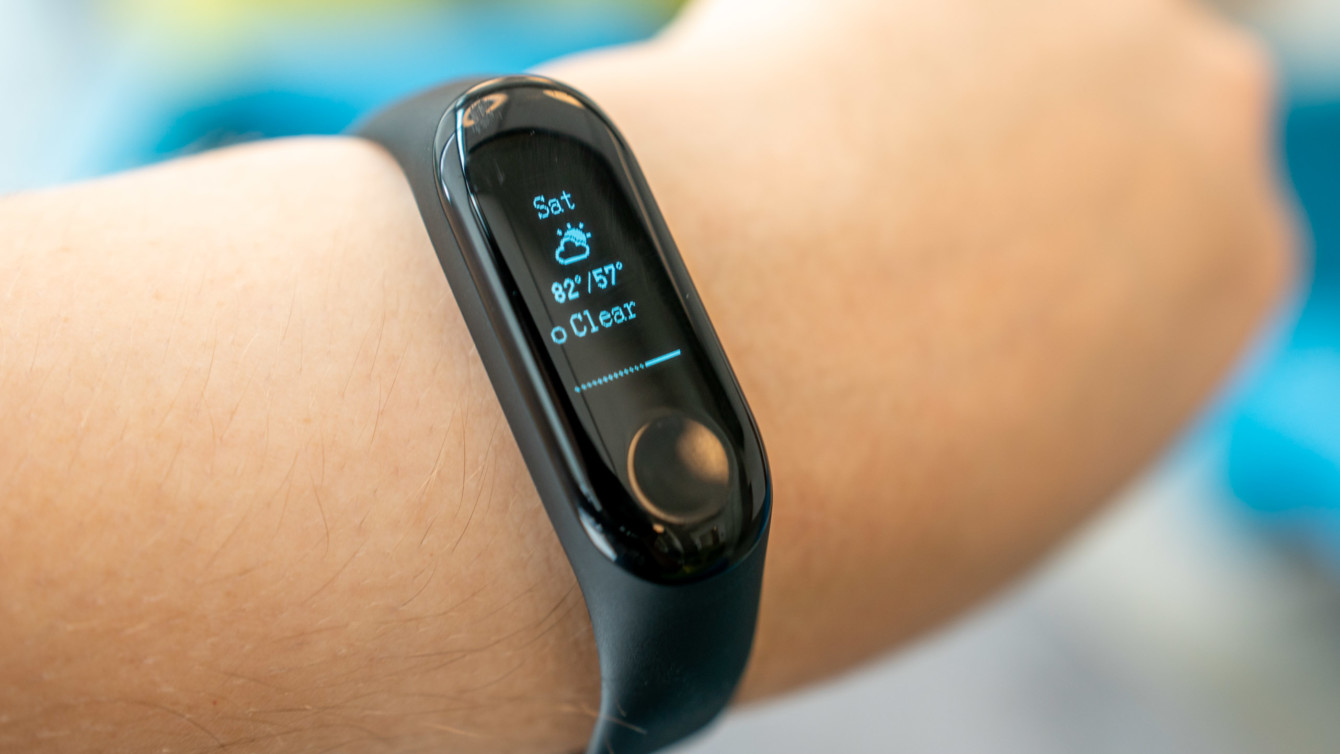
    Xiaomi has a good thing going with its Mi Band fitness tracker. IDC said that last year, the manufacturer shipped 23.3 million units of the Mi Band 3, up 44% over 2017’s deliveries. The device accounted for 13.5% of the wearables market in 2018 behind only the 26.8% share belonging to the Apple Watch. And when the Mi Band 4 was released this past June, 1 million units were sold in the first eight days. At one point, Xiaomi was ringing up over 5,000 units an hour.
    Ever since the first Xiaomi Mi Band was launched in June 2014, demand for the product has been strong. That’s because it offers a number of useable features at a very reasonable price. And it is one of the few Xiaomi products that can be purchased in the states. For example, the Mi Band 4 is available from Walmart for less than $33. And for that price, you’re getting a band that will not only monitor your heart rate, but will also track your sleep, activities, and alert you to phone calls, app notifications, and texts.

    The Mi Band 4 also can act as a stopwatch, an alarm clock, and a timer. And while the device uses Bluetooth 5.0 connectivity, a variant is available in China with support for NFC. That allows users in the country to make mobile payments through Alipay. The version of the Mi Band 4 offered in the U.S. is the one without NFC. But next June, that is going to change according to a report from TizenHelp. The report cites a source who states that the Mi Band 5 will offer NFC service to those both inside and outside of China. Besides allowing users to make mobile payments, NFC support would allow th

    The Mi Band 4 is equipped with a with a .95-inch color AMOLED display carrying a 120 x 240 resolution. The fitness tracker is equipped with 512KB of memory along with 16MB of storage and is water-resistant to a depth of 5ATM (169 feet). The battery runs as long as 20 days between charges and the device is compatible with phones running Android 4.4 or higher and iOS 9.0 and higher.
    The new report adds that the Mi Band 5 will have a more rugged, durable design and will be released during the second quarter of 2020. One feature that was rumored for the Mi Band 4 but failed to make the cut just might be found in the next iteration of the fitness band; that would be an electrocardiogram (ECG). The big breakout feature on the Apple Watch Series 4, an ECG monitors the user’s heart looking for an abnormal rhythm that could be a sign of atrial fibrillation (AFib). The latter can lead to blood clots, strokes, heart failure, and death. Just recently we told you the story of yet another person whose life was saved by the Apple Watch, with the ECG monitor providing the heroics this time. The company that builds the Mi Band for Xiaomi, Huami, has already built a smartwatch with an ECG. While the Amazfit Verge2 does track heart rhythms, its sensor has not been approved by the FDA.
    Besides working on the Mi Band 5, Huami could be developing a new smartwatch for Xiaomi that will run on Google’s Wear OS. The name of the new timepiece is rumored to be the Xiaomi Mi Watch and the device might also be offered in the United States. Hidden code found in the latest version of the Wear OS app revealed the possible existence of this device.
  • Mi Band 4 about to Arrive

    Mi Band 4 about to Arrive

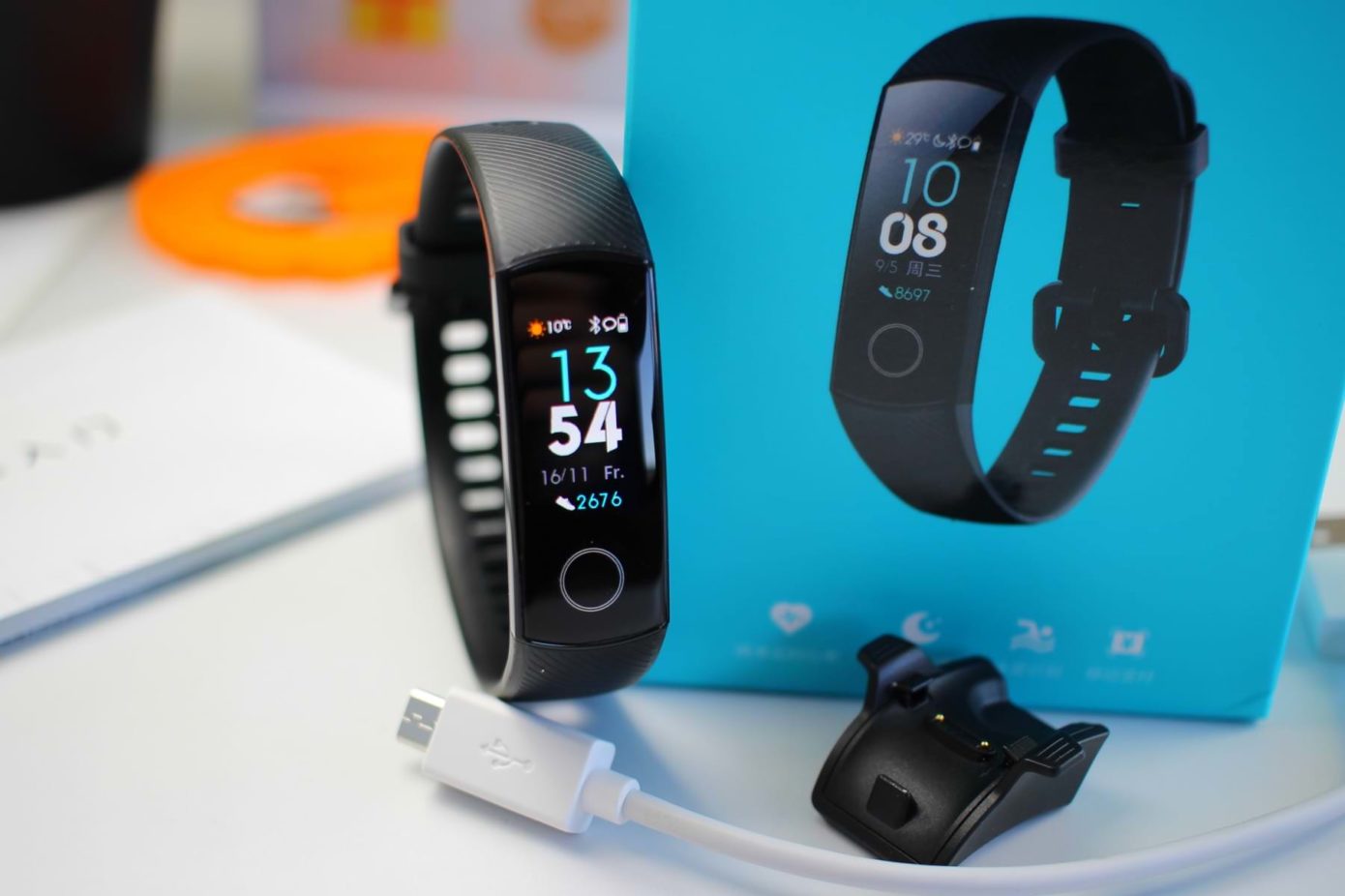
    Back in March, we told you that the Xiaomi Mi Band 3 fitness tracker is selling so briskly, Xiaomi was in no rush to release the sequel. One reason for the heavy demand is the wearable’s low price. Sold for $30 on Amazon, the device measures a user’s heart rate, counts the number of steps he or she has taken, monitors sleep quality and much more.

    But even the Mi Band 3 must step aside for a newer version with even more features. And today, spotted by DroidShout,  one of the two Mi Band 4 variants received certification by Taiwan’s National Communications Commission (NCC).

    The Mi Band 4 that was certified is model number XMSH07HM; this is the unit without NFC support. Another version with the model number XMSH08HM will come with NFC support, most likely so it can be used with the Xiaomi Pay mobile payment service. That model will be sold in China only. Both units received certification in March from the Bluetooth Special Interest Group, revealing that the Mi Band 4 will be equipped with Bluetooth 5.0 LE (Low Energy). The current model uses Bluetooth 4.2 LE.

    The NCC certification included several pictures of the Mi Band 4’s main module. There has been speculation that the Mi Band 4 will come with an electrocardiogram (ECG) scanner, similar to the one on the Apple Watch series 4. This is used to detect conditions like Atrial Fibrillation (AFib), an abnormal heart rhythm that can lead to strokes, blood clots, and death.

    Now that the Mi Band 4 is beginning to get the thumbs up from various organizations, its unveiling and eventual release surely can’t be too far away.

  • Xiaomi Mi Band 4 could include major Apple Watch features

    Xiaomi Mi Band 4 could include major Apple Watch features

    A few days ago, we told you that Xiaomi will release the Mi Band 4 fitness tracker sometime this year. An executive from Huami, the company that is the source of Xiaomi’s wearables, said that the Mi Band 3 is still selling in big numbers and that there is no reason for Xiaomi to launch the next generation model at this point. We should point out that the Mi Band traditionally has sold well because of its low price. For example, the Mi Band 3 is offered by Amazon in the U.S. for $33.53.

    While Xiaomi has been tight lipped about any new features we might find on the Mi Band 4, we do have some specs to pass along. We spotted a certification from the Bluetooth SIG (Special Interest Group) revealing that the next generation of the fitness band will sport Bluetooth 5.0 LE (Low Energy). That is an upgrade from the current model’s use of Bluetooth 4.2 LE and indicates that the Mi Band 4 will offer improved connectivity. In addition, the Bluetooth Launch Studio web site indicates that the Mi Band 4 will feature NFC connectivity as well, at least in some markets.

    Two different variants of the device were listed on the site and the one with the model number of XMSH08HM will include NFC; the other, listed as XMSH07HM, will not. The model with NFC could include support for the company’s Xiaomi Pay mobile payment service.

    The Mi Band 4 could include an electrocardiogram sensor to watch for abnormal heart rhythms

    There is also speculation that like the Apple Watch series 4 smartwatch, the Xiaomi Mi Band 4 will come with an electrocardiogram (ECG) monitor that will detect abnormal heart rhythms. This is mainly used to alert users to the possibility that they are suffering from atrial fibrillation (AFib), which can lead to strokes, blood clots, heart disease and death. Including an ECG monitor with a low priced fitness ban could make the Mi Band 4 even more popular than its hot selling predecessor, especially if the feature is as accurate as the one on Apple’s timepiece. There is also speculation that the Mi 4 will be equipped with better activity tracking features and a larger, color display.

    The Xiaomi Mi Band 3 has been such a hit that globally it has challenged the Apple Watch for the top spot among wearable devices based on shipments. As long as Xiaomi adds new features to its next-gen fitness band without substantially hiking the price, we can expect the Mi Band 4 to be just as popular as the current iteration of the product. Speaking of which, the Mi Band 3 comes with an OLED touchscreen and is waterproof to a depth of 164 feet. It will monitor physical activities, count your steps, watch your heart rate, track your sleep, display SMS messages and those from certain apps (like WhatsApp), and allow you to accept or reject incoming calls. The battery will run as long as 20 days with the heart rate monitor off, and 3 to 9 days with the monitor on. We would expect to see all of these features, some of them improved, carry over to the Mi Band 4.

    Xiaomi launched the first Mi Band in July 2014, and followed it up with the sequel two years later. The Mi Band 3 was released last May, which means that we could be only a couple of months away from seeing the Mi 4 hit the marketplace.

  • FCC’s C-Band plan prompts fresh concerns

    FCC’s C-Band plan prompts fresh concerns

    Those with a vested interest in C-Band spectrum, which is being eyed for terrestrial wireless use, continue to cite concerns about harmful interference if the US FCC decides to change the rules.

    Comcast and NPR are two of the more recent entities to reiterate concerns with the FCC. In separate meetings and filings, they’re talking about the central role that C-Band spectrum plays in their distribution networks.

    NPR executives who met with FCC Chairman Ajit Pai on June 5 discussed concerns about possible changes to the commission’s rules regarding the use and licensing of C-Band spectrum—the 3.7-GHz to 4.2-GHz band—on which the public radio system depends for reliable distribution of programming to the 475+ public radio earth station downlinks.

    They also explained that sharing of individual C-Band frequencies with commercial wireless services can’t be accomplished without causing harmful interference.

    “There is no panacea for the interference created by wireless mobile devices, whose roaming, dynamic signals cannot be coordinated with the fixed, low-power downlinks on which public radio stations depend,” NPR said in an ex parte filing(PDF), echoing previous statements (PDF).

    “Instead, opening up C-band frequencies for co-frequency sharing by wireless broadband devices will result in widespread interference that will disrupt public radio broadcasts and could significantly impair the PRSS [Public Radio Satellite System] as a reliable, cost-effective means of program distribution across the nation.”

    NPR has recommended that the FCC subdivide the C-Band rather than enforce co-frequency sharing to ensure a portion for exclusive use of fixed satellite service without harmful interference. It also suggests reserving a portion of C-Band spectrum exclusively for PRSS.

    For its part, Comcast says (PDF) it receives the majority of the primary signals of its cable channels via C-Band spectrum—about 84%—but it also has agreements with 11 programmers, in addition to NBC Universal, to receive their primary content via fiber. In those situations, the programmers continue to use C-Band for redundant delivery of the content to their systems.

    Pai has said he will put the C-Band item on the FCC’s agenda for July 12, with the aim of making more intensive use of the 500 MHz of spectrum, including seeking additional input on making it available for commercial terrestrial use.

  • Taiwan to switch off 3G networks at year end

    Taiwan to switch off 3G networks at year end

    Taiwan’s telecoms regulator has revealed that the nation’s 6.4 million 3G users will need to migrate to a 4G network by the end of the year, when operators’ 3G licenses are due to expire.

    The 3G licenses are scheduled to expire on December 31 and services will terminate in 2019, as reported.

    Four operators are still offering 3G services – Chunghwa Telecom, Taiwan Mobile, Far EasTone Telecommunications and Taiwan Star. Asia Pacific Telecom switched off its 3G service in 2017.

    According to the report, officials expect the 3G switch-off to be smoother than last year’s 2G service termination, as operators have retained ownership of their 2,100-MHz spectrum holdings and will be able to use these frequencies to serve their 3G users.

    Operators are also expected to continue to use circuit-switched fallback technology to offer voice over 3G.

    But the nation’s 6.4 million 3G customers may need to switch to a 4G SIM and a new 4G plan in order to continue using services. This represents around a fifth of the market’s mobile customers and compares to roughly 22 million 4G users.

  • Japan’s new cryptocurrency crooners sing the bitcoin beats

    Japan’s new cryptocurrency crooners sing the bitcoin beats

    Move over AKB48, Japan has a new all-girl “idol” band – the Virtual Currency Girls – on a mission to educate the public about bitcoin and other cryptocurrencies.

    Each of the eight girls in the band, known in Japanese as “Kasotsuka Shojo”, plays a character representing a virtual currency such as bitcoin, ethereum or ripple.

    Promotional material shows the performers wearing character masks, frilly mini-skirts and “maid” aprons complete with knee-high socks.

    The Virtual Currency Girls are due to hold their debut live concert in Tokyo on Friday (Jan 12), according to their management company Cinderella Academy.

    In keeping with the theme, payment for merchandise will be accepted only in virtual currencies.

    “We want to promote the idea through entertainment that virtual currencies are not just a tool for speculation but are a wonderful technology that will shape the future,” said the group’s leader Rara Naruse, 18, in an online statement.

    In their debut song, The Moon and Virtual Currencies and Me, they warn against fraudulent operators and urge people to make sure of their online security.

    The group is tapping into a rich seam in Japan, where bitcoin is recognised as legal tender.

    Nearly one-third of global bitcoin transactions in December were denominated in yen, according to specialised website jpbitcoin.com.

    The group’s launch comes on the heels of a recent market frenzy which boosted bitcoin up to nearly US$20,000.