Tag: bangko sentral ng pilipinas

  • Philippine Central Bank Plans 50 Coin Deposit Machines by January 2027

    Philippine Central Bank Plans 50 Coin Deposit Machines by January 2027

    The Bangko Sentral ng Pilipinas (BSP) will deploy 50 coin deposit machines nationwide by January 2027, dividing the fleet equally between Metro Manila and provincial regions.

    Deputy Governor Bernadette Romulo-Puyat confirmed the timeline, noting that the central bank will place 25 machines outside the capital and return 25 units to Metro Manila to double the original fleet.

    SM Cebu is slated to receive the initial regional rollout, with subsequent sites planned across Mindanao following service provider delays that pushed the project back.

    Splitting the Fleet Outside the Capital

    Under the revised deployment plan, the central bank will place 25 automated deposit machines across regional hubs and return 25 units to Metro Manila shopping centres. The central bank originally intended to launch the hardware earlier, but service provider delays pushed the timeline back to early 2027.

    Shoppers use the self-service terminals to tip loose metal coins directly into counting funnels. The machines convert the counted change into digital credits deposited into GCash or Maya mobile wallets, GoTyme bank accounts, or retail shopping vouchers.

    SM Footprint Offsets Operational Costs

    The central bank is partnering with mall developer SM to house the incoming batch. SM will help absorb operational expenses and provide space in high-traffic retail properties across the country.

    Central bank management acknowledged the service remains costly to operate without commercial partners sharing the burden. Working with the country’s largest retail landlord gives the monetary authority prime corridor space while avoiding standalone lease overheads.

    For mall operators, hosting automated change counters turns dead foot traffic into digital balances spent on site. Shoppers holding shopping vouchers or topped-up digital wallets tend to spend those balances at nearby grocery tenants and food halls rather than carrying the currency home. The operational risk sits in hardware maintenance. Unsorted change jams deposit hoppers, and private service providers must clear bins and process logistics quickly to keep units online during peak weekend shopping hours.

    Recirculating Hoarded Metal

    The original pilot began in June 2023 with a cluster of terminals in the capital region. By March 2025, the pilot fleet had taken in P1.4 billion worth of loose coins from consumers.

    Central banks across Southeast Asia spend millions minting low-denomination coins that vanish from circulation into household jars and piggy banks. Turning idle metal into e-wallet balances reduces currency production orders while feeding transactions directly into digital payment networks.

    Provincial Rollout Targets

    Metro Manila properties will receive replacement units without dedicated opening events because urban foot traffic already understands how the terminals operate. The formal regional rollout begins in SM Cebu before technical teams evaluate prospective retail properties in Mindanao.

    SM and the central bank are now surveying provincial mall properties to fix machine allocations ahead of the January 2027 commissioning deadline.

  • Philippine Credit Card Bad Debts Jump to P68 Billion as Inflation Bites

    Philippine Credit Card Bad Debts Jump to P68 Billion as Inflation Bites

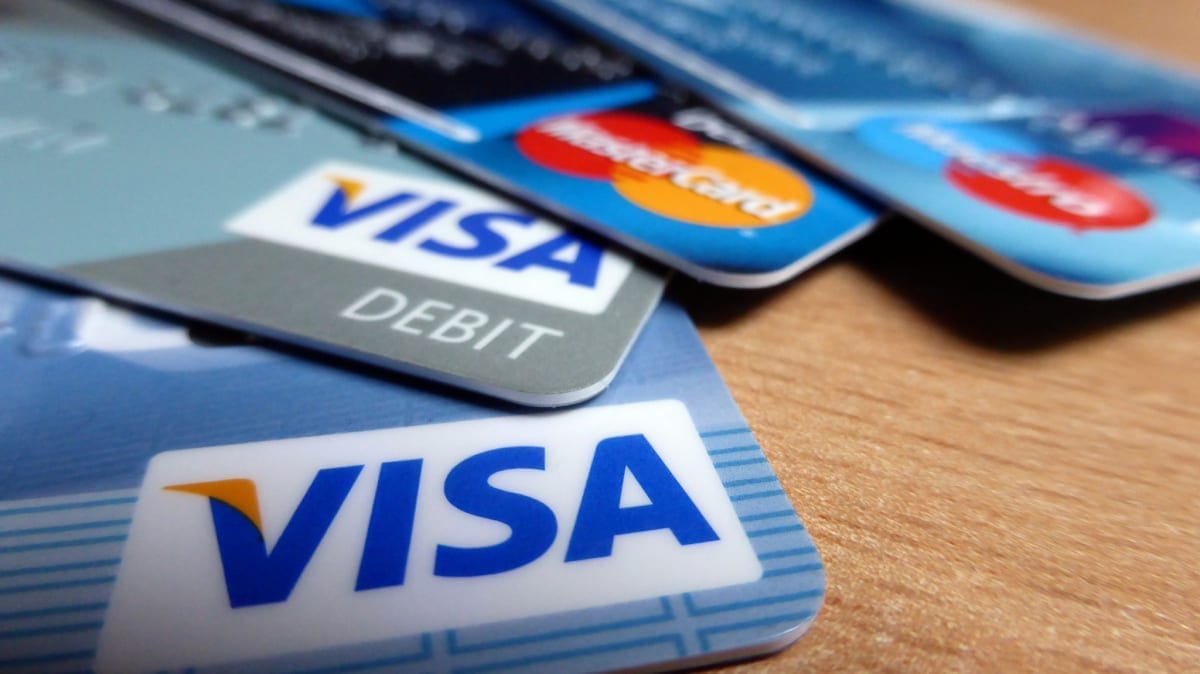
    Philippine commercial banks saw non-performing credit card receivables surge 11.8 per cent to P68.28 billion in June as living costs strained consumer budgets across the country.

    Bad loans outpaced overall card lending, which expanded 5.3 per cent over the same period to reach P1.294 trillion.

    Data from the Bangko Sentral ng Pilipinas, presented by First Metro Securities head of institutional research Estella Dhel Villamiel at a forum in Manila, showed non-performing card balances climbed from P61.07 billion in March. The share of distressed balances rose from 4.97 per cent to 5.28 per cent of total card receivables in three months.

    Accelerating Bad Debts Across Bank Books

    The expansion in card debt reflects both broader financial inclusion and growing household reliance on credit to manage monthly overheads. While higher transaction volumes naturally lift gross receivables, bad balances are expanding at more than twice the speed of new lending.

    A typical rollover balance of P20,000 incurs roughly P600 in monthly interest at standard 3 per cent card rates before penalties. When wages fail to keep pace with basic expenses, compounding finance charges absorb disposable income that would otherwise flow directly into retail cash registers.

    Mounting Pressure on Retail Margins

    For supermarket chains, department stores and consumer electronics retailers, deteriorating consumer debt signals a clear shift in shopper behavior. High-ticket discretionary purchases slow first as cardholders exhaust their credit lines on groceries, transport and utilities.

    Retail operators facing elevated freight and import bills cannot rely indefinitely on debt-financed foot traffic to protect their sales volumes. If banks tighten revolving credit limits to contain default ratios, store operators will face immediate downward pressure on average basket sizes across metropolitan malls.

    Slowing Investment and Sticky Price Rises

    Macroeconomic indicators highlight why household balance sheets are cracking under everyday pressure. Philippine inflation climbed to 7.2 per cent in September from 6.1 per cent in August, driven by fuel costs and a weaker peso.

    DBS Bank projects Philippine inflation to average 6.5 per cent in 2026 and 5.5 per cent in 2027, with the currency forecast to slide toward P64 per US dollar by late 2027. Labor market softness compounds the strain: August unemployment rose to 5.3 per cent from 3.9 per cent a year earlier, while underemployment climbed from 10.7 per cent to 11.9 per cent.

    Capital Formation Drops as Consumption Stalls

    Second-quarter national accounts revealed household consumption grew 2.8 per cent and gross domestic product expanded 2.3 per cent, but gross capital formation dropped 9.2 per cent. A sharp contraction in capital formation points to weaker future job creation, limiting the wage growth required to service existing card balances.

    Commercial lenders and retailers will look to fourth-quarter holiday spending figures to measure real demand, before credit statements arriving in January reveal whether repayment delinquency breaches the 5.5 per cent mark.

  • Philippine Fraud Cases Stall as 71 Percent of Online Scam Victims Never Report Losses

    Philippine Fraud Cases Stall as 71 Percent of Online Scam Victims Never Report Losses

    Philippine cybercrime prosecutors face widespread case abandonment. More than 70 percent of scam victims fail to report financial losses or decline to testify in court. Law enforcement officials revealed the bottleneck at an anti-scam forum hosted by the Bangko Sentral ng Pilipinas on October 12.

    A 2026 Global Anti-Scam Alliance survey of 1,160 Filipino adults showed that 15 percent suffered direct financial losses from fraud. Only 29 percent reported the incidents to authorities. Complainants who file reports frequently abandon proceedings before trials start.

    Prosecution Hurdles in Digital Fraud Cases

    Investigators routinely prepare filings only to have victims withdraw cooperation, said Department of Justice Office of Cybercrime Assistant Director Chris Jark Ace Maño. Without victim participation, prosecutors cannot establish legal damage. They cannot secure fraud convictions under Philippine evidentiary rules.

    Even after successful raids on illicit call centers and fraud rings, state attorneys often must downgrade charges to human trafficking, according to National Bureau of Investigation Financial Intelligence Unit Chief Minerva Sobreviga-Retanal. Courts require the aggrieved party to appear as witnesses to sustain criminal deceit charges.

    Tracing illicit funds requires immediate intervention before capital leaves traditional banking rails. Sobreviga-Retanal warned that victims waste crucial hours when they try to investigate fraud independently. That delay allows proceeds to move through virtual asset channels and cryptocurrency wallets within milliseconds.

    Rising Losses Across Younger Demographics

    Demographic shifts complicate defense across digital retail channels. Cybercrime Investigation and Coordinating Center Executive Director Renato Paraiso noted that digital fraud no longer affects older consumers alone. Gen Z, Millennials, and Gen Alpha users fall victim at increasing rates due to overconfidence on digital platforms.

    Senior executives face the same exposure on unverified marketplaces. Google Philippines Country Manager Prep Palacios disclosed at the forum that she lost PHP 90,000 to a rogue online merchant who vanished immediately after collecting payment.

    “I’m a tech executive, and I was still fooled,” she told the same forum.

    Impact on Digital Commerce and Payment Gateways

    Low reporting rates obscure the genuine scale of merchant fraud for Southeast Asian e-commerce marketplaces and digital wallet operators. Unreported losses prevent payment gateways from blacklisting suspect accounts. Fraudulent merchant profiles then stay active across peer-to-peer selling channels.

    Platform operators face stricter compliance expectations from regional central banks as fraud schemes evolve from simple phishing to social commerce diversion. Marketplaces that fail to enforce escrow settlement mechanisms leave buyers vulnerable to off-platform payment requests.

    A lack of victim follow-through also reduces legal deterrents for syndicates operating out of domestic hubs. When criminal operators evade fraud convictions, they frequently re-establish operations under new corporate identities within weeks.

    Regulatory Pressure on Merchant Verification

    The Bangko Sentral ng Pilipinas continues to press financial institutions for faster account-freezing protocols to intercept disputed transfers before conversion into digital assets. Regional banks have tightened real-time transaction screening. Still, consumer reluctance to participate in court cases leaves systemic fraud networks intact.

    Enforcement agencies are now assessing streamlined digital reporting mechanisms to reduce court appearance burdens for defrauded buyers. The central bank plans to review inter-agency transaction dispute frameworks before the close of the current fiscal quarter.

  • Philippine Consumer Spending Slows to 1.9% as Inflation Hits Retailers

    Philippine Consumer Spending Slows to 1.9% as Inflation Hits Retailers

    Philippine household spending growth slowed to 1.9 percent in the second quarter of 2026 as surging inflation and borrowing costs forced consumers into survival mode.

    The pullback in domestic consumption dragged first-half gross domestic product expansion down to 2.6 percent, marking the weakest growth rate for the country outside the pandemic period since 2009.

    Household Budgets Turn to Essentials

    Data presented by Estella Dhiel B. Villamiel, head of institutional research at First Metro Securities Brokerage Corporation, showed that local buyers are cutting non-essential purchases to cope with escalating food and transport bills. Headline inflation reached 7.2 percent in September, pushing the year-to-date average to 5.4 percent, well above the central bank target range of 2.0 to 4.0 percent.

    Shoppers are purchasing fewer items despite spending more cash at cash registers across the country. Capital formation dropped 9.2 percent year-on-year in the second quarter, reflecting a broad retreat by corporate investors and commercial project developers.

    Car Sales and Credit Under Strain

    Higher interest rates are accelerating the consumer slowdown. Bangko Sentral ng Pilipinas lifted its reverse repurchase rate to 5.0 percent on August 27, raising the cost of vehicle financing, home mortgages, and personal revolving credit.

    Traditional car sales dropped roughly 10 percent year-on-year by the end of August as buyers deferred big-ticket acquisitions. Credit card transactions reached record volumes, but non-performing credit card debt jumped 46.4 percent, indicating mounting cash-flow pressure on salaried workers.

    Labour Market Pressures Mount

    The broader consumer downturn is eroding employment gains across retail and services. Unemployment climbed to 5.3 percent from 3.9 percent a year earlier, with rolling 12-month net employment metrics recording a loss of 307,000 positions.

    Higher underemployment rates show that existing jobs fail to match current living expenses. Rising import costs have also kept the Philippine peso weak against the US dollar, increasing wholesale prices for imported inventory and packaging supplies.

    Shipping Bottlenecks and Recovery Triggers

    Villamiel noted that domestic recovery depends heavily on resolving maritime transport disruptions in the Middle East. Commercial vessel traffic through the Strait of Hormuz has fallen to single-digit daily transits compared with a normal average of 33 ships per day, driving up global crude risk premiums.

    To hit the government full-year growth target of 3.5 to 4.5 percent, economic output must accelerate to between 4.4 and 6.4 percent across the second half of 2026. Retailers and consumer brands now face a compressed fourth-quarter holiday trading season while waiting for shipping lanes to normalize and inflation to ease from its projected 6.1 percent full-year average.

  • Philippine Cash Remittances Reach Seven-Month High of $3.2 Billion in July

    Philippine Cash Remittances Reach Seven-Month High of $3.2 Billion in July

    Cash remittances sent home by overseas Filipinos rose 1.9 percent year on year to $3.2 billion in July, according to the Bangko Sentral ng Pilipinas.

    That is the highest single-month inflow since December 2025. Inflows reached $3.5 billion that month.

    Commercial bank transfers gained 2.3 percent through the first seven months to reach $20.4 billion. Full-year remittances should reach $36.6 billion under central bank projections. That would represent a 2.7 percent increase over 2025.

    Currency weakness and household purchasing power

    Growth came as the Philippine peso weakened toward 63 against the US dollar. A softer peso yields more local currency per transferred dollar. While that often prompts overseas workers to trim wire volumes, total dollar values climbed anyway.

    Retail chains and packaged goods suppliers rely on these monthly transfers to sustain basic basket sales. Headline inflation remains above the central bank’s 3 percent target. Because of that, grocers need family incomes bolstered by overseas cash to maintain volume growth.

    Top source markets and correspondent banking channels

    The United States generated the largest share of reported funds, followed by Singapore and Saudi Arabia. North America hosts major global remittance and correspondent banking clearing hubs. That concentration skews the reported US total higher, the central bank noted.

    These inflows anchor domestic private spending for mall landlords, department stores, and consumer goods distributors across Manila and regional urban centers. Retail foot traffic slowed in the third quarter due to Middle East tensions and severe monsoon storms at home. Steady foreign transfers kept merchant revenue afloat.

    Remittances continue to demonstrate resilience and remain a critical buffer for the Philippine economy.

    Rebound from second-quarter deceleration

    July’s 1.9 percent pace marked a rebound after remittance growth slipped to multi-year lows in June. Overseas workers continue to prioritize family allowances despite economic uncertainty across host countries.

    Banks and digital money platforms have cut cross-border transfer friction to boost deposit volumes. Faster processing sends household liquidity straight to local checkout counters without clearing delays.

    What to watch through year-end

    Monetary officials will track third-quarter figures to see if transfers match the $36.6 billion annual projection. Store operators will focus on whether fourth-quarter holiday transfers match the $3.5 billion seasonal peak recorded at the close of 2025.

  • Philippine Central Bank Lifts Key Rate to 5% to Tackle Sticky Inflation

    Philippine Central Bank Lifts Key Rate to 5% to Tackle Sticky Inflation

    The Bangko Sentral ng Pilipinas raised its benchmark policy rate by 25 basis points to 5 per cent on Thursday. The decision targets persistent price pressures across consumer staples and fuel.

    Overnight deposit and lending facilities climbed to 4.5 per cent and 5.5 per cent. That brings a third straight quarter of tightening, following rate increases in April and June.

    Headline inflation dropped to 6.2 per cent in July from 6.4 per cent in June, easing for a third consecutive month. Core inflation, which strips out volatile energy and food items, edged down to 4.2 per cent from 4.4 per cent. Both figures remain above the government target corridor of 2 per cent to 4 per cent.

    Pressures across food, fuel and wages

    Monetary officials warned that broader price pressures continue to build across supply networks. Volatile global oil benchmarks, potential crop losses from El Niño, and rising agricultural input costs threaten retail food prices nationwide.

    Labor expenses also sit high on the central bank’s monitoring list. A pending minimum wage increase for Metro Manila remains frozen in court. Even so, authorities noted that higher payroll expenses will filter into consumer prices if businesses pass on the cost.

    Bank of the Philippine Islands lead economist Emilio Neri Jr. Pointed out that monetary tightening cannot fix supply bottlenecks. Extreme weather, elevated fertilizer costs, and currency weakness threaten to drive import bills higher for retail operators and food manufacturers.

    Slower growth tests consumer demand

    Higher borrowing costs arrive at a delicate moment for consumer spending and commercial investment. Philippine gross domestic product expanded by 2.3 per cent in the second quarter, decelerating from 2.8 per cent in the first quarter. Gross capital formation shrank 9.2 per cent year-on-year.

    Across Southeast Asia, central bankers are balancing household purchasing power against softening corporate investment. While regional peers have paused rate adjustments to protect domestic commerce, Manila is prioritizing price stability. The focus is on preventing inflation expectations from taking root in retail checkouts.

    Average inflation will exceed the 4 per cent upper boundary through both 2026 and 2027 before settling near the 3 per cent target in 2028, according to central bank forecasts.

  • Digital Payments Now Comprise over 64% of Philippines Retail Transactions

    Digital Payments Now Comprise over 64% of Philippines Retail Transactions

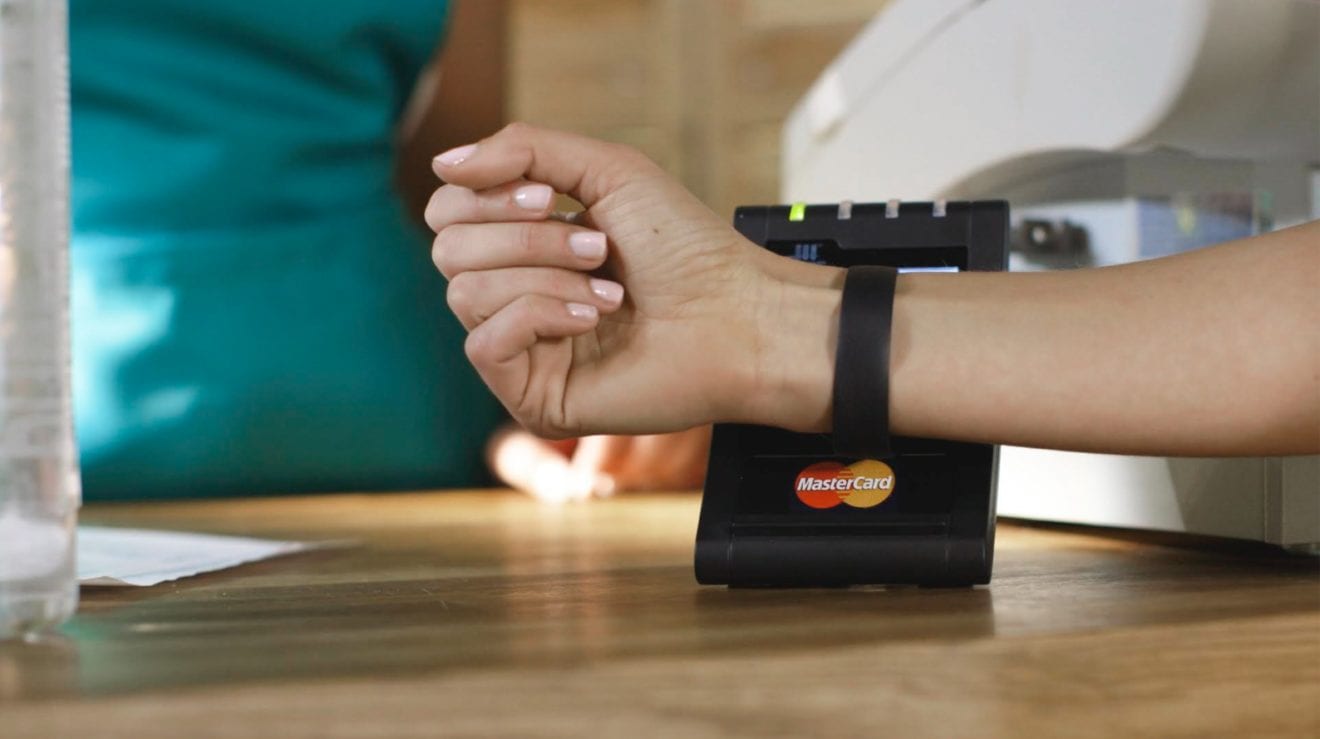
    Digital payment methods have significantly surpassed traditional cash transactions in the Philippines, now representing 64.7 percent of all retail transactions by volume in 2025. This figure is a notable increase from 57.4 percent in the previous year, demonstrating a rapid adoption of electronic payment channels across the archipelago.

    The Bangko Sentral ng Pilipinas (BSP) reported that this growth has exceeded its target of 50 to 54 percent. The central bank credits its efforts towards interoperability, ensuring that a broad range of businesses and service providers operate within a unified payment system. This integration enhances the value proposition for all participants, including consumers, businesses, banks, and e-wallets, by expanding the network’s reach and utility.

    Accelerated Digital Shift in Retail

    The rise of digital payments in the Philippines has been dramatic, climbing from just 20.1 percent of retail transactions in 2020. The share grew to 30.3 percent in 2021, 42.1 percent in 2022, and 52.8 percent in 2023, before reaching the current level. This sustained momentum underscores a fundamental change in consumer behavior and retail operations across the country.

    Key drivers behind this acceleration include a 69.4 percent increase in digital payment accounts and a 36.3 percent expansion in the number of merchant locations accepting digital payments. QR Ph transactions, the national QR code standard, surpassed both debit and credit card transactions for the first time in 2025. A total of 2.47 billion QR Ph transactions, valued at P1.16 trillion, were processed during the year, reflecting a growing preference for interoperable, account-based payments among Filipinos. This wider adoption generates network externalities, where the convenience and value of electronic payment channels increase as more entities join the ecosystem.

    Broader Financial Inclusion and Future Outlook

    Beyond retail transactions, the push for digital payments aligns with the BSP’s broader goal of deepening financial inclusion. The number of basic deposit accounts reached 27.9 million as of March, up from 27.6 million at the end of 2025, with 177 banks now offering these accessible accounts. The central bank has also welcomed initiatives by several banks to reduce or waive interbank digital transaction fees, anticipating that lower costs will make electronic fund transfers more affordable and accessible for households and small businesses.

    For retailers and consumer brands operating in the Philippines, this trend necessitates continued investment in digital payment infrastructure and smooth integration of various e-wallet and QR code solutions. The rapid adoption seen in the Philippines mirrors similar patterns across Southeast Asia, where countries like Indonesia and Vietnam are also experiencing significant shifts towards cashless economies. This transformation offers opportunities for businesses to streamline operations, enhance customer experience, and reach a wider, digitally-savvy consumer base.