Tag: Bank Negara

  • Bank Negara Indonesia Faces Ongoing NIM Challenges in Second Quarter: What Lies Ahead?

    Bank Negara Indonesia Faces Ongoing NIM Challenges in Second Quarter: What Lies Ahead?

    Over the past few years, the retail industry has endured a whirlwind of transformation, especially in Asia, where adaptation and resilience have been put to the test. Amid the ongoing evolution shaped by technological advancements and shifting consumer behaviors, companies are redefining their strategies to stay ahead in this dynamic sector.

    Embracing Technology: The Retail Revolution

    From mobile payments to virtual fitting rooms, technology is not just an addition to retail; it’s reshaping its very foundation. Asian consumers, known for their swift adoption of new digital tools, are now more empowered than ever. Retailers are responding with innovative solutions that enhance in-store and online experiences, appealing to an increasingly tech-savvy audience. Even traditional markets have found ways to digitize their operations, proving that innovation knows no bounds.

    Interestingly, amidst all this digital transformation, a few retailers are choosing to go old school—think cash transactions and handwritten receipts. It’s a reminder that sometimes, simplicity holds its own charm.

    The Luxury Segment’s New Frontier

    The luxury retail sector is experiencing rejuvenation as well, particularly in markets like China and Japan. High-end brands are tapping into the growing affluent middle class, curating exclusive experiences that blend both tradition and modernity. Events are no longer just about showcasing products; they’re immersive experiences that engage customers on an emotional level. Whether it’s a pop-up shop in a trendy Shanghai district or an exclusive virtual tasting in Tokyo, luxury retail is all about creating memorable moments.

    Sustainability Takes the Spotlight

    As environmentally conscious consumers on the rise, retailers are scrambling to adopt sustainable practices. Many are integrating eco-friendly materials into their products and adopting more transparent supply chains. In a climate where shoppers want to know the story behind their purchases, brands that prioritize sustainability aren’t just making a “greener” choice—they’re also amplifying their appeal. Embracing sustainability could spell the difference between staying relevant or fading into oblivion.

    The Future of Shopping: Omnichannel Strategies

    As the lines blur between online and offline shopping, retailers are leaning into omnichannel strategies more than ever. The seamless integration of physical and digital platforms is no longer a luxury but a necessity. Consumers expect a consistent experience whether they shop via mobile apps, websites, or brick-and-mortar stores. Retailers that fail to meet these expectations face the risk of losing their customer base to more agile competitors.

    While it’s easy to get caught up in forecasts and projections, the heart of retail is still about fostering connections. Whether it’s a brief chat with a store associate or classic customer service, businesses that understand this human element will stand the test of time.

    Questions & Answers

    What role does technology play in the transformation of retail in Asia?
    Technology is fundamentally reshaping retail by enhancing customer experiences through innovations such as mobile payments and virtual fitting rooms, reflecting the swift digital adoption among Asian consumers.

    How is the luxury retail sector adapting to modern consumer demands?
    Luxury retail is focusing on creating exclusive and immersive experiences that engage customers emotionally, appealing to a growing affluent middle class in markets like China and Japan.

    Why is sustainability becoming increasingly important for retailers?
    With the rise of environmentally conscious consumers, retailers are prioritizing sustainable practices and transparent supply chains, as these factors significantly enhance brand appeal and relevance in today’s market.
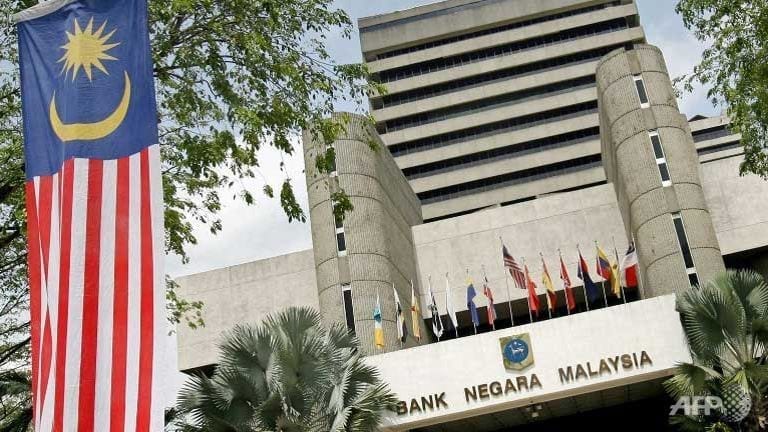
  • Bank Negara: US$101.4b international reserves at end-2018

    Bank Negara: US$101.4b international reserves at end-2018

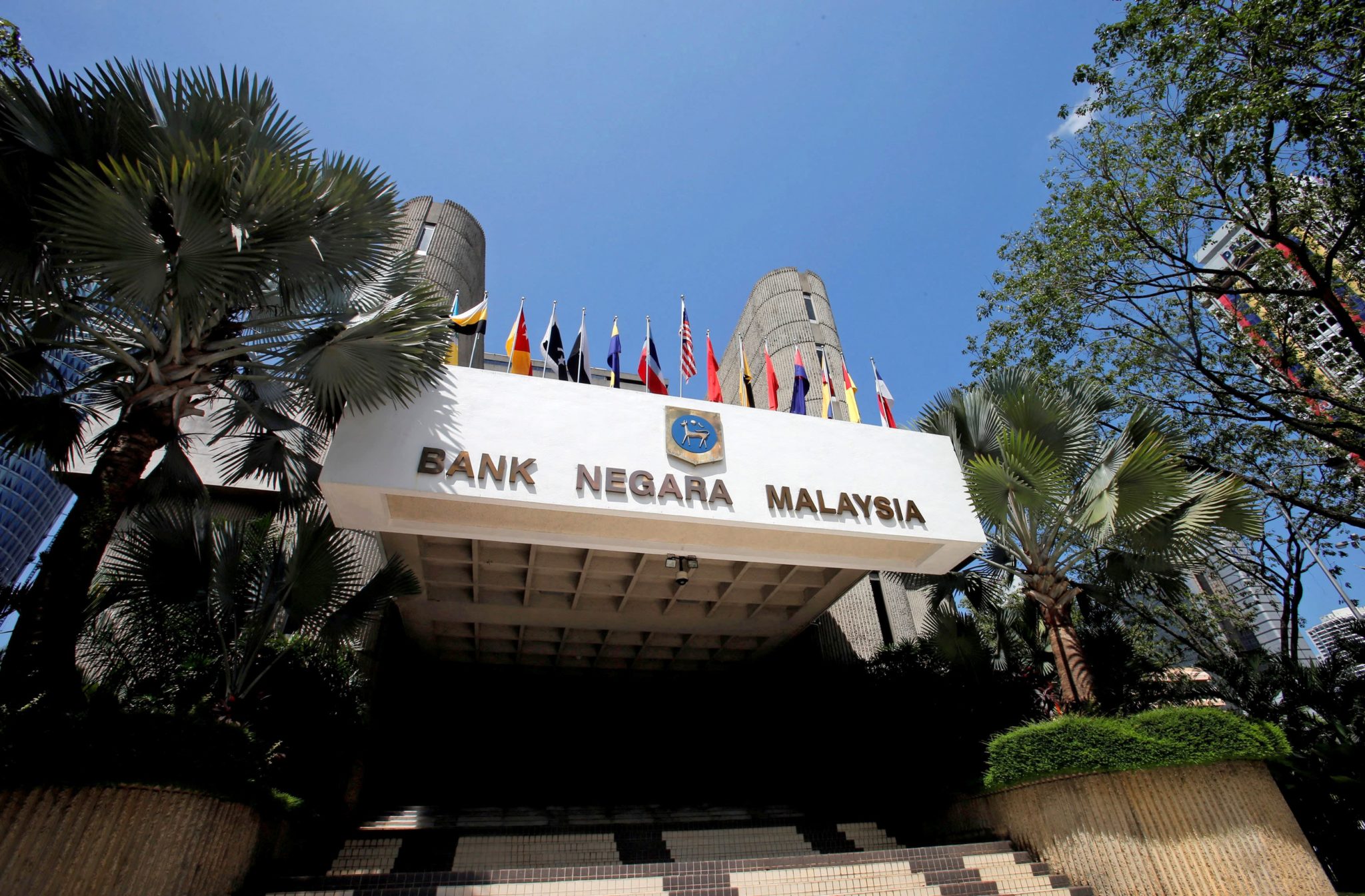
    Bank Negara Malaysia’s (BNM) international reserves remained unchanged at US$101.4 billion (about RM417.06 billion) as at Dec 31, 2018, from Dec 14, 2018. The central bank said in a statement that the reserves position is sufficient to finance 7.4 months of retained imports and is 1.0 time the short-term external debt.

  • Bank Negara to extend observation period for net stable funding ratio by a year to 2020

    Bank Negara to extend observation period for net stable funding ratio by a year to 2020

    Bank Negara Malaysia (BNM) is looking to extend the observation period for the net stable funding ratio (NSFR) in Malaysia for a year to 2020. NSFR is a liquidity standard which comes under the Basel III international regulatory reforms. It refers to requirements for banks to have in place a certain percentage of stable sources of funding, such as commercial papers that have more than a year’s maturity and retail deposits, to support their asset portfolios in the longer term.

    The initial deadline proposed by the Basel committee for the NSFR standard of above 100% was Jan 1, 2018. It was then deferred to Jan 1, 2019.

    Speaking at BNM’s Financial Stability Conference, governor Datuk Nor Shamsiah Mohd Yunus said the extension takes into account the intention to conduct further on-site assessments to validate the maturity and robustness of the liquidity and funding practices of banks, and uneven progress in implementation at the global level.

    “The bank remains committed to implementing the NSFR requirements as part of overall liquidity standards applicable to licensed banks in Malaysia.”

    She added that currently all banks maintain adequate liquidity buffers against short-term liquidity stress, and the vast majority of banks already report NSFR levels above the minimum 100% based on observation data.

    On another note, Nor Shamsiah said the challenge now is when a crisis is going to strike and how it will spread.

    In navigating an uncertain future, she suggested four strategic priorities for financial stability authorities.

    First, authorities need to remain vigilant as emerging economies face mounting pressures that continue to see more volatile capital flows. Second, authorities must continue to develop and deepen their understanding of risk transmission.

    Third, authorities must have a broad policy toolkit for responding to financial stability risks. Fourth, authorities need to increase policy agility as every crisis or financial stability issue is different, and each requires a different policy response.

  • Bank Negara seen to keep interest rate on hold after surprise poll result

    Bank Negara seen to keep interest rate on hold after surprise poll result

    Malaysia’s central bank is set to keep interest rates unchanged on Thursday, providing policy stability after the shock election victory of Tun Dr Mahathir Mohamad. All 18 economists surveyed by Bloomberg before Wednesday’s poll had forecast Bank Negara Malaysia will hold its benchmark rate at 3.25 percent. Economists at Nomura Holdings Inc. and Maybank Kim Eng Research Ltd. retained their calls after the vote outcome.

    The central bank said on its website it will release its policy statement as scheduled at 3pm.

    “Given this shock result, they’re going to be looking at how this will impact growth and I think there is a lot of downside,” said Euben Paracuelles, an economist at Nomura Holdings Inc. in Singapore.

    “Any follow up rate hike is going to be very unlikely.”

    The central bank moved early with a rate hike in January and can afford to hold off on further tightening in the face of a global sell-off in emerging markets in recent weeks.

    Inflation eased to 1.3 percent in March, the slowest pace since July 2016, with a stronger currency since last year helping to ease price pressures.

    The government had forecast inflation will average 2.5 percent to 3.5 percent this year.

    Rising oil prices and a slide in the currency in recent weeks are clouding the outlook. Added to that is a booming economy, which the central bank has forecast could grow as much as 6 percent this year.

    While Bank Negara probably won’t make direct reference to the election in its statement, the result has a bearing on the economy’s outlook.

    Investors are seeking policy continuity, with a focus on sustaining strong economic growth, curbing the budget deficit and managing market risks.

    Mahathir has pledged to scrap a contentious goods-and-services tax within 100 days in power. Financial markets are closed Thursday and Friday after the government declared public holidays.

    Market Risks

    Malaysia is one of the least affected of emerging markets globally from financial volatility amid a stronger dollar and a pick-up in U.S. interest rates.

    The benchmark stock index climbed to a record in April, helped by foreign inflows, and while the ringgit has taken a knock in recent weeks, it’s still up more than 2 percent against the dollar this year.

    Neighbors like the Philippines and Indonesia have suffered stock outflows and currency slumps that are among the worst in Asia.

    The Philippines is set to raise interest rates later on Thursday, which would the first hike since 2014, while Indonesia’s central bank has also said it’s prepared to move to help restore confidence in the currency.

  • Bank Negara unit MyClear to set up new retail payment platform

    Bank Negara unit MyClear to set up new retail payment platform

    The Malaysian Electronic Clearing Corp Sdn Bhd (MyClear), a wholly-owned subsidiary of Bank Negara Malaysia (BNM), is developing a new real-time retail payments platform to serve both as a catalyst and enabler for innovative payments in Malaysia.

    BNM deputy governor Datuk Muhammad Ibrahim said the enhancement, which is expected to launch in 2017, would adopt a multi-currency system that leveraged on the SWIFT messaging system for large value payments.

    “The enhanced Real-Time Gross Settlement System (RENTAS) would cater for multiple messaging formats including the internationally-recognised ISO 20022 which supports the transmission of richer remittance data and facilitates interconnectedness with other economies within the region,” he said in his keynote address at the Malaysia E-Payment Excellence Awards (MEEA) in Kuala Lumpur on Monday.

    He said BNM would continue to foster an enabling environment for infrastructure building and network expansion, adding the enhanced platform also promoted effective competition among industry players to spur the development of innovative solutions, provide greater choices and value proposition to the public and, in the process, lower costs.

    Meanwhile, MyClear managing director Peter Schiesser said the retail payment platform initiative is in line the implementation of faster payments in the United Kingdom, Singapore and Sweden.

    The platform has also delivered significant economic benefits, as well as new immediate payment initiatives in Australia, the United States and the European Union, he added.