Tag: bankok

  • Jim Thompson enters a new era with reimagined flagship in Bangkok

    Jim Thompson enters a new era with reimagined flagship in Bangkok

    Jim Thompson, Thailand’s iconic global lifestyle brand signals a new era with the opening of Bangkok’s must-visit landmark the Jim Thompson Heritage and Creative Quarter. Inclusive of the original Jim Thompson House Museum, it features a new “Museum About the Man”, a Home Furnishings Exhibition, a café and a new Iconic Store.

    Local and international visitors will get to soak in the rich history and stunning architecture of what was once the residence of Jim Thompson and explore the beauty of Thai culture, silk traditions and the Thai spirit of innovation as well as discover exhibitions about the life and work of the “Silk King”.

    Frank Cancelloni, Group CEO at Jim Thompson explains, “We are excited about this new chapter. This is not just any lifestyle brand; it was founded by an iconic man who revived the Thai silk industry. The project will be 100% completed by April 2023 with the opening of a restaurant, a bar and a multifunctional hall, all reflecting the spirit of Jim Thompson.”

    Jim Thompson House Museum

    Comprising of 6 teak houses sourced by Jim Thompson from all over Thailand, his residence also became home to an extensive collection of Southeast Asian art. After his disappearance in Malaysia in 1967, his home was carefully preserved and turned into a museum.

    Museum About the Man

    Drawn from the archives of The James H.W. Thompson Foundation, “The Man Himself” highlights the critical milestones in Thompson’s life, from his early years to the last day that he was seen. The exhibition also charts the journey of Jim Thompson fabrics from Vogue to Broadway and on to becoming Thailand’s only global lifestyle brand.

    Home Furnishing Exhibition

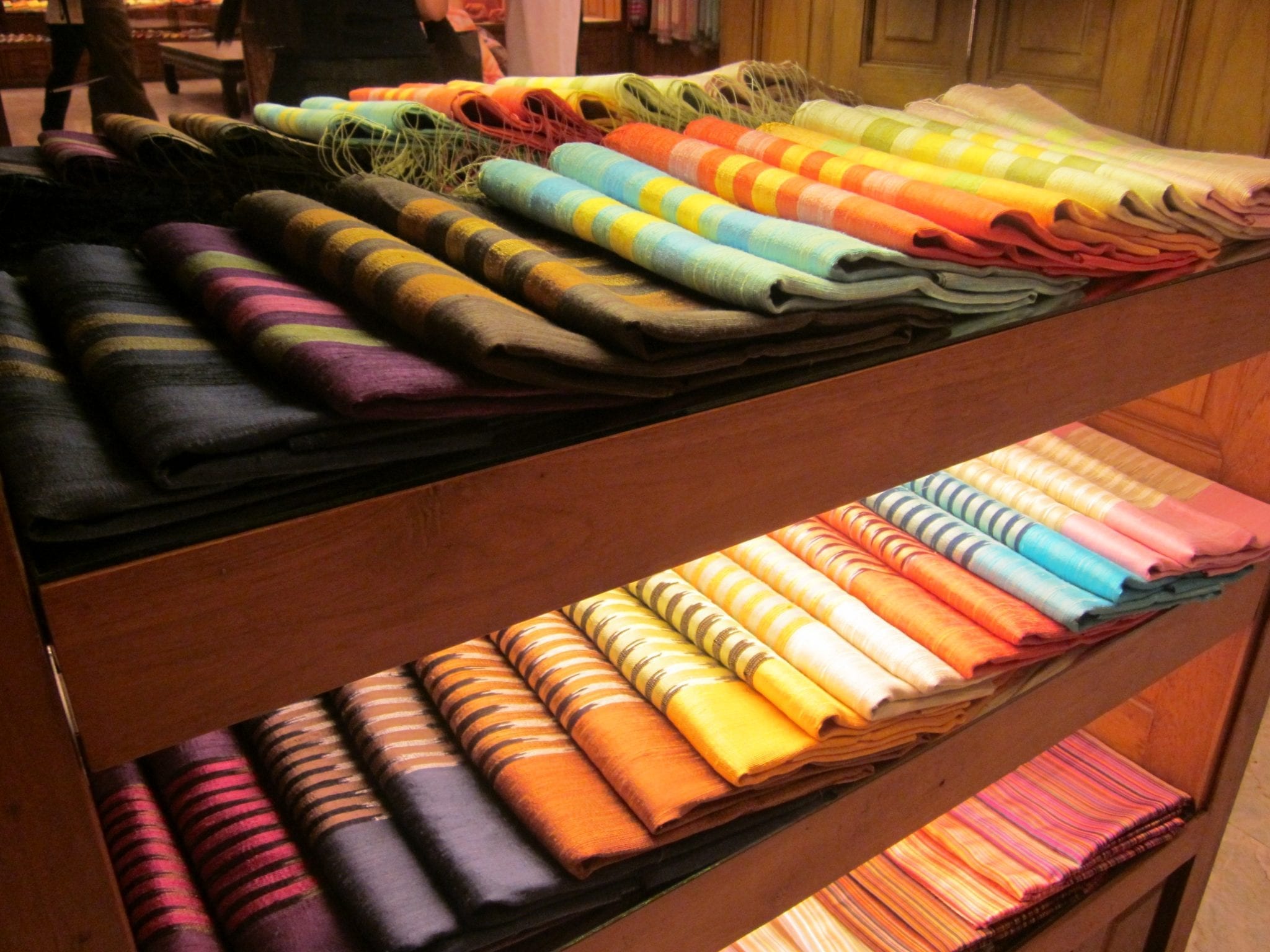
    ‘The Evolving World of Jim Thompson Textiles’ is an exhibition that unveils the story of the Thai Silk Company Limited and the prominent creative figures behind the company’s successes in the textile and fabric world after the mysterious disappearance of Jim Thompson in 1967.
  • Thailand’s Lotus’s to invest more than US$350 million in expansion plan

    Thailand’s Lotus’s to invest more than US$350 million in expansion plan

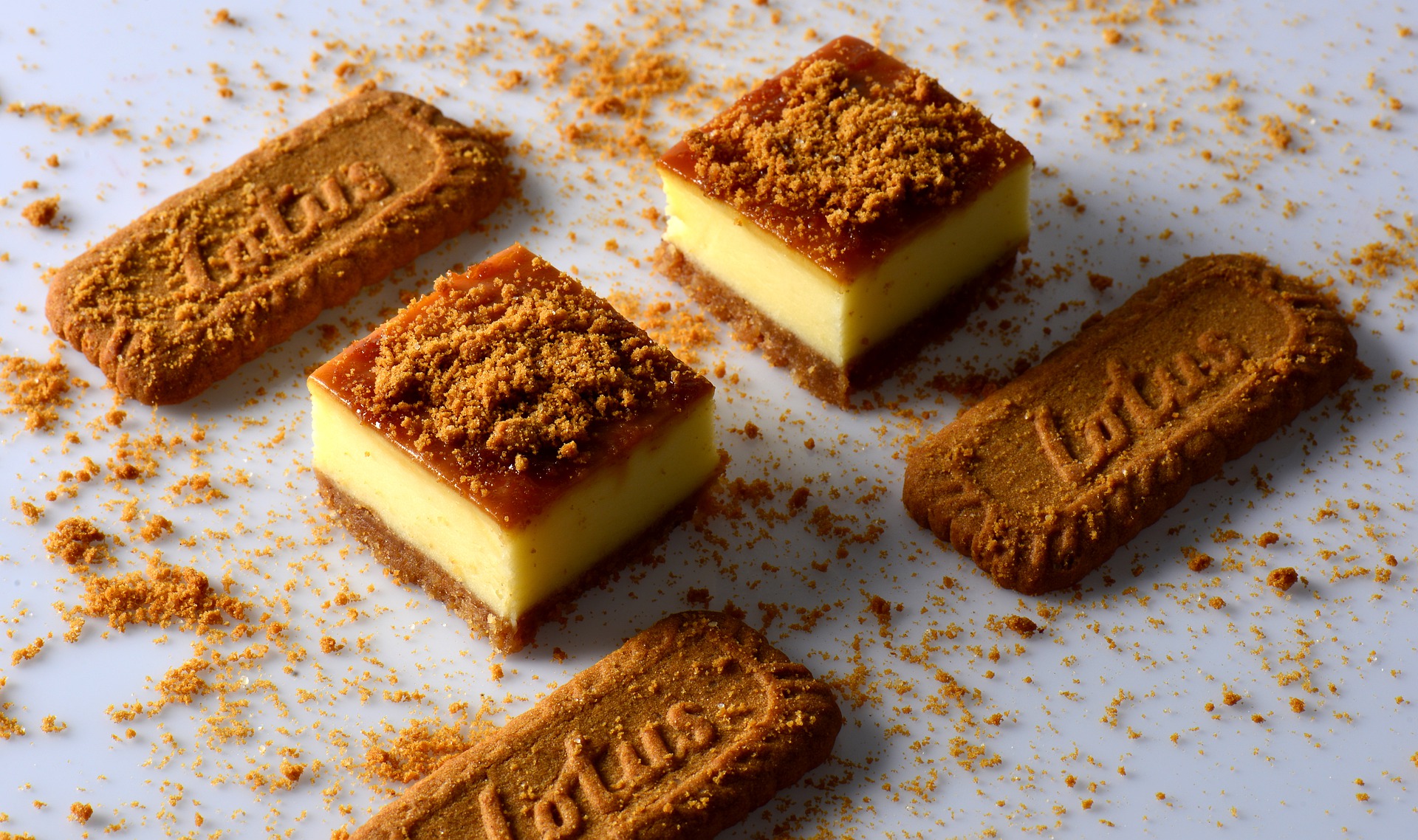
    Manufacturer of the legendary speculoos (Biscoff) caramelised sugar biscuit Lotus Bakeries is set to build a new factory in Thailand. The first biscuits are expected to roll off the factory conveyor belt in 2026.

    Speculoos biscuits are already extremely popular in Asia, with company Lotus owning sales offices in China and South Korea, as well as teams in Hong Kong. To bolster growth in the region, Lotus will open a new factory in Thailand to satisfy the needs of the Asian market.

    The Belgian company has been expanding steadily in recent years. Just three years ago, Lotus Bakeries opened a factory in Mebane, in North Carolina, the United States. In South Africa, the group owns a factory for African treat Bear, a type of liquorice candy.

    According to a press release from the company, the Thai factory will be based in the eastern province of Chonburi, not far from the capital Bangkok.

    The factory will sit on the so-called “Eastern Economic Corridor” which is currently receiving massive economic investment. Goods flowing along this corridor, which connects China, Korea, and Malaysia, experience next to no import duties, according to Lotus CEO Jan Boone.

  • KBank issues USD denominated subordinated notes worth800 million USD, with oversubscription rate at 4.4x

    KBank issues USD denominated subordinated notes worth800 million USD, with oversubscription rate at 4.4x

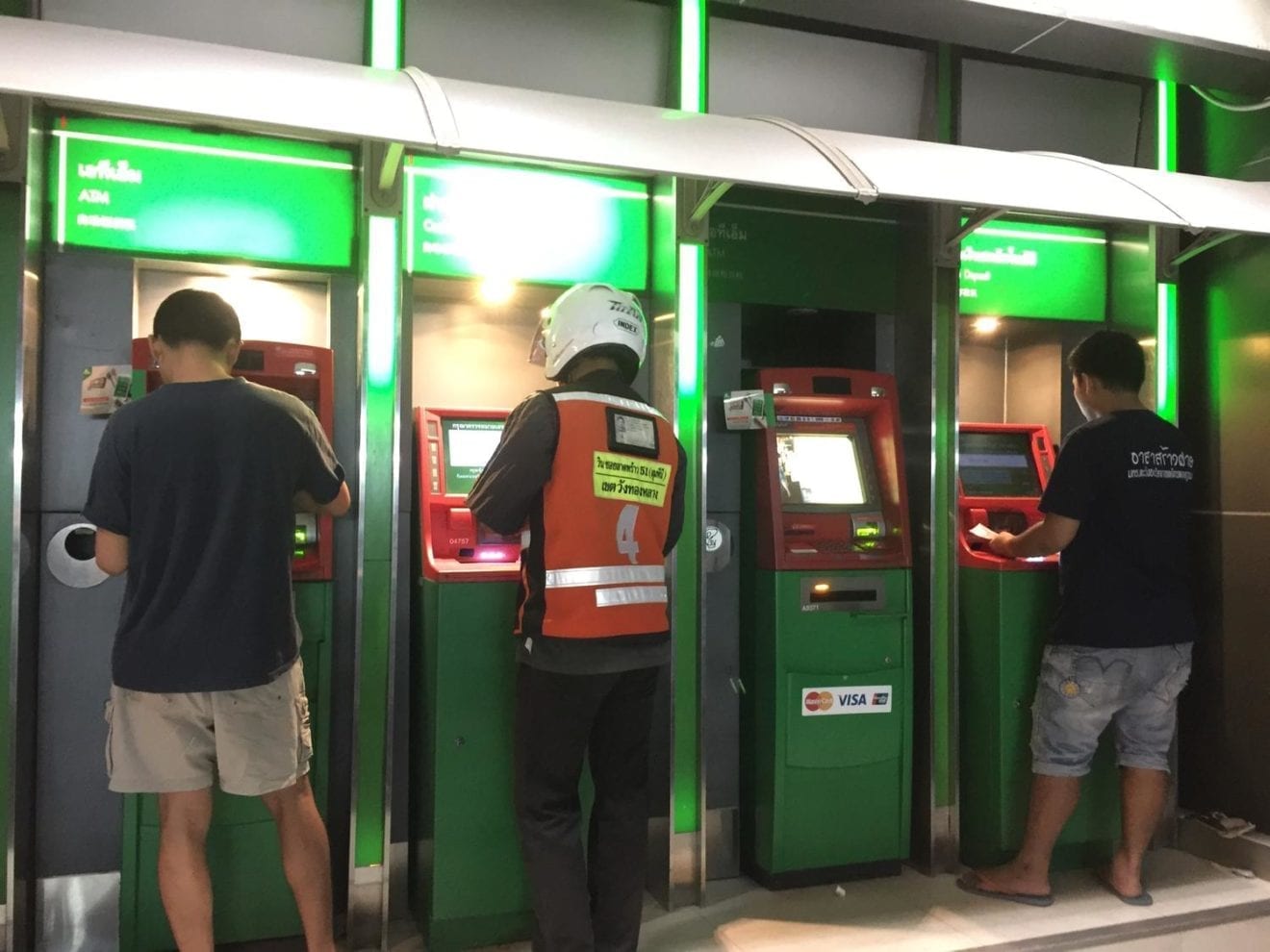
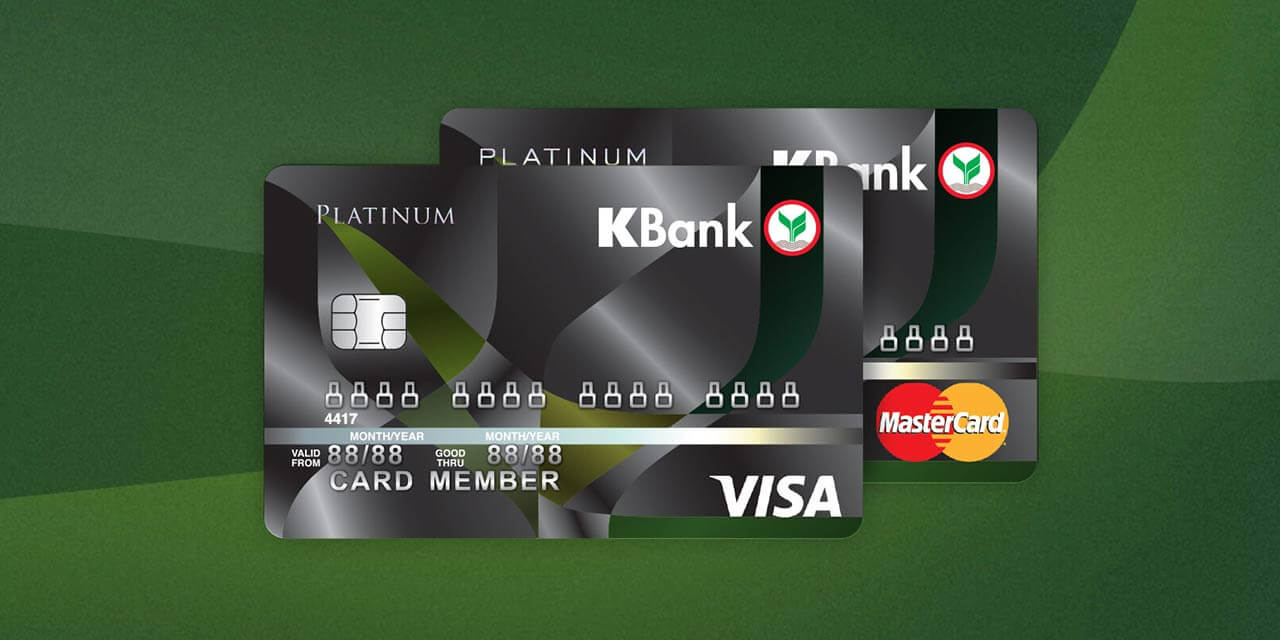
    KBank has announced its successful issuance of USD denominated subordinated notes (the “Notes”) with a USD800 million offering that were oversubscribed four times. Such high oversubscription rate reflects the international investors’ confidence in KBank. It is the largest South-East Asia Reg-S-Only Tier-2 note issue in more than five years, and also the first USD-denominated 12NC7 Basel-III Tier-2 tenor from Asia (excluding Japan) in nine years.

    Mr. Predee Daochai, KBank President, said that KBank issued USD denominated subordinated notes worth 800 million USD with a 12-year tenor which will be due in 2031 and can be called in their 7-years (12NC7), offering at a fixed rate of 3.343 percent per annum. The objective of the issuance of the Notes which can be counted as KBank’s Tier 2 capital is to support KBank’s foreign operations. KBank also aims to strengthen funding position for suitable long-term funding cost.

    The Notes were issued through KBank’s Hong Kong branch on October 2, 2019 and were rated Baa3 by Moody’s, and BBB by Fitch Ratings, and were listed on SGX. The notes were offered to institutional investors and they were fully subscribed quickly. Of the total investors, 81 percent were in Asia and 19 percent were in Europe. Given the rarity of a Thai bank issuance, the Notes were deliverable to high quality investors with 80 percent being taken up by funds/asset management companies, with pensions/insurers and sovereign wealth funds buying up to 8 percent. Bank treasuries accounted for 3 percent of the orderbook, with the remaining 9 percent being taken up by other institution types. BNP Paribas, Citigroup, and Standard Chartered Bank acted as joint book-runners and joint lead managers.

    The issuance of KBank subordinated notes succeeds in several aspects. For example, the total books reached USD3.5 billion, representing 4.4 times of the value of the subordinated notes offered by KBank. Such high oversubscription rate reflects the international investors’ confidence in KBank and the Thai economy. This is because it is the largest South-East Asia Reg-S-Only Tier-2 note issue in more than 5 years and longest dated Basel III Tier 2 in Reg S Only format from Asia (excluding Japan).

    Moreover, the Notes have the lowest coupon as well as spread for a South-East Asia Tier-2 note issue in more than two years. The issuance is also the first USD-denominated 12NC7 Basel-III Tier-2 tenor from Asia (excluding Japan) in 9 years and the first ever 12NC7 from Thailand.

  • Thailand’s Kasikorn Bank eyes B&R business boost

    Thailand’s Kasikorn Bank eyes B&R business boost

    Thailand’s Kasikorn Bank is setting up its China headquarters in Shenzhen, southern Guangdong province, to further strengthen its presence in the country and seize growing business opportunities brought about by the Belt and Road Initiative.

    The China headquarters is an important step for Kasikorn Bank to expand its business in the Chinese market, said Banthoon Lamsam, chairman and chief executive officer of the bank.

    Besides traditional financial business, the Thai bank will work with Chinese financial technology enterprises to build a digital banking platform to promote digital payments and set up a regional settlement center to carry out cross-border settlement of foreign currency in the Association of Southeast Asian Nations plus China, Japan and South Korea.

    It will also provide investment consultancy services for enterprises in the region.

    “The Chinese and Thai governments are making active efforts to synergize the Belt and Road Initiative and Thailand’s 4.0 strategy, especially between China’s pan-Pearl River Delta region and Thailand’s Eastern Economic Corridor. That will bring unprecedented opportunities for cross-border financial services,” Banthoon said.

    The bank will further integrate its resources in China, Thailand, ASEAN and Asia to offer more services to Chinese, Thai and ASEAN enterprises in order to promote cross-border trade and investment in the region, he said.

    Ai Xuefeng, deputy mayor of Shenzhen, said finance is one of the pillar industries of Shenzhen and the local government has introduced a number of policies to support the development of its finance industry, hoping to attract more foreign financial institutions to set up office in the city.

    “With the implementation of the Belt and Road Initiative, more and more Shenzhen enterprises are entering Thailand and, more broadly, ASEAN markets. They need support from local financial institutions,” Ai said.

    “As the only ASEAN bank with its China headquarters in Shenzhen, Kasikorn Bank will play an important role in supporting Shenzhen enterprises to go global and facilitate Thai and ASEAN enterprises to do business in Shenzhen.”

    Founded in 1945, Kasikorn Bank is one of the four commercial banks in Thailand.

  • Bangkok Bank provides Bt2-bn funding for VPI particle board plant

    Bangkok Bank provides Bt2-bn funding for VPI particle board plant

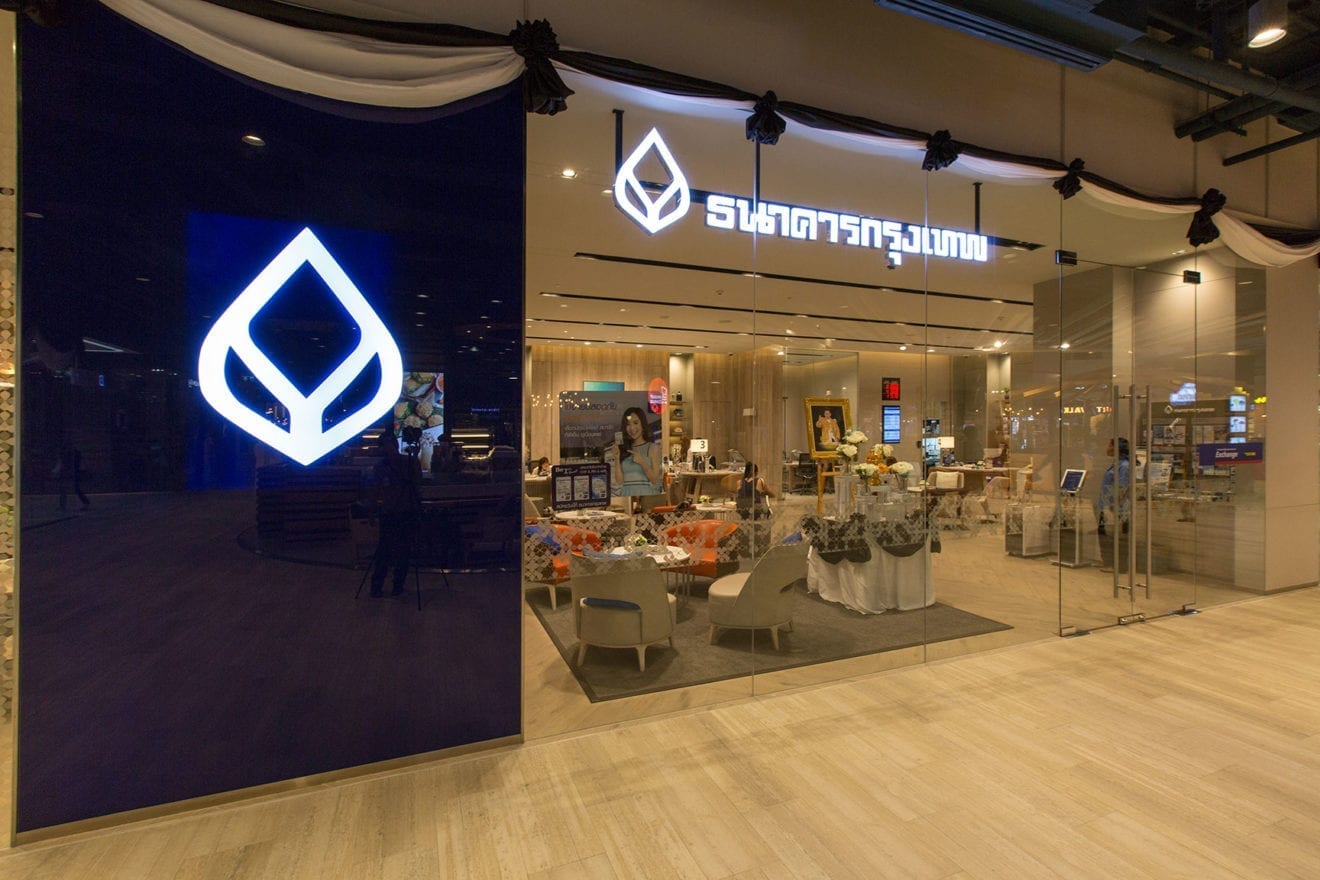
    Bangkok Bank has approved a credit line of Bt2 billion to Vanachai Panel Industries (VPI) for construction of a particle-board factory in Surat Thani, known as the PB-3 project.

    VPI needs the new plant in order to increase its capacity to produce high-quality and environmentally-friendly board that meets the needs of customers in its major markets in East Asia and Asean.

    Bangkok Bank senior executive vice president Chansak Fuangfu on Tuesday said the bank was pleased to support the success of Vanachai Group (VNG), a leader in the production and distribution of environmentally friendly panels, with a credit line of Bt2 billion to its subsidiary VPI for construction of the PB-3 factory.

    The funds will be used to increase annual production capacity by 450,000 cubic metres to meet demand from East Asia and Asean.

    Given the good growth of the company, its stable financial status, and long partnership with Bangkok Bank, the bank is ready to fully support VNG in its international expansion, Chansak said.

    VPI managing director Wanthana Jaroennawarat said that with the new Bt2-billion investment, the company aimed to complete construction of the PB-3 project and commence commercial production in the second quarter of 2019.

    The investment will enable the company to double its annual particle-board production capacity to 900,000 cubic metres using an efficient and environmentally friendly production process, he added.

  • Online marketplace Pinkoi Thailand launches

    Online marketplace Pinkoi Thailand launches

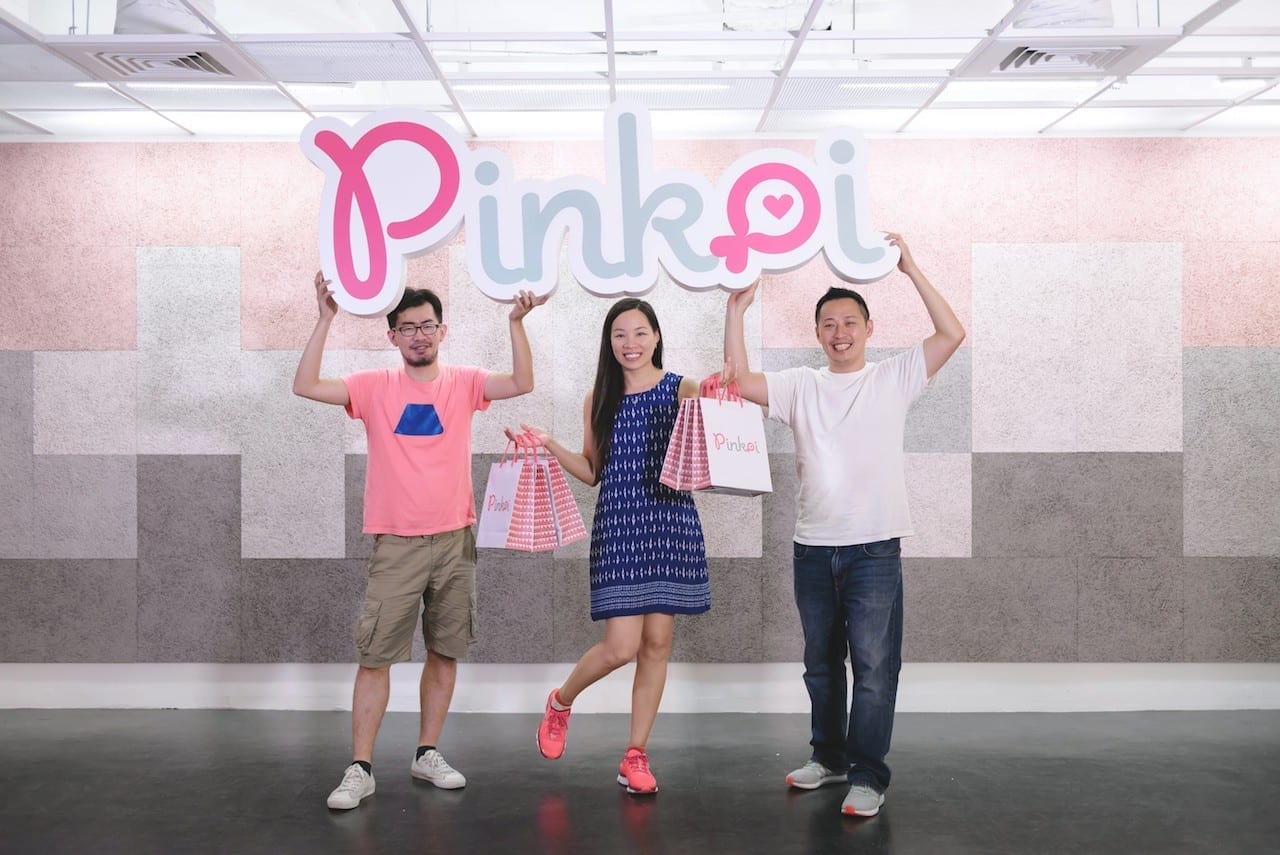
    Pinkoi Thailand, a cross-border curated online marketplace for original design products, has been officially launched.

    Founded in Taiwan in 2011, Pinkoi individually selects its items, which include original handmade or small-scale produced clothes, shoes, bags, accessories and stationery.

    By curating products, Pinkoi appeals to specific demographics, reaching e-commerce consumers in Asia who want to make quick purchases because of limited browsing time.

    In Asia, says the company, the rise of the disposable incomes of millennials has seen a growing trend toward experiential spending, which includes a greater interest in one-off designs by local artisans.

    Inspired by the weekend markets and artistic fair in Taipei, the Pinkoi team seeks out up-and- coming and established niche designers throughout Asia. It supports its network of designers through workshops covering such topics as photography and packaging, webinars and online marketing.

    Pinkoi CEO Peter Yen says the latest launch is positive news for Thai designers, with 500 already signed up and accepted. “There is an incredible art and design scene in Thailand, and these numbers are expected to grow.”

    Through Pinkoi Chatbox, consumers can chat directly with designers, and even request customised items. Through the Pinkoi Window, designers can set up their own personal web page, while the Pinkoi Zine features news about designers. The Pinkoi Wall offers gift ideas and design inspirations.

    Opal Mahavana and Koranis Nettayanuwat, who co-own WhiteOakFactory, a Thai company that creates faux-leather bags, say they have sold 4000 items through Pinkoi since joining it two years ago. “We’ve been able to reach an international market that values individuality and smaller brands, giving us a presence outside of our localised community.”

    While Pinkoi is focussed on China, Hong Kong, Japan and the US, and now Thailand, it has a presence in 88 countries. It has 1.6 million members and has sold 3.7 million items.

    Today, 8000 shops on its website and app platforms offer about 860,000 products, retailing in five languages and 12 currencies.

    Designers reap 90 per cent of sales revenues.