Retail News CRM

Tag: bankruptancy

  • L’Occitane files for bankruptcy in US

    L’Occitane files for bankruptcy in US

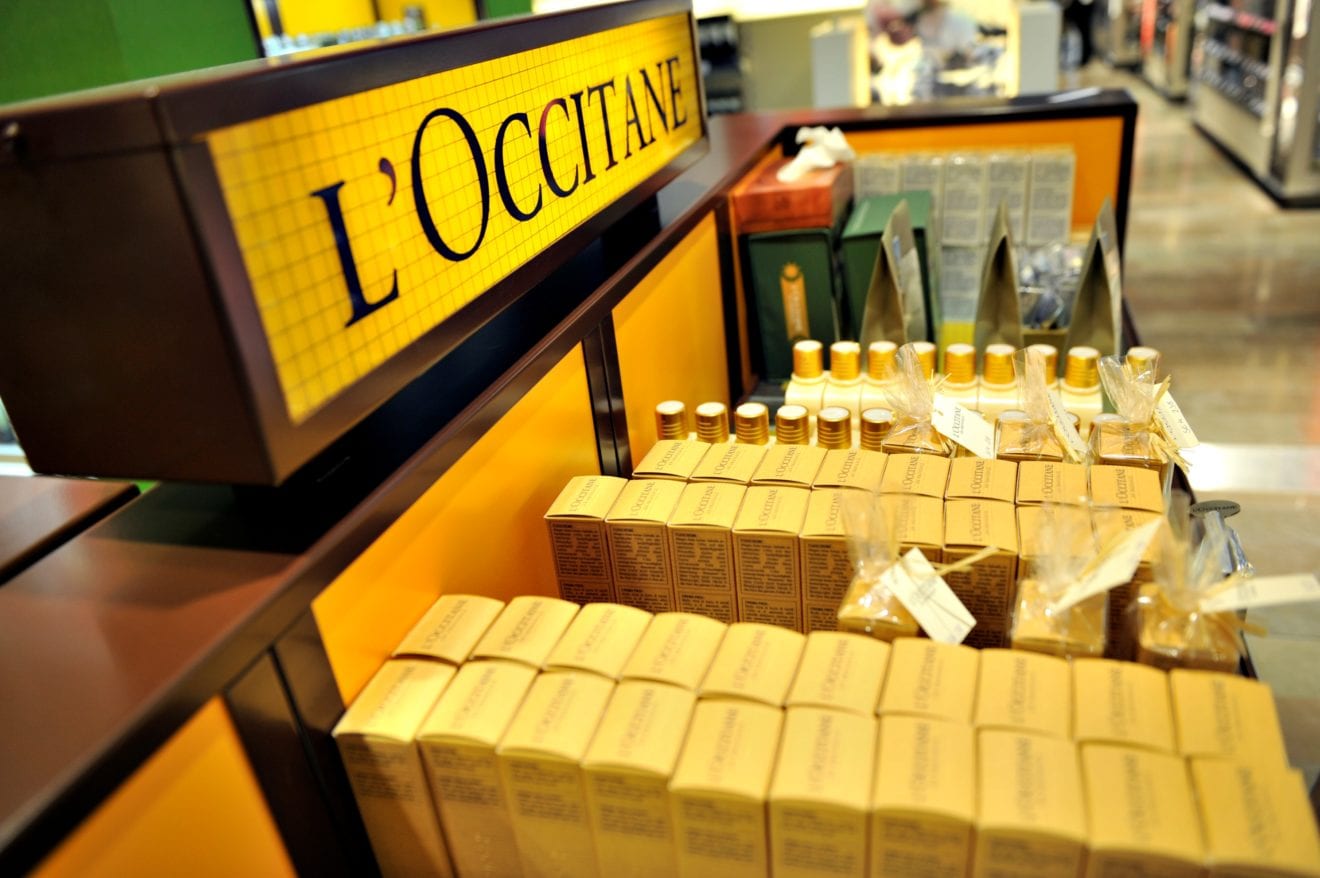
    L’Occitane U.S. filed Chapter 11 bankruptcy protection in New Jersey on Tuesday, seeking to close stores. The business cited declines in brick-and-mortar sales and the ongoing coronavirus pandemic as the reasons for the filing.

    “Like most retailers in the United States, the debtor has been impacted by the COVID-19 pandemic, which has significantly limited retail operations throughout the country and suppressed consumer willingness to shop in person,” L’Occitane regional managing director Yann Tanini wrote in a declaration for the court.

    “Even prior to the pandemic, the debtor was experiencing a decline in sales revenue from its brick-and-mortar boutiques, while its e-commerce revenue has dramatically increased,” Tanini said in court papers.

    L’Occitane had already starting downsizing its real estate footprint but wants to further reduce lease obligations due to the pandemic, the company said in court papers. The company hired Hilco Real Estate as a consultant to negotiate with landlords, but they have been reluctant, which prompted the bankruptcy filing. L’Occitane intends to reject 23 leases and “right-size its brick-and-mortar footprint,” it said.

    The company is the U.S. subsidiary of L’Occitane Groupe SA which is publicly listed in Hong Kong and also owns Erborian, LimeLife, and Elemis. U.S. operations account for about 9.1 percent of total company sales, the company said in court papers.

    The U.S. operations have 166 stores in 36 states and Puerto Rico, mostly in regional malls. Net sales have declined during COVID-19, the company said. Between April and December 2020, net sales dipped 21 percent year-over-year to $111 million. Brick-and-mortar sales made up 34 percent of that total, while e-commerce sales skyrocketed.

    L’Occitane has about 1,051 U.S. employees and furloughed and laid off certain workers during the pandemic. The company said that of 325 furloughed employees, 165 have come back, and 40 have been let go.

    The company has $161 million in assets and almost $162 million in liabilities, per court papers. L’Occitane U.S.’s biggest unsecured creditor is its parent company, which is owed $26 million related to loans and $4.5 million related to inventory.
  • Neiman Marcus enters bankruptcy protection mode

    Neiman Marcus enters bankruptcy protection mode

    High-end US department-store chain Neiman Marcus entered bankruptcy protection overnight and there are reports that rival Lord & Taylor is planning to follow.

    Laden down with debt, Neiman Marcus has entered Chapter 11, after receiving majority support from lenders and creditors to undergo financial restructuring, substantially reducing its debt load and interest obligations. The company will receive a further $675 million in cash from existing lenders to enable it to continue to operate during the Covid-19 crisis.

    Chairman and CEO Geoffroy van Raemdonck, said in a statement that prior to the pandemic’s advent, Neiman Marcus was making “solid progress on our journey to long-term profitable and sustainable growth”.

    But with most of its Neiman Marcus, Bergdorf Goodman and Last Call stores shuttered for more than a month, decimating cash flow, the company is struggling to meet its obligations.

    When Neiman Marcus emerges from Chapter 11 it will be “as a far stronger company,” said van Raemdonck, with no near-term maturities and some $4 billion of its existing debt eliminated.

    “In a world that is changing, we are uniquely positioned to give our brand partners access to our loyal luxury customers like no other company. We will deliver that through the strength of our associate relationships and digital solutions,” he said.

    Neil Saunders, MD of GlobalData Retail, said given the extent of the company’s debt, Neiman Marcus was “always living on borrowed time” and had no option but to enter Chapter 11.

    “In normal circumstances, the debt burden prevented it from turning a profit and restricted its ability to invest and evolve in a time of immense change in retail. The coronavirus crisis has severely exacerbated these problems as sales have dwindled and Neiman Marcus is struggling to pay the interest and capital on what it owes.”

    Saunders said the company was in a much better position than most other US department stores. “Its shops are well maintained and are mostly within strong malls, it has a loyal base of shoppers, occupies a distinct niche in the luxury space, and has made some strides into digital. In short, there is a place for Neiman Marcus in the post-coronavirus world.”

    Saunders said that while Neiman Marcus probably does not need to shut stores – it has relatively few of them and they are in good malls – with more and more sales migrating online the company may need to reduce the size of some of them.

    “There are some shops in the chain that are just too large and which do not attract enough footfall to justify their size. A rightsizing of the store base should be on the cards to optimize productivity.”

    Meanwhile, another high-profile US department-store chain, 200-year-old Lord & Taylor, is reportedly planning to enter Chapter 11 to facilitate the sale of all of its inventory when social-distancing measures are lifted and all stores are able to trade again.

    Liquidators have been appointed to manage going-out-of-business sales at its remaining 38 stores and once stock is gone, the company will close permanently, according to Reuters.

    The company has declined to comment on the reports, however, a spokesperson told Business Insider that the firm is “working through various options at this time”.

    Lord & Taylor has already closed its Instagram and Twitter accounts, further signs of it commencing a winding down of operations.

    Another US department-store chain, Nordstrom, said this week it would close 16 of its 116-strong store network.

    Last month, the Wall Street Journal reported that JC Penney, with about 850 stores across the US, was seeking a loan of between $800 million and $1 billion in order to continue trading through the Covid-19 crisis. The company was already looking to restructure operations and streamline its store network before the pandemic came along.

    And Macy’s, with 551 stores, yesterday said it would delay its first-quarter earnings report to July 1, due to the disruption caused by the pandemic.

    Earlier this week, fashion retailer J Crew entered Chapter 11, weighed down by $2 billion in debt.