Retail News CRM

Tag: bankruptcy

  • Saks Globals Bankruptcy Exit: Promising Future or Audacious Overreach?

    Saks Globals Bankruptcy Exit: Promising Future or Audacious Overreach?

    Saks Global, a renowned luxury retailer, is inching closer to emerging from bankruptcy after a period of financial instability. The company’s reinvigoration has been fueled by securing new funds and successfully mending tenuous relationships with various brands. Despite these encouraging developments, industry analysts have expressed reservations regarding the retailer’s projected trajectory and its ability to fulfill its optimistic business promises.

    Securing New Funding and Making Progress

    Recently, Saks Global’s revised strategic plan received approval from a Texas court. Consequently, creditors can now cast their votes regarding the proposed strategy. The approval followed the retailer’s procurement of US$500 million in funds from its capital partners and its successful negotiation of a restructuring agreement with bondholders. Saks Global CEO, Geoffroy van Raemdonck, praised the remarkable progress made by his team in the past three and a half months.

    Van Raemdonck further highlighted the secured capital and the company’s growing momentum as important foundations for the company’s future. He expressed confidence in the company’s ability to invest in its customer experience, capabilities, and merchandise assortment, which will drive profitable growth for Saks Global and sustained revenue growth for its partners in the years ahead.

    Since its Chapter 11 bankruptcy filing in January, Saks Global has marked significant milestones, including a 6% increase in customer spend per store visit, an 11% increase in online conversion, and improved full-price selling across its luxury retail banners.

    High Expectations and Challenges

    Looking forward, Saks Global anticipates substantial growth. It expects to generate almost two times its current revenue by 2030, reaching a total gross merchandise value of US$9 billion. It also hopes to achieve double-digit adjusted EBITDA by that time. Such high expectations indicate that Saks Global’s revenue is projected to grow by about 5.5% from fiscal 2029 to 2030, amounting to nearly US$7.2 billion.

    While the retailer is currently projected to report a net loss of US$135 million for the fiscal year 2026, it hopes to swing back into profitability by fiscal year 2029 with a projected net income of US$99 million.

    To achieve these ambitious goals, Saks Global must also mend its vendor relationships, which have been strained largely due to non-payment for shipped merchandise. However, the company reported steady progress on this front, stating that close to 720 brands have resumed shipping and that it has released US$1.6 billion in retail receipts.

    Questions & Answers

    What is the strategic plan for Saks Global’s post-bankruptcy phase?
    Saks Global has secured new funding and is focused on strengthening its relationships with vendors. The company expects to generate US$9 billion in total gross merchandise value by 2030, close to double the expected revenue in 2026.

    What are the challenges faced by Saks Global in achieving its goals?
    To achieve its ambitious targets, Saks Global must first mend its strained vendor relationships caused by non-payment for shipped merchandise. Additionally, the company needs to manage a large debt load.

    How is Saks Global addressing its vendor relationship issues?
    Saks Global has reported steady progress in mending vendor relationships. It has stated that nearly 720 brands have resumed shipping and that it has released US$1.6 billion in retail receipts.

  • Musk claims to have saved Twitter from bankruptcy and red ink

    Musk claims to have saved Twitter from bankruptcy and red ink

    Still one of the richest men in the world, Twitter CEO Elon Musk is now claiming that his $44 billion purchase of Twitter was a timely one as it saved the social media company from bankruptcy. Replying to a tweet from The Wall Street Journal, Musk wrote, “Last 3 months were extremely tough, as had to save Twitter from bankruptcy while fulfilling essential Tesla & SpaceX duties. I wouldn’t wish that pain on anyone. Twitter still has challenges but is now trending to breakeven if we keep at it. Public support is much appreciated!”
    Whether this is just a self-serving missive designed to pump up his accomplishments at Twitter or a legitimate fact isn’t clear. But the multi-billionaire might be feeling his oats after a jury in California found him “not liable” for losses that Tesla stockholders suffered after he disseminated a tweet saying that he was considering taking Tesla private at $420 a share and had “funding secured.”

    In reality, funding was not secured. The tweet was originally posted in 2018 and sent Tesla stock up 11% to $387.46 before crashing to $263.24 a month later when it became obvious that the funding was not secured.

    Since buying Twitter, things have gone anything but smoothly for Musk. He changed his mind several times about his plan to sell verification check marks on the platform and even mentioned that filing for bankruptcy was an option for Twitter that he was considering. However, Musk said in a subsequent tweet that Twitter’s daily user count and user minutes are “still strong.”
    Despite the talk of bankruptcy, Twitter was able to make the first interest payment on the $12.5 billion of debt that Musk borrowed to complete the purchase of Twitter. Being able to make the payment on time probably gave Musk the confidence to tweet his claim. Personally, though, Musk has been going through some tough times. Last year, he became the first person to have the dubious honor of losing $200 billion in wealth during a single year. Over the past year, Tesla’s shares have declined by 37% accounting for most of the evaporation of his wealth.
  • Forever 21 may seek bankruptcy protection in court

    Forever 21 may seek bankruptcy protection in court

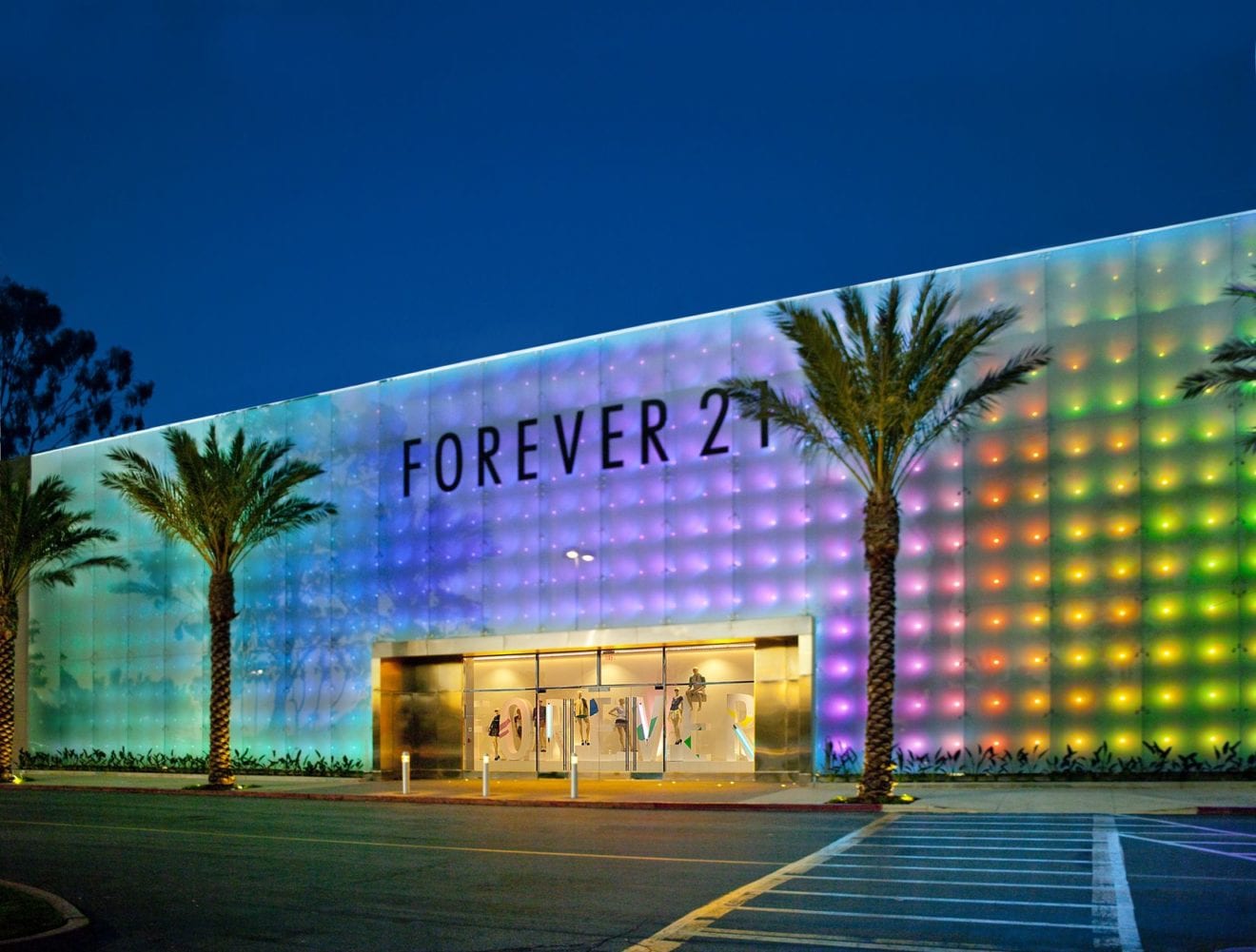
    Californian fast-fashion retailer Forever 21 is reportedly preparing to file for bankruptcy protection after failing to reach a deal to refinance its heavy debt load.

    Citing people with knowledge of the plans, Bloomberg has reported that the company has been in talks for additional financing and working with a team of advisers to help it restructure its debt, but negotiations with possible lenders have so far stalled.

    There are reports that a major barrier to any deal being reached is the unwillingness of co-founder Do Won Chang to accept less than a controlling interest in the business in return for investment which could place the retailer on a firmer financial footing.

    Now the company is believed to be looking to secure a so-called ‘debtor-in-possession loan’ which would allow it to file for Chapter 11 bankruptcy protection.

    With more than 800 stores in the Americas, Asia and Europe Forever 21 grew from a single store in Los Angeles in 1984 opened by Chang and his daughter Jin Sook. While its international growth trajectory was rapid in the 2000s, in later years it has failed to keep pace with European rivals H&M and Zara and Japan’s Uniqlo, leading it to shutter flagship stores like the giant, three-story space in Hong Kong’s Causeway Bay.

    It no longer has a store in Hong Kong, but sells online there. In Asia, its network covers the Philippines, South Korea, Japan, Malaysia, Singapore, Indonesia, and India.

    Like a raft of other troubled US retailers entering Chapter 11 protection, Forever 21 would have the ability to close unprofitable stores, reduce its payroll and recapitalize the business.

  • Vietnam state steel company close to bankruptcy

    Vietnam state steel company close to bankruptcy

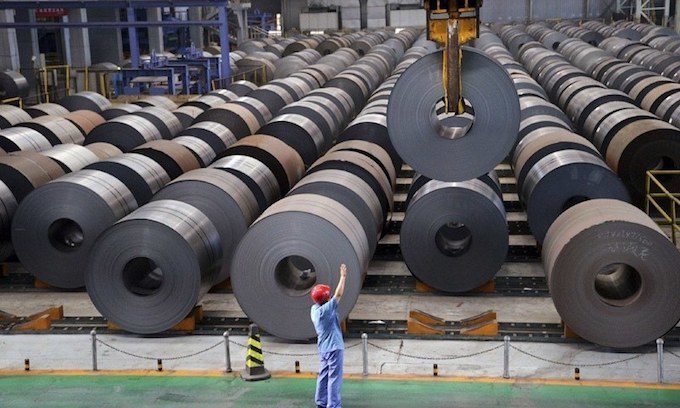
    In a recent letter to shareholders, Thai Nguyen Iron and Steel Jsc (TISCO) said it is facing “a financial crisis which could lead to bankruptcy if it is not saved by the government, banks and other authorities.” The charter capital of the company, one of the largest steel producers in Vietnam, was VND1.94 trillion ($83.6 million) last year but owner’s equity accounted for only 18 percent, which the company regards as a low ratio.

    With liabilities 4.65 times owner’s equity, TISCO said its capital structure is unstable.

    The company added it needs to increase owner’s equity and recover bad debts. The bad debts climbed to almost VND852 billion ($36.7 million) last year, of which the company said 46 percent could be recovered.

    One of the problems the company has been facing is the delay in a stop-start expansion project. The Government Inspectorate has listed it among 12 state-owned projects suffering major losses and with many violations of the law.

    The project first began in 2007 but stalled soon afterwards due to the global economic crisis. The original cost of expansion of VND3.84 trillion ($165.5 million) was increased to over VND8.1 trillion ($349 million) on the suggestion of Chinese contractors when it was restarted in 2009.

    But in 2012 it stalled again when TISCO faced a resources crunch, causing the China Metallurgical Group Corporation (MCC) to withdraw from the project.

    TISCO had paid MCC 92 percent of the contract value at the time, but much of the work was left incomplete, according to the Government Inspectorate.

    Machinery and equipment MCC delivered had rusted and become damaged after lying unused for long, the inspectors said.

    The government prohibited further investment of public funds in the company in 2016. Following this, sovereign wealth fund State Capital Investment Corporation (SCIC) pulled out its capital of VND1 trillion ($43.1 million) from the company.

    Following the long expansion delay, banks have slashed TISCO’s credit ratings and increased interest rates to 8 percent a year, worsening the situation.

    The company board said despite its petitions to authorities for a solution no progress has been made.

  • Korea’s Skinfood getting close to bankruptcy

    Korea’s Skinfood getting close to bankruptcy

    South Korean cosmetics firm Skinfood has filed for court receivership after increasing financial losses.

    The company’s former popularity of a decade ago was hit by the 2015 Middle East Respiratory Syndrome (MERS) outbreak and diplomatic disputes between Seoul and Beijing, both events affecting the brand’s core overseas markets.

    A company spokesperson said: “We are having temporary difficulty in securing liquidity due to excessive debt. We sought the court restructuring as we thought settling the debt and promptly normalising management will benefit everyone, including the creditors.”

    The company has plans to sell off some of its overseas business rights and expand its online channels to improve its standing.

    Skinfood’s sales reached KRW126.9 billion (US$111.96 million) last year, a drop of 25 per cent from the year previous, with an operating loss of KRW98 billion ($86.46 million).

  • Bankrupt Toys ‘R’ Us is closing all US and UK stores

    Bankrupt Toys ‘R’ Us is closing all US and UK stores

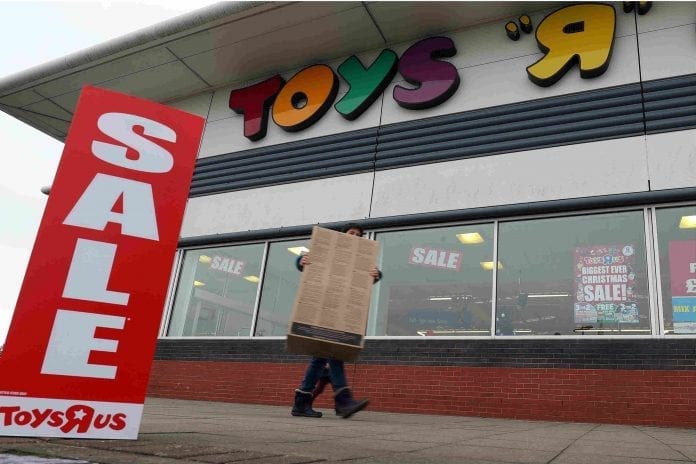
    Toys R Us will sell or close all of its US and UK stores in coming months.

    The decisions, by respective liquidators appointed on both sides of the Atlantic, will leave Canada, Asia and Central Europe up for sale as the last remaining Toys R Us businesses internationally, with operations in France, Spain, Poland and Australia tipped for closure as well.

    Toys R Us has 885 stores in the US and employees about 33,000 people there. It had already begun closing about 20 per cent of its outlets as part of a plan to exit Chapter 11 bankruptcy protection.

    But no buyer could not be found for the remaining business as a going concern.

    Asia appears to be the only region in the world where the Toys R Us business is robust. It is a joint venture with Fung Group, which holds a 15 per cent stake and is reportedly planning a takeover of the business, possibly funded in part by an IPO. But with the brand having failed almost everywhere else in the world, it is unclear how keen investors would be in Hong Kong.

    Neil Saunders, MD of analysts GlobalData Retail, described the liquidation of Toys R Us as “unfortunate but inevitable” given the retailer had lost its way and forgot its core retail competencies.

    “Even during recent store closeouts, Toys R Us failed to create any sense of excitement.”i

    Saunders said management may blame suppliers and competitors for its demise, but the primary responsibility lies with poor decisions.

    “As the competitive dynamics of the toy market intensified, management failed to respond and evolve. As such, the brand lost relevance, customers and ultimately sales.

    “Admittedly, the leveraged buyout which burdened the company with debt reduced the room for maneuver and left Toys R Us vulnerable. Questions should be asked as to the wisdom of this particular financial transaction which weakened the sustainability of the company.”

    The decision to close down Toys R Us was essentially made by its lenders who believed that without a clear reorganisation plan, they could recover more from a liquidation, closing stores and raising money from merchandise sales, according to sources quoted by AP.

    The Toys R Us UK operation was placed in administration at the end of last month.

    Yesterday, administrator Moorfields Advisory confirmed that no prospective buyer had been found for the business and that all 101 stores would close progressively.

  • Takata decides to file for bankruptcy

    Takata decides to file for bankruptcy

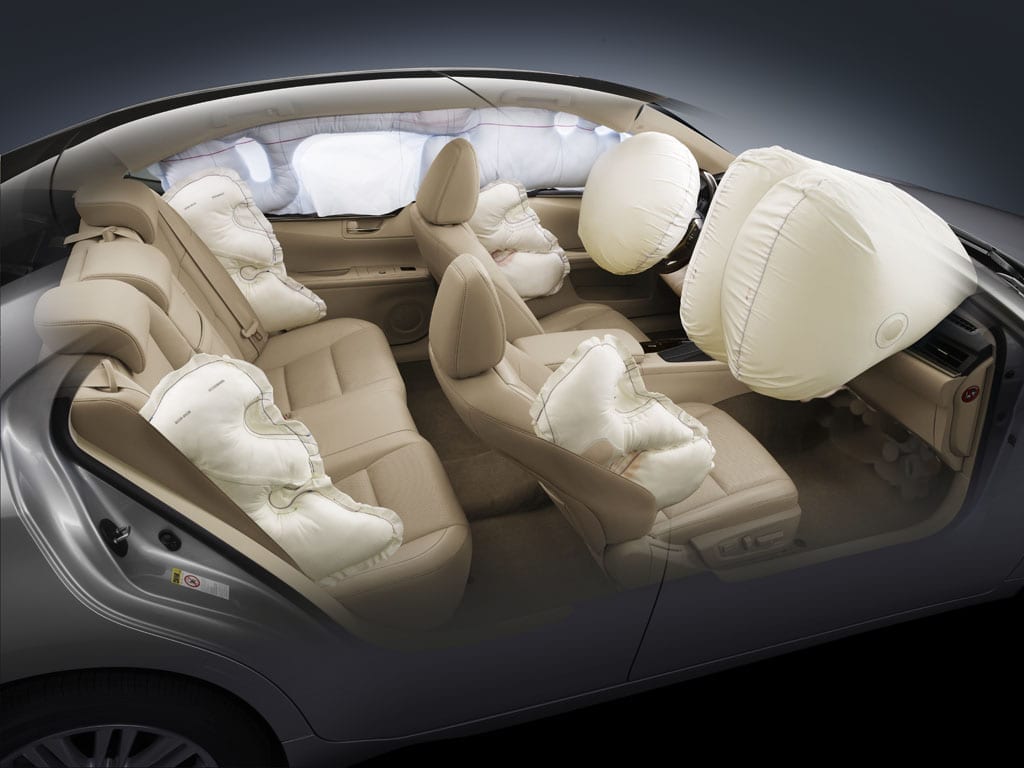
    Japan’s Takata Corp decided on Monday to file for bankruptcy protection in Japan with liabilities of more than 1 trillion yen (US$9 billion), Japanese media reported, as the auto parts supplier has struggled due to its defective air bag inflators at the center of the auto industry’s biggest ever product recall.

    The decision came at a special board meeting, public broadcaster NHK said.

    Takata is expected to file for a U.S. Chapter 11-style bankruptcy protection procedure, along with a similar filing in the United States, sources have told Reuters. This would open the door for a financial rescue from U.S. auto parts supplier Key Safety Systems, which Takata has tapped as its preferred financial sponsor.

    Faulty air bag inflators made by Takata have been linked to at least 17 deaths in the United States and other countries, prompting a massive global recall which began nearly a decade ago.

  • Hanjin Bankruptcy Causes Global Shipping Chaos, Retail Fears

    Hanjin Bankruptcy Causes Global Shipping Chaos, Retail Fears

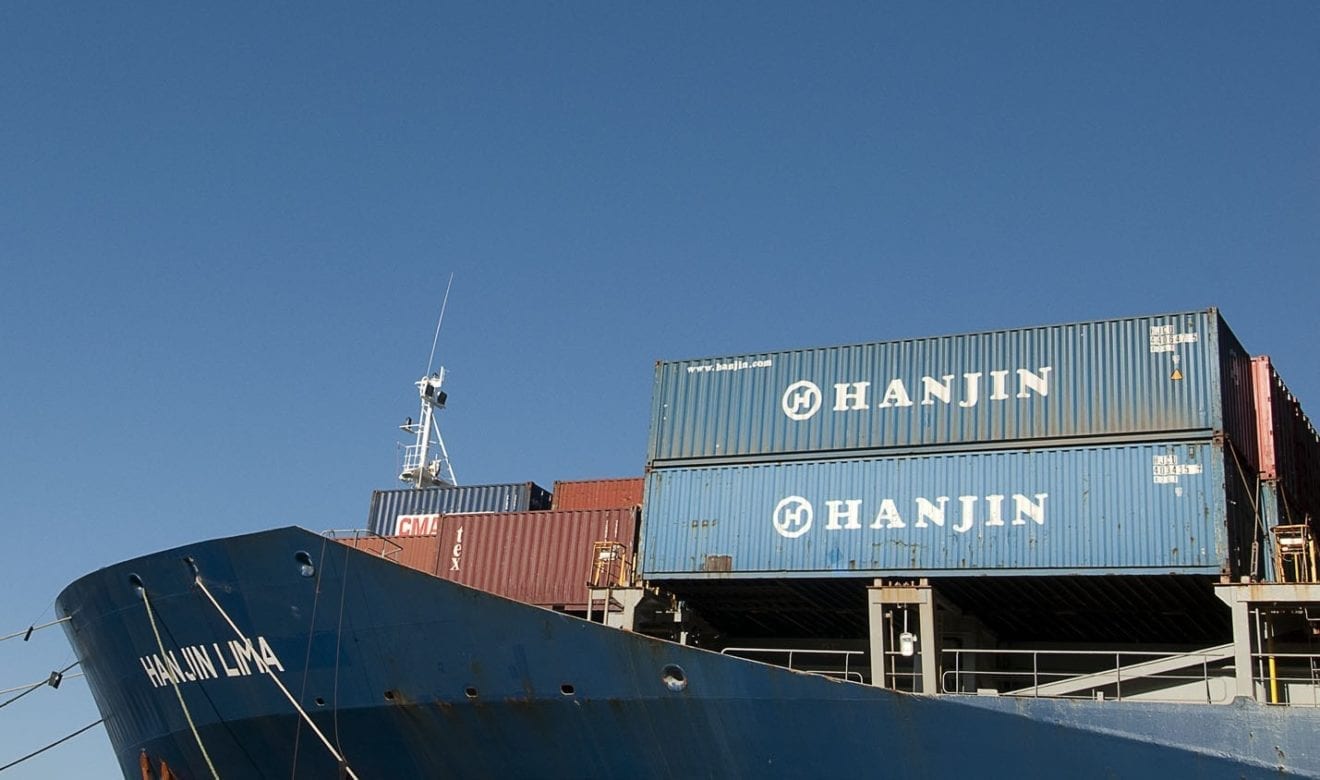
    The bankruptcy of the Hanjin shipping line has thrown ports and retailers around the world into confusion, with giant container ships marooned and merchants worrying whether tons of goods will reach their shelves.

    The South Korean giant filed for bankruptcy protection on Wednesday and stopped accepting new cargo. With its assets being frozen, ships from China to Canada found themselves refused permission to offload or take aboard containers because there were no guarantees that tugboat pilots or stevedores would be paid.

    “Hanjin called us and said: ‘We’re going bankrupt and we can’t pay any bills — so don’t bother asking,’ ” said J. Kip Louttit, executive director of the Marine Exchange of Southern California, which provides traffic control for the ports of Los Angeles and Long Beach, the nation’s busiest port complex.

    Three Hanjin container ships, ranging from about 700 feet to 1,100 feet (213 meters to 304 meters) long, were either drifting offshore or anchored away from terminals on Thursday. A fourth vessel that was supposed to leave Long Beach on Thursday morning remained anchored inside the breakwater.

    The Seoul-based company said Friday that one ship in Singapore had been seized by the ship’s owner. Hanjin Shipping spokesman Park Min did not confirm any other seizures.

    As of Friday, 27 ships had been refused entry to ports or terminals, she said.

    That left cargo headed to and from Asia in limbo, much to the distress of merchants looking to stock shelves with fall fashions or Christmas toys. “Someone from the garment industry called earlier today asking: ‘How long is this going to go on, because I’ve got clothing out there,’” Louttit said.

    The Korea International Trade Association said about 10 Hanjin vessels in China were seized or likely to be seized by charterers, port authorities or other parties.

    Kim Byung-hoon, a director at the KITA, said the association had confirmed that about 10 Hanjin vessels also had been turned away from Chinese ports or were waiting offshore.

    South Korea’s maritime ministry said in a statement that Hanjin’s troubles would affect cargo exports for two to three months, given that August-October is a high-demand season for deep-sea routes. It said 540,000 TEU of cargo already loaded on Hanjin vessels would face delays.

    Hanjin, the world’s seventh-largest container shipper, represents nearly 8 percent of the trans-Pacific trade volume for the U.S. market.

    The National Retail Federation, the world’s largest retail trade association, wrote to U.S. Secretary of Commerce Penny Pritzker and Federal Maritime Commission Chairman Mario Cordero on Thursday, urging them to work with the South Korean government, ports and others to prevent disruptions.

    The bankruptcy is having “a ripple effect throughout the global supply chain” that could cause significant harm to both consumers and the U.S. economy, the association wrote.

    “Retailers’ main concern is that there (are) millions of dollars’ worth of merchandise that needs to be on store shelves that could be impacted by this,” said Jonathan Gold, the group’s vice president for supply chain and customs policy. “Some of it is sitting in Asia waiting to be loaded on ships, some is already aboard ships out on the ocean and some is sitting on U.S. docks waiting to be picked up. It is understandable that port terminal operators, railroads, trucking companies and others don’t want to do work for Hanjin if they are concerned they won’t get paid.”

    The confusion might sink some trucking firms that contract with Hanjin to deliver cargo containers carrying everything from electronics to car parts from ports to company loading bays.

    “They’ve got bills to pay — they could literally close their doors over this,” said Peter Schneider, Fresno-based vice president of T.G.S. Transportation Inc.

    Hanjin has been losing money for years. It filed for bankruptcy protection a day after its creditors, led by a state-run bank, refused to prop it up.

    Other shipping lines may take on some of Hanjin’s traffic but at a price. Since vessels already are operating at high capacity, shippers may wind up paying a premium to squeeze their cargo containers on board, said Jock O’Connell, international trade adviser to Los Angeles-based Beacon Economics.

    The price of shipping a 40-foot container from China to the U.S. jumped up to 50 percent in a single day, said Nerijus Poskus, director of pricing and procurement for Flexport, a licensed freight forwarder and customs broker based in San Francisco.

    The price from China to West Coast ports rose from $1,100 per container to as much as $1,700 on Thursday, while the cost from China to the East Coast jumped from $1,700 to $2,400, he said.

    Hanjin’s bankruptcy was a major factor, he said, although rates also were affected by the upcoming Chinese National day holiday, which will close factories, and by shipping lines sidelining vessels to reduce overcapacity.

    Global demand and trade have suffered since the 2008 recession, while steamship lines continued to build more and larger vessels — immense ships that were conceived as cost-effective when freight costs were higher several years ago.

    But weaker trade and overcapacity have sent ocean shipping rates plunging in recent years. A few months ago, Poskus said, prices hit historic lows globally — down to as much as $600 per container from Shanghai to Los Angeles.

    That wouldn’t even cover fuel costs for the huge ships, he said.

    Poskus expects the current spike in prices to last only a month or two. With about 5 percent of ships in the global trading fleet sitting idle, there is plenty of room to take over Hanjin’s capacity and carriers already are discussing the possibility of adding ships, he said.

    However, prices will have to rise somewhat in order to be sustainable, he said — perhaps to about $1,000 per container.