Retail News CRM

Tag: bar

  • Malaysian Starbucks operator posts loss due to Covid virus outbreak

    Malaysian Starbucks operator posts loss due to Covid virus outbreak

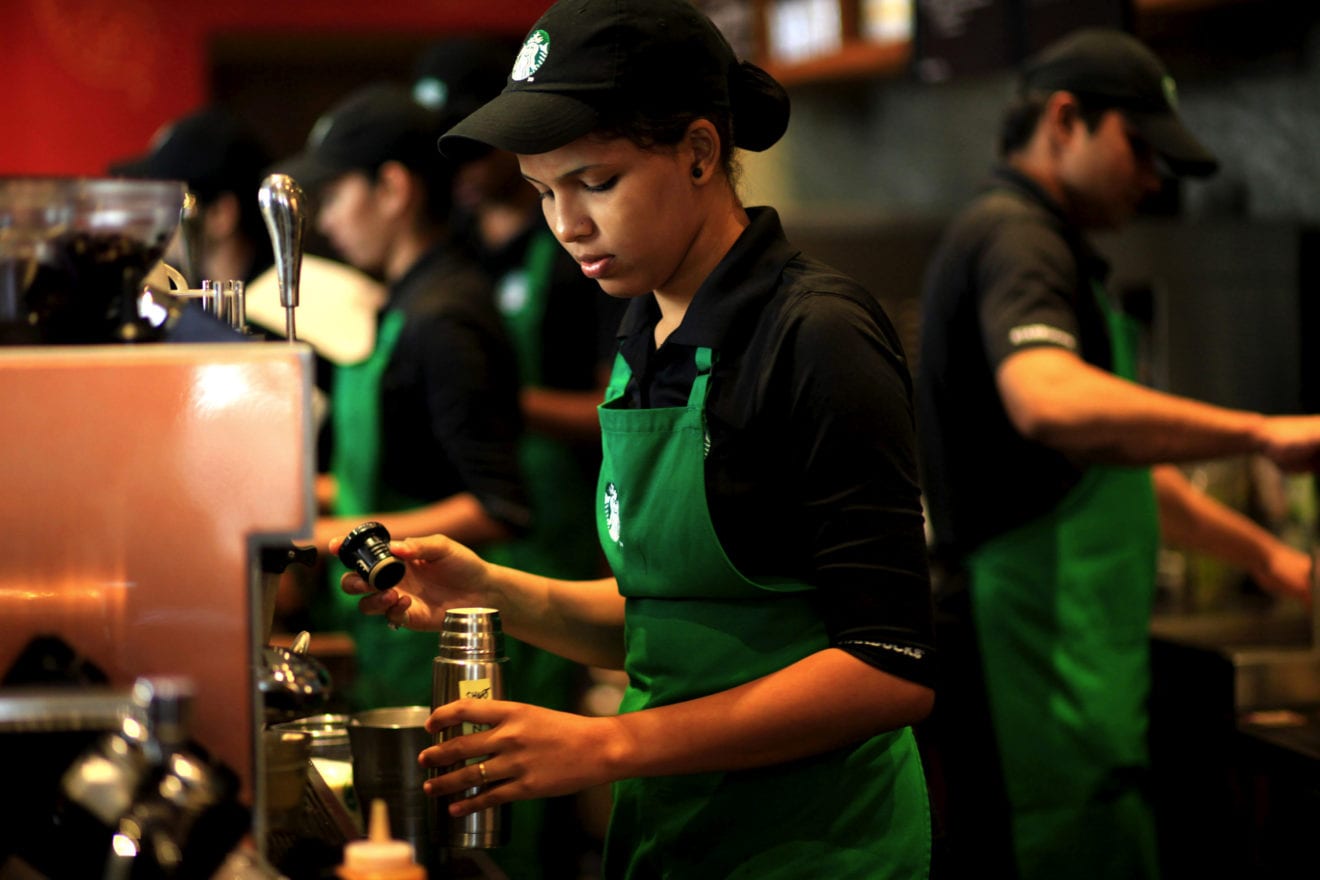
    Malaysian F&B franchise operator Berjaya Food Berhad, which operates Starbucks, Kenny Rogers Roasters, and Jollibean in the territory, has reported a loss of US$1.82 million for the last financial year.

    The firm’s Malaysian stock-exchange filing attributes its losses to the impact of the coronavirus pandemic, which saw movement control orders in effect within the country between March and June.

    “Even though the group’s sales were recovering at a fast pace when Malaysia entered into the Recovery Movement Control Order (RMCO) phase which started on 10 June 2020, the group still recorded a much lower sales in the current quarter under review,” the company reported in the filing.

    The period hardest hit corresponds with a contraction of 17.1 percent of Malaysia’s total GDP, the worst since 1998.

  • World’s first % Arabica drive-thru store piping up for its first serve

    World’s first % Arabica drive-thru store piping up for its first serve

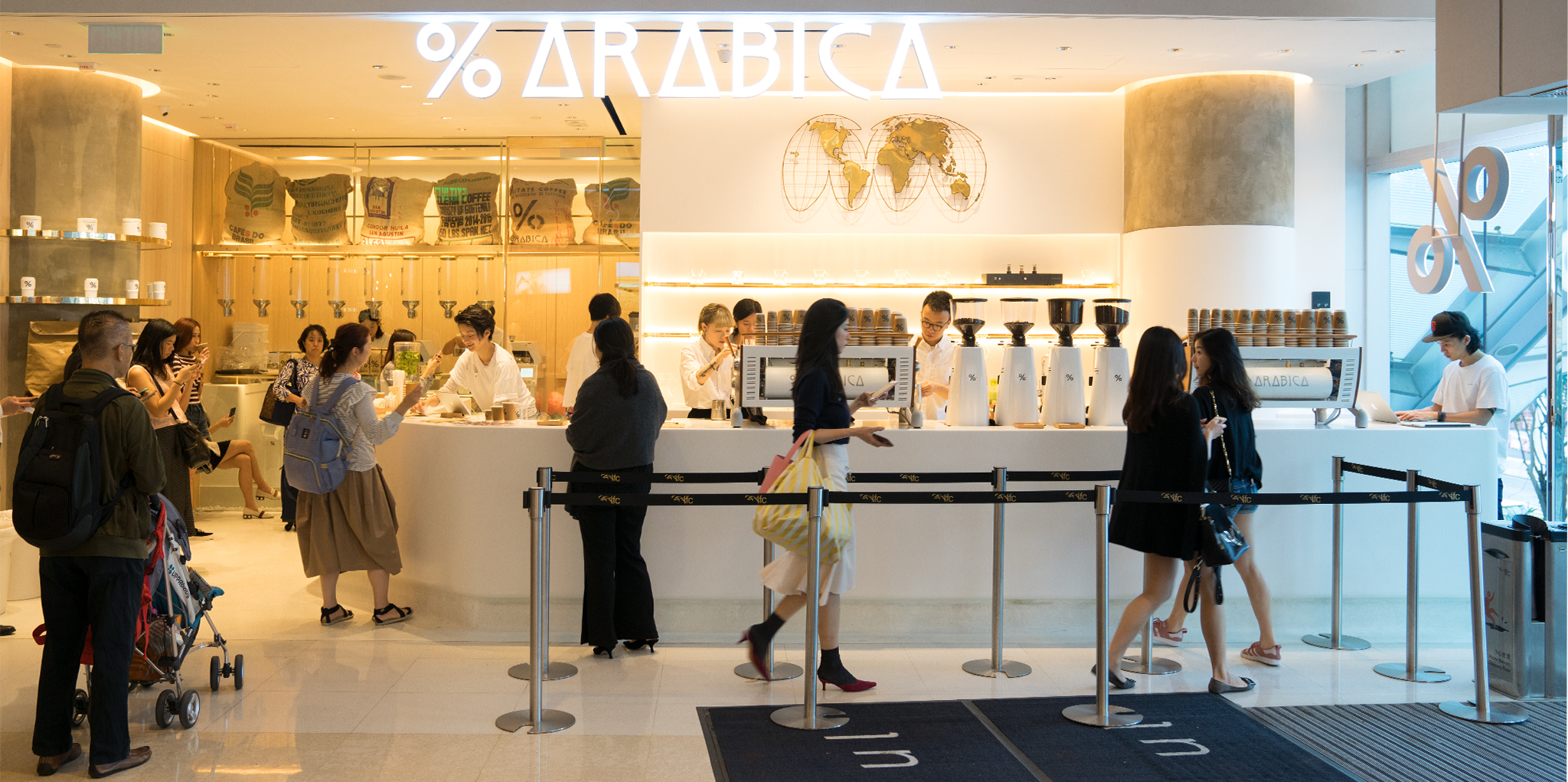
    Japanese gourmet coffee chain % Arabica is to open its first drive-thru concept store, in Murouj, Kuwait.

    The Murouj cafe is the brand’s eighth in the country and it’s first in the world to have a drive-thru facility. The launch comes just a month after the opening of the % Arabica Kuwait store in Mangaf.

    Designed by Japanese architecture firm no.10 of Nomurakougeisha, the Kuwait Murouj cafe houses indoor plants and glass-house drinking spaces, creating a giant open space filled with natural light.

    Besides a drive-thru lane, the store also features an outdoor drinking area for customers.

    % Arabica is also planning to expand in Southeast Asian markets with Indonesia and Malaysia as their next destinations. The brand has revealed it will open its first outlet in Malaysia soon, in Kuala Lumpur.

  • New Tokyo Starbucks cafe features focus booth

    New Tokyo Starbucks cafe features focus booth

    Starbucks Japan has teamed with Think Lab to launch a store concept in Tokyo where customers can “focus”.

    The first floor is designed as a normal Starbucks’ cafe where customers can order by phone and pay via an app.

    Upstairs, on the second floor is a working area called Smart Lounge for solo visitors or group meetings. The space also provides projector, semi-private tables designed with teleconferences in mind.

    “The specially designed contactless hand-off counter provides customers with safe, familiar and convenient Starbucks experience while they connect virtually with colleagues or friends in the focus areas upstairs,” the company said in a statement.

    Starbucks’ customers can reserve a table or space via a Think Lab’s app.

    Think Lab describes itself as a creator of innovative, solo working spaces based on research into the science of concentration.

  • Dean & Deluca owner bids to buy back business it bankrupted

    Dean & Deluca owner bids to buy back business it bankrupted

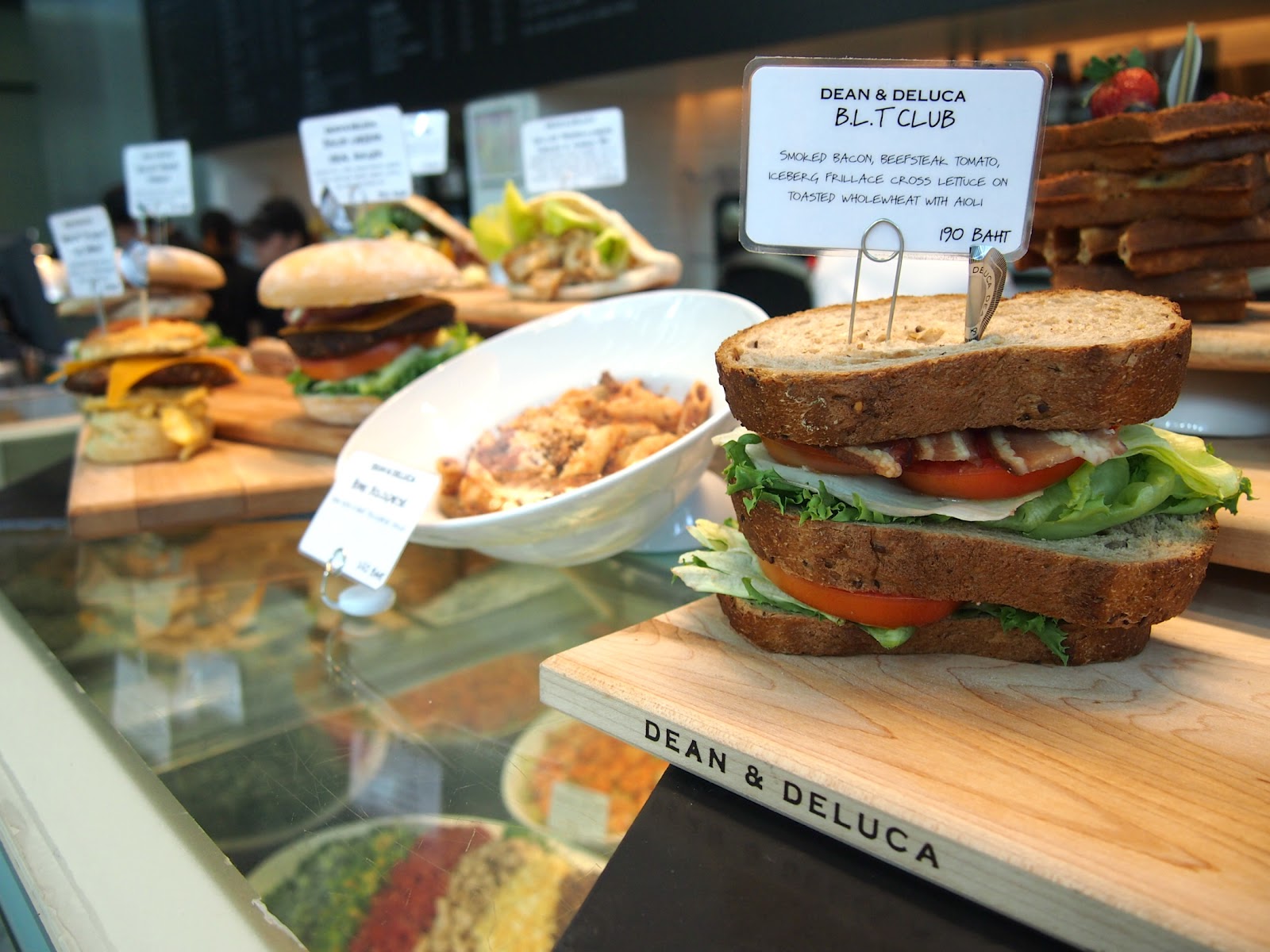
    Thailand’s Pace Corporation, the firm responsible for bankrupting its gourmet grocery business Dean & Deluca earlier this year, has bid US$10 million to buy back the firm.

    The firm has offered to use half of the investment as a gesture towards creditors, owed $26.5 million by the failed business, which would represent a payout of less than 20 cents in the dollar.

    “Dean & Deluca overexpanded and lost what made them special,” debt expert Adam Stein Sapir said. “But if they can bring it back to its former glory with a smaller footprint, it has a lot of potentials.”

    The firm’s financial distress dates back well before the advent of the Covid-19 pandemic, with a history of legal filings against Dean & Deluca for nonpayment of bills going back to 2018 after Pace had spent $240 million on expansion. Its self-owned US retail stores and online shopping portal have been closed since the middle of last year.

    The original Dean & Deluca US store opened in Soho in 1977, earning the nickname “museum of fine food”. It claimed to be the first retailer in the US to sell radicchio, balsamic vinegar and sun-dried tomatoes. But over time its exclusivity waned – as one food writer observed: “You can buy extra virgin olive oil on Amazon now”.

    The brand’s value has shrunk from $55 million to $12 million since the closures of the majority of its outlets.

    Meanwhile, Dean & Deluca continues to expand across Asia via its separate Asian entity and partnerships with franchisees and JV partners, although a recent foray into airport stores has been hit by the Covid-19 pandemic.

  • Luckin Coffee names new chairman and CEO after founder ousted

    Luckin Coffee names new chairman and CEO after founder ousted

    Luckin Coffee has named Jinyi Guo as chairman and CEO as the Chinese chain tries to move past an accounting scandal that nearly brought it down.

    Guo, a director, and former acting CEO, replaces founder and former chairman Charles Zhengyao Lu, who was voted out by shareholders, the company said Monday in a statement. Yang Cha, Feng Liu, Jie Yang, and Ying Zeng were also appointed as independent directors, while David Hui Li, Erhai Liu, and Sean Shao left the board following an extraordinary general meeting July 5 and board meeting July 12.

    While shareholders voted to remove Lu and the other three directors, some investors cried foul because Lu had nominated two of the new members to the board, potentially giving him ongoing influence at the company, according to the Wall Street Journal.

    Lu has come under fire amid an accounting scandal that has already led to the firing of Luckin’s CEO and made its stock nearly worthless. Chinese and U.S. regulators have been investigating the company over fabricated transactions that inflated net sales by about US$300 million last year.

    The scandal has rocked the Xiamen-based company once considered among China’s brightest growth stories, sending the US-listed stock plunging 93 percent this year. The situation is also a black eye for China Inc as the US Congress moves closer to passing legislation that could bar Chinese companies from trading on US stock exchanges.

    In May, Luckin Coffee dismissed CEO Jenny Zhiya Qian, COO Jian Liu, and some employees who reported to them, after uncovering the scheme that funneled funds to the company from several third parties with links to the participants. The board said it fired the executives based on evidence showing their participation in the false transactions.

    Lu became a billionaire after his fast-growing Chinese chain went public in the US, but much of his wealth was wiped out by the plunge in Luckin’s stock. Lu last month resigned as chairman of Car Inc, China’s biggest rental-car fleet operator, as scrutiny increased over Luckin and the accounting scandal.
  • DC Super Heroes Cafe Quits in Singapore

    DC Super Heroes Cafe Quits in Singapore

    Comic book-themed DC Super Heroes Cafe is to close down in Singapore after five years.

    The company posted a message on Facebook this week telling fans its store at The Shoppes at Marina Bay Sands will not reopen after the Covid-19 retail trading restrictions are lifted this Friday, deciding to end its tenancy during the city’s circuit-breaker period.

    While the company’s other cafe, at Takashimaya in Orchard Road, will reopen on Friday it will soon transition to another brand, not yet revealed, “in the very near future”.

    “It’s been a super-fun, wonderful and memorable five years!,” the cafe said on Facebook. “However, all good things must come to an end.

    “We would like to thank you dear heroes and past customers for your incredible support. We will close this cafe page in due time.”

    The news was greeted with more than 110 comments, largely expressing sadness over the closure and reminiscing about family events held there.

    The DC Super Heroes Cafe at SM Megamall in Manila, the Philippines, has also been affected by lockdowns relating to the Covid-19 pandemic. That store has been selling merchandise online while closed but will soon reopen in the mall once government trading restrictions are lifted.

    The cafe concept was inspired by films, TV series, animated movies and comic books featuring characters licensed to DC Comics. The cafe concept was created by Almerak Corp, in partnership with Warner Bros Consumer Products.

    The Philippines cafe opened in June 2018.

  • Teafolia closing down, Singapore’s latest victim of the virus outbreak

    Teafolia closing down, Singapore’s latest victim of the virus outbreak

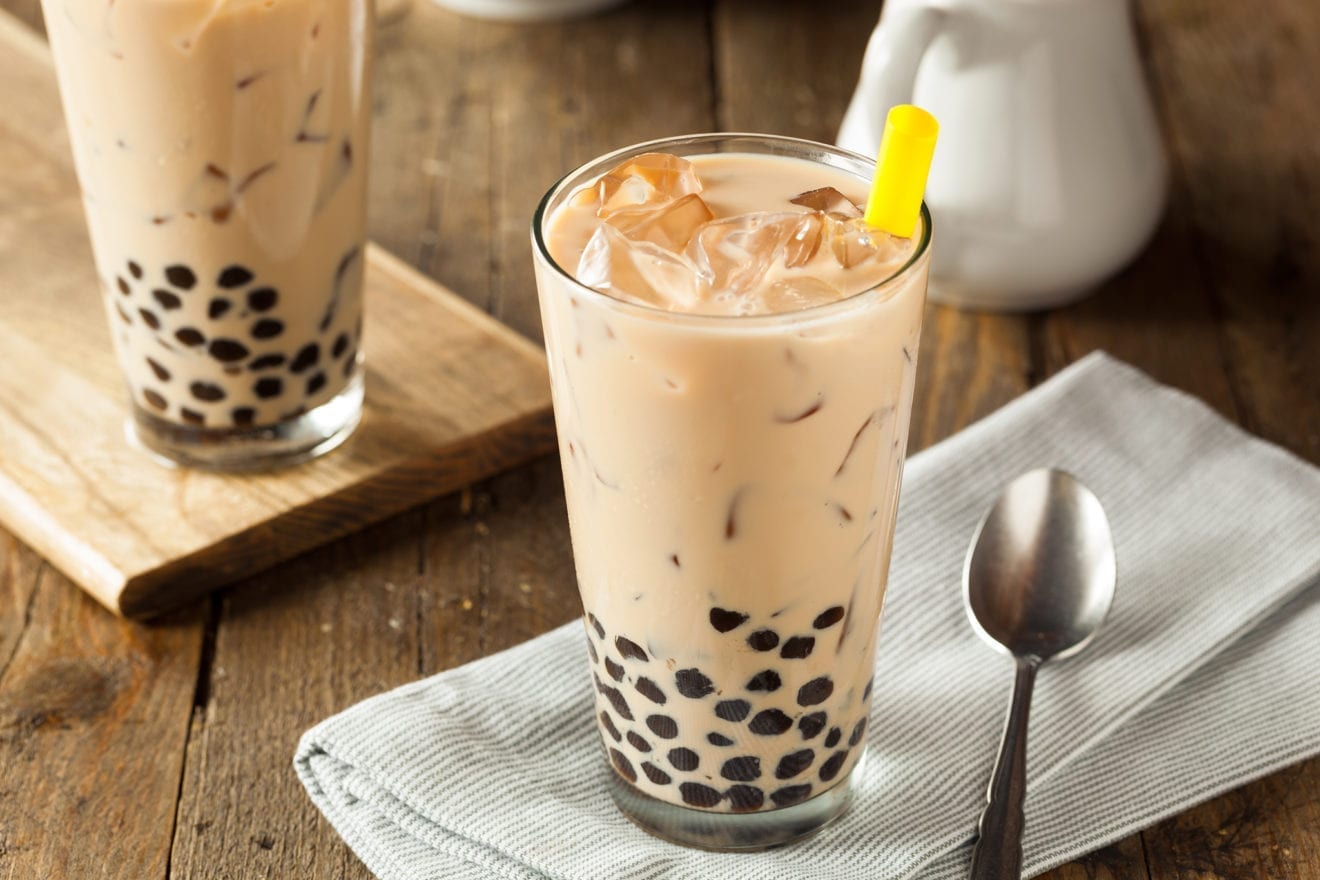
    Singaporean bubble tea brand Teafolia has permanently ceased operations in the territory.

    A Facebook post announcing the closure cited the “current economic situation” as the reason for shuttering its outlets. The brand had traded in Singapore for the past three years.

    Teafolia temporarily closed two of its three outlets during Singapore’s circuit breaker period, a lockdown imposed to counter the spread of the coronavirus pandemic on the island. It permanently closed its Bedok Mall outlet for reasons of “economic circumstances” a fortnight ago.

    Teafolia was popular amongst locals for fruit teas, milk-based drinks, and slushies as well as bubble tea. Its website lists one store in Los Angeles, USA, although it remains unclear whether or not the brand’s sole international location remains in business.

  • Taiwan’s Hung Rui Chen sandwich chain opening in Hong Kong

    Taiwan’s Hung Rui Chen sandwich chain opening in Hong Kong

    Local and tourist favorite sandwich maker Hung Rui Chen will be opening a flagship store in Hong Kong this August.

    Hung Rui Chen is a 73-year-old brand, known for its signature sandwiches and recognized as a national local delicacy for its soft bread and unique spread.

    After an incident of suspected food poisoning from counterfeit operators in Hong Kong and Taiwan, the real Hung Rui Chen company issued a statement on Facebook to clarify that its own brand will open its first official store in Hong Kong.

    The location has yet to be confirmed.

    Back in 2015, Hung Rui Chen sandwiches imported from Taiwan and sold in grocery stores and on the Groupon platform led to 46 Hongkongers contracting food poisoning. The brand was subsequently banned by the Centre for Food Safety.

  • Tea WG opens fourth Hong Kong store

    Tea WG opens fourth Hong Kong store

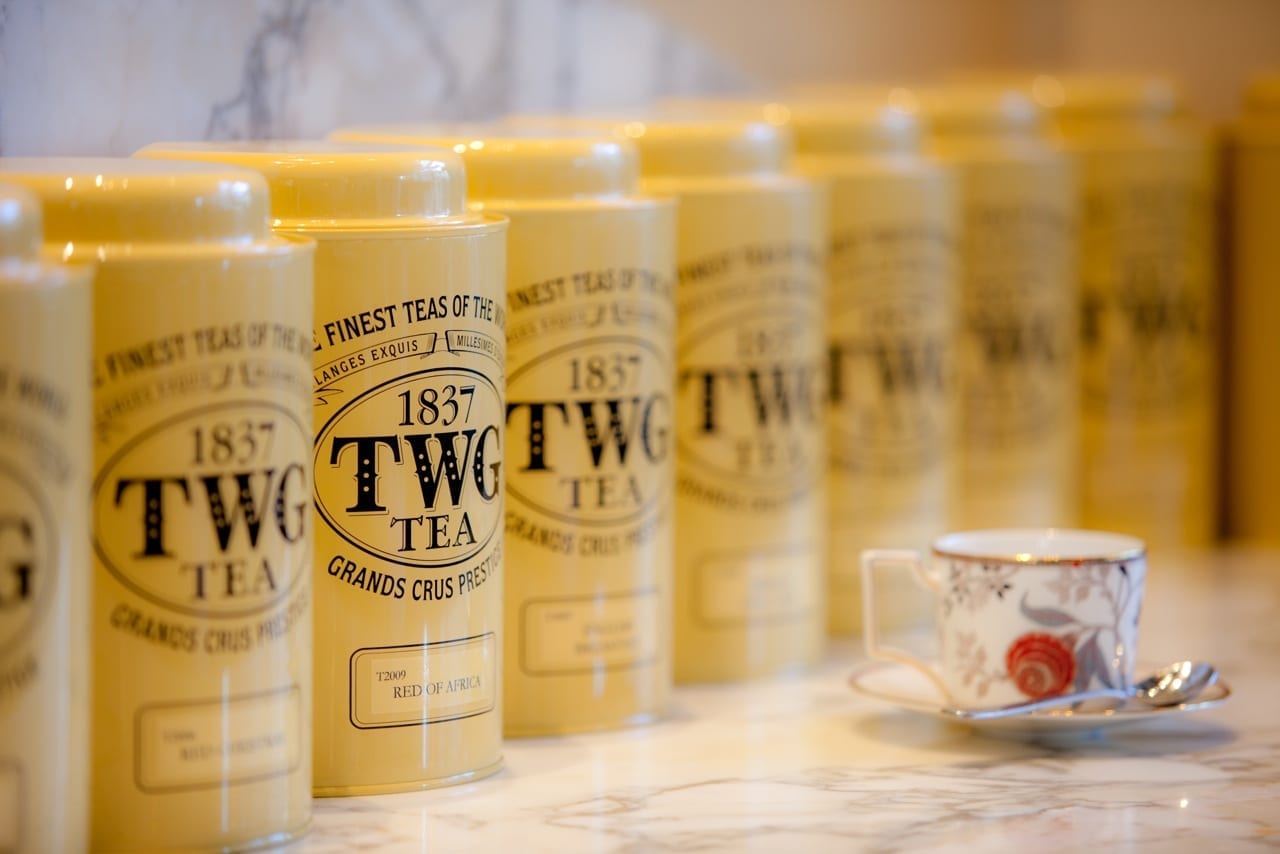
    Singaporean luxury tea brand Tea WG has expanded its Hong Kong footprint, adding a fourth boutique at Sha Tin’s New Town Plaza, its first in the New Territories.

    The retailer, which trades as TWG Tea in other markets, opened two boutiques in Festival Walk and Elements last year following its growing popularity in the territory.

    The teahouse was founded in 2008 by Taha Bouqdib, Maranda Barnes and Rith Aum-Stievenard who conceptualized luxury tea rooms with over 800 types of tea and inspired gastronomy, loved by both locals and tourists in more than 20 countries. Starting out in Singapore, the artisanal tea trend in Asia found success in the luxury market for the modern-day aspirational customer.

    The brand developed a sommelier-training facility to help its staff build an extensive knowledge through tea-tastings, training and exams to better serve customers.

    Although Tea WG’s clientele is mainly women enjoying their afternoon tea set over a cup of the company’s ‘Silver Moon’ green-tea blend, each global boutique serves different types of customers. From “tai tai’s” (wealthy ladies of the house) to Instagramming millennials, the brand is seeing a surprising increase in the number of affluent men splurging on upscale tea accessories and gold tea cups. Tea appreciation workshops (similar to wine tastings) are also held for its VIPs, offering a ‘fine-tea’ experience.

    Tea WG has built a luxury reputation that has drawn five-star establishments from Marriott Hotels to Singapore Airlines to serve the brand – even creating exclusive blends for their own clientele.

    From a Singapore brand to more than 70 locations in the world, including Paris, Tokyo, Dubai, the brand has even won over British and Chinese nationals with its exquisite blends.

    After opening a London salon and boutique flagship, Tea WG aims to expand to the US and Australia – but in the meantime, customers there can buy packaged tea through the brand’s mobile app and online store.

  • Chinese tea chain Heytea leaving Hong Kong

    Chinese tea chain Heytea leaving Hong Kong

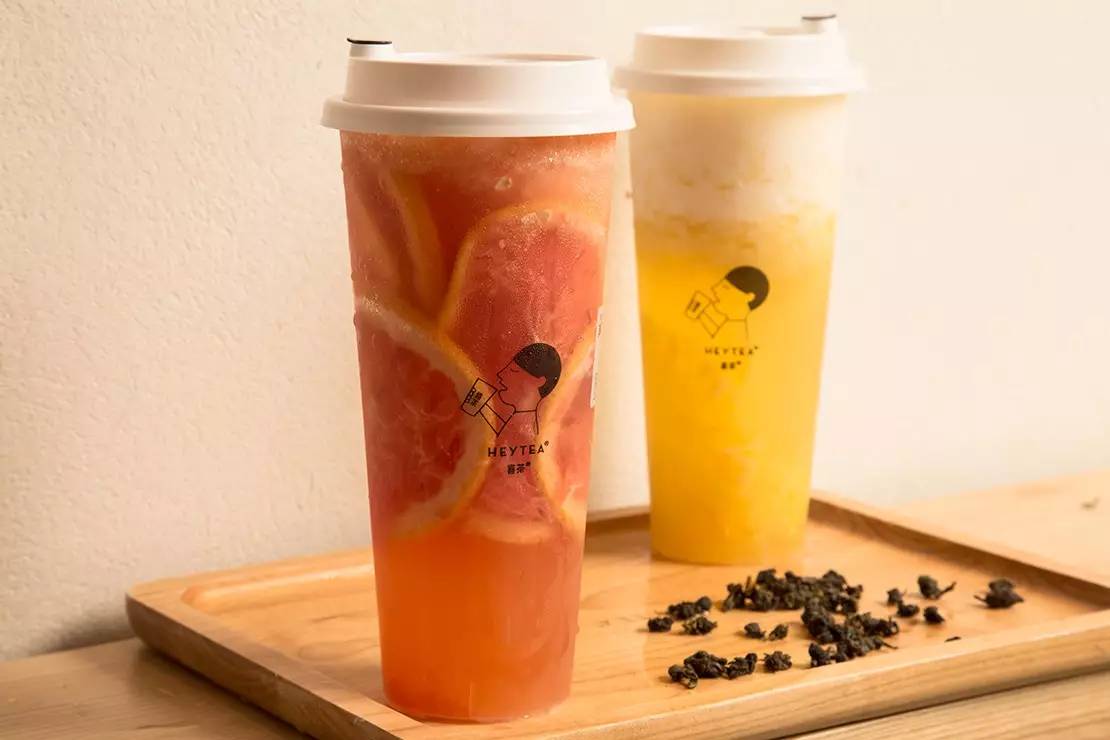
    Chinese tea chain Heytea has closed three-quarters of its Hong Kong network, leaving just two stores operating, at Causeway Bay’s Times Square and Sha Tin’s New Town Plaza.

    Three of Heytea’s outlets in Tsim Tsa Tsui – at The Sun Arcade and New World Development’s two K11 malls – have been boarded up. A K11 representative shared with Apple Daily that Heytea had rescinded its tenancy at the end of April. The tea chain had entered K11 Art Mall and K11 Musea in March and September last year, respectively. The K11 Musea flagship dubbed the ‘Heytea Lab’ spanned 4000sqft, offering patrons views overlooking Victoria Harbor and featuring the brand’s first tea-cocktail bar. It lasted less than one year.

    Heytea entered Hong Kong in late 2018, with customers queueing for up to four hours at the opening of the inaugural store at New Town Plaza. However, since the protests from June last year, many pro-democratic locals had boycotted the once-hyped tea brand due to its mainland Chinese origins.

    With Hong Kong now divided along political lines, locals initiated their own ‘Hong Kong 5.1 Golden Week’ protest action over the recent long weekend, a reference to the “Five Demands, Not One Less” slogan at the core of last year’s protests. The protest actively supported ‘yellow economy’ businesses that openly support Hong Kong protestors.

    More than 300 Heytea stores continue to operate in Mainland China and the brand made its first international foray into Singapore in 2018. The company sourced its initial funding from He Boquan, an angel investor from IDG Capital, and has just completed another round of financing led by Hillhouse Capital and Coatue Management, valuing the business at RMB16 billion (US$2.3 billion) post-investment.

  • US cafe chain Blue Bottle lifting off in Hong Kong

    US cafe chain Blue Bottle lifting off in Hong Kong

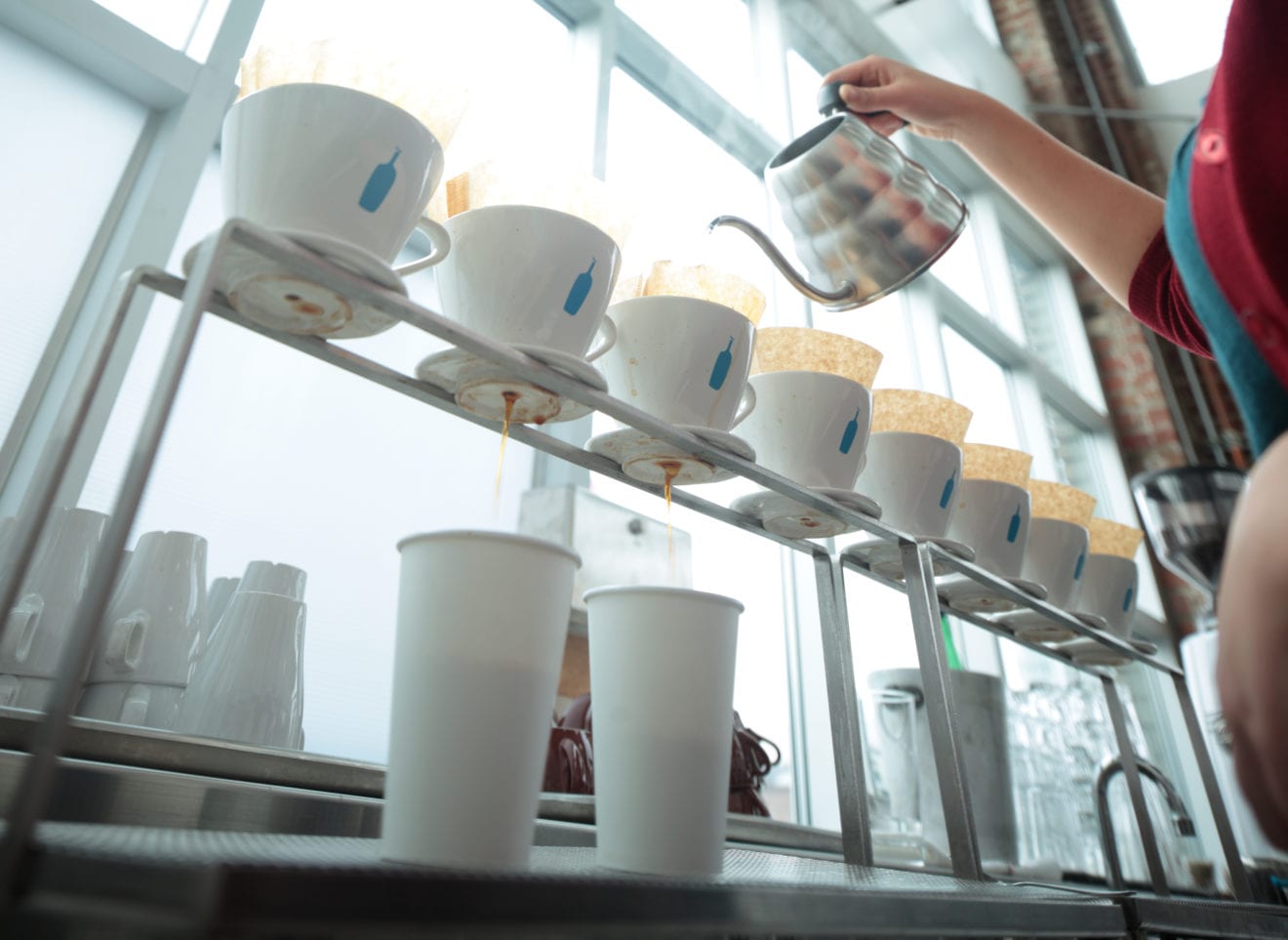
    After months of speculation, US coffee chain Blue Bottle has launched in Hong Kong.

    The modern coffee roaster is currently serving only takeaway coffee from its location in Lyndhurst Terrace due to restrictions on restaurant trading during the coronavirus pandemic.

    The store, expected to open for dine-in services when social-distancing restrictions are eased, features “an industrial medley of timber work surfaces [and] exposed support beams” design, according to LifestyleAsia.

    The store is Blue Bottle’s 22nd venue in Asia. It currently has more than 50 cafes in the US, and recently debuted in Japan and South Korea.

    The brand is known for its single-origin beans and cold-brew coffee which prompted consumer-goods giant Nestle to acquire a 68-per-cent stake for US$425 million back in 2017.

  • Starbucks China to open Coffee Innovation Park

    Starbucks China to open Coffee Innovation Park

    Starbucks China will invest US$130 million in a new roasting facility in 2022 as part of its upcoming Coffee Innovation Park in Kunshan.
    The park will be Starbucks’ largest manufacturing investment outside of the US and its first in Asia, incorporating a roasting plant, warehouse and distribution centre. The firm has committed to strengthening the specialty coffee industry in China, aiming to operate 6000 stores in China within two years.

    “Starbucks has spent the past 20 years sharing its passion for coffee across China and helping to build a leading industry that makes us all proud,” said Starbucks China chairman and CEO Belinda Wong.

    “The roasting facilities at the Coffee Innovation Park will set a blueprint for the future of coffee roasting and supply chain management, and further elevate China’s coffee industry, while supporting Starbucks’ growth in China.”

    The Coffee Innovation Park will incorporate advancements in sustainable manufacturing, smart supply chain innovation, and technology to help deliver the most energy- and water-efficient roasting operations for Starbucks in the world, while minimizing waste.

    Starbucks opened its Yunnan Farmer Support Centre eight years ago to provide open-source agronomy resources to coffee farmers throughout the region. Its new Coffee Innovation Park will source coffees from China and around the world directly from the origin for processing, roasting, packaging and distribution, for the first time in China.

  • DC Super Heroes Cafe in Manila closes for good

    DC Super Heroes Cafe in Manila closes for good

    DC Super Heroes Cafe in Manila permanently closed on Thursday, announcing the move on Facebook.

    In the post, management thanked customers of the SM Megamall store who had been fans of the superheroes-themed cafe since it opened in 2018.

    “To say that it was our pleasure to serve you is an extreme understatement. Our goal was to create a place where every superhero fan can enjoy good food and feel at home. Seeing your faces when you walk into our store, when you talk excitedly with our team about how you enjoy all the small details when you acknowledge the service and food makes it all worth it”.

    The DC Super Heroes Cafe in Manila, managed by Edric Chua. was known for its DC-inspired food and drinks. It also offered DC superhero merchandise collections for characters including Batman, Superman and Wonder Woman. Even though closing, the shop promised customers it will still continue to sell merchandise through its Facebook account.

    “We would have loved to extend our stay, but these are trying times. The most important thing to remember now is to stay properly informed, and to stay safe,” the company concluded.

    In the end, DC Super Heroes Cafe in Manila described its customers as “the true heroes”.

  • Starbucks teams with Royal Selangor in merchandise range

    Starbucks teams with Royal Selangor in merchandise range

    Starbucks Malaysia has collaborated with iconic local pewter manufacturer and retailer Royal Selangor to produce a collection of handcrafted merchandise exclusively for coffee lovers in Malaysia.

    The collection includes a coffee stirrer, collar pin, shot glass, keychains, glass mug, and an ID tag.

    Sydney Quays, group CEO of Berjaya Food Berhad and MD of Starbucks Malaysia and Brunei, said the company is excited to offer a collection that celebrates Malaysia, and elevates Malaysian resources through the partnership.

    “Just as our customers are always looking out for meaningful trends and styles, we seek out some of the most coveted home-grown brands from across Malaysia to explore ways we can collaborate and curate a line of locally-made products through the Starbucks X Royal Selangor series,” said Quays.

    Meanwhile, Chen Tien Yue, Royal Selangor International executive director said designing the range was a fun project for both designers and crafts, developing not only coffee accessories but also personal accessories that would appeal to the Starbucks fan.

    Royal Selangor was founded in 1885 by Yong Koon. It was first named as Selangor Pewter but later changed to Royal Selangor in 1992. The company produces tableware and gift items including tankards, tea sets, photo frames, desk accessories and wine accessories distributed worldwide from its Kuala Lumpur base.

    “After 20 years in Malaysia, the Starbucks siren is now immortalised in pewter”, Yue added.

  • Starbucks sales down in Mainland China

    Starbucks sales down in Mainland China

    Starbucks China has predicted sales will halve in the current quarter due to the coronavirus crisis.

    According to the US parent company’s CEO Kevin Johnson and CFO Patrick Grismer, sales at Starbucks China stores dropped 78 percent year on year because of a sharp decline during the coronavirus outbreak.

    Prior to the outbreak, Starbucks aimed to achieve 3-per-cent sales growth in China at stores open at least 13 months. At the moment, the company predicts a 50 percent drop in sales this quarter and delays store openings in the country.

    “We remain confident in the strength of the Starbucks brand and the long-term profitability and growth potential of our business in China,” the company said in a statement.

    Starbucks China temporarily closed most of its stores in China last month to protect staff and customers from exposure to the virus. Recently, the coffee chain has progressively reopened stores business with limited trading hours. The company aimed to open 95 percent of its stores by the end of the second quarter, said CNN.

    Meanwhile, Ikea China is reopening nine more stores after resuming trade at five stores last week, as it slowly returns to normal business.