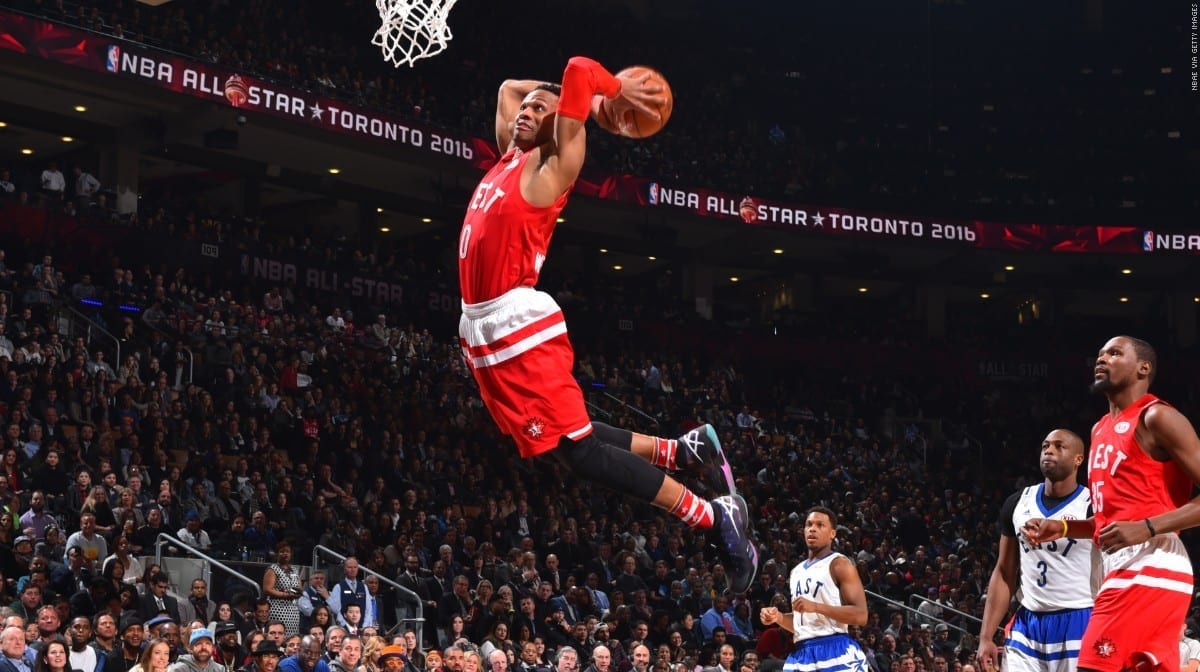
NBA basketball is undoubtedly one of the most popular sporting leagues in the world, with fans everywhere. The league’s second-biggest market after the U.S. surprisingly isn’t Canada or even anywhere in Europe. It is, in fact, China. The NBA’s social media following in China is in the hundreds of millions, with large companies like Tencent distributing over 600 NBA games each year on its proprietary digital platforms. As of last year, the market for NBA China was worth a staggering $4 billion. Now, the average NBA team is worth triple what it was only five years ago, and this is primarily due to the league’s smart moves in international expansion over the past few years.

Caption: Basketball’s popularity has expanded worldwide, and the NBA has made smart moves to capitalize on this interest.
In recognizing how popular the game is and lucrative the international market can be, NBA bosses now look to expand viewership further afield, focusing their growth efforts specifically on the Southeast and Asia-Pacific regions. In an interview with CNBC, NBA Deputy Commissioner Mark Tatum pointed to the Philippines, Indonesia, Thailand and Japan as the next big markets for the NBA to penetrate. Tatum reported that currently, “we have got greater distribution in this region than we ever had before.” He also claimed that of the 1.5 billion NBA social media followers, “half of that traffic comes from outside the United States, and a large portion of that comes from Asia.” In the Philippines, for example, the game already enjoys large popularity, with a reported 75 percent of homes having watched an NBA game in this season alone. The league has also opened stores across the country with the aim of generating merchandising revenue and catering to existing interest in the game.
In their efforts to further growth and viewership across Asia, they now have an exclusive distribution deal worth $225 million with Rakuten in Japan and have over 25 different media partners to distribute games throughout the Southeast and Asia-Pacific regions. That means everyone can watch, enjoy and debate the odds of their favorite teams winning games.
Youth Engagement Programs
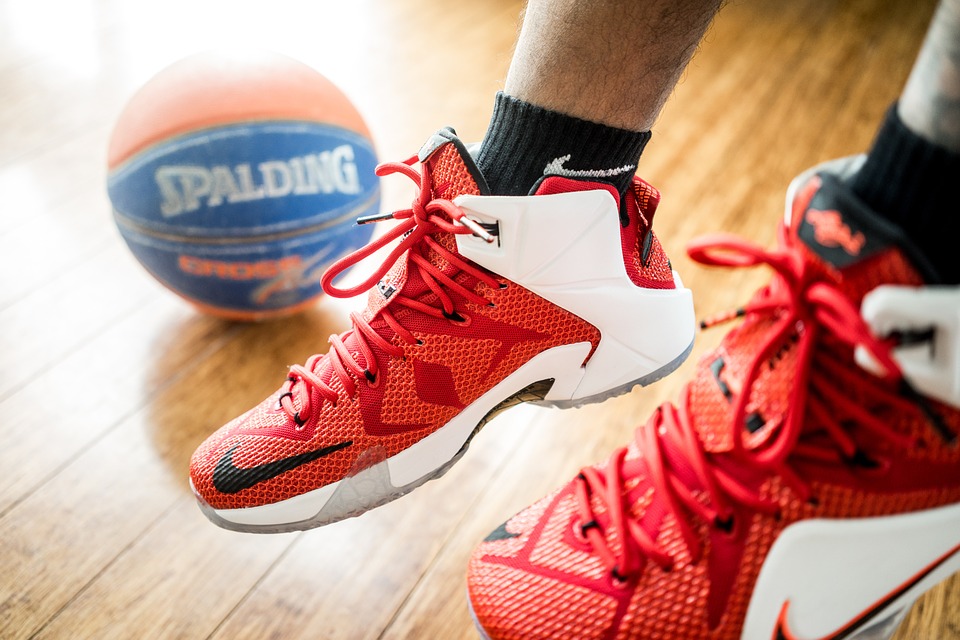
Caption: The NBA seeks to increase youth engagement in basketball all over the world.
A key part of this market growth is to get people playing basketball, specifically by developing international youth engagement in the sport. The NBA has developed a strong outreach program called Jr. NBA, which seeks to get kids playing basketball. In the CNBC interview, Tatum said the program had already reached over five million kids and had the ambitious goal of reaching another 15 million by the end of next year. Also, in 2016, they opened NBA academies aimed at training international youth talent. As it stands, they now have academies in China, Australia, Senegal, Mexico and Australia. Not surprisingly, China is the only one of these countries to have more than one academy, with the league introducing trials of the program and opening its first three academies in Shandon, Xinjiang and Zhejiang. These outreach programs are no doubt effective as China reportedly has over 300 million people playing basketball on a regular basis.
Player Development
International expansion is no doubt a lucrative business for the NBA. However, along with the Jr. NBA program, it also has the benefit of being a strong source of player development. As the game gets more popular, and more people grow up playing and developing their skills at basketball, the league ensures it will not be short of top talent and recruitment options in the future. Currently, the league enjoys its largest-ever international player-ship, with a record 62 international players competing professionally, hailing from 33 countries.
The expansion in Asia also has a remarkable effect on the values of domestic teams, with a record 15 league teams out of the total 30 hosting pregame Chinese New Year celebrations this year. Houston, the former club of Chinese basketball legend Yao Ming, as well as the Golden State Warriors went a step further in their outreach to Chinese fans by wearing new uniforms inspired by Chinese culture and decorated with Chinese symbols.
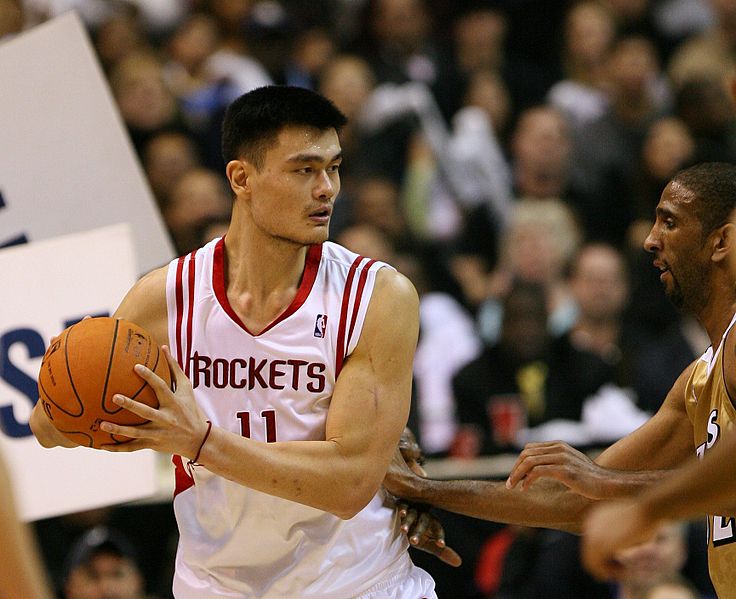
Caption: Chinese basketball legend Yao Ming.
The expansive efforts taken by the NBA in international outreach programs, and increasing international viewership, are lucrative business moves for the league. However, they also have the benefit of increasing youth interest and engagement in the rigorous sporting activity, keeping our youth healthier and more active. In addition, if the expansion efforts can help talented young players follow their dreams to some-day play professionally in the biggest basketball league in the world, then it’s all good news.