Retail News CRM

Tag: battle

  • 7-Eleven Takes Nike to Court over Air Max Design: The Battle of the Tri-Color Stripe

    7-Eleven Takes Nike to Court over Air Max Design: The Battle of the Tri-Color Stripe

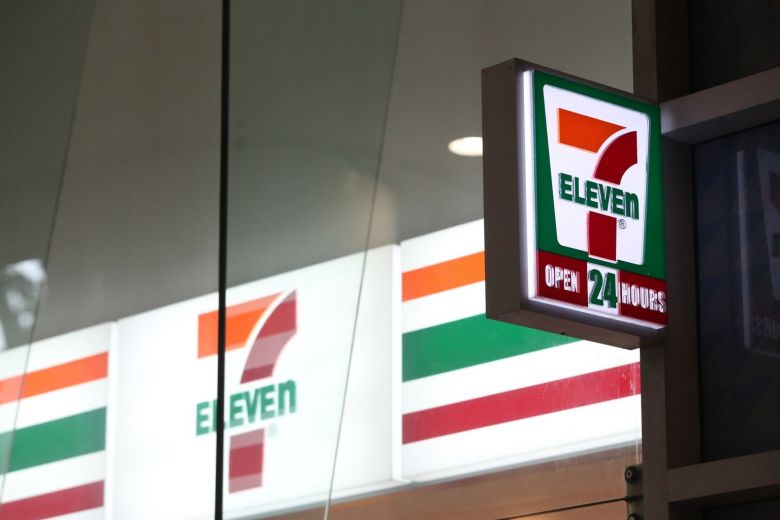
    The popular convenience store chain, 7-Eleven, has filed a lawsuit against sportswear behemoth Nike, alleging that their upcoming sneaker design infringes upon 7-Eleven’s iconic tri-color branding. This legal action comes in response to the striking resemblance between the orange, green, and red stripe pattern of Nike’s soon-to-be-launched Air Max 95 shoe and 7-Eleven’s company branding.

    Accusations of Brand Infringement

    The lawsuit, lodged in a federal court in Dallas, accuses Nike of creating a “confusingly similar imitation” of 7-Eleven’s tri-color stripe motif. 7-Eleven argues that this design is integral to its brand identity, and is universally recognized as being representative of their stores. Nike’s decision to schedule the shoe release for July 11, a date known for 7-Eleven’s annual “7-Eleven Day” celebration and Free Slurpee Day, further aggravated the dispute.

    The lawsuit alleges that Nike has shown a “callous and malicious disregard” for 7-Eleven’s brand rights. The convenience store chain has expressed concern that the unauthorized use of their brand, coupled with the shoe’s launch on their company’s “birthday”, necessitated this legal action to safeguard their brand identity.

    7-Eleven asserts that they made numerous attempts to amicably resolve the issue prior to filing the lawsuit, but were met with Nike’s resolve to proceed with the shoe’s launch and continued promotion.

    Seeking Resolution and Retribution

    The chain contends it has used the orange, green, and red color scheme for many years across various platforms including store signage, advertising, merchandise, and footwear. It claims ownership of multiple trademark registrations for this design.

    The lawsuit argues that Nike deliberately designed the shoe to conjure associations with 7-Eleven, thus profiting from their established brand recognition. The suit suggests that consumers are likely to incorrectly presume an endorsement or sponsorship from 7-Eleven, even though no such partnership exists.

    7-Eleven is pursuing a court order to halt Nike’s sales of the shoe, as well as a recall of any distributed products. The company is also seeking financial compensation and all profits from the sales of the controversial footwear.

    Questions & Answers

    What is the cause of the dispute between 7-Eleven and Nike?
    7-Eleven has accused Nike of infringing upon their tri-color stripe branding in their upcoming Air Max 95 shoe design.

    What resolution is 7-Eleven seeking in the lawsuit?
    7-Eleven is seeking a court order to stop the sale of the shoe, a recall of any distributed products, financial compensation, and all profits from the sales of the footwear.

    Did 7-Eleven attempt to resolve the dispute before filing the lawsuit?
    According to their statements, 7-Eleven tried multiple times to resolve the issue amicably but were met with Nike’s insistence on proceeding with the launch, leading them to take legal action.
  • France’s ‘Year of Resistance’: Shein and Other Online Retail Giants Battle Unfair Competition Claims

    France’s ‘Year of Resistance’: Shein and Other Online Retail Giants Battle Unfair Competition Claims

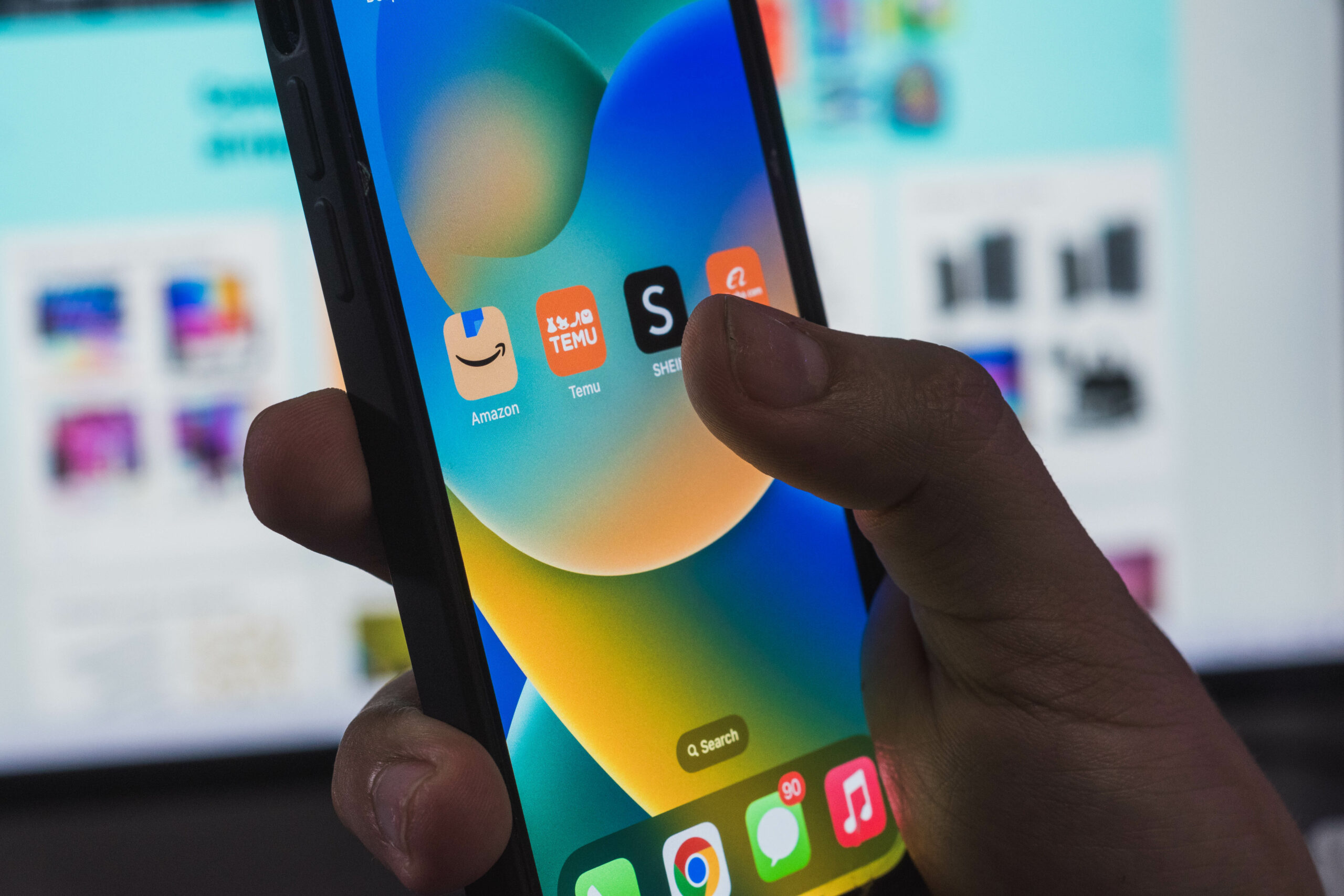
    In the coming year, France is set to present a significant challenge to online retailers, such as Shein, according to the country’s Minister for Small and Medium-Sized Businesses, Serge Papin. He spoke out on the issue last Thursday, explaining that these online platforms are presenting an undeniable threat to French retailers.

    Concerns About Fair Competition

    Papin voiced concerns that the competition between physical stores and online platforms is far from even. He highlighted that brick-and-mortar stores are held accountable for the products they sell, whereas their online competitors are not. This discrepancy is causing concern among those in the French retail industry.

    A high-profile case is set to be heard in a Paris court involving Shein, an online marketplace that recently came under fire when child-like sex dolls were found for sale on its platform. Despite this controversy and a partial reopening of its marketplace, Shein chose not to comment on the situation.

    Calling for Regulatory Change

    The Minister claimed that such violations are not isolated incidents but are instead a systemic issue. He expressed confidence that the court will be sympathetic to his case that Shein is causing “disturbance to public order”.

    In order to address this issue, two French lawmakers are reported to be drafting a bill that would give the government the power to suspend online platforms without requiring court approval. Papin expressed a hope that this proposed legislation will lead to a decrease in Shein’s sales in France.

    International Reaction

    The rapid expansion of Shein has not been without its detractors. The company, which sells inexpensive clothing and accessories shipped directly from factories in China, has faced criticism in numerous European countries where traditional retailers are feeling the pressure.

    “We need to protect ourselves, of course, there is unfair competition, they must respect the consumer rules,” Papin stated regarding the situation.

    The French government responded by implementing a 2 euro tax due to come into effect on March 1. Similarly, the European Union plans to introduce a 3 euro tax in the summer on small parcels that were previously exempt from tariffs. This is all part of a broader strategy to curb sales by Shein and similar platforms.

    Questions & Answers

    Why are online retailers posing a threat to French chains?
    Online retailers can often bypass regulations that physical stores must adhere to, offering customers vast choice and lower prices. This has led to intense competition, perceived as unfair by traditional retailers.

    What is the proposed solution to this issue?
    The French government is considering legislation that would give them the power to suspend online platforms without court approval. They have also implemented a tax on small parcels from these platforms.

    How has the international community reacted to the rise of online retailers like Shein?
    The rise of Shein has been met with backlash in several European countries. Both France and the European Union plan to introduce taxes on small packages, which were previously exempt from tariffs, in an attempt to curb the influence of these online platforms.

  • Aldi Unveils Bold Pricing Strategy: Slashes Rates on 300 Items in Battle with Major Supermarket Chains

    Aldi Unveils Bold Pricing Strategy: Slashes Rates on 300 Items in Battle with Major Supermarket Chains

    Aldi, a renowned supermarket chain, is altering its business approach to better compete with industry rivals such as Woolworths and Coles. This modification in strategy arrives shortly after Costco, another competitor, surpassed Aldi’s profits despite having a mere 15 brick and mortar establishments.

    Intensified Price War

    Aldi’s new tactic revolves around lowering the prices of around 300 selected products, aiming to provide customers with more affordable options compared to its competition. The company, in August 2025, posited that its prices are approximately 16.8% lower than the competition.

    In the words of the company spokesperson, “Our recent reductions in grocery prices present the perfect opportunity for customers to try out new products from our everyday range or to replenish their stock of beloved items.”

    Reducing Branded Goods

    Aldi Australia’s CEO, Anna McGrath, has also acknowledged that the company intends to decrease the number of branded goods available for sale. However, requests for additional commentary on this new business strategy from Aldi have thus far gone unanswered.

    During the ACCC Supermarkets Inquiry of 2024-2025, Aldi acknowledged its relatively limited product range. The company stated that it carries roughly 1,800 products, in stark contrast to the approximately 25,000 products that full-line supermarkets offer.

    Market Performance

    Aldi Australia, which commands a market share of around 9-11%, reported a sales figure of AUD 13.3 billion for the previous fiscal year and profits amounting to AUD 403.7 million.

    Questions & Answers

    What is Aldi’s new strategy to compete with Woolworths and Coles?
    Aldi is planning to decrease prices on around 300 products to provide cheaper alternatives to its competitors.

    How is Aldi’s product range different from full line supermarkets?
    Aldi carries about 1,800 products, far less than the approximately 25,000 products that full-line supermarkets typically offer.

    How is Aldi Australia performing in terms of market share and financials?
    Aldi Australia holds a market share of around 9-11%, and it reported sales of AUD 13.3 billion and profits of AUD 403.7 million in the last fiscal year.

  • Starlink Halts Operations in Papua New Guinea Amid Licensing Legal Battle

    Starlink Halts Operations in Papua New Guinea Amid Licensing Legal Battle

    Starlink, a satellite internet service, has ceased its operations in Papua New Guinea following a directive from the country’s telecommunications regulator. This halt in services comes amidst an ongoing dispute over licensing.

    The Regulatory Standoff

    The National Information and Communications Technology Authority (NICTA), has confirmed that they had instructed SpaceX, the parent company of Starlink, to stop all satellite services in Papua New Guinea due to a lack of a valid operating license.

    Starlink is currently not licensed to operate in Papua New Guinea. Despite this, NICTA reported witnessing continued importation, supply, installation, and use of Starlink terminals in the country over recent months.

    According to a statement by the regulator, anyone involved in these activities is violating the law and may face enforcement action, including prosecution. The regulator’s actions are limited due to an ongoing legal disagreement involving the Ombudsman Commission, which blocked the licensing of Starlink in March 2024 over worries related to regulatory oversight and governance.

    The matter has now been escalated to the National Court, with the regulator seeking judicial clarity that would allow it to proceed with licensing if approval is given.

    Starlink’s Commitment

    Despite the withdrawal of services, Starlink has expressed its continued commitment to Papua New Guinea. The company issued a service notification to its customers, encouraging them to voice their support for its approval.

    Starlink expressed its belief that high-speed, reliable internet would support homes, businesses, schools, and remote communities across the country.

    NICTA has confirmed that about 200 individuals have signed a petition advocating for Starlink to be permitted to operate in the country. However, for the time being, Starlink remains offline in Papua New Guinea as legal proceedings continue to influence the future of satellite broadband access in the country.

    Questions & Answers

    Why has Starlink ceased operations in Papua New Guinea?

    Starlink has stopped its services following a directive from the country’s telecommunications regulator, the National Information and Communications Technology Authority (NICTA), which stated that the company lacked a valid operating license.

    What has been the reaction of Starlink to this situation?

    Starlink has issued a service notification to its customers, urging them to express their support for its approval. The company has reiterated its commitment to Papua New Guinea and believes that high-speed, reliable internet will support various sectors across the country.

    What is the current state of this situation?

    Legal proceedings are ongoing, and the future of satellite broadband access in Papua New Guinea continues to be determined. In the meantime, Starlink remains offline in the country.

  • Singapore’s ValueMax Faces Legal Battle with Louis Vuitton Over Alleged Trademark Infringement

    Singapore’s ValueMax Faces Legal Battle with Louis Vuitton Over Alleged Trademark Infringement

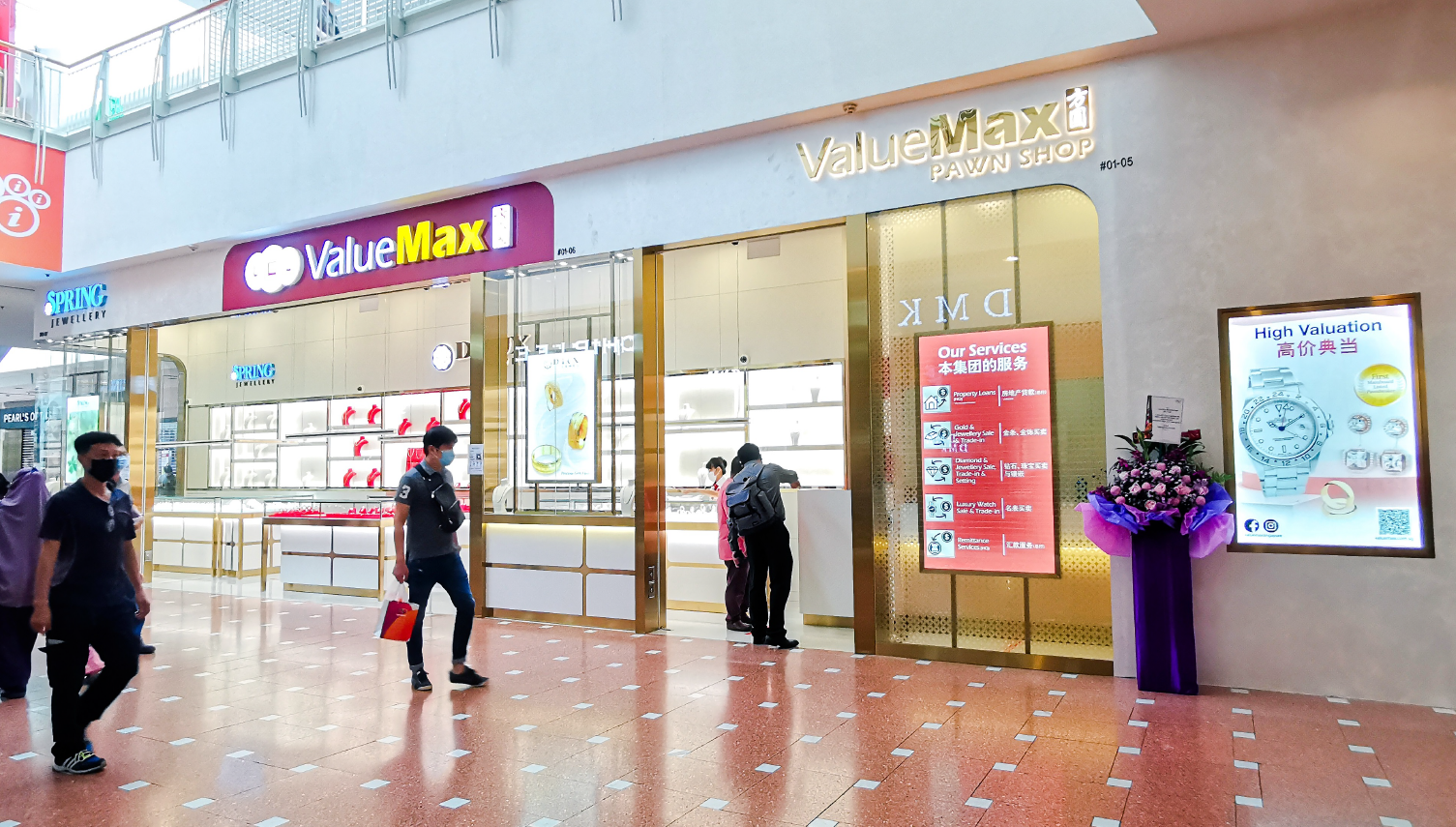
    Louis Vuitton, the esteemed luxury brand, has recently filed a lawsuit against ValueMax Retail, a wholly owned subsidiary of SGX-listed ValueMax, accusing them of trademark infringement in relation to their jewelry products.

    Allegations of Infringement

    Louis Vuitton has leveled allegations against ValueMax Retail, claiming that two pieces of jewelry sold by the latter bore unmistakable similarities, if not identical, to the marks of Louis Vuitton. These pieces of jewelry have been reported to be on sale at the Yishun Street 22 store in August.

    Furthermore, Louis Vuitton has argued that ValueMax Retail has falsely represented these items as Louis Vuitton products, causing potential harm to the reputation and finances of the luxury brand.

    In the lawsuit, Louis Vuitton has expressed its entitlement to statutory damages under the Trademarks Act. The brand has further demanded an inquiry to assess the damages and to account for the profits that ValueMax Retail may have accrued from the sale of these alleged counterfeit products.

    Louis Vuitton is also seeking a legal injunction to prevent ValueMax Retail from further infringement of Louis Vuitton trademarks. Additionally, it has demanded the forfeiture of all goods, materials, or articles in ValueMax Retail’s possession that may be related to these alleged counterfeit items.

    ValueMax Retail’s Defense

    ValueMax Retail, however, has staunchly refuted these allegations. The company has maintained that the designs used on its jewelry are not similar or identical to any of Louis Vuitton’s marks.

    The Singapore-based retailer has also denied making any false claims about the origin of these products or any supposed financial ties with Louis Vuitton.

    ValueMax Retail has further highlighted the difference in the nature of their business and Louis Vuitton’s, arguing that they are not in direct competition with the luxury brand. The company has clarified that it operates by selling second-hand merchandise like jewelry, branded watches, and bags, which it sources from a diverse range of partners, including other second-hand dealers, pawnshops, and consumers.

    Questions & Answers

    What are the allegations made by Louis Vuitton against ValueMax Retail?
    Louis Vuitton has alleged that ValueMax Retail has infringed on its trademark by selling jewelry products bearing marks similar or identical to those of Louis Vuitton’s. The luxury brand has also accused ValueMax Retail of falsely representing these items as Louis Vuitton products.

    What is ValueMax Retail’s stance on these allegations?
    ValueMax Retail has denied all allegations, stating that the designs on their jewelry are not similar or identical to any of Louis Vuitton’s marks. They have also refuted claims of falsely representing these products as Louis Vuitton items.

    What kind of business does ValueMax Retail conduct?
    ValueMax Retail operates by selling second-hand items such as jewelry, branded watches, and bags. These products are sourced from various partners, including other second-hand dealers, pawnshops, and consumers.

  • Alibaba Challenges Meituan In Local-lifestyle Domain With Amap’s Ai-powered ‘street Stars’ Feature

    Alibaba Challenges Meituan In Local-lifestyle Domain With Amap’s Ai-powered ‘street Stars’ Feature

    Alibaba’s navigational application, Amap, is diversifying its functionality beyond its primary aim of providing directional services. It is venturing into the local-lifestyle domain, a territory traditionally occupied by competitor Meituan. This move is marked by the introduction of its own classification system for restaurants, hotels, and tourist attractions.

    Competing for Market Share in “Instant Retail”

    Alibaba and Meituan are well-established tech enterprises in China. Currently, they are deeply engaged in an intense rivalry for dominance in the “instant retail” sector. This field is characterized by immediate delivery services and has seen a rapid influx of consumers due to the provision of extensive discounts and coupons.

    The competitive landscape of this sector has led to increased attention from regulatory bodies, who are concerned about a potential harmful price spiral. In the Chinese context, sluggish property rates and unstable employment conditions have contributed to a consistent dip in consumer confidence. This has pressured corporations to adopt aggressive pricing strategies and provide subsidies to stimulate consumer spending.

    “Street Stars”: Amap’s New Feature

    Amap announced a new feature named “Street Stars” on Wednesday. This feature, powered by advanced artificial intelligence algorithms, aims to rank destinations for its 170 million daily active users. To promote this new feature, Amap is offering subsidies amounting to 1 billion yuan (approximately US$140.43 million). These subsidies are intended to provide users with coupons for ride-hailing or in-store services. The initial launch phase is expected to encompass 300 cities, and will include around 1.6 million local business listings.

    In China, consumers have historically depended on applications such as Meituan’s Dazhong Dianping for restaurant suggestions, reservations, and other services. Meituan recently announced that it would distribute 25 million consumption coupons as part of an overhaul of Dianping’s takeaway service from highly-rated restaurants.

    During a recent after-earnings discussion with analysts, Alibaba Group CEO Eddie Wu highlighted Amap’s AI-driven transformation. He emphasized the strategic importance of the app’s new direction, positioning it as a “new gateway for future lifestyle services”. This is part of Alibaba’s broader plan to design what it refers to as a “comprehensive consumption platform”.

    Regulatory Challenges

    However, concerns exist regarding the potential interference of Chinese regulators in these plans. E-commerce and food delivery giants in China have already been summoned by authorities for several meetings. The ongoing price war, which contradicts the government’s official stance against cutthroat competition, is a particularly contentious issue.

    Questions & Answers

    What is Alibaba’s Amap diversifying into?
    Amap is venturing into the local-lifestyle domain, traditionally occupied by its competitor Meituan. It plans to introduce its own classification system for restaurants, hotels, and tourist attractions.

    What is “Street Stars”?
    “Street Stars” is a new feature of Amap powered by advanced artificial intelligence algorithms. It aims to rank destinations for its 170 million daily active users.

    What are regulators’ concerns about the “instant retail” sector?
    Regulators are concerned about a potentially harmful price spiral in the sector. This is driven by aggressive pricing strategies and subsidies offered by companies to stimulate consumer spending, especially in the context of sluggish property rates and unstable employment conditions in China.

  • Both Epic and Apple land solid blows as the court battle begins

    Both Epic and Apple land solid blows as the court battle begins

    Today was the first day of the court battle between Apple and game developer Epic. The latter sued Apple after the tech giant tossed its red hot Fortnite game out of the App Store. Apple did this after Epic violated Apple’s rules and gave its customers access to the developer’s own in-app payment platform.

    Seeking Alpha reports that during Epic’s opening statement, the developer explained that Apple has made iOS “a walled garden” which not only blocks competition but also makes it harder for iPhone users to switch to Android. And speaking of anti-competitive behavior, Epic says that Apple’s demand that apps offering in-app purchases use its payment platform violates federal anti-trust laws. Apple collects 30% of in-app purchases and at the same time, it is forcing developers to run in-app payments through its platform.

    Other companies who have complained about the so-called Apple Tax include Netflix and Spotify. The latter brought its argument to the European Union a couple of years ago saying that thanks to the 30% Apple Tax, Apple Music has an advantage over Spotify and other streaming music apps that have to cough up the additional 30% that Apple Music doesn’t have to pay.

    Epic says that requiring third-party apps to sell their wares through the App Store and forcing them to tack on 30% for processing in-app payments is actually a violation of federal antitrust law that prohibits companies from tying a product or service to the sale of another. Epic attorney Katherine Forrest’s highlight phrase of the day: “When they pick up the iPhone, users enter a different world. They are locked into a closed platform where they can only download apps from Apple, and each and every time they purchase in the app, a 30% tax is imposed.”

    Epic also refuted Apple’s claims that the rules Apple created for the App Store help it maintain the quality and security of iOS apps. This is a claim that Apple has made before.

    In its opening arguments, Apple stated that its 30% fee is in line with industry standards and that allowing apps like Fortnite to side-load its own in-app platforms could lead to security issues. Where Apple might have scored points with the judge is when it noted that Epic never informed Apple about its in-app payment system until the day it launched while Microsoft was given advanced notice.

    Apple Attorney Karen Dunn said during Monday’s court session that “A $20 billion company has decided that it doesn’t want to pay for Apple’s innovations anymore. So Epic is here, demanding that this court force Apple to get into its App Store untested and untrusted apps — something that Apple has never done.”

    In giving the court reasons why Epic can’t win the case, Apple claims that the game developer is using the incorrect version in its antitrust claim. Apple states that Epic is unable to show anti-competitive behavior on the part of Apple and the latter says that it can show pro-competitive justifications.

    Apple also mentioned that the appeals court that sided with Qualcomm in its case against the FTC, a case that the FTC decided not to take back to the Supreme Court, ruled that “while anti-competitive behavior is illegal, hypercompetitive behavior is not.” Apple obviously believes its actions are in the latter category.

    Epic’s CEO Tim Sweeney took the stand today and said that Epic isn’t asking for Apple to eliminate the compensation it receives from in-app purchases. But he pointed out that the Apple Tax can result in Apple making more money from an app than the app’s own developers.

    While Apple has been trying to show that there are plenty of other app stores that Fortnite can be listed in, Epic’s top executive said that Fortnite is more than a game. He called Fortnite a “phenomenon that transcends gaming” and a “social and entertainment experience that includes a variety of gaming experiences and non-gaming experiences within it.” This means that such a title needs a top app storefront like Apple’s App Store to help promote it.

    While Apple’s App Store takes as much as a 30% cut of in-app purchases, Epic’s own app store grabs a 12% cut and is “hundreds of millions of dollars short of being profitable.” Sweeney says that Epic’s app store could turn profitable some time over the next two to three years.

  • Japan and South Korea battle for Vietnamese retail market

    Japan and South Korea battle for Vietnamese retail market

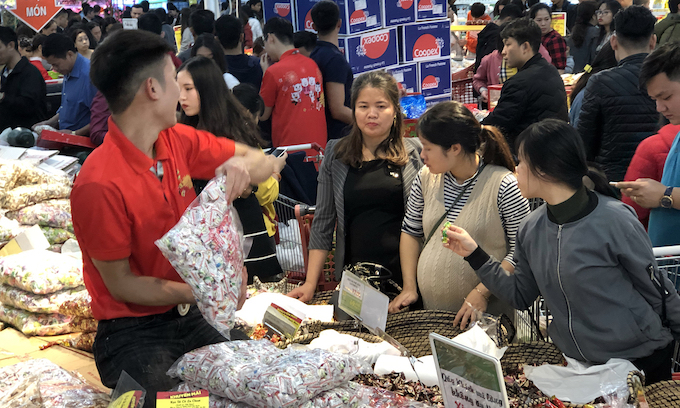
    South Korean companies are engaged in a fierce battle with Japanese rivals in the Vietnam retail market, which has emerged as a “post-China.”

    According to the Korea Trade-Investment Promotion Agency, the Vietnam retail market has been growing rapidly, with an annual average growth rate of 10.9 percent between 2013 and 2018.

    Currently, South Korea and Japan lead the market in all areas, including convenience stores, department stores and online shopping.

    Lotte Group has had a presence in the Vietnam retail market since 2008 and has invested US$390 million so far.

    Currently, the company has 14 shopping malls, one department store, and two duty-free shops operating across the country.

    Japanese rival Aeon entered Vietnam in 2011 with a capital of $190 million. Since then, it has built and operated shopping malls in three centers: Ho Chi Minh City, Hanoi and Binh Dương.

    Besides Aeon, Japanese companies such as 7-Eleven, Fuji Mart are also operating in Vietnam.

    The channels that are growing rapidly in the local market are convenience stores and e-commerce.

    In particular, the growth of the convenience-store market is steep due to rapid urbanization, rising income levels and the expansion of the young consumer population.

    IGD Research ranked Vietnam as the top country among the fastest-growing convenience store markets in Asia by 2021.

    The South Korean convenience store chain GS25 entered Vietnam in January last year when it opened a store in Ho Chi Minh through a joint venture with SonKim Group, a Korean company that has emerged in the region.

    It currently operates about 50 stores but plans to expand to 70 by next year and to 2000 over the next decade.

    South Korea’s BGF Retail, which operates the convenience store chain CU, also recently signed a master franchise contract with Vietnam’s CUVN to start making inroads into the Vietnamese market.

    Japan’s 7-Eleven entered Vietnam in 2017 and is currently operating 24 stores. It aims to build 1000 new stores, mostly focused for now on Ho Chi Minh City and Hanoi. It followed Circle K and FamilyMart which have gained considerable traction in Ho Chi Minh City.

    South Korean conglomerates such as Lo

  • The Battle is on for fastest shipping worth fighting?

    The Battle is on for fastest shipping worth fighting?

    Consultancy firm AlixPartners has challenged whether the battle to deliver the fastest shipping is worth fighting, following Amazon’s move to free one-day shipping for Prime members from the two-day norm.

    The firm’s Home Delivery Shopping Survey this year found that US customers are willing to wait up to 4.3 days to receive an item if they get it shipped for free.

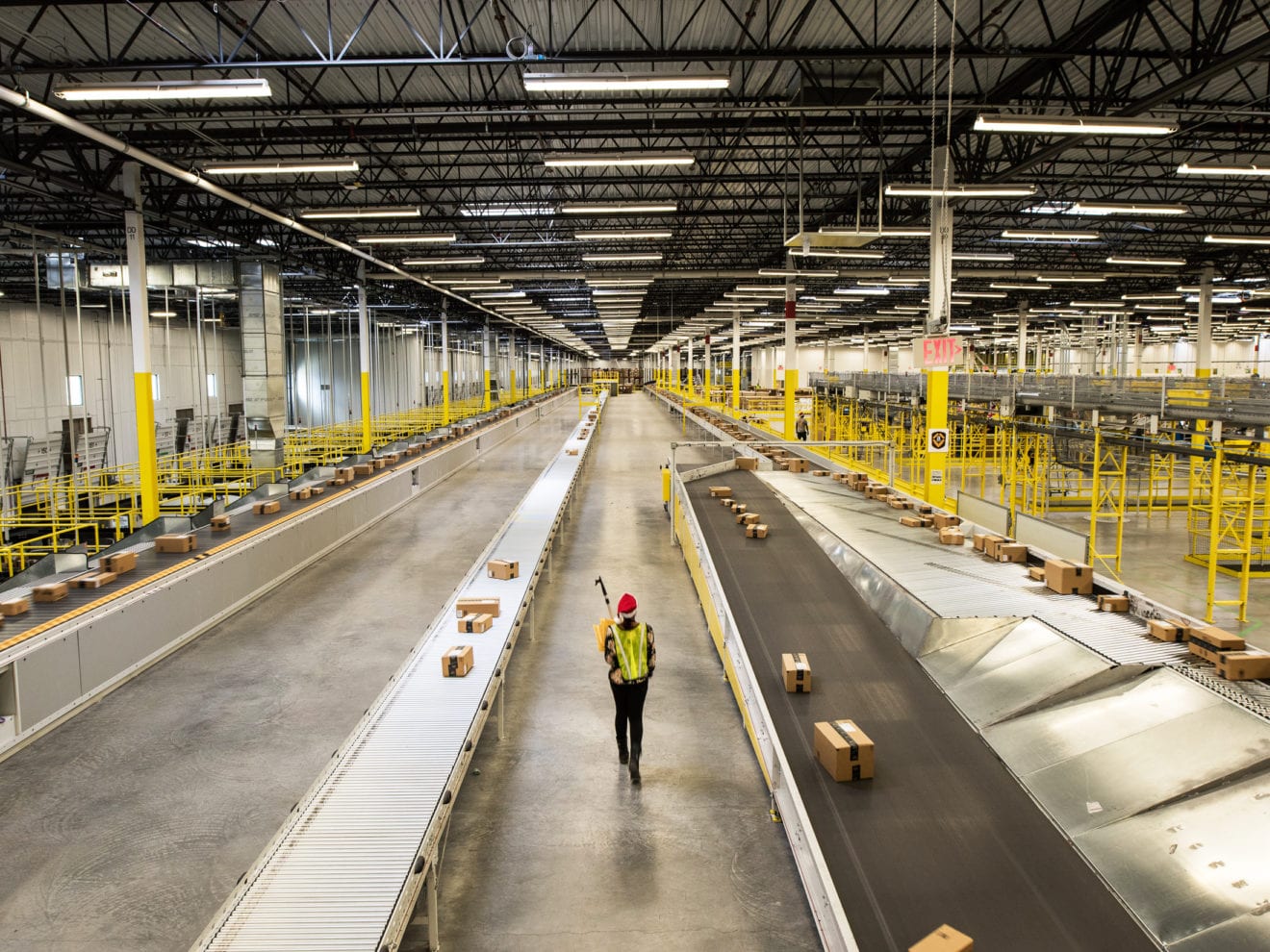
    AlixPartner’s research notes that while faster shipping translates to a higher perceived value for the customer, sustainability and social responsibility are also important to consumers. The implications of transportation and other shipping logistics on carbon emissions are substantial – some estimates say home deliveries add millions of metric tons of carbon to the atmosphere every year. There are also safety concerns for warehouse workers. Labour unions have questioned whether Amazon’s fulfillment centers can safely accommodate faster deliveries given that they manage 200–300 orders per hour over 12-hour shifts with two-day shipping.

    Then there is the tremendous burden of added expenses. Amazon has spent more than 20 years and an estimated US$150 billion globally to build out its capabilities. It is improbable many other retailers would be able to invest at the same level.

    Competitors have scrambled to follow Amazon’s lead. Most notable was Walmart, which announced that its own next-day shipping program – to be test launched in a handful of cities – would not even require an annual membership fee. Target also appears poised to become similarly competitive in its shipping offerings.

    “Instead of blindly matching Amazon, you may be better placed ascertaining what your customers actually want and expect from you around service and experience and creating strategies to deliver on those expectations,” read an editorial released by the firm.

    “Retailers must mine data insights to understand what’s being purchased in each specific store location as well as what customers expect from shipping options.”

    In-store pickup

    The survey found that more than 60 percent of US shoppers have taken advantage of an in-store pickup program, and one in two are expecting to use such options more often.

    Consumers were shown to sometimes prefer to receive access to all items in their order in one go or prize incentives such as discounts or store credits.

    About 76 percent of respondents said retailers who use more mobile technology provide a faster shopping experience. The best way to harness stores is through a real-time inventory management system, which means having a precise view of what is available in the store and when, including for returns. Target’s Drive Up service, for example, allows online consumers to order items from a local location, pull up to the store’s parking lot about an hour or two later, and then have an employee deliver merchandise directly to their car within two minutes.

    The pressures of maintaining an e-commerce edge have become harder, but trying to jump into battle on every single front can turn out to be counterproductive and, with something like ultra-fast shipping, potentially an expensive mistake. Consumers today have strong opinions and won’t shy away from conveying exactly what they need or expect.

  • Snapchat launches its first ever battle royale

    Snapchat launches its first ever battle royale

    Snapchat mobile games are a recent thing that Snap introduced a few weeks ago, but if you’re not familiar with the new feature, here is a quick rundown. Starting last month, Snapchat users can play together with their friends three mobile games directly within the app without having to install anything.

    These three games – Snake Squad, Zombie Rescue Squad, and Bitmoji Party, are available on both Android and iOS platforms. Today, a fourth title for the Snap Games feature has been released – Tiny Royale.

    Developed by Zynga, Tiny Royale is a battle royale game, exclusively available on Snap’s real-time multiplayer gaming platform. A top-down multiplayer shooter at its core, Tiny Royale promises to reinvent the battle royale experience for the Snapchat platform.

  • Huawei finally has had enough of U.S. bullying

    Huawei finally has had enough of U.S. bullying

    The Trump administration gave Huawei a temporary license allowing it to source parts and components from U.S. firms for three months. Just last Thursday, the company and 68 of its affiliates were placed on the Commerce Department’s Bureau of Industry and Security (BIS) Entity list. Companies on the list are prevented from sourcing U.S. components and parts without a license issued by the U.S. government. The 90-day reprieve will allow the company to buy supplies from U.S. firms that are “necessary to maintain and support existing and currently fully operational networks and equipment, including software updates and patches.” Google today followed suit, promising to send Android updates to the manufacturer through August 19th.
    Huawei is not exactly jumping up and down over its short-term reprieve. The company said today that it was victimized by U.S. “bullying.” Being placed on the Entity List followed years of accusations from U.S. lawmakers concerned that Huawei was spying, or could be forced to spy on American consumers and corporations on behalf of the communist Chinese government. Amid fears that Huawei devices and networking equipment contain a backdoor that can send intelligence to Beijing, Huawei was declared a threat to U.S. national security as far back as 2012. Over the last year, as global mobile carriers started building out their 5G networks, the Trump administration has continually warned allies not to use the firm’s networking gear. This recommendation has been heeded by Australia, Japan, and New Zealand.
    Last week, Huawei chairman Liang Hua visited the U.K.; regulators in the country are deciding whether to allow the company’s 5G networking equipment to be used there. Liang told the media that Huawei would sign a “no-spy” contract with any country.
    The battle between the U.S. and Huawei escalated earlier this year when the U.S. Department of Justice slapped the company with a 13 count indictment. Huawei, two affiliates (Huawei Device USA and Skycom Tech) and CFO Meng Wanzhou were charged with committing various bank-related crimes. The U.S. said that the company tried to cover up business it did with Iran, violating international economic sanctions placed on the country. At the same time, the U.S. charged the manufacturer with stealing trade secrets from T-Mobile. Huawei was already found guilty in a civil court of stealing parts from the carrier’s Tappy robot used to test smartphones and was ordered to pay T-Mobile nearly $5 million dollars.
    Huawei shipped over 200 million handsets last year and was the second largest smartphone manufacturer in the world during the first quarter of this year. The company hoped to take over the top spot from Samsung next year, but obviously, that is now in question depending on what happens following the three-month reprieve. While Huawei is expected to roll out its own operating system this fall with native support for all Android apps, the company’s Google Play Store replacement won’t include popular American based apps such as YouTube, Twitter, Instagram, and WhatsApp. The question isn’t whether these replacements will go over in China, but whether they will satisfy users outside of Huawei’s home market where it sells 49% of its phones (according to Q1 stats).
    And while Huawei is confident in its ability to replace U.S. hardware, software, and components that it might no longer have access to in 90-days, it still has to replace $11 billion in parts purchased from U.S. companies last year such as Qualcomm, Intel and Micron Technologies. Yes, Huawei designs its own chips, but it uses software from U.S. companies to do this. Chip experts say that Huawei is still a few years away from being totally self-reliant in this area.