Retail News CRM

Tag: Bauhaus

  • Bauhaus ekes profit out of store closures, refocuses on profitability

    Bauhaus ekes profit out of store closures, refocuses on profitability

    Fashion group Bauhaus saw turnover fall 58.1 percent to $47.9 million during the year to 31 March 2021, pushing gross profit down 55 percent to $31 million.

    The group was able to deliver a net profit result of $12.8 million – a vast improvement on last year’s $18 million loss – though this was primarily attributable to government subsidies and the cash gained in selling off over half of its retail stores.

    “The novel coronavirus outbreak in 2020 has severely hit not only local retail sectors but also depressed many economic activities worldwide,” the business wrote in an update to its investors.

    “The same-store-sales growth rate fell to about -40 percent for the year under review. In addition, to confront with ongoing challenges brought on by Covid-19, the group made essential strategic moves to refocus resources on its familiar markets.”

    In December, Bauhaus said it would close all stores in all markets outside of Hong Kong and Macau by the end of March 2021 in order to focus on profitability. This has led the brand’s store count of 102 in 2020 to plummet to 49 in 2021.

    During FY21, its Hong Kong and Macau segment saw sales fall 45.6 percent, compared to its other regions which fell by 89 percent. Hong Kong and Macau accounted for approximately 92 percent of the group’s total turnover.

    Given that the threat of Covid-19 still resonates in many parts of the world, the business expects strong headwinds for the year ahead, and is anticipating a “prolonged path to thorough recovery”.

    “The group will maintain a manageable scale of operations at a reasonable profitability level and does not intend to aggressively do fast and quantitative expansion in the near future until seeing strong signs of sustainable economic activity,” the business said.

    Instead, Bauhaus will focus on making its now-lean business profitable.
  • Bauhaus sales tumble as store network shrinks more and faster

    Bauhaus sales tumble as store network shrinks more and faster

    Bauhaus International (0483) said same-store sales growth of its self-managed offline shops fell by 38 percent year-on-year for the three months ended December last year.

    In Hong Kong and Macau, the same-store sales performance of its self-managed retail business fell by 36 percent year-on-year.

    In non-Hong Kong and Macau, same-store sales of self-managed retail businesses fell 68 percent year-on-year.

    For the nine months ended December 2020, Hong Kong and Macau same-store sales fell by 42 percent, and non-Hong Kong and Macau fell by 40 percent from a year ago.

  • Bauhaus leaves all markets except Hong Kong, Macau

    Bauhaus leaves all markets except Hong Kong, Macau

    Local apparel retailer Bauhaus International (0483) has revealed an intention to close all its retail stores outside Hong Kong and Macau by the end of March.

    The group’s loss outside Hong Kong and Macau expanded more than 13 times to HK$78.4 million in 2019 over 2018 before it narrowed to HK$68.6 million this year.

    Most of the Bauhau offline retailing operations beyond Hong Kong and Macau are in the mainland and Taiwan.

    It suffered an annual loss of HK$142.8 million this year compared with a profit of HK$2.76 million in 2019.

    The company will negotiate with landlords of the 14 stores its intends to shut down, and the precise timing of each closure will depend on how the talks go.

    About 50 employees will be laid off as a result of the closing program.

    The retailer is still looking at the possibilities of accessing the non-Hong Kong and Macau markets through centrally-managed online operations run from its Hong Kong headquarters.

    Bauhaus says more realistic economies of scope will result from the closures, which are also seen to be in the best interests of the company and its shareholders.

  • Loss-making Bauhaus to close 10 stores, axe 100 staff

    Loss-making Bauhaus to close 10 stores, axe 100 staff

    Hong Kong fashion group Bauhaus International says it will close up to 10 loss-making stores in Hong Kong.

    The closures will lead to the laying off of 100 staff, over and above the 200 jobs it culled between April and September last year.

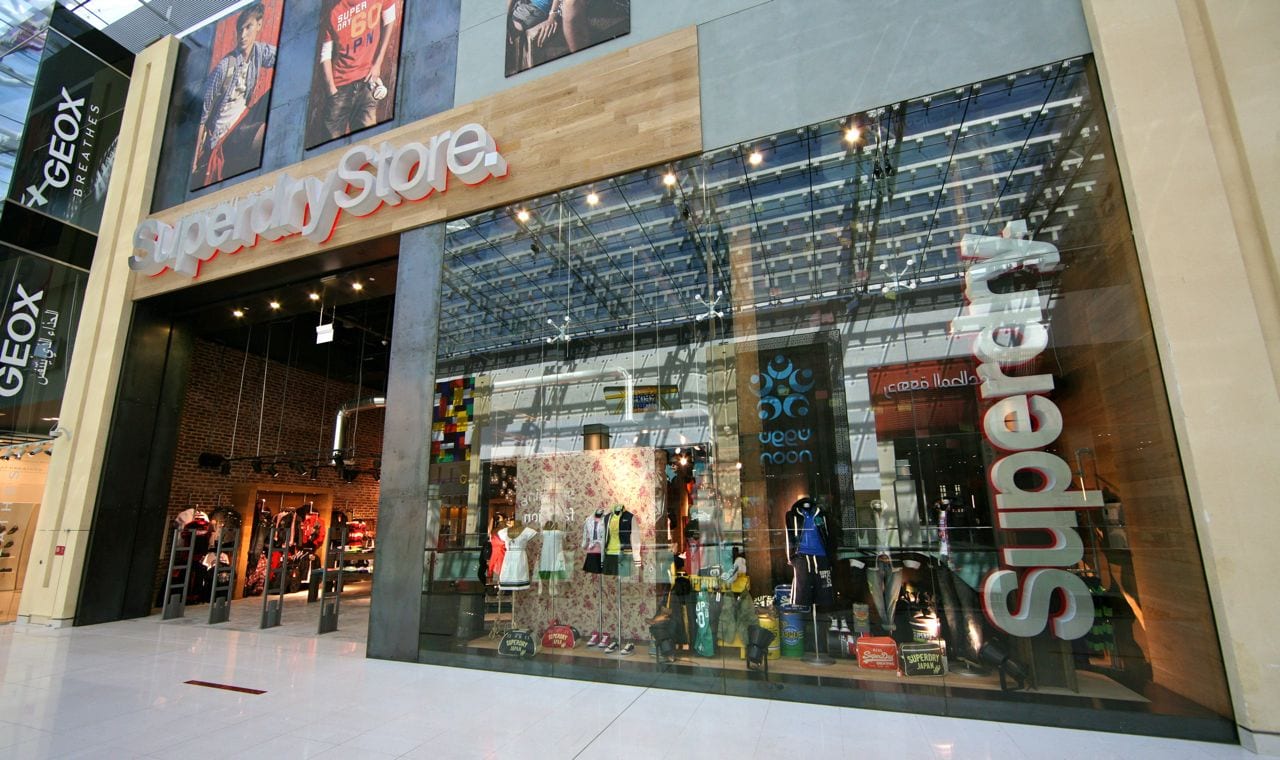
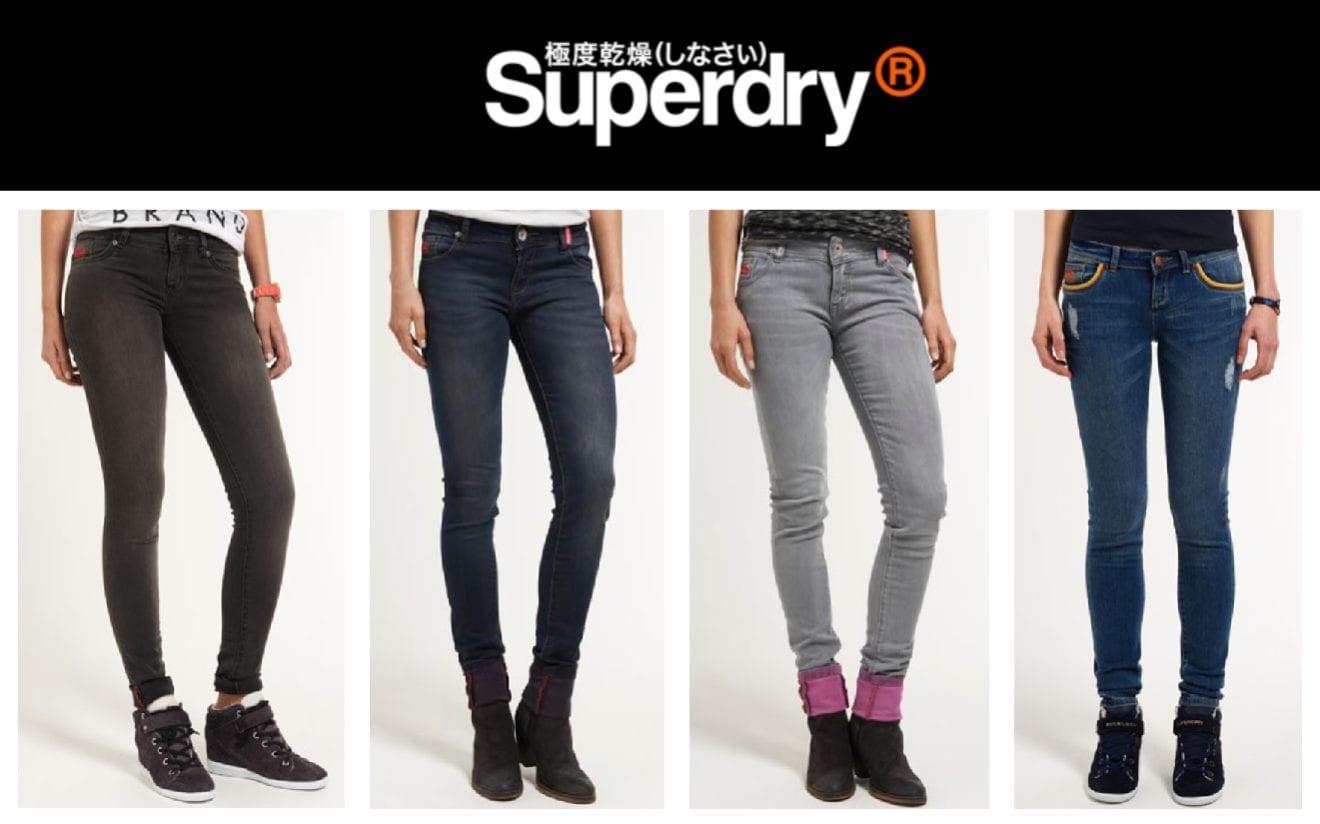
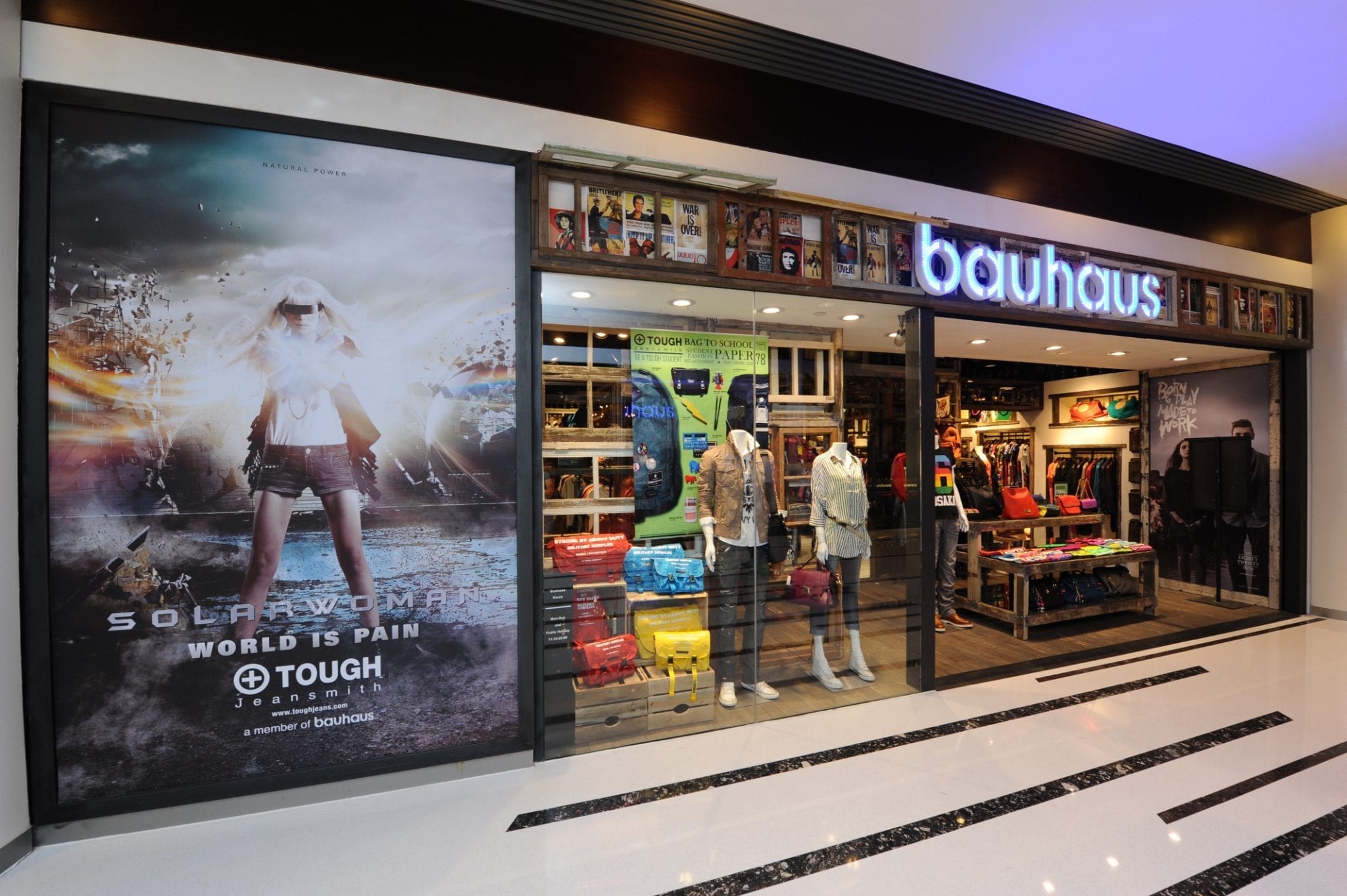
    Bauhaus retails under several of its own labels – Tough, Jeansmith, Salad and 80/20 – across 66 stores in Hong Kong, Macau and Taiwan. The company is also the franchisor for struggling British brand Superdry in Hong Kong.

    The company has blamed the closures on the coronavirus outbreak, which comes on the heels of six tough months for retailers during the anti-extradition bill protests.

    Closing stores before their leases are up is expected to result in a one-off write-off and/or impairment losses of between HK$16 million and HK$50 million, subject to the final results of negotiations between the group and the relevant landlords.

    Bauhaus had announced its exit in China markets just last month but will continue to retail on Tmall and JD.

    Besides its Hong Kong closures, the company is evaluating the closure of as many as half of its retail stores in Taiwan by the end of the 2021 fiscal year. Bauhaus has been recording losses abroad for the last two consecutive years.

    The brand’s net loss was at HK$95.2 million for the six months to September last year, nearly double that of the previous year. The cause of its performance were attributed to the then intensifying China-US trade ware, depreciation of the Renminbi and social unrest.

    The group will continue to focus on rationalizing its operations, reducing structural costs and reinforcing its financial resilience. Meanwhile, 50 Hong Kong retailers with a combined 200 shops are on strike against landlords, demanding for leniency on rent during struggling times.

  • Crumpler expands Stores Network in Hong Kong and the Philippines

    Crumpler expands Stores Network in Hong Kong and the Philippines

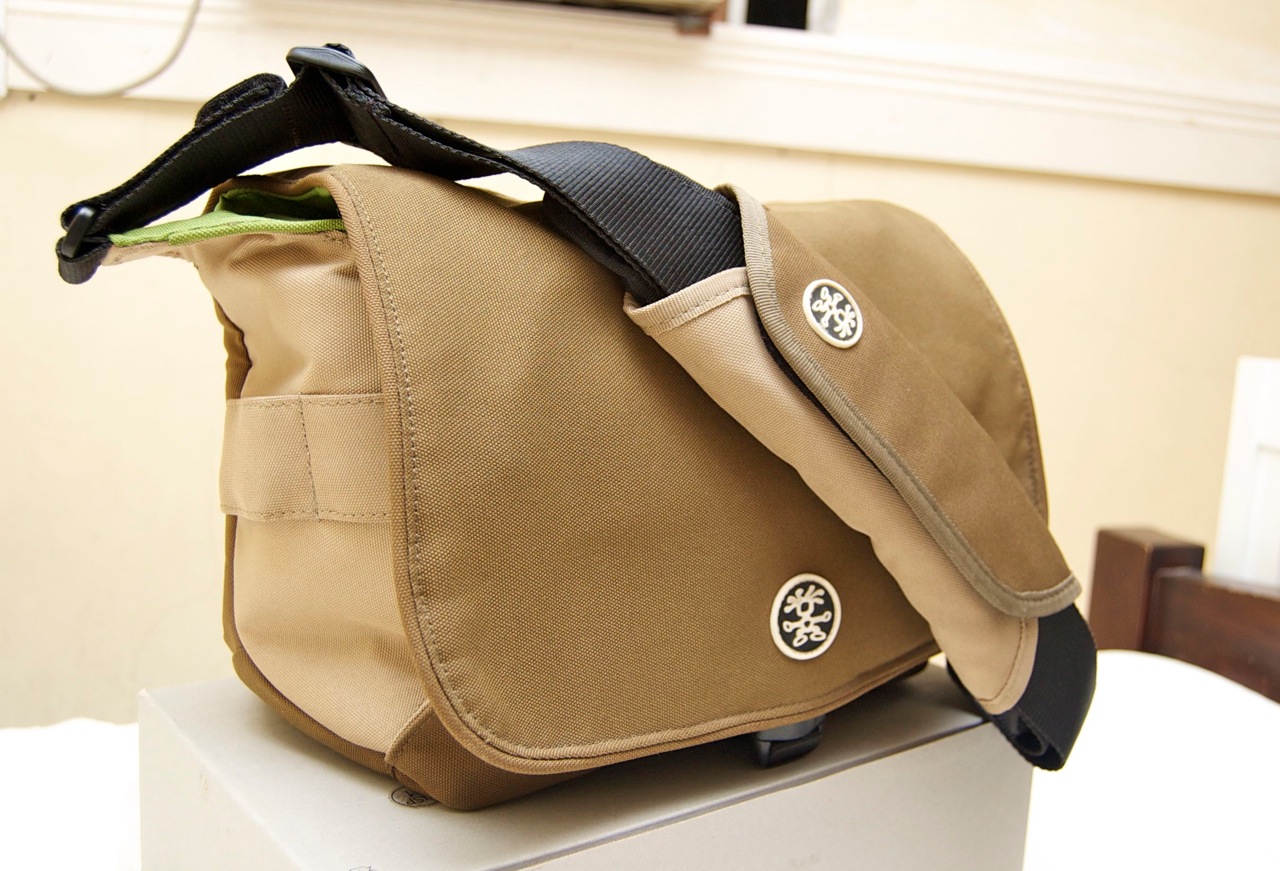
    Crumpler expands its distribution network in Hong Kong and the Philippines; plans pop-ups. Australian bag manufacturer Crumpler has taken on two new distribution partners in Asia.

    With the introduction of new partners Bauhaus Holdings in Hong Kong and Shoemakers Shop in the Philippines, the brand is now supported by seven distributors across seven countries in the region, has a presence in 10 retailers, and will unveil three new pop-up stores and one concession store in the coming months.

    Crumpler is now stocked at four Bauhaus outlets in Hong Kong, and two stores in Macau. It has also opened its first fully ranged standalone store in Hanguang department store, Beijing, in partnership with Sea To Summit China.

    In the Philippines, Shoemaker’s Shop will relaunch Crumpler this summer with three pop-up stores opening in Alabang Town Center, Trinoma and the Duty Free Philippines Fiesta Mall. This is only the beginning for Crumpler in the Philippines, with local e-commerce in the works.

    Crumpler is meanwhile continuously building its physical store and online presence in Australia, the US and Asia with more than 27 storefronts and distribution across 37 key department store and online retailers worldwide.

  • New phase of Sands Cotai Central opens with Apple anchor

    New phase of Sands Cotai Central opens with Apple anchor

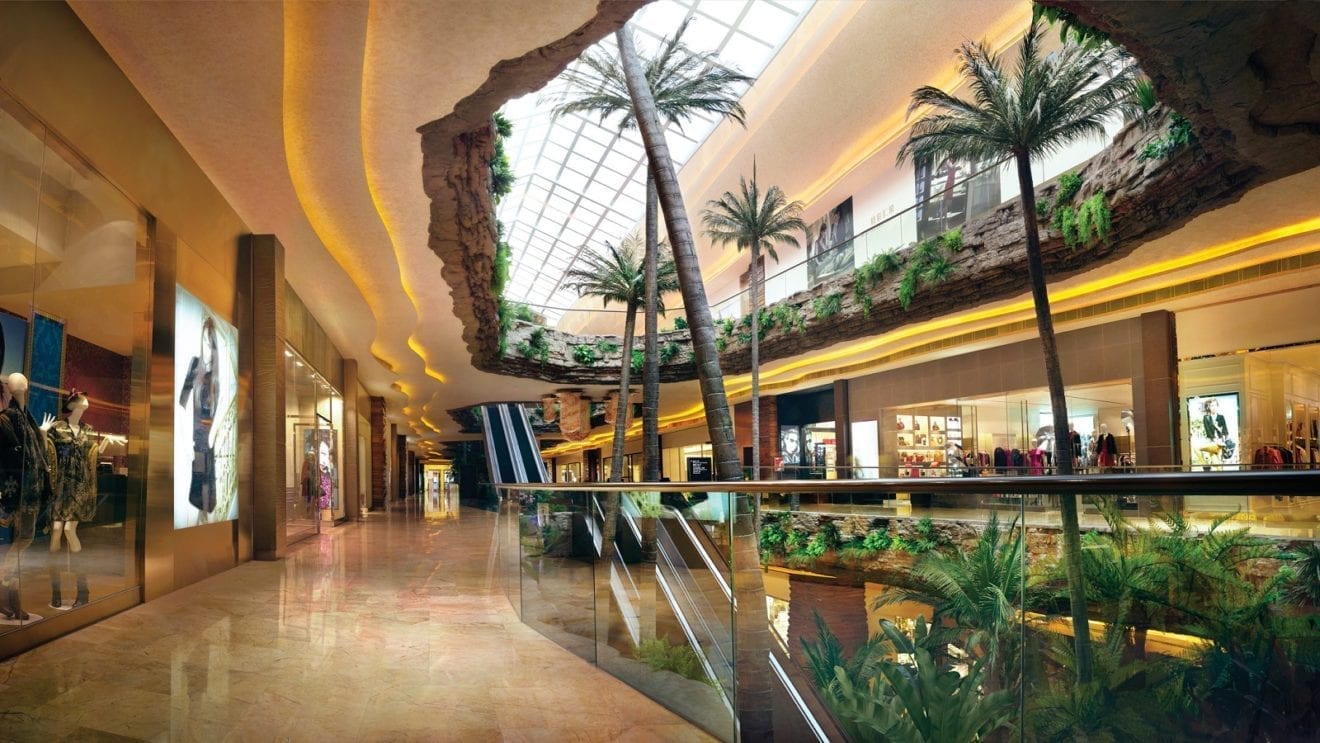
    Sands Cotai Central has opened phase four of its retail offer, adding almost 100,000sqft of retail space and 25 retailers.

    At the heart of the expansion is an Apple store, which opens today.

    The new space is home to several brands new to Macao: Calvin Klein Performance and Razzle. Other stores to open are MLB, Esprit, Guess, Watson’s, Noble Mart, Levi’s, Florsheim, Timberland, The North Face, Boy London, Zaxy and Bauhaus.

    Later this year, several restaurants will be added to the line-up, including Chiado, a modern yet authentic Portuguese concept developed in partnership with celebrity chef Henrique Sa Pessoa, and Crystal Jade La Mian Xiao Long Bao, which brings a contemporary twist to classic Beijing, Szechuan and Shanghai cuisine.

    “The addition of these new stores, especially the introduction of an iconic Apple Store, continues to ensure we provide our customers with more new-to-market brands, more choice and more amazing experiences,” said David Sylvester, executive VP of global retail at Las Vegas Sands Corp.

    Sands Cotai Central, which celebrated its sixth anniversary in April, has been the focal point of a wide range of products, offerings and experiences on the Cotai Strip, with access to four hotels since it opened in 2012.

    Earlier this year Sands China revealed plans to transform Sands Cotai Central into The Londoner Macao, which will feature new attractions including some of London’s most-recognisable landmarks.

  • Bauhaus sales goes up

    Bauhaus sales goes up

    Despite fewer shops, apparel company Bauhaus International saw same-store sales edge up for its year to 31 March.

    While the rise was 3 per cent for its self-managed offline shops for the 12 months, the last quarter saw sales jump 12 per cent.

    Bauhaus designs and makes apparel and accessories which it wholesales and retails under its brand names including Bauhaus, Salad and Tough, and retails third-party labels including Superdry.

    At the end of the year, the group had 182 self-managed stores, 14 fewer than 12 months earlier.

    An extra outlet in Mainland China took its total there to 26 shops, while Taiwan’s total dropped by nine to 82, and six store closings in Hong Kong and Macau saw the year end with 74 shops.

  • Modest sales rise for Bauhaus International

    Modest sales rise for Bauhaus International

    With two more shops at year’s end, apparel company Bauhaus International (Holdings) had a modest rise in same-store sales for its latest nine months.

    The quarter reverses a trend of declining sales and store closures by the streetwear retailer.

    Unaudited figures show sales growth was up 9 per cent for Hong Kong and Macau with a weighted average of 65 shops for the third quarter, while for the nine months growth was 4 per cent from 64 shops.

    Bauhaus designs and makes apparel and accessories which it wholesales and retails under its brand names including Bauhaus, Salad and Tough, and retails third-party labels including Superdry.

    With a constant 82 shops, Taiwan saw sales fall 8 per cent for the quarter and 16 per cent for the year to date.

    For Mainland China, 18 shops saw sales growth of 9 per cent for the quarter, while for the nine months growth was 12 per cent for 19 shops.

    Overall, group sales growth was 4 per cent for 165 shops for the quarter, with a 1 per cent sales dip for 165 shops for the nine months.

    At the end of the year the group had 198 self-managed offline shops, two fewer than nine months earlier.

    These comprised 80 outlets in Hong Kong and Macau at March 31, dropping to 77 at year end, 91 in Taiwan rising to 96 by December 31, and no change in China with 25 shops.

  • Bauhaus International sales drop 10 per cent

    Bauhaus International sales drop 10 per cent

    Same-store sales for clothing retailer Bauhaus International in Hong Kong and Macau have dropped 10 per cent year-on-year for the three months ended December 31.

    The streetwear retailer designs and makes apparel and accessories which it wholesales and retails under its brand names including Bauhaus, Salad and Tough, as well as third-party labels, including Superdry.

    Sales in Mainland China decreased 4 per cent compared to the same period last year, according to its filing with the Hong Kong Stock Exchange.

    The three-pronged decline in sales helped drive down the company’s overall same-store sales by 3 per cent year-on-year. Nevertheless, its same-store sales in Taiwan grew by 12 per cent.

    Bauhaus International did not release the related financial figures in its filing.

    At the end of last month, nine months into its fiscal year, its total sales had fallen by 9 per cent year-on-year; in particular, those generated in Hong Kong and Macau had dropped 14 per cent.

    The company ended last year with 203 shops, of which 82 were in Hong Kong and Macau, 93 in Taiwan and 28 in China.

    At the end of September, halfway through its fiscal year, the company had turnover of about HK$501.4 million (US$  million). Turnover in Hong Kong and Macau fell 18.5 per cent year-on-year, amounting to HK$348.1 million.

    It also saw its interim net loss expand to HK$60 million from HK$26.6 million a year earlier. The company attributed this to the “adverse performance” of its retail business in Hong Kong.

  • Bauhaus annual net profit down nearly 60 pct

    Bauhaus annual net profit down nearly 60 pct

    Hong Kong clothing retailer Bauhaus International (Holdings) Ltd saw its annual net profit plummet by 59.1 per cent to HK$52.9 million (US$6.6 million) for its past fiscal year, due to the plunge in the company’s earnings from the Hong Kong and Macau markets.

    According to its filing with the Hong Kong Stock Exchange last Friday, the retailer’s total turnover posted a year-on-year decrease of 5 per cent to HK$1.5 billion for the fiscal year ended March 31, compared to some HK$1.59 billion one year ago.

    “As a result of Mainland China’s uncertain economic prospects, instability of financial markets and the appreciation of the Hong Kong dollar against other Asian currencies (including the Renminbi), the consumer spending momentum obviously deteriorated during the year under review and resulted in highly volatile and discount-driven retail dynamics,” it claimed.

    For the financial year, the clothing seller generated some HK$1.03 billion from its sales in Hong Kong and Macau, which represents a year-on-year decrease of 8.8 per cent compared to HK1.13 billion one year ago.

    In addition, the company claimed that a negative same-store-sales growth rate of some 9 per cent was recorded in the two cities.

    The decreases in sales in the two cities led to a slump in the company’s profit before tax from the segment, down by 46.6 per cent year-on-year to HK$99.6 million.

    As at the end of March, Bauhaus was operating 214 self-managed outlets, including 86 stores in Hong Kong and Macau, 94 in Taiwan and 34 in Mainland China, as well as 11 franchised outlets in the country.

    The company’s turnover derived from the Mainland China market also registered a decline of 2.8 per cent year-on-year to HK$128.8 million, but turnover from Taiwan jumped by 9.2 per cent year-on-year to HK$342.2 million for the year, according to the filing.

    The retailer proposed a final dividend of HK6.0 cents per ordinary share to its shareholders, which is down by 56 per cent year-on-year compared to HK$13.5 per cents for the 2014/15 financial year.

  • Esprit just made a lot of money? Look again

    Esprit just made a lot of money? Look again

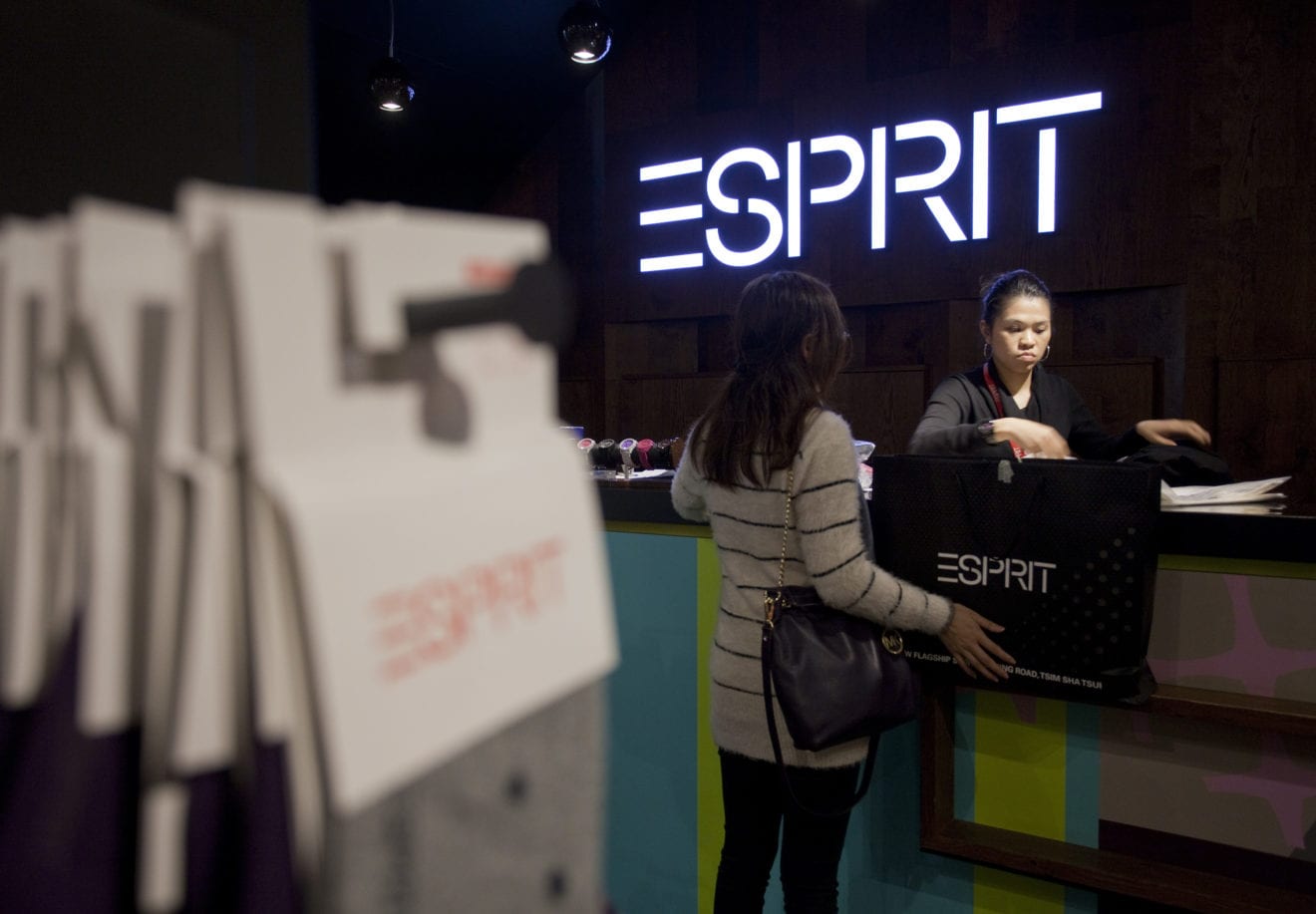
    Fashion icon Esprit is making headlines again, this time for the profitable sale of its Hong Kong headquarters.

    The struggling retailer said it made a profit of HK$725 million (US$93.53 million) from the sale of the premises — five floors in Enterprise Square in Kowloon Bay — to Phoenix Property Investors for HK$918 million.

    The buyer plans to lease the space back to Esprit for HK$2.43 million a month. That’s equivalent to a gross yield of about 3 percent on the deal, or 4 percent, assuming the additional one floor will be leased to Esprit at the same rate.

    The lease, which starts after the deal closes in March, will be for three years, renewable at a 20 per cent premium after the third year.

    The money would have been nothing to Esprit, once owned by Michael Ying, in its heyday when it churned out HK$5 billion in profits. In the financial year to June 30, 2015, Esprit made a net loss of HK$3.7 billion, or HK$1.90 per share.

    Esprit bought the property in 2004 for HK$200 million during the so-called “golden decade of retail” as mainland tourists began arriving in Hong Kong in great numbers.

    At the end of the heady run, apparel retail sales were up 126 per cent, with the biggest chunk going to three global fast fashion retailers — Japan’s Uniqlo, Sweden’s H&M and the Spanish giant Zara.

    Apple Daily reports that the three retailers have more than 80 outlets in Hong Kong combined.

    Most of its rivals did not disclose their sales figures but H&M said it recorded HK$1.29 billion in the first three quarters ended August.

    Where was Esprit in all of this?

    The Hong Kong flagship was embroiled in one of the greatest collapses in the competitive fashion industry.

    Sales from Hong Kong were down 8.4 per cent to HK$386 million, with its store network shrinking to 15 shops from 46 in 2006.

    Among the big winners were small designers such as Bauhaus, I.T. and low-end retailers such as Bossini, although Giordano lost market share.

    Altogether, local brands had 460 shops last year, according to Apple Daily, but their market share fell to 14.5 per cent from 18 per cent in 2006. Now we know why Esprit had to sell its headquarters.

    Yet, this is only one chapter in a painful restructuring that has already lasted more than five years.


  • Bauhaus posts loss as margins squeezed

    Bauhaus posts loss as margins squeezed

    Fashion retailer Bauhaus has reported a net loss of HK$26.6 million for the first half year after sales tumbled in key markets.

    In Taiwan, where it has 95 stores and counters, stagnant retail sentiment and weak consumption presented great challenges, with same-store sales tumbling 18 per cent.

    In Mainland China, where the group has self-managed shops in Beijing, Shanghai, Guangzhou, Nanjing and Suzhou and a franchise network focusing on the second-tier cities, turnover dropped by 4.9 per cent to about $58.4 million and same store sales slipped two per cent.

    And in Hong Kong and Macau, same store sales declined by seven per cent in the first half year.The two territories account for about 73 per cent of the locally listed company’s sales through 90 stores, less than half its total network of 228.

    The group’s turnover is mostly from its major in-house labels like Salad, Tough and 80/20, and licensed brands including Superdry.

    Bauhaus opened seven new stores in  in Hong Kong and Macau in the six months to September 30 as it “continued to enrich its shop portfolio to be more attractive, efficient and competitive”.

    “However, retail performance in many sectors across the region deteriorated, possibly due to less spending from both inbound tourists and local citizens as a result of the growth slowdown in Mainland China, strong local currency and volatile finance markets. In addition, the operating costs in the region still remained high in general, particularly rentals, further cutting profit margin of the retailers.”

    Profit before tax in the two territories dropped by 57.2 per cent to about HK$24.1 million (compared with $56.3 million in the same period last year).

    Bauhaus said in its half yearly results filing that gross profit across the whole business decreased by about 11.1 per cent to $353.9 million, with gross margin declining by two percentage points to about 60.5 per cent.

    “Global economic performance was weaker than expected during the six months. The slowdown of growth in Mainland China together with the strengthening US dollar, which in turn resulted in a strong Hong Kong dollar against most Asian currencies, gradually had an obvious negative impact on inbound tourism and local retail consumption,” the company said.

    However, the group says its sales and results are greatly affected by seasonality, with the first half of the year traditionally less important than the second.

  • Bauhaus sales slide

    Bauhaus sales slide

    Denim retailer Bauhaus International says its same-store sales in Hong Kong and Macau fell seven per cent in its second half year to September 30.

    The Hong Kong-listed street fashion retailer had 211 self-managed stores at the end of the first half year – 96 in Taiwan, 86 in Hong Kong and Macau and 29 in the mainland.

    Bauhaus International told the told the Hong Kong Stock Exchange that its same-store sales generally had slipped eight per cent overall.

    It has not released same store sales data.

    The company sells a range of imported denim and t-shirt brands including Desigual, Evisu, Superdry, True Religion and Red Pepper.

  • Bauhaus in sales slide

    Bauhaus in sales slide

    Denim retailer Bauhaus says its same store sales have slumped in Taiwan and Hong Kong in the last quarter.

    Same store sales fell 17 per cent in Taiwan and nine per cent in Hong Kong, but remained stable in Mainland China.

    The Hong Kong-listed street fashion retailer has 211 self-managed stores – 96 in Taiwan, 86 in Hong Kong and Macau and 29 in the mainland.

    Quarter on quarter it added three in Hong Kong-Macau, one in Taiwan and closed two in the mainland.

    Bauhaus did not offer any commentary on the figures.

    The retailer sells a range of imported denim and t-shirt brands including Desigual, Evisu, Superdry, True Religion and Red Pepper.