Tag: bbm

  • Consumer version of BBM closing in May

    Consumer version of BBM closing in May

    BBM, considered the first messaging service designed for mobile users, will be closing its doors to consumers on May 31st. A note sent to BBM members says that it is “Time to say goodbye.” First used internally by employees of BlackBerry parent Research In Motion, BlackBerry Messenger, as the service was originally called, was publicly launched on August 1st, 2005. For many, it was the main reason to purchase a BlackBerry device.
    With BlackBerry becoming irrelevant in the smartphone market and other messaging apps launching, then BlackBerry CEO Thorsten Heins announced in May 2013 that BBM would be made available to iOS and Android users later that summer. After some false starts (including a fake listing in the Google Play Store, and a leaked version), BBM for Android and iOS was officially released on October 21st, 2013.
    BlackBerry continued trying to play catch up by adding new features to the app including stickers. But outside of Indonesia, where it remains the top mobile messaging app, BBM was considered an afterthought compared to other, more popular apps.
    Three years ago, Indonesia based Emtek acquired the licensing rights to BBM for a six-year period. As part of the $207 million deal, BBM’s servers were moved from Canada to Asia.  While Emtek had the rights to the consumer version of the service, BlackBerry continued to run the enterprise version of BBM. And today, BlackBerry said that it is immediately making BBM Enterprise (BBMe) available to individuals through the Google Play Store and Apple App Store.  The service will be free for 12 months; after that period of time, a six-month subscription will cost $2.49.
    In its press release issued this morning, BlackBerry noted that it is offering BBMe to individuals out of respect for loyal BBM users. The company noted that it was not under any contractual obligation to do this.
  • BlackBerry responds to ‘made in Indonesia’ regulations

    BlackBerry responds to ‘made in Indonesia’ regulations

    BlackBerry’s decision to license software and outsource handset production globally represents a win for the Canadian company’s biggest market, Indonesia, which is seeking a larger share of the smartphone value chain.

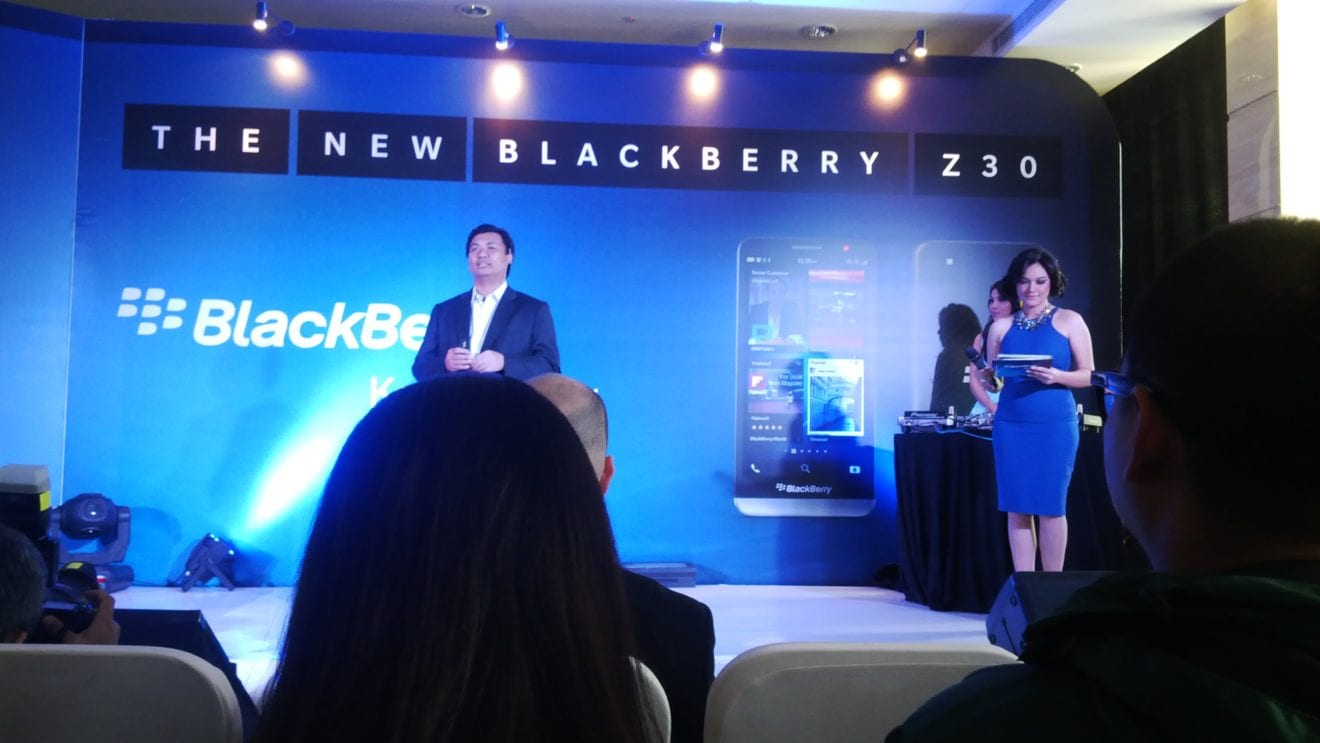
    BlackBerry’s new venture signed last month with an affiliate of PT Telekomunikasi Indonesia, the country’s largest wireless carrier, will see its Indonesian partner produce, promote and distribute all BlackBerry-brand devices in Indonesia.

    The venture comes as international phone vendors gear up to comply with the latest “made in Indonesia” regulations to tap growth in what is poised to become the world’s fourth-largest smartphone market by 2020, with total annual sales of nearly $US1 billion ($1.31bn) by then, according to research firm Euromonitor International.

    Adopted in July, the latest rules give producers more options when it comes to meeting next year’s 30 per cent quota for “local content” — which previously focused on local manufacturing but can now include software or investment — in their 4G-enabled tablets and smartphones sold in Indonesia, up from 20 per cent this year. The requirement will rise to 40 per cent in 2018.

    BlackBerry’s joint venture was “created in support of the Indonesian government’s effort to promote manufacturing of locally sourced products”, said Ralph Pini, general manager of devices at the Waterloo, Ontario-based firm, which said last month it would stop making phones and focus on software.

    Indonesia is a crucial market for BlackBerry. Its BBM messaging service is the top messaging platform in the country of 250 million people with nearly 60 million monthly active users as of June, BlackBerry said. WhatsApp and Facebook Messenger trail with about 50 million active users for each app, according to estimates from Britain-based social media consultancy We Are Social.

    In 2012, Indonesia introduced regulations requiring importers of mobile phones to set up assembly plants in the country by the end of 2015. In September 2014, the government issued regulations requiring all 4G devices sold in Indonesia to include at least 30 per cent locally-sourced components by 2017.

    Analysts say the more-flexible regulations passed in July make it easier for handset makers to meet requirements, given that they allow the quota to be reached via other options in addition to manufacturing.

  • Users Can Pay Instantly Through BlackBerry ‘s BBM Money In Indonesia

    Users Can Pay Instantly Through BlackBerry ‘s BBM Money In Indonesia

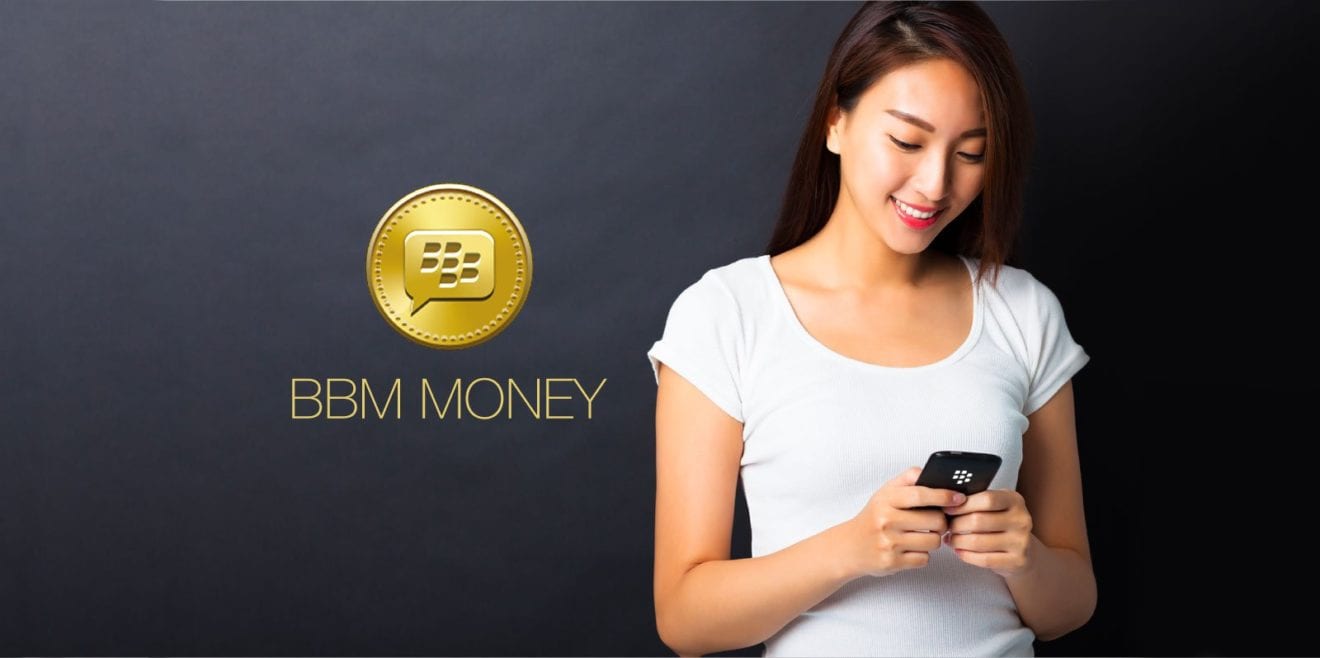
    Blackberry disclosed that its users in Indonesia will be able to pay for goods, as well as, services through online and in stores instantly with the help of BBM money. The users need not have to bother where they bank and use it. The move comes on the heels of the company holding an event last week to provide an update to media, iOS, Android, and BlackBerry communities in the country.

    All Platforms

    BlackBerry Ltd indicated that the app could be used on all major platforms to make payments from mobile. The company said that BBM Money is an app that merges directly with BBM account of a customer, which enables users in Indonesia to pay in real-time with the help of its platform with which its BBM platform is familiar and comfortable with. The move strengthens the firm’s expertise, as well as, a legacy in respect of security and privacy.

    The company said that in Indonesia, BBM is the most popular messaging app, especially on devices running Android OS. BlackBerry believes there are three  favorable trends for making the country an obvious choice for the launch of a mobile money service.

    Booming E-Commerce

    BlackBerry Ltd (NASDAQ:BBRY) said that e-commerce is not only booming but also growing at a faster rate globally though behind China. Also, the 250 million people are witnessing a rapid development of economic activity in the country.

    The second trend is in respect of smartphone penetration, which reached 20%. The adoption rate is considered highest in the world. Also, mobile messaging appears to be common in Indonesia. Aside from these, the first experience of the Internet is from a smartphone for most of the citizens in the country. As a result, there exists a tremendous opportunity for innovative and entrepreneurial online retail startups. That is set to draw the attention of fresh customers through the smartphones. That is exactly where the company’s mobile channels and mobile ad platform will play a crucial role.

    Fewer People With Cards

    The last and the third trend pointed out by smartphone inventor is the fewer number of people having access to traditional bank account. Also, only 11% of the citizens have debit cards while credit card holders account for only 3% in the country. That suggests that there are more users of BBM than the card users. As a result, its mobile payment service is more useful for those without access to a bank account or credit or debit card. That is because its service is integrated with the mobile messaging service, which the citizens love very much.

    BlackBerry Ltd said that it is working with some of the retailers to accept instant mobile payments through BBM money to celebrate Ramadan. That is a busiest buying season in any year in Indonesia.

  • BlackBerry Targeting Local Retailers In Indonesia

    BlackBerry Targeting Local Retailers In Indonesia

    BlackBerry Ltd (NASDAQ:BBRY) (TSE:BB) is now relying heavily on its mobile application services as it struggles with its device business in Indonesia, which is one of the most important consumer market for the company. The Canadian smartphone manufacturer is seeking to monetize the application services in the region

    Indonesia holds big potential for BlackBerry

    Matthew Talbot, senior vice president for emerging sales at BlackBerry Ltd (NASDAQ:BBRY) (TSE:BB), told that the Jakarta Post that the company had plans of approaching the brick and mortar retailers and e-commerce players for partnerships. Talbot said Thursday that these partnerships will help the company in monetizing their services.

    Talbot said both, the virtual shop of BlackBerry and BlackBerry’s e-money application dubbed BlackBerry Messenger Money (BBM Money), were used for advertising by e-commerce marketplaces Qoo10, Tokopedia and Elevenia. The executive, further, informed that globally advertisement requests received by the company per day were noted at 300 million in December last day, and in January this figure went up to an average of 400 million.

    “There’s a good opportunity to bring more and more merchants to the table as there is a large volume of retailers that are emerging in Indonesia,” he said, adding that Indonesia was the second-fastest growing e-commerce market after China. Internet penetration in the country is estimated to reach 55% by 2017 as informed by financial services company UBS, adding that there has been exponential growth in the e-commerce of Indonesia in recent years. An e-commerce provider Vela Asia said that the e-commerce market in Indonesia was calculated at $8 billion in 2013 and by 2016, it is forecasted to grow to $25 billion.

    Not BlackBerry devices, but BBM popular

    BlackBerry Ltd (NASDAQ:BBRY) (TSE:BB) has lost its smartphone share in the country to global competitors that include Apple, Samsung and LG. However, the case is not the same with the messaging application, BBM, and it remains the most popular in the country. BBM is used by 80% of the smartphone users in the country for 23 minutes a day, says a report from Nielsen, released last year.

    Competing chat apps, WhatsApp and Line, are being used by way less number of smartphone users. The time spent on the apps on the daily basis being six and five minutes, and the number of smartphone users using the apps was 57% and 30% respectively, according to the study.