Tag: bbq

  • Decade-Old BBQ & Hotpot Restaurant Closes Following Surge of Negative Online Reviews

    Decade-Old BBQ & Hotpot Restaurant Closes Following Surge of Negative Online Reviews

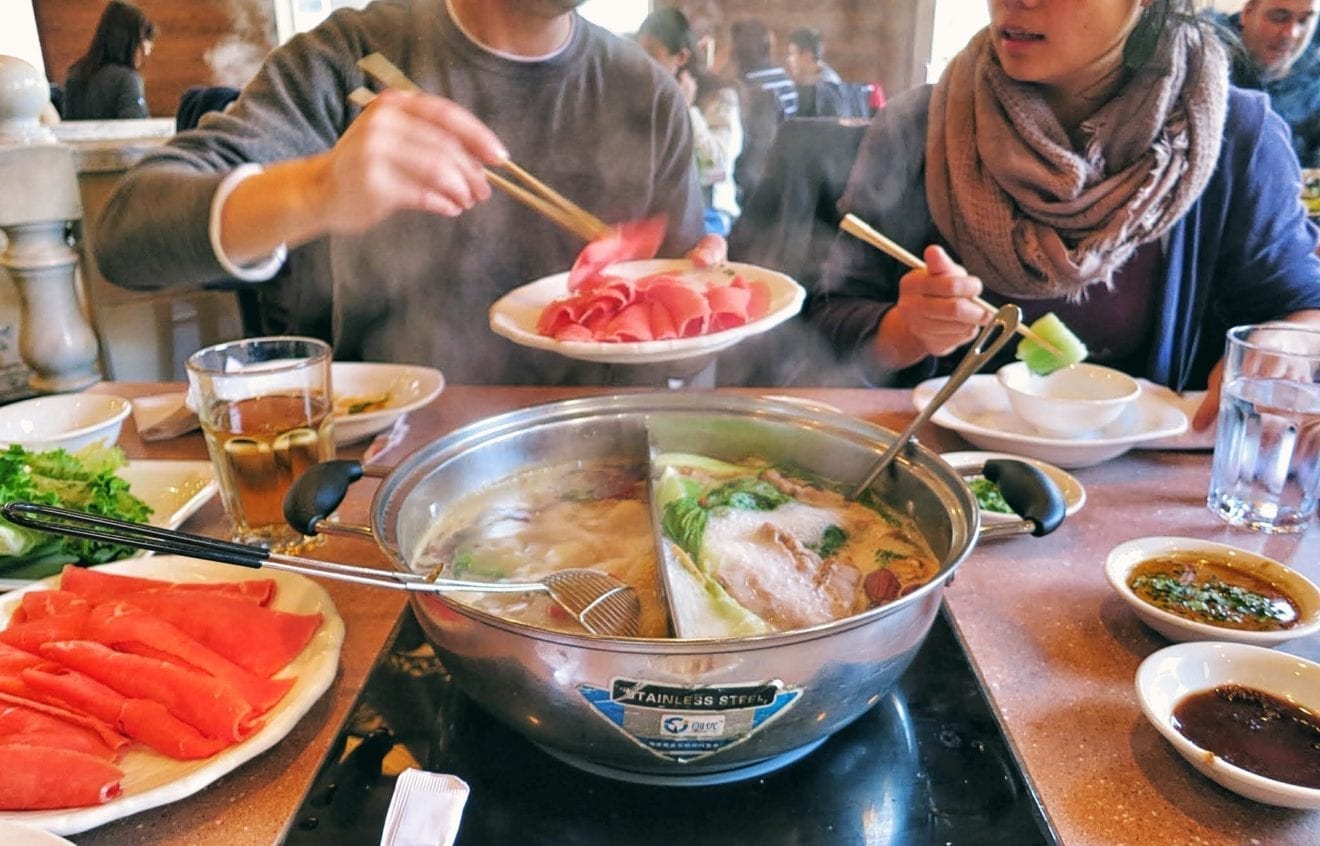
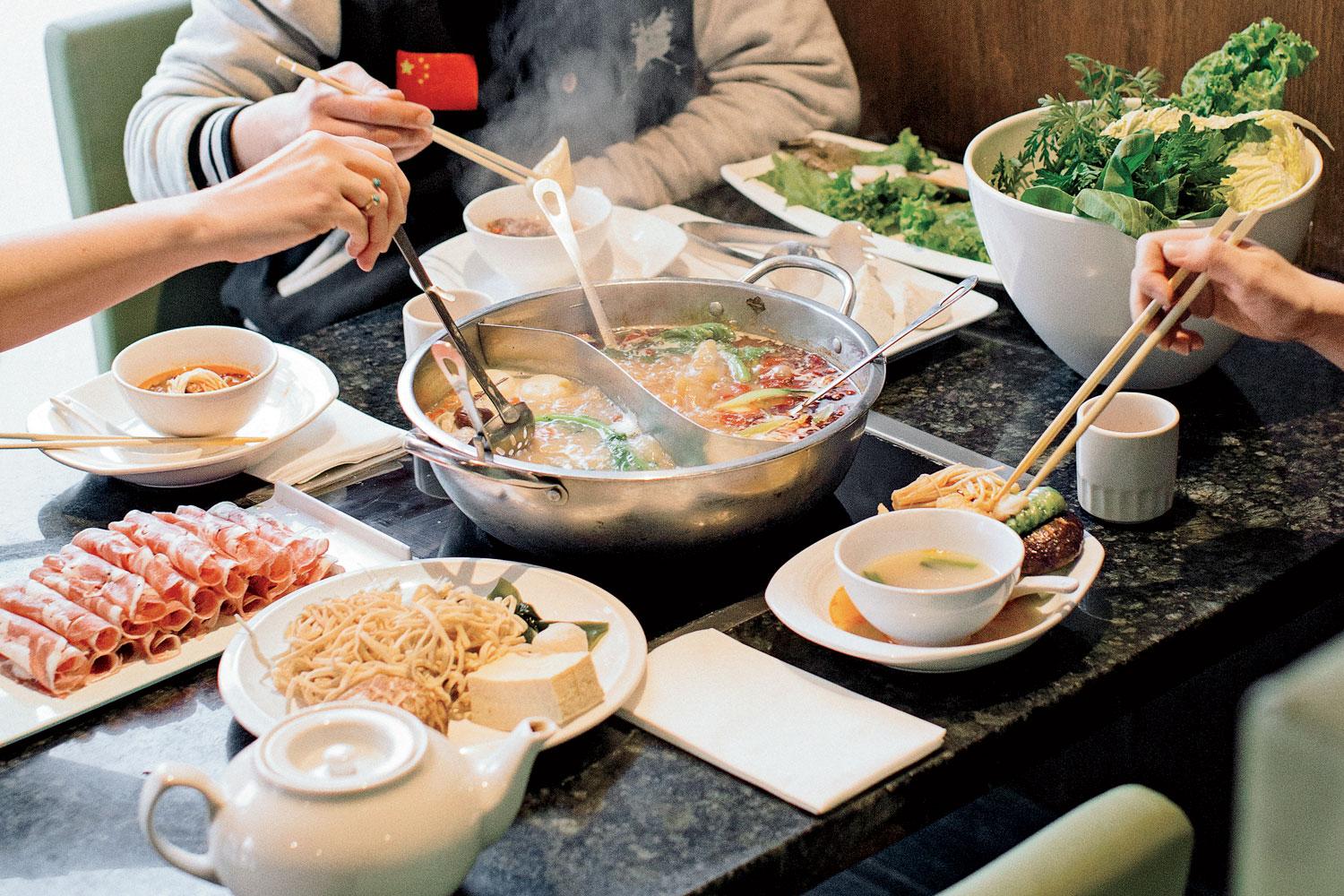
    For over a decade, a small-town barbecue and hotpot restaurant enjoyed a regular and content clientele, primarily consisting of employees from a neighboring industrial park. The eatery was particularly bustling over the weekends, basking in the laudatory comments of its patrons, until an unfavorable online review sent shockwaves through its reputation.

    The Power of Social Media

    The advent of various Facebook pages and groups disseminating information and instigating discussions about the local area introduced an unforeseen variable to the restaurant’s business operations. While these platforms initially focused on benign topics such as local weather or picturesque landscapes, they soon evolved into forums for promoting new businesses, including milk tea shops and eateries in the vicinity. One day, a disparaging post targeting the barbecue and hotpot restaurant surfaced in one of these groups. The review characterized the food as “overpriced” and “mediocre,” encouraging patrons to explore “better and cheaper” alternatives.

    This single review unleashed a flood of negative feedback, severely tarnishing the restaurant’s hard-earned reputation. The previously steady stream of customers trickled to a halt, and, unable to recover from the sudden downturn, the establishment was soon compelled to close its doors.

    The Dark Side of Food Reviewers

    This incident underscores the growing concern among many restaurateurs regarding the disproportionate influence wielded by self-proclaimed food reviewers active on platforms such as TikTok and YouTube. Questions arise regarding the legitimacy of these reviewers’ authority to critique an establishment and the objectivity of their assessments. For instance, when reviewing pricing, do they account for factors like portion sizes, the quality of ingredients, or prevailing market rates?

    Taste, being a highly subjective matter, varies significantly from person to person. The certainty with which these reviewers label a dish as appealing or repugnant potentially sways their audience’s opinion, often without them having sampled the food themselves.

    In the current digital age, where smartphones equip ordinary individuals with the power to document, judge, and “expose” others, we must tread with caution. While these online exposés may help spotlight unhygienic or exploitative practices, they also pose the risk of damaging the reputation of legitimate establishments through orchestrated smear campaigns.

    Questions & Answers

    What impact did the unfavorable review have on the barbecue and hotpot restaurant?
    The negative review led to a surge of similar feedback, causing a significant decline in the customer footfall. Unable to recover from the reputational damage, the restaurant was forced to close down.

    What concerns do restaurant owners have about food reviewers on platforms like TikTok and YouTube?
    Restaurateurs worry about the credibility and objectivity of these self-proclaimed reviewers. They question whether these reviewers consider factors like portion sizes, ingredient quality, or market rates when critiquing pricing and how they confidently label food as good or bad without accounting for varying taste preferences.

    What are the potential risks associated with the power of judgment that smartphones provide individuals?
    While smartphones can help highlight unethical business practices, they also risk damaging legitimate businesses through potential smear campaigns.
  • Lakanto launches no-sugar-added BBQ Sauce & Tomato Ketchup

    Lakanto launches no-sugar-added BBQ Sauce & Tomato Ketchup

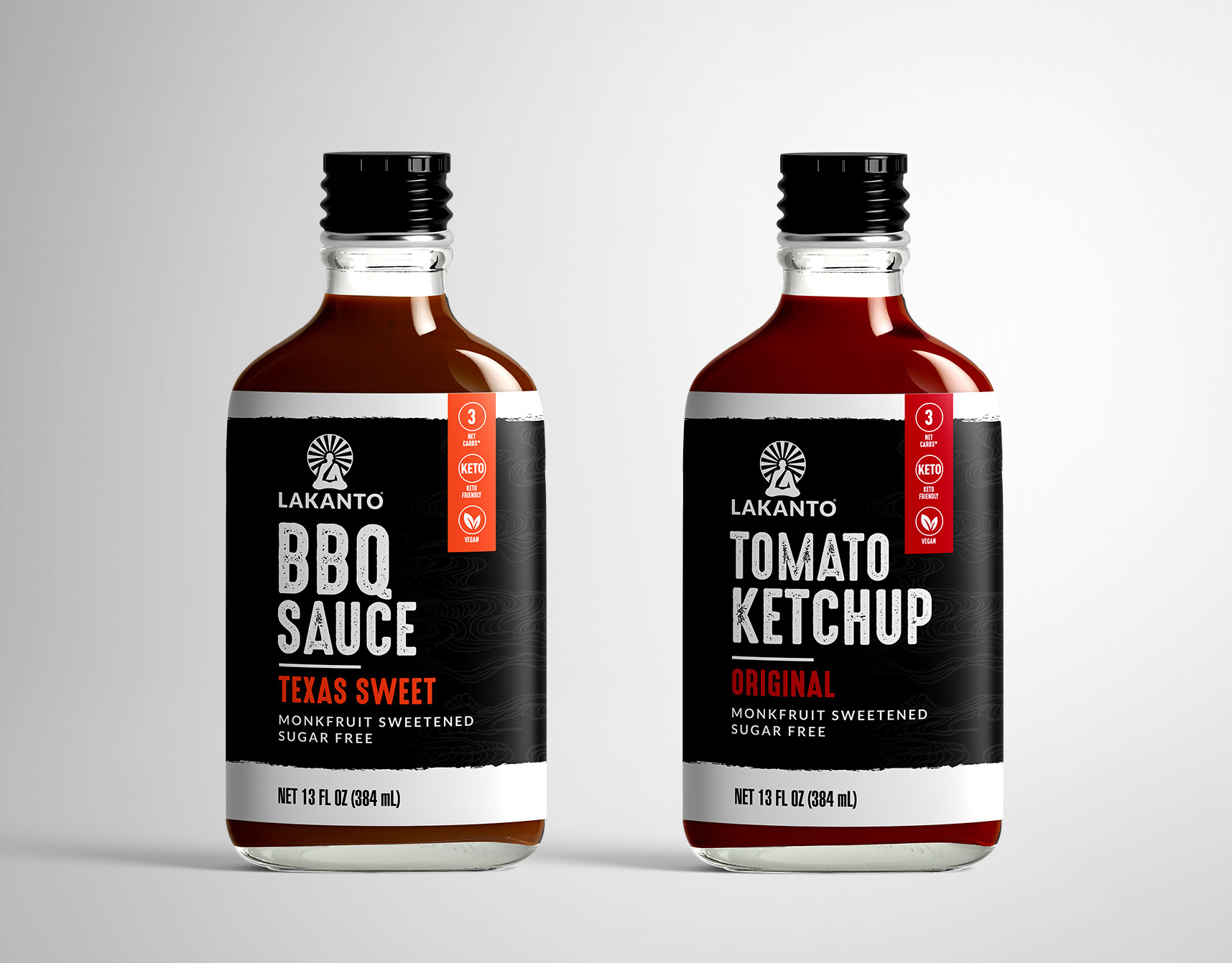
    Monkfruit sweetener brand Lakanto Australia has launched the No Sugar Added Tomato Ketchup and BBQ Sauce, offering a healthier alternative.

    According to the company, the sauces are naturally sweetened with Lakanto’s monkfruit sweetener, feature no artificial colours or tastes, and are low in carbs, making them suitable for individuals following keto, low-carb, or diabetic diets.

    “We’re excited and really proud to offer these delicious, healthier alternatives to classic condiments,” said Leon McIndoe, GM of Lakanto Australia.

    “With our BBQ Sauce and Ketchup, we’re continuing our mission to help people ‘Live a Responsibly Sweet Life’ – making it easier to enjoy flavourful meals without compromising on their health goals.”

    The Lakanto Sweet and Spicy BBQ Sauce and Lakanto Tomato Ketchup are available with an RRP of $12.95

    Last year, Lakanto re-launched its caramel and chocolate toppings derived from monkfruit, which naturally adds sweetness.

  • Restaurant chain operator Golden Gate’s profit plummets

    Restaurant chain operator Golden Gate’s profit plummets

    Restaurant chain operator Golden Gate saw its post-tax profit plunge 79.8 percent year-on-year to VND65 billion ($2.8 million) in 2020.

    It posted VND4.5 trillion in revenue, down 5 percent year-on-year, according to its financial statement.

    Golden Gate attributed the plunge in profits to the Covid-19 pandemic, which forced the company to temporarily close all of its restaurants in March and April last year as the country underwent social distancing.

    It had to cut expenses and implement food delivery services. A total of 18 of its restaurants were shut down last year.

    By the end of 2020, its total assets and liabilities were valued at VND2.3 trillion and VND1.1 trillion, respectively.

    Golden Gate was founded in 2005 with its first restaurant in Hanoi, the Ashima mushroom hotpot restaurant. It currently runs over 400 restaurants under 21 brands nationwide, with over 4,000 employees.

  • Chili’s Grill & Bar Vietnam launches in Ho Chi Minh City

    Chili’s Grill & Bar Vietnam launches in Ho Chi Minh City

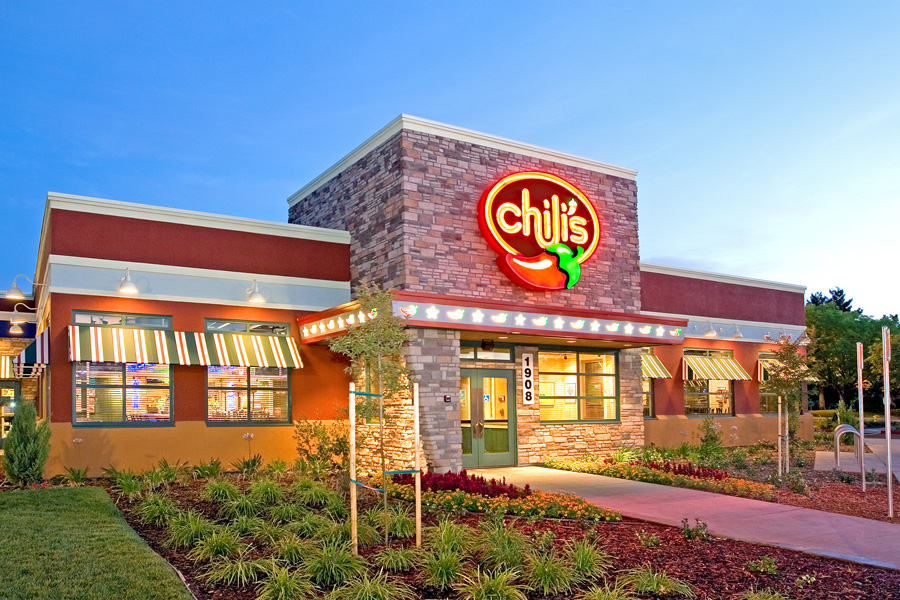
    US chain Chili’s Grill & Bar has opened its first restaurant in Vietnam in partnership with local food-franchise operator Golden Gate Restaurant Group.

    Located at SC VivoCity mall in Ho Chi Minh City’s District 7, the new restaurant is the 1700th Chili’s outlet worldwide. The restaurant offers the same dishes as other Chili’s outlets internationally, following the original restaurant-bar concept inspired by Mexican & Texas cuisines.

    According to a spokesperson, the restaurant will target “middle-income customers”.

    Chili’s Grill & Bar Vietnam representative, David Weston, considers the country a key market in Asia as many international chains has chosen the country to make their regional debut.

    Founded in 2005, Golden Gate Restaurant Group now operates more than 20 restaurant chains across the country, including Cowboy Jack’s, Hutong, Manwah and Osaka Ohsho.

    Founded in Dallas, texas, in 1975, Chili’s is now owned by US-listed Brinker International restaurant group, and operates in 33 countries worldwide.

  • Hong Kong debut for Japanese hot-pot chain Bijin Nabe

    Hong Kong debut for Japanese hot-pot chain Bijin Nabe

    Japanese “farm-to-table” restaurant group AP Company is expanding in Hong Kong with the local debut of its Bijin Nabe hot-pot brand.

    Named after the group’s signature “collagen-rich chicken ‘beauty stock’”, Bijin Nabe’s 2800sqft venue is now open at APM Millennium City 5 in Kwun Tong. AP Company has expanded to 200 restaurants in Japan and Singapore based on the reputation of its ‘super supplement’ stock – boiled for eight hours from free-range chickens, free of steroids, hormones and antibiotics and raised at its own poultry farms in Japan.

    “Bijin Nabe is establishing a niche with ‘per person’ hotpots in a dining style usually designed for groups,” said Bijin Nabe MD Masashi Kamatani, “with the added appeal of fashionable and ‘instagrammable’ appetisers, desserts, alternative specialty dishes, mocktails, cocktails and home-made vegetable juices.”

    Bijin Nabe’s focus is on young millennial consumers via an emphasis on three key concepts – beauty, tasty and healthy.

    The group made its debut in Hong Kong in 2017 with its flagship upmarket izakaya-style restaurant brand Tsukada Nojo in Harbour City, followed by the opening of a Shatin branch last year.

  • Weber opens New Store in Singapore

    Weber opens New Store in Singapore

    Weber Singapore will open a new store at No 4, Sixth Avenue.

    The US-based barbecue brand’s new store will showcase the full range of Weber’s cooking products including gas-, charcoal- and electric-powered grills.

    “Weber aims to create succulent moments that draw family and friends closer together through great food, grilling fun and unforgettable memories,” says Steven Lim, VP and MD for North and Southeast Asia of Weber-Stephen.

    Weber has also launched the first Grill Academy in Singapore and South East Asia at the Joo Chiat Weber Store, adding to more than 100 Grill Academies in the world.

    The academy allows people to get hands-on grill demonstrations and an opportunity to practice with Weber’s gas grills and charcoal grills in a three-hour Weber Essential Course.

    Weber grills are sold in more than 72 countries, including a recent expansion into Asia via India, China, Hong Kong, Korea, Japan and Singapore.

  • BBQ, hotpot dining blooms in Vietnam

    BBQ, hotpot dining blooms in Vietnam

    Among non-Vietnamese cuisine channels, BBQ and hotpot are leading eating out options, and establishments offering these are growing bigger. From last year’s fourth quarter to this year’s third quarter, these two segments have posted the strongest growth in terms of diners’ visits – 46 percent for BBQ and 37 percent for hotpot, according to data compiled by HCMC-based market research firm Decision Lab.

    In terms of international cuisines, Japanese food and other Asian food grew the strongest in terms of diners’ visits – 49 percent and 23 percent respectively.

    The firm tracked all food and drink consumed out of home on a daily basis with an annual sample size of 15,000 completed interviews, and respondents were Vietnamese consumers aged above 15, who also reported on consumption by children (under 15 years) present when eating out.

    According to the survey, which covered the out-of-home eating and drinking market in Hanoi, Ho Chi Minh City and Da Nang, Vietnam’s three biggest cities since April 2016, the drivers of consumer choice for these cuisines may differ, but all hint at Vietnamese’s underlying expectations toward a dining destination.

    They choose BBQ places for celebration, quality of food and friendly service, and prefer hotpots because it is good for socializing, is suitable for celebrating special occasions, and provides a clean environment.

    Such customer preference has helped these service providers to register robust growth.

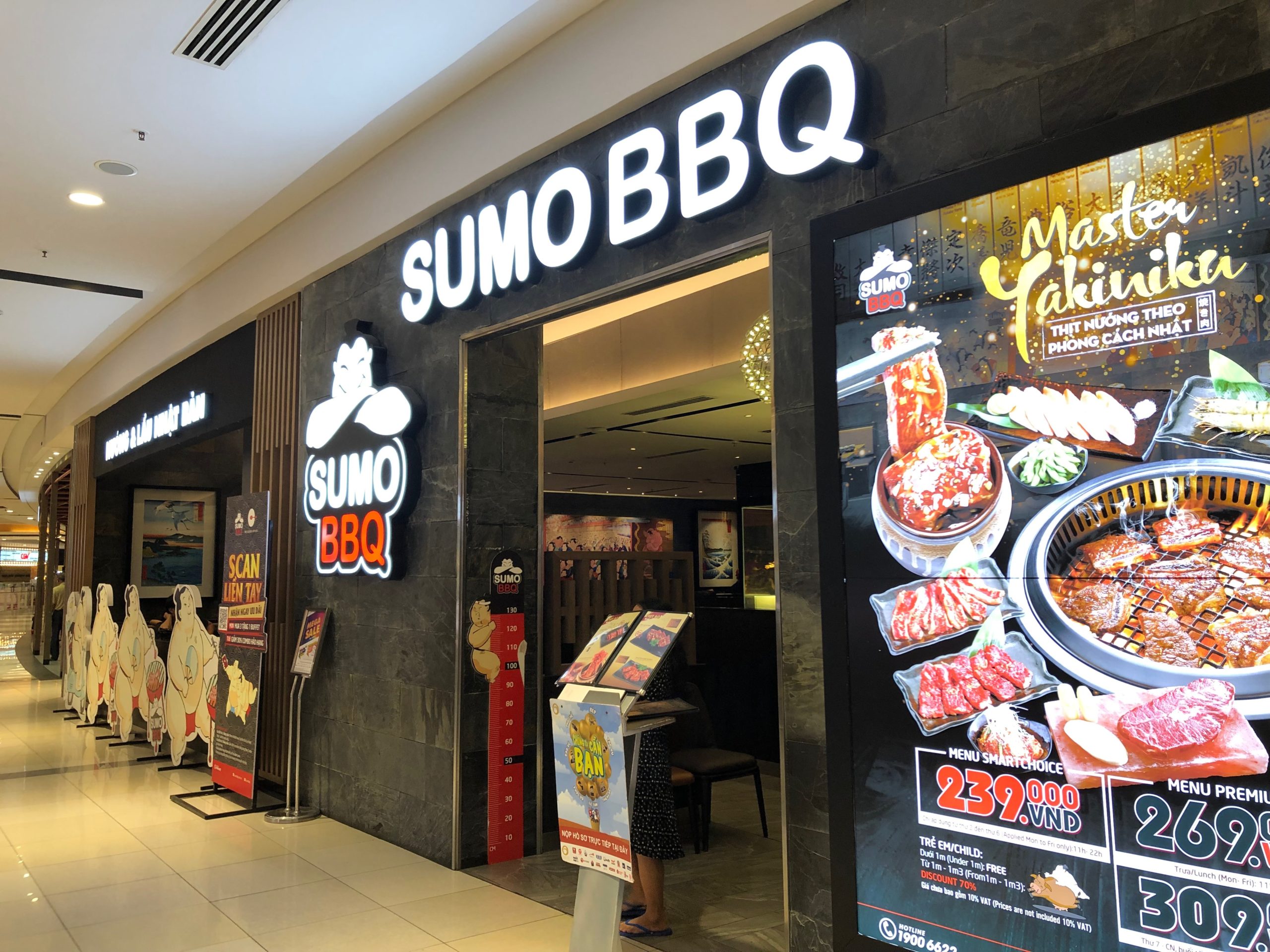
    For Vietnamese dining out in big cities, especially Hanoi and HCMC, Kichi-kichi, Gogihouse, SumoBBQ, ThaiExpress, Seoul Garden, KingBBQ and Hotpot Story are no strange names.

    Run by two Vietnamese operators Golden Gate Restaurant Group and Red Sun ITI Corporation, these are among most popular grill and hotpot restaurant brands in the country.

    Le Vu Minh, vice president of franchising, research and development and international relations for Redsun ITI said back in September that the company has maintained annual growth rates between 40 and 60 percent since 2015.

    The company increased its charter capital to VND150 billion ($6.6 million) from VND70 billion ($3.1 million) early this year.

    Redsun aims at setting up 400 restaurants in the next three years, half of them franchisees.

    Golden Gate’s revenues hit topped VND3.3 trillion ($142 million) last year, up 30 percent over 2016 and seven times that of 2013.

    Its pre-tax profit stayed at over VND250 billion ($10.75 million), while the company has a charter capital of VND64 billion ($2.73 million) last year.

    This year, it has targeted VND4.4 trillion ($190 billion) in revenue and VND326 billion ($13.93 million) in pre-tax profits and raising the number of outlets from 227 to 316.

    Vietnamese spend more than a third of their income on food and beverages, topping education and utilities, according to market research firm Vietnam Report.

  • India’s Barbeque Nation plans to launch IPO

    India’s Barbeque Nation plans to launch IPO

    Bengaluru-based restaurant chain Barbeque Nation Hospitality aims to raise about Rs700 crore (US$109 million) through an IPO.

    Draft documents filed with the Securities and Exchange Board of India say the offer comprises a fresh issue of up to Rs200 crore as well as an offer for sale of up to 6.2 million equity shares by company’s promoters.

    The company says it plans to use the funds raised to expand nationally, as well as repay loans.

    At the end of June, the company ran 81 Barbeque Nation restaurants in 42 cities in India plus one in Dubai.

    Domestic investor CX Partners is likely to sell the bulk of its holding in the company, according to the draft prospectus.

    According to Deal Street Asia, the casual-dining chain has acquired the master franchisee rights to India for US burger chain Johnny Rockets.

  • Bulgogi Brothers Bangkok debuts

    Bulgogi Brothers Bangkok debuts

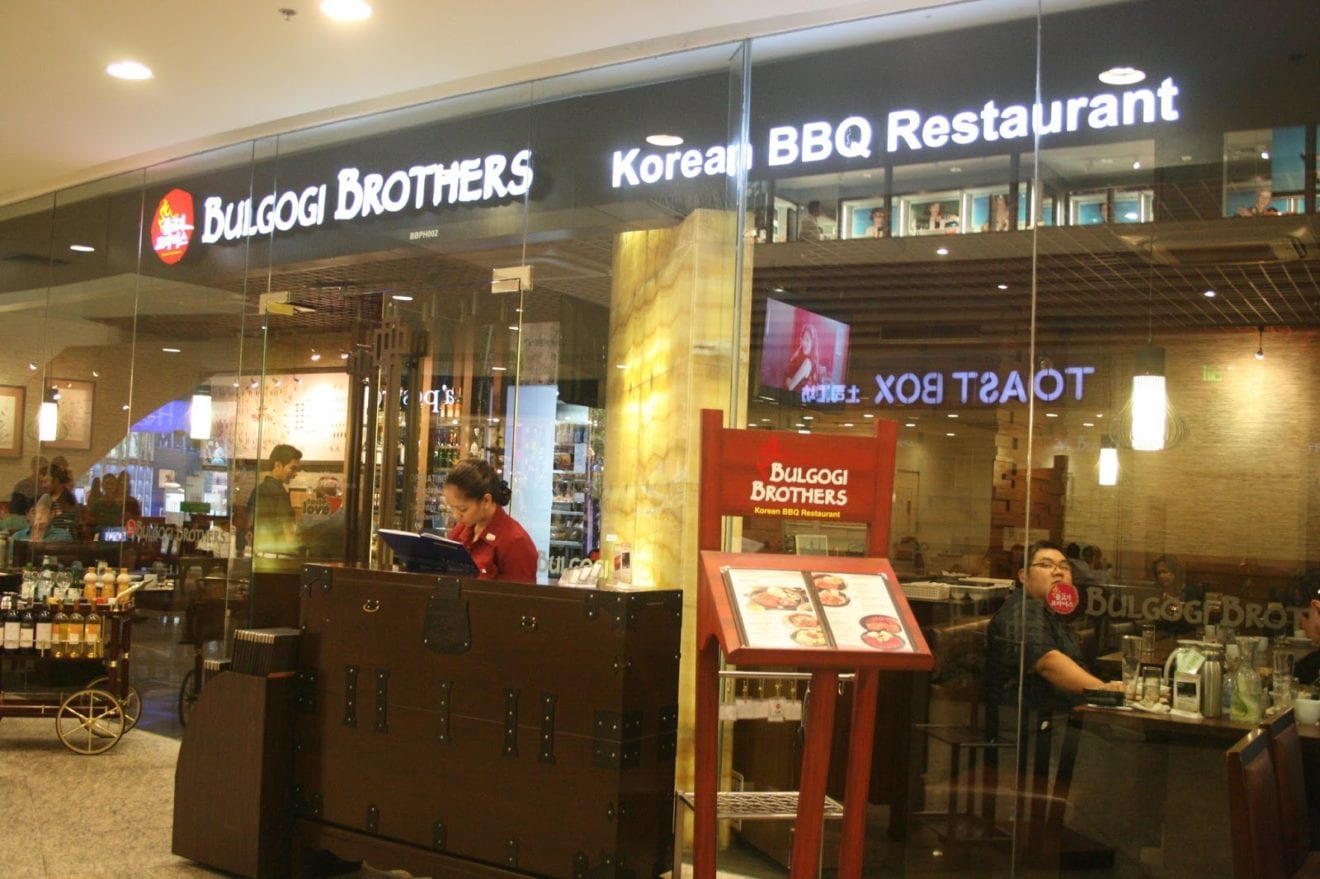
    South Korean QSR chain Bulgogi Brothers has added Thailand to its growing Southeast Asian footprint, with its first store opened in the EmQuartier mall in central Bangkok.

    The barbecue restaurant chain has 42 restaurants worldwide – including seven in the Philippines, five in China, three in Malaysia and others in Indonesia and Myanmar. The company will open its first outlet in Tokyo in October and in Taiwan’s capital, Taipei, in December. It also plans an Indian debut this year and is targeting 100 worldwide within five years.

    The Thai franchise rights are held by Ausanee Mahagitsiri Leonio, the daughter of Prayuth Mahagitsiri, described by Thai media as “the Nescafe coffee tycoon”. She also owns the Thai Krispy Kreme franchise.

    The chairman and CEO of Bulgogi Brothers’ parent company Et & Zeus is Intae Jung, who says his brand is making the most of the popularity of K-pop music, Korean TV series and fashion reputation.

    “Korean food has become a fad in Asia due to the popularity of South Korean pop music and TV series. Korean is the fourth most recognised cuisine by nationality among Thai consumers, following Japanese, Italian and Chinese,” he said in an interview with the Bangkok Post newspaper.

    “The Philippines, Thailand and Myanmar are the top three priority markets we want to focus on for our five-year business plan. In Thailand we want to see 10 more Bulgogi Brothers restaurants by 2020,” Jung said.

    Ausanee, president of King of Bulgogi Thailand, said she plans to spend 100 million baht (US$3 million) to open two Bulgogi Brothers Bangkok restaurants, including the EmQuartier one.

    “We expanded into the Korean restaurant business because the food tastes similar to Thai food. Many Thais travel to South Korea and enjoy watching Korean dramas, which inspires them to try some dishes,” she said.