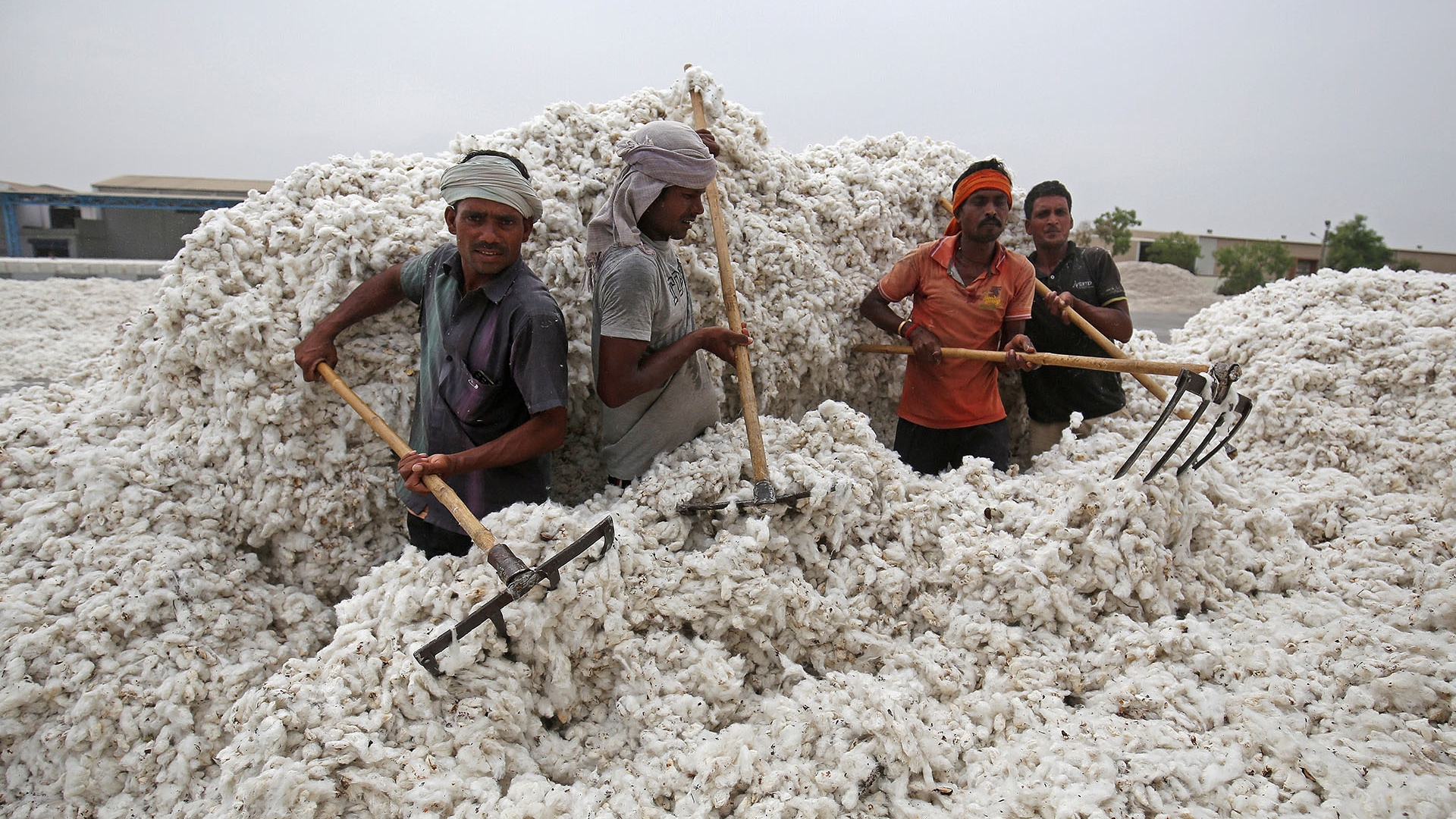
China Better Cotton Initiative certified cotton prices fell 0.96 per cent this week. The drop brings immediate relief to regional textile mills and apparel makers sourcing sustainable fibre across Asian supply networks.
Factory operators face strict sustainable sourcing quotas set by international brands. Cheaper raw fibre helps spinning mills and garment producers meet those targets without extra cost pressure.
Input Costs for Asian Spinning Mills
Downstream yarn producers feel the price shift first. Mills in major regional processing hubs track Chinese BCI benchmarks closely as they plan procurement strategies for upcoming production runs.
Export clients demand verified traceability. Lower fibre prices allow spinning facilities to protect operating margins while keeping those standards intact.
Pressure on Apparel Export Margins
Asian garment exporters face persistent cost competition in North America and Europe. Raw cotton accounts for a major share of fabric production costs, so fractional price shifts matter to volume suppliers.
Global apparel labels are negotiating seasonal contracts right now. Suppliers that locked in higher procurement rates in recent weeks face tighter pricing pressure during these talks.
Sourcing Adjustments Across Asian Hubs
Regional manufacturers balance local buying against imported certified fibre, weighing freight rates and tariff differences. Cheaper Chinese cotton gives domestic mills a brief edge over competitors relying on imported bales.
Procurement teams are adjusting forward contracts. They must avoid inventory depreciation while still securing required volumes of verified sustainable stock.
Market Metrics to Track
Traders now watch raw fibre auction clearance rates in Chinese hubs. Those figures will show whether the 0.96 per cent drop extends into deeper price cuts.
Spinning mills will track order intake from garment exporters over the coming weeks to determine if raw material price adjustments trigger wider contract renegotiations.