Tag: beauty retail

  • Spate and Vogue Business Track Top 5 Beauty and Wellness Trends

    Spate and Vogue Business Track Top 5 Beauty and Wellness Trends

    The Vogue Business Beauty Tracker, produced in collaboration with Spate, tracks the top 5 brands, trends, and ingredients driving significant year-on-year growth.

    Haircare search data from August 2025 to July 2026 highlighted growing interest in active follicle health solutions, including redensyl, peptide serums, and rice water hairspray.

    Clinical scalpcare leads hair category

    Brand interest centered on science-backed and premium solutions, with Labo-H trending for Korean scalpcare and hair loss prevention, alongside Bare Anatomy, UltraSwim, Iso Beauty, and Bvlgari Beauty.

    Swimming-specific cleansers from UltraSwim and salon-grade styling tools from Iso Beauty recorded steady increases, alongside luxury hybrid cleansers from Bvlgari Beauty. On TikTok, content centered on practical styling and protection gathered engagement, with hashtags for fast curly hair routines and freshwater mineral protection drawing steady viewership.

    Bodycare shifts to clinical active ingredients

    In body treatments, consumer preference moved toward exfoliating and brightening actives typically used in facial skincare during the July 2025 to June 2026 period. Alpha hydroxy acid body lotions, kojic acid formulations and hand exfoliators logged steady volume gains, alongside muscle recovery products such as epsom salt lotions.

    Brand interest concentrated on sensitive skin and barrier support lines. Australian brand QV Skincare recorded rising interest for barrier-repair lotions, while Curology drew search gains for dermatologist-led body acne treatments. Naked Bee expanded visibility for honey and oatmeal formulas, while Luna Daily captured queries for microbiome-balanced intimate care products.

    Functional delivery formats reshape wellness

    Wellness searches reflected demand for targeted, screen-free and non-pill formats over the 12 months to June 2026. Wearable dopamine patches for focus, acupressure wristbands for motion sickness, and screenless fitness trackers outpaced standard health devices in monthly search acceleration. Liquid zinc and male fertility nutritional supplements recorded higher query volumes across preventive health channels.

    Specialist wellness labels captured the shift toward single-benefit nutrition. Artemis Tea gained traction for organic herbal infusions, Nancy’s Probiotic logged search growth for cultured nutrition, and Sparkle Wellness grew search share through collagen powders targeting skin and joint vitality.

    For retailers across the Asia-Pacific region, the data confirms that personal care margins are shifting away from generic beauty counters toward specialized, clinical formulations. Department stores and health-and-beauty chains that allocate shelf space to dermatological actives and targeted scalp solutions will capture higher spend per basket than those relying on standard mass-market shampoos and washes.

    The risk sits with legacy beauty manufacturers that depend on generalized marketing claims without published active percentages. Consumers now search directly for specific compounds such as redensyl and kojic acid, leaving little room for unformulated private-label products to compete on price alone.

    This search acceleration builds on a two-year migration toward functional personal care across Asian metropolitan hubs, where scalp clinics and derma-skincare lines have steadily replaced multi-step cosmetic routines. Retail buyers in Seoul, Singapore and Mumbai spent late 2025 rebalancing shelf inventory toward pharmacy-adjacent brands.

    Merchandisers now look to fourth-quarter procurement orders to see whether high search volumes for topical actives translate into sustained reorder rates across regional drugstores through the first half of 2027.

  • Mecca Opens 285-Square-Metre Store at Sydney International Airport

    Mecca Opens 285-Square-Metre Store at Sydney International Airport

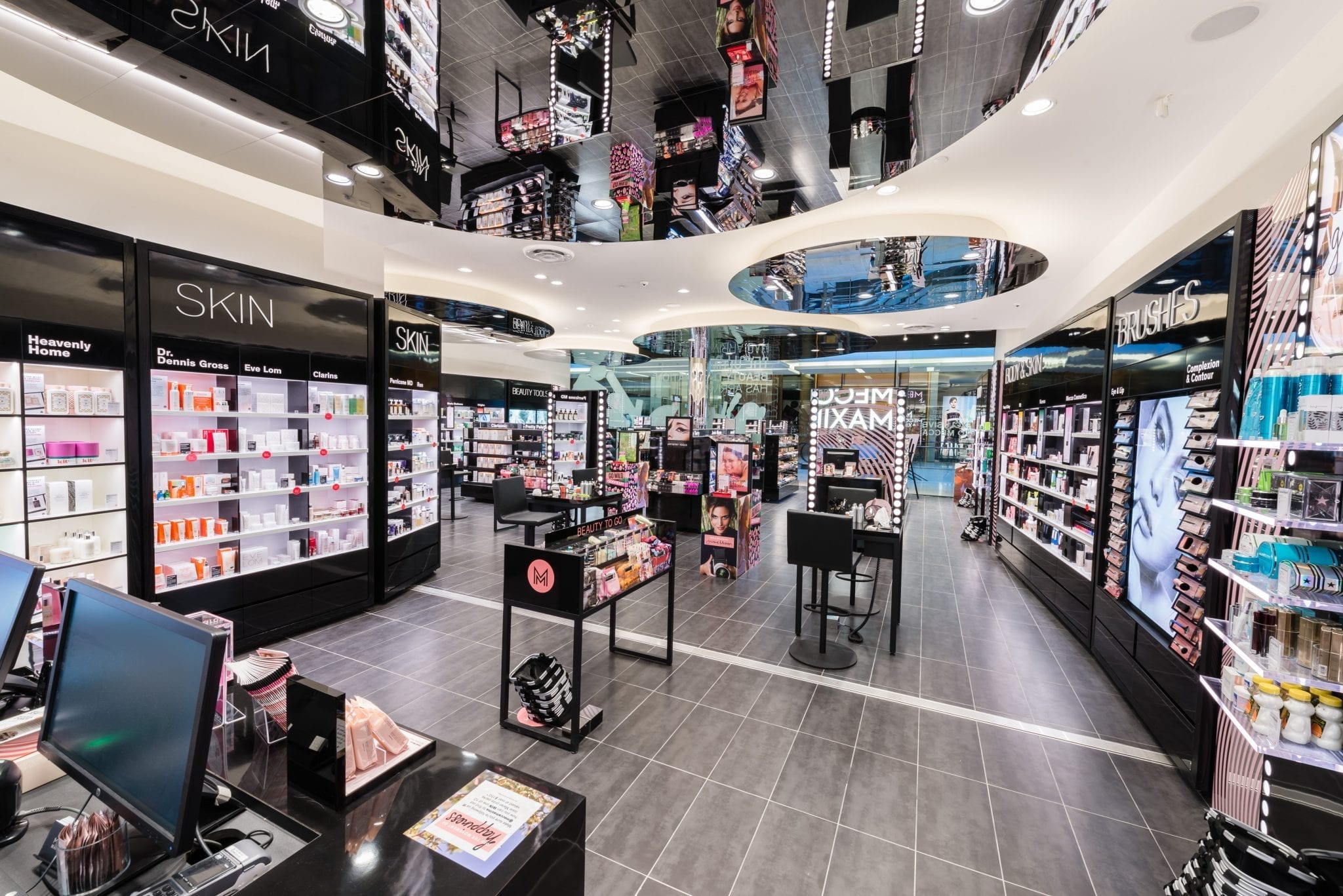
    In September 2026, Mecca opened a 285-square-metre retail space in Sydney’s T1 International terminal, marking the Australian beauty brand’s first international airport store.

    The footprint sits inside the Heinemann Tax and Duty Free concession, trading standard duty-free product walls for interactive service stations and dedicated brand zones. That footprint is roughly half the size of a standard Mecca high-street flagship, forcing the retailer to compress its inventory into high-velocity skincare, cosmetics, and travel exclusives.

    Shifting airport beauty from transaction to service

    Airport beauty retail across Asia-Pacific has historically relied on branded island counters, multi-buy discounts, and quick transactions before boarding gates call. Operators like Shilla, Lotte, and Heinemann have traditionally built duty-free concessions around volume and liquor-tobacco margins rather than high-touch advisory services.

    Mecca is testing whether hands-on consultations, application stations, and curated indie labels can extract higher basket values from outbound passengers who have cleared customs with dwell time to spare. The risk falls on staffing costs and turnaround speed: consultative beauty takes ten to twenty minutes per shopper, a cadence that clashes directly with flight departure windows.

    Heinemann’s concession strategy in Sydney

    For Heinemann, integrating a domestic specialty powerhouse allows the German travel retailer to defend sales against competing downtown duty-free stores and suburban flagship locations. Domestic travelers familiar with the Mecca brand loyalty ecosystem get an immediate reason to spend before departure rather than waiting for overseas destinations.

    Sydney Airport restructured its T1 luxury and retail precincts over recent years to capture higher average spends from returning international traffic, particularly routes across East Asia and North America. Adding specialized domestic operators inside wholesale duty-free concessions gives landlords a blueprint to raise sales per square metre without carving out independent tenancy leases.

    The travel retail rollout pipeline

    The Sydney terminal opening establishes the operating template Mecca needs before negotiating similar airside locations in Melbourne, Brisbane, or Auckland. The immediate metric to monitor is sales productivity per square metre against Heinemann’s conventional multi-brand cosmetic floorplates during peak morning departure banks.

  • Hong Kong Customs Arrests Third Suspect over Opatra Beauty Sales Tactics

    Hong Kong Customs Arrests Third Suspect over Opatra Beauty Sales Tactics

    Hong Kong customs officers have arrested a third suspect in an investigation into aggressive sales tactics at skincare outlets formerly trading under the Opatra London brand.

    The latest arrest involves a saleswoman suspected of pressuring a customer to buy skincare products at a now-closed store inside New Town Plaza in Sha Tin.

    Enforcement at Sha Tin Branch

    Sayles Retail previously operated the New Town Plaza branch before the location shut down. The detention follows earlier enforcement actions connected to the chain, bringing the total number of arrests in the case to three.

    Customs officials intervened after receiving reports of high-pressure sales behaviour targeting shoppers inside major retail malls. Investigators are examining aggressive commercial techniques used to sell high-value cosmetic and skincare items.

    Scrutiny on Beauty Retailing

    Hong Kong authorities maintain strict enforcement against unfair trade practices across beauty and wellness operators, where storefront staff face direct scrutiny over coercive sales pitches.

    Customs officers have not disclosed further details on bail terms or pending court appearances as inquiries into Sayles Retail and affiliated locations continue.

  • Star Leap Overhauls Beauty Sourcing as Global Markets Fragment

    Star Leap Overhauls Beauty Sourcing as Global Markets Fragment

    Hong Kong supply chain distributor Star Leap has revamped its cosmetics procurement model to target regional divergences across Southeast Asian, European, and American beauty retail markets.

    The company confirmed that global demand patterns no longer align across key consumer territories, forcing wholesalers to match stock directly to local channel mechanics rather than relying on global brand awareness.

    Shifting Channel Demands Across Regions

    Market dynamics are splitting along regional lines. In Vietnam and across wider Southeast Asia, multinational cosmetics labels face stiff competition from domestic brands, producing a price-sensitive consumer base with distinct SKU preferences.

    Western territories show different retail drivers. United States retailers are tying physical store sales directly to artificial intelligence tools and virtual testing setups, while European buyers are shifting purchasing budgets toward South Korean and Japanese beauty imports at the expense of traditional domestic lines.

    Matching Inventory to Local Channels

    Distributors must balance unit costs against shelf-life constraints and regional stock velocity. Star Leap tracks purchasing costs, batch codes, and SKU assortments against specific distribution channels to prevent unsold stock sitting in secondary markets.

    Cross-border beauty logistics across Asia Pacific historically relied on moving excess inventory between territories when domestic demand slowed. Rising import compliance standards and the rapid growth of domestic Southeast Asian brands have largely closed those secondary arbitrage routes.

    Procurement teams are now locking in smaller, localized batch orders as retailers prepare their mid-year stock allocations across Asian department stores and regional e-commerce platforms.

  • Rose All Day Cosmetics Secures US$5.41 Million Series A Round

    Rose All Day Cosmetics Secures US$5.41 Million Series A Round

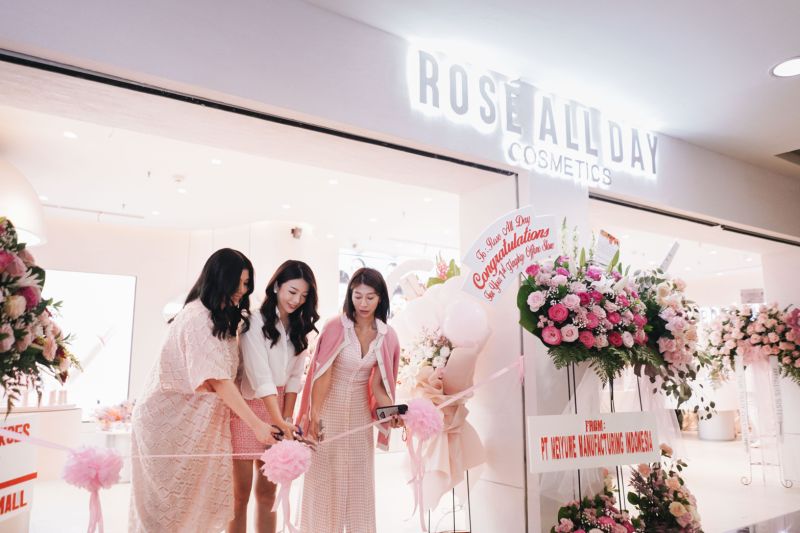
    Indonesian beauty brand Rose All Day Cosmetics raised US$5.41 million in a Series A funding round to finance its retail rollout and product line expansion. The company secured the financing as local cosmetics makers push for larger shares of Southeast Asia’s beauty and personal care market.

    The direct-to-consumer label plans to deploy the capital toward scaling its omnichannel retail footprint, improving product formulation pipelines, and bolstering distribution infrastructure across regional retail channels.

    Capital for regional distribution

    Founded to offer accessible daily beauty and skincare products, the brand built its initial customer base through online channels before expanding into physical retail counters, department stores, and beauty specialty chains. Direct-to-consumer beauty brands across Indonesia increasingly rely on physical shelf space to protect margins against rising digital acquisition costs.

    Offline distribution networks remain essential for consumer conversion in Southeast Asia, where physical storefronts and modern trade outlets still generate the bulk of personal care purchases. Securing shelf space in multi-brand retail chains gives local brands immediate access to foot traffic outside major metropolitan centres.

    Direct brand competition in Southeast Asia

    Venture investors continue backing local beauty startups in Indonesia, betting that domestic brands can defend domestic market share against legacy multinational operators. Similar consumer brand funding rounds across the region have targeted supply chain localization and regional export capabilities into neighbouring markets such as Malaysia and Vietnam.

    RetailNews Asia tracking shows that homegrown beauty labels in Jakarta face steepening competition for floor space in premium shopping malls and modern trade outlets. The next operational test for Rose All Day Cosmetics will be proving its unit economics across physical retail partners while managing regional inventory rollouts.

  • Ella Baché Deploys AI Across Retail Operations and Supply Chain

    Ella Baché Deploys AI Across Retail Operations and Supply Chain

    Australian skincare brand and salon operator Ella Baché is rolling out artificial intelligence across its buying, inventory forecasting, and customer management systems. The rollout follows a network-wide shift to omnichannel retail.

    Tracing its origins to 1936, the Sydney-headquartered company operates roughly 150 Australian salon locations alongside its digital retail channels.

    Supply Chain and Digital Pivot

    Chief executive Pippa Hallas said the deployment focuses on practical operational tasks. Automated tools now handle routine data analysis in order planning and customer service. That rollout builds on an operational reset that began when pandemic lockdowns forced the temporary closure of the entire 150-store salon network.

    To survive that disruption, the group built 150 digital storefronts for its therapists and franchise partners. That shift converted the legacy salon chain into a blended digital operator. A dedicated research, manufacturing, and distribution facility in Sydney supports the network.

    Local Manufacturing and Category Pressure

    Local manufacturing relies on domestic ingredients to meet consumer demand for traceable Australian skincare. This integrated setup gives the business direct control over formulations and packaging lines without relying on offshore contract packagers.

    Across the Asia-Pacific personal care sector, heritage skincare brands face competition from fast-turnaround cosmetics labels and expanding invasive aesthetic clinics. Newer rivals chase viral social media trends and quick procedures. Ella Baché is instead leaning into proprietary formulation and non-invasive salon treatments to protect its margin profile.

    Work is now underway to integrate these artificial intelligence tools into internal staff training modules and product development workflows ahead of scheduled product releases.

  • Adore Beauty Expands Physical Network to 20 Stores in Omnichannel Shift

    Adore Beauty Expands Physical Network to 20 Stores in Omnichannel Shift

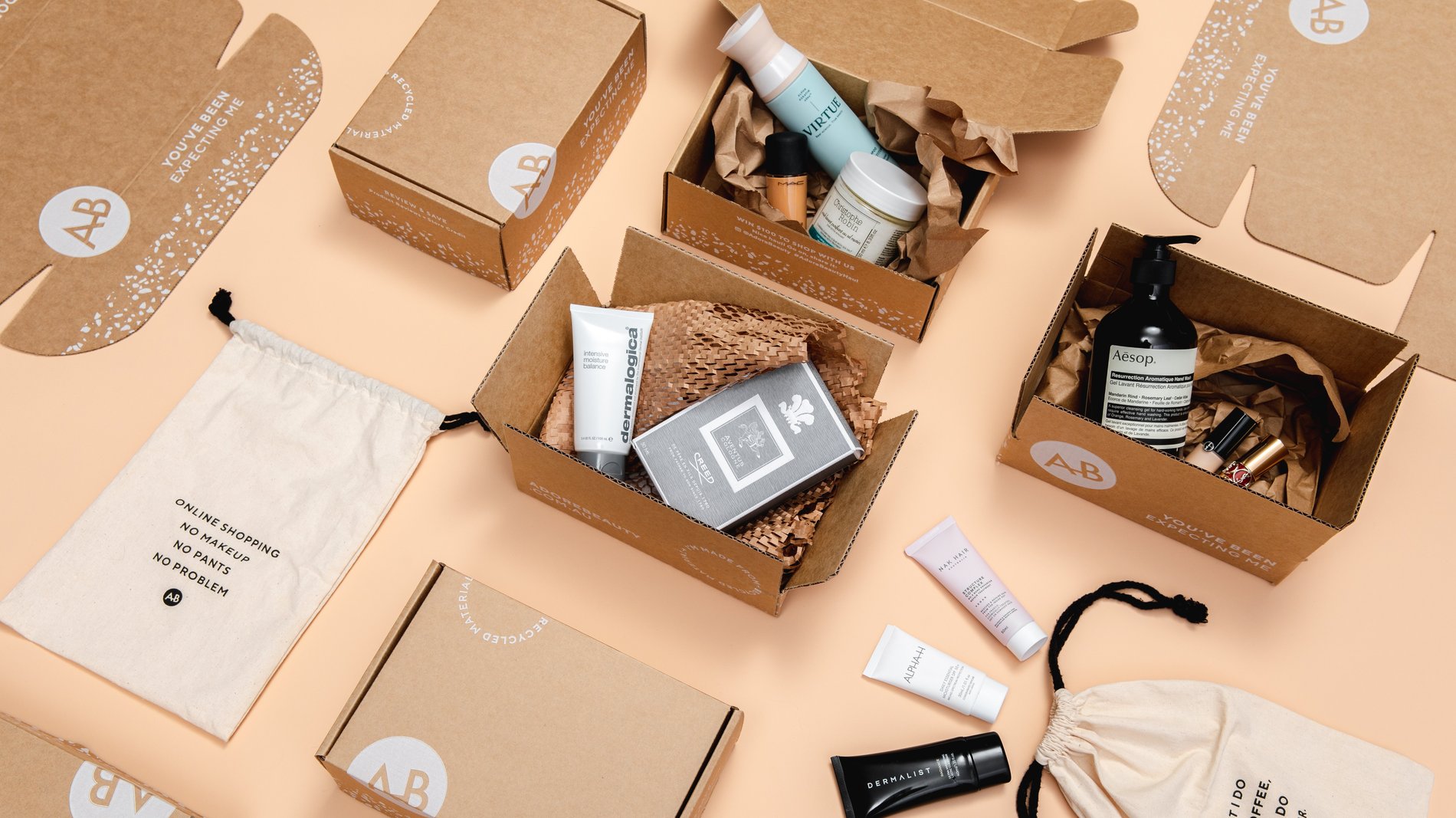
    Adore Beauty opened 13 physical stores during fiscal 2026. The Melbourne online retailer now has 20 locations across Australia.

    This expansion more than doubled its brick-and-mortar footprint. The brand had operated primarily as a pureplay digital platform for 26 years.

    Store Rollout Across Two Banners

    Openings included 11 flagship Adore Beauty storefronts and two locations under the IKOU brand. Group management committed tens of millions of dollars during the year to fund retail leases, supply chain infrastructure and expanded warehouse capacity.

    Those physical storefronts trade alongside the digital platform. Customer retention efforts helped expand the Adore Rewards loyalty program to 538,000 active participants during the financial year.

    Shifting Channel Economics

    Pureplay online beauty retailers across the Asia-Pacific region face climbing digital customer acquisition costs. Physical networks give digital operators direct access to foot traffic and higher-margin basket sizes, mirroring omnichannel rollouts across regional markets.

    Another five physical stores are scheduled to open as the company builds out its national retail pipeline.

  • Adore Beauty Hits Record Sales of $207 Million as Store Costs Cut Profit

    Adore Beauty Hits Record Sales of $207 Million as Store Costs Cut Profit

    Adore Beauty lifted full-year revenue 4.3 per cent to a record $207.3 million for the 12 months ended June 30, but heavy physical expansion cut underlying earnings by more than half.

    Underlying EBITDA fell to $3.8 million from $8.1 million a year earlier. Physical stores contributed $18.6 million to total revenue, while gross margin declined 52 basis points to 34.8 per cent.

    The Cost of Opening 13 Stores

    The Australian retailer added 13 locations during the financial year, comprising 11 Adore Beauty outlets and two Ikou shops. That took its national footprint to 20 doors after years of operating as a pure-play digital platform. New customer numbers climbed 14 per cent over the period.

    Alongside lease and fitout costs for an immature store network, the company funded a new national distribution centre, an enterprise resource planning software overhaul, and broader technology upgrades. Weak consumer sentiment in the fourth quarter added further pressure on margins.

    Adore Beauty expects store drag to ease as locations mature over an 18 to 24 month cycle. Pure-play e-commerce operators across the Asia-Pacific region have faced similar margin friction when transitioning into physical storefronts, trading immediate cash flow against long-term customer acquisition.

    Targets for the New Fiscal Year

    Chief executive Sacha Laing said the group has completed its core infrastructure overhaul on budget and on schedule, positioning the business for operational use.

    “The foundations to support our scaling omnichannel operations are now in place,” Laing said.

    Management has set an underlying EBITDA target of $9 million to $13 million for FY27, predicated on top-line revenue expanding by at least 10 per cent.

  • China’s Proya Cosmetics Enters US Market with Ulta Partnership

    China’s Proya Cosmetics Enters US Market with Ulta Partnership

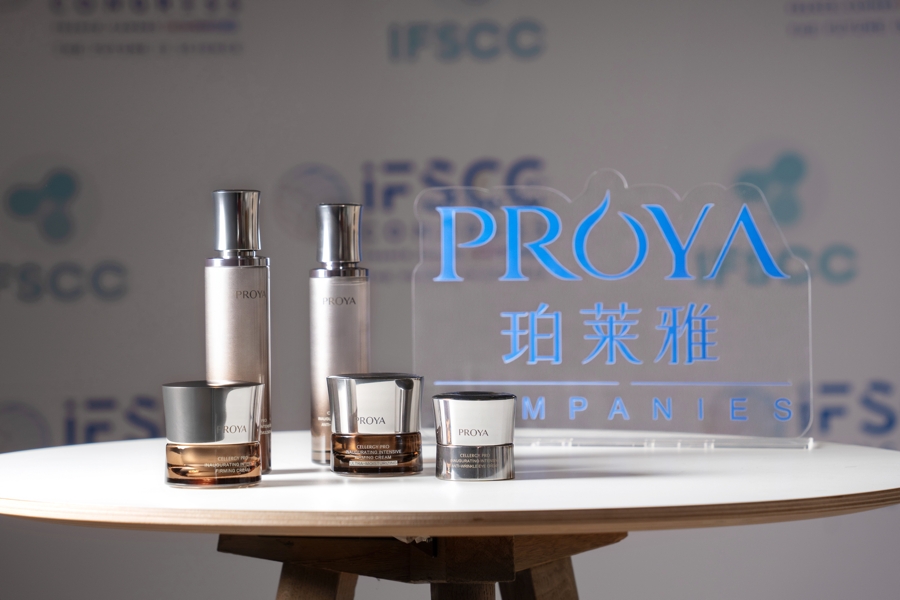
    China’s largest cosmetics firm, Proya Cosmetics, is preparing to enter the United States market through a partnership with Ulta Beauty. The collaboration will see two of Proya’s product lines distributed across 400 Ulta retail locations and its online platform, marking a significant step in the company’s international expansion strategy.

    This initiative comes as Proya faces intense competition within its domestic Chinese market, prompting the company to seek growth opportunities abroad. While Chinese beauty brands rarely achieve mass distribution in Western markets, this partnership with Ulta represents a notable effort to penetrate a major retail channel.

    Strategic International Expansion

    The move into the US follows Proya’s successful test of a similar business model in Southeast Asia. In April, the Hangzhou-based company signed an agreement with Guardian, Malaysia’s leading beauty and personal care chain. This deal has made Proya’s flagship products gradually available in more than 200 Guardian brick-and-mortar stores across Malaysia, demonstrating a phased approach to international market entry.

    Proya’s focus on international and multi-brand expansion is evident in its recent acquisitions, including a 51% majority stake in the popular brand Flower Knows for approximately €45 million. Despite these strategic moves, Proya Cosmetics reported operating revenue of 10,597 million yuan (about $1.5 billion) in fiscal year 2025, a slight year-over-year decline of 1.68%. This dip highlights the pressures within China’s beauty sector and the need for new growth avenues.

    Implications for Asian Beauty Brands

    The partnership between Proya and Ulta is unusual. Historically, Chinese beauty brands like Florasis and Flower Knows have found success in Western e-commerce channels but have struggled to secure significant market share against established players such as L’Oréal or Estée Lauder in physical retail. Proya’s direct entry into mass distribution via Ulta could set a new precedent for how Asian beauty brands approach Western markets.

    For Asian retailers and investors, this development signals the increasing maturity and ambition of Chinese consumer brands. It also underscores a broader trend where companies from the Asia-Pacific region are actively pursuing global expansion to diversify revenue streams and build brand recognition beyond their home territories. Such collaborations demonstrate a growing receptiveness in Western retail to products and brands originating from Asia, potentially paving the way for more partnerships of this nature.

  • K-Beauty Retail Sector in South Korea Undergoes Rapid Transformation

    K-Beauty Retail Sector in South Korea Undergoes Rapid Transformation

    South Korea’s K-beauty retail sector is currently undergoing a swift transformation, moving away from its traditional reliance on heavy discounting towards new and diverse sales channels, including pharmacies. This shift signals a broader evolution in how beauty products are distributed and purchased across the country.

    New Retail Channels Emerge

    The established model of beauty retail, which frequently featured steep price reductions and promotions, is being re-evaluated. Retailers are now exploring alternative strategies to reach consumers and differentiate their offerings. Pharmacies, traditionally not primary points of sale for cosmetic products, are emerging as a significant new frontier for K-beauty brands. This expansion into health-focused retail spaces suggests a potential alignment with consumer demand for efficacious and scientifically backed beauty solutions, or simply a strategic move to increase accessibility and visibility.

    Adapting To Market Dynamics

    The rapid changes in the K-beauty market indicate a need for brands and retailers to adapt quickly to evolving consumer preferences and competitive pressures. By diversifying their sales points beyond conventional beauty stores and online platforms, companies can tap into new customer segments and enhance convenience. This strategic pivot underscores a dynamic retail environment where innovation in distribution is key to maintaining market relevance and growth.

    Questions & Answers

    What is the primary change occurring in South Korea’s K-beauty retail sector?
    The K-beauty retail sector in South Korea is rapidly changing, shifting away from its traditional reliance on heavy discounts and expanding into new sales channels, including pharmacies.

    Which new sales channel is gaining prominence for K-beauty products?
    Pharmacies are emerging as a significant new retail channel for K-beauty brands, indicating a diversification of distribution strategies.

    What does this shift signify for K-beauty retailers and brands?
    This transformation suggests that K-beauty retailers and brands are adapting to evolving consumer preferences and market dynamics by exploring new ways to reach customers and maintain relevance.

  • Chinese beauty retail market predicted to reach $50bn

    Chinese beauty retail market predicted to reach $50bn

    Despite less frequent purchases, the high demand for skincare products will see the Chinese beauty retail market continue strong growth to reach 338 billion yuan (US$50 billion) in value by 2020, says a new report.

    Research by Mintel shows that 65 per cent of consumers spent more on facial skincare last year than in 2014, despite consumers buying beauty products less often.

    Purchase rates for all beauty and personal-care categories surveyed by Mintel slowed during the three months to October last year. The categories most affected are hair beauty products, beauty supplements and fragrances, falling 32 per cent, 28 per cent and 26 per cent respectively.

    Total retail sales of cosmetics in China grew 12.3 per cent to reach 204.9 billion yuan last year.

    “The beauty retailing market seems resistant to decline, and this is mainly because the dynamic development of the facial skincare market,” says Mintel senior beauty and personal care analyst Chen Wenwen.

    “To leverage their passion and spending power, it is essential for both retailers and manufacturers to engage consumers via mobile platforms.”

    As many as 44 per cent of consumers used a mobile device to pay for beauty/personal care products online in the three months to October – double the number since 2014.