Retail News CRM

Tag: berjaya

  • Berjaya Food Exits Paris Baguette Joint Venture, Redirects Focus on Core Businesses

    Berjaya Food Exits Paris Baguette Joint Venture, Redirects Focus on Core Businesses

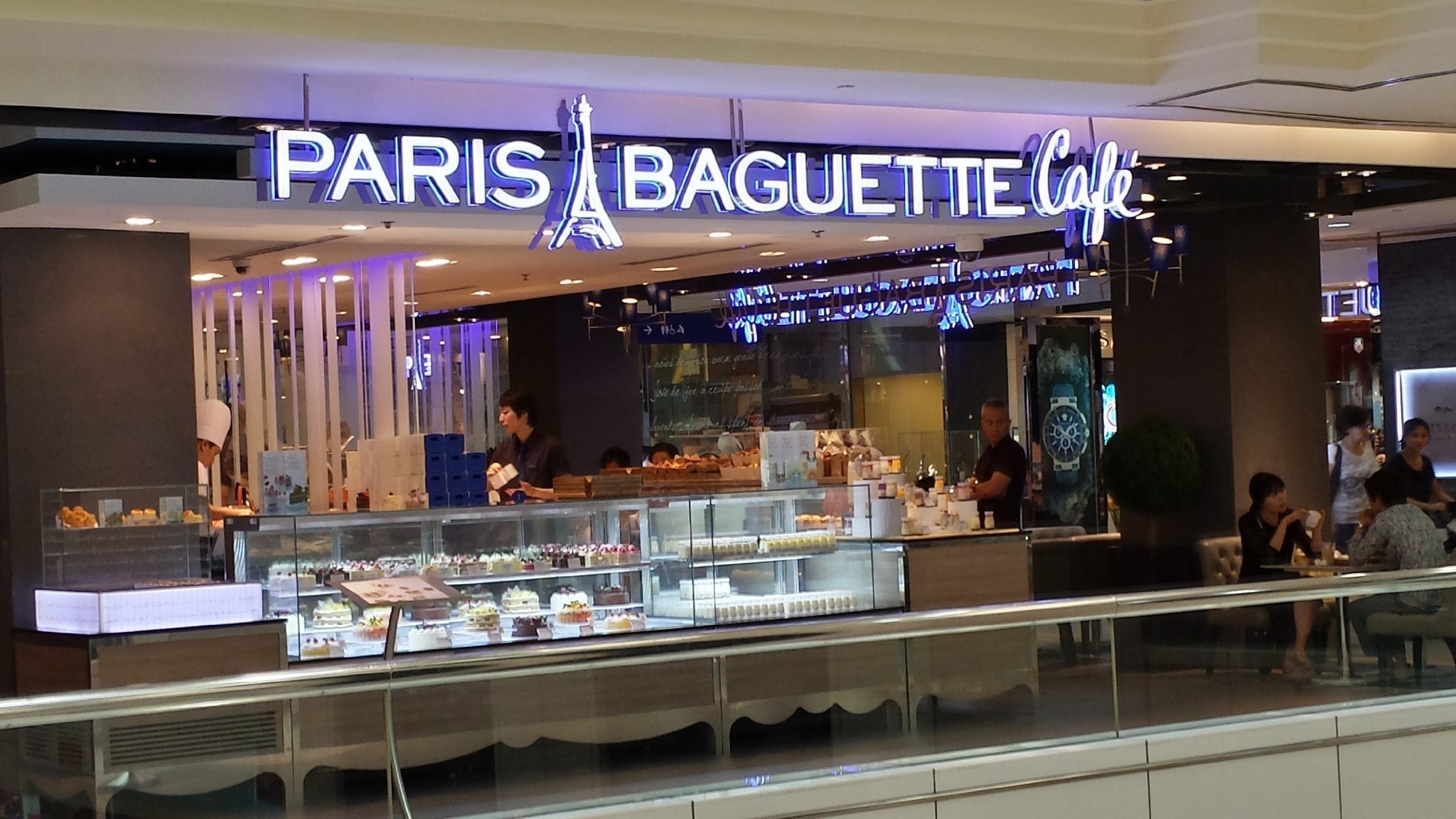
    Berjaya Food, a major player in the food and beverage industry, has concluded their collaboration with Paris Baguette, marking the end to the alliance that brought the esteemed South Korean bakery chain to Malaysia in 2023.

    In an effort to sever ties with the financially draining venture, Berjaya Food divested its 50% share in Berjaya Paris Baguette (BPB) to Paris Baguette Singapore for a token sum of RM1 (US 24 cents). Executed on June 30, this transaction included the transfer of 20 million ordinary shares. This was accompanied by Berjaya Food’s settlement of RM3.91 million (about $960,920) in outstanding liabilities.

    A Challenging Operation

    The Malaysian branch of the business has persistently reported losses since its commencement. As per recent records, BPB reported an unaudited, post-tax loss of RM67.09 million ($16.49 million) and net liabilities of RM33.41 million ($8.2 million). The RM20 million ($4.9 million) pumped into the venture by Berjaya Food is fully impaired.

    Berjaya Food has clarified that the divestiture of BPB is a strategic move to step away from the “Paris Baguette” chain of bakery and retail stores in Malaysia, which has continually underperformed since its introduction in the country. This decision, they explain, will help to eliminate the group’s exposure to BPB’s continuous financial losses.

    Looking Ahead

    Berjaya Food can now channel its resources and managerial attention to its principal businesses and future growth prospects. Paris Baguette, on the other hand, first set foot in Malaysia in 2023 and currently manages 16 locations across the country.

    Berjaya Food’s decision to divest comes at a time when the group is grappling with wider earnings pressure. Last year, the company reported its fifth consecutive quarterly loss, largely contributed by weaker performance at its Starbucks Malaysia business.

    Questions & Answers

    Why has Berjaya Food chosen to exit the joint venture with Paris Baguette?
    Berjaya Food decided to exit the joint venture due to consistent financial losses, deciding instead to focus on their core businesses and future growth opportunities.

    What was the extent of Berjaya Food’s investment in Berjaya Paris Baguette?
    Berjaya Food’s investment in the venture amounted to RM20 million ($4.9 million), which has now been fully impaired.

    What has been the impact of the divestment on Paris Baguette’s presence in Malaysia?
    Paris Baguette continues to operate in Malaysia, currently managing 16 locations across the country. The divestment has not affected its operational presence.
  • Berjaya Food Reports Rising Losses: Starbucks Malaysia’s Struggles Amid Middle East Conflict

    Berjaya Food Reports Rising Losses: Starbucks Malaysia’s Struggles Amid Middle East Conflict

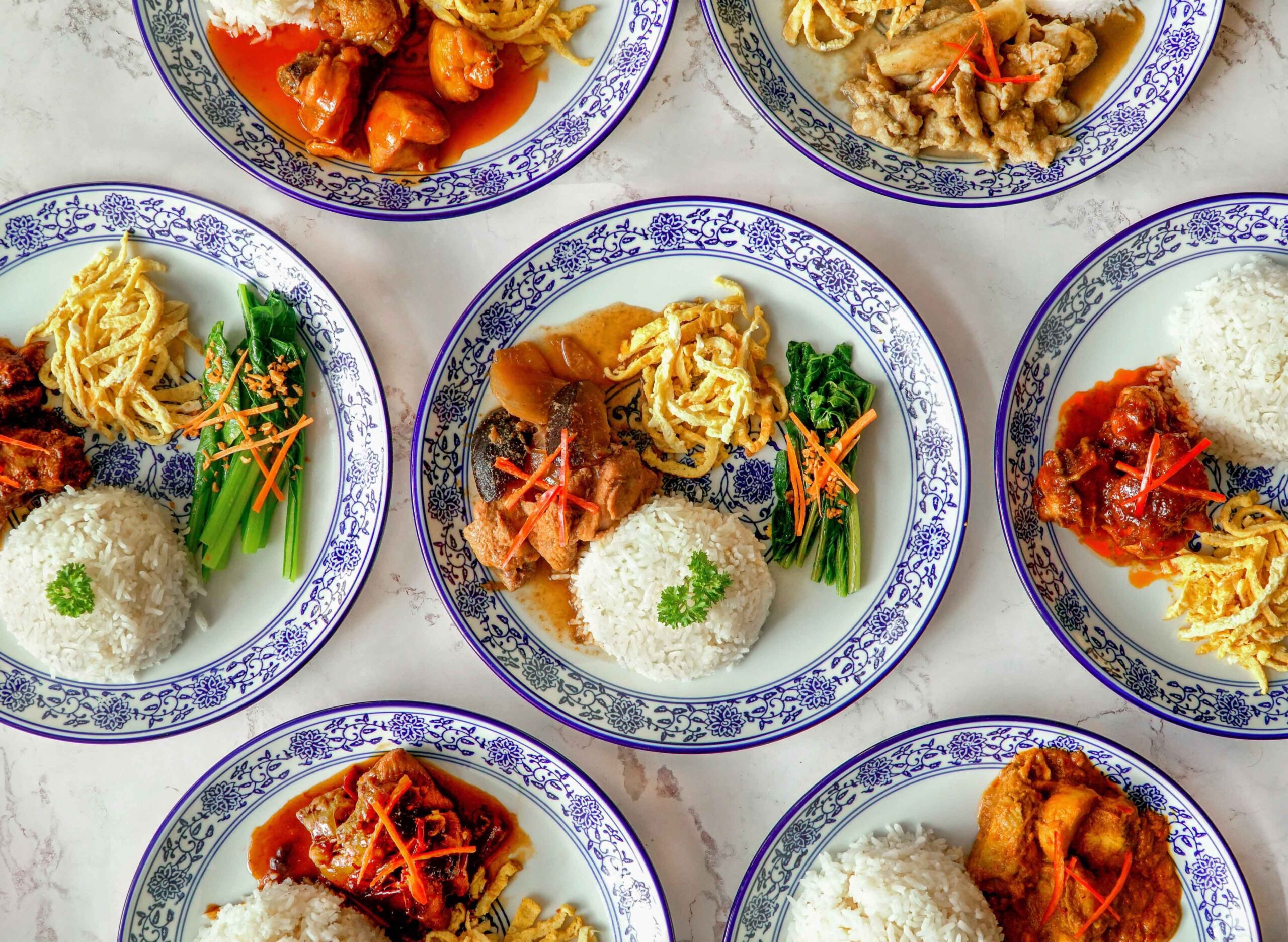
    Berjaya Food, a Malaysia-based company, has recently reported a significant increase in losses and a decrease in sales for both their fourth quarter and the entire fiscal year. Berjaya Food, which operates Starbucks Coffee in Malaysia and Brunei, along with Kenny Rogers Roasters and Paris Baguette in Malaysia, experienced reduced sales due to a decrease in store numbers.

    Quarterly Report

    The revenue for the group, for the quarter ending on June 30, experienced a decrease of 11 per cent compared to the previous year, settling at RM115.8 million (US$27.4 million). This reduction is mainly attributable to the decrease in the number of store locations. However, the management has noted a slight increase in sales compared to the third quarter. This increment is primarily due to an improved sales performance from Starbucks Malaysia.

    In this quarter, the loss before tax increased from RM42.6 million to RM183.7 million. The primary reason for this increase was the impairment of property, plant, and equipment (PPE) and right-of-use (ROU) assets linked to non-performing stores.

    Annual Report

    For the entire fiscal year, the revenue dropped by 36 per cent, amounting to RM476.7 million. This drop is linked to the ongoing sentiment surrounding the Middle East conflict, which has affected market dynamics and altered customers’ purchasing behaviours.

    The pre-tax loss for the year broadened from RM89 million to RM288.7 million. This loss was due to the necessary impairment provision to PPE and ROU assets, resulting from the downsizing of Starbucks Malaysia’s operations.

    Questions & Answers

    What were the main reasons for the loss in Berjaya Food’s fourth quarter and fiscal year?
    The primary reasons were the impairment of property, plant, and equipment (PPE) and right-of-use (ROU) assets of non-performing stores, and also the downsizing of Starbucks Malaysia’s operations.

    Did Berjaya Food see any improvement in the fourth quarter compared to the third quarter?
    Yes, sales were slightly higher in the fourth quarter compared to the third, primarily due to improved sales performance at Starbucks Malaysia.

    How did the Middle East conflict affect Berjaya Food’s annual results?
    The ongoing conflict in the Middle East has influenced customers’ spending patterns and affected market dynamics, which contributed to the significant drop in the annual revenue.

  • Berjaya Corp acquires more shares in 7-Eleven Malaysia

    Berjaya Corp acquires more shares in 7-Eleven Malaysia

    Berjaya Corporation Bhd’s subsidiary, Inter-Pacific Securities Sdn Bhd (IPS), acquired 16.80 million ordinary shares (equivalent to 1.51% equity interest) in 7-Eleven Malaysia Holdings Bhd (SEM) through direct transactions, for a cash consideration of approximately RM30.77 million.

    This brings the combined equity interest of BCorp and its subsidiaries in SEM to about 14.37%.

    The acquisitions were funded internally by IPS and have no expected material impact on BCorp group’s financials for the current fiscal year.

  • BAssets continues to up stake in 7-11 Malaysia

    BAssets continues to up stake in 7-11 Malaysia

    After rumblings that 7-Eleven Malaysia Holdings is being targeted for privatisation, diversified group Berjaya Assets (BAssets) has taken steps to achieve this.

    BAssets is owned by businessman/investor Vincent Tan Chee Yioun, who has started mopping up 7-Eleven shares on the open market.

    “Something is brewing between 7-Eleven Malaysia and BAssets – a corporate exercise is being contemplated,” the newspaper says, quoting an unnamed source.

    BAssets last week surfaced as a substantial shareholder of 7-Eleven Malaysia. It has a 5.1 per cent stake after acquiring 5.1 million shares on the open market and through direct deals.

    Tan himself is already a major shareholder in 7-Eleven, along with Sultan Ibrahim Sultan Iskandar.

    Including BAssets’ stake, Tan has total equity interest of 42.46 per cent in the 24-hour convenience store chain. He also controls BAssets with a 59.36 per cent stake. Sultan Ibrahim is the second-largest individual shareholder of 7-Eleven Malaysia with a 15.52 per cent direct stake, and he also has a 9.38 per cent direct stake in BAssets.

    Tan’s Berjaya Retail, the single largest shareholder of 7-Eleven Malaysia, has pared down its stake from 48.62 per cent as at January 9 last year to 31.61 per cent in October.

    According to the 7-Eleven corporate website, it has 17,799 stores in Japan, 8469 in Thailand, 5022 in Taiwan, and 477 in Singapore. In Malaysia, it has more than 2100 stores serving about 900,000 customers daily.

  • 7-Eleven in talks with a ‘few parties’ on food deal

    7-Eleven in talks with a ‘few parties’ on food deal

    7-Eleven Malaysia Holdings Bhd is in talks with a few parties on food chain supply after its memorandum of undestanding (MoU) with Brahim’s Holdings Bhd’s subsidiary lapsed after close to two years.

    Last week, 7-Eleven said in a stock exchange filing that the MoU with Brahim’s “has lapsed and accordingly ceased to have any effect”.

    “We’re looking to work with many others. We’re talking to some (a few parties), but it’s not finalised yet,” 7-Eleven Malaysia majority shareholder and Berjaya Corp founder and executive chairman Tan Sri Vincent Tan told a press conference after launching mobile wallet app One2pay today.

    He added that once the company has finalised the decision, it will make an announcement, estimated in the next two to three months.

    Meanwhile, Tan said the group is projecting a 3%-5% increase in sales for the retail businesses under Berjaya Group, on the back of the appreciation of the ringgit and positive signs such as the growing economy and foreign investments in the country.

    He said while retail associations and retailers have lamented the soft retail market, partly due to competition from e-commerce, the situation has been better because the ringgit has strengthened, which augurs well for the retail industry.

    “The retail trade in Malaysia is still okay and is not as bad as painted by some. For our group, we’re optimistic that the retail trade will get better,” said Tan.

    He added that the group witnessed a dip in sales when the Goods and Services Tax (GST) was implemented but now it has stabilised and sales are going up.

    “People have accepted GST. Consumers are back and the sales are up.”