Tag: berli jucker

  • Network expansion boosts Berli Jucker Profit

    Network expansion boosts Berli Jucker Profit

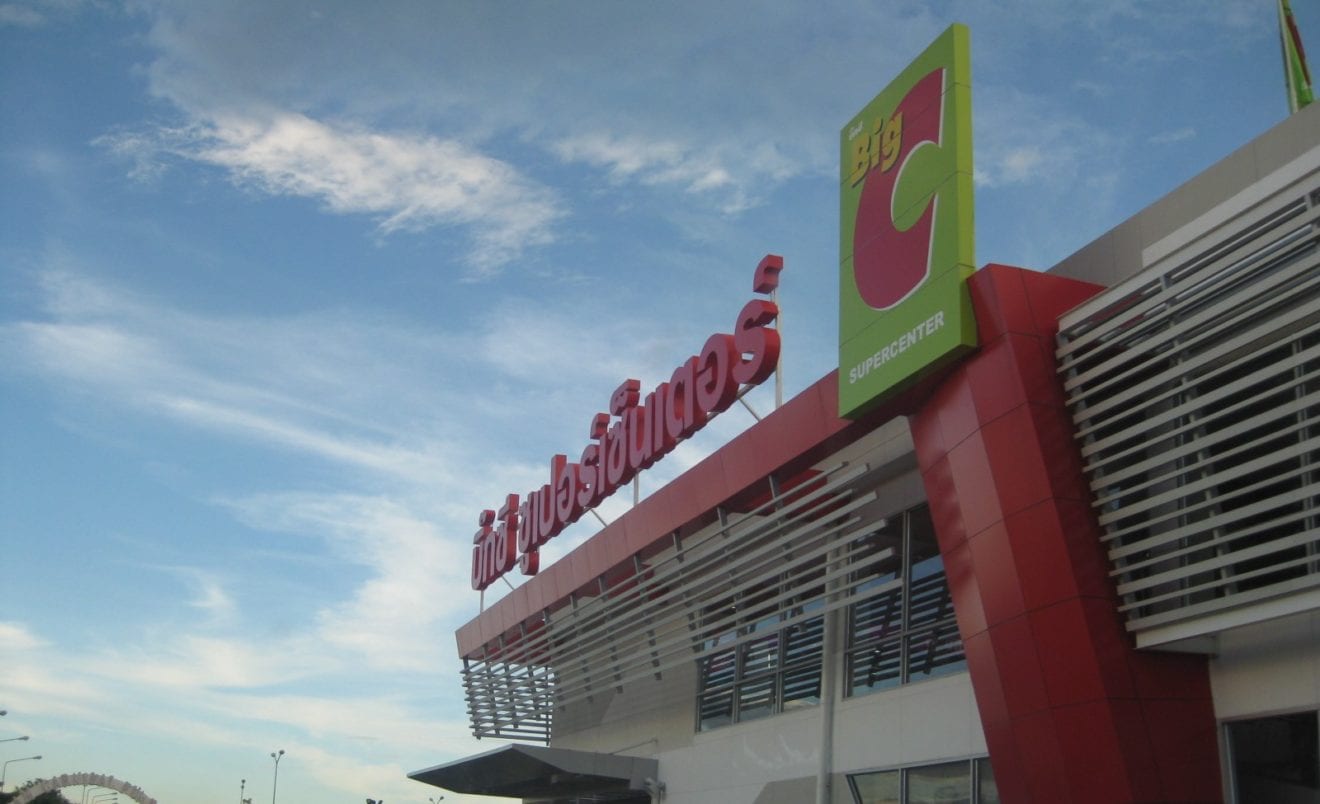
    Berli Jucker, the operator of Thailand’s Big C retail stores, has reported revenue of THB30.9 billion (US$979 million) in the first quarter, gaining THB1.6 billion (US$50.5 million) over the same period last year.

    Network expansion was the main driver of the revenue growth, reported IGD, with 27 Mini Big C stores opening during the quarter, more than compensating for the closure of 13 convenience stores.

    The company’s gross-profit margin decreased from 16.3 per cent to 15.9 per cent due to lower business-to-business sales.

    Net profit declined 2.3 per cent due to increased staff costs due to store expansion and yearly bonuses, together with increased store-opening and closing expenses and rising utility prices.

    As at the end of March, the company had 147 hypermarkets, 61 supermarkets, 797 Mini Big C and 140 Pure drugstores trading.

    Like-for-like sales grew 1 per cent year on year while other income including rental increased 4.7 per cent over the same period, reported IGD.

  • Berli Jucker eyeing Asean expansion

    Berli Jucker eyeing Asean expansion

    Thai company Berli Jucker (BJC) plans an aggressive expansion of its retail network in the Asean region.

    The push will include its hypermarkets and convenience stores, including the opening of Big C hypermarkets in Malaysia.

    BJC president/CEO Asawin Techajareonvikul says the company is evaluating whether to give Malaysia or Vietnam priority in its retail network expansion.

    Described by the company as “downstream business”, the expansion will help its main interests, manufacturing, distribution and logistics.

    Group chairman Charoen Sirivadhanabhakdi says BJC has had a foothold in Malaysia since acquiring a glass factory there in 1966. Big C stores would be the group’s first retail venture there.

    However, Asawin says there are already many competitors in Malaysia. “Meanwhile, in Vietnam, we already have 19 MM Mega Market hypermarkets as well as 173 B’s Mart convenience stores. The market has a lot of potential.”

    He says that between 200 and 300 hypermarkets are run by different companies in Thailand, but with about 90 million people in Vietnam, the number of hypermarkets there is quite small.

    “Our strategy is to build ‘connectivity’ within our retail network,” says Asawin. “Our Big C stores now cover all major provinces throughout the kingdom, but the transportation lead time from one store to another is currently about three hours. We want to reduce this to only one hour, and that means we need to open more stores to fill the gap, especially in cities in border areas.”

    BJC has 1200 retail outlets in Thailand, Laos and Vietnam under different brands, including Big C in Thailand, MM Mega Market and B’s Mart in Vietnam, and M-Point Mart in Laos. The group also has more than 10 factories in Asean.

  • Expansion plan from Big C parent company

    Expansion plan from Big C parent company

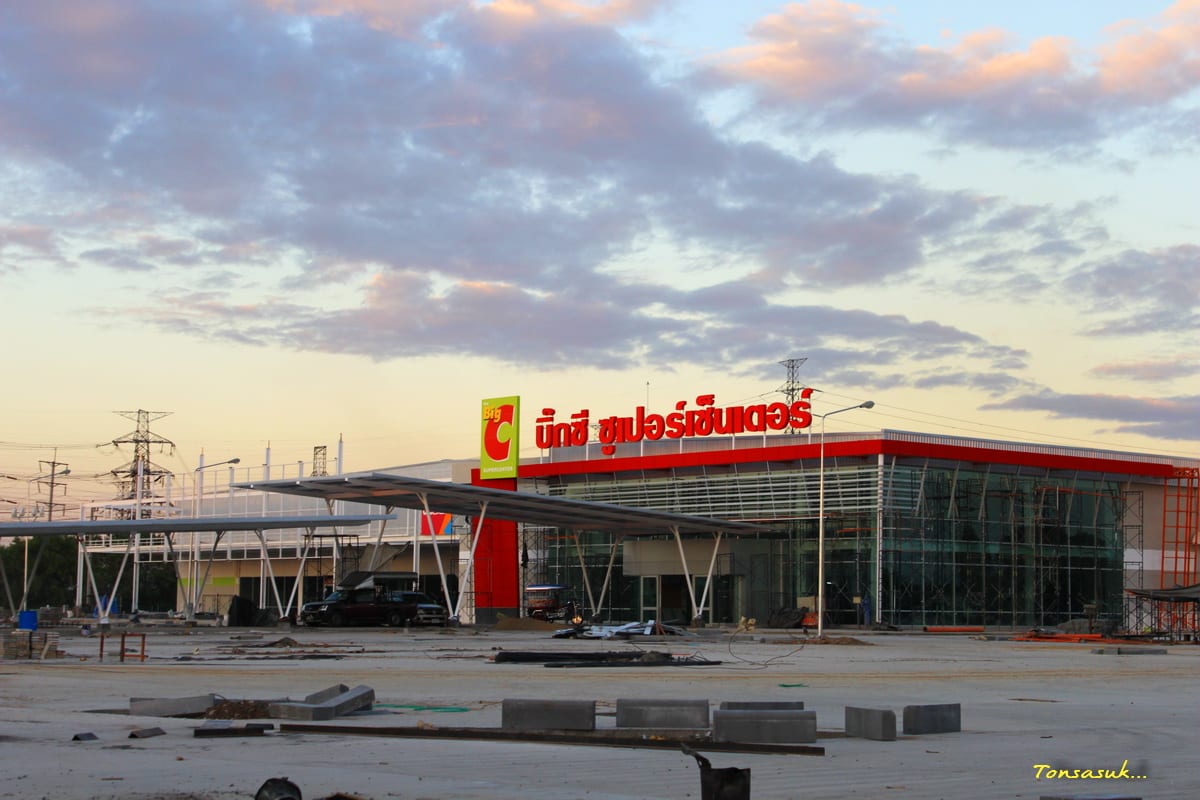
    Berli Jucker (BJC), the owner of Big C Supercenter, will allocate TB10 billion (US$280 million) to expand the Big C hypermarket chain.

    It plans to opening 213 stores and renovate 54 outlets next year.

    BJC executive VP for group strategy and investor relations Oliver Gottschall says the company will make an aggressive expansion of the Big C network through Thailand, spending TB8 billion to open nine Big C hypermarkets, four Big C Market outlets and 200 Mini Big C stores, as well as renovate 54 outlets. The remaining TB2 billion will be reserved as cash flow.

    As previously reported, MM Mega Market, BJC’s wholesale business, has been merged with Big C’s hypermarket business in a bid to promote expansion and management efficiency. BJC closed its Ogenki beauty/drugstores to focus on Big C’s Pure drugstore chain.

    Two MM Mega Market stores in the Nong Khai and Sa Kaeo provinces are expected help expose Big C’s retail network to cross-border trade through their strategic locations near Laos and Cambodia.

    BJC has more than 700 retail branches under various formats in Thailand, mostly under the Big C brand, and more than 100 branches in Vietnam.

    BJC CEO Aswin Techajareonvikul says Big C’s revenue dropped 20 per cent to TB22.7 billion in the third quarter of this year because of the gradual reduction of cigarette and liquor sales. Net profit rose 14.6 per cent year-on-year to TB1.53 billion.

    During the nine-month period, Big C posted a net profit of TB5.27 billion on revenue totalling TB92.6 billion. Nine-month revenue declined 7.3 per cent, attributed to the economic slowdown.

    Gottschall says the rise in net profit in the third quarter came from Big C restructuring, with low-profit products being replaced with more fresh food.

    During the first nine months, BJC posted a net profit of TB2.77 billion on revenue totalling TB97.4 billion. For the third quarter, net profit was TB1.8 billion and total revenue stood at TB33.5 billion.

  • Big C Thailand plans major expansion

    Big C Thailand plans major expansion

    Berli Jucker Group, the new owners of Big C Thailand, have announced a major expansion plan targeting the regions.

    Big C Supercenter’s board, now controlled by Berli Jucker Group after it bought stakes from Group Casino and Central Group, over recent months, have signed off on a budget of up to THB6 billion (US$168 million) for store expansion.

    New stores are planned for what the company describes as “blue ocean” sites, including border cities and major districts where the brand is not well represented.

    Last weekend, Big C opened its 126th hypermarket, in Ranong, only the first new store this calendar year.  The 4000 sqm store anchors a 10,000 sqm development, aiming to attract 10,000 shoppers a day, most of them Burmese from across the border or living and working in the province. The complex also houses a three-screen Major Cineplex cinema

    Big C Thailand plans to open five more hypermarkets this year, mostly in the south and northeast of the nation. Another three smaller Big C Market stores are planned for the north and 75 mini Big C convenience stores, two thirds of them franchised.

    “BJC will help strengthen Big C via its diversified products and in the area of logistics. It may help the company to speed up its expansion in the future,” said Songsak Wijaithammarit, assistant VP for operations.

    “Our shareholders were impressed by the new major shareholder of Big C, which is Thai.”

    Big C currently operates 125 large format stores (Big C Supercenter, Extra and Jumbo), 55 Big C Market stores, 397 Mini Big C stores (including 164 in Bangchak service stations) and 147 Pure drugstores.

    Big C Supercenter’s operating profit rose 1.2 per cent to THB2.01 billion last quarter on sales down 1.1 per cent to THB 32.8 billion. Same-store sales dropped 2.9 per cent.

  • Central Group sells Big C Thailand stake to rival

    Central Group sells Big C Thailand stake to rival

    Thailand’s Central Group is a step nearer to settling on Big C Vietnam  after selling its stake in Big C Thailand to a rival retailer.

    Central has accepted an offer from rival TCC Group for its 25 per cent holding of Big C Supercenter, reported to be worth at least 50 billion baht (US$1.4 billion).

    The deal follows French retail group Casino’s decision to sell its Thailand and Vietnam units this year in a bid to cut debt. Both businesses have hypermarkets, supermarkets and convenience stores.

    Central Group, Thailand’s biggest retailer led by tycoon Tos Chirathivat, lost out to TCC’s flagship retail unit Berli Jucker in the battle to gain control of the Thai unit, but has agreed to pay 920 million euros (US$1.1 billion) for Big C Vietnam.

  • Jucker votes for Big C buy

    Berli Jucker shareholders have voted in favour of the US$6.2 billion acquisition of a majority stake in Big C Thailand.

    The vote – virtually unanimous – followed news the listed company had secured funding for the purchase from a syndicate of 15 banks and means the deal is now all but complete. Settlement is expected late this month.

    But while the future of Big C Thailand now appears to be resolved, negotiations continue over the fate of Big C Vietnam, a smaller, less profitable business controlled by France-based Casino Group, which is shedding overseas assets to reduce its debt exposure.

    Casino has a 58.6 per cent controlling interest in Big C Thailand, which Berli Jucker will now acquire.

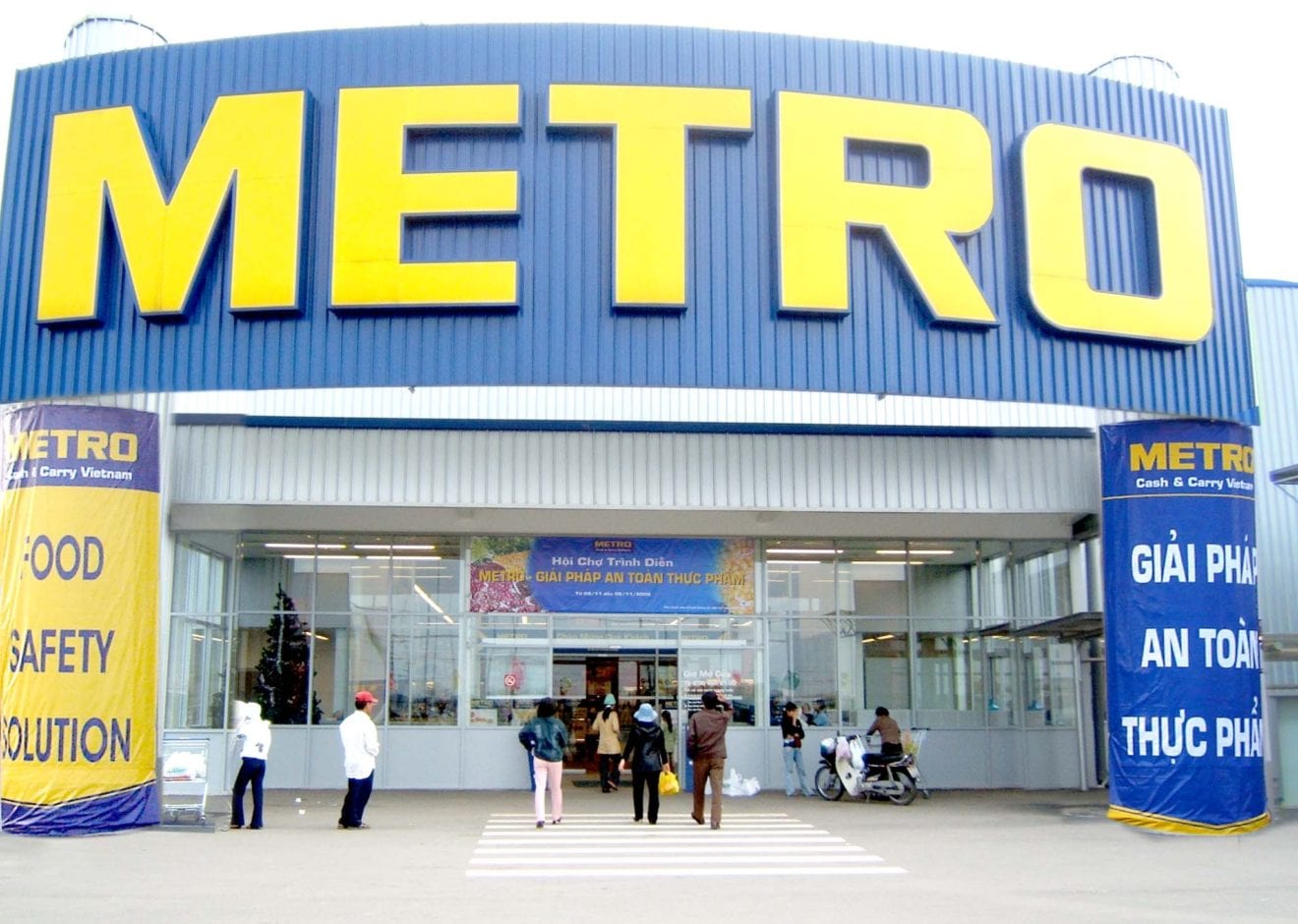
    In Vietnam, Thai tycoon Charoan Sirivadhanabhakdi, through another business, has recently purchased the Metro hypermarket business from Metro AG of Germany, to bolt on to Berli Jucker’s B’Smart convenience store network.

    Charoan was thus a favourite to acquire the Big C Vietnam operations to build even greater critical mass, and lodged a bid prior to the first round deadline with his soon to be Big C Thailand partner, Central Group.

    But sources within Asia’s business community are now confident Korea’s Lotte and Japan’s Aeon are frontrunners. Lotte runs the market leading Lotte Mart hypermarket business in Vietnam and would gain a significant foothold in the nation if it could secure Big C as well.

    Aeon, which is building shopping centres in Vietnam main cities, reportedly submitted an offer that valued the business at more than US$800 million according to sources quoted in Vietnam media.

    Lotte also submitted a bid prior to the first round deadline.

    Casino has declined comment on the Vietnam sale other than to say it was “progressing well” when it reacted to ratings agency Standard & Poor’s decision to cut its credit rating to junk status  on Monday

  • Divestment of Big C stake to shake up retail industry

    Divestment of Big C stake to shake up retail industry

    Big C was at the centre of the previous shake-up when it bought the Thai arm of Carrefour, another French retailer, in 2011. Carrefour Thailand’s network of 42 stores helped make Big C the No 2 player in the hypermarket segment, second only to Tesco Lotus.

    This time, Big C is also at the centre, as the target of big names like the Chirathivat family, Charoen Pokphand Group and Berli Jucker – a business unit owned majority by the Sirivadhanabhakdi family.

    The Chirathivat family seems to be the most likely suitor. Big C was established as a joint venture of that family and Casino Group. But the family sold its stake in Big C to Casino Group after the 1997 financial crisis.

    The family’s operations in the retail industry would be complete with the inclusion of the hypermarket format.

    Another suitor is CP Group. Sitting on piles of cash and rich in experience in retail business, it is the founder of Ek-Chai Distribution System, which operates Tesco Lotus. Also owning Siam Makro, its control in the market would be strengthened.

    However, CP Group’s bid to buy back shares in Ek-Chai Distribution from embattled UK retailer Tesco has reportedly been rejected. Tesco last year sold the assets in South Korea for 4 billion pounds (Bt208 billion). In September, it assured shareholders that it would not sell other overseas assets, including in Thailand. In October, it instead sold 14 land plots for 250 million pounds.

    Berli Jucker has recently expanded into the retail industry. After acquiring the retail chain Family Mart (renamed B’s Mart) in Vietnam in mid-2014, it acquired Metro Cash & Carry Vietnam from its German owners. It is not beyond imagination that it would want to make its presence felt in the Thai retailing industry.

    Among the three, whoever turns out to be the winner of this race may need to pay would surely need not to concern with financial matters.

    Yesterday, Big C’s share price ended at Bt226, gaining Bt28.50 or 14.43 per cent from the previous closing. If the transaction is executed at that price, the buyer will need to pay at least Bt109 billion for the 483.45 million shares or a 58.6-per-cent stake currently owned by Casino.

    The price is about 23 times its prospective earnings. More than 1 million shares were traded yesterday, the highest in recent months when the number of shares changing hands on a daily basis ranged widely from below 20,000 to more than 900,000.

    On December 15, Casino Group announced a plan to strengthen its balance sheet and enhance its financial flexibility with by deleveraging more than 2 billion euros (Bt79 billion) through real-estate transactions and disposal of non-core assets.

    It was confident that the proceeds from the deleveraging plan would reduce its consolidated debt. More than half of the total proceeds of the plan are expected to be generated by the disposal of assets fully owned by Casino. It also announced that in the last 10 years, Casino had always achieved its deleveraging plans.

    In a statement dated January 14 concerning the sale of Big C in Thailand, Casino Group said: “In the context of the ongoing process for the sale of its operations in Vietnam, Casino Group has received expressions of interest for its publicly listed subsidiary Big C in Thailand. The group is taking steps towards the sale of this asset, which will be implemented in the best interest of the company and its shareholders.”

    Big C is now waiting for the new shareholder, while proceeding with business plans. Among them, it plans to open six hypermarkets this year.

    “As Casino is receiving a number of expressions of interest to acquire its shares of Big C Thailand, it clearly demonstrates the great company that Big C is and the strong relationships between customers and Big C itself,” said Warunee Kitjaroenpoonsin, director of corporate affairs at Big C.
  • Thailand’s Berli Jucker to acquire consumer-goods producer for $30m

    Thailand’s Berli Jucker to acquire consumer-goods producer for $30m

    Thailand’s listed retail and trading firm Berli Jucker PCL (BJC) expects to close one acquisition deal valued at 1 billion baht ($30 million approximately), in Thailand by the third quarter of this year. It is also negotiating to acquire a few companies both in the country and abroad.

    BJC’s investor relation officer Nuthathai Thanachaihirun said that the target company was the manufacturer of consumer products, however, she declined to give more information about the deal at the moment.

    Earlier, BJC had planned to buy Metro Cash & Carry Vietnam, but the shareholders rejected the proposed deal twice as they were concerned about the impact of such acquisition on the company’s financial.

    TCC Holding, the parent company of BJC, will continue the negotiation and expects to finalise the deal with Metro Vietnam within this year. “The Metro Vietnam’s deal has continued. The latest value of the deal we proposed to the shareholders was 655 million Euro. If we consider the deal at the current foreign exchange, it will decrease from 30 billion baht to 24 billion baht due to the weaker Euro currency,” she said.

    The company would like to get Metro Vietnam because it has a strong distribution network, including the warehouses and logistics, in Vietnam.

    BJC allocated the budget of 4 billion baht for investments this year. Of the total, it will spend around 500-600 million baht on boosting its production capacity of lids from 2 billion pieces to 3 billion pieces a year. About 500 million baht will be spent on expanding the capacity at its glass-manufacturing plant and the can-production plant in Vietnam, and the rest for acquiring attractive businesses.

    Nuthathai said that the revenue in 2015 should grow by 10 per cent from 44.1 billion baht in 2014 and the net profit should be higher than 1.67 billion baht in 2014, mainly due to the cost-reduction plan.

    “Although there is no sign of economic recovery in the first half of this year, we believe that business will pick up in the second half due mainly to the government’s policies to stimulate domestic consumption and investment,” she cited.

    The revenue in this quarter will not be much different from 10.6 billion baht in the first quarter, as the domestic spending power has not recovered yet. However, the net profit is expected to increase from 529.08 million baht in last quarter because of better cost management.