Tag: beverage industry

  • Pernod Ricard Sales Dip 0.9% as India Boom Cushions Steep China Fall

    Pernod Ricard Sales Dip 0.9% as India Boom Cushions Steep China Fall

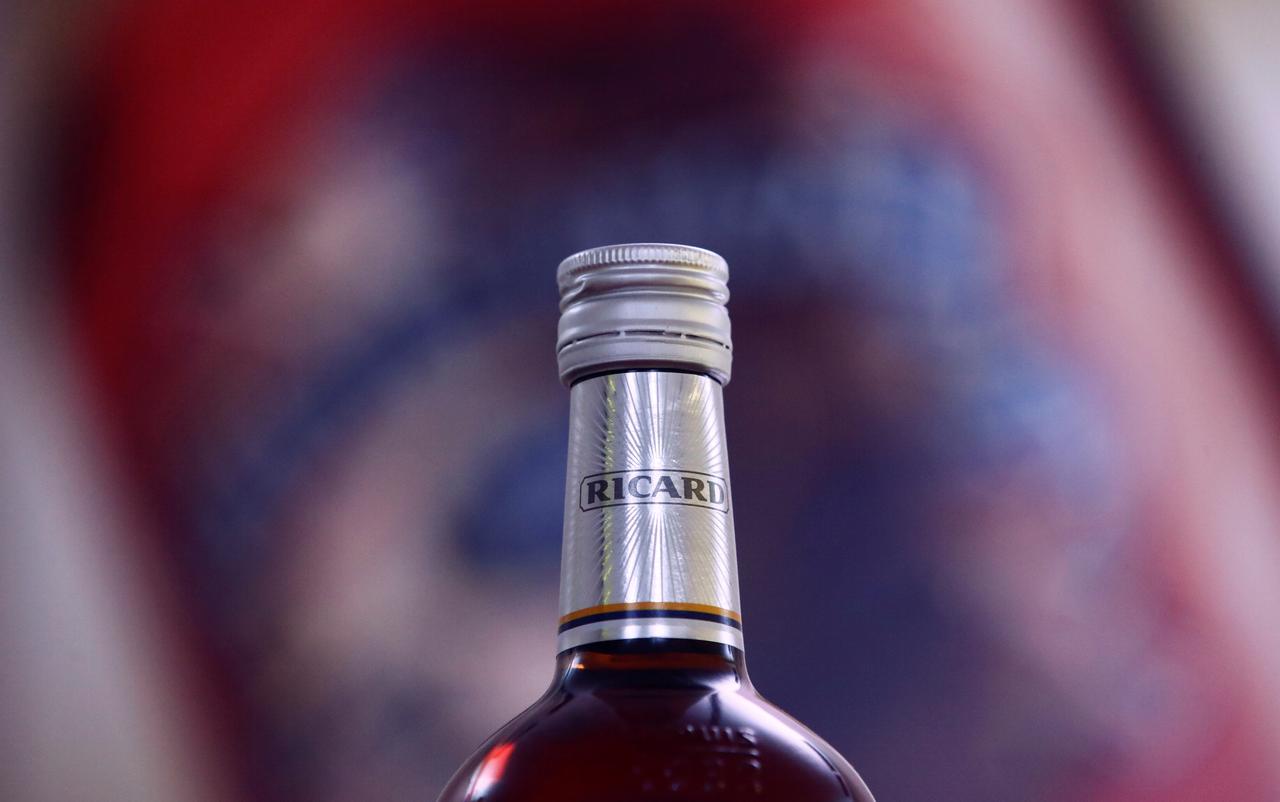
    Pernod Ricard posted a 0.9 per cent organic net sales decline to €2.234 billion for its fiscal first quarter. The result beat market forecasts of a 1.7 per cent drop.

    Sales in India jumped 19 per cent, offsetting double-digit slumps across mainland China and the United States. Group net sales reached the equivalent of $2.5 billion in the three months to September 30. Paris-listed shares rose 3 per cent.

    India drives volume as listing nears

    India delivered the strongest performance across the group’s global network, serving as its primary growth engine for premium spirits in South Asia. Demand for Absolut vodka and Martell cognac remained resilient across Indian retail outlets and hospitality venues. Distributors in western markets, by contrast, continued to trim excess inventory.

    Preparatory work is underway for a potential initial public offering of the Indian business. Execution remains subject to board approval and broader market conditions. Finance chief Mauve Croizat noted the listing process will take several months to complete once cleared.

    China consumption shifts behind closed doors

    Revenue in China plunged 25 per cent during the quarter as weak consumer sentiment and distributor destocking took a toll. Wholesalers across tier-one and tier-two cities held back on orders to avoid accumulating slow-moving stock ahead of key promotional windows.

    Croizat told analysts that inventory adjustments in China and the United States will persist throughout the fiscal year. Chinese drinking habits are also shifting toward private gatherings at home. Moving away from nightclubs, banquet halls, and dining out reduced high-margin venue sales for premium cognac.

    Diverging fortunes across regional retail

    Beverage distributors and bar operators in Asia face sharply diverging conditions in India and China. Indian retail channels are expanding rapidly into higher-tier spirits categories, giving brand owners pricing power that has vanished in East Asia. In China, distributors face prolonged margin compression as they discount slow-moving luxury stock to protect working capital.

    Relying on traditional Chinese banqueting channels to sustain luxury valuations carries clear risks. While rival Diageo and regional cognac houses face identical headwinds across East Asia, Pernod Ricard has cushioned the blow through its dominant distribution footprint across the subcontinent. Competing distillers without established Indian bottling networks now risk falling further behind in total regional volume.

    Defending margins in an extended downturn

    Earlier this year, Pernod Ricard made an unsuccessful merger approach to Jack Daniel’s owner Brown-Forman to weather post-pandemic demand weakness. Net sales across the United States fell 10 per cent in the quarter, matching sluggish retail patterns seen across North America over the past eighteen months.

    Management reiterated guidance for broadly stable net sales across the full 2027 fiscal year, relying on strict cost controls to defend organic operating margins. Through 2029, the company expects annual net sales growth to track at the lower end of its 3 to 6 per cent medium-term target range, with investors focused on the board’s formal decision on the timing of the Indian market float.
  • Lion Expands Kirin Hyoketsu RTD Lineup in Australia with Two Flavours

    Lion Expands Kirin Hyoketsu RTD Lineup in Australia with Two Flavours

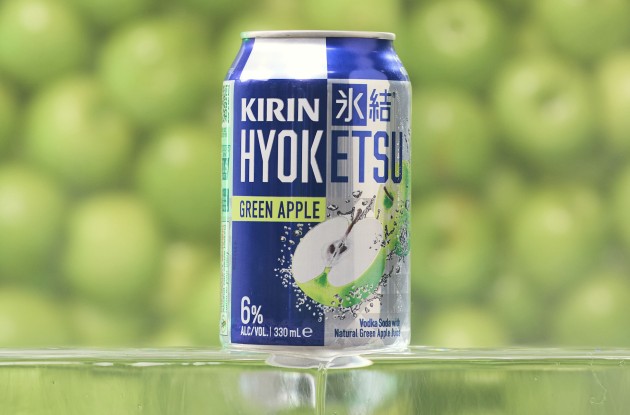
    Lion expanded its Kirin Hyoketsu ready-to-drink portfolio in Australia with two flavour additions, rolling out Mandarin in 330ml cans and Mango in a 440ml format.

    Mandarin enters the core lineup as a permanent fixture after a limited-edition trial run last year, while Mango introduces a larger volume designed for single-serve retail sales.

    Format Shifts in Premix Liquor

    The addition of the 440ml format for Mango shows how brewers are adjusting pack sizes to capture different drinking occasions outside standard multi-packs. Lion said the larger single-can design gives consumers more flexibility across outdoor and convenience settings where larger volumes sell at higher individual price points.

    Japanese premix chu-hi brands have gained steady ground across Australasia against traditional dark spirit mixers and craft seltzers. By bringing Kirin’s domestic Japanese recipes directly into local distribution networks, Lion captures higher manufacturing margins while bypassing third-party brand licensing costs.

    Building Out the Core Roster

    Competition in Australia’s pre-mixed alcoholic beverage aisle remains fierce, dominated by major domestic brewers and global spirits groups fighting for shelf space at major retail chains. The risk for brand owners lies in rapid consumer rotation across novelty flavours, which frequently leads to inventory markdowns if repeat purchases drop off after the initial seasonal surge.

    The current rollout follows Lion’s initial introduction of Kirin Hyoketsu to the Australian market, where it used Japanese citrus profiles to establish a foothold among younger adult consumers.

    Retailers will track off-premise sales velocity across both can sizes as inventory reaches store shelves ahead of the peak summer trading quarter.

  • Australian Functional Drinks Market Generates over $2 Billion

    Australian Functional Drinks Market Generates over $2 Billion

    In September 2026, Australian innovation is helping drive a new phase in functional beverages, targeting a domestic market that generates more than $2 billion a year.

    The shift toward what industry observers call 4th Gen Drinks moves past adding electrolytes, caffeine, vitamins, protein or probiotics to instead use naturally occurring compounds from food and food-production streams.

    Chris Plazzer, founder of Olive Mill Water, has developed a functional drink made from polyphenol-rich liquid released during olive oil production, without added sugar, caffeine, flavourings or artificial sweeteners.

    Extracting Value From Agricultural Waste

    Olive processors have historically discarded wastewater despite high concentrations of active phenolic compounds. Pre-clinical research currently links olive-derived phenolics to metabolic, cardiovascular and gut microbiome function, drawing commercial interest from functional food formulators.

    Rather than dosing purified extracts into standard liquid bases, upcycling systems capture active compounds directly from existing farmgate processing lines. The method reduces waste management costs for agricultural millers while generating raw inputs for consumer-packaged drinks.

    The next generation of functional drinks won’t be built by adding more to the formula. It’ll be built by discovering what’s already there; in ingredients the industry has spent decades overlooking, or throwing away entirely.

    Shifting Formulations in Regional Beverage Retail

    Australian beverage brands face changing consumer patterns as younger demographics reduce alcohol intake and demand clean-label alternatives. Convenience retailers and supermarket chains across the region are reallocating refrigerated shelf space away from high-sugar soft drinks toward functional hydrators and natural extracts.

    The main commercial bottleneck for upcycled functional beverages sits in taste profile regulation and supply stability. Olive wastewater carries natural bitterness that requires precise filtration without thermal degradation of target polyphenols, limiting initial batch yields.

    Export Pathways and Science Backing

    Functional drink makers previously relied on imported vitamin premixes and synthetic electrolytes to build label claims. Upcycled domestic ingredients allow manufacturers to shorten ingredient supply chains while tapping into Asian retail demand for clean Australian agricultural provenance.

    Clinical trials on olive phenolic bioavailability in beverage formats continue across independent laboratories, with initial commercial retail distributions scheduled for review in late 2026.