Tag: beverage retail

  • Lactasoy Launches 19G Benefitt Plant Protein Drink in Thailand

    Lactasoy Launches 19G Benefitt Plant Protein Drink in Thailand

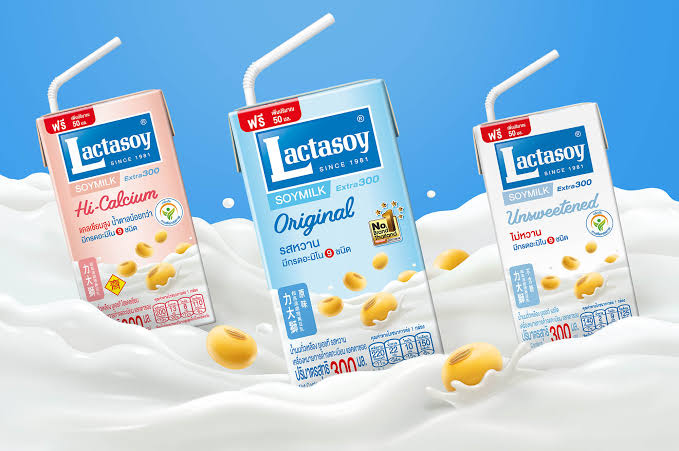
    This week, Lactasoy Co., Ltd. Introduced Benefitt Plant-Based Hi Protein Original in Thailand, delivering 19g of protein in each 250ml carton. Sourced from a blend of soy and pea protein, the beverage is designed for health-conscious consumers seeking a convenient source of high-quality protein.

    Packaged in single-serve cartons, the product is formulated to support muscle health. It expands Lactasoy’s Benefitt soy milk brand into high-density plant protein.

    Formulating for protein density

    Combining soy and pea proteins gives the beverage a broader amino acid profile than standard single-source soy drinks. Delivering 19 grams in a 250ml carton matches levels typically found in dairy whey RTD beverages.

    Single-serve cartons also lower entry barriers for casual fitness consumers who want functional nutrition without mixing powders. That format fits convenience store chillers, where grab-and-go purchases drive daily RTD beverage volume.

    Shifting RTD dairy alternatives

    Thailand’s packaged soy milk sector has long relied on entry-level, sweetened staples sold in volume. Higher ingredient costs and shifting dietary preferences are pushing manufacturers toward functional, premium formulations with explicit health claims.

    Lactasoy is shielding its retail margins by creating dedicated sub-brands like Benefitt. High-protein claims command higher retail price points than commodity soy milk, protecting profitability as baseline ingredient costs fluctuate.

    Retail shelf competition

    Competition in Southeast Asian functional beverages is concentrating in modern trade chillers. Traditional soy brands now face dedicated fitness RTDs, imported oat milk brands, and local plant-based innovators fighting for refrigerated shelf space.

    Suppliers must balance taste and viscosity against higher protein concentrations. Chalky textures and bitter plant notes often deter repeat buyers, making formulation execution decisive for category retention.

    What operators will watch

    Convenience operators and hypermarkets will track whether high-protein plant beverages can build repeat demand beyond dedicated gym-goers. Retail distribution execution across convenience store networks will determine initial sales velocity.

    Reorder rates over the first two quarters will show whether the 19g protein blend can establish Benefitt as a regular purchase or remain a niche alternative on Thai shelves.
  • Punthai Coffee Signs Influencer for Five-Drink Matcha Menu in Thailand

    Punthai Coffee Signs Influencer for Five-Drink Matcha Menu in Thailand

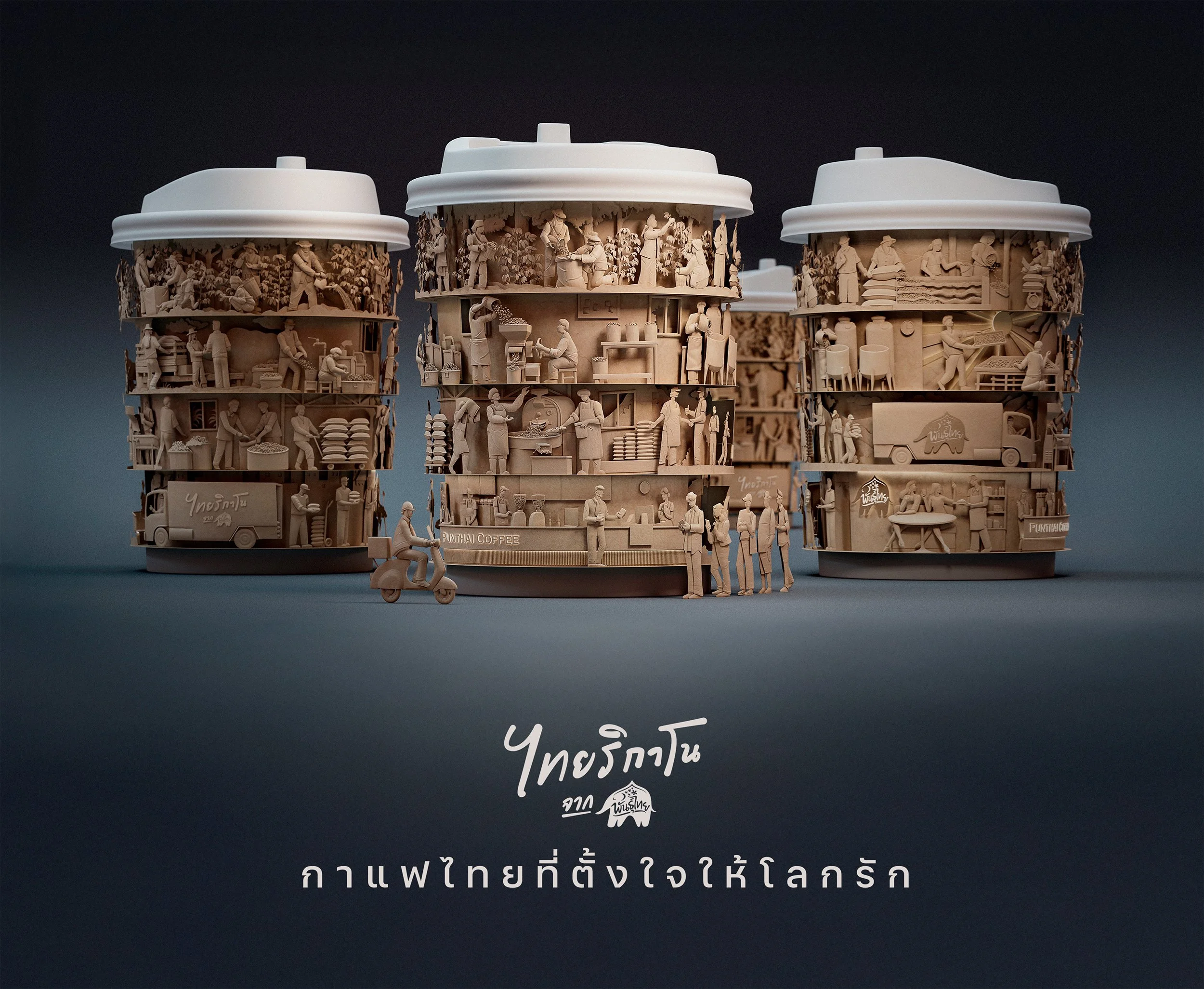
    Thailand’s Punthai Coffee has signed social media creator Khun Noey as its first brand partner. Together, they will roll out a five-part matcha drink series across the chain’s network.

    That partnership runs through 2026 and builds on an earlier customisation campaign. It targets younger consumers and specialty tea drinkers in the country’s competitive beverage market.

    A Five-Recipe Rollout Across Stores and Delivery

    The chain will release five exclusive matcha beverages under the campaign banner “The Matcha That Noey Loves”. The first item, named Matcha Latte Rocky Mountain, went on sale on 15 October. It remains on menus through 31 December 2026 across physical outlets and delivery channels.

    This debut drink features two shots of matcha latte over lightly sweetened fresh milk and konjac jelly. Baristas finish the beverage with whipped cream, brownie chunks, crushed Oreo cookies and caramel syrup.

    Targeting High-Margin Custom Additions

    Chains across Southeast Asia lean heavily into dessert-style tea drinks to lift ticket sizes and draw younger foot traffic. Operators use layered toppings, jellies and branded confectioneries to justify premium price points over standard iced coffees.

    For store teams, building complex specialty drinks introduces kitchen friction during peak hours. Punthai is betting that creator-led recipes create enough volume and delivery demand to offset the added assembly time per cup.

    From Social Customisation to Official Menus

    The campaign follows the brand’s Punthai D.I.Y. Promotion, where customers shared their own drink combinations on social media. Turning user recipes into formal menu items gives the chain a low-cost testing ground for flavour trends before committing to seasonal supplies.

    Four additional drinks in the collaborative series will debut over the coming months ahead of the 31 December 2026 cutoff.

  • GS25 Sales to North American Shoppers Jump 131 Percent

    GS25 Sales to North American Shoppers Jump 131 Percent

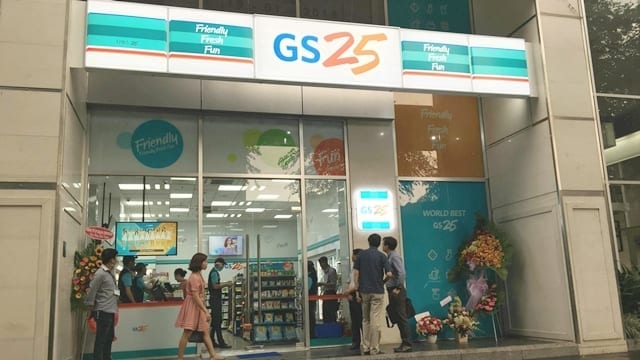
    GS Retail recorded a 131 percent jump in sales to North American visitors at its GS25 convenience stores in South Korea during the first eight months of the year.

    The surge pushed North American shoppers to roughly 30 percent of total foreign customer sales across the network. That leaves them just 10 percentage points behind visitors from Greater China, who continue to hold the largest foreign share at approximately 40 percent.

    Buying beer instead of banana milk

    Spending patterns between the two visitor groups show a sharp split in basket composition. North American customers spend primarily on canned beer, wine and spirits, alongside sports drinks, energy drinks and sodas, spending more on canned beer than any other overseas group. Shoppers from Greater China buy dairy products, instant noodles and baked goods, where blueberry Greek yogurt recently overtook banana milk as the top-selling item.

    Geographic data highlights a similar divide in where travellers spend. Greater China tourists stay clustered around traditional shopping hubs and downtown districts in Seoul, Busan and Jeju Island. North American footfall has concentrated heavily along coastal resort corridors.

    East coast sales outpace Seoul hubs

    Regional revenue from North American buyers saw its fastest expansion in Gangwon Province, where sales climbed 338 percent year on year. The bulk of that volume settled along the province’s beach-lined east coast, driven by seasonal leisure travel.

    For convenience operators in South Korea, this geographic and product divergence changes how individual franchise locations must manage inventory during peak travel seasons. Stores in coastal resort towns require alcohol distribution and cold beverage stock lines calibrated for Western preferences, while urban transit hubs must protect shelf space for packaged snacks and fresh dairy popular with Chinese tour groups.

    GS Retail and rival chains such as CU and 7-Eleven have spent years competing over inbound tourist wallets, yet historical strategies focused almost exclusively on Mandarin-language signage and group tour bus routes. A sustained shift toward Western independent travellers introduces higher margins on liquor and ready-to-drink beverages, but demands different localized marketing at the store shelf.

    Merchandising shifts across 1,000 stores

    Earlier network expansions set the groundwork for tracking foreign transaction data at the point of sale. GS25 introduced foreign card processing upgrades across its domestic estate over recent operating quarters, giving the chain real-time visibility into basket differences by issuing bank and country of origin.

    About 1,000 GS25 stores located in high-traffic tourist corridors have rolled out English-language promotional displays, recipe cards and product preparation guides this year. The company plans to use autumn purchasing data from coastal and metropolitan stores to adjust product distribution schedules ahead of the winter travel cycle.

  • Carlsberg Malaysia Takes Seventh Consecutive Equity Return Award with 125.8% ROE

    Carlsberg Malaysia Takes Seventh Consecutive Equity Return Award with 125.8% ROE

    Carlsberg Brewery Malaysia Berhad won two honours at The Edge Billion Ringgit Club Awards 2026, logging a 125.8 per cent return on equity for 2025. This secured the Shah Alam brewer its seventh straight win for highest return on equity in consumer products and services.

    The company also took the corporate responsibility award for Bursa Malaysia listed firms with market capitalisations between RM1 billion and RM10 billion. Out of 1,060 listed companies, only 183 qualified for the club this year.

    Three-Year Capital Efficiency Numbers

    Rolling metrics for the award tracked performance from 2023 through 2025. Return on shareholders funds stood at 177.8 per cent in 2023, 134.3 per cent in 2024 and 125.8 per cent in 2025. These figures stem from tight working capital controls. They also reflect steady cash generation from Shah Alam brewing and distribution across Malaysia and Singapore.

    Holding equity returns above 120 per cent through input cost swings demands strict pricing and rapid inventory turns. Southeast Asian commercial brewers operate on thin margins. Regional tax structures and retail margins leave no room for operational bloat.

    Supply Chain Audits and Governance

    The governance award recognised an expanded responsible sourcing programme across third-party suppliers. This framework aligns procurement with Malaysia’s National Action Plan on Business and Human Rights 2025 to 2030. It also updates internal labour standards across regional vendors.

    Rating agencies responded with higher marks. MSCI ESG Ratings upgraded the Malaysian unit to AAA. Meanwhile, FTSE4Good Bursa Malaysia maintained its four-star rating on the stock.

    Regional Brewery Margins and Risks

    Consumer goods producers across Southeast Asia face a divided market. Premium beer lines protect margins in major cities. General retail spending, however, faces persistent caution. The slide in return on equity from 177.8 per cent in 2023 to 125.8 per cent in 2025 shows this pressure. Higher production overheads and currency shifts continue to squeeze regional returns.

    Competitors across the region face similar margin pressures. Heineken Malaysia and regional importers have turned to supply chain automation and selective price hikes to defend profitability. Primary operational risks centre on input costs and utility tariffs. Higher energy expenses can quickly erode factory margins if volume growth slows.

    Community Funding and Capital Outlays

    In community funding, the brewer’s Top Ten Charity Campaign passed RM600 million raised in 2025. The platform has supported more than 700 vernacular schools since its 1987 launch. It runs alongside the company’s broader sustainability programme.

    Managing director Stefano Clini indicated capital will flow into plant capabilities, brand lines and internal systems. Investors now turn to fourth-quarter volume figures and the interim dividend declaration to see whether returns stay above the 120 per cent threshold.

  • Luckin Coffee Opens 100Th Singapore Store in Bugis Expansion

    Luckin Coffee Opens 100Th Singapore Store in Bugis Expansion

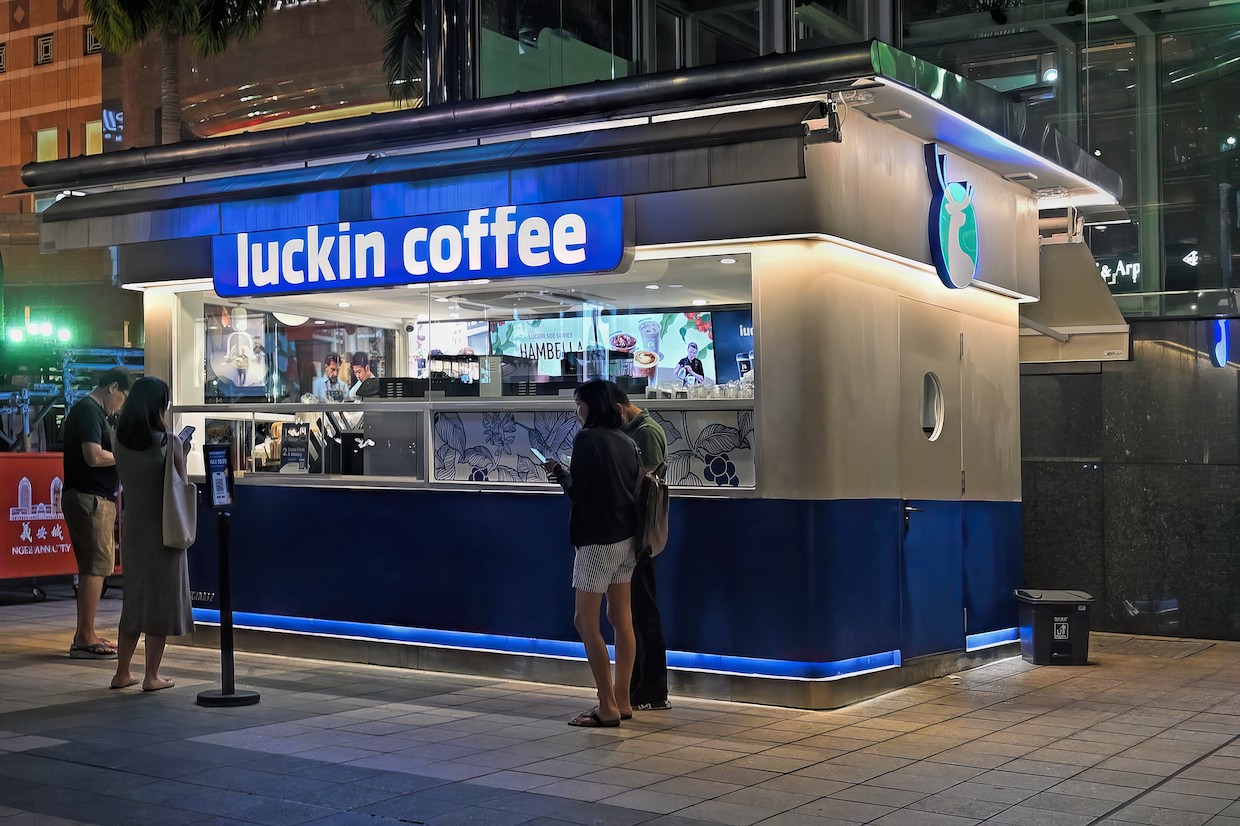
    Luckin Coffee opened its 100th store in Singapore on September 29, 2026, setting up in the commercial and transit hub of Bugis. The milestone establishes the Chinese chain as the city-state’s second-largest coffee operator by store count three years after its local launch.

    Customer volumes drove the physical expansion. More than 1.9 million cumulative transacting customers have bought drinks through the brand’s app-led ordering system in Singapore since the first outlet began trading in 2023.

    Footprint Strategy in Transit Nodes

    The Bugis site follows Luckin’s standard format across Southeast Asia: compact footprints near high-density commuter pathways and retail developments. Placing locations directly inside transport interchanges and office basements reduces seating overhead while maintaining order throughput during morning and lunch rush hours.

    Digital pickups handle the bulk of transactions. By requiring customers to order and pay via mobile application before collecting at the counter, the chain keeps queue times low and processes hundreds of drinks per hour with small front-of-house teams.

    Shifting Market Dynamics for Local Operators

    Reaching 100 outlets in three years puts immediate pressure on established mid-market chains and legacy regional brands. Fast store rollouts backed by aggressive digital discounting force competing operators to protect market share by upgrading their own mobile ordering apps and matching promotional drink pricing.

    Commercial landlords benefit from the format’s flexibility. Luckin takes micro-units and irregular floor plans that sit outside traditional full-service cafe requirements, generating steady rental income from transit corridors that previously housed service kiosks or sat vacant.

    International Growth Beyond the Domestic Base

    Singapore served as Luckin’s first international testing ground when the company entered the market in early 2023. Building a profitable operating model outside mainland China required adapting supply chains and menu profiles for Southeast Asian consumer tastes while retaining its core low-cost automated store design.

    Sustained transaction growth in Singapore validates the exportability of the grab-and-go model across high-rent Asian cities. The rapid climb to 100 units demonstrates that digital-first coffee retail can secure substantial market penetration even in mature, highly competitive metropolitan markets.

    Next Steps for Southeast Asian Expansion

    Attention now turns to whether Luckin can sustain repeat purchase frequency without deep promotional couponing. As the network reaches saturation in central commercial districts, subsequent sites must extract volume from suburban housing estates and secondary retail malls.

    Market watchers will track upcoming company filings for unit-level margins and regional store target updates across neighbouring Southeast Asian markets.

  • Treasury Wine Estates Sells Seppelt Winery to Stonier Owners

    Treasury Wine Estates Sells Seppelt Winery to Stonier Owners

    Treasury Wine Estates agreed to sell its Seppelt brand and production assets in Victoria to Stonier Wines co-owner Aaron Drummond and investment partners.

    The deal covers the historic Great Western winery, its cellar door, surrounding vineyards and the Drumborg vineyard near Portland for an undisclosed sum.

    Asset cull targets balance sheet relief

    Removing the assets clears non-core production operations from the winemaker’s balance sheet before the end of the year. Treasury Wine Estates told investors at its June Investor Day that shedding peripheral labels would help deliver $100 million in structural savings. That target follows a full-year loss of nearly $650 million. Chief executive Sam Fischer has directed capital away from commercial-tier regional labels. He is concentrating resources on global luxury lines led by Penfolds.

    Drummond’s consortium takes full control of Seppelt intellectual property and inventory. Drummond serves as chief executive of Mornington Peninsula producer Stonier. Operations at the 160-year-old Great Western site and the cool-climate Drumborg estate will continue under the new ownership group.

    What the transaction shifts for regional producers

    Offloading regional assets eases operational drag for corporate wine giants coping with elevated inventory costs and uneven consumer demand across major Asia-Pacific channels. The exit by Treasury Wine Estates opens direct access to established heritage infrastructure for boutique operators, distributors, and commercial buyers without corporate overheads. Luxury labels command the bulk of group capital expenditure. Historic mid-market estates now shift to private multi-brand operators who run them on leaner cost bases.

    Similar portfolio realignments have occurred across the Australian wine sector as larger listed producers carve out regional production assets to protect earnings. The operational risk lies in vineyard throughput. Shedding crush capacity cuts fixed maintenance costs immediately. Independent buyers must still maintain distribution volume across domestic retail chains to keep the acquired acreage profitable.

    Historic production footprint changes hands

    Seppelt traces its origins to 1851, when founder Joseph Seppelt established Seppeltsfield in South Australia. The business expanded into Victoria through the Great Western property, which was established in 1865 and incorporated into Seppelt in 1918. The site contains The Drives, a network of cellars excavated by gold miners starting in 1868. It forms the largest underground storage cellar system in Australia.

    Drumborg’s vineyards were first planted in 1964 to supply cool-climate sparkling base wine and table fruit from south-western Victoria. Treasury Wine Estates managed the properties under its broad domestic multi-regional supply model. It designated the labels non-core during its 2026 operational review.

    Next steps for the settlement

    Final settlement of the transaction is scheduled for mid-October 2026, subject to standard commercial closing terms. RetailNews Asia will track the progress of Treasury Wine Estates against its $100 million balance sheet reduction target as the group prepares its next investor update.

  • Mixue Reaches 60,000 Global Stores as US Expansion Challenges McDonald’s

    Mixue Reaches 60,000 Global Stores as US Expansion Challenges McDonald’s

    Mixue Group is expanding its footprint in the United States. The company now runs six stores in New York City after overtaking McDonald’s as the world’s largest restaurant network by store count.

    The Zhengzhou-based beverage chain operates roughly 60,000 outlets worldwide. McDonald’s runs 46,000 locations, Starbucks has 38,000 and Subway counts 37,000.

    Value pricing and high-volume rollout

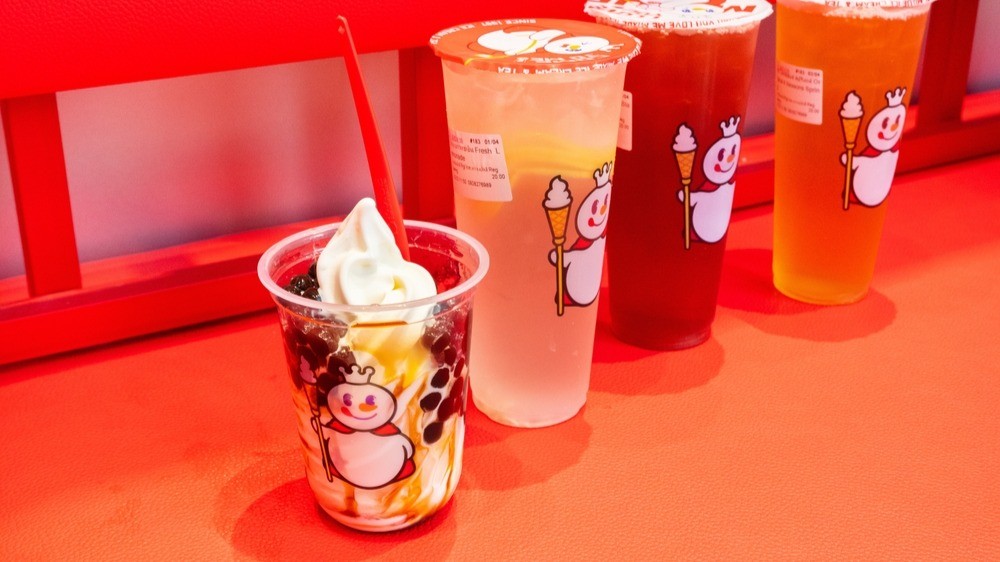
    Mixue entered the American market in December with a store on Hollywood Boulevard in Los Angeles. Its Manhattan footprint includes sites in Chinatown and near Times Square. There, signature vanilla soft-serve cones sell for $1.19 alongside bubble tea, jasmine milk tea and lemonade.

    Low prices anchor the strategy against entrenched fast-food rivals. In Manhattan, Mixue sells its 117-gram soft-serve cone for roughly 1.0 cent per gram. A standard 185-gram McDonald’s cone costs $3.89, or 2.1 cents per gram. Mixue protects franchisee margins by manufacturing its own tea powders, syrups and core ingredients.

    The read-across for Asian F&B exporters

    This Western expansion changes how Asian consumer brands enter foreign markets. Instead of pitching premium specialties to diaspora communities, the company sells low-cost, high-volume products in prime retail corridors. It sits directly beside legacy Western operators.

    Rival fast-food operators and commercial landlords face immediate pressure. Franchisees in high-rent urban corridors face tighter margins when lower-ticket beverage concepts siphon off younger foot traffic during peak afternoon hours. Asian suppliers gain a steady export channel for agricultural inputs, packaging and automated beverage dispensary equipment.

    Foundation and public listing timeline

    Chairman Zhang Hongchao founded the business in 1997 as a university student. He opened the first branded store two years later. Zhang and his brother retain an equity stake of nearly 82 per cent in the company.

    Global store totals surpassed McDonald’s in March last year. That same month, the company completed an initial public offering on the Hong Kong stock exchange. Its market capitalisation reached $20 billion by year-end, alongside the launch of a London subsidiary to manage European operations.

    The pipeline in Western markets

    Expansion teams are now screening additional franchise locations across major US metropolitan markets. The company is evaluating commercial leases in Southern California and the East Coast to build regional supply hubs before broadening its footprint across North America and Europe.

  • Mubadala Invests $1 Billion in Luckin Coffee Alongside Centurium

    Mubadala Invests $1 Billion in Luckin Coffee Alongside Centurium

    Abu Dhabi sovereign wealth fund Mubadala Investment Company agreed to invest about US$1 billion for a minority stake in Luckin Coffee. The Chinese chain operated more than 36,000 stores globally by June 30, with customer rolls reaching nearly 500 million transacting buyers.

    Mubadala is injecting the capital alongside Centurium Capital, the private equity firm that holds controlling shareholder control over the retail group. Fresh funding will finance store buildouts across mainland China while bankrolling new retail sites in overseas target markets.

    Gulf Capital Backs China Network

    The transaction directs Gulf sovereign money into high-frequency Chinese retail at a time when global private equity deployment in the country has cooled. Mubadala head of Asia private equity Mohamed Albadr pointed to data integration across product cycles and unit operations as the driver for the commitment.

    “Luckin Coffee has built a differentiated, technology-enabled business with data embedded across customer engagement, product development and store operations,” Albadr said.

    Securing US$1 billion gives the chain a balance sheet buffer that rivals cannot easily match in current fundraising conditions. The cash injection strengthens Luckin against low-price challengers like Cotti Coffee while intensifying lease competition for small-format commercial spaces across regional retail corridors.

    Scale Shifts Pressure to Rivals

    For multinational operators including Starbucks, the capital infusion signals that price competition and unit expansion in secondary Chinese cities will not slow down. Landlords in transport hubs, office basements, and shopping malls gain an aggressive, well-funded tenant capable of taking small footprints on short turnaround schedules.

    Risk now centers on unit-level profitability outside top-tier shopping zones as store density increases in mature urban markets. Expanding into international markets will also test whether the chain’s app-driven, low-labor operating model transfers effectively into markets with higher real estate and staffing overhead.

    International Footprint Next in Line

    The deal follows a rapid store buildup through the first half of 2026, when Luckin crossed the 35,000-location threshold before adding another 1,000 stores by the end of the second quarter. Centurium had previously taken operational control to restructure the company and reorient unit economics around small-format pickup counters and digital orders.

    RetailNews Asia will track the pace of the group’s overseas site selection and store openings over the coming quarter as capital deployment begins.

  • Mixue Shifts Malaysia Strategy Toward Food Safety and Quality Control

    Mixue Shifts Malaysia Strategy Toward Food Safety and Quality Control

    Mixue has shifted its operational focus in Malaysia to food safety and standardized store management this quarter. It has slowed its rapid store openings to protect franchise consistency.

    The value-priced ice cream and tea operator is standardizing ingredient handling, audits, and franchise training across hundreds of independently run franchised outlets in the country.

    Standardising Store Operations

    Headquarters teams are rolling out stricter supplier checks, central storage compliance, and mandatory staff retraining. The goal is curbing hygiene inconsistencies across high-volume suburban counters.

    For franchisees, the tightened rules raise daily discipline and audit frequencies. Store managers face unannounced inspections covering temperature logs, equipment sanitization, and ingredient shelf-life tracking.

    Pressure on Value Tea Rivals

    Rival low-cost bubble tea chains in Malaysia now face immediate pressure. Many compete on single-digit ringgit price points. Churning out high volumes at discount prices leaves little room for error in cold chain logistics or store sanitation.

    Protecting customer trust before hygiene lapses damage the brand drives the compliance push. The main risk sits behind the counter. Enforcing uniform standards across hundreds of independently run franchised outlets demands continuous oversight costs.

    Next Phase of Southeast Asian Expansion

    Mixue entered Southeast Asia aggressively, relying on low franchise fees and an integrated Chinese supply chain to blanket Indonesia, Vietnam, and Malaysia. Rapid expansion quickly secured brand recognition across shopping malls and commercial shop lots.

    Maintaining product consistency across thousands of regional outlets poses a major challenge as local health authorities step up inspections of quick-service beverage chains.

    Malaysian franchisees will complete updated audit cycles over the coming quarter as headquarters evaluates network compliance across Peninsular Malaysia.

  • Mega MGC Coffee Approaches 4,500 Stores Across South Korea

    Mega MGC Coffee Approaches 4,500 Stores Across South Korea

    Mega MGC Coffee reached 4,466 outlets in South Korea on August 27, widening its lead as the country’s largest coffee franchise by physical store count.

    The network now sits within striking distance of the 4,500-store threshold in a national market that holds more than 100,000 coffee shops. Founded in 2015, the brand expanded through a low-price, high-volume model built on large drink sizes and small takeaway shop footprints.

    Franchise density and territory controls

    Rapid growth has pushed Mega ahead of older rivals. Domestic competitor Ediya Coffee operates more than 4,200 locations, while Compose Coffee passed the 3,000-store mark last year. Starbucks closed last year with just over 2,000 outlets across South Korea, operating on a corporate-owned model rather than franchises.

    To prevent its own stores from cannibalising sales, the chain analyses pedestrian commercial zones before approving new franchise applications. A company representative said Mega evaluates whether both neighbouring existing units and proposed locations can generate stable returns before clearing an opening.

    Bifurcation in the cafe sector

    The scale achieved by Mega and Compose illustrates how deeply value-tier operators have penetrated South Korea’s daily commuter market. While premium brands focus on seated dining space and elevated menus, budget chains capture weekday takeaway volume through kiosk ordering and lower pricing.

    Foreign chains continue to test the opposing end of the market. Canada’s Tim Hortons is expanding its presence toward 50 locations across South Korea, adding 26 stores this year with larger flagship formats and broader food menus.

  • Chris Hemsworth Buys Stake in Archie Rose Distilling Co

    Chris Hemsworth Buys Stake in Archie Rose Distilling Co

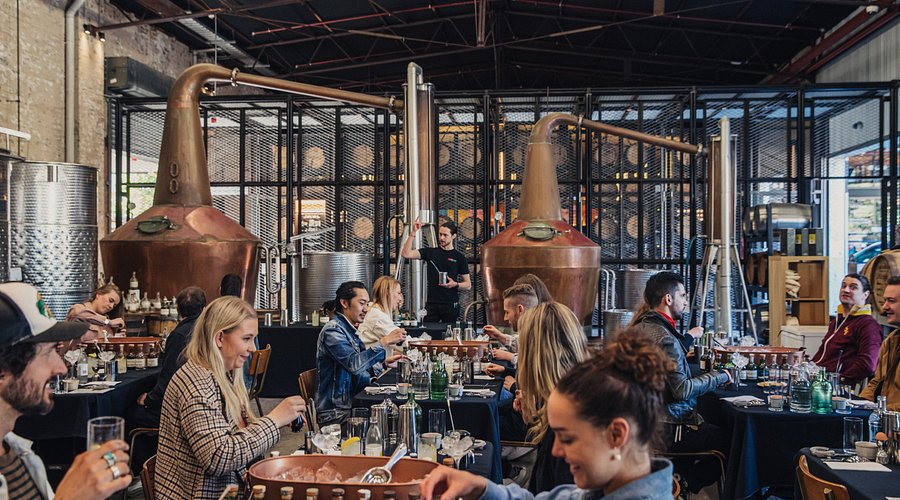
    Australian actor Chris Hemsworth has acquired an equity stake in Archie Rose Distilling Co, partnering with founder Will Edwards to finance an international retail rollout.

    The Sydney-based spirits producer plans to use the capital injection to enter the United States later this year while introducing three new whiskies across Asia and New Zealand.

    Global push from Sydney

    Hemsworth will work directly on product development at the distillery alongside his co-ownership role. The collaboration focuses on blending three distinct whiskies tailored for regional export markets.

    Archie Rose has built its business on botanical gins, single malts, and rye whiskies in Australia. Securing high-profile backing reflects a broader push by independent Australian craft distillers to secure distribution shelf space in high-margin Asian retail channels and premium hospitality venues.

    Whisky demand in Asia

    Regional consumers across Southeast Asia and East Asia continue to trade up into premium and craft brown spirits. Independent distillers often struggle against established global liquor conglomerates for retail distribution in major commercial hubs without significant marketing support.

    The company plans to complete its initial US market entry before rolling out the three Hemsworth-backed whisky releases to Asian retail partners in the coming months.