Bangladesh apparel exports to Russia plunged to $257.26 million in fiscal year 2025-26, down 61 percent from pre-war highs as banking restrictions and shipping hurdles severed trade corridors.
The export drop from $665.31 million in fiscal 2020-21 ends a decade of rapid expansion that local suppliers hoped would reach $1 billion in annual sales. Garments account for more than 95 percent of all goods Dhaka ships to Moscow, led by knitwear and sweaters.
Payment Bottlenecks and Trapped Capital
Trade ground to a crawl after Western sanctions disconnected major Russian lenders from the SWIFT international payment messaging network following the invasion of Ukraine in February 2022. Exporters in Dhaka cannot collect funds through normal interbank channels, forcing transactions into complicated third-country clearing systems.
Bangladeshi apparel makers now hold more than $1 billion in unpaid receivables from Russian accounts, according to Mohammad Hatem, president of the Bangladesh Knitwear Manufacturers and Exporters Association. Individual small and mid-tier knitwear suppliers carry between $3 million and $4 million each in uncollected dues, with payments stalled even on indirect shipments handled through European intermediaries such as Polish retail group LPP.
Transit Rerouting Adds Freight Costs
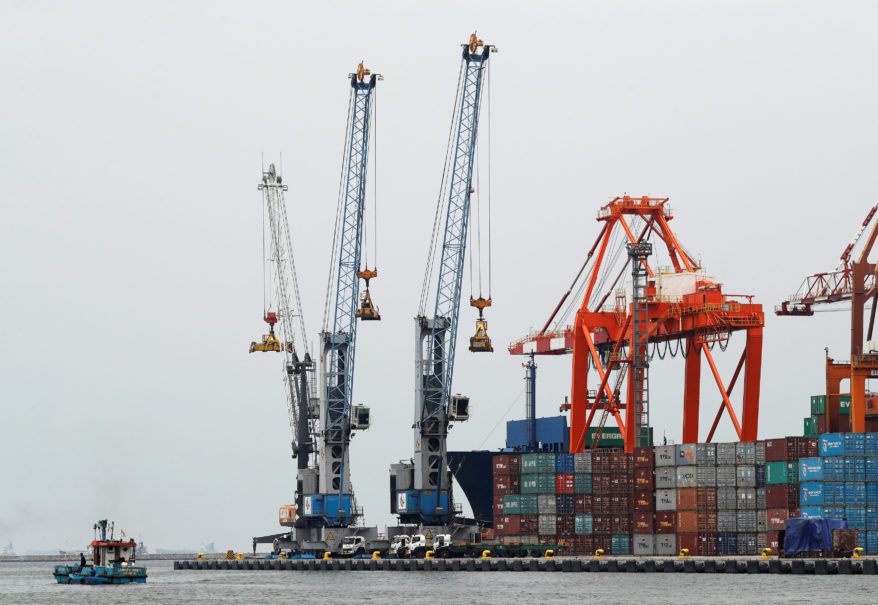
Direct ocean shipments to Russian ports have stopped entirely. Manufacturers now route consignments through overland and sea corridors across Poland, Finland, Belarus and Germany, adding transit time, border handling fees and third-party forwarding costs.
Attempts to settle trade in alternate currencies such as Chinese yuan or Turkish lira create separate liabilities for suppliers. Factory owners face the risk of secondary sanctions or international blacklisting if transactions cross sanctioned Russian entities or non-compliant payment conduits.
“Because of payment problems, I stopped exporting to Russia, although I used to export more than $1 million worth of garments to the country before the war,” said Rajiv Chowdhury, managing director of Young4ever Textiles, a local apparel exporter.
Pivot to Alternative Asian Markets
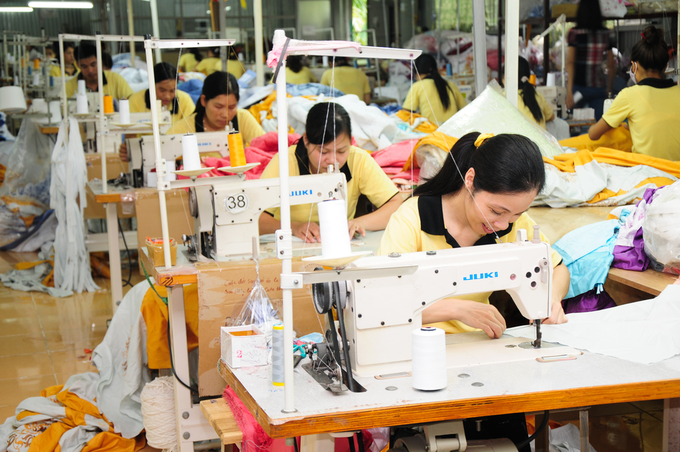
For factory operators in Dhaka and Chittagong, the collapse of direct Russian business forces a structural shift in capacity allocation. Rather than carrying the credit risk of trapped receivables, large manufacturing houses are redirecting production lines to established and emerging buyers in Japan, India, South Korea and Turkey.
This shift increases competition across Asian consumer markets as Dhaka seeks volume buyers to replace lost European orders. Exporters that built specialised heavy-knit capacity for cold-climate markets must either convert machinery for year-round collections or compete for tighter margins in East Asia.
Tariff History and the Line to Sanctions
Direct garment flows between Bangladesh and Russia originally took off after 2011, when Turkey imposed a 17.5 percent safeguard duty on Bangladeshi clothing to protect domestic producers. Prior to that duty, Bangladeshi factories shipped basic garments to Turkish intermediaries, who rebranded and re-exported the finished apparel to Moscow. The Turkish tariff forced Dhaka suppliers to bypass Istanbul and establish direct commercial links with Russian retail buyers, building export volumes from nominal levels to $638.30 million by fiscal 2021-22.
Trade bodies including the Bangladesh Garment Manufacturers and Exporters Association maintain that Russia remains a viable long-term outlet once geopolitical conditions normalize. BGMEA president Mahmud Hasan Khan noted that factory groups will focus on expanding market share across Asian retail corridors while monitoring unresolved payment settlements on outstanding Moscow shipments.