Tag: bids

  • End of an Era: Beloved Singapore Korean Eatery Bigmama Bids Farewell After 16 Flavorful Years

    End of an Era: Beloved Singapore Korean Eatery Bigmama Bids Farewell After 16 Flavorful Years

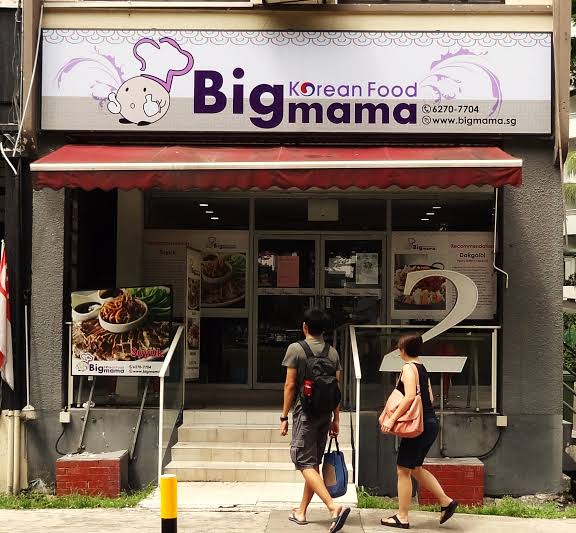
    Bigmama, a beloved Korean eatery in Singapore, has officially closed its doors after a successful run of more than a decade. The owner made the sad announcement in a series of heartfelt social media posts and comments on Monday, revealing that the restaurant had served its final meal the previous day.

    End of an Era

    The proprietor of the popular restaurant, situated on Kim Tian Road, wrote, “After 16 glorious years, it’s time to conclude the beautiful journey of Bigmama.” She also mentioned that she was preparing for her return to South Korea.

    The restaurant was initiated in January 2012 by a former caretaker and tutor who had spent numerous years whipping up meals for her Korean students who were studying in Singapore. Bigmama quickly garnered a reputation for its delicious and authentic Korean dishes, with patrons particularly praising its suyuk (steamed pork belly) and dakgalbi (pan-fried chicken).

    A Heartfelt Farewell

    The posts expressed heartfelt gratitude towards the customers who had supported Bigmama throughout its journey. “Words cannot depict how grateful I am for your consistent love and the cherished memories we’ve created,” the post read. “Thank you for filling a significant chapter of my life with your warm smiles.”

    Questions & Answers

    How long had Bigmama been in business?

    Bigmama had been in business for over a decade, specifically 16 years.

    Who was the founder of Bigmama?

    Bigmama was started by a former caretaker and tutor who used to cook for her Korean students studying in Singapore.

    What were the signature dishes of Bigmama?

    Bigmama was particularly known for its suyuk (steamed pork belly) and dakgalbi (pan-fried chicken).

  • Frasers Group Boldly Bids $2.3 Billion for Complete Control of Hugo Boss

    Frasers Group Boldly Bids $2.3 Billion for Complete Control of Hugo Boss

    Frasers Group, a prominent UK retail corporation, recently unveiled an unexpected voluntary takeover bid for Hugo Boss. Their goal is to procure the remaining shares of the renowned German fashion brand and obtain complete ownership. Currently, Frasers Group possesses a 26.06% stake in Hugo Boss, and their proposal to acquire the unowned 73.94% stake stands at €38 per share in cash. This proposition elevates the total bid value to roughly US$2.3 billion.

    Frasers Group’s Confidence in Hugo Boss

    Frasers Group’s proposed takeover reflects its sustained assurance in Hugo Boss’s potential and facilitates possibilities for additional business investment. The company regards Hugo Boss as one of its most critical strategic brand associates. Furthermore, Frasers Group continues to back the growth strategy and management team of the fashion firm.

    However, Hugo Boss confirmed that it had received the unrequested bid and emphasized that the company had no prior involvement in coordinating the proposal. The fashion group’s management board and supervisory board will assess the proposal document once it is officially available. Subsequently, they will issue an informed viewpoint for the shareholders.

    The company also assured that it would keep its shareholders and the public updated about any future developments and the following steps as per the legal and regulatory stipulations.

    Frasers’ Association with Hugo Boss

    The affiliation between Frasers Group and Hugo Boss traces back to 2020. This was when Mike Ashley, the founder of Frasers, initiated an investment in the German fashion company. The group also secured representation on Hugo Boss’s supervisory board through its CEO, Michael Murray.

    Questions & Answers

    What is Frasers Group’s current stake in Hugo Boss?
    Frasers Group currently holds a 26.06% stake in Hugo Boss.

    What is the proposed offer per share by Frasers Group for the remaining stake in Hugo Boss?
    The proposed offer by Frasers Group for the remaining stake in Hugo Boss is €38 per share in cash.

    What is the history of the relationship between Frasers Group and Hugo Boss?
    The relationship between the two companies began in 2020 when Frasers Group’s founder, Mike Ashley, started investing in Hugo Boss. Additionally, Frasers Group has representation on Hugo Boss’s supervisory board through CEO Michael Murray.

  • HBO Go Bids Farewell to Vietnam, Makes Way for HBO Max Arrival

    HBO Go Bids Farewell to Vietnam, Makes Way for HBO Max Arrival

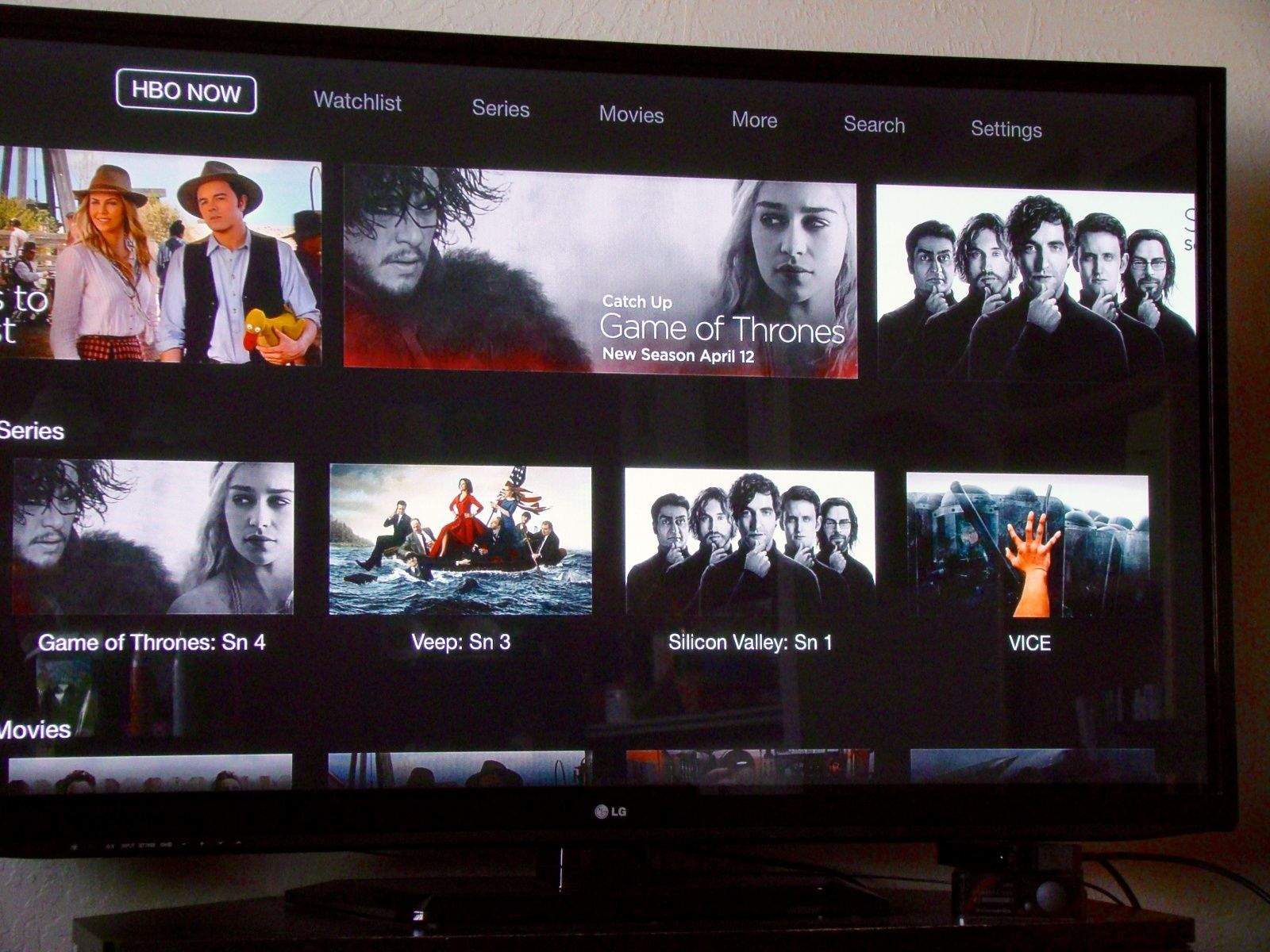
    HBO Go, the previously ubiquitous streaming service, will officially withdraw its operations from Vietnam as of June 15. Its absence will pave the way for the introduction of HBO Max, a formidable competitor to streaming giant Netflix.

    The HBO Go service was first introduced to the Vietnamese market in 2019, targeting cable, satellite, and live TV streaming subscribers who were already receiving HBO channels as part of their television package. However, the service was discontinued in multiple markets in 2020, and replaced by HBO Max. This new platform allows users to access the full range of HBO content without a cable TV connection.

    In Vietnam, the termination of HBO Go also implies the end of collaborations with local streaming platforms such as TV360 and VieON. A noticeable change is already apparent on TV360, which now presents a “Failed” notification upon attempts to subscribe to a new HBO package. However, users can continue to view HBO content through traditional television channels via cable and satellite services.

    An anonymous industry analyst suggests that this strategic move is most likely intended to enable American film studio Warner Bros. to introduce HBO Max in direct competition with Netflix. The HBO Max homepage now displays a Vietnamese language notice teasing its launch on June 16.

    The HBO Go platform had gained traction among Vietnamese viewers with popular original series such as Game of Thrones and House of the Dragon, and films produced by Warner Bros.

    Questions & Answers

    What is happening to HBO Go in Vietnam?
    HBO Go will cease operations in Vietnam as of June 15, and be replaced by HBO Max.

    What changes are expected with the introduction of HBO Max?
    HBO Max will allow users to access a broad range of HBO content without the need for a cable TV connection. The service is seen as a strong competitor to Netflix.

    Will users still be able to view HBO content via traditional channels?
    Yes, HBO content can still be accessed through traditional television channels on cable and satellite services.

  • Coles Bids Farewell to Swaggle: The Unexpected Turn in Australia’s Pet Care Industry

    Coles Bids Farewell to Swaggle: The Unexpected Turn in Australia’s Pet Care Industry

    Swaggle, a pet care subsidiary of supermarket titan Coles, will be shutting down after a two-year run, it has been confirmed. Swaggle marked Coles’ entry into the thriving pet care industry which is currently valued at over $33 billion annually in Australia.

    Headquartered in Victoria, Swaggle was supervised by Chad Burke, previously a category manager at Coles Group. The online marketplace boasted an extensive inventory of items, featuring both niche and prominent brands in the industry.

    Despite its initial promise, Coles has decided to cease Swaggle’s operations beginning from April, just over two years after its inception.

    A representative from Coles praised Swaggle as one of the company’s most important innovation projects. The representative stated, “The venture demonstrated our ability to quickly ideate and trial in the market, and highlighted what a dedicated, nimble team can achieve when they stay attuned to the customer’s needs and are willing to experiment.”

    The company plans to investigate options for relocating Swaggle’s workforce within its group, while providing support to others during the transition.

    The representative further added, “It also serves as a reminder of the need to acknowledge market shifts and to redirect our focus and capital to ensure the continued execution of our strategy.” The spokesperson went on to express, “As the pet market’s demands have transformed and client needs have developed, we have made the difficult decision to close down our Swaggle Pet business from the beginning of April.”

    Questions & Answers

    Why is Coles closing down its pet care business, Swaggle?
    Coles is closing down its pet care business, Swaggle, due to evolving customer needs and shifting demand in the pet market.

    What will happen to the employees of Swaggle after its closure?
    Coles is exploring opportunities to relocate Swaggle employees within its group and promises to support others during the transition period.

    What was the significance of Swaggle to Coles?
    Swaggle was one of the most significant innovation initiatives at Coles, demonstrating the company’s ability to quickly create and test in the market, and highlighting the achievements of a small, talented team.

  • DoorDash Bids Farewell to Singapore and Japan Markets: A Strategic Re-focus on Sustainable Growth

    DoorDash Bids Farewell to Singapore and Japan Markets: A Strategic Re-focus on Sustainable Growth

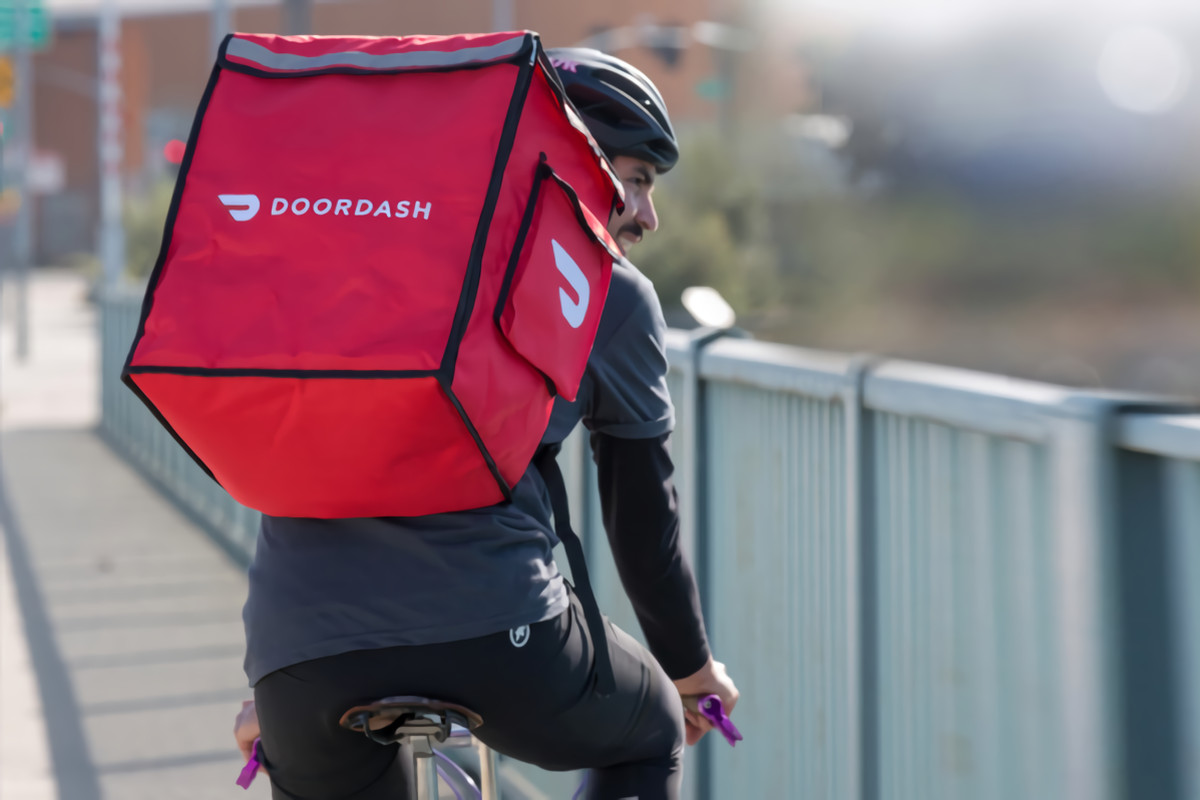
    DoorDash, the leading food delivery platform, has announced the discontinuation of its operations in Singapore and Japan to concentrate on markets with higher priorities.

    Singapore Shutdown

    In Singapore, DoorDash will be closing down its Deliveroo service on March 4, thus drawing a curtain over its 11-year long tenure in the city-state. The firm has indicated that services will remain operational until the shutdown, advising customers to exhaust any residual credits and gift cards before the cessation of operations.

    Exiting Other Markets

    In a related development, the company has also confirmed the planned closure of Deliveroo and Wolt services in Qatar, Uzbekistan, and Japan. This decision was reached following an extensive evaluation of market conditions spanning several months. According to DoorDash, the exit strategy is hinged on factors specific to each of these countries and is aligned with the company’s strategic thrust to focus on markets that offer the greatest potential for sustainable growth and long-term dominance.

    Despite describing the decision as a challenging one, the firm has committed to closely collaborating with relevant local stakeholders to effect a seamless transition in the immediate future.

    DoorDash’s Contributions and Gratitude

    Miki Kuusi, the Head of DoorDash International, CEO of Deliveroo and co-founder of Wolt, expressed gratitude to all who have been a part of their journey. He remarked, “Over the last 11 years, we have been proud to shape food delivery in Singapore, granting consumers access to an extensive range of restaurant and grocery partners. To all our employees, customers, partners, and riders who have accompanied and supported us on this journey – thank you.”

    It’s worth noting that in the previous year, Deliveroo also withdrew from the Hong Kong market on April 7, after operating there for nine years. This followed an agreement to sell some of its assets to Foodpanda.

    Questions & Answers

    Why is DoorDash discontinuing its operations in Singapore and Japan?
    DoorDash is discontinuing operations in Singapore and Japan to focus on markets with higher priorities.

    What will happen to the remaining credits and gift cards of customers in Singapore?
    Customers are advised to exhaust any remaining credits and gift cards before DoorDash ceases operation on March 4.

    Can we expect further market exits from DoorDash?
    While not explicitly stated, the company’s strategic focus on markets where it sees a clear path to sustainable scale and long-term leadership might lead to further market exits.

  • Pull&Bear Bids Farewell to Singapore: Iconic Spanish Retailer Closes Final Store

    Pull&Bear Bids Farewell to Singapore: Iconic Spanish Retailer Closes Final Store

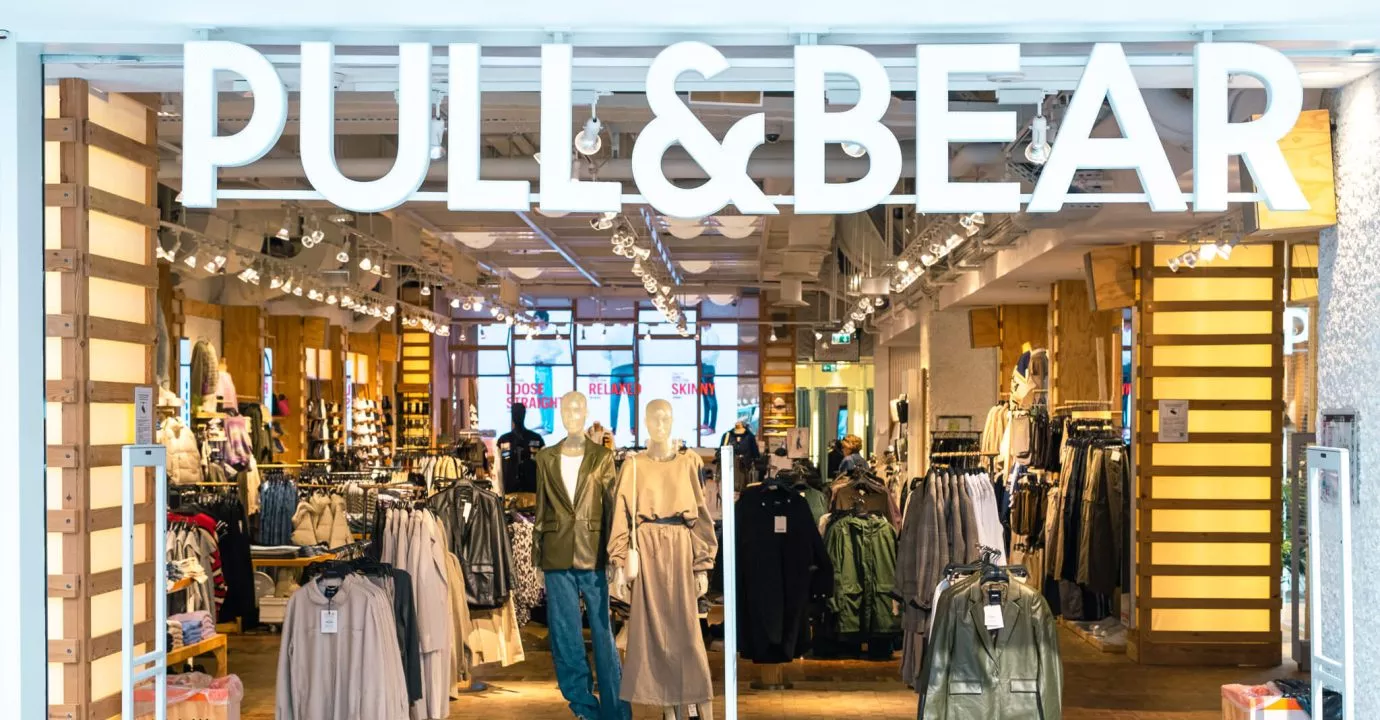
    Pull&Bear, a renowned Spanish fashion label, has decided to withdraw its presence from Singapore following the closure of its remaining outlet at VivoCity Mall. The final day the store was open for business was February 22, 2026, as indicated by an announcement on the brand’s official website. Unfortunately, the company did not reveal the rationale behind the decision.

    Despite the closure, the fashion retailer has assured that customers are still able to return purchased items at the closed outlet. It encourages those who have recently made purchases to inspect their receipts to understand the return timeframe.

    Pull&Bear first launched in Singapore in 2006 with a prominent flagship store inaugurated at VivoCity. At the height of its operations, the brand had four operational outlets in the country.

    Pull&Bear is one of the principal brands under the umbrella of Spanish fashion conglomerate Inditex, which also owns other popular brands including Zara, Bershka, Massimo Dutti, and Stradivarius.

    The exit of Pull&Bear from Singapore is part of a larger global strategy of the parent company that involved the closure of over 100 outlets in the previous year. Furthermore, two other Inditex brands, Stradivarius and Bershka, have also confirmed the closure of their respective outlets in Singapore.

    Questions & Answers

    When did Pull&Bear close its last store in Singapore?
    The last Pull&Bear store in Singapore closed on February 22, 2026.

    Why did Pull&Bear decide to exit Singapore?
    The company did not provide specific reasons for the closure of its Singapore outlet.

    Are other Spanish fashion brands also closing outlets in Singapore?
    Yes, Stradivarius and Bershka, two other brands owned by Inditex, the parent company of Pull&Bear, have also closed their outlets in Singapore.

  • Iconic Prince Coffee House in Singapore Bids Farewell After Half a Century of Serving Delightful Chinese Cuisine

    Iconic Prince Coffee House in Singapore Bids Farewell After Half a Century of Serving Delightful Chinese Cuisine

    The iconic Prince Coffee House, a renowned Chinese restaurant in Singapore, has announced its upcoming closure, marking the end of its half-century-long service. According to the proprietor, Jimmy Lim, the decision to cease operations emerges from his decision to retire. At nearly 90 years of age, Lim has been at the helm of the restaurant’s operations for the past fifty years.

    Scheduled to shutter its doors by mid-2026, the closure coincides with the expiration of the establishment’s lease in July of that year. Lim admits his inability to withstand the strenuous twelve-hour work schedule, a factor significantly contributing to his retirement decision. Additionally, the future of Prince Coffee House remains uncertain, with Lim’s children showing no interest in perpetuating the family business.

    A Glimpse into the Past

    The coffee house, which began its journey at Shaw Towers during the mid-1970s, owes its name to the now-extinct Prince Cinema that previously resided within the same complex. The restaurant’s illustrious past is visible through photographs adorning its walls, capturing memories of numerous celebrities who dined there during its peak years.

    After a thirteen-year tenure at Shaw Towers, the establishment relocated to Coronation Plaza located in Bukit Timah. It continued to serve its customers there for a period of 21 years before moving to its present location on Beach Road nearly a decade and a half ago.

    A Tradition of Excellence

    Despite these numerous relocations, the Prince Coffee House has maintained a steady influx of patrons. Over the years, due to rising costs of living, the restaurant has adjusted its prices periodically, evidenced by layers of updated prices, handwritten and taped over previous ones.

    However, the fare offered has remained consistent over the years, with dishes like oxtail stew and beef hor fun continuing to be customer favorites. Adding to the charm of the restaurant, the plates utilized for serving have a history of their own, with some dating back to the 1970s.

    When queried about his post-retirement plans, Lim expressed his intent to continue his passion for cooking but in the comforts of his home and at his wife’s behest.

    Questions & Answers

    What is the reason for the closure of the Prince Coffee House?
    The owner, Jimmy Lim, has decided to retire due to his advancing age and the demanding nature of running the restaurant.

    When is the Prince Coffee House expected to close?
    The restaurant is scheduled to cease operations in the middle of 2026 when its lease expires.

    What will Jimmy Lim do after the restaurant closes?
    Jimmy Lim plans to continue his love for cooking but will do so at home, focusing on his wife’s culinary needs.

  • Ikea Japan Bids Farewell to Harajuku and Shinjuku Outlets: A New Chapter in Urban Retail Strategy

    Ikea Japan Bids Farewell to Harajuku and Shinjuku Outlets: A New Chapter in Urban Retail Strategy

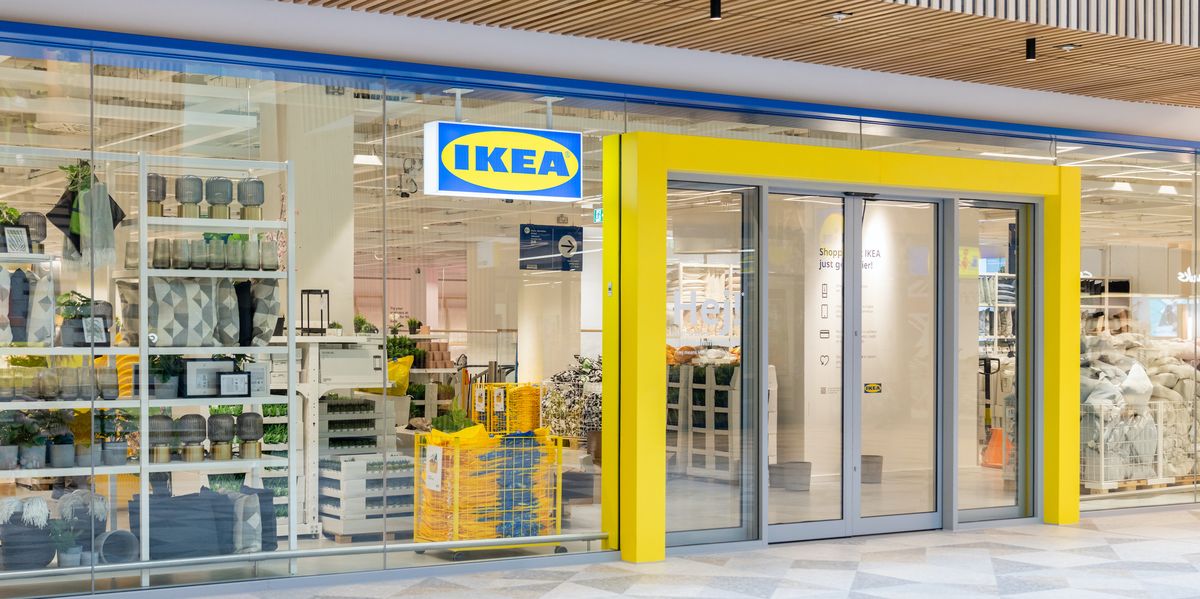
    IKEA Japan is set to shut down its Harajuku and Shinjuku city-format stores later this month. This brings an end to the retailer’s brief yet notable venture in two of Tokyo’s bustling shopping districts.

    Details of the Store Closures

    The renowned Swedish home furnishings group has confirmed that operations at both locations will cease on February 8, with doors shutting at 6 pm. This decision is part of a larger examination of IKEA Japan’s urban store network and its multichannel strategy.

    The Harajuku store was inaugurated in 2020, followed by the Shinjuku store in 2021. IKEA’s objective was to engage with younger, urban consumers by introducing smaller-format stores.

    IKEA’s Future Plans

    Despite the closures, IKEA has expressed plans to further solidify its presence in central Tokyo. The IKEA Shibuya will serve as the main city store, supplemented by larger suburban stores and its digital platform.

    In addition to these changes, IKEA also declared last month that it plans to close seven stores in China as of February 2. The list includes one suburban Shanghai location, another in Guangzhou, and multiple others in the second-tier Chinese cities of Nantong, Xuzhou, and Harbin.

    Questions & Answers

    When are the IKEA stores in Harajuku and Shinjuku closing?
    The stores are scheduled to close on February 8, with operations ending at 6 pm.

    What is the reason behind IKEA’s decision to close these stores?
    The decision to close the Harajuku and Shinjuku stores is part of a comprehensive review of IKEA Japan’s urban store network and omnichannel strategy.

    What are IKEA’s plans for its presence in Tokyo following these closures?
    IKEA plans to enhance its presence in central Tokyo, with the IKEA Shibuya serving as the main city store. This will be supplemented by larger suburban stores and the company’s online platform.

  • Starbucks Invites Top Firms To Bid For Stake In Chinese Operations Amidst Market Share Decline

    Starbucks Invites Top Firms To Bid For Stake In Chinese Operations Amidst Market Share Decline

    Starbucks has requested a select group of potential bidders to prepare non-binding bids for a share in its China operations within the next fortnight, according to two sources familiar with the situation.

    The American coffeehouse corporation has extended invitations to entities such as private equity firms Carlyle, EQT, Hillhouse Investment, and Primavera Capital to partake in management presentations. During these sessions, financial and operational aspects of its China business will be disclosed. Other potential bidders are said to include Bain Capital, KKR & Co, and technology giant Tencent.

    A new partner in China could help revitalize a business that has seen its market share fall by more than half over the last five years. This decline has occurred as cheaper local competitors expand rapidly amidst a slowing economy and increasingly cost-conscious consumers.

    Preliminary Sale Process

    Starbucks initiated the sale in May, inviting interested parties to provide details about their businesses by late June. The Seattle-based company clarified that it was not contemplating a complete sale of the business. Potential bidders anticipate the business to be valued at up to US$10 billion.

    In July, up to ten interested parties were shortlisted and signed non-disclosure agreements before being granted potential access to financial and operational data. The final structure of the sale and the size of the stake have yet to be determined.

    Informal discussions with a variety of prospective buyers have been ongoing since the latter part of last year, and the company aims to reach an agreement by the end of this year. CEO Brian Niccol stated last month that over 20 parties have expressed interest in the business and options are currently being evaluated.

    Commitment to China Business

    “We remain committed to our China business and want to retain a meaningful stake… We will only enter a transaction if it makes sense for Starbucks,” said Niccol. Primavera, Carlyle, EQT, KKR, and Bain have not provided any comment, while Hillhouse and Tencent have not responded to comment requests.

    The sale is being pursued after Starbucks reported robust overall revenue for the three months ending on June 29, a result of a turnaround plan implemented by Niccol following several quarters of declining profits.

    Stiff Competition

    In China, Starbucks is grappling with a sluggish economy and stiff competition from local brands, including Luckin Coffee, which has been capturing market share with its cheaper offerings and wider reach in smaller cities.

    Last year, Starbucks’ market share in China, which is home to over a fifth of its outlets, was 14 per cent, down from 34 per cent in 2019. In response, the chain has lowered prices for some non-coffee drinks in China and accelerated the development of new, China-centric products.

    Financial Performance

    Sales in comparable stores in China increased by 2 per cent in the quarter ending June 29, up from zero growth in the previous quarter. As of the end of June, Starbucks operated 7,828 stores in China, as stated in its latest quarterly report. The company has not disclosed core earnings for its China operations.

    Questions & Answers

    Why is Starbucks selling a stake in its China business?
    Starbucks is selling a stake in its China business to potentially inject fresh momentum into the operations, which have seen market share decline in the past five years due to local competition and changing consumer behavior.

    Who are the potential bidders for the stake in Starbucks’ China operations?
    Potential bidders include private equity firms Carlyle, EQT, Hillhouse Investment, Primavera Capital, Bain Capital, KKR & Co, and technology giant Tencent.

    What is Starbucks’ current market position in China?
    Starbucks’ market share in China has decreased, from 34% in 2019 to 14% in 2020. The company is facing competition from local brands and a slower economy, but it remains committed to its China business and aims to retain a significant stake.
  • Potential $10b Valuation As Investors Eye Stake In Starbucks’ China Operations

    Potential $10b Valuation As Investors Eye Stake In Starbucks’ China Operations

    Starbucks’ China Operations Draw Interest from Potential Buyers

    Starbucks’ business operations in China may soon undergo changes, as several prominent investors have shown interest in acquiring a stake. This signifies a potential valuation of Starbucks’ China unit at approximately US$10 billion.

    Among the investors vying for a stake in the coffee giant’s China business are Asia-based private equity firms Centurium Capital and Hillhouse Capital, as well as their US counterparts Carlyle Group and KKR & Co.

    Starbucks May Retain 30% Stake

    According to sources, it is a possibility that Starbucks might retain a stake of 30 percent, with the remainder distributed among a group of purchasers, each owning less than 30 percent. However, the company and the potential buyers have not yet provided any comments on the matter.

    No Plans for Full Sale

    Last month, Starbucks confirmed that it does not plan to fully sell off its China operations. This announcement followed the commencement of a formal sales process for its China business in May.

    Offers Under Consideration

    Around 30 domestic and international private equity firms in China have submitted non-binding offers for a stake in Starbucks’ China business. Currently, the company is in the process of evaluating the bids, deal structure suggestions, and value creation proposals from the potential investors.

    This selection process is expected to result in a shortlist within the next two months. However, it is unlikely that the entire arrangement will be finalized before the end of this year.

    Questions & Answers

    Which companies are vying for a stake in Starbucks’ China business?
    Asia-based private equity firms Centurium Capital and Hillhouse Capital, as well as US counterparts Carlyle Group and KKR & Co, have shown interest in acquiring a stake.

    How much of a stake might Starbucks retain in its China operations?
    Starbucks may retain up to 30 percent stake in its China operations, with the remaining stake distributed among the group of buyers.

    Is Starbucks planning a complete sell-off of its China operations?
    Last month, Starbucks confirmed that it has no plans to fully sell off its China operations.

  • Starbucks’ China Venture Sparks Interest: Possible $10 Billion Stake Sale On Horizon

    Starbucks’ China Venture Sparks Interest: Possible $10 Billion Stake Sale On Horizon

    Starbucks’ China Business Draws Significant Interest

    Starbucks’ China venture has recently garnered substantial interest for a potential stake sale. The unit is speculated to be worth up to a staggering $10 billion. According to insider information, a multitude of entities is in the race for the stake, including Asian private equity firms Centurium Capital and Hillhouse Capital, as well as American counterparts Carlyle Group and KKR & Co.

    Possible Ownership Structure

    The multinational coffee company may retain a 30% stake in its China business if a deal goes through. The remaining portion would be divided among several investors, each maintaining a stake of less than 30%.

    No Official Comments Yet

    At this point, there has been no official response from Starbucks, Centurium, Hillhouse, Carlyle, or KKR regarding these claims. Until now, this information has not been independently corroborated.

    No Full Sale for Starbucks China

    Despite the current speculation, Starbucks clarified last month that it is not considering a complete sale of its China operations. This announcement followed the initiation of a formal sale process for Starbucks’ China operations that commenced in May.

    Offers Under Evaluation

    Starbucks has received non-binding offers from approximately 30 domestic and foreign private equity firms. The coffee giant is currently assessing these proposals, the proposed deal structures, and the value creation plans presented by the bidders.

    According to sources, the shortlist of potential investors could be ready within the next two months. However, it is unlikely that the transaction will be finalized by the end of this year.

    Questions & Answers

    Who are some of the potential buyers for Starbucks’ China business?

    Potential buyers include Asia-based private equity firms Centurium Capital and Hillhouse Capital, as well as US firms Carlyle Group and KKR & Co.

    What percentage of the Starbucks China business might the company retain after the sale?

    Starbucks may retain a 30% stake in its China operations post-sale.

    When is the deal likely to be finalized?

    While this is subject to change, the deal is currently unlikely to be completed before the end of this year.