Retail News CRM

Tag: bike

  • Vietnam’s Motorbike Market Accelerates, Topping Southeast Asia with Electric Bike Boom

    Vietnam’s Motorbike Market Accelerates, Topping Southeast Asia with Electric Bike Boom

    The Vietnamese motorcycle market experienced a significant expansion of 14.9% in the previous year, marking the most substantial growth rate within Southeast Asia. This surge was, in part, propelled by a substantial increase in sales of electric motorcycles.

    Vietnam reportedly sold 3.4 million units, positioning it as the second-largest market in the region, with Indonesia leading at 6.5 million units. This sales volume also marks Vietnam as the fourth largest global motorcycle market and the third largest market for electric motorcycles.

    Reshaping the Two-Wheeler Market

    The landscape of the motorcycle market in Vietnam is undergoing a significant transformation due to investments in electric two-wheelers. This shift is not only fueled by China’s major manufacturers but also by domestic producers.

    In parallel with this market transformation, a mature market is also experiencing growth, characterized by discerning consumer demand and steadfast brand loyalty. Honda, in particular, continues to enjoy a strong consumer base.

    Adopting Electric Vehicles Amid Environmental Policies

    The adoption of electric vehicles is accelerating in response to strict environmental policies. A notable factor expediting this shift towards electrification is the announcement by Hanoi authorities of a prohibition on internal combustion engine vehicles by July 2026.

    Pressure on Traditional Manufacturers

    Traditional motorcycle manufacturers are increasingly feeling the heat from specialists in electric scooters. Honda, a market leader for over seven decades, reported a meager growth of 1.3%. Their long-standing competitor, Yamaha, experienced a decline of 17.3%, subsequently losing its second-place standing.

    Interestingly, VinFast, a domestic electric mobility brand, has claimed the second spot, with a remarkable 532% growth. This development underscores the swift rise of domestic electric mobility.

    Several other players focused on electric models are also reporting robust growth. China’s Yadea, for example, has seen a 61.6% increase. Local manufacturers Pega and Dibao reported growth rates of 60% and 75% respectively, ranking them fourth, fifth, and sixth.

    Questions & Answers

    What was the growth rate of the Vietnamese motorcycle market last year?
    The Vietnamese motorcycle market grew by 14.9% last year, the highest growth rate in Southeast Asia.

    What are some factors that are reshaping the motorcycle market in Vietnam?
    Investments in electric two-wheelers by both domestic and Chinese manufacturers are significantly reshaping the Vietnamese motorcycle market.

    What is the impact of environmental policies on the adoption of electric vehicles in Vietnam?
    Tightening environmental policies, such as Hanoi’s ban on internal combustion engine vehicles from July 2026, are accelerating the adoption of electric vehicles in Vietnam.
  • Rev Up for the Harley Davidson X440T: Next-Gen Motorcycle Sneak Peek Ahead of Official Debut

    Rev Up for the Harley Davidson X440T: Next-Gen Motorcycle Sneak Peek Ahead of Official Debut

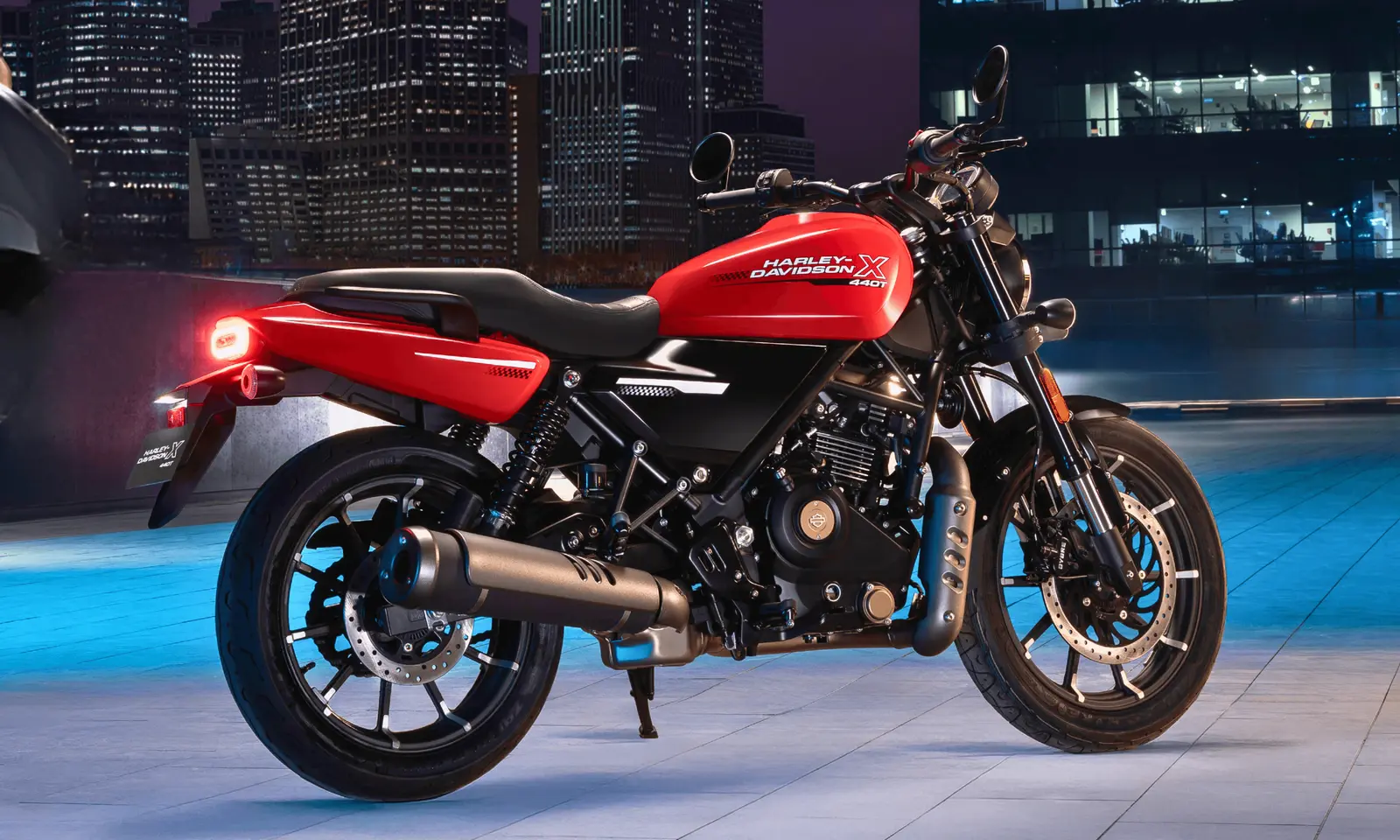
    In December 2024, Hero MotoCorp announced through a Securities and Exchange Board of India (SEBI) filing a continuation of its partnership with Harley-Davidson beyond the X440, revealing plans for new variants. Now, one year later, the first of these new additions, the X440T, is set to make its debut. This new motorcycle retains the familiar features of its X440 predecessor while introducing several key improvements.

    Design Distinctions of the New Harley-Davidson X440T

    Among the noticeable revisions on the X440T is an entirely restyled rear three-quarters section. A longer cowl graces the tail of the X440T, likening its design to that of other commuter motorcycles. While Harley-Davidson has yet to release a front-angle image of the new model, it is anticipated to bear a close resemblance to the original X440. Additional changes include bar-end mirrors and a fresh color palette featuring red, black, blue, and white options.

    Anticipated Advancements in the X440T

    Beyond the aesthetic upgrades, the X440T is expected to unveil several feature enhancements. Among these is the possibility of a ride-by-wire system, which could introduce additional riding modes and switchable traction control, among other advancements.

    As yet, further details remain undisclosed. However, it is predicted that the X440T will share much of its hardware with the X440, such as the chassis, engine, suspension, wheel sizes, and braking setup. For reference, the existing Harley-Davidson X440 is equipped with a 440 cc, oil-cooled, 2-valve SOHC single-cylinder engine that produces 27 bhp at 6,000 rpm and 38 Nm of torque at 4,000 rpm, coupled with a 6-speed transmission.

    History of the Hero-Harley Partnership

    The Hero-Harley alliance was forged in 2020 when the American motorcycle brand joined forces with Indian two-wheeler powerhouse Hero MotoCorp to manage local sales and service networks and co-develop high-end models. The first motorcycle resulting from this collaboration was the H-D X440 introduced in 2023, followed by Hero’s Maverick 440 in early 2024.

    There is yet to be a decision on whether the new X440T will replace the existing X440, or if both models will be sold concurrently. The Hero equivalent on this platform is still listed on the company’s website despite reaching the end of its production run. Currently, only selected dealerships with remaining stock are selling the Maverick 440.

    Questions & Answers

    What are the anticipated feature enhancements of the new X440T?
    The X440T is expected to introduce several feature advancements, such as a ride-by-wire system, potentially offering additional riding modes and switchable traction control.

    What is the current status of the Maverick 440?
    While the Maverick 440 has reached the end of its production run, it is still listed on the company’s website and is available at select dealerships with remaining stock.

    Will the existing X440 be replaced by the new X440T?
    It is not yet decided whether the X440T will replace the X440 or if both models will be sold concurrently.

  • Honda Unveils Exclusive Naked Bike in Vietnam, Priced at $21,000 – A Must-See for Enthusiasts!

    Honda Unveils Exclusive Naked Bike in Vietnam, Priced at $21,000 – A Must-See for Enthusiasts!

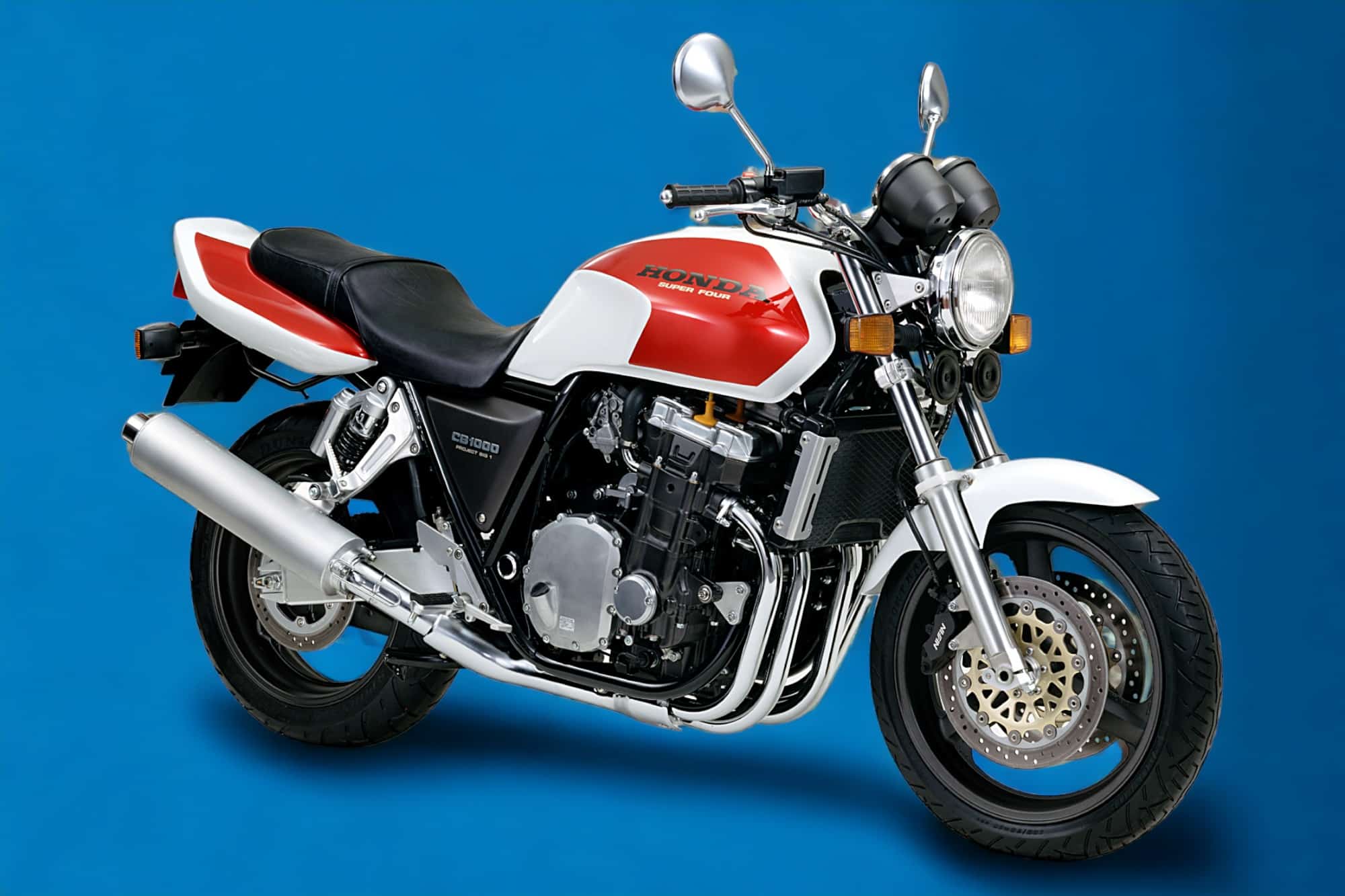
    Four Honda CB1300SF Final Edition motorcycles made in Japan have been imported and are on sale at around VND550 million (US$21,000). In an exciting development for motorbike enthusiasts, four rare Honda CB1300SF Final Edition motorcycles have been imported into Vietnam, each priced at approximately VND550 million (US$21,000). These are part of the final production run, with only 3,400 units crafted in February before Honda concluded the model in response to evolving exhaust regulations.

    A Tribute to a Legend

    The CB1300SF Final Edition pays homage to the revered CB1000SF, a model that played a crucial role in establishing the Honda CB series as a global favorite in the 1990s, earning a devoted following among riders. As if Honda has sent a love letter to its fans, this motorcycle blends nostalgia with modern engineering.

    Timeless Design Meets Modern Performance

    The CB1300SF sports an upgraded design, retaining its iconic look while boasting an engine displacement of 1,300cc. It features a long, streamlined seat and elevated handlebars that ensure a comfortable riding experience. With a 21-liter fuel tank proudly displaying the Final Edition badge, this bike signifies not just closure but also celebration, offering 113 horsepower at 7,250 RPM.

    Riding Dynamics That Cross Generations

    While competitors in the market target younger riders with sporty designs, the CB1300SF speaks to a broader demographic, drawing both younger enthusiasts and seasoned riders with its classic aesthetic and relaxed riding dynamics. It’s a bike that says, “Age is just a number; let’s hit the road together!”

    Questions & Answers

    What makes the Honda CB1300SF Final Edition a special motorcycle?
    The Honda CB1300SF Final Edition is part of the last production run before Honda discontinued the model due to new exhaust regulations, making it a rare collector’s item and a tribute to the beloved CB1000SF.

    What are the key features of the CB1300SF Final Edition?
    This motorcycle features a nostalgic design with modern performance upgrades, including a 1,300cc engine, comfortable seating, and a distinctive Final Edition badge, all contributing to its appeal across different age groups.

    Why did Honda decide to discontinue the CB1300SF model?
    Honda discontinued the CB1300SF as part of its compliance with stricter exhaust regulations, marking the end of an iconic model that has captured the hearts of motorcycle enthusiasts for decades.

  • LG Energy Solution Expands Horizons: Set to Launch Electric Bike Manufacturing in Vietnam

    LG Energy Solution Expands Horizons: Set to Launch Electric Bike Manufacturing in Vietnam

    South Korean battery producer LG Energy Solution is setting its sights on manufacturing electric motorbikes and establishing charging stations in Vietnam. During a recent meeting with local officials in Phu Tho Province, Lee Jin Woo, senior director of LG Energy Solution (LGES), detailed plans for investment that will come through official development assistance, a form of aid aimed at fostering economic growth in developing nations. This venture indicates LGES’s commitment to expanding its footprint in the burgeoning electric vehicle market.

    In addition to manufacturing electric motorbikes, LGES aims to collaborate with local businesses to create a network of charging stations and battery exchange systems tailored for electric vehicles in the province. This move not only promises to enhance the infrastructure for electric mobility but also underscores LGES’s strategic approach to fostering local partnerships.

    Support from Local Authorities

    Phu Tho’s chairman, Tran Duy Dong, has instructed local agencies, including the Investment Promotion and Support Center and the Department of Finance, to facilitate LGES’s investment in the region. The support from local authorities illustrates the government’s eagerness to embrace eco-friendly transportation solutions and bolster the local economy.

    A Leader in Battery Production

    Founded in 1999 as South Korea’s inaugural lithium-ion battery manufacturer, LG Energy Solution has cemented its status as a global powerhouse in battery technology, supplying major automakers such as Ford, Tesla, and General Motors. Beyond electric vehicles, LGES also produces batteries for a range of devices including laptops and smartwatches, demonstrating its versatility in the battery sector.

    Phu Tho’s Vision for the Future

    Positioned approximately 100 kilometers northwest of Hanoi, Phu Tho Province is poised for industrial growth. The local government envisions the establishment of 57 industrial parks covering nearly 13,400 hectares by 2030, with 16 projects already operational. The province has successfully attracted 720 foreign investments, primarily from South Korea and Japan, amounting to approximately US$12.5 billion by the end of 2024. As the home of new investment opportunities and technological advancements, Phu Tho may soon be buzzing with electric motorbike enthusiasts.

    Questions & Answers

    What type of vehicles is LG Energy Solution planning to manufacture in Vietnam?
    LG Energy Solution is planning to manufacture electric motorbikes in Vietnam.

    How will LGES support the electric vehicle infrastructure in Phu Tho?
    LGES aims to collaborate with local companies to establish charging stations and battery exchange networks for electric motorbikes.

    What is the significance of Phu Tho’s local investment vision?
    Phu Tho aims to develop 57 industrial parks by 2030, adapting to the region’s growing industrial needs and promoting foreign investments, while fostering an eco-friendly transportation network.

  • VinFast Takes Charge: Covering Registration Fees for Electric Bikes in Hanoi!

    VinFast Takes Charge: Covering Registration Fees for Electric Bikes in Hanoi!

    As Hanoi gears up to ban gasoline-powered motorbikes from next July, Vingroup, Vietnam’s leading conglomerate, is stepping in with an enticing offer for those ready to embrace the electric future with VinFast bikes.

    According to a proposal submitted by the company to local authorities on Tuesday, all VinFast electric motorcycles purchased in the capital from July 24 to October 24 will have their registration fees fully subsidized. Currently, this fee amounts to approximately 5% of an electric motorbike’s price, a cost that many consumers will now find evaporated.

    Additionally, buyers in Hanoi can enjoy a 10% discount when opting to pay in installments over three years, starting with a 10% down payment, along with complimentary charging services until May 2027. This means incentives for a VND30 million (US$1,150) bike could reach as high as VND4.5 million. That’s a little more than what most people leave behind on a Saturday night out—just saying!

    Prime Minister Pham Minh Chinh’s directive on July 12 initiated significant changes, indicating that from July 1 next year, motorcycles and scooters powered by fossil fuels will be prohibited within Hanoi’s circular Ring Road 1, covering most of the downtown area. The rules will later extend to personal vehicles within Ring Roads 1 and 2 by early 2028, followed by Ring Road 3 in 2030.

    In alignment with this green initiative, Vingroup has further proposed incentives for VinFast electric cars. Collaborating with banks, the company plans to provide individual buyers loans at just 3% interest for the first three years. Commercial buyers can expect slightly higher rates of 4%.

    A 2022 study by the International Council on Clean Transportation revealed that two-wheeled vehicles fulfill nearly 73% of transportation needs for Hanoi residents. As the phased-out ban on gasoline-powered motorbikes rolls out, it’s anticipated that this will fundamentally transform the two-wheeler market and accelerate the switch to fully electric vehicles as residents reconsider their transport options.

    Questions & Answers

    What financial incentives is VinFast offering to customers in Hanoi?
    VinFast is subsidizing the registration fees of its electric bikes, which currently stand at about 5% of the vehicle price. Additionally, there’s a 10% discount for those paying in installments over three years and complimentary charging until May 2027.

    What new restrictions is Hanoi implementing regarding motorbikes?
    Starting July 1 next year, Hanoi will prohibit fossil fuel-powered motorcycles and scooters within the city’s circular Ring Road 1, with plans to expand these restrictions to personal cars by 2028 and to Ring Road 3 by 2030.

    How is Vingroup planning to support electric car buyers?
    Vingroup is teaming up with banks to offer loans at a competitive rate of 3% interest for individual buyers for the first three years, while commercial buyers will enjoy a rate of 4%.

  • Electric Bike Market Accelerates Growth Amid Rising Gasoline Motorbike Restrictions

    Electric Bike Market Accelerates Growth Amid Rising Gasoline Motorbike Restrictions

    Starting July 1, 2024, Hanoi will usher in a significant shift in urban mobility by banning all gasoline-powered two-wheel vehicles within the confines of Ring Road 1, effectively covering much of the city’s downtown. This move is not a standalone initiative; the ban is set to expand to Ring Road 2 in 2028, targeting fossil fuel-powered personal cars alongside motorcycles. By 2030, the restrictions will reach the outermost Ring Road 3, marking a decisive step towards cleaner urban transport.

    Meanwhile, Ho Chi Minh City (HCMC) is pondering similar measures, contemplating designated zones that favor green vehicles while restricting access to gasoline and diesel motorcycles, particularly in the bustling downtown and environmentally sensitive regions like Can Gio and the Con Dao Special Zone. With the stakes this high, one could speculate that the electric scooter has officially become the new “it” vehicle in Vietnam.

    These impending restrictions promise to reshape the landscape of Vietnam’s motorcycle market. As the country’s largest urban centers, Hanoi and HCMC are at the forefront of motorcycle consumption, standing as hubs of economic activity. Electric bikes made their debut in the early 2000s, catering primarily to students who can ride them without a license, thus developing an early market for electric vehicle (EV) adoption.

    Historically, these e-bikes were largely imports from China, providing an affordable alternative in a competitive market. Until recently, Detech was the lone domestic manufacturer based in Hung Yen. However, after 2010, the industry witnessed a surge of local brands, with Dibao emerging in 2011, Pega in 2012, DK Bike in 2014, and Anbico in 2015. Enter VinFast in 2018, the ambitious brand backed by Vingroup, along with Selex Motors and Dat Bike, which also launched in the following year.

    The Chinese brand Yadea, now the dominant electric two-wheeler manufacturer globally, set up two large factories in Bac Giang in 2019 with plans to produce up to two million vehicles annually. Following suit, Tailg, another Chinese heavyweight, planted roots in Hung Yen in 2024, with a yearly production capacity of 350,000 vehicles. Traditional gasoline motorbike makers see the winds of change, with Yamaha unveiling its first electric motorcycle, the Neo’s, in 2022, while Honda — holding over 80% of the market share — debuted its electric models in 2024, the ICON e: and the premium CUV e:.

    Despite the flurry of activity in the electric segment, Suzuki, SYM, and Piaggio, who remain members of the Vietnam Association of Motorcycle Manufacturers (VAMM), have yet to release fully electric options. VinFast, uniquely positioned as a transparent player, revealed sales of nearly 71,000 units in the last year, representing a modest 3% of the gasoline motorcycle market, which totaled 2.65 million units. However, the lack of official statistics on annual electric motorcycle sales poses a challenge for comprehensive market analysis.

    Policy Shifts and Industry Reactions

    Industry experts believe that Hanoi’s gradual ban on gasoline-powered motorcycles — and HCMC’s possible follow-up — will dramatically transform Vietnam’s motorcycle landscape. The two-wheel vehicle continues to be the primary mode of transport due to its affordability, flexibility, and infrastructure support. According to the International Council on Clean Transportation (ICCT), two-wheelers fulfill 72.6% of transport needs in Hanoi and 82% in HCMC.

    For Honda, which sells nearly 2.15 million units annually, Hanoi represents a critical market, contributing around 8-9% of its total sales. The company’s spokesperson acknowledged the profound implications of these policy changes, emphasizing both logistical and financial challenges in transitioning to eco-friendly vehicles in such dense urban settings. “Replacing a significant number of internal combustion vehicles swiftly could impose substantial pressures,” they noted, highlighting insufficient charging infrastructure and fire safety concerns.

    While Honda advocates for a delay to allow more time for technical standards and infrastructure development, the responses from other manufacturers remain unclear. A spokesperson from Suzuki Vietnam confirmed that VAMM members would convene to devise strategies for a potential transition to green vehicles. Currently, there are no government incentives for purchasing electric motorcycles unlike electric cars, which enjoy waivers on registration fees until February 2027. Hanoi is looking at supporting the replacement of approximately 450,000 gasoline motorcycles, potentially covering most costs for new electric options, alongside the establishment of charging zones for electric and clean-energy vehicles.

    Leading the charge on infrastructure investment, VinFast is paving the way with extensive charging facilities across the country, while most other EV brands predominantly rely on home charging. Exceptionally, Dat Bike has made investments in charging stations, although currently focused in HCMC, further underlining the emerging dynamics of Vietnam’s electric vehicle ecosystem.

    Questions & Answers

    What are the main areas impacted by Hanoi’s electric vehicle ban?
    The ban initially affects areas within Ring Road 1, which encompasses most of downtown Hanoi, with plans to extend to Ring Road 2 in 2028 and to Ring Road 3 by 2030.

    How will traditional motorcycle manufacturers adapt to the upcoming policy changes?
    Manufacturers like Honda and Yamaha are exploring strategies to transition towards electric vehicles, but face challenges related to infrastructure and the rapid pace of required changes.

    What incentives are currently available for purchasing electric motorcycles in Vietnam?
    As of now, there are no government incentives for electric motorcycles, unlike electric cars, which benefit from waived registration fees until February 2027.

  • Motorbike Sales Surge 6.4% in First Half of the Year: A Thriving Market Trend

    Motorbike Sales Surge 6.4% in First Half of the Year: A Thriving Market Trend


    In a promising start to 2025, members of the Vietnam Association of Motorcycle Manufacturers recorded a 6.4% year-on-year sales increase, totaling 1.28 million motorbikes sold in the first half of the year.

    Motorbike Sales Surge, But Faces Seasonal Hurdles

    Despite the optimistic overall growth, the landscape shifted in the second quarter, where sales dipped significantly by 9.2%, landing at 611,236 units. This drop contrasted with the brisk pace of 4.9 vehicles sold every minute in the first half, a slight uptick from 4.6 during the same timeframe last year.

    Industry Giants and Emerging Players in the Mix

    The sales figures were driven largely by industry stalwarts Honda, Yamaha, Piaggio, Suzuki, and SYM, who dominate the market. Notably, other manufacturers like VinFast, BMW Motorrad, Triumph, Kawasaki, and Harley-Davidson remain tight-lipped about their sales figures, leaving many wondering just how many bikes are purring on the roads. Meanwhile, VinFast, Vietnam’s own electric motorcycle producer, hit an impressive milestone with an estimated 71,000 units sold in the first half alone, matching its total output for all of 2024, according to a reliable source. The rest of the manufacturers are often considered peripheral players in this thriving market.

    Future Mobility Directions in Hanoi

    In a forward-thinking move, Hanoi’s government, under the directive of Prime Minister Pham Minh Chinh, has set ambitious targets to phase out fossil fuel-powered motorbikes by July 1, 2026. This initiative will extend further, with plans to ban personal petrol and diesel vehicles in specific urban areas by 2028 and again by 2030 for broader ring roads. This policy is anticipated to give a significant boost to electric vehicle sales, stimulating growth in a rapidly changing automotive landscape.

    Questions & Answers

    What was the total number of motorbike sales in Vietnam during the first half of 2025?
    Vietnam’s motorcycle manufacturers recorded sales of 1.28 million units in the first half of 2025, marking a 6.4% increase from the previous year.

    Which companies are leading the motorcycle market in Vietnam?
    The primary players in Vietnam’s motorcycle market include Honda, Yamaha, Piaggio, Suzuki, and SYM, who collectively make up the Vietnam Association of Motorcycle Manufacturers.

    What are Hanoi’s plans for electric vehicles?
    Hanoi aims to phase out fossil fuel motorbikes by July 1, 2026, with plans to restrict petrol and diesel cars further by the end of the decade, potentially increasing demand for electric vehicles.

  • Harley-Davidson Faces $1.4M Fine in Japan for Unfair Dealer Quotas – What This Means for Retailers

    Harley-Davidson Faces $1.4M Fine in Japan for Unfair Dealer Quotas – What This Means for Retailers


    Japan’s antitrust authority is set to impose a significant penalty on Harley-Davidson’s local subsidiary, amounting to JPY200 million (approximately US$1.38 million), for placing unreasonable sales quotas on its dealers.

    The Japan Fair Trade Commission (JFTC) is expected to accompany the fine with a cease-and-desist order aimed at curtailing any future violations. Sources close to the matter indicated that Harley-Davidson has already been informed of the commission’s plans and that their official decision will follow the company’s forthcoming response, as reported by Nikkei.

    According to these sources, Harley-Davidson has been accused of imposing unrealistic sales targets on numerous dealers, terms that could not be met through typical sales efforts. In a move resembling a scene from a high-stakes game of poker, the company reportedly warned dealers that failure to hit these lofty goals could result in the termination of their dealership agreements.

    This contentious practice has allegedly been in place since at least January 2023, if not earlier. Many dealers felt trapped in a bind, forced to purchase motorcycles themselves and subsequently sell them as “registered but unused vehicles,” which are typically resold at lower prices than brand new models.

    Having invested in store renovations and other startup costs to sell these motorcycles, dealers found themselves with little choice but to comply with Harley-Davidson’s demands.

    Under Japan’s antimonopoly law, the abuse of a superior bargaining position to enforce unfair business terms is strictly prohibited. If the JFTC confirms a violation, it can both issue a cease-and-desist order and impose a surcharge of 1% on sales linked to such illicit practices.

    Harley-Davidson, established in 1903 and renowned for its heavyweight motorcycles, sold 151,200 units globally last year, marking a 7% decline compared to 2023 — the second consecutive year of falling sales figures.

    Questions & Answers

    What led to Harley-Davidson being fined in Japan?
    The JFTC found that the motorcycle giant imposed unreasonable sales quotas on its dealers, coupled with threats of contract termination if these targets were not met.

    How has this fine affected Harley-Davidson’s reputation in Japan?
    This incident may tarnish Harley-Davidson’s reputation as a reputable manufacturer, raising serious concerns about its business practices and dealer relationships in the region.

    What measures can dealers take in light of this situation?
    Dealers facing similar pressures may seek legal assistance or report unfair practices to the JFTC, utilizing antimonopoly laws to protect their interests.

  • Royal Enfield Flying Flea C6 Electric Bike To Launch In 2026

    Royal Enfield Flying Flea C6 Electric Bike To Launch In 2026

    Royal Enfield, a leading motorcycle brand, has announced its foray into the electric motorcycle market with the introduction of its new brand, Flying Flea. The first model under this brand will be the C6, scheduled for launch in the fourth quarter of the fiscal year 2026. The company plans to follow up with the introduction of model S6, an entirely different product that will further diversify the brand’s offerings. Information pertaining to the operations and dealership network for the new electric vehicle brand is yet to be disclosed.

    The Flying Flea C6

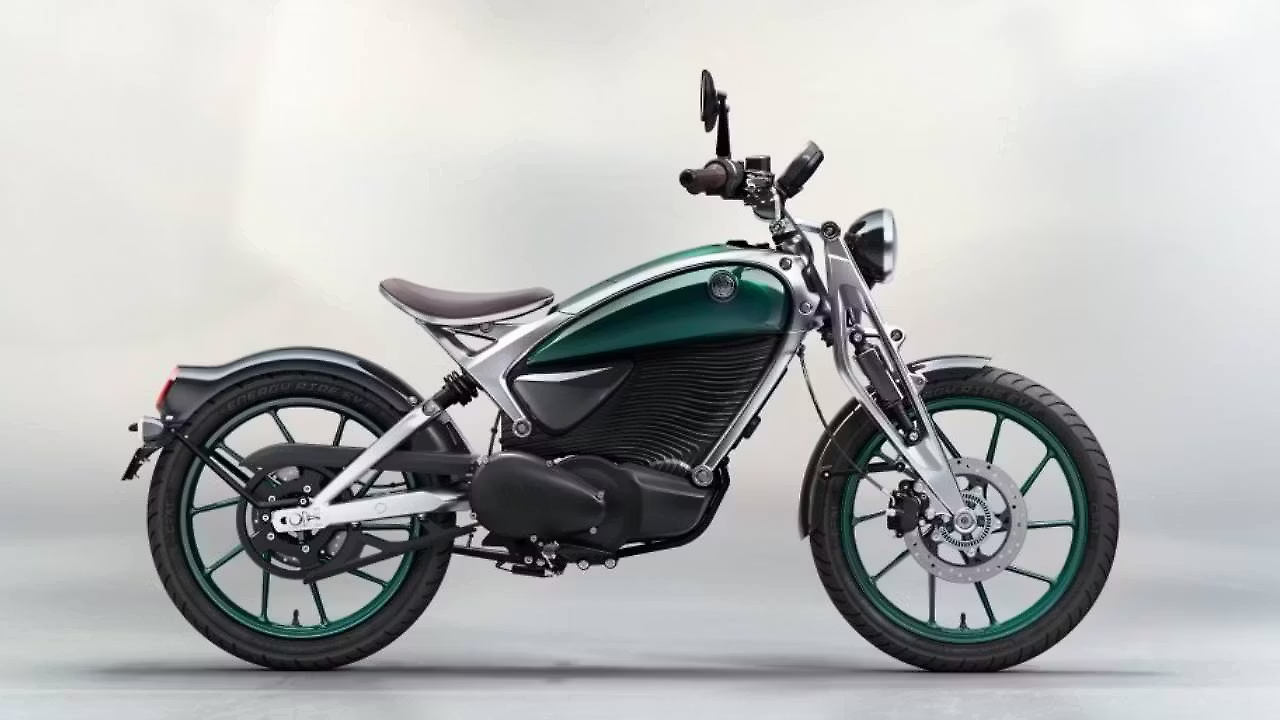
    The Flying Flea C6 was first unveiled at the EICMA exhibition and has subsequently been showcased in India. The motorcycle’s test model has been spotted during multiple trial runs, providing insights into its unique features and design elements. The C6 sports circular LED lighting, a sleek frame with an aluminium chassis and girder forks, a design infused with a blend of retro and modern aesthetics that is indicative of the brand’s distinct style. Other notable features include a split seat configuration and black alloy wheels.

    The aerodynamically designed body of the bike integrates a magnesium casing that facilitates airflow. Although Royal Enfield has not yet revealed the specifications of the C6, it is anticipated that the vehicle will offer a range of approximately 100 kilometers, making it suitable for urban use. To further enhance its city-riding capabilities, the company has focused on reducing the weight of the motorcycle to less than 100 kilograms.

    Technological Innovations

    Royal Enfield has invested significantly in incorporating advanced technology into the design of the C6. It is expected to be the most feature-packed motorcycle ever produced by the company, with a round touchscreen display that provides a host of functionalities including voice control, connectivity, and more. The bike is powered by Qualcomm’s Snapdragon processor to support these advanced features. During the C6’s unveiling, Mario Alvisi, Royal Enfield’s Chief Growth Officer for Electric Vehicles, stated that the motorcycle will boast the most innovative and state-of-the-art features.

    Questions & Answers

    When is the launch of Royal Enfield’s first electric motorcycle, the Flying Flea C6, scheduled?
    The Flying Flea C6 is slated for launch in the fourth quarter of the fiscal year 2026.

    What are the notable design features of the Flying Flea C6?
    The C6 is designed with circular LED lighting, a sleek frame with an aluminium chassis and girder forks, a split seat configuration, and black alloy wheels. The motorcycle’s body includes a magnesium casing that regulates airflow.

    What advanced technology features will be incorporated into the Flying Flea C6?
    The C6 will be equipped with a round touchscreen display that enables various functions such as voice control, connectivity, and more. It will be powered by Qualcomm’s Snapdragon processor.

  • Gas Prices Climb from 5-Year Low, Impacting Retail Sales

    Gas Prices Climb from 5-Year Low, Impacting Retail Sales

    Gasoline Prices in Vietnam See Modest Recovery After Five-Year Low

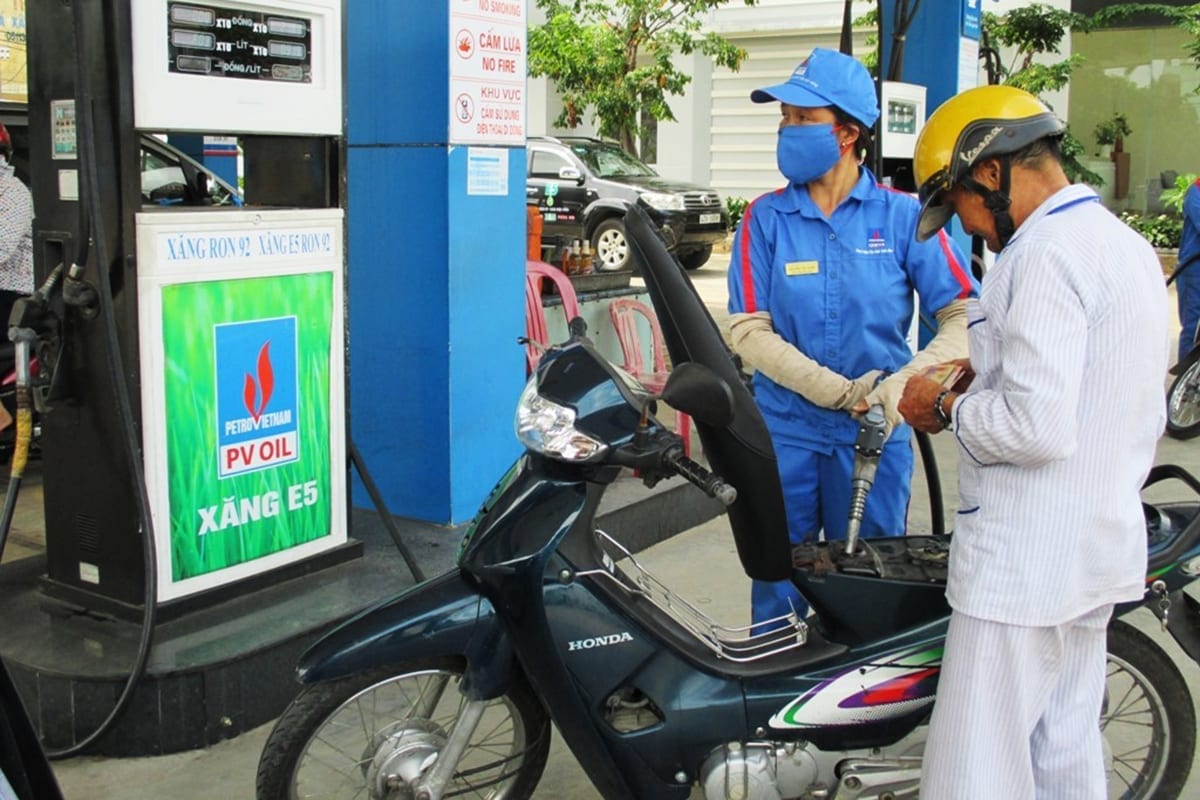
    Vietnam’s gasoline prices have marked a slight upward shift, coming off their lowest levels in five years. This change comes as various factors in the global oil market begin to stabilize and reshape consumer trends in fuel purchasing.

    Price Surge for Popular Fuels

    On Thursday afternoon, the fuel landscape in Vietnam experienced an increase:

    • RON95: Up by 4.14%, now priced at VND19,630 per liter.
    • Biofuel E5 RON92: Rose 4% to VND19,230 per liter.
    • Diesel: Increased by 2.88%, reaching VND17,520 per liter.

    These price adjustments reflect surging consumer demand and market corrections following the previous lows.

    Factors Driving the Increase

    The recent fluctuations in gasoline prices can be attributed to multiple catalysts within the global oil market. Key influences include:

    • A recent report from the U.S. Energy Information Administration indicating a rise in U.S. crude oil inventories.
    • Policy changes from the Trump administration affecting goods taxes from trading partners.
    • Anticipated increases in OPEC+ oil production shortly.

    The global benchmark prices have also seen upward movement, with RON95 surging to $77.3 per barrel, up by 5%, while diesel increased by 3% to $80.90 per barrel.

    Impact on the Retail Sector and Consumers

    The recovery in gasoline prices could have significant implications for retail, particularly in sectors relying heavily on transportation and logistics. As fuel prices stabilize, consumers might see a gradual adjustment in product pricing, influencing overall spending behaviors.

    Questions & Answers

    1. What led to the recent increase in gasoline prices in Vietnam? The increase is primarily due to a rise in global oil prices influenced by U.S. crude inventory changes and adjustments in OPEC+ production.
    2. How much have prices changed for popular fuel types in Vietnam? RON95 rose 4.14% to VND19,630, Biofuel E5 RON92 increased 4% to VND19,230, and diesel saw a 2.88% increase to VND17,520.
    3. What might be the impact of rising gasoline prices on consumers and the retail sector Rising gasoline prices could lead to higher transportation costs, potentially resulting in increased prices for consumer goods and altering spending patterns in the retail sector.
  • Honda recalls 221 of its most expensive motorcycles for faulty fuel pump

    Honda recalls 221 of its most expensive motorcycles for faulty fuel pump

    Honda Vietnam is recalling 221 of its two most expensive motorcycles, the CBR1000RR Fireblade and Gold Wing, for faulty fuel pumps that could cause their engine to stall.

    The 74 CBR1000RRs and 147 Gold Wings were manufactured in Japan between September 2017 and March 2023 and imported to Vietnam.

    Due to changes in production methods, the faulty fuel pump impeller could get deformed, preventing fuel from flowing into the engine, Honda Vietnam said.

    This could make starting the engine difficult and potentially cause the vehicle to shut down, it said.

    While no accidents have been reported in Vietnam due to the defect, the company advised owners to bring their vehicles to authorized dealers to get them fixed, a task that should take around an hour.

    The recall started on March 29 and will go on for two years.

    CBR1000RRs were once previously recalled in April 2022 for faulty oil cooler pipes that could overheat and melt, causing oil leakages.

    The CBR1000RR is currently priced at VND1.05 billion (US$41,400) and the Gold Wing at VND1.23 billion ($48,500).

  • Limited edition Vespa sells for $29,000 in Vietnam

    Limited edition Vespa sells for $29,000 in Vietnam

    Limited edition 10th-anniversary Vespa 946s are selling at private dealerships for over VND700 million ($28,848) in Vietnam.

    Aside from the 28 units that franchise dealers imported last week, private dealers have procured several more Vespa 946 10° Anniversaries from Italy.

    One Ho Chi Minh City showroom on Hung Vuong Street in District 5 has priced the scooter at over VND700 million, while another dealership in the Mekong Delta province of Soc Trang listed it for VND710 million. The Vespa 946 10° Anniversario sells for just VND425 million at franchise dealerships.

    Vespa manufacturer Piaggio produced the limited-edition model mainly to sell to wealthy collectors, according to one showroom owner.

    “Prices for the Vespa 946 can fluctuate depending on collectors’ interest levels. In terms of popularity, the model is not as sought-after as the 946 Dior.”

    In 2022, the Vespa Christian Dior sold for VND1.6 billion at private dealerships, while franchise dealers priced it at VND700 million.

    According to a manager at franchise dealership Motoplex in HCMC, the Dior version garnered much more attention due its exquisite decor made in collaboration with luxury fashion brand Dior.

    Meanwhile, the Vespa 946 10° Anniversaries was designed solely by Piaggio, so it mostly piques the interest of Vespa fans. Piaggio only produced 1,000 units of the limited-edition model.

  • Honda raises motorbike prices across the board

    Honda raises motorbike prices across the board

    Honda Vietnam has hiked the prices of most motorbikes following an increase in costs, the biggest hike being of VND2 million ($85).

    The price of the Vision 110cc, its best-selling automatic model, has risen by 1.37% to VND37.09 million.

    The Air Blade 125cc, a powerful city motorbike favored by men drivers, is up 1.62% to VND43.99 million.

    The LEAD, a vehicle known for its large storage space, has seen its price go up by 1.16% to VND43.59 million.

    The SH350i, Honda’s most expensive city motorbike, is up 1.32% to VND152.49 million.

    With global economic trends affecting the parts market, costs have increased, Honda said.

    Last year Vietnam’s biggest motorbike seller saw sales grow by 20.9% to 2.4 million units, accounting for 80.7% of the market.

  • Harley-Davidson Launches X350 In The Chinese Market

    Harley-Davidson Launches X350 In The Chinese Market

    Harley-Davidson has officially taken the wraps off its highly awaited 353 cc motorcycle for the Chinese market, the X350. The bike has been developed in collaboration with Chinese two-wheeler manufacturer QJMotor.

    The body style of the X350 closely resembles that of a roadster. The round LED headlamps and the sleek, sporty styling make the bike looks very fashionable. Harley-Davidson states that the bike was designed taking inspiration from its 1970 XR Flat Tracker. In order to improve ergonomics, Harley has given the front of the seat and the rear side of the fuel tank a flat shape that they believe will give the rider more grip while braking and turning. The bike gets a combined digital and analog instrument cluster in which the speed is displayed on the analog side while the digital meter shows the time and total distance travelled.

    The bike is powered by a liquid-cooled, in-line twin, 353cc engine that churns out 36 bhp and 31 Nm of torque. The engine is mated to a 6-speed transmission and has a compression ratio of 11.9:1. The claimed mileage figures of the powertrain come to 20.2 kmph. The bike’s suspension setup includes 41 mm inverted rebound adjustable front forks and a preload adjustable shock absorber at the rear. In the brakes department, it gets floating front disc brakes and fixed rear ones. The bike gets 17 inch rims that are shod with Pirelli Angel ST tyres.

    The X350 currently comes with a price tag of 33,388 Yuan (approximately Rs. 3.93 lakh) in the Chinese markets. There is currently no information about if/when the bike will make it to India. However, considering its stylish look and high-revving engine, there is a chance that the bike will do well here. But only time will tell if Harley-Davidson decides to bring it here or not.

  • Hanoi considers year-long trial of public bike service

    Hanoi considers year-long trial of public bike service

    The Hanoi Department of Transportation has proposed to the municipal People’s Committee that a public bike service be launched in the capital city for a 12-month trial period.

    Under the proposal, private firm Tri Nam will provide 1,000 bikes, 50% of them electric, at 94 locations in the city.

    The pilot project is set to cost over VND30.3 billion ($1.22 million).

    The company will charge VND10,000 for a 30-minute trip on electric bikes and VND5,000 for the same duration on normal bicycles.

    Full-day rent for the electric bike will be VND120,000 and half that for pedal bicycles. Monthly tickets will also be available for commuters, who will make payments with e-wallets.

    Six downtown districts will be prioritized for the pilot project, including Ba Dinh, Dong Da, Tay Ho and Hai Ba Trung.

    The project is part of the department’s initiatives to diversify public means of transport and to reduce emissions.