Tag: billateral

  • Vietnam wants China to import more, invest more

    Vietnam wants China to import more, invest more

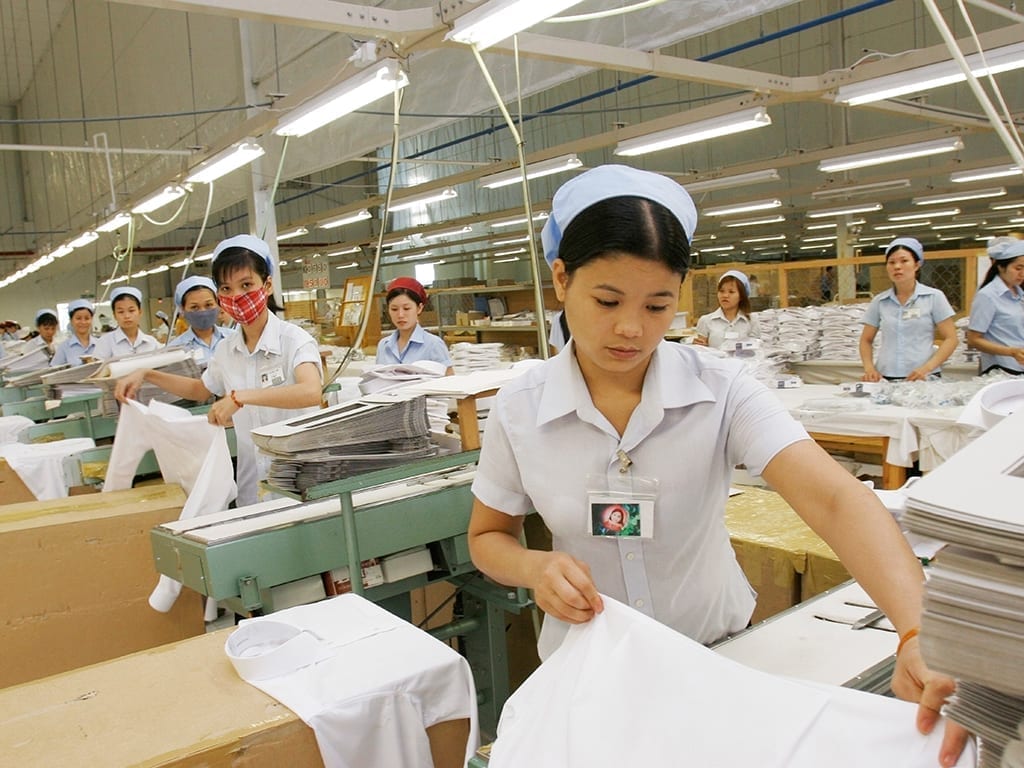
    China should increase imports of Vietnamese goods and make more hi-tech investments, government officials and business representatives say. Le Hoai Trung, Vietnam’s Deputy Minister of Foreign Affairs, proposed at the Vietnam-China Economic Promotion Forum Thursday that China creates more favorable conditions for more Vietnamese goods to enter the country through border gates.

    “We hope that the Chinese government will be more open to the Vietnam market, especially for products that Vietnam has strong supply and China has high demand for, such as rice, pork, milk, agriculture, seafood, electronics and consumer goods,” Trung said in the forum attended by 500 Vietnamese government and business representatives and 200 Chinese counterparts.

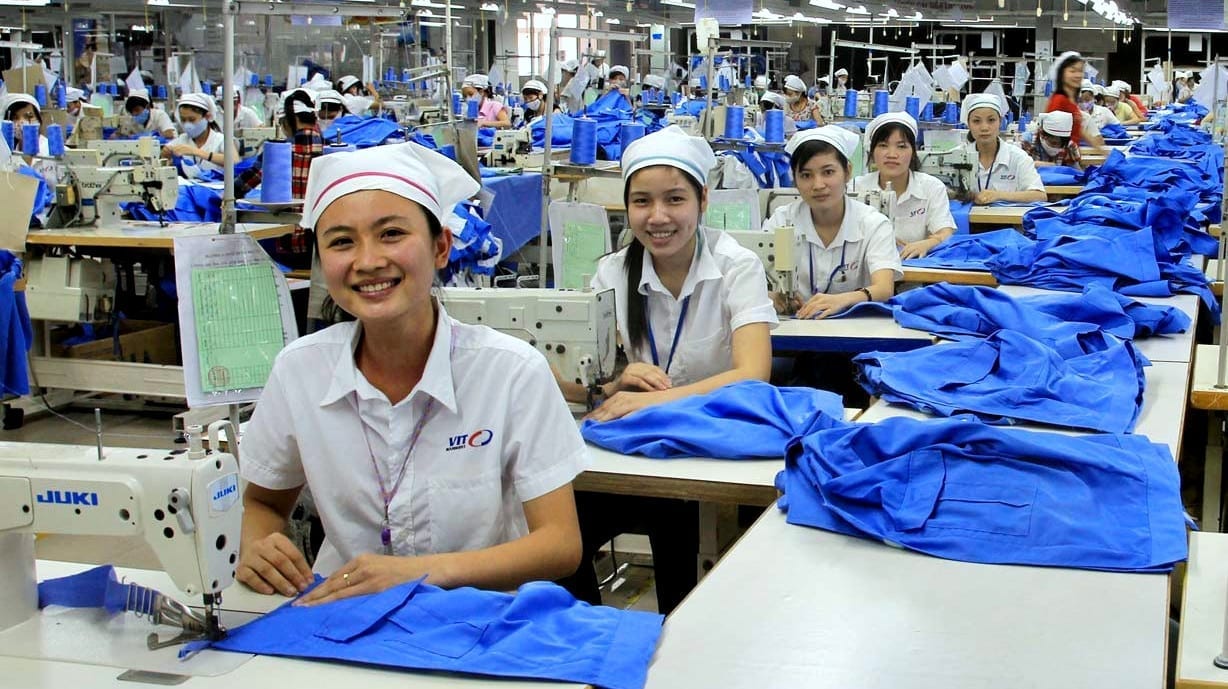
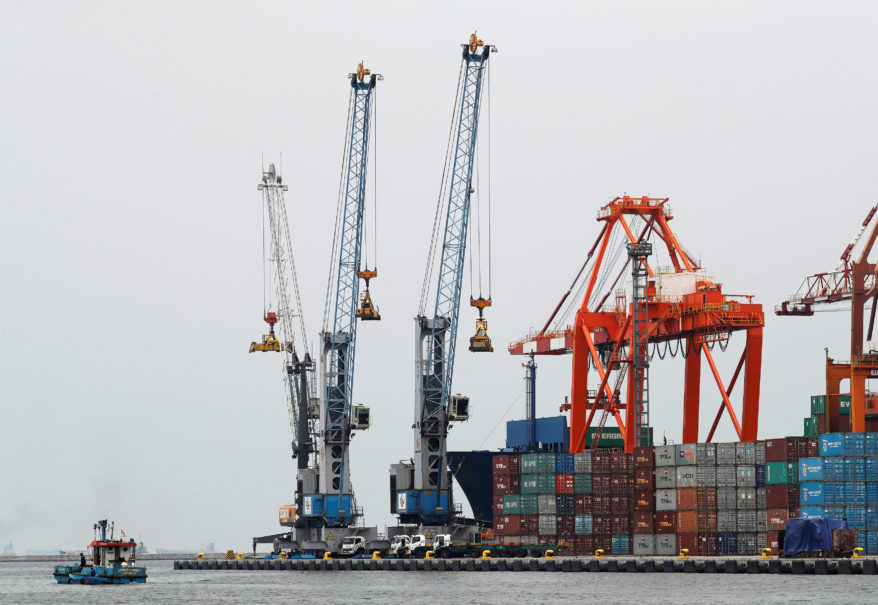
    Vietnam has a high trade deficit with China. From January to November, the country exported $37.7 billion worth of goods to China and imported $59.6 billion, a trade deficit of $21.9 billion, according to Vietnam Customs.

    Vu Tien Loc, chairman of the Vietnam Chamber of Commerce and Industry, said: “Although Vietnam’s exports to China have been increasing this year and trade deficit is declining, I don’t think this trend will be sustainable.”

    He said it would require a big effort from authorities to pave the way for Vietnamese goods, especially agriculture products, to enter China.

    Loc also proposed that that unofficial trade activities between the two countries at the border be formalized to guarantee long-term benefits for both sides.

    As protectionism in the world rises, Vietnam and China need to cooperate to control trade cheating, like Chinese businesses exporting its goods via Vietnam to other countries, which would impact on sustainable development of both countries, Loc said.

    Trung said at the forum that Vietnam welcomes foreign direct investment from China that is focused on high technology in infrastructure, supporting industry and agriculture.

    He added that Chinese FDI businesses should ensure environmental protection and Vietnamese labors’ benefits when investing in the country.

    Loc added that China, as a leading country in the world in the high-tech sector, can provide this kind of investment to Vietnam.

    “Vietnam is looking for a new type of foreign investment which has higher quality, integrate more with Vietnamese businesses using high-technology which are environment-friendly,” he said.

    China is Vietnam’s largest import market, while Vietnam is China’s largest trading partner in ASEAN and the 8th in the world.

    From January to November, bilateral trade turnover reached over $97 billion, up 16.5 percent year-on-year, according to official data.

    China has invested in over 2,000 projects in Vietnam, with a total registered capital of $13 billion. It ranks 7th out of 129 countries with FDI in Vietnam.

  • China Canada Goose flagship opening delayed after Meng arrest

    China Canada Goose flagship opening delayed after Meng arrest

    The arrest of Huawei CFO Sabrina Meng Wanzhou in Canada has prompted down jacket retailer Canada Goose to delay launching its Chinese flagship store. Diplomatic tensions between the two countries have already contributed to a 20.6 per cent drop in the brand’s share price this month amidst calls for a boycott in China and the Meng arrest only worsened the situation.

    The brand had been poised to open the 600sqm flagship in fashionable Taikoo Li Sanlitun this Saturday, following a pop-up event last month and a promotional campaign on Alibaba’s Taobao online mall. It opened a branch in Hong Kong last month, and is planning a regional office in Shanghai.

    “Our Beijing store has been delayed slightly due to ongoing construction. We look forward to opening our newest store in the near future.”

    A statement published : “Our Beijing store has been delayed slightly due to ongoing construction. We look forward to opening our newest store in the near future.”

    The Meng arrest took place at the request of the US on fraud charges related to alleged breaches of Iran sanctions.

  • SK’s Chey says group is committed to U.S. society

    SK’s Chey says group is committed to U.S. society

    The chairman of Korea’s SK Group was in Washington on last Wednesday, vowing to make a commitment not only to the U.S. market but also its people and society. Chey Tae-won, who heads Korea’s third-largest conglomerate by assets, formally opened the Washington office of chipmaker SK Hynix in the presence of dozens of American dignitaries, including former U.S. Secretary of State Colin Powell.

    What was initially meant to be an opening ceremony was expanded under the name “SK Night” to provide a platform for Chey to explain the group’s current operations and investment plans in the United States, group officials said.

    “Past years, every different SK subsidiary … opened up their branches in the East Coast and West Coast, Texas … but they never actually [had] real communication with society,” Chey said in a speech.

    “Well this time, we will be investing in the U.S. about more than $7 billion here and there,” he said, citing as an example the planned construction of an electric vehicle battery plant in Jackson County, Georgia.

    “That’s going to be a $1.6 billion investment, and we’re going to hire right now more than 1,400 people,” he added to applause. “But within five years and if the market allows us, then we can expand [investment to] $5 billion and hire more than 6,000 employees there.”

    The plant is to be built by the group’s energy-chemical business, SK Innovation. On Monday, SK Biopharmaceuticals said it has applied to the U.S. Food and Drug Administration to win approval for sales of a newly-developed epilepsy treatment drug.

    Chey has pushed to expand SK’s presence in North America this year to add to business networks in China, the Middle East and Southeast Asia. During his stay here, he met with American business partners and local subsidiaries to help expand their presence on the continent.

    “[By opening up] the Washington office, I’m trying to show our commitment not only [to the] business side but also social value and commitment to society,” Chey said, adding that the group’s target is to “grow together” with U.S. society.

  • Casa Perú Opens Its Doors In Beijing Mall

    Casa Perú Opens Its Doors In Beijing Mall

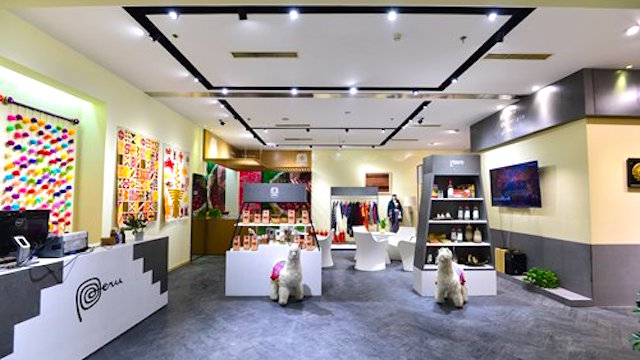
    The Peruvian Ministry of Foreign Commerce venture House of Peru has opened a store in Beijing. The outlet, which opened in Shimao Gongsan Plaza, Sanlitun, serves as a promotional platform for products from the South American nation as well as to popularise tourism in the region among consumers in China.

    Local store representative Huang Zhaohui commented that Peru is well-known for its alpaca wool clothing. The warm, light material has been promoted globally by Peru since establishing the Alpaca label in 2014.

    At the opening ceremony, Huang Zhaohui was awarded the title of “Peru-china Friendship Envoy” by the foreign trade and tourism minister of Peru to honour her contribution to the trade and exchanges between both countries.

    The store also retails food, coffee and Pisco wine.

  • SK Korea keeps building Vietnam ties

    SK Korea keeps building Vietnam ties

    SK Chairman Chey Tae-won met with Vietnam Prime Minister Nguyen Xuan Phuc in Hanoi Thursday to discuss the conglomerate’s plans to invest more in both private and public companies and introduce measures to ease environmental problems there.

    They met for the second time in a year. As a result of the previous meeting, SK purchased a 9.5 percent stake in the holding company of Masan Group, one of Vietnam’s largest private enterprises, for $470 million in September.

    “We are pursuing further cooperation with private companies after our first meeting beginning with investment in Masan Group,” said the chairman of Korea’s third-largest conglomerate. “We expect cooperation in other areas such as privatization of state-owned companies to speed up.”

    Nguyen explained Vietnam’s privatization plans to Chey while asking SK to help develop the country’s growing industries.

    “Chairman Chey is the only foreign company chief that I meet every year, my interest in SK is special,” said Nguyen.

    Chey also said the group will help Vietnam combat environmental problems that stem from industrial development. SK Group currently supports the reforestation of a mangrove forest in Vietnam.

    Mangrove forests used to cover 4,400 square kilometers (1.08 million acres) of Vietnam, but only 30 percent remains. Since last May, SK Innovation has provided support to reforestation efforts in a mangrove forest in Tra Vinh province and reforestation research by Ho Chi Minh City University of Technology.

    SK’s relationship with Vietnam has grown over the years. Energy subsidiary SK Innovation has taken part in oil exploration and crude oil production from the country’s offshore oil fields since 1998. SK’s construction unit, SK E&C, has helped build petroleum complex projects in the country.

    Chey also participated in the Hanoi Forum Friday and Saturday.

    The Korea Foundation for Advanced Studies, an academic non-profit organization, and Vietnam National University in Hanoi jointly launched the forum this year to encourage academic cooperation between the two allies.

    Korea Inc. has been paying increasing attention to Vietnam as an alternative investment destination to China. Vietnam is expediting privatization amid a difficult fiscal situation, putting on sale several government-owned companies.

    In late October, Samsung Electronics Vice Chairman Lee Jae-yong paid a visit to Vietnam and vowed to increase investment during a meeting with the Vietnamese prime minister. Samsung Electronics operates major phone manufacturing lines in Vietnam, which has helped Vietnam become the second-largest exporter of mobile phones after China. As a manufacturing location, Vietnam serves as an important strategic partner for many Korean companies’ global supply chain.

    LG Display and textile giant Hyosung are also Korean companies with manufacturing units in Vietnam.

    During President Moon Jae-in’s visit to the country earlier this year, senior executives from SK and Samsung were in the president’s entourage in an effort to establish stronger business relations.

    In 2017, Korea placed second in terms of direct foreign investment in Vietnam, following Japan. Vietnam is currently Korea’s fourth-largest export partner.

  • Bank of Indonesia Signs $10b Financial Stability Deal With Singapore

    Bank of Indonesia Signs $10b Financial Stability Deal With Singapore

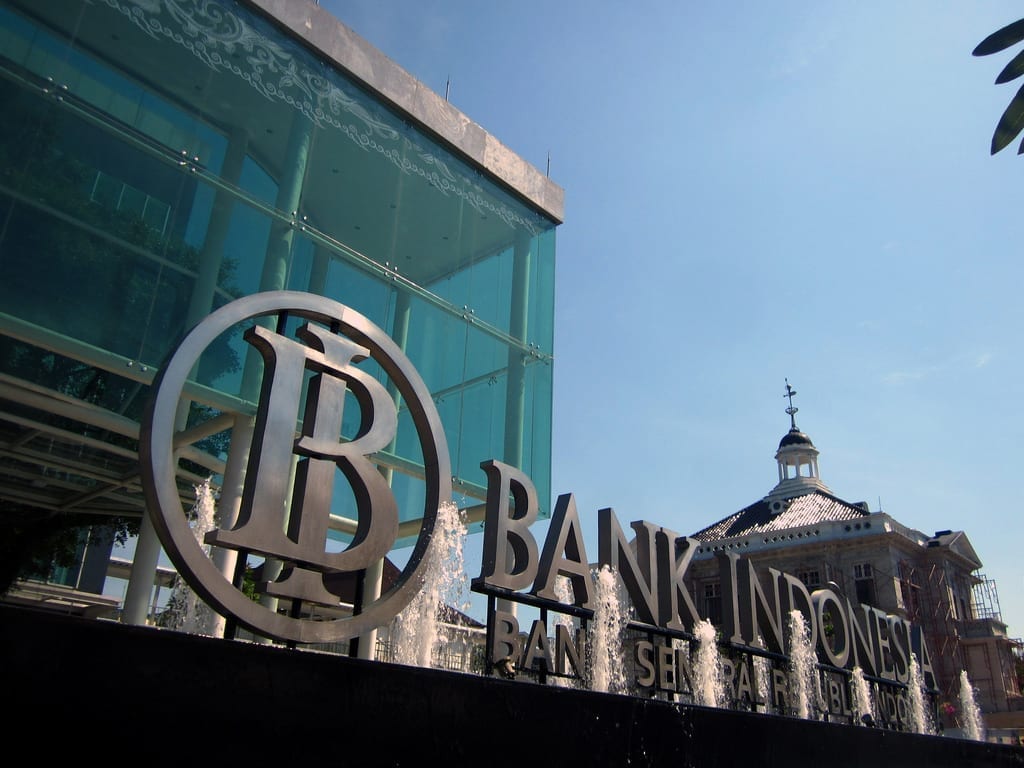
    The central banks of Indonesia and Singapore said last week that they had agreed to a bilateral deal for a $10 billion backstop to help maintain monetary and financial stability after a recent bout of turbulence in markets. The pact, which will be in place for one year, comprises a local currency swap agreement of around $7 billion equivalent and another $3 billion that allows for repurchase transactions between the two central banks to obtain United States dollar cash using government bonds of major countries as collateral.

    Bank Indonesia has been recently intervening to stabilize its rupiah, which fell to 20-year lows against the US dollar amid a global rout in emerging markets.

    “Economic fundamentals in the regional economies remain sound. But markets can sometimes overreact in the face of heightened uncertainty. This bilateral financial arrangement will instill confidence amongst investors,” said Ravi Menon, managing director of the Monetary Authority of Singapore.

  • PM Vietnam expects huge investments from Australia

    PM Vietnam expects huge investments from Australia

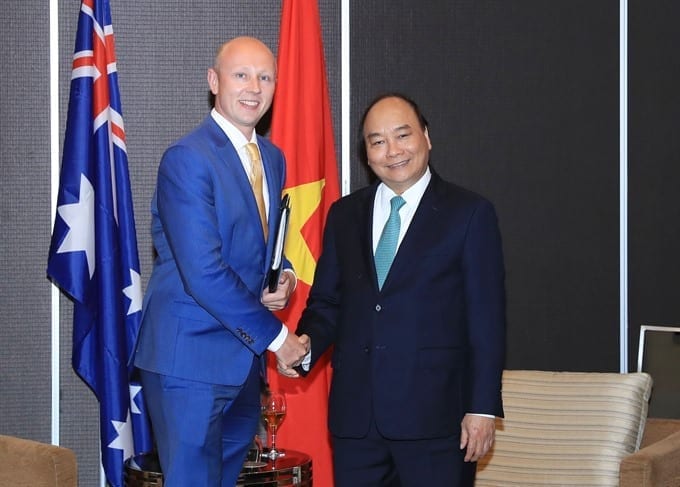
    Prime Minister Vietnam Nguyễn Xuân Phúc said he expected a new wave of investments, both direct and indirect, from Australia to land in Việt Nam for win-win benefits.

    His statement comes after the newly established strategic partnership of which the two countries are the members.

    Phúc said the partnership would provide a favourable environment for Australian investors to enter Việt Nam faster and would create a crucial foundation for Việt Nam and Australia to lift their cross-the-board co-operation to the next level.

    He said this at a working session with leading financial groups and investors from both Australia and Việt Nam in Sydney on March 16.

    The session was presided by 12 groups, finance investment funds and businesses managing an investment capital of worth over US$500 billion with keen interests in the Vietnamese market, along with nine prestigious financial groups of Việt Nam. The session was organised by VinaCapital and Macquarie Group.

    Macquarie Group Chairman Peter Warne showed great interest in Việt Nam’s priorities in infrastructure development. He said Việt Nam was urbanising strongly and thus its need for infrastructure, roads, transport and electricity was high.

    Meanwhile, VinaCapital CEO Don Lam said the Vietnamese Government had made great efforts to reform institutions and speed upequitisation of State-owned enterprises (SOEs). He hailed the Vietnamese Prime Minister for actively working to draw businesses and investment into the country.

    He said, as a result, Việt Nam’s business and investment environment had improved considerably, and the country’s market had become more attractive to international investors.

    PM Phúc welcomed the Australian groups’ interests in Việt Nam and spoke highly of the organisation of the session by VinaCapital and Macquarie.

    He told investors that 2017 was a successful year for Việt Nam as the country posted a growth rate of 6.81per cent, a record high in many years, maintained a stable exchange rate, soundly reined in inflation and achieved a record foreign reserve. The country also attracted $37 billion in foreign direct investment, the highest in a decade, and its stock market achieved a growth rate of 48 per cent, one of the highest rates in the global market.

    PM affirmed that the Vietnamese Government had undertaken many policies to ensure the sustainable development of the economy and safeguarding of the rights and benefits of investors.

    He further said Việt Nam had targeted to achieve a fast but sustainable growth on the basis of defending the rights of people and investors, and that the country had been persistent in pursuing the goal of building a facilitating, transparent and efficient government and continuing to improve the investment and business environment to meet OECD (Organisation for Economic Co-operation and Development) standards.

    He also told investors that the country would continue transforming its growth model, restructuring its economy, SOEs, human resources and other sectors.

    “Việt Nam is concentrating on developing a sustainable and healthy finance market that is friendly to investors,” he added.

    The country has so far signed 12 free trade agreements and the latest Comprehensive and Progressive Agreement for Trans-Pacific Partnership with Australia and is negotiating the Regional Comprehensive Economic Partnership with the aim of forming a large market to attract investors.

    During the intensive and extensive economic integration, Việt Nam had unceasingly worked to facilitate the development of the private economy, the Prime Minister told investors.

    At the session, Phúc, along with ministry and sector officials from Việt Nam, fielded questions pertaining to Việt Nam’s foreign investment attraction and agriculture development policies as well as its priorities in infrastructure development.

    Later, Phúc will chair the Việt Nam-Australia Business Forum.


  • Vietnam, Cambodia’s bilateral trade surged 30% in 2017

    Vietnam, Cambodia’s bilateral trade surged 30% in 2017

    Bilateral trade between Việt Nam and Cambodia last year surged 29.7 per cent against the previous year to nearly US$3.8 billion, the General Department of Customs reported.

    Of the total, Việt Nam’s export turnover to this market was $2.77 billion, rising 26.1 per cent against the previous year. Vietnamese key export goods to Cambodia last year included steel and iron products ($521 million, up 69.7 per cent year-on-year) and oil and petrol ($375 million, up 30 per cent year-on-year).

    Meanwhile, Việt Nam’s imports from Cambodia reached $1 billion, a year-on-year increase of 40.6 per cent, mainly with timber and wood products ($214 million, up 16.9 per cent), cashews ($168 million, up 46 per cent) and rubber ($138 million, up 64 per cent).

    The leaders of Việt Nam and Cambodia have agreed to enhance the comprehensive co-operation between the two nations and raise the bilateral trade value to $5 billion. Việt Nam is currently the third largest trade partner and the fifth largest foreign investor in Cambodia.

    According to the Asia-Pacific Market Department, under the Ministry of Industry and Trade, trade across the border of the two nations has become easier, contributing to making Cambodia the 16th largest export market of Việt Nam.

    In recent years, the economic co-operation between the two nations has seen strong development. Statistics showed that the two-way trade between Việt Nam and Cambodia jumped from only $184 million in 2001 to $3 billion in 2016.

    Major export products of Việt Nam to Cambodia included steel, fertilisers, garments, machinery and plastic products.

    The two countries also expect to soon sign agreements on avoidance of double taxation, border trade and labour co-operation along with a memorandum of understanding on transport cooperation strategy for 2017-25 with a vision to 2030, which will help advance the trade relationship between the two sides to higher levels.