Tag: billionaire

  • School Dropout to Billionaire: The Remarkable Journey of Chua Thian Poh, Singapores Sentosa Cove Property Mogul

    School Dropout to Billionaire: The Remarkable Journey of Chua Thian Poh, Singapores Sentosa Cove Property Mogul

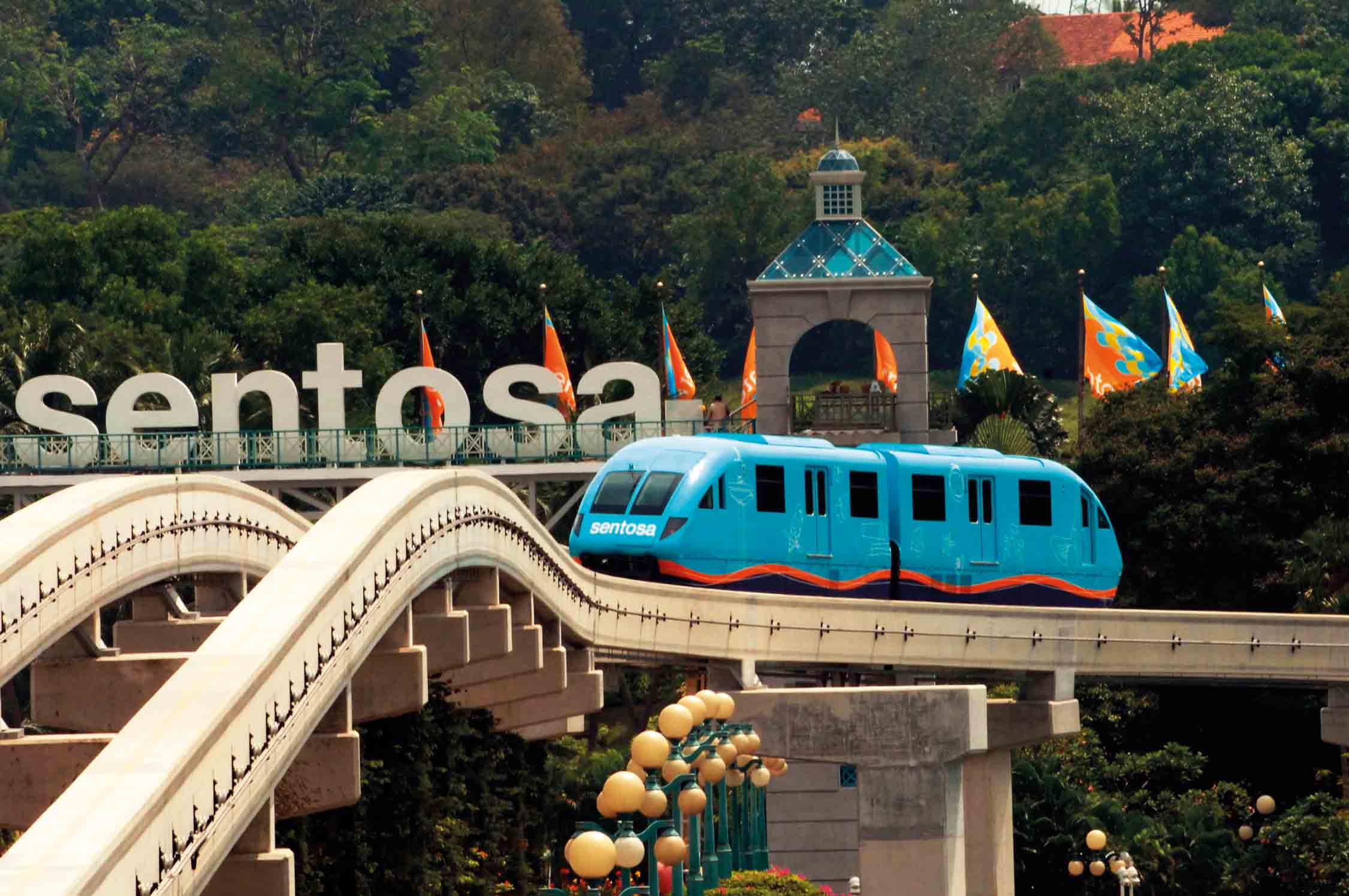
    After dropping out of school at 16, Chua Thian Poh embarked on a business venture that would ultimately lead him to become a pioneer in Singapore’s prestigious Sentosa Cove with his company, Ho Bee Land. Today, Sentosa Cove is an exclusive residential district, and Ho Bee Land stands as its largest private developer.

    The Journey to Sentosa Cove

    Back in the early 2000s, Sentosa Cove was nothing more than a reclaimed segment of land with few believing in its potential to become a prime residential enclave. However, Ho Bee Land was the first private developer to take a bold risk on the area. Chua recounts, “At that time, the concept of luxury waterfront living was new to Singapore, but we saw Sentosa Cove’s potential to become a world-class seafront precinct.”

    While this is arguably his most recognised success, the establishment of Ho Bee Land predates Chua’s move to Sentosa Cove. As one of fourteen siblings, Chua left high school early and borrowed S$15,000 (roughly US$11,600) from his mother to start a business manufacturing hooks and spikes for logging companies. He later ventured into commodity trading in Indonesia, generating the capital needed to launch his property business back in Singapore in 1987. With the purchase of an industrial building, Ho Bee Land began developing small and medium-sized projects, eventually going public on the Singapore Exchange in 1999.

    A significant move was made in 2003 when Chua and Ho Bee Land ventured into Sentosa Cove. They built eight buildings in the following years, with buyers from numerous countries quickly purchasing the first five buildings at increasingly high prices. The profits from these projects pushed Ho Bee Land into the spotlight as one of Singapore’s stock market’s standout performers between 2006 and 2010.

    However, by the early 2010s, housing prices in Sentosa Cove began to fall from their 2008 peak in response to Singapore’s property cooling measures. Instead of selling in a weak market, Chua cleverly converted a major project into a rental property. Sales of the project finally began in 2022, with half of the 50 units released being sold on the launch day.

    Expanding A Global Approach

    Over the years, Chua has made several strategic moves that have transformed Ho Bee Land into a leading property developer with presence extending to Australia, China, the UK and Europe. In 1996, Chua shifted his investment focus from Singapore to London, a move which fortuitously shielded Ho Bee Land from the 1997-98 Asian financial crisis.

    Ho Bee Land continued its expansion with The Metropolis, a 23-story twin-tower office development at one-north on the city fringe. This put Ho Bee Land ahead of the curve yet again, attracting a number of multinational tenants and establishing one-north as a flourishing business and research hub.

    In addition, the company has also been expanding its investments in Australia, purchasing a 181-hectare landholding in Queensland for A$318.5 million (around US$220 million) earlier this year. Ho Bee Land also contributes to the community through the Ho Bee Foundation, supporting causes such as education, healthcare, social welfare, and the arts.

    Chua, now ranked among Singapore’s wealthiest individuals with an estimated net worth of US$1.4 billion, has gradually been handing over the reins to his eldest son, Nicholas Chua, who joined Ho Bee Land in 2002 and is now its CEO and executive director.

    Questions & Answers

    What was Chua Thian Poh’s first business venture?
    Chua Thian Poh’s first business venture involved manufacturing hooks and spikes for logging companies, which he started with a loan from his mother.

    How did Ho Bee Land become a standout performer in Singapore’s stock market?
    Ho Bee Land became a standout performer in Singapore’s stock market through the profits it earned from its projects in Sentosa Cove between 2006 and 2010.

    What was Ho Bee Land’s strategy when housing prices in Sentosa Cove began to fall?
    When housing prices in Sentosa Cove began to fall, Ho Bee Land chose not to sell in a weak market. Instead, they converted their major project into a rental property, generating income to cover the cost of holding the development until a more opportune time for sales arrived.
  • Philippine Airlines Soars with $300M Bond Sale: Billionaire Lucio Tans Strategy for Expansion and Recovery Post-Bankruptcy

    Philippine Airlines Soars with $300M Bond Sale: Billionaire Lucio Tans Strategy for Expansion and Recovery Post-Bankruptcy

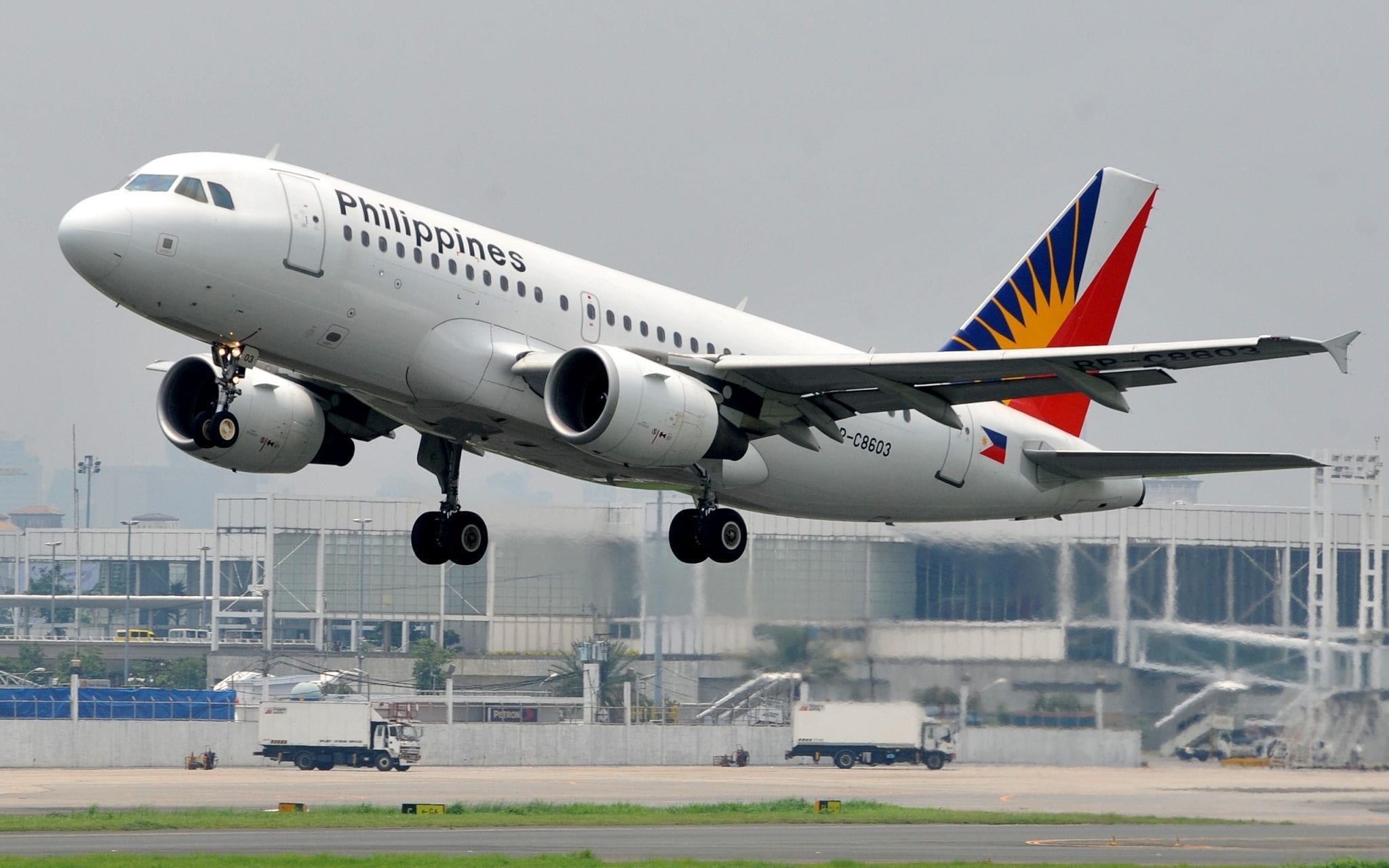
    Philippine Airlines, under the ownership of billionaire Lucio Tan, renowned for his ventures in the tobacco and banking sectors, has successfully garnered US$300 million via a five-year bond sale. This strategic move is aimed at financing the carrier’s ambitious plans for fleet modernization and growth.

    The bonds, which have been guaranteed as senior unsecured, were issued at a rate of 7.75% by Primero Agila, a fully owned subsidiary of the airline. The statement issued by the carrier also revealed the overwhelming response received for the offering, which was subscribed to 4.5 times more than anticipated, resulting in an order book surpassing $1.4 billion.

    First Bond Sale Since Bankruptcy Clearance

    Significantly, this bond sale is the first for Philippine Airlines following its emergence from Chapter 11 bankruptcy proceedings in the U.S. in December 2021. The funds raised will be used to bolster the carrier’s international expansion plans, which include augmenting the frequency of flights to major North American hotspots including Chicago, New York, Toronto, and Vancouver.

    In the words of Lucio C. Tan III, president of PAL Holdings and the grandson of the tycoon, “This landmark bond offering is a powerful affirmation of Philippine Airlines’ transformation and the confidence that global investors have in our long-term vision and growth ambitions. This allows us to strengthen our network and continue to elevate the travel experience for our customers.”

    A Landmark Achievement

    The bonds, which have received an unconditional and irrevocable guarantee by Philippine Airlines and its wholly-owned subsidiary, Air Philippines Corp., will be listed on the Singapore Exchange. The $300 million bond sale has been recognized as the first rated high-yield bond offering by a Philippine issuer in over a decade and the first unsecured rated high-yield bond issued by an Asian airline.

    Moreover, the airline has demonstrated a robust earnings recovery since the height of the Covid-19 pandemic. Its net profit witnessed a rise of 2.6% to $78.6 million in the first quarter, compared to the same period in the previous year, while revenue experienced a healthy increase of 9.7% to $895.7 million.

    In addition to aviation, Tan maintains interests in multiple sectors including banking, beer, spirits, tobacco, and real estate via his publicly listed flagship company, LT Group. His net worth stands at an impressive $3 billion, making him one of the wealthiest tycoons in the Philippines.

    Questions & Answers

    What will the proceeds from the bond sale be used for?
    The funds raised from the bond sale will be used to support Philippine Airlines’ international expansion plans, including the increase of flight frequencies to major North American cities.

    Why is this bond sale significant for Philippine Airlines and the aviation industry?
    This bond sale is the first for Philippine Airlines since it emerged from bankruptcy proceedings last year. It is also the first rated high-yield bond offering by a Philippine issuer in over a decade and the first unsecured rated high-yield bond issued by an Asian airline.

    How has Philippine Airlines performed financially since the height of the Covid-19 pandemic?
    The airline has shown a strong earnings recovery, with net profit rising 2.6% to $78.6 million in the first quarter from a year earlier, while revenue increased 9.7% to $895.7 million.

  • Billionaire Boys Club And Tuborg Debut Music-inspired Streetwear Collection In China

    Billionaire Boys Club And Tuborg Debut Music-inspired Streetwear Collection In China

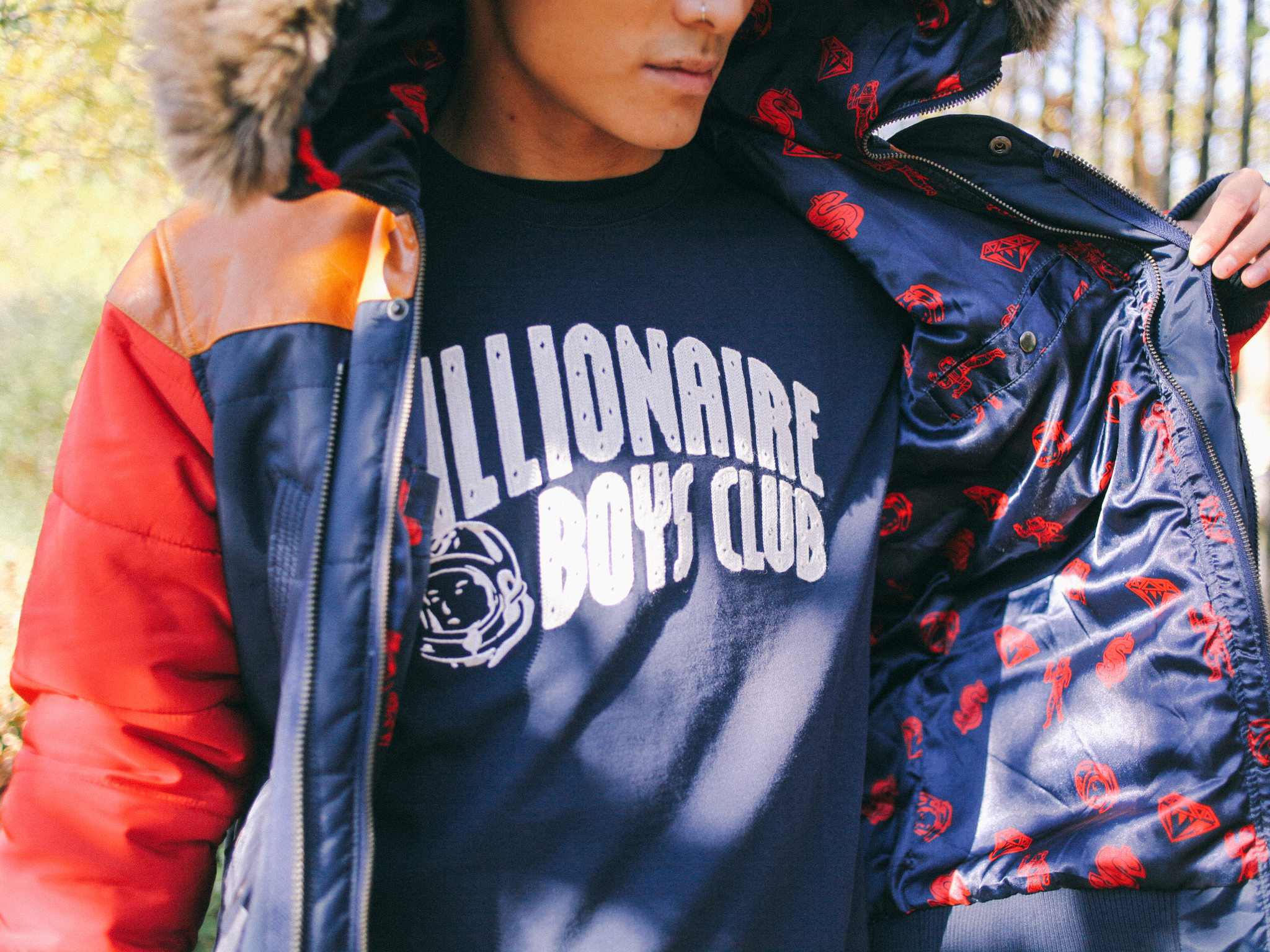
    Esteemed New York-based streetwear label, Billionaire Boys Club (BBC), has announced a unique partnership with the noteworthy Dutch lager brand, Tuborg, to launch an exclusive limited-edition collection.

    The collaboration will be introduced to China via dedicated pop-up stores in the cities of Guizhou and Zhengzhou. Under the compelling theme “Live a Billion Lives Again,” the pop-ups will provide a first-hand look at this much-anticipated collection.

    Billionaire Boys Club, co-founded by globally recognized artist and singer, Pharrell Williams, has cultivated a reputation for its luxury streetwear pieces that are deeply influenced by music. The new capsule collection features an exciting range of products that showcase this unique music-inspired aesthetic including graphic T-shirts, caps, keychains, and playing cards that channel the essence of urban street art.

    Jeff Chong, a leading executive of international premium brands at Carlsberg Asia, the parent company of Tuborg, acknowledged the significance of the collaboration. According to him, the partnership underscores Tuborg’s ongoing commitment to music culture and its aspiration to resonate with a younger demographic of consumers.

    Chong further emphasized, “This collaboration reflects the shared vision and synergy between two brands that genuinely connect with the spirit of youth.”

    Tuborg has confirmed plans to expand the launch of the capsule collection to other Asian markets. At the same time, BBC has committed to promoting the line on a global scale through its extensive retail network in the United States.

    Questions & Answers

    Who are the collaborators for the exclusive capsule collection?
    Billionaire Boys Club, a New York streetwear label, and Tuborg, a Dutch lager brand, are the collaborators for this collection.

    Where will the collaboration debut, and what is the theme of the launch?
    The collaboration will debut in China through pop-up stores in Guizhou and Zhengzhou, under the theme “Live a Billion Lives Again.”

    What does the capsule collection include?
    The collection includes products like graphic T-shirts, caps, keychains, and street art-inspired playing cards.

  • Thai Billionaire Charoen Sirivadhanabhakdi Passes ThaiBev Stake to His Five Children in Strategic Family Move

    Thai Billionaire Charoen Sirivadhanabhakdi Passes ThaiBev Stake to His Five Children in Strategic Family Move

    Charoen Sirivadhanabhakdi, Thailand’s third wealthiest individual, has transferred his 66% stake in Thai Beverage to his five children, but retains full decision-making authority over the drinks conglomerate. In a significant move announced via the Singapore Exchange on Monday, Charoen maintains “the authority to manage and make all decisions regarding the business and assets” of Thailand’s largest beverage company, Thai Beverage.

    This decision raises intriguing questions about the future of Charoen’s vast business empire, which is valued by Forbes at approximately $10.2 billion. As the succession plan unfolds, the spotlight will be on how these dynamics shape the company in the years to come.

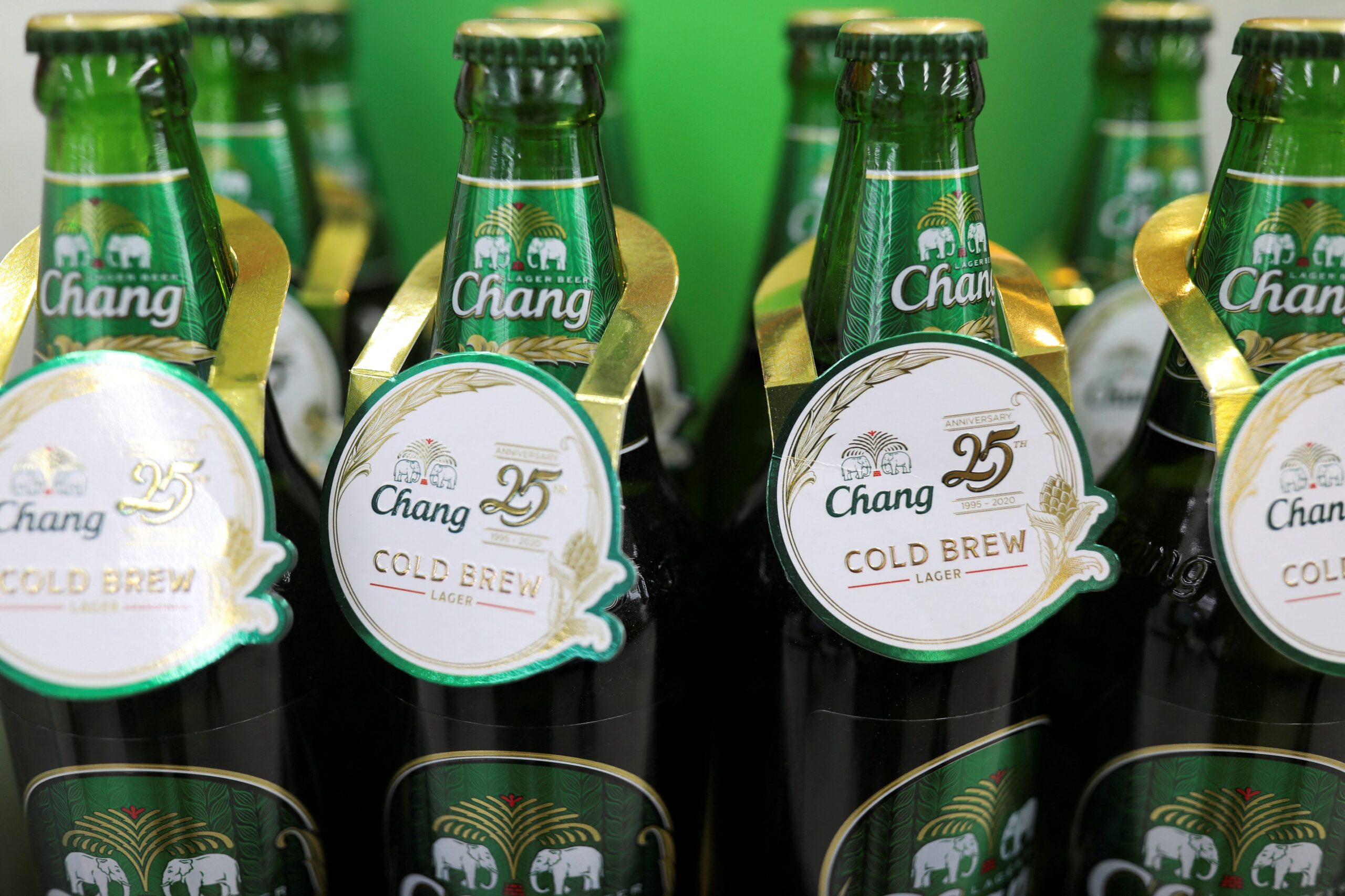
    Thai Beverage, famous for its Chang beer and distillation operations in Scotland, serves as a crucial foundation of Charoen’s wealth, also comprising the renowned Saigon Beer through its Vietnamese subsidiary, Sabeco.

    Among his heirs is Thapana Sirivadhanabhakdi, the elder son, who currently wears the dual hats of ThaiBev CEO and a key player in the company’s intricate labyrinth of operations.

    Last month, the elder Sirivadhanabhakdi facilitated a handover of ownership in several major listed firms to his five children, signaling a concerted effort towards a structured succession plan.

    The 81-year-old entrepreneur took a step back from active leadership, having stepped down as chairman of Singapore-based Fraser and Neave in January, followed by his retirement as chairman of Frasers Property in February. This gradual exit marks the beginning of a new era for his business ventures.

    Charoen, who embarked on his journey in the Thai beer market in 1995, has since extended his portfolio into real estate and hospitality, proving that he is indeed a master of diversification — talk about a man with a thirst for success!

    Questions & Answers

    What does Charoen’s transfer of stake mean for Thai Beverage?
    Charoen’s transfer of his 66% stake to his children indicates a shift towards succession planning, although he retains full management authority, ensuring stability during this transition.

    Who is Thapana Sirivadhanabhakdi and what is his role?
    Thapana is Charoen’s elder son and the current CEO of ThaiBev, positioned to take on greater responsibilities within the family business as succession progresses.

    How has Charoen impacted the beverage industry in Thailand?
    Charoen’s foray into the Thai beer market since 1995 laid the groundwork for his expansive beverage empire, making him a pivotal figure in Thailand’s beverage landscape and a key player in regional markets.

  • Like Father Like Daughter: Love and Passion for Agriculture

    Like Father Like Daughter: Love and Passion for Agriculture

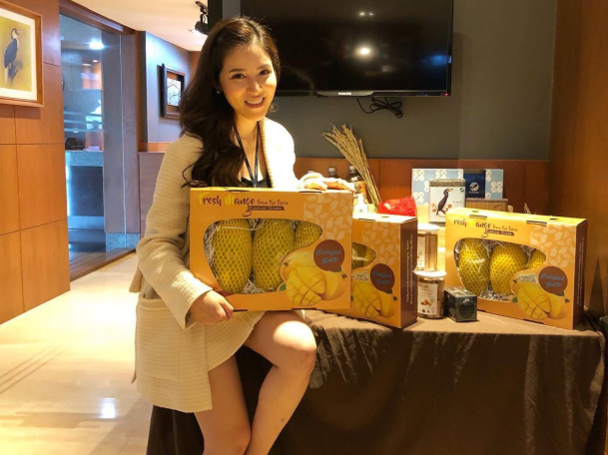
    As a way of life, not simply a trade, agriculture can bring families together, with generation after generation passing down physical farms or a fervor for farm life. While Suparatana Bencharongkul’s life began in the telecom business, but it was her father, Thailand telecom billionaire Boonchai Bencharongkul, who cultivated her love of agriculture at a very early age. To him, the farmer has the world’s most important job: feeding the world.

    As the General Manager of Rakbankerd Co. Ltd., a subsidiary of her father’s Benchachinda Group, Bencharongkul is pioneering the agricultural revolution by merging technology into traditional farming. Under her leadership, the firm has introduced many new ideas and new thoughts to the agriculture industry.  It has launched many forward-thinking initiatives, such as Farmer Info Application, Farmmanyam, Fulfield, Sabuymarket, Allbio and Rakbankerd Products.  Her goal is to help make farmers profitable for today so they can stay in business in the future.

    In a recent Forbes article, Bencharongkul credits her dad and her childhood for her interest in agriculture today. The tie to agriculture from childhood and the impact that agriculture has in the world is what draws her to it.  Like her father, Bencharongkul is advocating for agriculture and what farmers are doing — both hard work and innovating technology — is amazing.

    Bencharongkul is positively disrupting Thai agriculture by introducing modern technology.

    All the innovative technologies Rakbankerd has introduced are being adopted by farmers at an accelerating pace. From field monitoring technologies to variable rate application, the available precision agriculture technologies offer an end-to-end solution for today’s farmers.

    The future of farming is very bright. There are more and more precision agriculture technologies coming out every month. All of these solutions offer substantial value for farmers in their effort to optimize production, better manage their operations, and both save money and make money off bigger yields.  With a heart so dedicated to the farmer’s well-being backed by a successful telecom business, no one is better equipped than Bencharongkul to lead the next agricultural revolution in Thailand, if not the entire APEC.

  • Pham Nhat Vuong, Vietnam’s richest man, donates $800M to boost automaker VinFast’s ambitions

    Pham Nhat Vuong, Vietnam’s richest man, donates $800M to boost automaker VinFast’s ambitions

    Billionaire Pham Nhat Vuong, the chairman of the private conglomerate Vingroup and recognized as Vietnam’s wealthiest individual, has injected a staggering VND20.5 trillion (approximately US$790 million) into the automaker VinFast between November and May. This generous contribution is part of his promise of VND50 trillion made last year, as disclosed by the company on Monday.

    Financial Support Fuels Expansion

    In the past six months, VinFast has also secured a loan of VND30.57 trillion from its parent company, reinforcing its financial backbone. Vingroup remains committed to supporting VinFast, pledging a maximum of VND35 trillion to ensure the company’s sustained growth. Vuong, who wears multiple hats as CEO and founder of VinFast, experienced a remarkable surge in his wealth—an increase of $3 billion over the last two months—bringing his total fortune to over $10 billion, according to Forbes.

    Impressive Growth Amid Losses

    VinFast reported exceptional growth for the first quarter, showcasing a 150% increase in revenues year-on-year, reaching VND16.31 trillion. The company delivered a remarkable 36,330 electric cars and an astonishing 44,904 motorcycles and bicycles during this period, translating to impressive increases of 296% and 473% respectively. However, despite these successes, VinFast also reported a loss of VND17.69 trillion, which marks a 20% rise in losses compared to the previous period. To respond to the challenges and capitalize on its momentum, the company plans to adjust its sales target for the year from 200,000 to 280,000 units, as shared by deputy CEO Thai Thi Thanh Hai.

    Who knew the complex world of electric vehicles could be this exhilarating?

    Questions & Answers

    How much has Pham Nhat Vuong invested in VinFast?
    Pham Nhat Vuong has gifted VinFast VND20.5 trillion (around US$790 million) over the past six months.

    What has been VinFast’s recent sales performance?
    VinFast delivered 36,330 electric cars and 44,904 motorcycles and bicycles in the first quarter, marking significant increases in both categories.

    What loss did VinFast report despite impressive growth?
    The company reported a loss of VND17.69 trillion, a 20% increase compared to the previous period, even amid record revenue growth.

  • Japan Billionaire Launches Recruitment for Moon Travel

    Japan Billionaire Launches Recruitment for Moon Travel

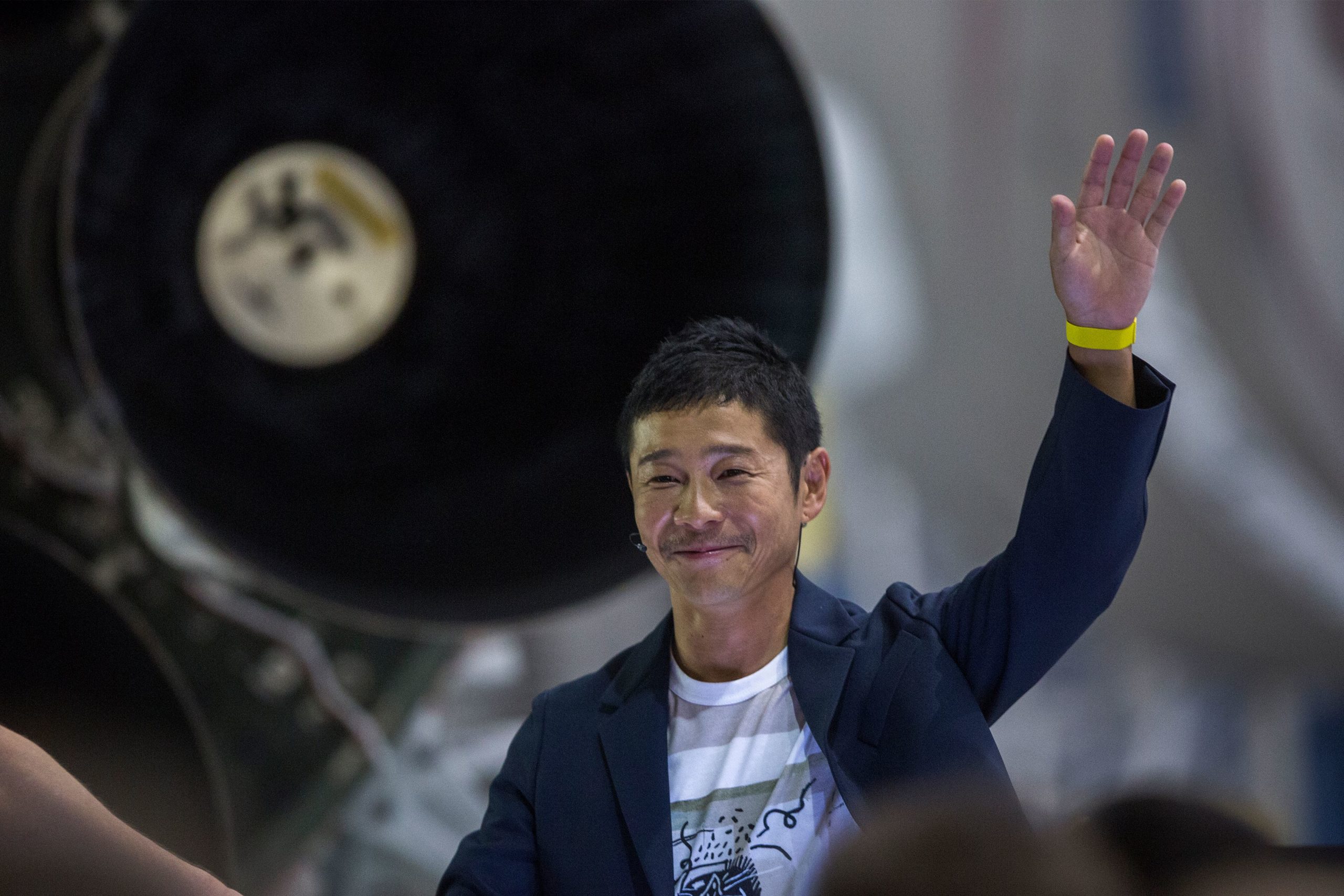
    Japnese billionaire entrepreneur Maezawa Yusaku is once again tapping into the public sphere to further his personal pursuits, this time for the recruitment of co-travelers in a trip around the moon.

    Eight crew members will be chosen for a private SpaceX flight around the moon in 2023, according to the founder of Japanese digital retail giant Zozo in a video posted on Twitter.

    Including Maezawa himself, the six-day trip will involve 10 to 12 people in total. Screening of applicants kicks off on March 21 with the final interviews and medical check targeted for May.

    According to Maezawa, the crew members will be selected based on how they use the trip to «push the envelope» in their respective fields and their willingness to support fellow crew members.

    Maezawa added that he was looking for people of all backgrounds and that that he hoped they would make the trip «fun» together.

    This is not the first time that the high-profiled Maezawa has attracted public interest.

    Last year, he randomly selected 1,000 of his Twitter followers to donate more than $9,000 each to test for actual boosts in happiness from monetary gains. In 2017, he paid $110.5 million for 1982 Jean-Michel Basquiat painting Untitled – an amount that broke his last record set in May 2016 for a mother untitled Basquiat valued at $57 million.

  • APAC Billionaires Hit the Hardest in 2018

    APAC Billionaires Hit the Hardest in 2018

    Global billionaire wealth and its population have fallen for only the second time since the global financial crisis in 2008, with those in APAC suffering the most.

    After reaching record levels the previous year, global billionaire wealth in 2018 declined by 7 percent to $8.6 trillion, while the billionaire population fell by 5.4 percent to 2,604, according to the 2019 edition of Billionaire Census, published by global ultra high net worth intelligence and data company Wealth X.

    This fall in wealth was largely caused by a slowdown in global growth, persistent trade tensions and a slump in equity markets, the report said. The findings of the report, which has been published annually since 2013, were based on Wealth-X’s global database of more than 1 million records on the world’s wealthiest individuals.

    The report noted that apart from the U.S., U.K., Russia, and France, nearly all of the top 15 countries by billionaire population saw a decline. Asia-Pacific’s billionaire population fell by 13.4 percent, driven by large declines in China, India, and Singapore.

    The region also saw the largest decline in billionaire wealth – billionaires here saw their net worth fall by an average of 9 percent, compared to 7 percent in EMEA and 6 percent in the Americas. The report attributed this to three factors: weak equity market performance on the back of slowing growth, tariff disputes, and emerging market volatility.

    Top Billionaire Countries

    1. United States (705 billionaires)
    2. China (285)
    3. Germany (146)
    4. Russia (102)
    5. United Kingdom (97)
    6. Switzerland (91)
    7. Hong Kong (87)
    8. India (82)
    9. Saudi Arabia (57)
    10. France (55)
    11. United Arab Emirates (55)
    12. Brazil (49)
    13. Italy (47)
    14. Canada (45)
    15. Singapore (39)