Tag: biotechnology

  • Proya Opens 450 Square Metre Research Lab in Paris Suburb

    Proya Opens 450 Square Metre Research Lab in Paris Suburb

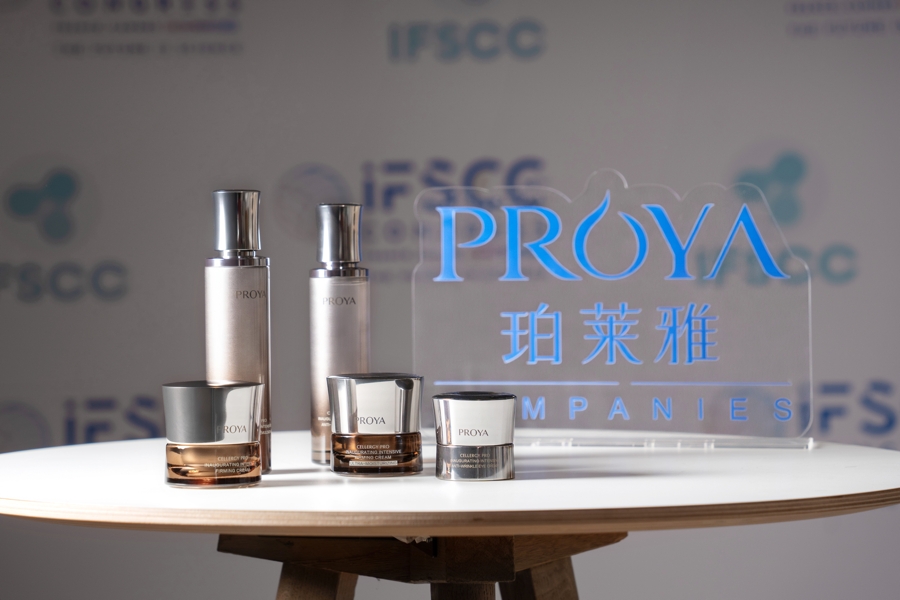
    China’s Proya Cosmetics opened a 450-square-metre research and development laboratory in Suresnes near Paris on October 13, 2026, putting seven researchers and 76 scientific instruments into service outside its domestic manufacturing base.

    The suburban Paris site links directly into formulation work at the Hangzhou-based group’s primary development hub in Longwu, feeding European biochemical research into its mass-market skincare pipelines in Asia.

    Technical operations at the French facility focus on skin biology, longevity mechanisms, biotechnology and sustainable ingredient processes. The scientific staff coordinates testing with Proya’s existing Hangzhou facility, which oversees core chemical formulations and consumer safety data, alongside a dedicated Shanghai site that handles scalp microbiome research and haircare lines.

    Targeting Active Ingredients in France

    European cosmetic science gives Chinese personal-care groups access to specialised ingredient supply chains that remain difficult to replicate domestically. Western groups like L’Oréal and Puig continue to defend their pricing power in Greater China through clinical skincare claims, forcing local brand owners to back their mass products with verifiable dermatological research rather than pure digital marketing spend.

    Setting up shop in Suresnes allows the Hangzhou company to collaborate directly with European biotechnology suppliers and academic testing houses. The facility serves as an operational extension of the broader European Innovation Centre that the group founded in France in 2024, converting regional partner agreements into physical bench testing.

    “This Europe Innovation Center Laboratory connects the European and Chinese ecosystems to draw on combined strengths and create new innovation capabilities through the interaction of scientific, cultural and consumer perspectives,” said Hou Juncheng, Founder and Chairman of Proya Cosmetics.

    Shifting Beyond Fast Digital Marketing

    Chinese beauty brands built their initial scale on quick domestic supply chains and heavy promotion across Douyin and Tmall. That model is hitting its limits as domestic consumer spending tightens and shoppers demand clinical validation before paying higher price tags for anti-ageing creams.

    By establishing physical research assets in France, Proya takes direct aim at premium international rivals that have long used European heritage to defend market share across tier-one Chinese cities. The risk for the Hangzhou group lies in execution. A team of seven researchers is a modest footprint against the thousands employed across multinational technical centres, meaning the lab must produce distinct ingredient discoveries quickly to justify the overseas overhead.

    Building Out Domestic and Foreign Hubs

    The Paris opening follows two years of corporate infrastructure work in Europe. Proya established its European Innovation Centre in France in 2024 to scout partnerships, then showed its initial collaborative work at the Cosmetics 360 trade exhibition in Paris immediately following the Suresnes opening.

    Work completed at the Suresnes laboratory will feed raw materials into clinical verification trials across Proya’s Shanghai and Hangzhou networks.

  • Mycofeast Buys New Zealand Dairy Protein Startup Daisy Lab

    Mycofeast Buys New Zealand Dairy Protein Startup Daisy Lab

    British biotechnology firm Mycofeast acquired New Zealand dairy protein startup Daisy Lab for an undisclosed sum in October 2026. The buyout secures Daisy Lab’s precision fermentation platform.

    The deal transfers Daisy Lab’s Auckland operations and patent pipeline to the UK group. Daisy Lab’s scientific team will stay intact.

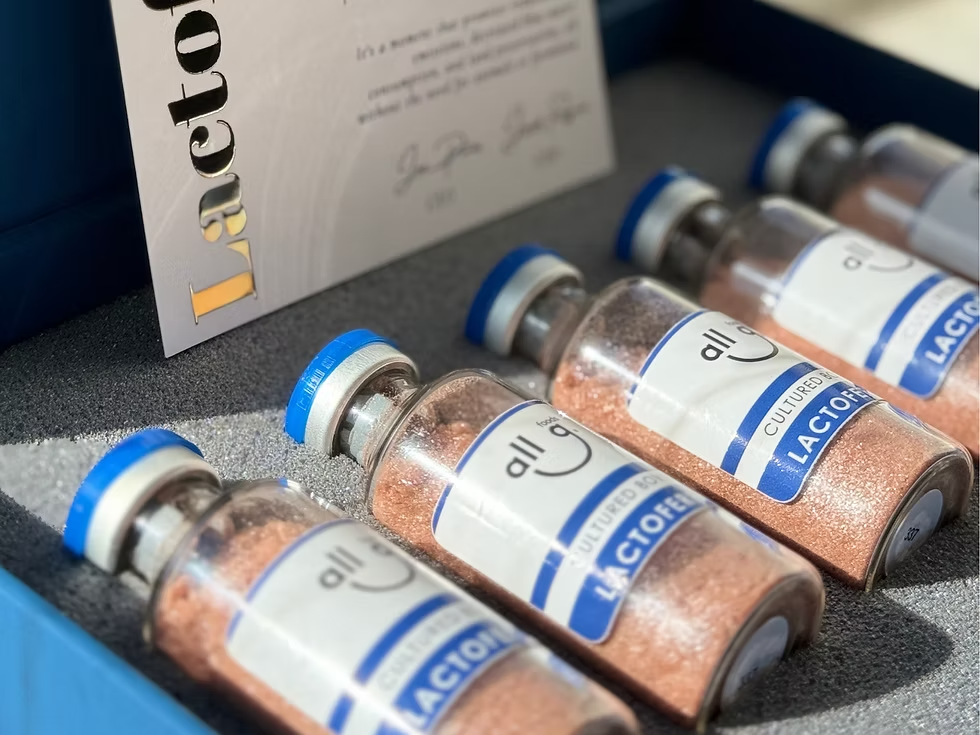
    Daisy Lab uses genetically engineered yeast to produce animal-free dairy proteins, including whey, casein, beta-lactoglobulin and lactoferrin. The company estimates its system cuts greenhouse gas emissions by up to 97 per cent compared with conventional dairy farming. Its most advanced project centres on high-yielding bovine and human lactoferrin. The iron-binding glycoprotein is used in infant nutrition, immune supplements and pharmaceuticals.

    Integration without cuts

    All laboratory staff and founders will keep their Auckland positions. Co-founders Irina Miller, Nikki Freed and Emily McIsaac will take broader operational roles across the Mycofeast organisation.

    Development work from the New Zealand team will link with Evolutia Bio, Mycofeast’s research arm in California. The team will also draw on the parent firm’s industrial processing plants. Daisy Lab had initially engaged Mycofeast as an ingredient customer and commercial partner before talks became a full buyout.

    “There are no layoffs associated with the acquisition. Mycofeast wanted both the technology and people,” Daisy Lab co-founder and CEO Irina Miller said.

    Fermentation economics in focus

    Extracting traditional lactoferrin requires thousands of litres of bovine milk to yield a single kilogram of purified protein. That scarcity keeps market prices between $600 and $2,000 per kilogram. It is one of the most expensive dairy fractions on global commodity markets.

    Precision fermentation bypasses cows entirely by brewing identical proteins inside stainless-steel bioreactors. For ingredient buyers across Asia, synthetic biology offers stable pricing. It also removes exposure to seasonal milk collection swings, farm runoff rules and herd disease risks.

    Capital pressure across alternative protein

    Australasian food-tech startups are turning to offshore trade sales over standalone venture capital rounds. Higher interest rates and tighter funding over the past two years made building private pilot and commercial processing facilities prohibitively expensive for early-stage laboratories.

    Selling to an established biotech operator gives Daisy Lab immediate industrial hardware without raising dilutive scale-up equity. The deal also hands Mycofeast a research base in New Zealand. That puts the British group inside a major agricultural exporter currently overhauling its biotech regulations.

    Next steps for scale

    Daisy Lab incorporated in Auckland in 2021 to engineer alternative proteins for New Zealand’s dairy-heavy economy. The startup focused on high-margin proteins rather than commodity milk powder. It established high-titre yeast strains to prove commercial viability before pursuing international manufacturing partners.

    Teams across both companies are now preparing lactoferrin samples for regulatory clearance dossiers and commercial customer trials across North America and the Asia-Pacific region.

  • Bangladesh Drugmakers See Little Gain from US 100% Tariff Exemption

    Bangladesh Drugmakers See Little Gain from US 100% Tariff Exemption

    Bangladesh’s pharmaceutical industry will see limited immediate export gains from a US tariff adjustment exempting specialty medicines, according to industry leaders including Shawkat Haider of Beximco Pharmaceuticals Limited.

    Under Section 232 of the Trade Expansion Act, the US announced a 100 percent ad valorem tariff on certain licensed pharmaceutical products and ingredients from September 29, while granting zero-tariff entry on selected specialty drugs to eligible jurisdictions.

    The zero-rate list covers rare-disease orphan drugs, nuclear medicines, plasma-derived therapies, fertility treatments, cell and gene therapies, and antibody-drug conjugates from approved partners including Bangladesh, India, Japan, and the European Union.

    The Manufacturing Gap

    Exemption on paper means little without production lines on the ground. Bangladesh built its drug export trade on generic small-molecule tablets, capsules and basic formulations rather than complex biologics.

    Commercial production of gene therapies or antibody-drug conjugates requires sterile cleanrooms, specialized bioreactors and years of clinical validation. Shawkat Haider, executive director of Beximco Pharmaceuticals Limited, confirmed the structural limitation facing domestic producers.

    “Bangladesh will not get any significant benefit from the tariff adjustment because we do not manufacture this type of highly sophisticated medicine,” Haider said.

    Regional Competition and Compliance

    Regional competitors hold a wide lead in the specialty segments covered by the US order. Contract manufacturers in South Korea and India already operate US Food and Drug Administration-cleared biologic plants. They supply licensed ingredients directly to North American distributors.

    Local producers attempting to enter these niches face steep capital costs and strict US regulatory audits. Domestic veterinary medicine manufacturers also lack the international certifications needed to clear US border inspections, leaving that market segment out of reach for now.

    Earlier Tariffs and Trade Timelines

    The revised pharmaceutical duties follow an earlier round of US trade enforcement under Section 232. Washington activated the first phase of 100 percent tariffs on July 31 for an initial annex of listed companies before widening enforcement to broader pharmaceutical categories on September 29.

    Industry lobby BAPI, the Bangladesh Association of Pharmaceutical Industries, is reviewing product lists to identify whether any existing formulation pipelines qualify under the zero-tariff rules. Abdul Muktadir, president of BAPI and chairman of Incepta Pharmaceuticals, said individual product assessments will determine if future export openings exist.

    What to Watch

    Dhaka drugmakers are reviewing capital expenditure plans for dedicated biotech and oncology plants to evaluate their long-term viability under US export specifications.

    Government trade officials are tracking whether the US Trade Representative adds conventional oral generic categories to future Section 232 exemption schedules before the next tariff review cycle opens in 2027.

  • Singapore Expands Drug Regulatory Alliances Across Malaysia, Middle East and Africa

    Singapore Expands Drug Regulatory Alliances Across Malaysia, Middle East and Africa

    Singapore’s Health Sciences Authority signed cross-border regulatory pacts with counterparts in Saudi Arabia and Africa. At the same time, Malaysia began piloting Singaporean medicine assessments to speed up commercial drug clearances.

    The pilot with Malaysia’s National Pharmaceutical Regulatory Agency started on 1 September 2026. It establishes a formal reliance framework to eliminate duplicate clinical reviews across both markets.

    Under the bilateral trial, Malaysia’s agency is evaluating whether referencing evaluations by Singapore’s Health Sciences Authority can shorten review timelines without lowering safety or efficacy benchmarks. A successful trial will prompt Malaysia to designate Singapore as an official reference agency. That step would give drugmakers with Singaporean clearances an accelerated registration route in Kuala Lumpur.

    Faster approvals across ASEAN

    For pharmaceutical distributors, biotechs, and consumer healthcare brands, duplicative licensing remains a costly barrier to scaling products across Southeast Asia. Fragmented national registries across ASEAN historically forced manufacturers to submit separate dossiers. Companies then had to wait out multi-year evaluation cycles in each domestic market.

    Singapore’s push to become an international evaluation hub shifts that dynamic for regional supply chains. Under mutual reliance models, regional health agencies replace independent full-scale assessments with shared technical oversight. This cuts administrative overhead for suppliers and speeds up treatment rollouts in retail pharmacies and hospitals.

    Bilateral deals with Riyadh and the African Union

    Beyond Southeast Asia, HSA signed two agreements between 14 and 16 September 2026. The agency inked a memorandum of understanding with the Saudi Food and Drug Authority to exchange pre-market and post-market safety data. The deal also builds regulatory pathways for biotechnology and artificial intelligence applications in healthcare.

    The second agreement, signed with the African Medicines Agency, creates a cooperative framework covering regulatory science, capacity development, and technical reviews. Under the pact, African regulators can use Singaporean approvals as technical benchmarks for national decisions across member states.

    “A medicine or medical device should not have to wait because trusted regulators are repeating the same high-quality work,” HSA CEO Raymond Chua said. “By enabling partners to draw on HSA’s assessments, we can reduce duplication, support more timely access to safe and effective health products, and help innovators reach patients across more markets.”

    Expanding European lab standards

    Ties with European and British authorities also expanded. Following a joint audit, the European Directorate for the Quality of Medicines and HealthCare extended Singapore’s associate membership in the General European Official Medicines Control Laboratory Network to include the city-state’s National Biologics Testing Laboratory.

    The European accreditation allows Singapore to participate in global testing programs for complex biological drugs. At the same time, Singapore and the UK Medicines and Healthcare products Regulatory Agency reaffirmed their Regulatory Innovation Corridor. Opened in December 2025, the initiative gives developers of novel drugs early, iterative regulatory guidance across both jurisdictions.

    The timeline for regulatory convergence

    During its 2026 chairmanship of the International Medical Device Regulators Forum, Singapore delivered an operational playbook for regulatory reliance. It also released technical frameworks for artificial intelligence in medical devices and product cybersecurity. In addition, HSA deployed a large language model tool built with GovTech Singapore to map medical device adverse event reports directly to global classification standards.

    Regulators in Kuala Lumpur will track data from the reference pilot over the coming quarters. Their findings will determine whether to formalize Singapore’s status as a permanent reference agency for Malaysian drug registrations.

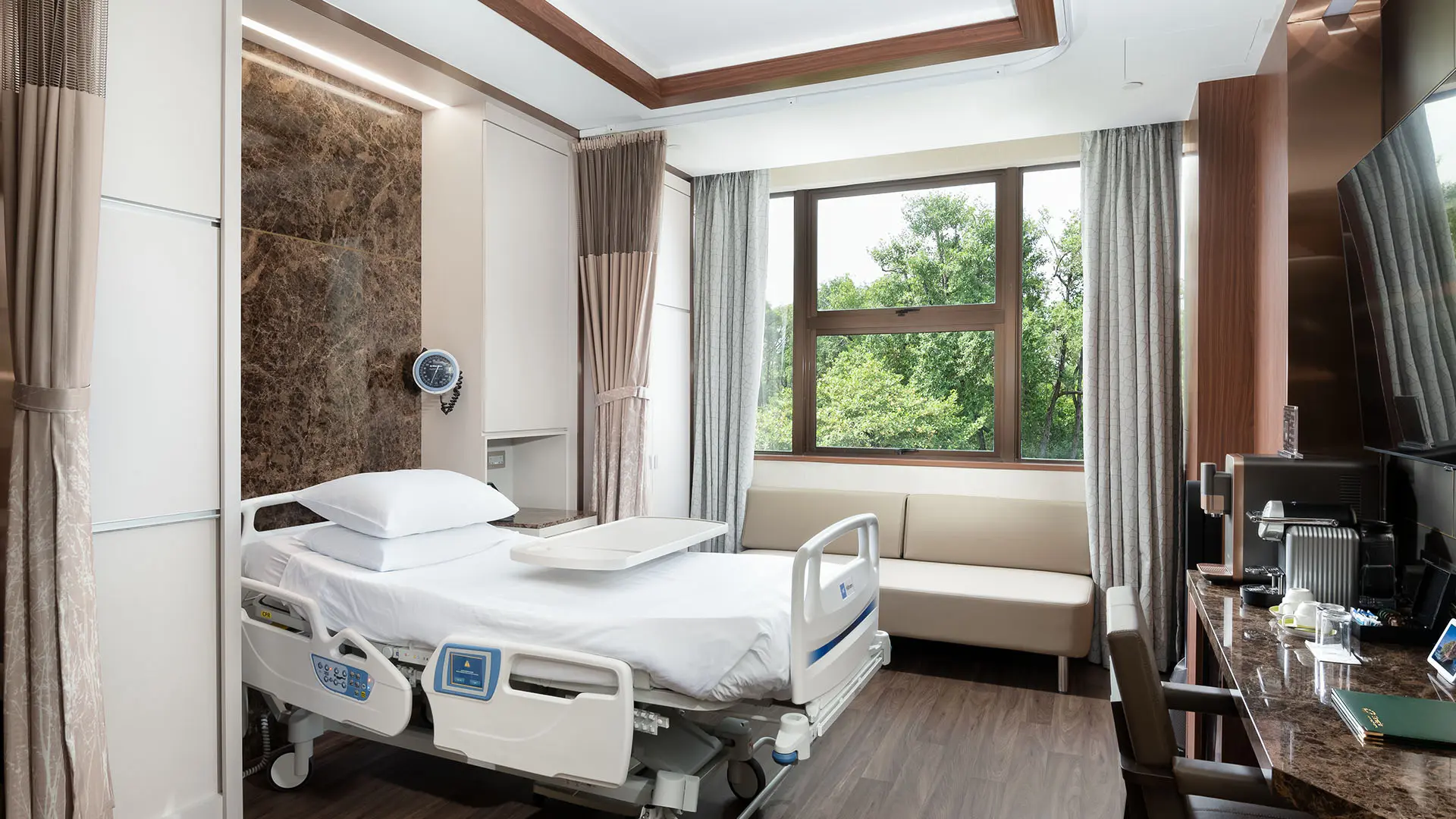
  • Gleneagles Hospital Completes Hong Kong’s First 2 Histotripsy Cancer Trials

    Gleneagles Hospital Completes Hong Kong’s First 2 Histotripsy Cancer Trials

    In April, Gleneagles Hospital carried out Hong Kong’s first two clinical trial procedures using histotripsy to destroy pancreatic cancer tumours in patients for whom conventional surgery was unsuitable.

    In one case, doctors targeted both the primary pancreatic tumour and cancer that had spread to the liver during the same procedure using precisely targeted sound waves.

    Clinical rollouts and equipment targets

    Dr Neal Kassell, founder and chairman of the US-based Focused Ultrasound Foundation, estimated that clinical trial results for pancreatic and brain cancers could emerge in about three years, predicting global machine deployments could rise from roughly 2,000 to 10,000 systems within five years.

    Clinical evidence covers 196 potential medical indications across neurology, oncology, and pharmacology, according to data from the Focused Ultrasound Foundation. Twelve of those indications advanced to first-in-human clinical trials last year. More than one million patients have received focused ultrasound therapies globally to date, with annual treatment volumes reaching approximately 75,000 cases.

    Treatment pricing and hospital economics

    Hospital operators face steep upfront hardware costs and slow physician onboarding. In Hong Kong, treatment access relies heavily on private philanthropy to bridge gaps in public health insurance. Eligible liver cancer patients receiving histotripsy at Gleneagles pay HK$50,000 (US$6,374) under a subsidy funded by the Li Ka Shing Foundation.

    Specialist consultations and preliminary liver ultrasound assessments add between HK$4,300 and HK$5,400 to out-of-pocket patient expenses. Without formal public reimbursement or standardised private insurance schedules, hospital adoption across private healthcare chains in Southeast Asia and East Asia remains confined to flagship research centres.

    Overcoming the blood-brain barrier

    Beyond thermal and mechanical tumour ablation, clinical teams are testing low-intensity sound waves to deliver pharmaceuticals directly into brain tissue. The acoustic waves stimulate microscopic bubbles in the bloodstream, prompting them to expand and contract against capillary walls. This rhythmic motion creates a temporary opening in the blood-brain barrier, allowing chemotherapies and immunotherapies to reach aggressive conditions such as diffuse midline glioma and glioblastoma.

    Opening this barrier allows oncologists to test compounds that previously failed clinical trials simply because molecules could not penetrate the central nervous system. Combining acoustic opening with local immune responses also provides a pathway to turn drug-resistant brain tumours into active targets for immunotherapy.

    Reimbursement pathways and regulatory hurdles

    Commercial viability for medical equipment makers in Asia depends on moving beyond self-pay arrangements. Most private medical centres keep focused ultrasound machinery under capacity because few surgeons have received specialised training on acoustic ablation consoles.

    The critical financial hurdle remains insurance coding. Until state healthcare panels and major medical underwriters establish specific reimbursement tariffs for focused ultrasound oncology procedures, equipment makers will struggle to convert trial successes into steady device sales across regional hospital groups.

    Global trials assessing overall survival rates and recurrence intervals in pancreatic cancer and glioblastoma are scheduled to release primary outcome data within the next three years.