Retail News CRM

Tag: BKK

  • Etix Boosts Bangkok Campus to 28MW with New Data Center Expansion!

    Etix Boosts Bangkok Campus to 28MW with New Data Center Expansion!

    In a significant development for the Asian tech landscape, France-based data center operator Etix Everywhere has inaugurated its latest facility, BKK#2, in Bangkok, Thailand. This new addition boasts a robust capacity of 23 megawatts (MW), positioning it as a vital player in the region’s growing demand for data infrastructure.

    A Strategic Expansion in Bangkok

    Situated adjacent to the existing Etix BKK#1, which operates at 5MW, the new 16,000 square meter facility ramps up the combined power of the company’s Bangkok campus to a striking 28MW. This expansion is particularly crucial as the region increasingly embraces AI technologies, with the campus designed to accommodate up to 150kW per rack. In an exciting twist, the BKK#2 facility offers a trifecta of cooling options: air, liquid, and immersion, ensuring that it meets the diverse needs of modern computing.

    Meeting the Demand for Modern IT Solutions

    “The development of Etix BKK#1 has multiplied our capacity sixfold in just three years,” expressed Pierre Patris, Etix Everywhere’s CEO for Asia. “With 2 MW of capacity immediately available and the timely launch of BKK#2, we are in a powerful position to meet our customers’ needs.” Patris emphasized the strategic advantage of both facilities being neighbors, allowing customers to seamlessly leverage the same telecom ecosystem and expand within the same operational area, as if they were utilizing a single building.

    Commitment to Sustainability

    Beyond its ambitious technical capabilities, the Etix Bangkok campus is setting benchmarks for sustainability in data center operations. Targeting a Power Usage Effectiveness (PUE) of below 1.4, the facility incorporates on-site renewable energy sources and Battery Energy Storage Systems (BESS), ensuring that it not only meets current needs but is prepared for the future. Furthermore, the use of green concrete and steel reflects a commitment to significantly reducing embodied carbon, making it a beacon of eco-conscious design in the industry.

    Questions & Answers

    What is the significance of BKK#2’s launch in Bangkok?
    The launch represents a strategic expansion for Etix Everywhere, significantly boosting their capacity to meet rising demands for data infrastructure, particularly in AI applications.

    How do the facilities BKK#1 and BKK#2 benefit customers?
    Having both facilities in close proximity allows customers to enjoy a shared telecom ecosystem, facilitating growth and operational efficiency as if they were in one building.

    What sustainability measures are incorporated in the campus design?
    The Etix Bangkok campus aims for a PUE below 1.4 and integrates renewable energy sources, Battery Energy Storage Systems, and eco-friendly materials, underscoring its commitment to sustainability.

  • Electric vehicles on the fast track in Thailand

    Electric vehicles on the fast track in Thailand

    Experts see bright prospects for electric vehicles (EV) in Thailand with all concerned agencies pursuing the government’s goal of getting 1.2 million units on the road by 2036.

    There are many reasons and data behind the confidence of success, a seminar was told yesterday. The rising number of registered EVs, the development of a locally made EVs, as well as research and development of some EV parts are indications that it could have a major role in Thai society, said Amonrat Kaewpradap, a committee member of the Electric Vehicle Association of Thailand (EVAT), at a panel discussion yesterday titled “The future of Electric Vehicle in Thailand”.

    The discussion was held as part of the Delta Future Industry Summit, organised by Delta Electronics (Thailand), as a venue for exchanging innovative ideas for a sustainable future.

    Amornrat said the number of EVs in use in Thailand was gradually increasing, leading to the continuous growth of infrastructure of charging stations.

    “More stations will boost the confidence for consumers in using EVs and so far, there are 500 charging stations in the country, she said. In 2016, there were 80,194 registrations but the number surged to 102,700 in 2017, or an increase of 20,000 units.She pointed out that the accumulated number of EV registrations in Thailand for Battery Electric Vehicles [BEV] and Plug-in Hybrid Electric Vehicles (PHEV) sharply increased from 2016 to 2017.Incentives will bring down priceAnother indication is the higher imports of EVs, she said, adding that more BEV motorcycles were sold these days, pointing to its popularity.

    Moreover, EV manufacturers are hiking production amid increasing demand from buyers. Also, educational institutions have launched development projects for EV battery, motors and the structure of a light-weight car.She believes the price of EVs could come down in the future as the government will support its usage with incentives.

    Jumpote Himacharoen, director of research and development, Metropolitan Electricity Authority [MEA], said the power agency would provide sufficient electricity to serve the targeted number of EVs. MEA has recently launched an online application on the locations of EV charging stations for the convenience of drivers.

    In a separate panel discussion titled “A Decade into the Future: Predictions for Thai Cities”, participants said smart cities would be the cornerstone of the country’s future urban landscape, with significant investment from the government and private sector.

    Pansak Siriruchatapong, the vice minister of the Ministry of Digital Economy and Society, said the government would expand its smart city project to three more provinces – Chon Buri, Rayong and Chaochengsao – on the Eastern Economic Corridor this year.Currently, Phuket, Chiang Mai, Khon Kaen and Bangkok are the cities earmarked for the pilot program.

    “Within the next five years, Thailand will develop smart cities in all 77 provinces,” he said.He added the two factors driving the development of smart cities are the engagement of community and local government and the connectivity and sharing information with technology solutions.However, Piyapan Tayanithi, Bangkok Bank’s executive vice president, warned that smart or high-technology is a double-edged sword, and back-up measures were needed in the event of malfunctions.

    Piyapan cited an incident late last month when banks’ electronic money transfers, withdrawals and payment services crashed for several hours. The banks attributed the cause to heavy interbank money transfers at the end of the month at large banks.“Simplicity or convenience of a group of people could come along with difficulty or complexity for another group [of people],” he said.

    Hsieh Shen-yen, president of Delta Electronics (Thailand), said: “We are currently witnessing the decline of old technologies such as gasoline cars and the gradual shift to smarter, cleaner technologies to power our lives and manage our cities.“But the shift to the future will only gain real momentum when the public and private sectors work together and get serious about action for climate change and managing urbanization,” he said.

  • Fendi Thailand has launched two pop-up stores in Bangkok

    Fendi Thailand has launched two pop-up stores in Bangkok

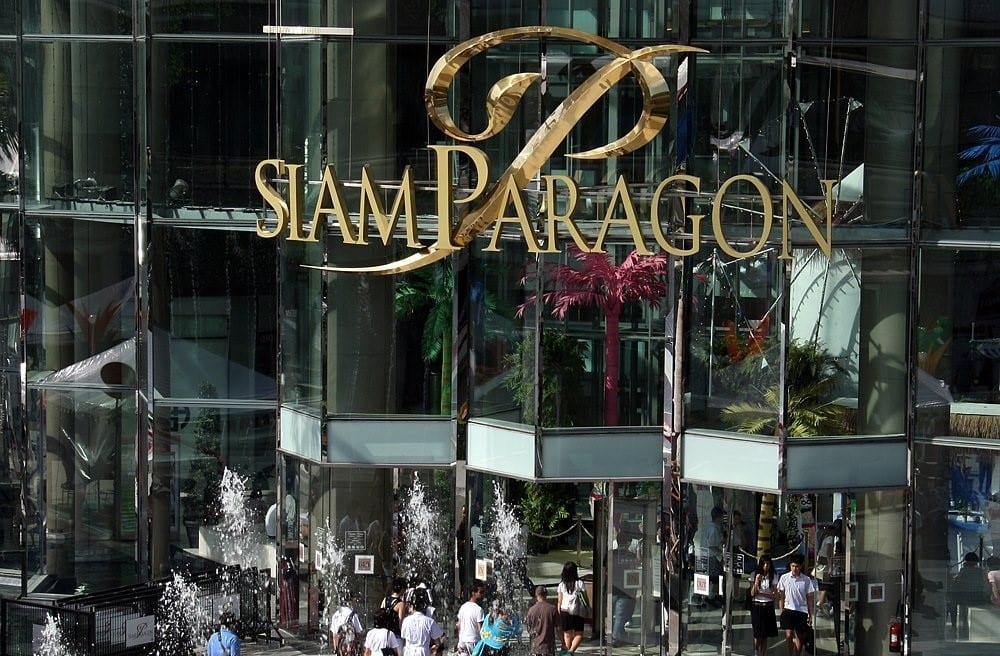
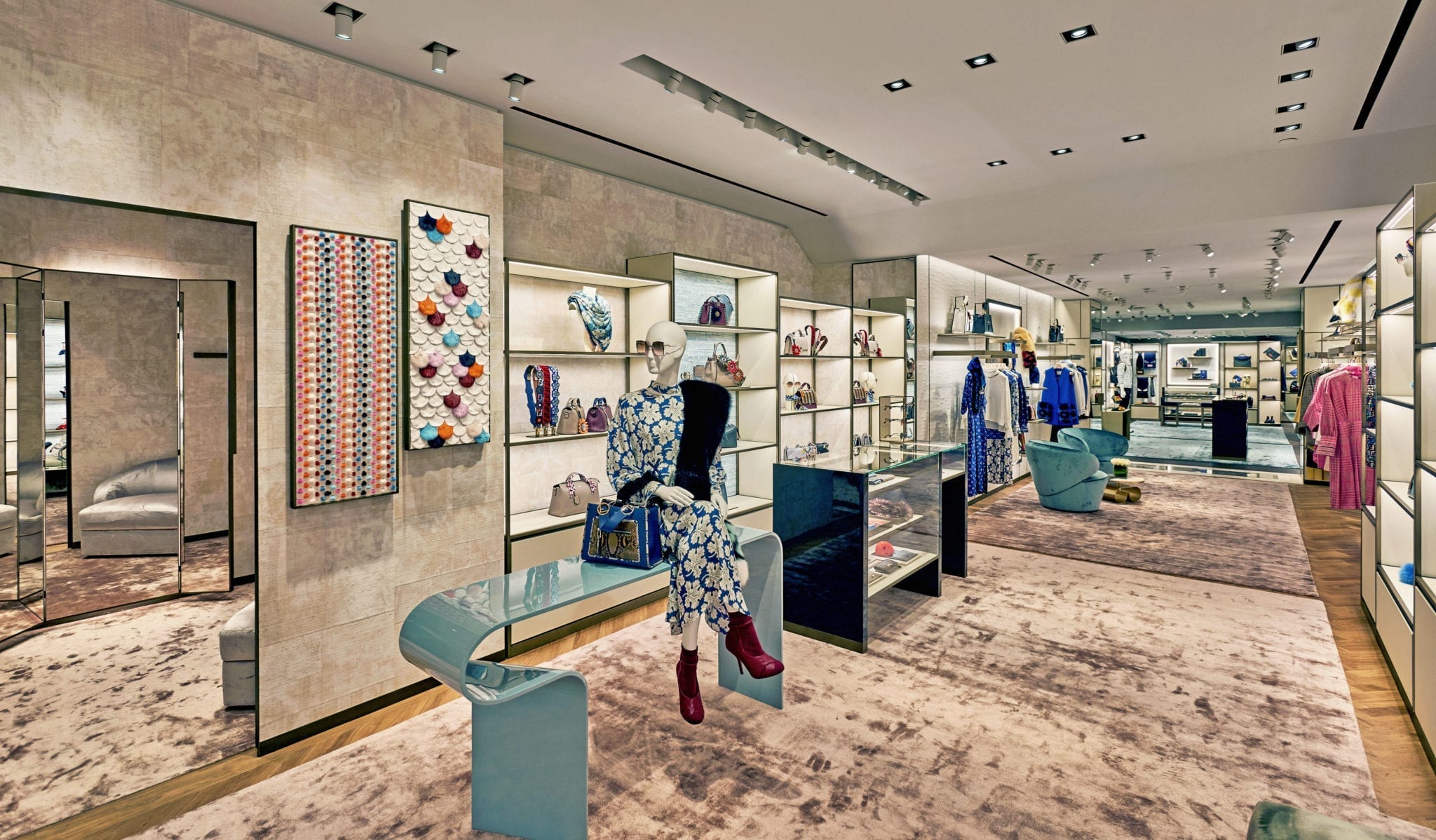
    Fendi Thailand has launched two pop-up stores in Bangkok’s Siam Paragon. Its concept is a luxurious reinterpretation of the Roman-style vintage newsstands typical of piazza in the heart of Rome. One kiosk is dedicated to the label’s spring/summer women’s collection while the other puts its focus on the men’s collection. Both outlets feature ready-to-wear, leather goods, small leather goods, accessories and shoes.

    To mark the launch of the pop-ups, Fendi hosted a Roman-inspired cocktail party with special guests including Chontida Asavahame, Mai Davika, Nattarat Nopparuttayaporn, Note Panayangkool, Pasakorn Vanasirikul, Sonya Singha, Sorawis Saengvanich and Violette Wautier.

    Included in the men’s collection are everyday Fendi items including illustrations done by British artist Sue Tilley. Items include a glossy red corkscrew, an antique set of keys, leaky bathroom taps, a plastic rotary telephone and a desk lamp.

    The kiosks will be active until June.

  • Paragon dip hits SPH Reit income

    Paragon dip hits SPH Reit income

    Lower revenue at Paragon mall hit net property income for SPH Reit Management for its second quarter to the end of February.

    The return of S$42.2 million (US$32 million) dipped 1.1 per cent from the same period last year. This reflected a rental reversion of -7.1 per cent for new and renewed leases at Paragon in the first half, mainly because of negotiations during the retail sales downturn since 2014. The decline was more moderated in the second quarter, says SPH.

    There were only three changes in tenancies at Clementi Mall, representing 1.4 per cent of the mall’s net lettable area.

    However, tenant sales have grown in the malls in tandem with the recovery in retail sales since June. Both properties also continued their track record of full occupancy.

    “In keeping with our philosophy of treating tenants as business partners, we work closely with them to ride through both cyclical and structural challenges in the retail environment,” says SPH Reit Management CEO Susan Leng.

  • Vietnam state investment arm SCIC partners Thai Kasikornbank

    Vietnam state investment arm SCIC partners Thai Kasikornbank

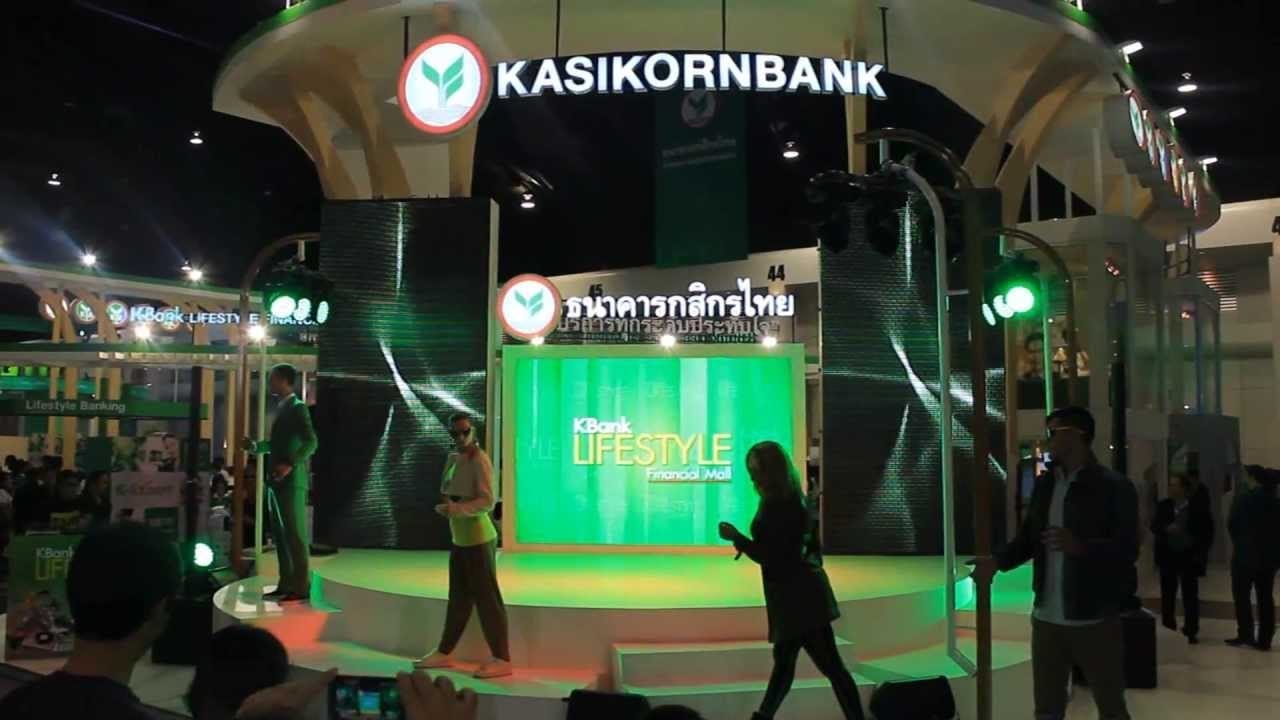
    Vietnam’s government investment arm SCIC, the state investor in the country’s biggest firm Vinamilk, has inked a deal with Thai Kasikorn Bank to unlock more investment opportunities in Vietnam. SCIC, or the State Capital Investment Corporation, said the collaboration will help woo foreign investors into the country as well as improve its investment climate through the exchange of expertise.

    Thailand has accounted for significant investments into Vietnam, notably in the retail sector. TCC Holding and Central Group put a war chest to acquire retail assets in Vietnam over the past two years to secure top positions in this $118 billion market. SCIC last year sold 5.4 per cent of Vinamilk to Thai beverage firm F&N in a $500 million deal. F&N had been already a major shareholder at the dairy company with an 11 per cent interest.

    Thai brewer Singha also played big with a $1.1 billion infusion into Masan Group’s units. Thai investors are also beefing up their direct investments. Direct investment and M&A capital from Thailand in Q1, 2017 were valued at $168 million, a surge of 20 times compared to the same period in 2016. Vietnam has been seen as a magnate for foreign investors thanks to its stable economic annual growth of some 6.5 per cent, blended with a rising middle class and improving infrastructure.

    The total new committed FDI and M&A capital into the country in the first four month of this year reached $10.6 billion, in which share purchases accounted for $1.36 billion, according to the General Statistics Office. The SCIC represents the State ownership in shares of major local businesses, including Vinamilk, Hau Giang Pharmaceutical, Vietnam Construction and Import-Export JSC, tech firm FPT, insurer Bao Viet and Traphaco. In March, the sovereign wealth fund had also signed a similar agreement with Singapore property developer Keppel Land to promote investment opportunity in Vietnam.

  • 44 BKK outlets moving ownership

    44 BKK outlets moving ownership

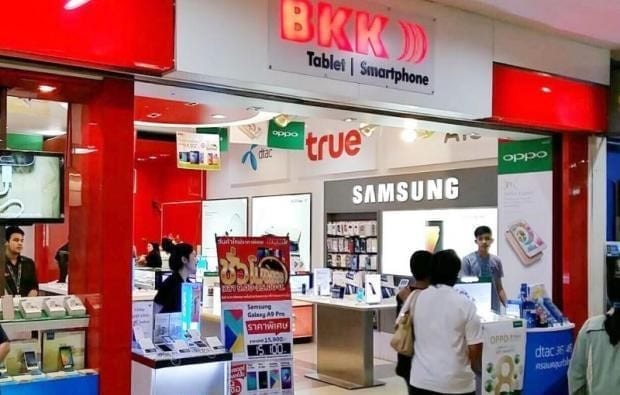
    Bangkok-based IT chain store Com7, under the Banana brand, has taken over 44 BKK outlets from Bangkok Telecom 999.

    The TB184 million (US$5.1 million) deal is a bid by Com7 to drive its expansion into the mid- and entry-level segments.

    “This is our first acquisition for the purpose of pursuing growth,” says Com7 chief executive Sura Khanittaweekul. The roll-out is expected to be completed in the first quarter of next year.

    Com7 will keep the BKK branding on its acquired stores, most of which are in high-density areas. At least 10 of the stores compete directly with Com7.

    BKK Telecom 999 still has 36 BKK branches.

    Sura says the acquisition will enable Com7 to expand more quickly as it will not need to build its own stores. It will be able to tap the mid- and entry-level markets with handsets priced below TB10,000 a unit.

    Com7 aims to expand its retail shops to 500 branches by the end of next year, up from 365. It launched Bananastore.com in August to extend its sale channels online.