Retail News CRM

Tag: BlinkIt

  • India’s Zomato shares tumble to record low

    India’s Zomato shares tumble to record low

    Shares of Indian food-delivery company Zomato plunged 14.3 per cent to a record low today, as a one-year lock-in period for promoters, employees and other investors came to an end following last year’s listing.

    Zomato made a stellar debut on July 23 last year in the Mumbai market, but its shares have lost more than 60 per cent of their value since then.

    “Investors are concerned about the sell-off through employees and promoters,” said Prashanth Tapse, VP of research at Mehta Equities.

    Investors are also not comfortable with the acquisition of Blinkit, he said, adding that the fundamentals of the company were still good.

    Including Monday’s losses, Zomato shares have lost nearly 30 per cent since the company announced its deal to buy local grocery delivery startup Blinkit in June.

    Today, the stock posted its biggest intraday percentage drop since Janaury 24 in heavy-volume trade of 2.7 times the 30-day average.

    The company now has a market value of 366 billion rupees ($4.58 billion), compared with 1.29 trillion rupees at its peak in November.

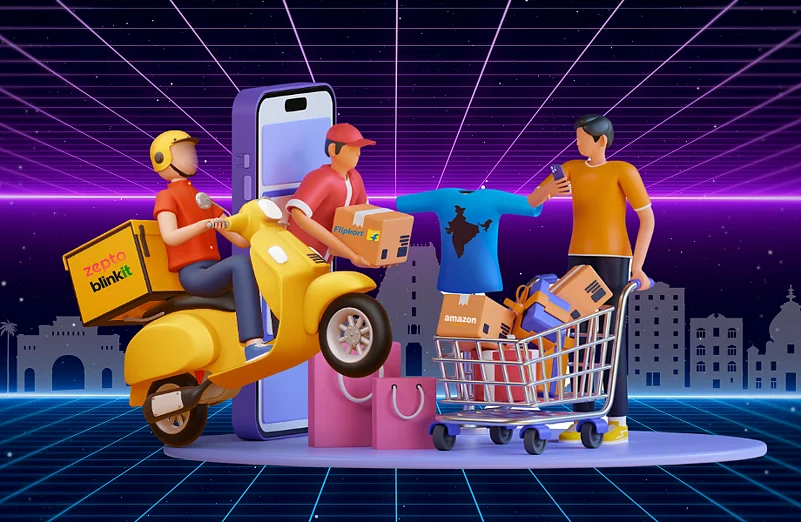
    Analysts say Zomato needs to pump more money into Blinkit as the quick-commerce sector grows at a rapid clip, with rivals Swiggy, Reliance Industries-backed Dunzo, Tata-backed BigBasket and Zepto making big investments.

    Zomato is scheduled to report its first-quarter results on August 1. The company had reported a 75 per cent jump in fourth-quarter revenue in May, while gross order value – or the total value of all food delivery orders on its online platform – surged 77 per cent year-on-year to a record high.

    On Friday, Reuters reported that Domino’s Pizza’s India franchise will consider taking some of its business away from Zomato and Swiggy if their commissions rise further.

    In February, Zomato reported a smaller third-quarter loss, helped by a one-time gain from a stake sale, while revenue jumped due to increased demand for restaurant meals.

    Zomato’s dining out business, which offers customers discounts and offers when they eat out at partner restaurants, strengthened as eateries and bars reopened following a drop in Covid-19 cases during the quarter, while the company’s core food delivery business continued to grow.

    “The revival of in-restaurant dining (in the third quarter) led to some green shoots in our dining-out ad-sales business,” the Gurugram-based firm said in a regulatory filing.

  • Zomato boosts Blinkit delivery stake for US$568 million

    Zomato boosts Blinkit delivery stake for US$568 million

    The top brass of food delivery app Zomato are set to come together on the 17th of June to pen to paper and make the acquisition of Indian based start-up company Blinkit officially complete.

    The deal is set to be of a stock exchange type at a ratio of 1:10 where Blinkit will get a share for every 10 shares Zomato gets from Blinkit. Initially, the value of Blinkit was set at around $ 700 million USD but with this type of deal, that value set to have gone down to an extent.

    Blinkit is a company that Zomato has been eyeing for a while now as they are a business that focuses on instant deliveries. The company was founded almost a decade ago back in 2013 and its head office is situated in Gurgaon, Haryana. Blinkit is a mobile application that can be downloaded on the play store where its users can order groceries, and other items and essentials through the app from the comfort of their own home. The company even guarantees a 10 minutes delivery time.

    A 10-minute delivery time has become the new fad in the delivery business in the country with both Blinkit and Zepto basing their entire business model and marketing strategy on this feature. Zomato has also been piloting their 10-minute delivery feature called Zomato Instant but their Delhi based pilot was not a success. Naturally, delivering food within 10 minutes is much harder than groceries which is why the acquisition of Blinkit is going to be a major boost for them as it will give them crucial help in breaking the 10 minutes barrier which they have been struggling to over the past few months.

    Zomato is one of the most popular food delivery apps in India along with Swiggy and the duo have been battling to be most popular food delivery apps for years now. Swiggy however diversified their features and opened their ‘Instamart’ where they sell fruits, vegetables and groceries while Zomato stuck with just partnering up with restaurants and delivering food. But now, Zomato has also dipped their feet into the grocery delivering business with this new acquisition and it will be interesting to see how it will play out.

    It seems like this deal will be helping all parties involved as Zomato can improve their 10-minute delivery service with the help of Blinkit’s logistics while Blinkit can increase their operations with the help of Zomato.

  • Indian grocery startup Zepto raises new funds at $900 million valuation

    Indian grocery startup Zepto raises new funds at $900 million valuation

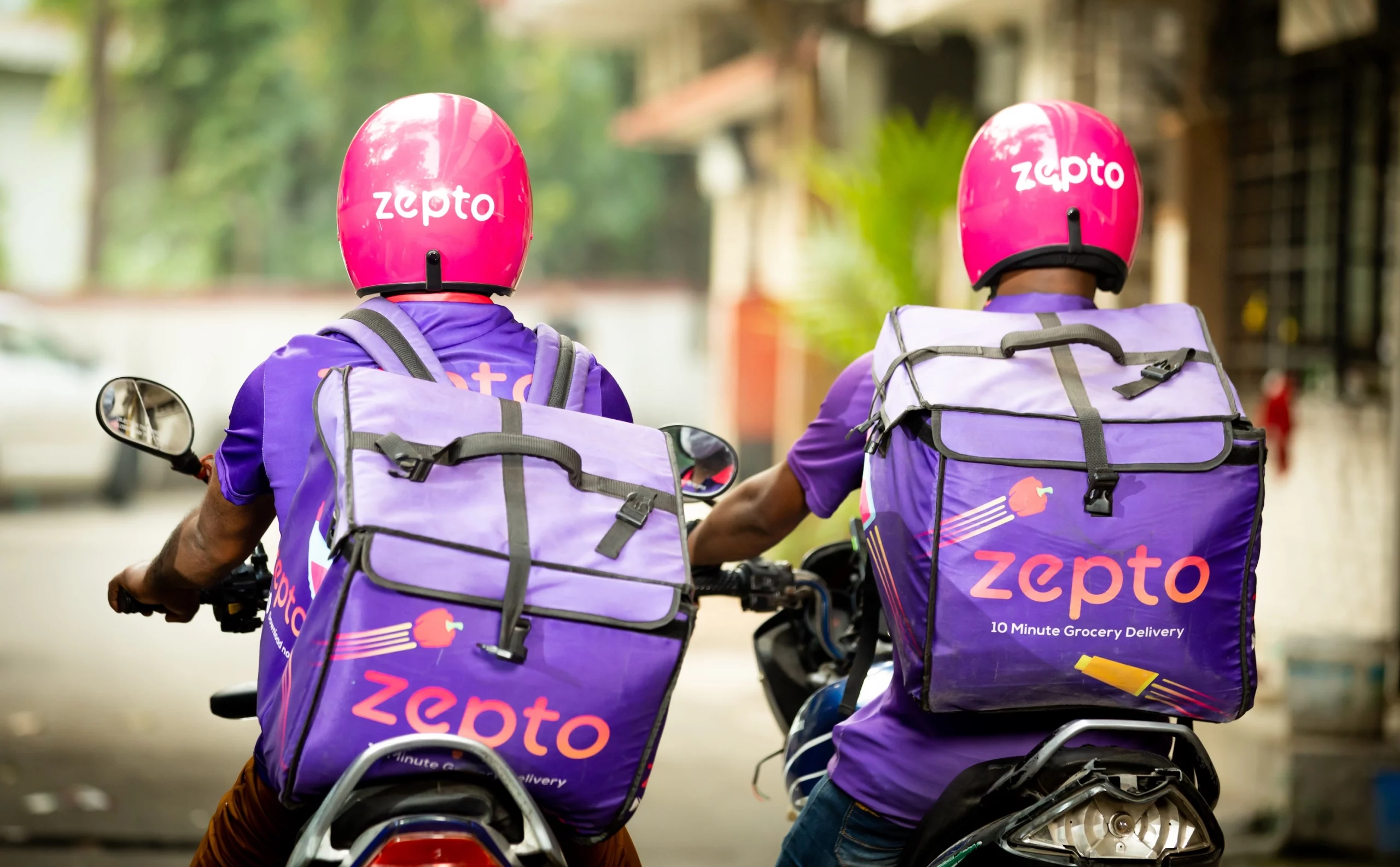
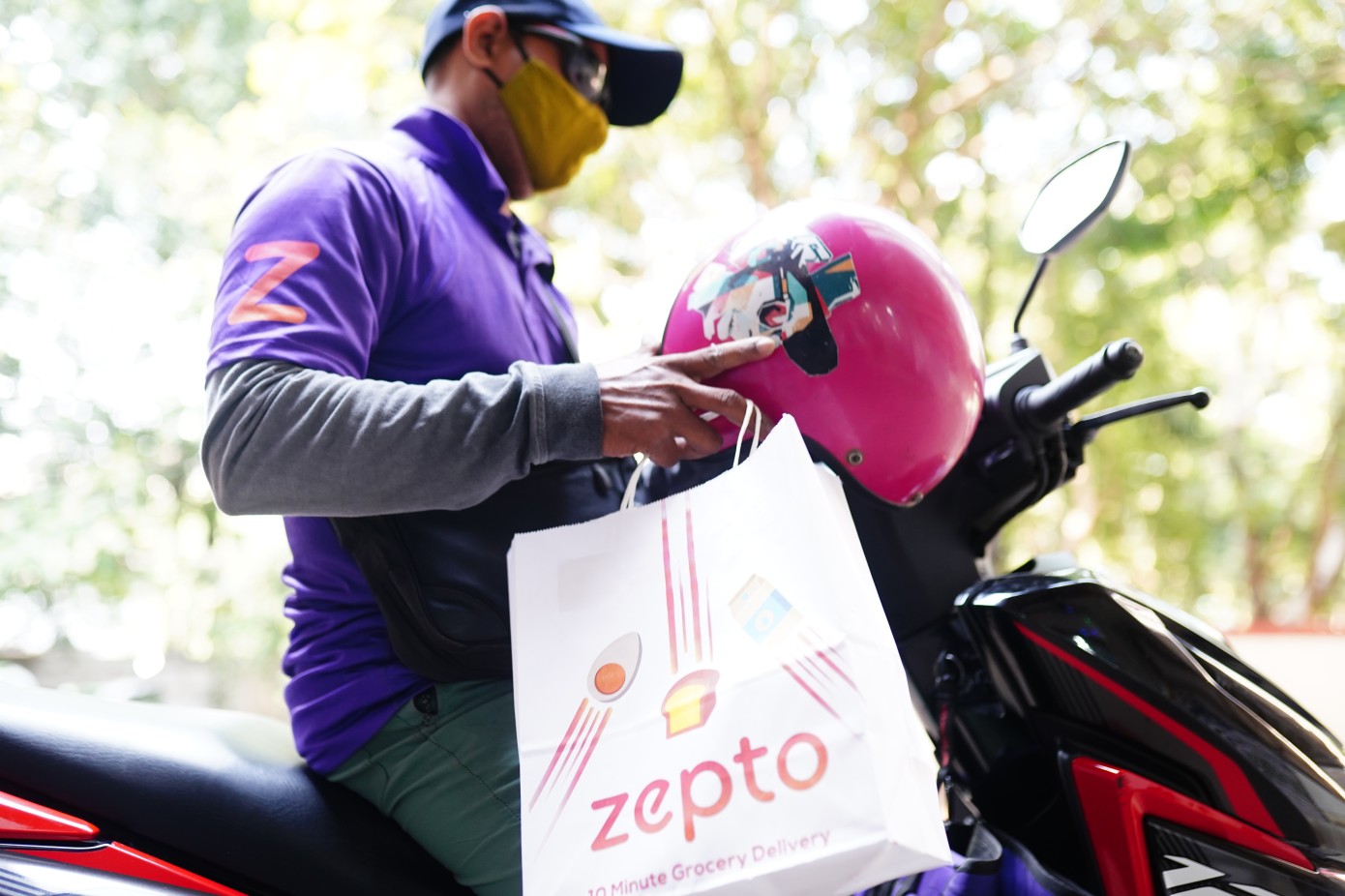
    Instant grocery startup Zepto has raised $200 million in a new financing round as it looks to expand its 10-minute delivery service to more cities in India and grow its network of dark stores.

    Existing backer Y Combinator Continuity led Zepto’s Series D round, valuing the Mumbai-headquartered startup at about $900 million, up from $570 million in its December Series C round and $225 million in a round unveiled in late October.

    Kaiser Permanente, the giant healthcare firm, which also operates a venture arm, as well as all key existing investors including Nexus Venture Partners, Glade Brook Capital, Contrary Capital and Lachy Groom, participated in the new round, the startup said Monday evening.

    There’s no secondary transaction in the new round, which brings the startup’s to-date raise to $360 million.

    At 19, Aadit Palicha and Kaivalya Vohra co-founded Zepto. The duo, who had previously worked on a number of projects, including a ride-hailing commute app for school kids, and dropped out of Stanford two years ago, took Zepto out of stealth mode in November last year.

    Its 10-minute delivery service is today operational in 11 cities across India and it processes hundreds of thousands of orders each day, Palicha, who serves as Zepto’s chief executive, told TechCrunch in an interview.

    The startup’s current annualized revenue is between $200 million to $400 million, he said, a figure he is determined to grow to “at least $1 billion” by the quarter ending March next year.

    The surge in revenue comes as the startup has consistently grown by over 50% each month in recent months, he said. In the most recent quarter, the startup grew its revenue by 800% while slashing its expenses per order by more than five times, he said.

    In India, Zepto is among the earliest startups attempting to prove the quick commerce model, a category that has taken off in several markets, including North America and Europe. However, a number of startups operating in the space have either scaled down their efforts or shut down completely, as many venture investors lose appetite for fast delivery.

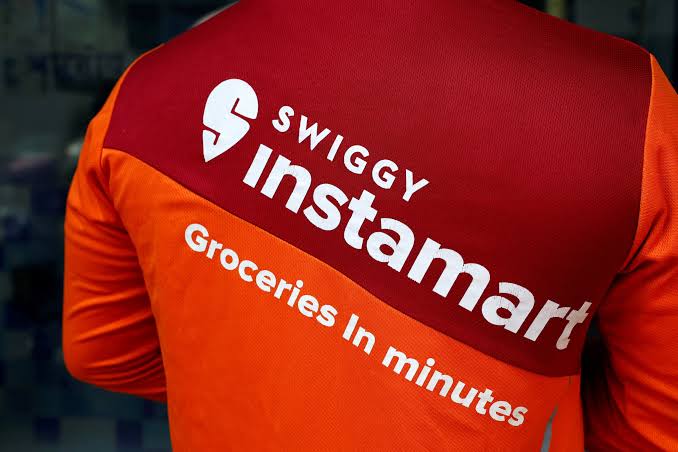
    Zepto competes with Swiggy, India’s most valuable food delivery startup and one that has committed to investing more than $700 million on its quick commerce service, called Instamart.

    A number of other players, including Blinkit, formerly known as Grofers, are also attempting to win a slice of the market. The SoftBank-backed startup recently agreed to an acquisition offer by larger food delivery firm Zomato, TechCrunch reported earlier, which in recent months has expressed interest in expanding to the quick commerce category, an area where it has historically performed poorly.

    Zomato last month began a pilot of 10-minute delivery of food items in its home city of Gurugram. Zepto is also piloting a service to deliver a range of prepared food items, including hot beverages and snacks within its signature 10-minute promise in select areas in Mumbai, it said.

    At stake is a $45 billion market, according to analysts at Sanford C. Bernstein. In a report earlier this year, the firm’s analysts reported that India is leading other global markets in the adoption of quick commerce.

    The analysts said customers’ increasing willingness and ability to a pay premium for superior quality products and the growing market for home delivery have contributed to the growth of quick commerce in the country.

    The average size of an order placed on an instant delivery service is currently about $6 in India, compared to $12 to $15 for traditional online grocery orders, they said. “But recent cohorts have shown improving stickiness, with basket size increasing with increase in usage. Quick commerce models have seen improving monthly order frequency (mature cohorts at 3-4 times a week, with healthy AOV of 400-500 Indian rupees). Quick commerce players are focused on driving a high frequency basket which will drive better economics,” they added.

    For Zepto, instant grocery delivery is just the beginning in a decade-long journey ahead, said Palicha. Though he declined to reveal the startup’s audacious plans for the future, he said it’s fair to assume Zepto will expand to categories beyond grocery in the long-term, especially those that are currently underserved by giant e-commerce players.

    The startup plans to expand to an additional 12 to 20 cities in the next 12 months and set up a few hundred more dark stores, which it uses to store inventory. These dark stores are optimized for fast delivery, said Palicha. There, the startup stores the most commonly ordered items and a catalog of SKUs in different price ranges. The startup also plans to nearly double its workforce to 2,000 by the end of this year.
  • Indian online grocer Zepto secures $100 million investment

    Indian online grocer Zepto secures $100 million investment

    Indian on-demand grocery-delivery service, Zepto, has bagged US$100 million during its Series-C funding, taking its value to US$570 million within five months of its launch.

    Led by Y Combinator’s Continuity Fund, the round included investors Nexus, Breyer Capital, Global Founders Capital and Glade Brook, among others. The Series-C funding follows Zepto’s earlier funding round in which it received $60 million valuing the business at $225 million.

    Zepto was founded by two 19-year-old entrepreneurs, Kaivalya Vohra and Aadit Palicha, who left Stanford last year to develop a solution for instant grocery delivery through a network of dark stores. The 10-minute grocery delivery service is currently available across metropolitan cities, including Mumbai, Delhi, Gurgaon, Bengaluru, and Chennai, with Pune and Kolkata to come.

    “Their attention to detail on the logistics experience is unparalleled and this has enabled them to scale to most major metros in just five months,” said Anu Hariharan, Partner at Y Combinator’s Continuity Fund. “Simply put, we’re confident Zepto will win in this space over the long-term.”

    Zepto will compete directly with local delivery giants, Swiggy and BlinkIt, who have also forayed into the instant grocery delivery sector.

    According to Y Combinator, Zepto’s month–on–month buyer retention rate is 65 per cent. The company has built a network of micro-warehouses, each of which can do more than 2500 orders a day, and are now adding 100,000 new customers every week.