Tag: blogger

  • Palm Angels flagship opened in Causeway Bay

    Palm Angels flagship opened in Causeway Bay

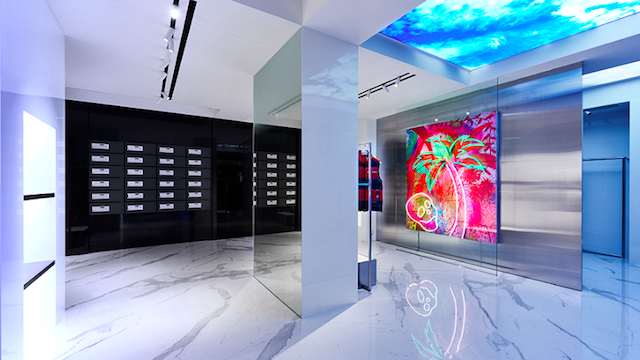
    Palm Angels Hong Kong has opened its first flagship store, selecting a site in Patterson Street, Causeway Bay. The interior of the store was designed by Palm Angels founder and creative director, Italian Francesco Ragazzi, in partnership with Studio April. From the outside, the store draws the attention of passersby with its minimalist facade, bright LED signage and white lacquered glass panels.

    The interior design was inspired by a white cube gallery and clothing is displayed throughout the store more like pieces of art. The floors are made from polished marble and steel furniture stands out against white walls.

    The Palm Hong Kong flagship also features paintings and neon artwork created by Canadian artist Thrush Holmes.

    In June, Palm Angels Hong Kong opened a pop-up store in partnership with global fashion group HBX to introduce the exclusive Palm Island capsule collection and gauge interest in the brand among Hongkongers.

  • Moncler open store in Changi Airport

    Moncler open store in Changi Airport

    DFS Group, the world’s leading luxury travel retailer, is pleased to introduce global luxury brand Moncler at Changi Airport Terminal 1. The opening of the new Moncler boutique adds an important presence within the DFS Group’s luxury fashion offerings that are housed within a world-class travel retail destination.

    The new Moncler boutique represents a new milestone that reflects the DFS Group’s focus on experiential shopping. It also complements the DFS Group’s impressive luxury retail line-up at Changi Airport, which is home to a prominent stable of premium fashion offerings. The latest collaboration with the fashion-forward and iconic outerwear leader underlines DFS Group’s commitment to deliver the finest product offerings and exclusive experiences to fashion-conscious shoppers.

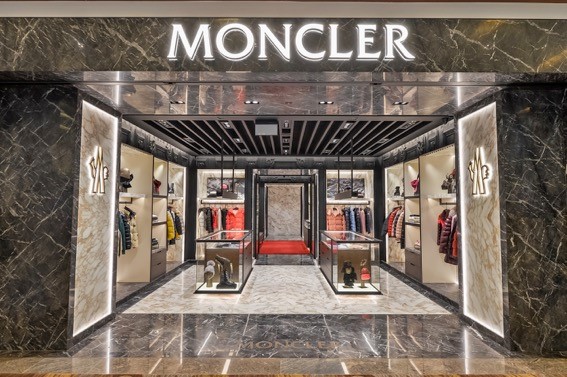
    The new boutique reflects Moncler’s haute montagne aesthetic and vision, at the same time keeping in tune with the maison’s roots and heritage. Boasting a floor area that measures around 110 square metres, the clever layout maximises the use of space while the addition of select materials adds a contemporary feel. A unique effect has been achieved with the marble flooring, which alternates herringbone white Calacatta Vagli with black Gricio Carnico, while sleek glass cases with black varnished wood complete the look. The boutique hosts the Moncler men’s, women’s and accessory collections.

    “We are very honoured to welcome a distinguished and respected heritage brand such as Moncler into our portfolio of fashion and watch brands. As part of the strategy to up the ante of the retail experience for our global travellers when they visit DFS Changi, Moncler has been carefully curated to offer a wide selection from their latest collection for savvy travellers.” Wilcy Wong, DFS Group Managing Director Singapore and Indonesia, shares.

    Teo Chew Hoon, Group Senior Vice President of Airside Concessions from Changi Airport Group adds, “We are pleased to open the first Moncler boutique with our valued partner DFS Group to offer passengers an exceptional shopping experience with fashion offerings from luxury to high street designs across a range of price points.”

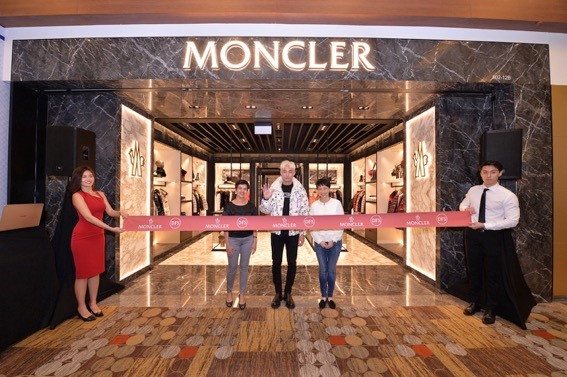
    The boutique was officially opened on 14th December with a grand opening ceremony. The festivities featured a ribbon cutting ceremony officiated by renowned local actor Desmond Tan with Wilcy Wong, DFS Group Managing Director Singapore and Indonesia and Chandra Mahtani, Changi Airport Group Vice-President of Terminal 5 Planning. Hosted by Constance Lau, the ribbon cutting ceremony and lion dancers kick-started the celebrations for esteemed guests, who were treated to a live nitrogen cocktail performance and styling tips by Celebrity fashion stylist and personality, Glenn Goh.

  • Bottega Veneta opens Tokyo flagship store

    Bottega Veneta opens Tokyo flagship store

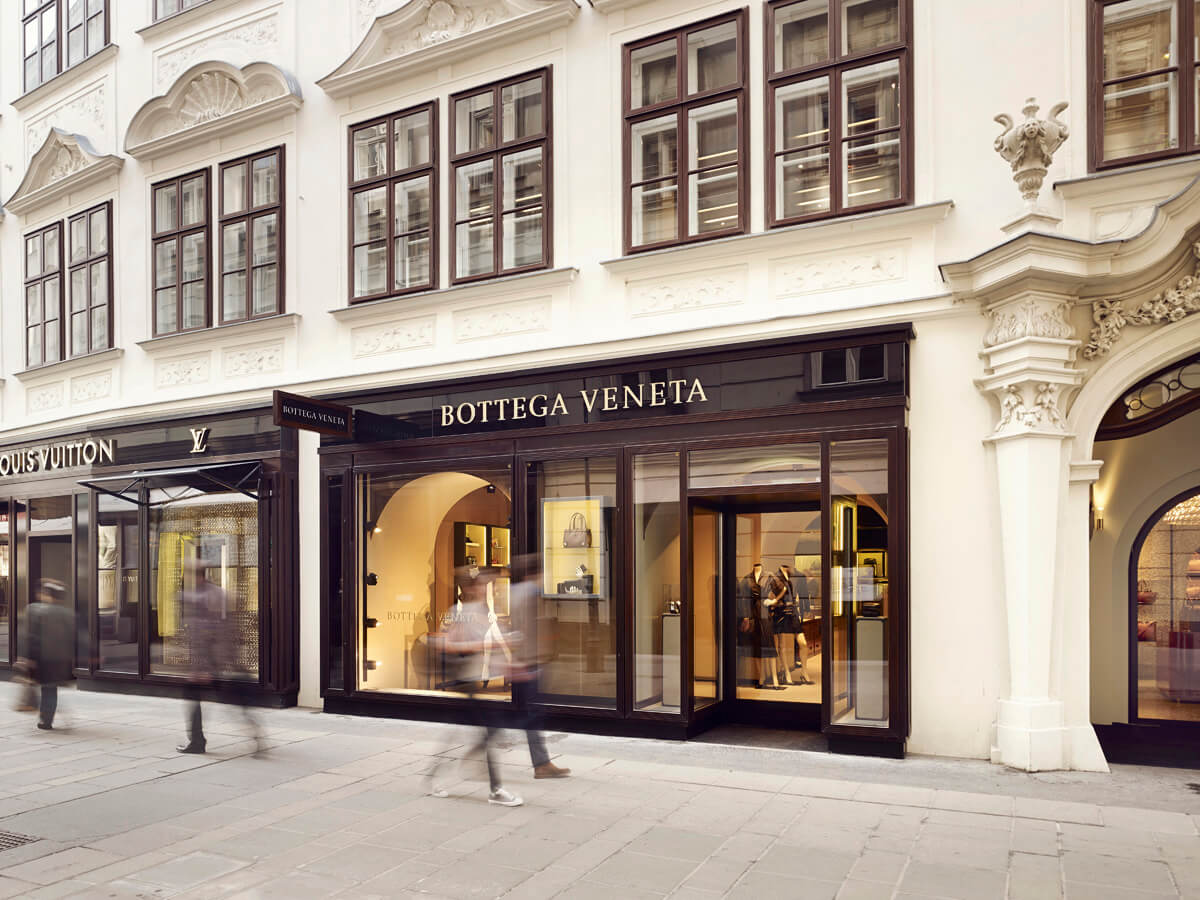
    High-end Italian label Bottega Veneta is launching a new flagship in Tokyo this Saturday. The six-storey store at Ginza Chuo-Ku is the brand’s largest in the Asia region, and features men’s and women’s ready-to-wear, leather goods, handbags, eyewear, footwear, fragrances, jewellery and home decor.

    The store’s facade is composed of more than 900 metal panels similar to a motif featured on the brand’s handbag range, while the understated interior design matches Bottega Veneta’s furniture aesthetic.

    The label’s GM Claus-Dietrich Lahrs said in a statement that the Japanese clientele is important and extremely loyal – adding that Japan is one of the world’s leading markets for Bottega Veneta.

  • Heron Preston makes debut in Hong Kong

    Heron Preston makes debut in Hong Kong

    U.S. brand Heron Preston which, as Vogue defines it, finds the interface of luxury and streetwear has arrived in Hong Kong. The New York-based designer announced on Instagram that his Hong Kong debut also served as Heron Preston’s first-ever storefront anywhere.

    “I can’t believe I started hand printing t-shirts in San Francisco and now I’m here. I want to thank my amazing team for the love and support!” he said.

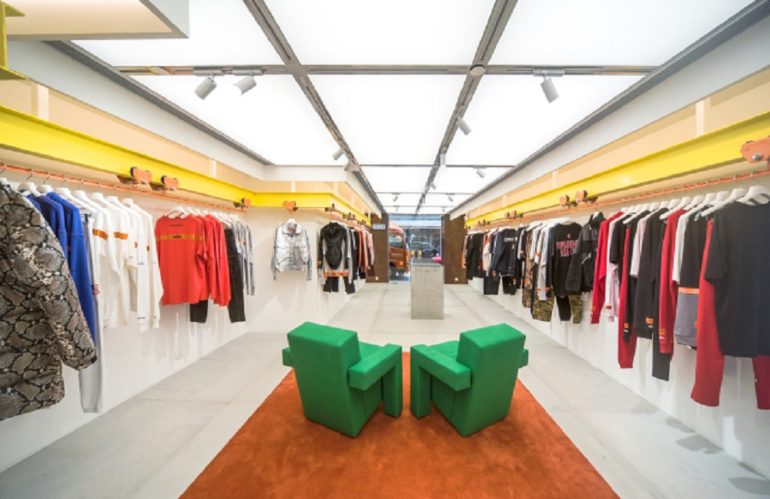
    Located on Paterson Street, Fashion Walk, in the city’s Causeway Bay area, the new Heron Preston store was designed by the contemporary designer too.

    Inside, Hong Kong shoppers are greeted by industrial interior fixtures such as steel shelving, painted wooden crates and licks of safety orange throughout.

    An emerald green chair is set up in the centre of the shop next to the concrete sales counter. The light is bright and remainder of the store minimal in design, allowing the Heron Preston collections to speak.

    Offering a full selection of the designer’s wares, clothes are displayed hanging from the racks, with accessories kept under the glass shelf of a table and hosted on shelves.

    Marking the store opening, Heron Preston has teamed up with fellow American and sportswear heavyweight Nike for a limited edition eyewear collection.

    Dubbed “Nike Tailwind HP Sunglasses”, the glasses are lightweight and wrap-around style, the frames mimicking the brand’s innovative rubber ventilation. The collection comes with interchangeable lenses too.

    A standout piece is the Nike MAX Optics glass, which comes with an anti-fog Flying Lens setting.

    The collection dropped worldwide November 29 and is available at Nike store and Heron Preston sales points.

  • Chanel to stop using exotic skin in its collection

    Chanel to stop using exotic skin in its collection

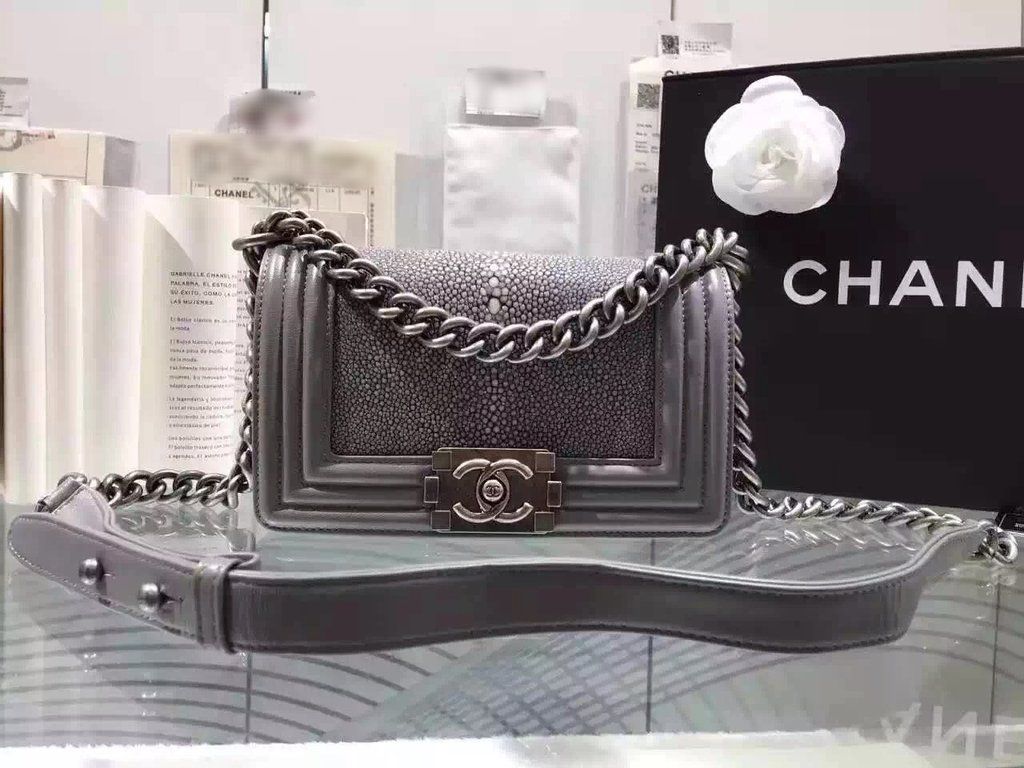
    Ahead of its pre-fall 2019 Métiers d’Art show in New York’s Metropolitan Museum of Art, Chanel has said it will “no longer use exotic skins in [its] future creations”. The exotic skins in question include crocodile, lizard, snake, stingray and fur, of which Chanel uses very little.

    The decision is down to the fact it is becoming increasingly difficult to source skins that meet the house’s quality and ethical standards. “There is a problem of supply and that was not Chanel’s business anyway,” Bruno Pavlovsky, president of Chanel fashion and president of Chanel SAS, commented. “We did it because it’s in the air, but it’s not an air people imposed to us. It’s a free choice.”

    The brand’s attention will shift to the research and development of materials and leathers generated by “agri-food” industries.

    “The future of high-end products will come from the know-how of what our atelier is able to do,” Pavlovsky continued. It will, however, take time for existing goods containing exotic skins to leave Chanel’s distribution network entirely.

    Chanel is the first luxury brand to join labels, including Asos, Nike, H&M, Puma, Arcadia Group and L Brands, which have already banned exotic skins from their product offering.

    The likes of Armani, Coach, Versace, Michael Kors, Gucci, Burberry and John Galliano have pledged to halt the use of fur, however, they have not made the leap to include skins in their entirety.

  • India Ancestry opens first store in Kolkata

    India Ancestry opens first store in Kolkata

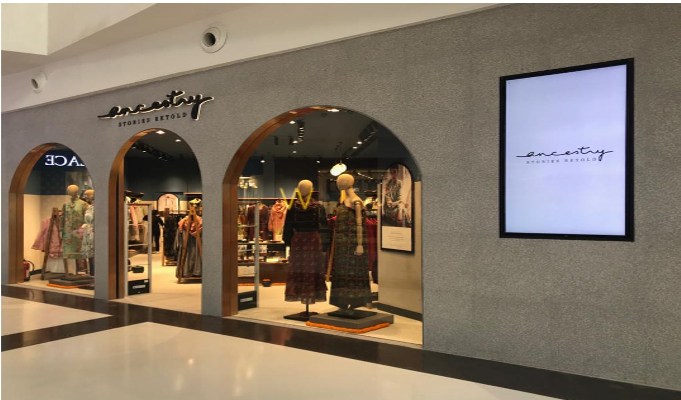
    The newest brand from Future Style Lab, Ancestry, which launched its maiden store in the capital city in May, has recently opened its first store in Kolkata, South City Mall. The brand, which presents a contemporary take on traditional Indian fashion and lifestyle, has earned many accolades in India’s fashion circles already and seems all geared up to woo Kolkatites too.

    Ancestry is inspired by the evolving face of the new age Indian who is self-assured, professionally competent and curious to discover new paths. The brand’s offering, encompassing women’s apparel & accessories, home furnishings, and other lifestyle products, is constantly evolving and is in line with international trends, and yet interestingly rooted in Indian heritage and crafts.

    With pricing that is perfectly suited to any urban Indian’s pockets, Ancestry’s unique collection of dresses, tops, and tunics are created completely using natural fabrics, thereby offering an unmatched quality and fashion sensibilities in that price range. This is one of the key reasons why the brand’s products have nearly flown off the shelves at its current stores in Delhi and Mumbai.

    For the new store launch, Manjula Tiwari, CEO at Future Style Lab, the parent company of Ancestry, said, “Ancestry provides an unparalleled, modern-day experience of old-style Indian artistries, and we’re sure that the brand’s offering will find much love and appreciation with our consumers in Kolkata. We’re truly excited about launching this store, and are thankful to South City Mall for providing us with an impeccable space and opportunity, right in the heart of Kolkata.”

    Ancestry’s tagline #StoriesRetold, perfectly sums up its ethos, for every line of products the brand comes up with tells the story of a particular craft or tradition, but in a way that is suited to the new-age lifestyle.

  • Korea’s brand Tonymoly inked partnership with Moschino

    Korea’s brand Tonymoly inked partnership with Moschino

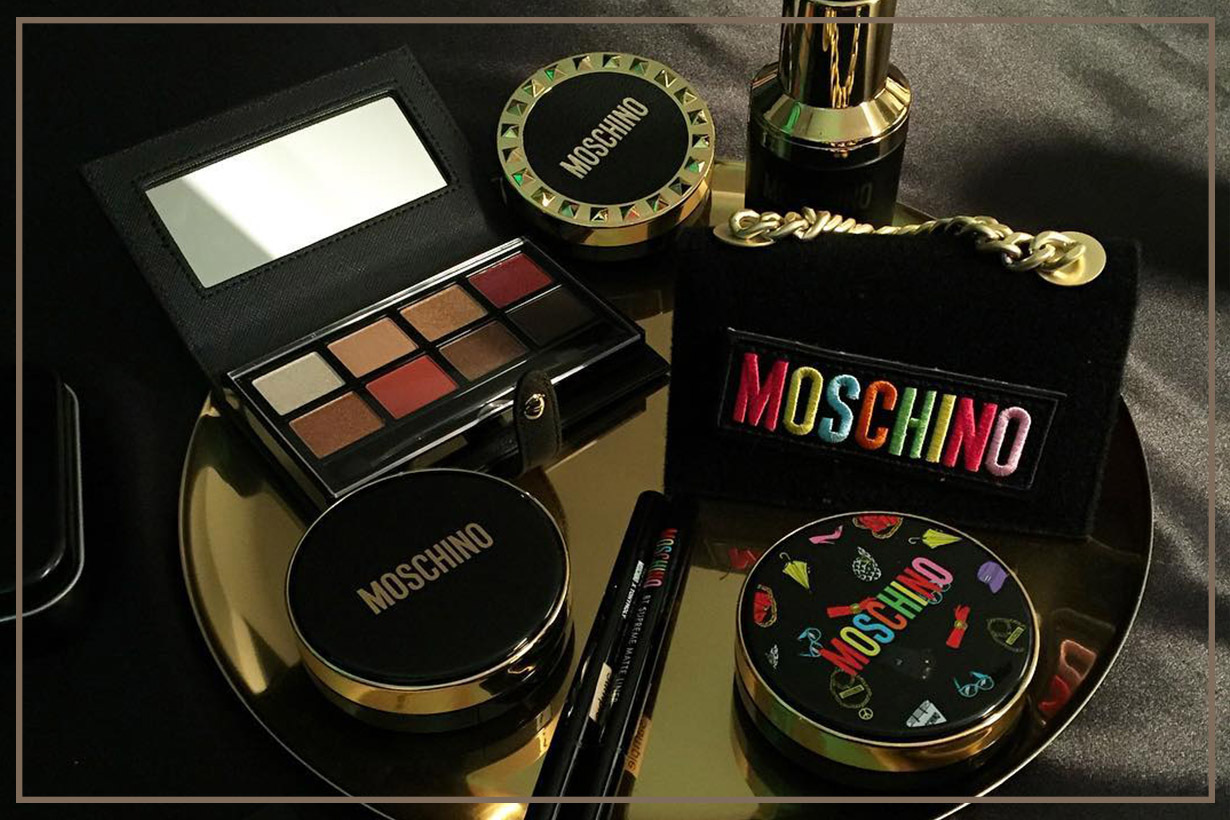
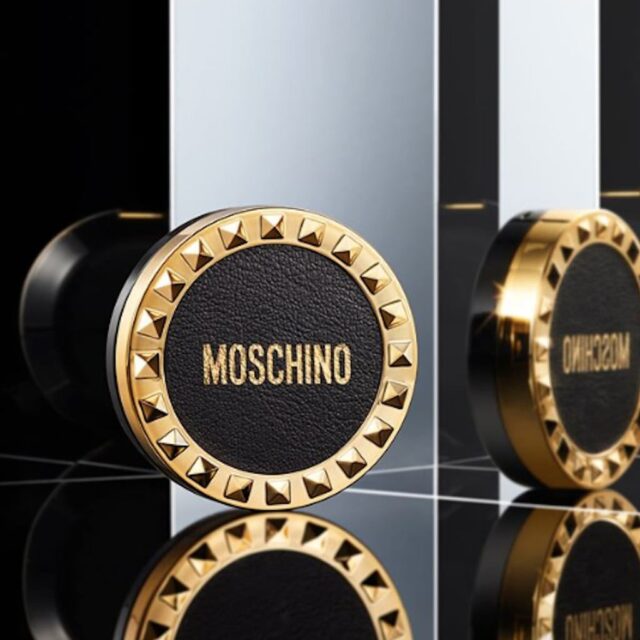
    Italian fashion design house Moschino has released a collaboration with South Korean cosmetics brand Tonymoly on a collection of makeup and skincare products. The collection includes a cosmetics line and a few skincare items in sleek black, white, gold and rainbow packaging. The full range will be available from Tonymoly’s US web store throughout December.

    Moschino also collaborated on a reportedly fast-selling fashion line with H&M earlier this year. South Korean cosmetics brand Tonymoly sees the US as a key market in its plan to accelerate international growth.

  • Zara lipstick launched online

    Zara lipstick launched online

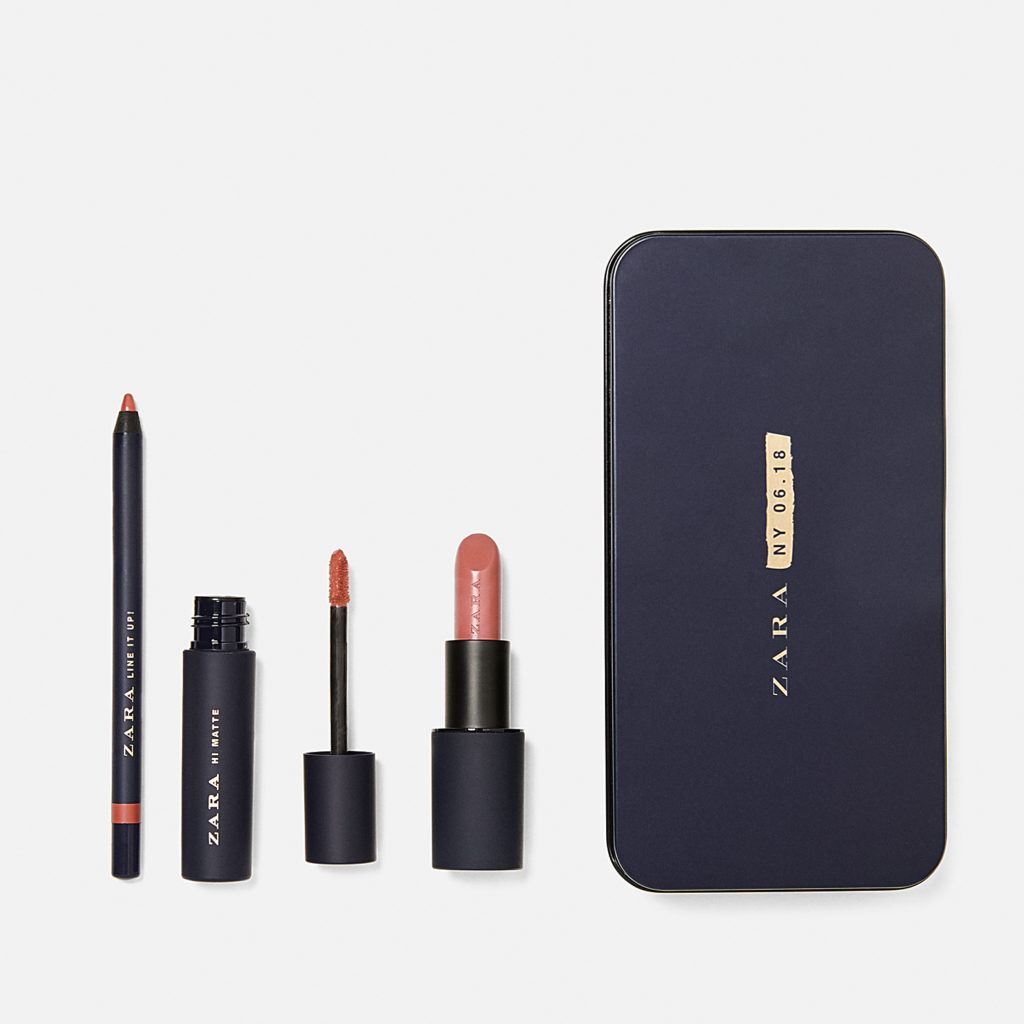
    Zara lipstick goes on sale this week – but only online. The fast-fashion brand’s first lipstick collection – called Zara Ultimatte – marks a continuing expansion of its beauty and cosmetics offer. Sister brands Bershka and Pull&Bear already have makeup lines, targeting younger consumers.

    Parent company Inditex says the collection was “inspired by the kind of makeup needed to create ad campaigns”. It is based on a colour palette created by British make-up artist Pat McGrath, (famous for working with Christian Dior and Armani Beauty, among others).

    The French-made Zara lipstick collection was designed in Los Angeles, featuring 12 high-pigment lipsticks, eight liquid-matte lipsticks, a box kit with three red colours and a limited-edition, behind-the-scenes kit. Prices range from €7.95 to €19.95. While available only on the Zara website, the company will ship worldwide.

  • Cover Story to launch accessories line soon

    Cover Story to launch accessories line soon

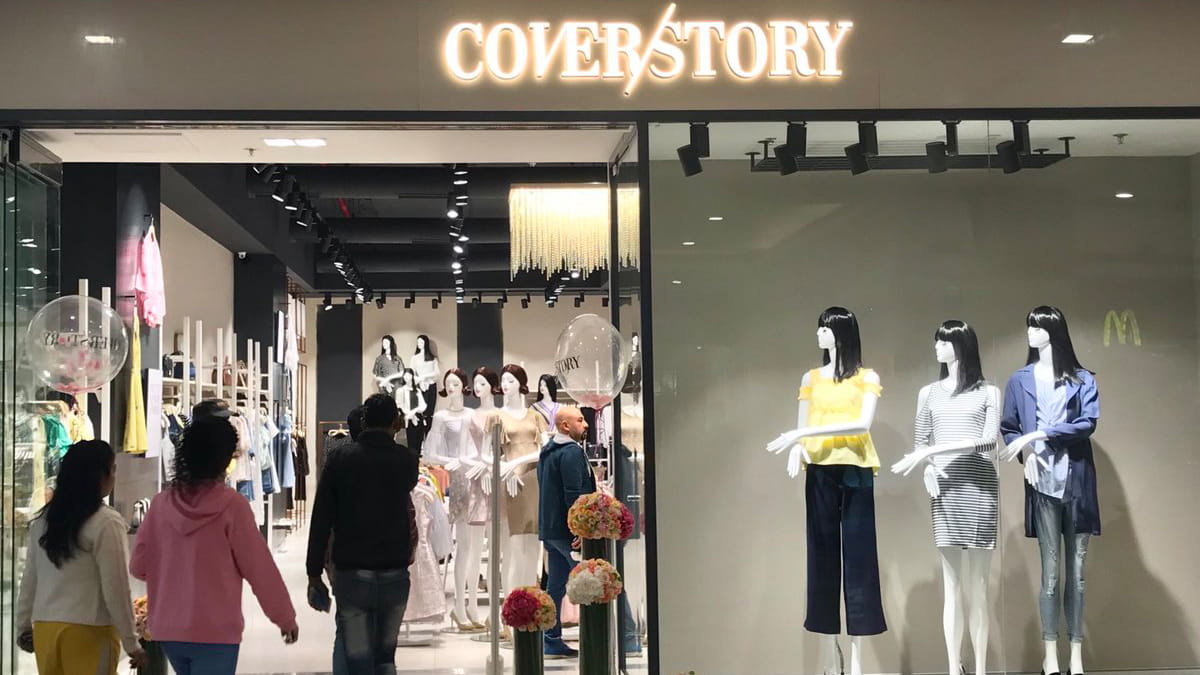
    Kishore Biyani-led Future Retail launched fast fashion brand Cover Story almost two-and-half years back with an aim to take international brands like Zara and H&M head on. The company then proceeded to set up a design house based out of London to develop cutting edge fast fashion. This design house was dubbed Future Style Lab, a wholly-owned subsidiary of Future Group, which developed and procured styles for Cover Story. And since then there has been no looking back.

    According to Manjula Tiwari, CEO, Future Style Lab, a fantastic growth has been seen for the brand, in terms of its popularity with customers and retailers alike. “Being just a 2.5 year old brand, Cover Story has established itself as a formidable competitor in the fast fashion space to international players. The brand is among one of the very few Indian brands to be present on ground floor locations across the leading malls in India, a great indication of the journey so far.”

    “We place customers in the centre of all that we do. Our product is a blend of latest trends and suitability in the Indian context and that has struck the right chord with our customers,” she adds.

    Target Audience

    The target audience of the fast-fashion brand is the 23 to 40 year old, financially independent woman with a rising disposable income which she loves to splurge on frequent shopping trips.

    “She thrives on social media, is a traveller in spirit and embraces new experiences. She frequently seeks to refresh her wardrobe. Feminine and eclectic, she switches effortlessly between Indian and western wear. Dressing up for her is a form of self-expression. She is modern but rooted,” says Tiwari.

    Store Design

    All Cover Story outlets are designed to recreate the intimate boutique and provide a comfortable shopping experience. The layout is layers of transparency with opacity, which encourages a sense of discovery while shopping.

    “A warm and neutral palette has been chosen for the store as well as all the equipment in it. Colours such as Rose Gold have been opted for, to give the place a feminine touch, to help women identify with the store,” states Tiwari.

    The display panels in the store are designed to look like magazine editorials. Exclusive fashion clusters display merchandise as if they were stories, luring women into reading them.

    Visual merchandising is done by and premium in-store windows are designed by London stylists on the lines of international luxury brands. The cash counter mimics a woman’s vanity bag, while changing rooms have seating for the comfort of waiting friends and family.

    “Customers can browse tablets with fashion content and styling tips. Cover Story’s in-store ‘selfie booths’ are bound to create brand excitement. Consumers can browse through stores and merchandise, share their personal information, and then have their shopping home delivered,” asserts Tiwari.

    Shoppers can even make a request for sizes not currently available at the store. A personal shopper then locates the size from other outlets and delivers it to consumer.

    Product Category

    The brand offers around 450 SKUs per season under the categories like dresses, tops, tees, trousers, skirts, shorts, jackets and sweaters.

    “We also do footwear and bags and are planning to launch a jewellery and accessories line,” reveals Tiwari.

    “Dresses and tops are our fastest moving categories because we provide a wide variety in both categories for all occasions. Also these categories are generally the most sought after categories by women in general,” she adds.

    Marketing Strategy

    The marketing strategy of the brand is a healthy mix of generating brand awareness and driving traffic to the stores to convert to sales.

    According to Tiwari, “We ensure our campaign imagery is of high quality and for that we shoot internationally to bring forth the true image of the brand, being designed in London. Locally, we rely on heavy mall activations and branding to steer the customer to our stores. We also turn to Instagram as a great tool to highlight our fashion authority in the market along with a lot of support from celebs and influencers.”

    “We believe the future of consumer engagement is to get personal – create a connect with the consumer through great experiences. We intend to bring our customers a connect to our London designers with regular events and interaction, and to create constant content around international fashion and style to establish Cover Story as a go to fashion authority for the Indian consumer,” she adds.

    Future Plans

    The brand, which has 23 EBOs, 61 SIS across the country and presence on 5 online channels, will cross 100 doors by the end of this year.

    “We have been more than doubling the turnover every year and same store sales growth has been in the health double digits. Currently online contributes 5 percent to the overall revenue and we see it growing significantly in the times to come,” concludes Tiwari.

  • Uniqlo online Hong Kong launches soon

    Uniqlo online Hong Kong launches soon

    Uniqlo Hong Kong will launch its online store on December 4. A spokesperson for the company said the online platform for Hong Kong and Macau is a fitting solution considering rising rentals and limited space for retailers in Hong Kong, along with the strengthening popularity of e-commerce in the region.

    The brand has operated an online flagship on Alibaba’s Tmall for nine years and has had its own online shop since October.

    According to Uniqlo’s CEO for Greater China Ning Pan, the two existing e-commerce platforms take 15 per cent of sales in China, the majority of that figure from Tmall.

    He explained that while TMall remains an important strategic partner, the new platform will allow the firm to leverage analytics and AI to evaluate buyer preferences.

    The Hong Kong site is now under testing, and will be fully operational come launch day in December.

  • FILA India collaborates with Streetwear Label Norblack Norwhite

    FILA India collaborates with Streetwear Label Norblack Norwhite

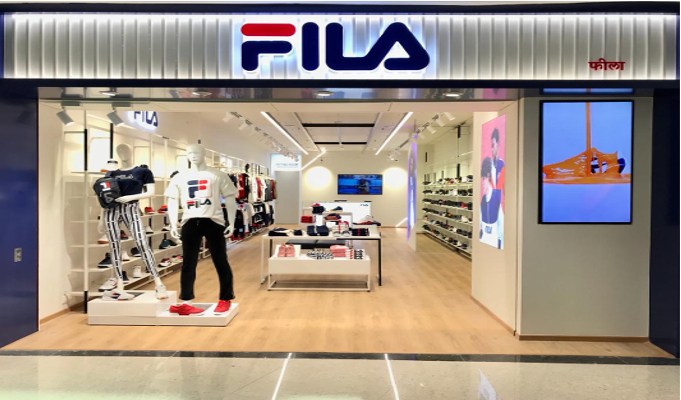
    The Italian sports-fashion brand Fila has announced its first ever Heritage collaboration with indie streetwear brand Norblack Norwhite which are now available in its stores. FILA India’s partnership with Norblack Norwhite pays homage to a heritage of textiles from Italy and to the age-old traditions of Indian textile makers, debuting with this India-only exclusive collaboration.

    Fila India’s Creative Director, Abdon Lepcha worked closely with NBNW for almost a year to design a limited edition collection that fuses iconic FILA silhouettes with their signature prints and patterns. The collaboration is a fusion of Indian streetwear with sports fashion. The collection was created applying the NBNW love for pattern and color, keeping it breathable within the sporty space. The styles focus on comfort, playing off some of Norblack Norwhite’s textile styles applied in a new way to work with Fila fabrics.

    Speaking on the collection, Mriga Kapadiya & Amrit Kumar said, “NBNW celebrates textiles and colors and patterns so creating within the FILA form and brand has taken us out of our comfort zone and pushed the boundaries on our design capacity. Fila is a brand we grew up on and we were super excited when Fila India approached us to collaborate on this capsule collection. We’ve never got to design athletic wear and it’s been super fun and also challenging to apply our style and aesthetic in this form! It’s important for our process to stay true to things we feel comfortable and empowered in while balancing the visual story of our favorite elements of India combined with our guiding feelings of classic streetwear.”

    Rohan Batra, the MD of Cravatex Brands, the Licensee for Fila in India, says, “This collaboration is one that is very special for us. It is the first time a global brand has collaborated on an entire collection with an Indian streetwear label. The limited India-only drop for the collaboration is part of our commitment to building and nurturing the streetwear fashion culture in India.”

    The collection comprises of baseball jerseys, tracksuits, fanny packs, tees and a special edition Disruptor. The price points for apparel, footwear and accessories start from Rs 1,999 and go up to Rs 8,999.

  • Catwalk to be presented in Dear So Cute China store

    Catwalk to be presented in Dear So Cute China store

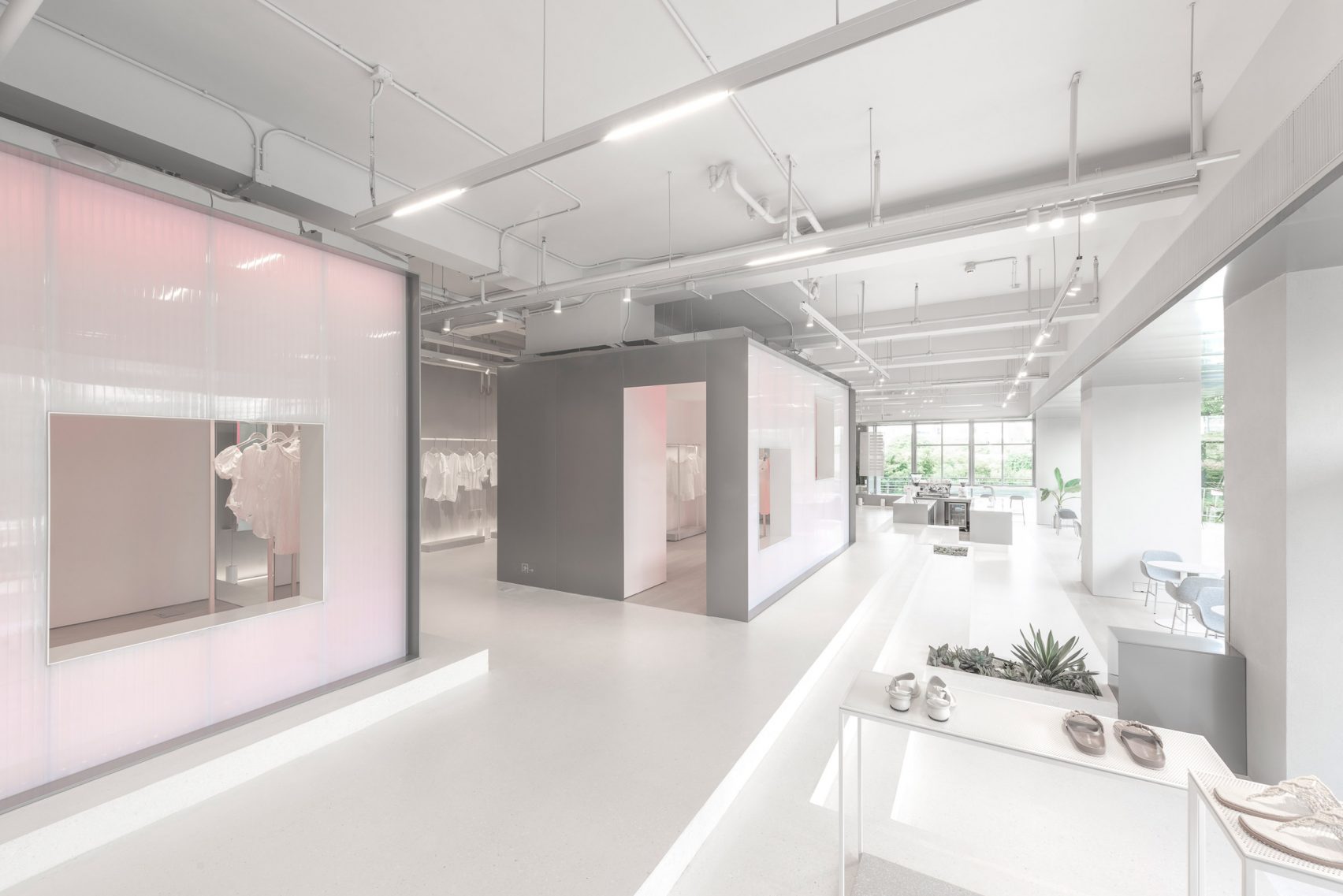
    Design firm Lukstudio has created a theatrical-style shop and cafe as a promotional and retail space for fashion platform Dear So Cute in Chinese Haining. Inspired by South Korean cafe/fashion trends, the design is intended to communicate the brand’s values and showcase products to younger consumers. The store layout features a backstage rigging system to adjust display features as with a theatre stage, and incorporates elements of the Hainingese shadow puppet tradition in its design.

    According to a report, the retail space emphasises the brand’s “forever young energy” with a minimal, contemporary look and pink highlights, serving as a neutral backdrop for the activities going on in the space. One standout feature is a stage in the fitting room area for customers to “catwalk” before friends while deciding on purchases.

    “In today’s retail environment, most people shop online for the convenience and the reassurance of the review system,” Lukstudio’s founder Christina Luk said. “However, I believe when it comes to delivering a brand’s identity and values, the physical store is much more effective.”

    View the store design in the gallery below (7 images) :

  • Why you should adopt more diverse influencers?

    Why you should adopt more diverse influencers?

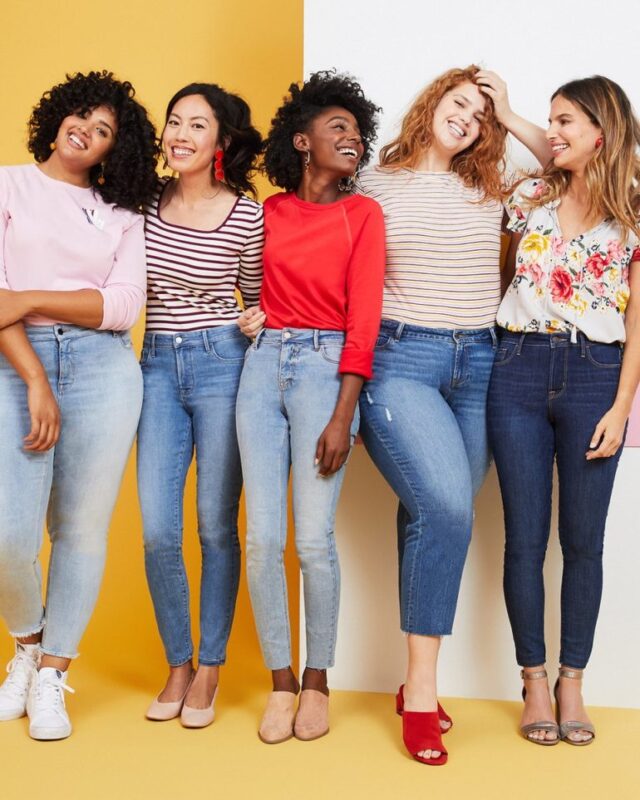
    Diversity, or lack thereof, is at the forefront of fashion industry discussions, with runways and advertising campaigns constantly—and rightly—scrutinised. Less has been said about diversity among prominent influencers, the new drivers of sales who are celebrated for their authenticity and ability to connect with customers.

    Thin, light-skinned women aren’t the only clothing shoppers, so why are so many of them the go-to for brands as they put together campaigns?

    Now several influencers, and a handful of talent agencies that represent them, are leading the charge to shake up the staid and stale landscape.

    They’re creating their own campaigns to highlight opportunities and content possibilities—along with #YouBelongNow, there are the hashtags #SupersizeTheLook and #ChicAtAnyAge — putting together initiatives to encourage and celebrate new voices in a greater range of ethnicities, sizes, and ages.

    The problem, many say, stems from the fact that the people organising the campaigns are not thinking about diversity when it comes to casting. It’s a continuation of the narrow view of beauty historically depicted in advertising, contends Jennifer Jean-Pierre Maull, a Haitian-American blogger and photographer from Washington, D.C with almost 16,000 followers on Instagram. “We need to change what we consider beautiful, we need to change what we consider marketable,” she said.

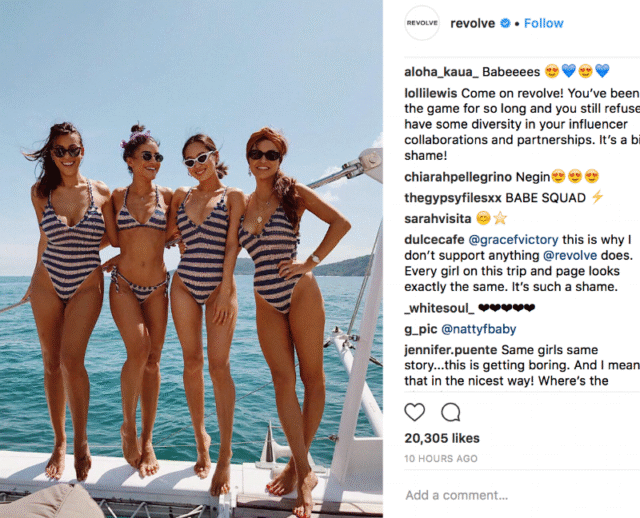
    Consider trendy online retailer Revolve: known for its influencer trips to far-flung corners of the globe, documented glamorously and exhaustively for its 2.6 million Instagram followers.

    Last January, as its squad took to the beach in Thailand, the attention turned from glowing to heated over the lack of diversity in its ranks. A shot of more than a dozen light-skinned swimsuit-clad slender women garnered more than 700 comments. A commenter tagged the picture #RevolveSoWhite.

    Revolve, which recently filed for an IPO and generated sales of $400 million last year, has never been a brand to highlight diversity, but whether or not that has had an effect on its sales is unclear.

    Revolve’s earned media value (EMV) dropped during the controversy to the brand’s lowest for the year, at $83.8 million. That cannot be solely attributed to the controversy, however, but “to the natural ebb and flow of events and campaigns.” And the dip was temporary: Revolve’s EMV bounced back to more than $140 million in each of the subsequent two quarters.

    In the firestorm, Valerie Eguavoen saw an opportunity.

    As the moment drew headlines, the North Carolina-based blogger and social justice advocate seized the chance to launch a new Instagram handle, @YouBelongNow, designed to celebrate people of all ethnicities, religions, sexualities and clothing sizes.

    “There are so many women who I could have seen on that trip, who belong in this space,” she said. “We have to get rid of this narrative that we don’t exist or it’s hard to find us.”

    Jean-Pierre Maull has kept tabs on what talent agencies she booked gigs with and which ones she hasn’t. In the latter camp was Fohr, based in New York and co-founded by James Nord. Over the summer, Nord addressed the Revolve controversy in a YouTube video, calling the retailer out for its practices while also suggesting it could be intimidating for brands to reach out to new influencers. Jean-Pierre Maull penned her response in a lengthy blog post. “Our POC (people of colour) community is not an alien force,” she wrote. “It is not hard to send a POC blogger the same pitch email that you send to others.”

    She emailed Nord, requesting to talk with him, one of many ongoing discussions Nord has had in recent months. “I leaned on this group of amazing women who did call me out,” he said.

    “Sometimes we just need to open up the conversation instead of just being angry,” Jean-Pierre Maull said. “Those in power must be self aware enough to see where they may be lacking or not doing enough.”

    One result of the chats Nord has had is a new mentoring program, called Freshman Class, to promote underrepresented influencers. More than 1,600 influencers applied, and 85 finalists were chosen. The ten winners include Alysse Dalessandro, queer plus-size fashion blogger; Ali Hemsley, a fashion influencer with a focus on chronic illness and mental health; and Destin Grayson, a menswear blogger. The winners will be flown to New York for three days of educational and networking opportunities.

    Nord hopes to help newer and lesser-known influencers build a network that can serve as sounding board, to discuss opportunities and pay rates.

    Jean-Pierre Maull said she was worried the initiative would seem like “someone need to swoop in and save” POC bloggers.

    The result, she says, has been anything but; it’s helping establish even more of a sense of community.

    “There is no lack of diversity in influencers, there is a lack of diversity in influencer campaigns,” Nord said.

    Relatability is a crucial part of influencer effectiveness, which is all the more reason why influencer campaigns should feature a more diverse range.

    Old Navy, a division of Gap Inc., looks for a range of sizes and family compositions in its influencer casting, then features them as models in its social feeds and digital marketing.

    “We’re looking for someone who people can see themselves in,” said Liat Weingarten, Old Navy’s vice president of brand communications.

    So far this year, Old Navy’s top two performing social posts featuring people (not just product), based on number of likes, comments and shares, are diverse group shots of influencers.

    One, highlighting dresses from its #SizeYES campaign, received more than 11,000 likes and more than a hundred comments. “My first thought when I saw this was: love this beautiful, diverse group of models!” wrote one commenter. “More of this, please!”

    And then there’s Revolve competitor Fashion Nova, which uses its Instagram account to highlight women of all ethnicities and sizes in its barely-there clothing.

    Its influencer hashtag, #NovaBabe, drove $54.1 million in earned media value from the second half of last year through the first half of this year.

    Mentions for @fashionnovacurve, the account for its plus-size line, generated $61.5 million in EMV.

    Followers are watching what brands are doing closely, too, said Scout the City blogger Sai De Silva.

    “When I go to events, I feel like there’s no one like me,” said Silva, whose followers have asked why she was the only woman of colour or woman with curly hair at a party “I live in New York City, how could there not be one other Puerto Rican [influencer]?”

    Influencers are finding that being proactive is the only way to move the conversation forward.

    Max Stein, founder and chief executive of agency Brigade Talent, said some of his clients will ask who else is participating before agreeing to a campaign, in the context of making sure a brand or company aligns on values—not just aesthetic. “It’s important to them that [diversity] is a value of the brand that they choose to partner with,” he said.

    However, not all brands are responsive in the way an influencer might want them to be.

    “There is sometimes a lack of cultural awareness and cultural sensitivities,” said Jaia Thomas, co-founder of The Presley Group, a management agency promoting diversity within the influencer space.

    Thomas, an entertainment lawyer, pointed to the time one of her African American clients was asked to do a post about watermelon. “There’s a long history of racial tropes and stereotypes associated with African-Americans, an affinity for watermelon being one of them,” Thomas said. “It’s important for there to be African-Americans in the room when creating social media campaigns so they can quickly and easily identify these stereotypes and ensure companies steer clear of them.”

    So, when will brands wise up? The enthusiasm that comes with a highly-engaged, targeted follower base is a big selling point in today’s noisy marketing field.

    “I don’t have a million followers,” said Katie Sturino, the force behind the handle and site The 12-ish Style. “What I do have is an audience that believes in what I’m saying and believe that if I’m showing them something, I like it.”

    Sturino’s best-performing content comes from two popular hashtags on her own account, both calling attention to sizing deficits within the industry. She recreates stars’ ensembles in #SupersizetheLook, with photographs of herself in similar outfits, performing 77 percent better than her average posts.

    Sturino also started the #MakeMySize hashtag, pairing pictures of herself in garments that are too small with captions asking brands to make a broader range of sizes, performing 65 percent better than her average posts.

    Sturino wishes more brands would take the time to find new personalities, and involve those newcomers earlier in the product-development process. “You pay them to wear the clothes, why don’t you pay them for their opinions, too?” she said.

  • Kylie to expand her makeup line

    Kylie to expand her makeup line

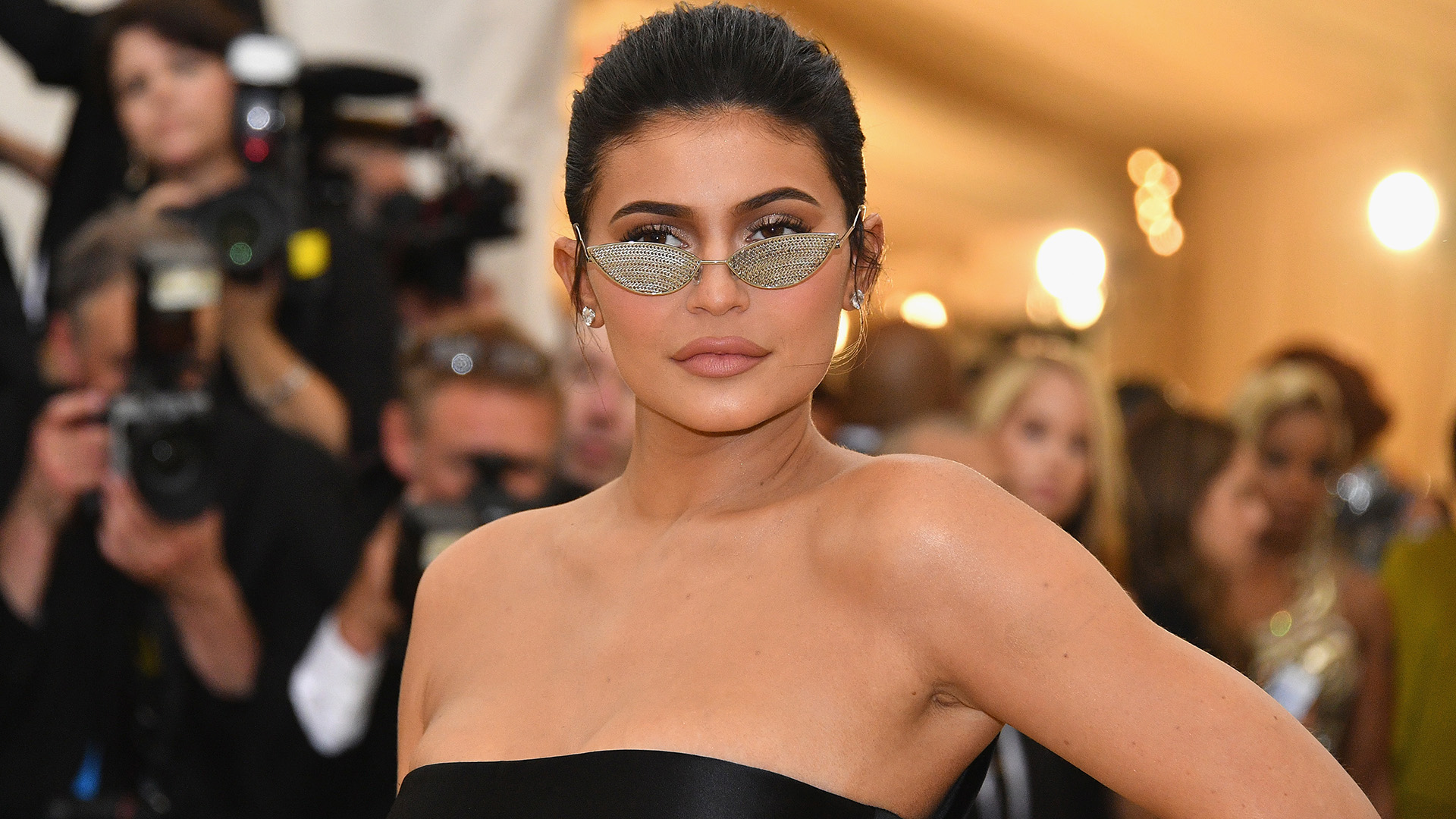
    Reality TV star Kylie Jenner has announced she is expanding her cosmetic line from online to in-stores. After launching her own makeup line in November 2015 and with the company nearly three years old, Kylie’s products can be purchased from all Ulta Beauty stores around the US.

    “So I’m going to be starting of with just my best lip kits first, and then I’m going to be expanding and adding a lot more things super fast,” the 21-year-old wrote on Instagram.

  • Post-Instagram age : What’s next?

    Post-Instagram age : What’s next?

    Oscar de la Renta was early to Twitter, early to Tumblr and, yes, early to Instagram. So in July 2013, when the American fashion house debuted its fall advertising campaign via the app, the industry was hardly surprised. It was a little thing. An experiment. After all, the Norman Jean Roy-shot images would still run in the September issues of every major fashion magazine.

    Actually, it was a “really big deal,” recalled Jason Wagenheim, a former Condé Nast publishing star who was, at the time, Teen Vogue’s chief revenue officer.

    “That was a real tipping point for fashion,” said Wagenheim, who left the legacy publisher in 2015 and is now chief revenue officer of Bustle Digital Group.

    “Here is this expensive luxury brand and their fall campaign, which everyone looked forward to seeing in the print pages of Vogue; and yet everyone is talking about the engagement — the bajillion likes within hours — that the campaign got on Instagram. It foreshadowed that this could be bigger than any fashion magazine.”

    In reality, each of the Oscar de la Renta advertising images attracted not much more than 1,000 likes within the first hour of their posting.

    But the campaign was indicative of a much wider shift that has transformed fashion, changing how publishers publish, how brands brand themselves, and how consumers consume.

    Brands have closed, stores have shuttered, magazines have folded — and both survivors and upstarts alike are fighting for consumer dollars in a new world where the formula for success is not nearly as clear as it is once was.

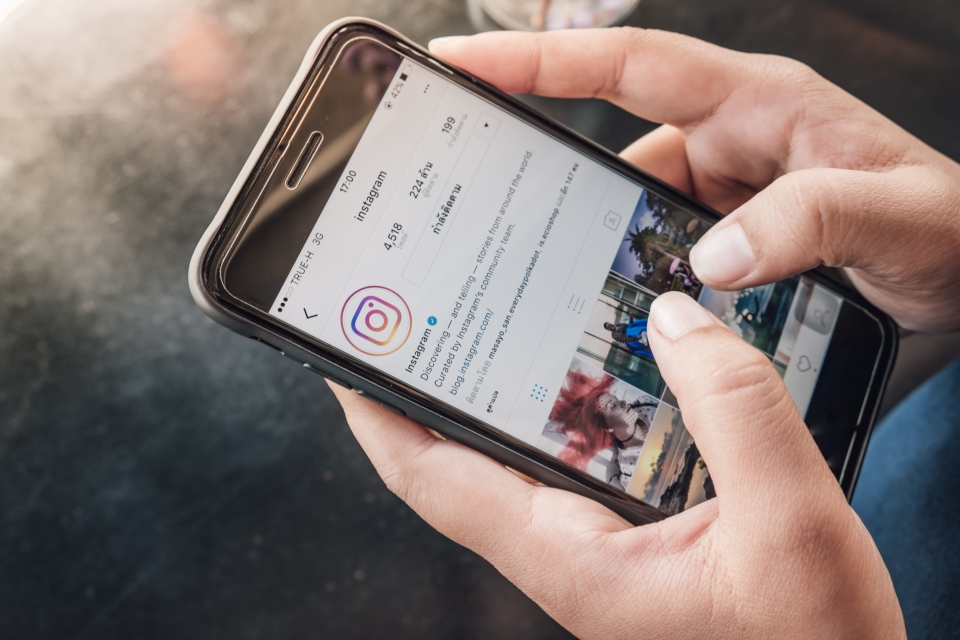
    And no single entity has had as lasting an effect on the fashion ecosystem as Instagram, the photo-sharing service let loose on Apple’s App Store on October 6, 2010.

    Three years later, when Oscar de la Renta drip-dropped those images down its feed, traditional print magazines like Vogue were still the arbiters of style.

    It feels like a long time ago. But back then, their authority remained intact and largely unchallenged, despite the rise of independent publications that operated outside of the traditional publishing industry and the emergence of digital brands that sold directly to consumers.

    But it’s 2018 now, and times have changed.

    Instagram, which was acquired by Facebook for $1 billion in 2012, is where people now go to discover fashion content and, increasingly, to shop, with 72 percent of users saying they have made fashion, beauty or “style-related” purchases after perusing the app, according to a 2017 study of 2,000 Instagram users.

    Instagram claims that more than 90 million users tap to see tags on shopping posts each month.

    In some ways, it was inevitable.

    Americans spend only 4 percent of their media-technology consumption hours with print, compared to 20 percent on personal computers and 28 percent on mobile.

    Many of them are spending their mobile phone screen time on Instagram.

    In June 2018, the app surpassed the billion-users-a-month mark, up from 800 million users in September 2017. More than 400 million people use Instagram Stories — the app’s more casual slideshow feature — every day.

    Rival Snapchat had 186 million daily active users in its most recent quarter, down from 191 million at the beginning of the year.

    As of August 2017, Instagram users under the age of 25 spend more than 32 minutes a day on the app.

    But the number dips only slightly to 24 minutes for those older than 25. That’s length of a sitcom…or a scan of a magazine.

    Of course, fewer and fewer consumers are buying those magazines. And brands have responded by following consumers online and shifting their marketing budgets from print to digital.

    In 1998, US print advertising revenue was $61 billion.

    In 2008, it was $54 billion, just a 12 percent decrease despite rising internet usage.

    But in 2018, it’s set to clock in at under $15 billion — down a staggering 75 percent from 20 years ago.

    Brands are increasingly using Instagram — via both organic and paid posts — to communicate directly with consumers.

    “Given the rising importance of social media for luxury brands — especially in the context of millennial’s growth — we believe Instagram data can no longer be ignored as a data point for luxury investors, to help them pick the winning brands,” Swiss investment bank UBS said in a recent note, going on to say that high Instagram engagement was a dependable reflection of brand heat.

    There is an unmistakable correlation between the size of a brand’s Instagram following and its retail sales.

    So it’s no surprise that, in the second quarter of 2018, global advertising spend on Instagram was up 177 percent year on year, significantly ahead of Facebook, which saw 40 percent growth in the same period.

    While Facebook still generates the majority of the company’s revenue, which hit nearly $41 billion in 2017, analysts estimate that Instagram will generate $8 billion to $9 billion in 2018.

    Projections predict that Instagram will account for about a third of its parent company’s overall ad revenue — and 70 percent of its new revenue — by 2020.

    In some ways, Instagram is to fashion what Napster was to music.

    You still can’t download a dress, but Instagram has fundamentally rewired the industry, replacing print magazines as the primary way in which people discover fashion.

    It’s the foundation on which the industry has built everything from new labels to an influencer economy worth $1.6 billion in 2018.

    All of Fashion Uses Instagram

    Consumers were quick to embrace Instagram, thanks to its simple user experience and flattering, colour-washed filters that made even grainy images look a little bit more perfect.

    They posted photos of their food, their travels and, yes, their outfits. Fashion brands picked up on this quickly, realising that creating content on Instagram — a highly visual platform — would allow them to reach more customers, and soon found themselves locked in a race for followers.

    Even luxury houses like Chanel, which has resisted selling core products online, took it seriously, using the service to post runway looks, campaign outtakes and inspiration boards.

    Some — from Proenza Schouler to Kith — have used the platform to tease their latest collections instead of waiting for a live Fashion Week moment.

    Earlier this year, Dior used Instagram as the main vehicle for the promotion of the relaunch of its classic saddle bag, tapping more than 100 influencers to spread the word.

    While the campaign proved controversial — several of the influencers did not disclose that they were paid to post on behalf of Dior — it was a blockbuster success.

    The #DiorSaddle hashtag drove $3.4 million in earned media value in the third quarter of 2018, beating #PFW, which garnered $2.6 million in earned media for the same time period.

    But it goes beyond the legacy players. “Instagram brands” — mostly independent startups with minimal capital — have caught the eye of major retailers looking to woo increasingly discerning customers.

    Why? Because their audiences are highly engaged, using Instagram stories to shop and direct message — “DMing”, in Instagram parlance — with the brands themselves.

    Labels like Doen, Cult Gaia and By Far boast little-to-no presence at major fashion weeks or within the traditional fashion system, and yet they are the brands industry insiders are most curious about because of the communities that they’ve built on Instagram.

    While Los Angeles-based bohemian apparel line Doen has just about 140,000 followers, it DMs with members of its community every day.

    The result? The brand regularly sells out of its peasant blouses and prairie dresses, creating an online frenzy.

    Cult Gaia, another Los Angeles-based label, may only have 317,000 followers on the platform, but the company says that it is on track to generate $15 million this year: far more than many independent high-end fashion brands with, in some cases, millions of followers.

    Through Instagram, we’ve built our own community.

    Instagram influencers are also launching brands, many with great success.

    Arielle Charnas, the influencer behind the account Something Navy, sold more than $4 million worth of product on the launch day of her collection with Nordstrom.

    In fact, the American department store has released multiple influencer collections, all of which are promoted via Instagram.

    Then there is the creative community, including relatively unknown artists, illustrators and photographers — from Gucci collaborator Jayde Cardinalli to artist Suzanne Jongmans, who has worked with Valentino’s Pierpaolo Piccioli— whose work now has global reach.

    But for Charles Porch, Instagram’s head of global creative programs, the platform’s crowning fashion moment came in October 2015, when American Vogue editor-in-chief Anna Wintour held a dinner during Paris Fashion Week in honour of Instagram co-founder and chief executive Kevin Systrom.

    Together, they celebrated the “Instagirls,” or models who earned or boosted their fame through Instagram, including Kendall Jenner and Gigi Hadid. Donatella Versace was there. So was Pat McGrath. They, too, were hooked.

    “To see the biggest designers, models, people in the industry talking about how much they love the platform, giving their feedback and, actually, huge people being able to talk about the product in depth … seeing their passion for a tech product … that really clicked for me,” Porch said. “They’re in so deep.”

    Earlier that year, Porch had wooed Eva Chen, an Anna Wintour protégé and the former editor-in-chief of now defunct Condé Nast shopping title Lucky, to lead fashion partnerships at the company.

    If Instagram is the modern equivalent of a fashion magazine, then you could call Chen its de facto editor-in-chief.

    Her personal brand — warm, friendly and, yes, democratic — aligns almost too perfectly with that of the platform itself. With more than one million followers, she has developed her own hashtag, written a children’s book, set to be published later this autumn, and earned a seat on the YNAP’s board of directors.

    Part of Chen’s job is to convince fashion industry stars like Kate Moss and Donatella Versace to join and use the app. But most importantly, she helps brands, image-makers, publishers and influencers get more out of their Instagram accounts.

    Chen travels the world to help fashion brands, holding master classes — filled with executives from brands like Madewell, Birchbox and Ralph Lauren — where she offers step-by-step instructions on how to take a good photo, how to get the most out of Instagram Stories, how to use hashtags without spamming people. All things that, if done well, can help improve engagement — and potentially increase sales.

    She also advises them on how to spend their advertising money on the app, although, like a traditional editor-in-chief, she is not cutting the deals and is more focused on organic marketing.

    “Instagram has made fashion more accessible,” Chen said recently one late Friday afternoon at the company’s New York city offices, wearing a pair of brown Gucci loafers and a checked blazer, the sort of off-duty look preferred by many of her friends who remain in print media.

    The Collateral Damage

    In many ways, Instagram has helped to modernise the fashion industry.

    But what about the collateral damage left in the wake of its success?

    Brands are not only pulling advertising from print, but also from legacy publications in general.

    While traditional publishers are still earning a part of the digital pie, brands are splitting up their marketing spends differently than they used to.

    Today, they might devote a certain percentage of budget to influencer marketing, and another slice to advertising directly on Instagram and other social media platforms.

    Oscar de la Renta has been using Instagram as an organic marketing tool for years, but it wasn’t until recently that it began spending a significant amount of its budget there.

    Three years ago, less than 5 percent of the overall budget was dedicated to digital advertising.

    For the spring 2019 season, it will be at least a third, said chief executive Alex Bolen, a portion of which will be spent on Instagram.

    Some brands are taking even bigger swings.

    About 55 percent of Gucci’s total 2018 media spend will go to digital efforts — mostly native advertising and paid social — per a report released by the Kering-owned brand in June. That is up from 44 percent in 2017 and 33 percent in 2016.

    And digital retailer Net-a-Porter has eliminated all national print advertising for 2018 bu for a few ads which will still run in local publications.

    Critically, the retailer also has its own newsstand-available magazine, Porter, that serves as a several-hundred-page advertisement.

    But moving away from print was not a small decision.

    “Instagram is where our customers expect to find us,” said Net-a-Porter managing director Matthew Woolsey.

    “Social media platforms certainly rise and fall, and while our outlook is agnostic, we are going to the platforms that enable us to have the brand conversation that we want to have and emotionally connect. Instagram does enable that.”

    Then there’s the talent drain.

    Image-makers and writers who would have normally held positions within legacy publications are now fleeing to digital-first publishers as well as brands, which are creating more content in-house to populate social channels.

    Many are also working independently as free agents, using Instagram to promote their projects.

    What’s more, declining advertising revenue means that there is less job security within traditional editorial.

    Today, editors might have to work across multiple publications within a company without any sort of raise or recognition. Going it alone often makes more fiscal sense.

    Legacy publications that cater to an older, affluent audience still have clout.

    As do those that still resonate with the industry.

    Doen — known for dreamy imagery and romantic silhouettes, created in limited-edition batches that often sell out — credits Instagram with much of its success.

    But it uses traditional media as a way to communicate to the trade.

    “Those are more of a tool to establish us as a brand within the fashion community,” said Doen co-founder Katherine Kleveland.

    “Through Instagram, we’ve built our own community.”

    But what happens if that community goes away?

    Testing Instagram’s Staying Power

    Eventually users will abandon Instagram.

    The question is when.

    Digital consumers can easily switch from one platform to another, making loyalty low.

    How long can Instagram keep them entertained?

    In September, the company made two significant announcements that could impact that answer.

    First, there was the introduction of new shopping features that make it easier for users to transact via the app.

    Then, just a week later, co-founders Kevin Systrom and Mike Krieger, who had carefully guided the business since its inception, announced their resignations.

    Reports in The New York Times and technology site Recode suggested that the two founders felt that parent company Facebook was moving too fast to change — and commercialise — the product, sacrificing the simplicity that made Instagram so popular in the first place.

    As Instagram has become the ultimate browsing tool, it has also become increasingly transactional.

    The company encourages this behaviour by making it easier for paying advertisers to link out and run targeted advertising both within the feed and Instagram Stories.

    Business accounts can also link out through Instagram Stories and tag products within posts.

    The addition of these tools is a natural — and welcome — progression, said Lauren Price, director of client strategy for luxury and special retail at research firm Gartner L2.

    “It doesn’t feel like it’s a huge divergence from the way that brands and consumers have used Instagram from the get-go,” she added. “The intention [to shop] has always been there.”

    After rumours that it would launch a standalone shopping app surfaced, Instagram announced that it would instead introduce a shopping channel on its “Explore” page, populated with products from brands the user follows, but also brands surfaced by its recommendation engine.

    While it is not yet possible to shop within the app, the company has linked up with major e-commerce providers including Shopify to ensure that the transition from post to check-out cart is as frictionless as possible.

    “Personalisation is a key principle,” said Layla Amjadi, Instagram’s product lead on Shopping. “In Explore, we want to make sure it’s your personalised mall.”

    Instagram insists that its focus remains on the user. That discovery is still the soul of the product.

    “Shopping is an inspiration-first product,” Amjadi said. “It maps to your interest, leans into relationships that you have… and is fantastic opportunity to help with consideration.” By “consideration” she means, “Should I buy this?”

    But as Instagram becomes more transactional, does it risk losing some of its magic?

    “I think it’s fine [for shopping] to be a part of the functionality,” said L2’s Price. “If you’re following a brand, you’re aware that it’s a brand.”

    The trouble comes in if Instagram integrates too deeply with Facebook and turns more into a pay-to-play platform.

    Right now, 93 percent of brands that advertise on social media advertise on Facebook, which prioritises advertising and organic posts from friends and family over organic posts from brands in its algorithm.

    “I advise the brands that we work [with] to get the most value out of that organic growth on Instagram in case it does change,” Price added.

    New Instagram head Adam Mosseri, the former vice president of the Newsfeed at Facebook, one of the platform’s most successful — and polarising — products, is said to have been Systrom and Krieger’s choice to lead the app into this next phase.

    But Mosseri has quite a bit of work ahead of him.

    Social networks fade as users grow tired of relentless promotions and frustrating user experiences.

    “You could certainly argue that there is an inherent scaling to the point of collapse in a social newtowrk,” said Benedict Evans, a partner at Silicon Valley-based venture capital firm Andreessen Horowitz.

    “But there isn’t an obvious next thing.”

    On the fashion front, competitors like YouTube and Snapchat are also hip to the success Instagram has seen with Chen, hiring fashion insiders Derek Blasberg and Vogue editor Selby Drummond, respectively, to head up fashion partnerships.

    And brands are likely to find it increasingly difficult to stand apart on Instagram, where they are competing for attention not only within their peer group, but with brands of all price points, quality and missions.

    The cost of advertising on the app will likely increase, as will the investment brands need to make on quality organic content.

    What if Facebook’s drive to squeeze more revenue out of Instagram makes it a less-fun experience?

    What’s more, if this “time well spent” movement actually catches on, how will this affect the new world order?

    Special interest groups are lobbying the government and private companies to better regulate the technology that powers social media.

    Instagram itself has contributed to this conversation, testing a feature that allows users to monitor their time on the app.

    Overall, fashion is still bullish on Instagram and eager to see what an easier shopping experience can do for its top line.

    For instance, the app’s bookmarking tool could be used, like Pinterest — a platform many brands still spend marketing dollars on — as a shopping list.

    If consumers continue to seek out Instagram for the fun stuff, and if Instagram can contain more of that fun stuff within the app, it could lead to more content creation, more talent discovery and more sales.

    “I don’t think Instagram is going anywhere,” Bustle’s Wagenheim said. “I feel like there’s a big opportunity to open the gates.”

    Of course, right now, fashion doesn’t really have a choice but to hope that’s the case.