Tag: Bluetooth

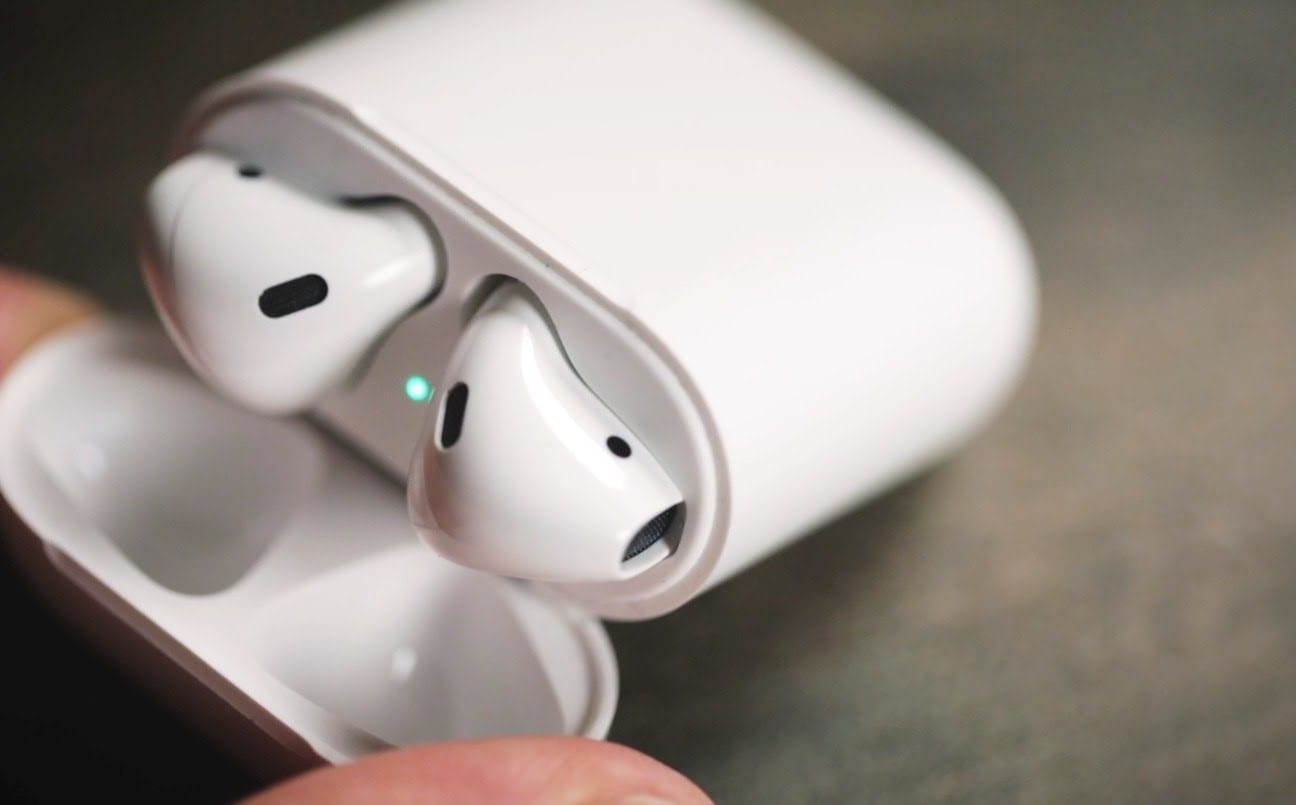
  • Apple’s AirPods held sway over all competitors in the TWS Bluetooth Headset market

    Apple’s AirPods held sway over all competitors in the TWS Bluetooth Headset market

    According to research firm Strategy Analytics, Apple’s AirPods dominated the market for True Wireless Stereo (TWS) Bluetooth headsets in 2020. Overall, the accessory remains one of the hottest products in tech as the category saw sales soar 90% last year. Even after last year’s growth, there is room for more.

    Ville-Petteri Ukonaho, Strategy Analytics’ Associate Director, notes that globally, only one in 10 people own a Bluetooth headset. Ukonaho says that with companies like Apple and Samsung no longer including wired earphones in the box with new handsets, Strategy Analytics sees “huge potential” for Bluetooth headset sales.

    Ken Hyers, Director at Strategy Analytics, said, “TWS headsets drove global sales volumes in the Bluetooth headset segment. While the pandemic slowed demand briefly during the first half of the year, sales rebounded strongly during the second half. The Work From Home shift benefited the entire Bluetooth headset category in terms of sales volume growth.”

    Hyers also touched on Apple’s current domination of the TWS Bluetooth headset market while also pointing out that the tech giant’s share is shrinking thanks to competition this year from Samsung, Huawei, and Xiaomi. Hyers said, “Apple maintained a commanding lead in the TWS segment in 2020, but its commanding share is shrinking as competition intensifies. Strong competition is expected from Xiaomi, Samsung, and Huawei in 2021. The TWS headset market is already hugely overcrowded and despite a strong sales outlook, there will inevitably be consolidation in the years ahead.”

    Apple is expected to unveil two new AirPods versions this year, the third-generation AirPods and the second generation AirPods Pro. The new models could see the light of day this March. The first generation AirPods were released on December 13th, 2016 with the second-generation model launched last March. On October 30th, 2019, the AirPods Pro hit the market with new features including Active Noise Cancellation to remove ambient noise, and the Transparency mode to allow outside noises to be heard.

  • Apple accidentally confirms the AirTags name for its tracking accessory

    Apple accidentally confirms the AirTags name for its tracking accessory

    Yesterday we told you that there was speculation about when Apple might finally unveil its Apple AirTags item tracker. The latest rumor has the AirTags being announced during the online version of WWDC. As you might know, the COVID-19 outbreak has forced Apple to move its annual developer’s conference to the internet although it has yet to release a date for it to be streamed. Since this is a whole new product category for the company, Apple would prefer to have it introduced and demonstrated by a company executive online instead of merely issuing a press release.

    Throughout last summer, there was a strong sense that Apple would announce the tags at its annual September iPhone event, and when it wasn’t, many figured that the project had been 86’d. But leaked images soon made it apparent that the AirTags project was still alive. AirTags are said to be circular tags with a removable battery that can be attached to items such as a keychain, a pet collar, bicycle, luggage, and more. Heck, it can even be used to track an untrustworthy spouse.

    The AirTags will work in conjunction with the Find My app and will rely on the U1 ultra-wideband, or UWB chip that was quietly included with the 2019 iPhone models. The chip sends out short-distance radio waves using Time of Flight; these radio waves bounce off the subject and return to the phone to help deliver a more precise location where a missing item might be found. The chip might also be used with the CarKey feature expected to arrive in iOS 14; CarKey will allow an iPhone user to open his/her car door and start the engine remotely with the phone. UWB can reportedly locate a tagged item within four inches of its actual location.

    A video that Apple left on the internet today for 15 minutes before removing (it received 1,500 views) revealed that the accessory will indeed be called AirTags. The video was created to show iPhone users how to wipe their handset (and we don’t mean wiping with an antibiotic cleaner). In the video, we can see a menu with a section called “Enable Offline Finding.” Under that listing, it reads, “Offline finding enables this device and AirTags to be found when not connected to Wi-Fi or cellular,” So this pretty much confirms the AirTags name. This also endorses the use of the USB U1 chip for the tracking system.

    A string of code discovered last year revealed some directions for finding a tagged item using AirTags. The code said, “Walk around several feet and move your iPhone up and down until a balloon comes into view.” Leaked images showed a 3D red balloon and a 2D orange balloon that will apparently surface when an AirTags user moves closer to a tagged item. If an item is missing, the tag it is connected to can be put in “Lost Mode.” With this setting enabled, an iPhone user who stumbles across the tag will be able to send an iMessage to the owner to work out a way to address the missing item back to its rightful owner.

    Earlier this year, reliable TF International analyst Ming-Chi Kuo called for the AirTags to be unveiled during the second or third quarter of this year.  At this point, it would appear that he is going to be correct. He also forecasts that 10 million AirTags will be produced before the end of this year.

  • Apple updates HomePod with important new features

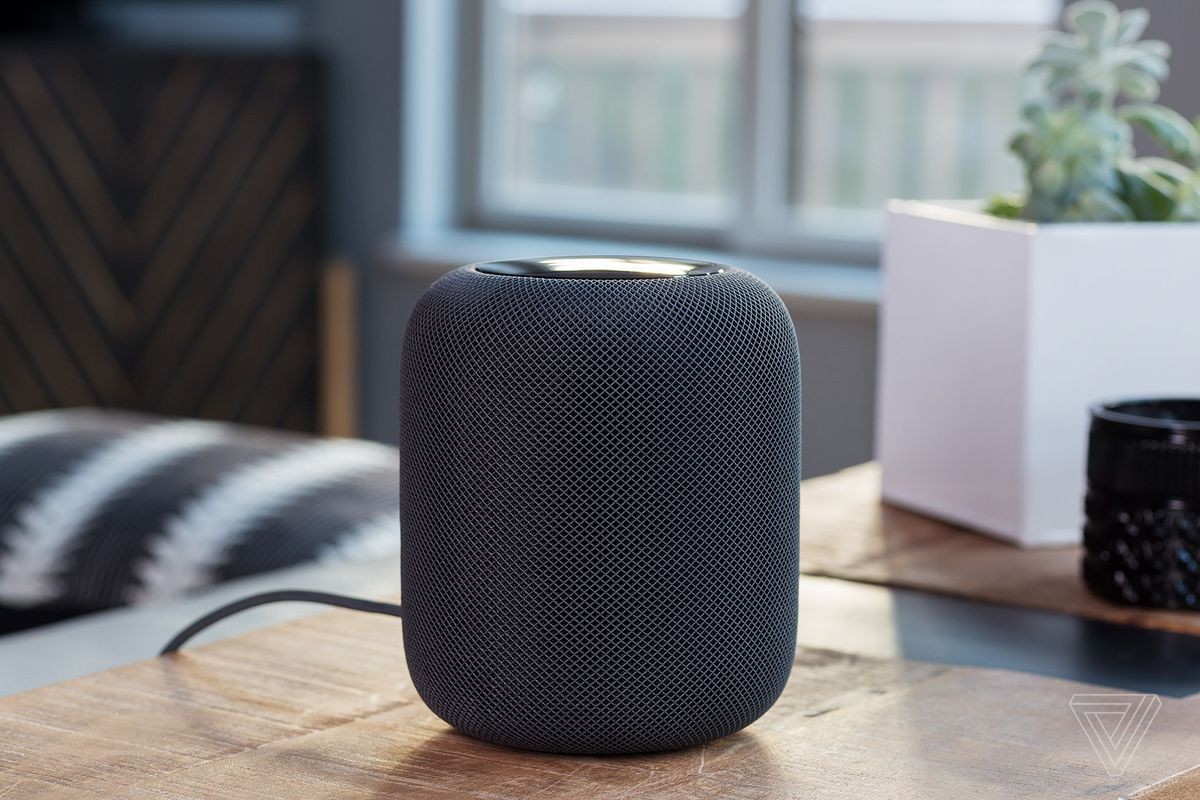
    Apple updates HomePod with important new features

    Until Apple releases a HomePod Mini, we’re stuck with the regular one that comes at a higher price. Those who already cave in to Apple and bought one will be happy to know a new software update is now rolling out to all HomePod units out there.

    The update brings a handful of new features and improvements such as the ability for Apple’s smart speaker to recognize the voices of different family members (up to six) so that it can provide a tailored experience for everyone.

    With the new handoff feature, HomePod users will be able to switch between the smart speaker and the iPhone much easier. The only thing you must do is keep your iPhone closer to the HomePod until a notification pops up on your display.

    Also, after the latest update, you will be able to add music to your HomeKit scenes. Finally, the update introduces Ambient Sounds that should allow you to play relaxing high-quality soundtracks before you go to sleep. You can also set sleep timers to fall asleep to music or Ambient Sounds.

  • Sonos to bring Google Assistant to its smart speakers

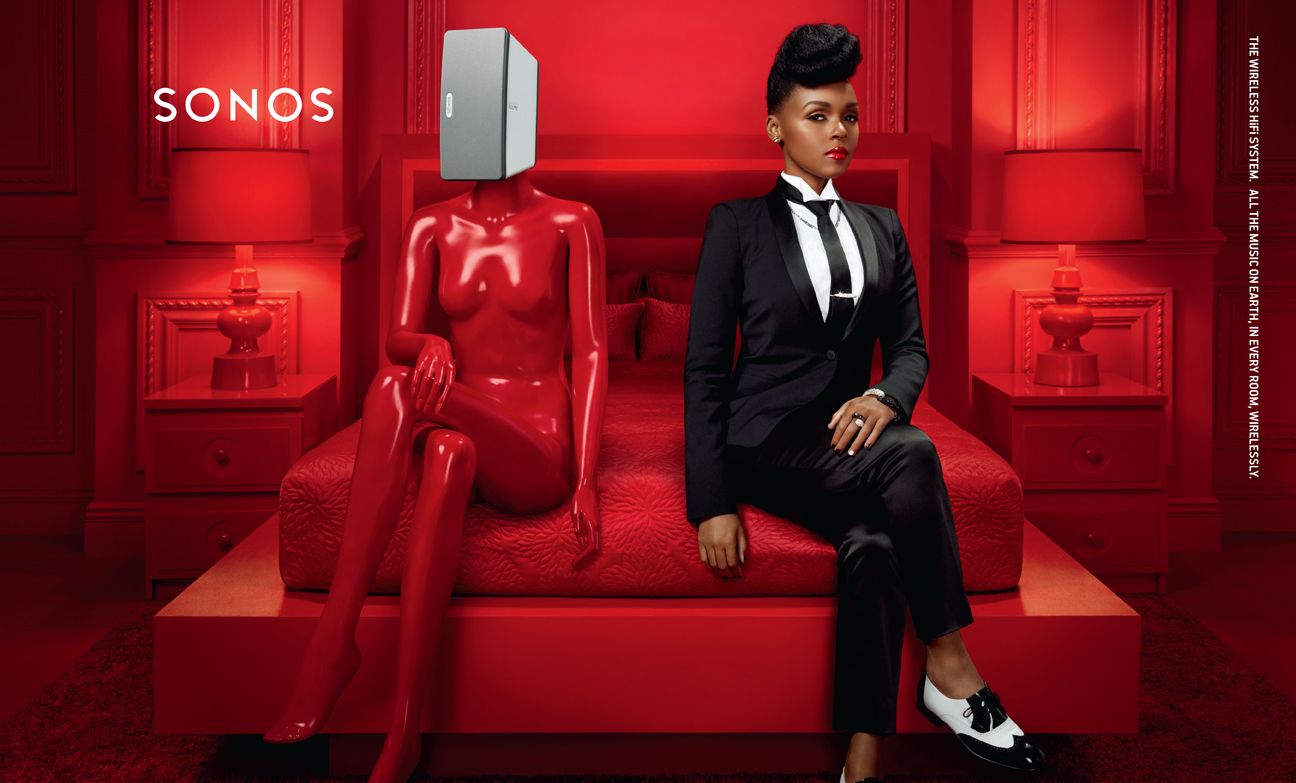
    Sonos to bring Google Assistant to its smart speakers

    The neverending saga regarding Sonos connected speakers and Google Assistant is about to end next week if the American company keeps its most recent promise. After a few years of uncertainty, the situation is about to get out of limbo with Sonos finally delivering Google Assistant support to its high-end speakers.

    As the company announced back in January, the Sonos One and Sonos Beam will receive an update that will make Google Assistant available to users. The information has been confirmed by Sonos in a shareholder letter released ahead of the company’s quarterly earnings call.

    The update that will add Google Assistant support will be available next week in the United States, but Sonos plans to bring it to other markets as well in the “next few months.” Although Sonos’ previous statement confirmed Google Assistant will be added to older speakers as well, the shareholder letter doesn’t include any mentions to these devices.

    We’ll update the story once Google Assistant support hits the Sonos One and Sonos Beam, but if what the US company says it’s true, you should be able to start using Google’s personal digital assistant no later than next week.

  • Connected wearable shipments to hit 239m in 2023

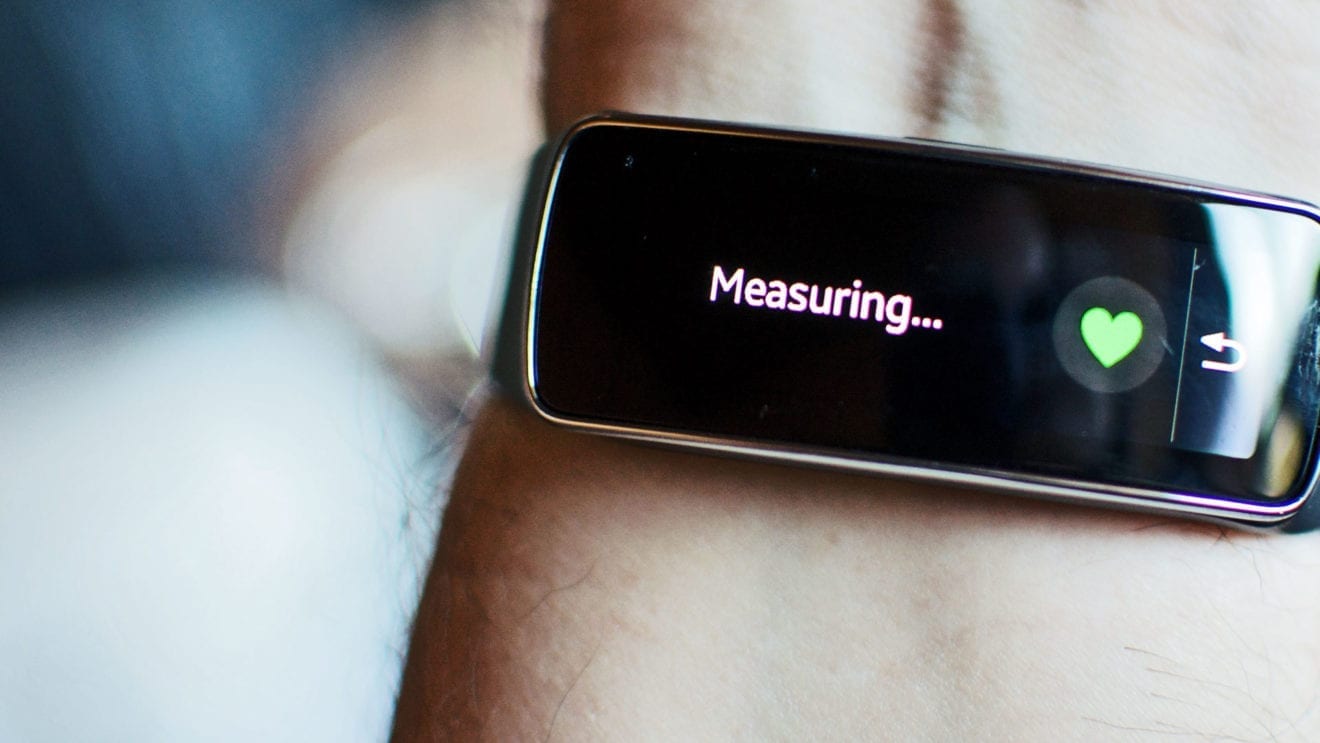
    Connected wearable shipments to hit 239m in 2023

    Global shipments of connected wearables are forecast to grow from 116.8 million units in 2018 to reach 238.5 million units in 2023, representing a CAGR of 15.4%, according to research firm Berg Insights.

    Bluetooth will remain the primary connectivity option in the coming years.

    A total of 67.7 million of the wearables sold in 2023 are forecast to incorporate embedded cellular connectivity, mainly in the smartwatch and telecare and medical device categories.

    The connected fitness & activity tracker segment is led by China’s Xiaomi, which has been successful with its Mi Band fitness tracker. Fitbit, a pioneer in the segment, is still also among the largest vendors in the segment along with Huawei and Garmin.

    In 2018, shipments of connected fitness & activity tracker reached 65 million units.

    This product category is now facing fierce competition from smartwatches that in most cases include activity tracking features. Apple entered the connected wearables market in the second quarter of 2015 and quickly became the leading smartwatch vendor.

    In 2018, Apple accounted for almost half of the total 45.5 million smartwatches sold during the year.

    “Apple continues to hold a firm grip on the smartwatch market and is at the forefront of innovation in the industry,” says Martin Bäckman, IoT Analyst at Berg Insight. The competition has responded with increasingly capable and attractive devices from Wear OS vendors including Fossil, LG, and Huawei as well as from vendors betting on other platforms such as Fitbit and Samsung.

    The smartwatch segment is expected to surpass fitness & activity trackers and become the largest device category within wearable technology in terms of shipments in 2021.

    “Technology advancements, increased consumer awareness and wide availability of devices in different price segments will enable smartwatches to reach shipments of 117.7 million units in 2023,” concludes Bäckman.

    Sales of smart glasses and head-mounted displays have so far been modest, but promising use cases in professional markets as well as in niche consumer markets will enable it to become a sizeable connected wearable device category in the next five years.

    A number of vendors including Daqri, ODG, Epson, Google, Microsoft, Kopin and Vuzix are active in the segment. Standalone VR headsets from companies such as Oculus and HTC aimed for the consumer market are gaining traction and accounted for a large share of the total 1.5 million devices shipped in the segment during 2018.

    Berg Insight forecasts that shipments of smart glasses and head-mounted displays will reach 11.9 million units by 2023.

    Annual shipments of medical devices and mobile telecare/mPERS devices are forecast to grow from 1.8 million devices in 2018 to 6.9 million devices in 2023. The segment includes wearables such as cardiac rhythm management devices, ECG monitors and mobile telecare devices.

    Finally, annual shipments of wearables not covered by the above product categories such as authentication and gestures devices, smart rings, wrist-worn computers and scanners, smart jewelry and connected prosthetics are predicted to grow from 3.0 million units in 2018 to reach 13.0 million units in 2023.

  • Samsung’s Galaxy Home Finally to Arrive

    Samsung’s Galaxy Home Finally to Arrive

    In addition to being the world’s largest handset vendor, Samsung also continues to dominate the TV market while supplying the vast majority of smartphone displays out there and topping global chip sales. The tech giant is a major tablet and smartwatch manufacturer as well, but one industry the company hasn’t been able to crack just yet is ruled by arch-rivals Amazon and Google.

    We’re talking about digital assistants in general and AI-powered smart speakers in particular, like Bixby and the Galaxy Home aren’t exactly considered serious challengers for Google Assistant, Alexa, and their army of standalone devices designed for home use. Of course, a big reason why the Samsung Galaxy Home hasn’t managed to take off might be that it’s still not actually up for grabs anywhere around the world.

    First showcased a whopping nine months ago, the Google Home Max and Apple HomePod rival looked destined for an impending commercial debut several times since then, but unfortunately for Samsung, none of the optimistic rumors floating around materialized. At one point, the company’s own CEO was reportedly quoted as teasing this bad boy’s arrival “by April”, although subsequent statements brought back the vagueness, hinting at a launch in the “first half of 2019.”

    With the HomePod and Google Home Max out for a few years now, not to mention a flurry of lower-end, lower-cost models from both Google and Amazon, it felt late for the Samsung Galaxy Home to join the party even last fall. But while Bixby is still widely derided or, at best, ignored, its recent progress is also undeniable. Apart from handy voice assistance and smart home controls, Samsung’s first in-house smart speaker aims to shine in the audio quality department thanks to premium AKG enhancements. Perhaps that could be its saving grace.

  • IoT to drive BLE market to 1.6b devices by 2023: ABI

    IoT to drive BLE market to 1.6b devices by 2023: ABI

    ABI Research forecasts that Bluetooth Low Energy (BLE) devices will exceed 1.6 billion annual shipments by 2023. Growth in segments like smart home, beacons and asset tracking, emerging IoT applications, alongside growth in existing key markets and the emergence of audio over BLE will enable the technology to achieve a CAGR of 27% between 2018 and 2023, tripling in size.

    Andrew Zignani, senior analyst at ABI Research, says the growth in BLE stems from continued technical enhancements that take advantage of opportunities arising from growing number of applications in various vertical markets.

    “BLE’s ubiquitous support in mobile devices, combined with its ability to support mesh networking, beacon functionality, and most recently, centimeter level location accuracy with the introduction of Bluetooth 5.1 and radio direction finding (RDF), is enabling BLE to be increasingly leveraged within smart consumer devices, larger scale home and commercial building automation environments, and RTLS deployments with more stringent accuracy requirements,” says Zignani.

    By 2020 Bluetooth is anticipated to enable high-quality audio streaming over BLE, providing a boost for the existing headset market and the emerging True Wireless audio device market.

    Zignani cites announcements at CES2019 such as Dialog Semiconductor demonstrating an audio over BLE proof of concept utilizing their SmartBond SoCs. “From 2020, we expect the Bluetooth audio market to take advantage of upcoming enhancements to better support truly cable-free earbud experiences while enhancing the battery life and user experience, though it may take some time for the standardization process to translate to wider mobile and ecosystem support,” explains Zignani.

    BLE chipset providers continue to innovate to provide further improvements in power consumption, further extending battery life and enabling support for battery-free devices via energy harvesting.

  • Logitech unveils affordable Smart Keyboard alternatives for Apple iPad PROs

    Logitech unveils affordable Smart Keyboard alternatives for Apple iPad PROs

    Logitech makes some of the best third-party accessories for iPhones and iPads, a few of which can even be purchased directly from Apple at very competitive prices. Just think of the $69.95 Logitech Crayon, which substantially undercuts the $99 and up Apple Pencil. Or the $69.95 Logitech Powered wireless charging stand, or $130 and up Logitech Slim Combos with detachable keyboards for previous-generation iPad Pros

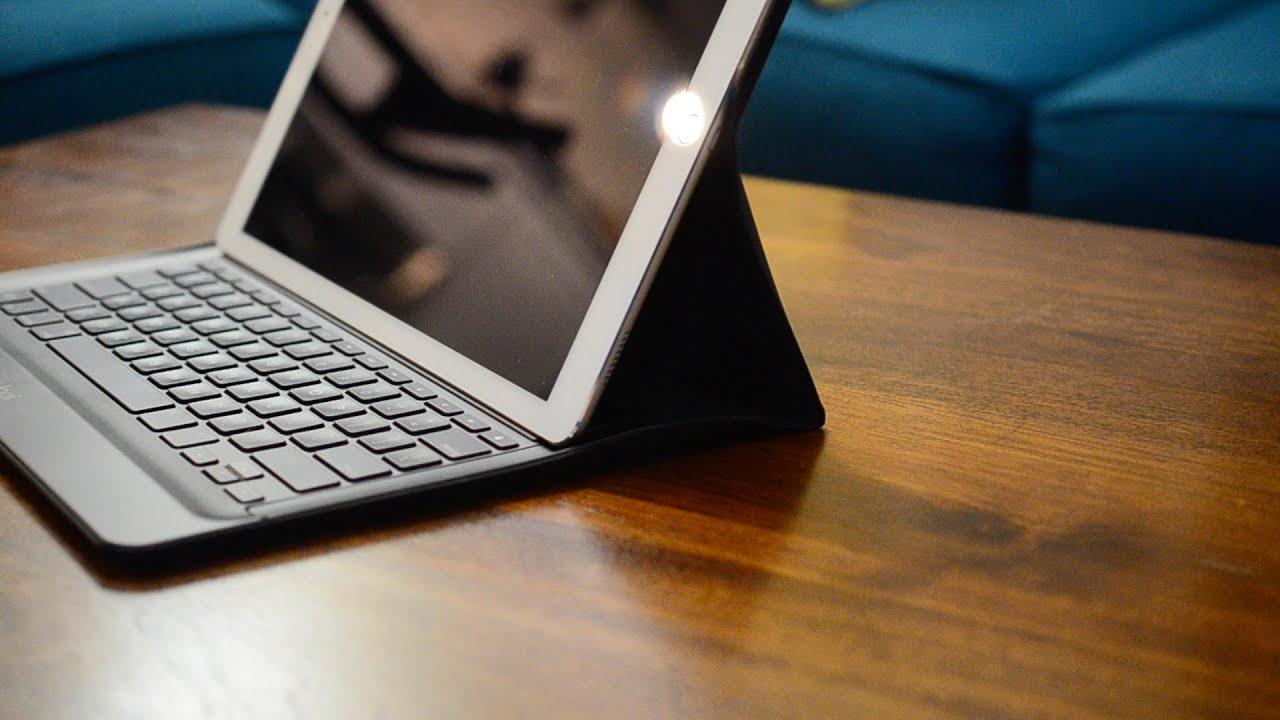
    Oddly enough, Logitech still doesn’t sell any keyboard accessories tailor-made for Apple’s newest iPad Pro models, but that’s finally set to change later this month. The Slim Folio Pro looks and sounds extremely similar to the first-party Smart Keyboard Folio, starting however at only $119.99. That’s a whopping 60 bucks cheaper than Apple’s own 11-inch option, while the Logitech Slim Folio Pro for 2018’s 12.9-inch iPad Pro will cost $129.99, compared to the $199 price tag of its Apple-made counterpart.

    Impressively enough, it doesn’t seem like Logitech has had to cut many corners or make any big compromises to go this low in terms of retail prices, as the Slim Folio Pro ticks all the essential boxes of a robust “all-in-one case”… and then some. You get both front and back protection against scuffs, scratches, and spills for your new 11 or 12.9-inch iPad Pro, an “edge-to-edge” backlit keyboard design aimed at stellar productivity, and even a special magnetic latch to safely store your Apple Pencil when not in use.

    Without a doubt, the best thing about this overall top-notch Smart Keyboard alternative is its battery life, rated at “up to three months” on a single charge. The Slim Folio Pro is also pretty versatile, enabling comfortable typing, sketching, and reading experiences by propping up your iPad Pro, sliding underneath it, or effortlessly folding back.

    The only possible drawback is the use of Bluetooth technology to wirelessly connect to Apple’s latest powerhouses rather than leveraging their magnetic Smart Connectors. But Bluetooth keyboards can be reliable too, so if you want to save a few bucks, you should definitely consider the Logitech Slim Folio Pro… when it actually goes on sale.

  • Qualcomm’s new line of chips will make smart speakers better than ever

    Qualcomm’s new line of chips will make smart speakers better than ever

    Qualcomm, manufacturer of the popular Snapdragon chips that power billions of devices, is now aiming to dominate another segment of smart products: speakers and displays with voice assistant support. To do that, the company announced today a new family of chips called the QCD400 Series Smart Audio SoCs. The new chips are designed specifically for the needs of smart speakers like the Google HomePod and Home mini, Amazon’s Echo lineup and others. That is why Qualcomm has focused on two main aspects: sound reproduction and voice recognition.

    The QCS400 line promises “truly superior audio performance” that should come not only from Qualcomm’s own technologies, but support for Dolby Atmos and DTS:X as well. The chips will be capable of supporting up to 32 audio channels.

    To make your communication with the voice assistant better, Qualcomm is once again putting AI to use. The AI should help with voice recognition so you can expect fewer misheard words and phrases in the future. The new chips should also allow the device to better separate voices from background noises or music and detect trigger words easier.

    Besides those main capabilities, Qualcomm is also looking to improve a couple more things that are also quite important.The first one is an improvement in power consumption which will come handy for portable Bluetooth speakers and other battery-powered devices. Devices with the new chips are expected to have a significantly longer standby time during which voice wakeup will be available.

    And finally, the new chips will ensure that your smart device is always well connected. Whether that is to the internet via Wi-Fi or to your phone through Bluetooth, Qualcomm has made improvements in any aspect of the smart speaker connectivity.

    The QCD400 chips are four in total, two of them are for audio only. The least powerful is the dual-core QCS 403, followed by a quad-core QCS404. The two chips that come with video capabilities have the Adreno 306 GPU and support HDMI. Only the highest tier chip, the QCS407 supports 32 channel audio, while the rest top up at 12 channels.

    If you’re a frequent user of smart speakers these new developments are good news for you. And if not, well, you’re probably concerned about the fact that soon these pesky always-listening devices will be able to hear you even better. Like them or not, it seems they’re here to stay!

  • Apple’s AirPods 2 will help the ‘hearables’ segment to grow

    Apple’s AirPods 2 will help the ‘hearables’ segment to grow

    According to Counterpoint Research, wireless ‘hearables’ are the next big thing. The segment, which contains Apple’s AirPods and the Samsung Galaxy Buds, saw global sales of around 46 million units last year. But with the help of AirPods 2, this could catapult to 129 million units as early as next year.

    Samsung, Google, Bose, and LG are all expected to grow

    As noted by Research Director Pete Richardson, “2019 will be the year that hearables evolve into an important market.” For the most part, new releases from major brands will boost sales across the globe. However, the evolving digital habits of consumers are also expected to propel demand.

    The likes of Samsung, Bose, Huawei, and LG all hold relatively small market shares at the moment. But as interest in the segment picks up throughout this year and next, each one is set to experience relatively strong growth which should translate into larger market shares.

    New Google Pixel Buds and other releases from the likes of Amazon are expected to play an important role too. After all, these should integrate the likes of Google Assistant and Alexa, both of which are becoming increasingly popular among consumers.

    AirPods 2 will propel the ‘hearables’ segment to new levels

    As mentioned in the opening paragraph, for the foreseeable future Apple is expected to remain the biggest driving force of growth. Rumor has it that the brand is preparing a second-generation of its AirPods which should integrate a variety of new features and potentially some small design changes.

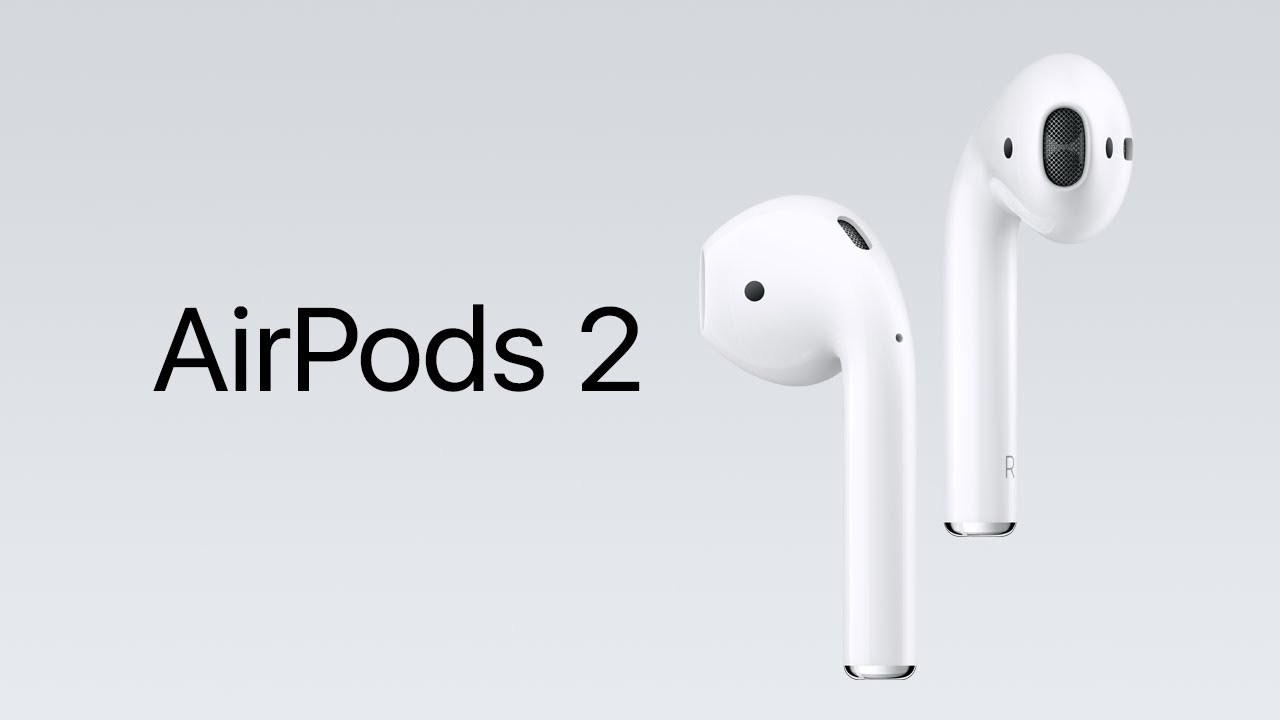
    From afar, AirPods 2 are expected to look identical to the originals. But upon closer inspection, a new frosted glass-like coating should be visible. This, according to rumors, will improve grip and reduce the slipperiness, which means the new AirPods shouldn’t fall out of your ears so easily.

    AirPods 2 should also introduce always-on Siri, which will allow users to activate the assistant with the words “Hey, Siri.” This feature was actually first teased way back in September by Apple but still hasn’t been confirmed officially.

    Joining the improved Siri will apparently be some kind of water resistance and potentially some health-related features. More specifically, an earlier report suggested Apple was researching the possibility of a built-in heart rate monitor. However, this extra is far from guaranteed. One feature that does seem extremely likely at this point is support for wireless charging through a new charging case. Allegedly, this feature, which will charge both the case and AirPods simultaneously, will take the battery level from 0% to 100% in just 15 minutes.

    Also expected from the new wireless accessory is Apple’s W2 Bluetooth connectivity chip. This can currently be found inside the Apple Watch Series 4 and halves the power consumption with respect to the W1 chip. As a result, battery life improvements are to be expected.

    Of course, Apple’s AirPods are primarily meant for music and Apple is set to bring some improvements to the overall sound quality.

    Most AirPods buyers aren’t bothered about sound quality

    Rather ironically, despite the fact AirPods are meant for music, consumers aren’t buying them because of their sound quality. Counterpoint Research recently conducted an online survey of over 200 people regarding their preferences. In the case of AirPods, 68% of correspondents cited “comfort & fit” as a key reason for buying them. This was followed by “ease of use” and “portability,” which were mentioned by 56% and 44% of people respectively.

    As it turns out, just 41% of the people surveyed cited “sound quality” as a reason for buying AirPods. For comparison, this factor was the key driver when it came to Bose products, with a whopping 72% listing it. “Noise cancellation” was also important with Bose headphones as it was cited by 68% of people.

  • Tommy Hilfiger launches a smart clothing collection

    Tommy Hilfiger launches a smart clothing collection

    Luxury-apparel retailer Tommy Hilfiger has released a “smart clothing” collection equipped with Bluetooth.

    The new Tommy Jeans Xplore smart-clothing range has Bluetooth chips embedded in the fabric, allowing the garment’s movements to be tracked by an app and wearers to be rewarded for having them on while physically visiting locations marked by branded icons on a map. Points earned in the game can be exchanged for gift cards, signed merchandise, runway shows and concert tickets, product discounts, and charity donations.

    A statement released by the brand read: “We’ve always been at the forefront of digital innovation, using technology to deliver what our customers are looking for – unique experiences and instant gratification… Tommy Jeans Xplore is the next evolution of our vision, reaching consumers where they are and inviting them to be a part of the brand experience.”

    Liron Slonimsky, CEO of technology at Awear Solutions (which developed the Bluetooth technology in the items) added: “Never before has a brand been able to understand how the consumer truly uses the product after it leaves the store. Tommy Hilfiger’s innovative history has shown that they understand what consumer engagement truly is and we knew they would be the perfect partner to launch Awear Solutions to the market.”

    Not all reviews of the new clothing concept are positive, with various articles dubbing the product line “creepy” and “ridiculous”. A Techradar.com review observed “The Tommy Hilfiger brand is usually quick to embrace new technology, but this isn’t exactly a big innovation. It’s essentially just a tracker to keep an eye on how often you wear the clothes, making it a glorified loyalty scheme.

    “Perhaps the even bigger question is how much data Tommy Hilfiger will be recording from those who are wearing the clothes and how will that be used?”

  • Bluetooth Beacons – Malaysia’s Retail Future

    Bluetooth Beacons – Malaysia’s Retail Future

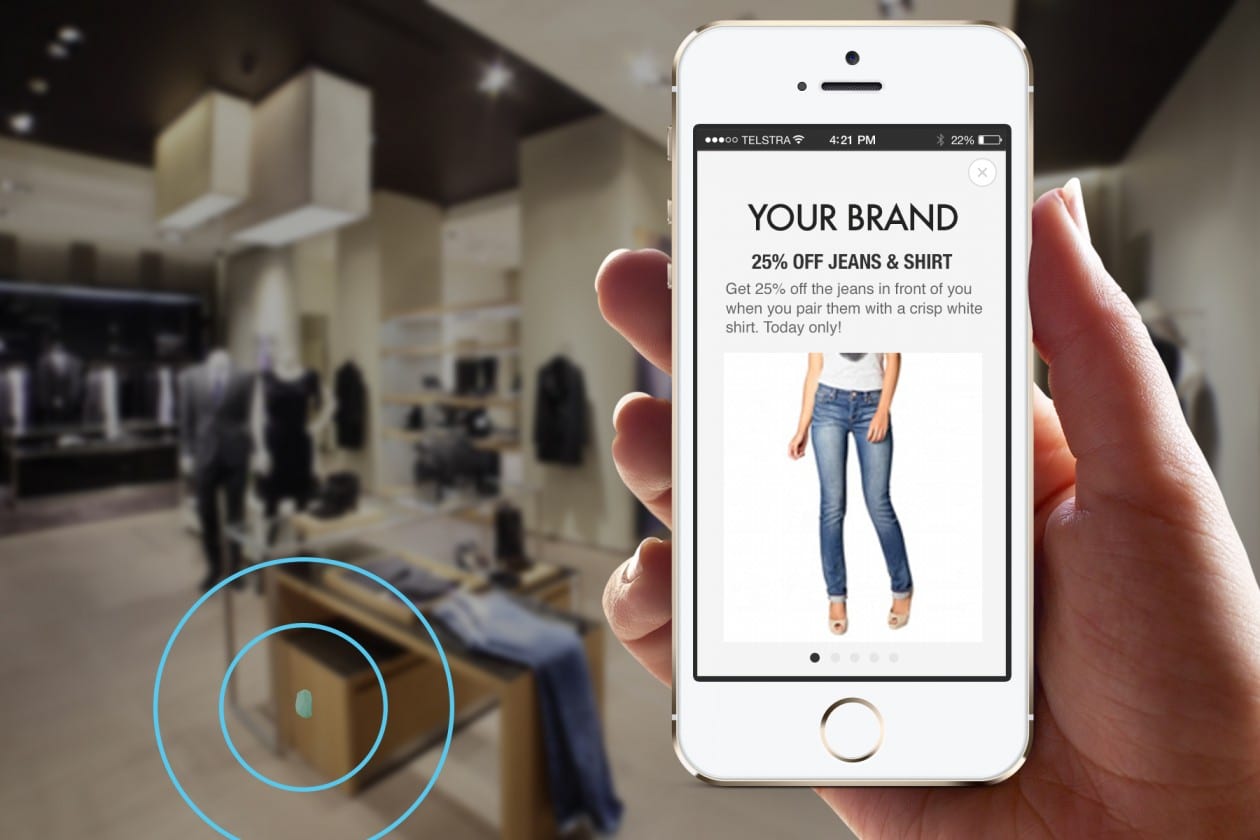
    Picture the following scenario: You walk into your favourite apparel store and your smartphone beeps with a push notification “Welcome back Linda! Only for today, we are giving you a 20% discount on all skirts”. You decide to finally get that blue skirt you have your eyes set on for weeks and decide to take a stroll through the accessories section when you stop to admire a particular necklace, after a few seconds of contemplation, your smartphone beeps again with the message “Hey Linda! Get a necklace to match your outfit, we’ll throw in a 30% discount on any necklace of your choice”. You leave the store with a new skirt and necklace at a bargain.

    You end up a happy customer, and the apparel store makes additional sales –  a win-win situation for all involved.

    The above situation may sound like a utopian future where the Internet of Things (IoT) have become a reality. However, the future is closer than we know it with the arrival of iBeacons by Apple in 2013 and Google unveiling Eddystone Beacons in July 2015.

    What Are Bluetooth Beacons?

    Beacons are transmitters which have the ability to sense nearby portable smart devices and “talk” to them via push notifications. Beacons are the most accurate form of locational based tracking device and may work with existing GPS and WiFi tracking capabilities to further enhance location tracking via triangulation.

    How Do They Work?

    Beacons use Bluetooth Low Energy (BLE) proximity sensing to broadcast universally unique identifiers (UUID) which are picked up by compatible apps and operating systems (OS). This means that users will need to have beacon-compatible apps (a relatively simple process can enable any app to be beacon-compatible) installed and have their Bluetooth switched on in order for their smartphones to interact with these beacons.

    Why Would Users Leave Their Bluetooth Switched On?

    This is a question which frequently surfaces during discussions with potential beacon adopters. It is true that a majority of smartphone users never and might even hesitate to turn on or leave their Bluetooth switched on due to the concern that the Bluetooth would contribute to a huge drain on their battery life.

    That is until 2011 when the new BLE technology were incorporated into the new iPhone 4S smartphones and subsequently, all smartphones released after that period. With the new Bluetooth Smart standard, worries of Bluetooth drainage on phone battery life were a thing of the past as the power needed to power Bluetooth is now so low that it is negligible.

    Other than that, most smart devices that are making their way into our everyday life such as smart wearables (e.g. FitbitJawboneApple Watch), Bluetooth-enabled car audios, and smart kitchen appliances require the use of Bluetooth-enabled smart devices.

    With over 10,000 Bluetooth-enabled products listed with Bluetooth SIG along with the immense growth (>100% in 2014) of the Smart Home, Consumer Electronics and Beacons markets, coupled with the growing number of users coming to understand the new Bluetooth technology as well as the growing need of users to have Bluetooth-enabled to run their everyday smart lifestyles, 24/7 Bluetooth-enabled devices will soon be a lifestyle choice much like the 24/7 WiFi-enabled devices which are part of everyday life now.

    What It Means For Retail Businesses

    With the ability to understand what interests consumers and know when they are in the proximity, brick and mortar retailers can now interact digitally with potential customers to encourage more foot traffic into their outlets and achieve higher sales conversion by sending the right message, to the right people, at the right time.

    However, the use of beacons in retail businesses does not stop at pushing promotional messages and general information. With beacons, retailers are also able to provide a personalised shopping experience to each individual customer as seen in the aforementioned story above. Depending on the nature of the business, beaconised businesses will have a a plethora of uses for beacons such as, helping customers navigate a store and providing in-store concierge services by utilising the tracking abilities of beacons. Think shopping on Amazon or Zappos, but in real life.

    press-beacon-product-2.ae0092e2

    The longer a retailer adopts the beacon technology, the more they will begin to understand their customers – who they are, what their preference is, where they like to shop, are they high or low spending customers. This is all possible as more and more data on these users are collected and analysed -allowing businesses to produce individualised ads and engage in behavioural retargeting.

    With the arrival of beacon technology, retailers with physical outlets will finally be able to gather data on their customers in real life in real time and run the most effective and efficient campaigns to target the most relevant consumer segments while providing a highly personalised shopping experience. The future of retail globally, especially here in the South East Asian region and in Malaysia, is in beacons and any retailer slow to adopt this breakthrough tech as part of their arsenal will be at a huge disadvantage moving into the future.