Retail News CRM

Tag: Bold

  • Costco Leverages JD.com for Bold China Expansion, Boosts Online Presence Beyond Warehouses

    Costco Leverages JD.com for Bold China Expansion, Boosts Online Presence Beyond Warehouses

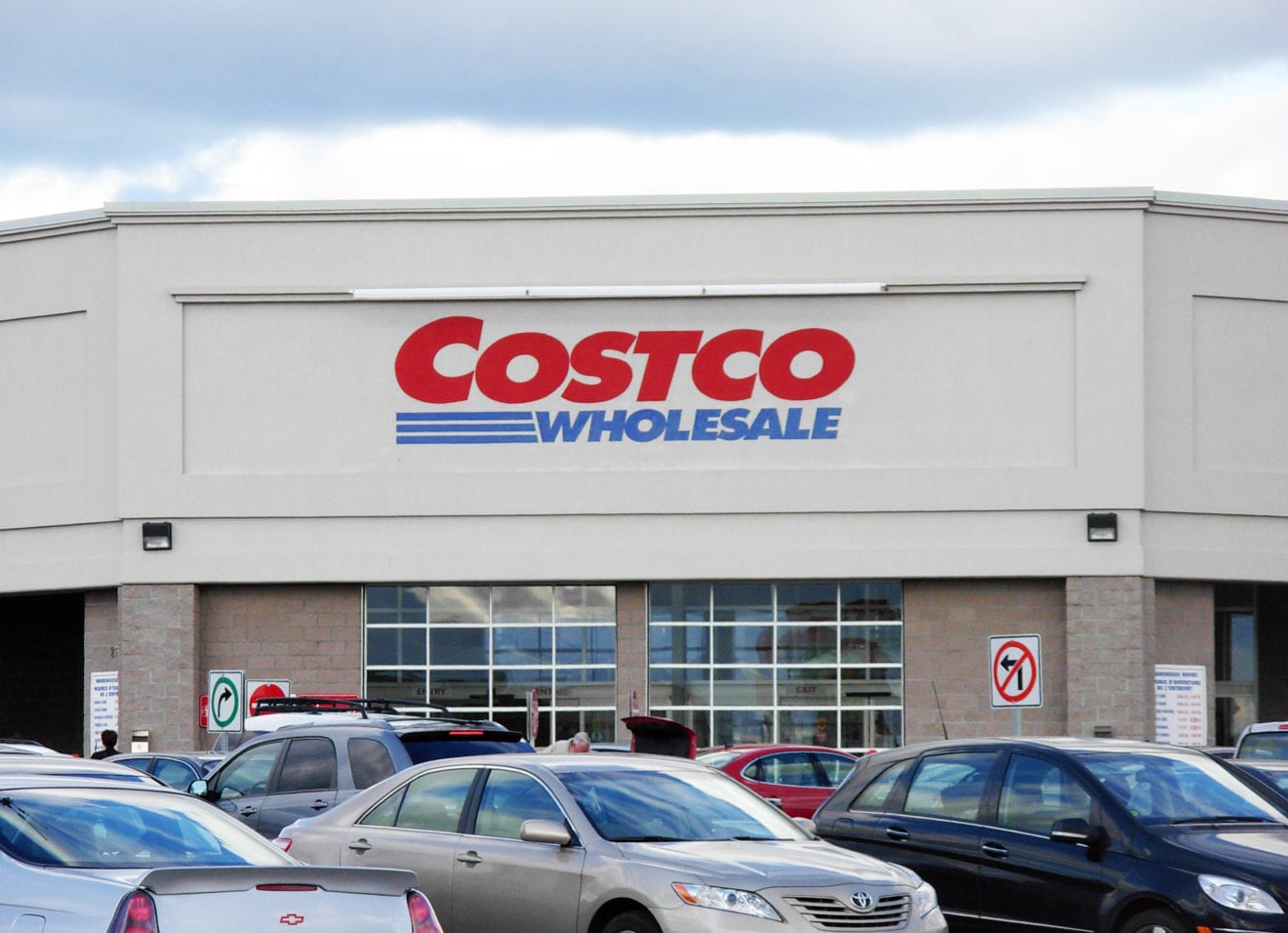
    Costco, the multi-national corporation recognized for its warehouse club model, has embarked on an exciting new venture in China. Costco has launched an online flagship store on JD, one of China’s largest online retailers, thereby marking a significant point in its expansion in the Chinese market. This strategic move aims to augment Costco’s digital presence beyond the parameters of its existing network of physical warehouses.

    A Growing Online Presence

    The collaboration with JD makes it possible for consumers across China to access approximately 700 products. The diverse range of offerings includes grocery items, household essentials, health supplements, beauty products, and Costco’s private-label range, Kirkland Signature. Notably, the online store allows Costco to penetrate cities where it currently does not have a physical presence.

    The launching of the flagship store on JD represents a crucial milestone for Costco in China. It signifies a significant shift in strategy that emphasizes the importance of online retail in the current market scenario. Costco China says, “By leveraging JD’s well-established online platform and extensive logistics network, we are able to overcome regional limitations and extend our reach into broader markets. This allows us to effectively deliver Costco’s signature merchandise and service value to consumers across the country.”

    Impressive Initial Response and Expansion Plans

    The online store first underwent a trial phase in late May. It was met with an overwhelmingly positive response, attracting over 30 million visits and almost 200,000 followers in just the first month. This underscores strong consumer interest and sets the stage for an optimistic official launch.

    Costco’s strategic move is part of its cautious yet continuous expansion in Mainland China. Since the opening of its first warehouse in Shanghai in 2019, Costco has added a few more stores in major cities. However, the emphasis has increasingly been on using digital channels to further expand its market reach.

    Questions & Answers

    What does Costco’s partnership with JD aim to achieve?
    Through the partnership with JD, Costco aims to overcome regional limitations and expand its reach into broader markets in China. It also allows Costco to deliver its signature merchandise and service value to consumers nationwide.

    What range of products will be available in Costco’s online flagship store on JD?
    The online store will offer around 700 products, including grocery items, household essentials, health supplements, beauty products, and Costco’s private-label range, Kirkland Signature.

    How has the initial response been to the trial phase of Costco’s online store on JD?
    The initial response has been overwhelmingly positive, with the store attracting over 30 million visits and nearly 200,000 followers in the first month.

  • Brochu Walker Makes Bold Asia Debut with Grand Flagship Store in Seouls Gangnam District

    Brochu Walker Makes Bold Asia Debut with Grand Flagship Store in Seouls Gangnam District

    Brochu Walker, a high-end American women’s fashion label, has announced the grand opening of its inaugural international flagship store. Situated in Seoul, the move signifies the brand’s first venture into the Asian market.

    Brochu Walker: New Horizons

    Positioned in the bustling district of Gangnam, the impressive five-level ‘Maison’ spans approximately 664 square meters, spread over two floors dedicated to retail. The spacious location also offers an exclusive, personalized shopping experience with an area set aside for private client consultations. The decision to expand into Seoul comes on the heels of the brand’s appointment of South Korean actress Cha Joo Young as its first Korean ambassador, a move that underscores the growing significance of the Asian market to the Los Angeles-based fashion house.

    The Maison design is the result of a partnership with the Seoul-based Blurker Design Studio. The store’s innovative design seamlessly blends modern interior aesthetics with elements of traditional Korean artistry. The space is punctuated by standout materials such as oak, marble, Hanji paper, and bronze, which sit alongside artwork commissioned from local creatives.

    Brochu Walker: A Personal Vision

    Karine Dubner, the CEO and chief creative officer of Brochu Walker, spoke passionately about the new store, saying, “Maison Seoul is the culmination of years of dreams, designs, and thoughtful collaborations.” Dubner’s sense of accomplishment is evident when she describes the finished space, which she views as an embodiment of Brochu Walker’s ethos – “quiet, beautiful, intentional, and deeply personal.” She also expressed her gratitude for the warm reception from the Korean community, which she described as “deeply humbling.”

    Originating in Los Angeles, Brochu Walker has built a reputation for its superior knitwear and subtly elegant ready-to-wear collections, placing it firmly in the ‘quiet luxury’ niche. The brand, which already has a solid brick-and-mortar presence across America with boutiques in California, Connecticut, Georgia, and New York, hints at further growth with plans in place to open more stores in Nashville and Austin.

    Questions & Answers

    What is Brochu Walker known for?
    Brochu Walker is renowned for its high-quality knitwear and subtly elegant ready-to-wear collections, which are part of the ‘quiet luxury’ segment.

    Where is the brand’s first international flagship store located?
    The brand’s first international flagship store is located in the Gangnam district of Seoul, South Korea.

    What are the future expansion plans of Brochu Walker?
    The brand has plans for further expansion within the US, with new stores expected to open in Nashville and Austin.

  • Li & Fung Partners with Vera Bradley: A Bold Foray into the Apparel Industry

    Li & Fung Partners with Vera Bradley: A Bold Foray into the Apparel Industry

    Global sourcing and supply chain leader, Li & Fung, is setting its sights on further growth within the apparel sector, following a successful trading year in home products. The firm plans to extend its licensing agreement with American lifestyle brand, Vera Bradley, and make a significant foray into the competitive industry.

    Expanded Agreement Details

    Under the terms of the extended deal, Li & Fung will be responsible for designing and manufacturing a variety of everyday clothing items. These will mirror Vera Bradley’s visual identity and include tops, sweaters, outerwear, dresses, and swimwear. The company’s designs will continue to feature its well-known patterns, colours, and quilting elements, with the aim of appealing to a wide, multigenerational audience.

    The new product line will be launched in stages. The first phase, slated for the holiday season in 2026, will unveil the winter collection, which includes tops, sweaters and outerwear. The subsequent expansion into dresses and swimwear is expected during the cruise season of 2027.

    Melinda Paraie, Chief Brand Officer of Vera Bradley, commented on the development, “Our foray into the apparel market is a significant step for Vera Bradley. We’ve been successful in the home category and we’re confident that our partnership will enable us to deliver high-quality apparel reflecting our brand’s ethos. It’s about meeting our customers in their comfort zone and offering them more avenues to express their personal style.”

    Distribution Plan

    The upcoming clothing range will be distributed widely, targeting customers across full-price, specialty, off-price, and warehouse club retail channels. This strategic approach is expected to maximize the reach of Vera Bradley’s offerings to their diverse customer base.

    Questions & Answers

    1. What are the terms of the expanded agreement between Li &Fung and Vera Bradley?
    Under the expanded agreement, Li & Fung will design and manufacture everyday apparel items like tops, sweaters, outerwear, dresses, and swimwear, reflecting Vera Bradley’s visual identity.

    2. When is the new product line expected to launch?
    The new product line will be launched in phases, beginning in the holiday season of 2026 with the release of cold-weather categories. The expansion into dresses and swimwear is planned for the cruise season of 2027.

    3. What is the proposed distribution plan for the new clothing range?
    The clothing range will be widely distributed across full-price, specialty, off-price, and warehouse club retail channels.

  • Zus Coffee Makes Bold Move into Indonesian Market, Amplifying Southeast Asia Presence

    Zus Coffee Makes Bold Move into Indonesian Market, Amplifying Southeast Asia Presence

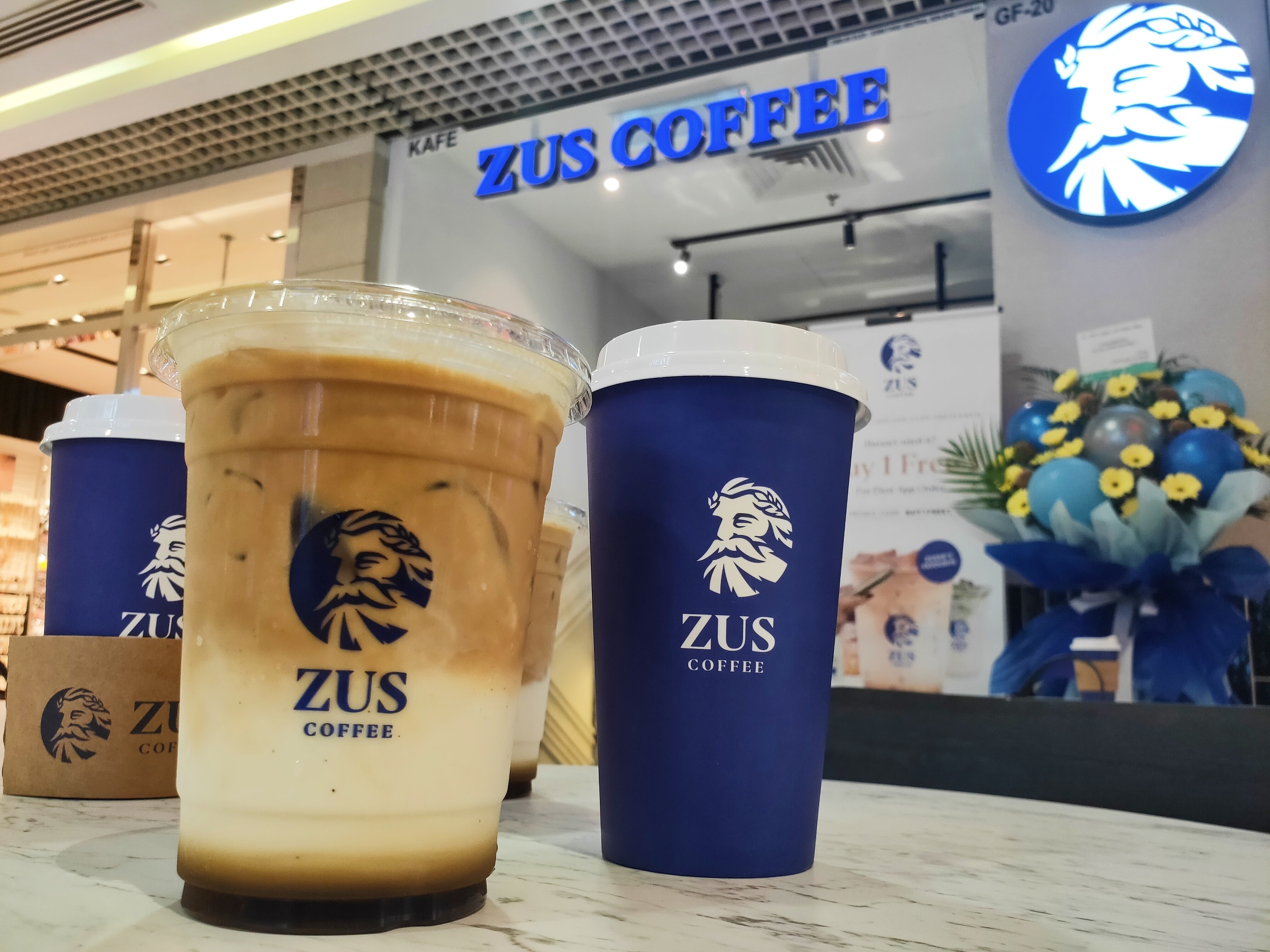
    Malaysia’s well-known coffee chain, Zus Coffee, has made its debut in Indonesia, marking its first venture into Jakarta. The launch marks yet another step in the company’s ambitious strategy to expand across Southeast Asia.

    The opening of the new store in Puri Indah Mall is the result of a collaboration with Kapal Api Group. This latest venture follows Zus Coffee’s successful expansions into other Southeast Asian countries, including the Philippines, Singapore, Brunei, and Thailand.

    Zus Coffee, established in 2019, began as a delivery-centric coffee kiosk operation. Since then, it has rapidly grown, fueled by the integration of a technologically advanced model that includes app-based ordering, pickup, and delivery services. Currently, Zus Coffee operates over a thousand stores throughout the region.

    According to Venon Tian, Group COO of Zus Coffee, Indonesia holds significant strategic value due to its rich coffee culture and an ever-changing consumer demand. As part of its expansion strategy, localisation remains a vital component, with the introduction of market-specific beverages alongside its main menu offerings.

    Over the years, Zus Coffee has solidified its position as one of Malaysia’s largest coffee chains and has emerged as a strong contender to the global giant, Starbucks. An investment of US$57.27 million (RM250 million) has been further secured by the company to facilitate its regional growth in 2024.

    As part of its expansion strategy, the company launched its inaugural stores in Thailand last year, planning to inaugurate 200 new stores across Southeast Asia. Parent company Zuspresso has set ambitious targets to add a minimum of 107 outlets in Malaysia, around 80 in the Philippines, and six in Singapore this year.

    Questions & Answers

    What is Zus Coffee’s expansion strategy?
    Zus Coffee is focusing on expanding across Southeast Asia, having already established a presence in countries like the Philippines, Singapore, Brunei, Thailand, and now Indonesia.

    How does Zus Coffee approach new markets?
    Zus Coffee has a strategy of localisation as it enters new markets. This involves introducing market-specific beverages alongside its core menu offerings to cater to local tastes and preferences.

    What kind of investment has Zus Coffee secured for its future growth?
    Zus Coffee has secured an investment of US$57.27 million (RM250 million) to support its regional growth in 2024.

  • Diesel Powers Up Osaka Presence with Bold, New Flagship Store Location

    Diesel Powers Up Osaka Presence with Bold, New Flagship Store Location

    Italian lifestyle label Diesel has upgraded its flagship store in Osaka, Japan, shifting to a more prominent location as part of its strategy for enhanced visibility in the city.

    Store Relocation and New Design Theme

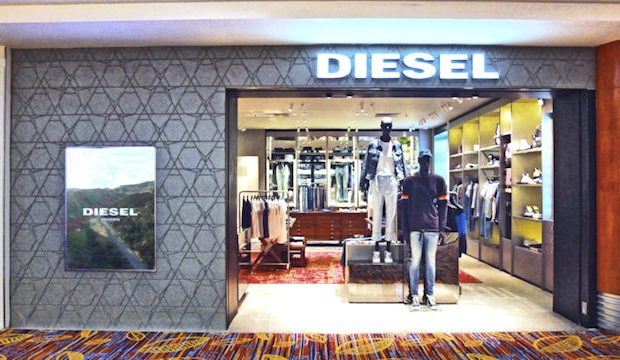
    Diesel’s new Osaka home is situated in Quartz Shinsaibashi, a multi-purpose edifice in the bustling Shinsaibashi district. The two-tiered store exhibits a distinct popcorn concrete exterior and proudly displays the recognizable Diesel ‘Biscotto’ logo. This striking exterior design embodies Diesel’s robust and dynamic visual identity.

    The interior of the store mirrors Diesel’s renegade spirit, utilizing materials such as metal-board-covered walls to create an engaging graphic environment. Central to the store’s layout is an illuminated red staircase, a standout feature that gives the space a unique character.

    Retail and Product Expansion

    The store presents a clear division of Diesel’s product lines, with womenswear occupying the first floor and menswear on the second. The store also showcases a limited-edition denim capsule collection, giving customers access to exclusive product offerings.

    This redesign was driven by the brand’s aspiration to increase its prominence and to mirror the evolving artistic direction led by creative director Glenn Martins. Apart from this standalone flagship, Diesel operates several other outlets within department stores and malls across Osaka, including Daimaru Shinsaibashi and Hankyu Umeda.

    Questions & Answers

    Why did Diesel decide to relocate its flagship store in Osaka?
    Diesel relocated its flagship store in Osaka to enhance its visibility and presence in the city.

    What is unique about the new store’s design?
    The Diesel store features a popcorn concrete exterior with the brand’s iconic ‘Biscotto’ logo. The interior incorporates materials that embody Diesel’s rebellious spirit, including metal-board-covered walls and a standout red staircase.

    What does the store’s product inventory look like?
    The store is divided into two floors, with womenswear on the first floor and menswear on the second. It also offers a limited-edition denim capsule collection.

  • Lawson’s Bold Expansion: 10,000 Stores Unveiled for India by 2050

    Lawson’s Bold Expansion: 10,000 Stores Unveiled for India by 2050

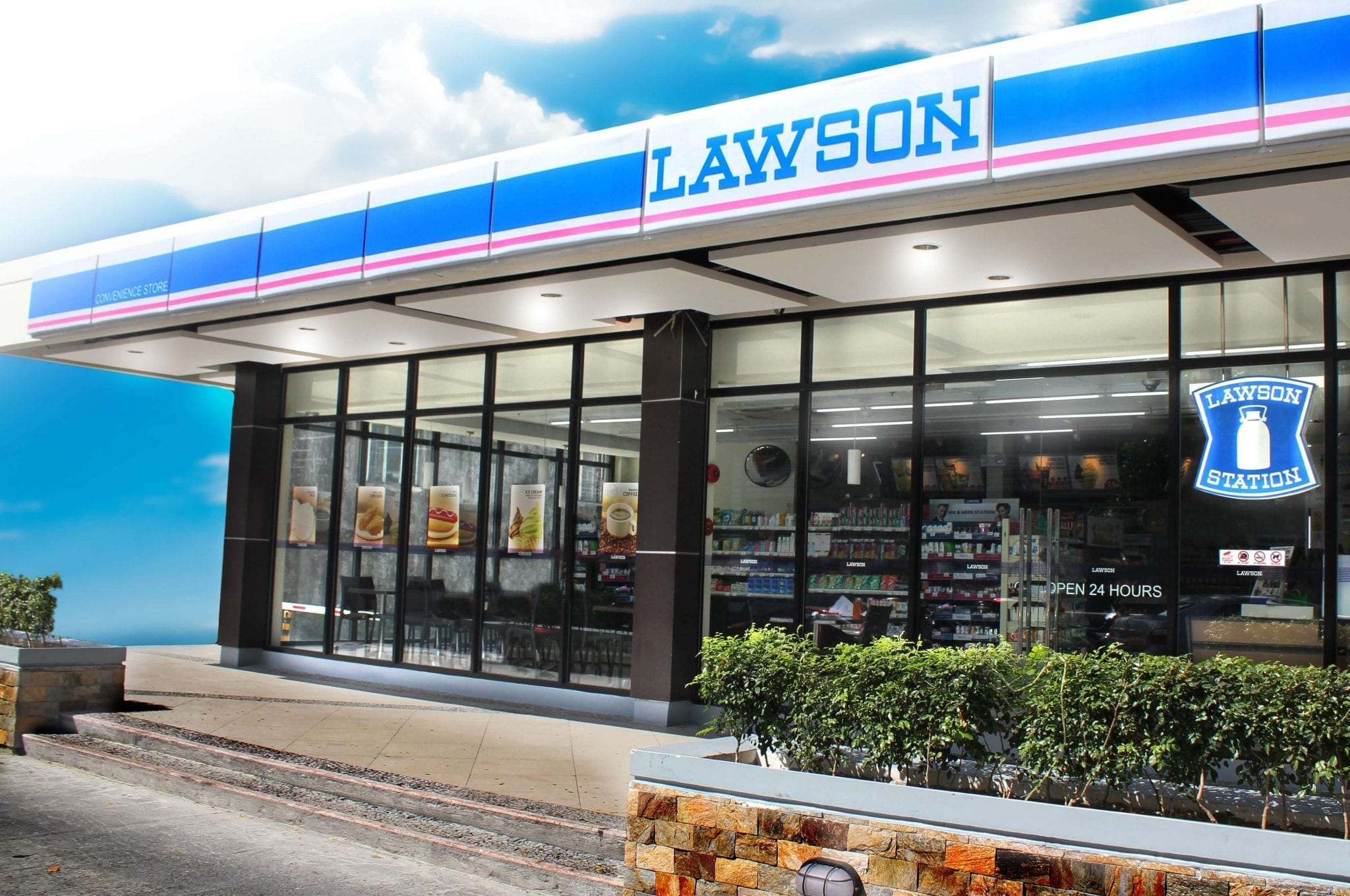
    Lawson, a convenience store chain co-owned by Mitsubishi Corp and KDDI, has announced its ambitious expansion plan into India. The company aims to establish a network of 10,000 stores across the country by 2050. This strategic shift towards India is driven by the saturation of Lawson’s domestic market and the desire for additional growth avenues.

    Initial Steps in India

    Lawson plans to establish its presence in India by initially launching five directly operated stores in Mumbai in the coming year. This is set to be followed by a more extensive roll-out through franchise and licensing agreements. With a goal of 100 stores by 2030, Lawson is keen to position India as a major contributor to its earnings, similar to its operations in China.

    Subsidiary Establishment and Product Localization

    To manage the site selection, supply chain development, and merchandising for its India operations, Lawson intends to set up a wholly-owned subsidiary in India this year. The company will outsource production and distribution to local partners in a bid to streamline operations.

    In response to local consumer preferences, Lawson will offer a specially curated product range. The retailer plans to accommodate dietary and religious practices with an expanded selection of meat-free and egg-free products. The stores will feature Lawson’s signature Japanese convenience items like onigiri rice balls and ready meals, along with locally popular items such as freshly brewed coffee and hot dishes.

    Global Expansion Plan

    Currently, Lawson operates over 7,000 stores in five countries including China, the Philippines, Thailand, and Indonesia. The company is set on doubling its international footprint to around 14,000 stores by as early as 2030.

    Entering the Indian market is a natural progression after Lawson’s efforts to speed up its expansion in Southeast Asia last year. This included signing franchise agreements with local retail partners and increasing the number of directly managed stores.

    Questions & Answers

    What is Lawson’s expansion plan in India?
    Lawson aims to establish a 10,000-store network across India by 2050, with the first five outlets launching in Mumbai in the coming year.

    How will Lawson cater to the Indian market?
    Lawson plans to tailor its product range to local tastes, offering an expanded selection of meat-free and egg-free products in line with dietary and religious practices.

    What is Lawson’s global expansion strategy?
    Lawson is planning to double its number of overseas stores to around 14,000 by 2030. This includes its recent expansion into Southeast Asia and the upcoming foray into the Indian market.

  • UBS’s Bold Leadership Move to Unlock Post-Integration Value in 2026: Beatriz Martin at the Helm

    UBS is on the verge of a critical phase in its historic integration with Credit Suisse, signified by a strategic leadership change. Since the beginning of 2026, Beatriz Martin has assumed the role of Group Chief Operating Officer, alongside her new responsibility for Group Technology. This move underscores UBS’s focused efforts to enhance execution as the bank nears what is believed by management to be the final stage of the integration process.

    Operational Challenges During Integration

    Credit Suisse’s integration has been more about systems than branding. The greatest hurdles have been complex IT migrations, legacy platform shutdowns, and seamless data transfers. By placing operational control and technological execution under one executive, UBS aims to minimize delays, shorten decision-making time, and speed up problem-solving, particularly in areas where delays could prove costly.

    Industry experts perceive this consolidation of responsibilities as a practical solution to integration risk. Misalignment between operations and IT is a frequent cause of cost overruns and operational incidents during large-scale bank mergers, and UBS seems committed to evading this pitfall.

    The Shift from Consolidation to Performance

    2026 is not just another year for UBS. It signifies the final full year of integration work and, importantly, the point at which the bank expects to fully capitalize on the synergies from the Credit Suisse acquisition. The narrative has shifted from consolidation to performance, a transition eagerly anticipated by investors.

    Thus, Beatriz Martin has a clearly defined mandate: finish the remaining system migrations, decommission obsolete infrastructure, and do so without disrupting routine banking operations. The risk is high but so is the potential reward.

    Cost Discipline and Job Reductions

    Alongside the leadership change, UBS is demonstrating its focus on cost control with another round of job cuts set for mid-January. Although these cuts may be socially and politically sensitive, the markets typically regard them as indications of management’s dedication to efficiency and enhancing margins.

    The timing of these cost reductions is crucial from an investor’s perspective. Implementing these changes before the final integration phase increases the likelihood that synergy benefits will translate into enhanced profitability rather than being consumed by residual restructuring costs.

    Equity Markets’ Reaction

    UBS shares are trading near their 52-week high of 47.27 dollars, signaling growing confidence that the most severe integration costs are behind the bank. The stock rally towards the end of 2025 implies that investors anticipate a noticeable improvement in earnings power from the latter half of 2026.

    The prospect of a structurally lower cost base after years of substantial restructuring costs is becoming a reality. The current market valuation suggests that investors expect the management to deliver and will not easily tolerate execution errors.

    Moving Towards Measurable Results

    By consolidating operational and technological control under Beatriz Martin, UBS is sending a clear message: 2026 is the year of results, not excuses. After a groundbreaking merger and years of internal consolidation, the bank is positioning itself to transform scale and synergies into sustainable returns.

    The message to financially astute investors is clear – the bank’s performance in the next twelve months will shape the post-merger UBS.

    Questions & Answers

    What is the role of Beatriz Martin in UBS’s integration with Credit Suisse?
    Martin, as the Group Chief Operating Officer, is responsible for overseeing operational control and technological execution, critical components of the integration process.

    What do the proposed job cuts at UBS signify?
    Though potentially sensitive socially and politically, these cuts are viewed by markets as evidence of UBS’s commitment to efficiency and margin improvement.

    What is the significance of 2026 for UBS?
    2026 denotes the final full year of the integration process and the point at which UBS aims to fully capitalize on the synergies from the Credit Suisse acquisition. The bank’s narrative has shifted from consolidation to performance during this year.

  • Yum China’s Bold Leap: 30,000 Stores by 2030 and Why the Best is Yet to Come

    Yum China’s Bold Leap: 30,000 Stores by 2030 and Why the Best is Yet to Come

    Yum China, operating KFC and Pizza Hut in China, is strategically planning to double its store count within the next six years. This ambitious plan is built on the company’s consistent growth record and the vast untapped potential of the Chinese consumer market.

    Aggressive Expansion Goals

    Yum China has put forth a bold vision to reach 20,000 stores by next year and more than 30,000 by 2030, a significant increase from its current count of over 12,600. The company’s plan is driven by an understanding of the vast potential that exists within the Chinese consumer market, the largest of its kind in terms of purchasing power. Despite 38 years of operation, Yum China currently serves only about a third of the Chinese population, according to CEO Joey Wat. Their midterm goal is to serve half of the population by 2028.

    The next phase of the company’s growth will be fueled by its expansion into lower-tier cities. These regions are experiencing swift income growth, but the availability of branded food service options remains limited. Wat expressed confidence in the company’s potential to capture a larger share of the market in these cities, backed by their innovative store model, high-quality products, and value for money.

    Broadening KFC and Pizza Hut’s Reach

    Plans are underway to increase KFC’s footprint in lower-tier cities from the current 2,500 to approximately 4,500 by 2030. Similarly, Pizza Hut sees opportunity in over 3,500 cities where it has yet to enter.

    In order to penetrate these markets, Yum China has reimagined its store formats. For instance, KFC’s “small town model,” which requires an investment of RMB 500,000 – 700,000, has already been introduced in 400 cities. Pizza Hut’s Wow stores have also demonstrated promising results with payback periods of just two to three years.

    New Concepts and Resurgence

    In addition to expanding its primary brands, Yum China is also betting on new concepts like KCoffee and KPRO. KCoffee, a coffee chain embedded within KFC locations, already operates over 1,800 stores and is projected to exceed 5,000 by 2029. KPRO, a light-meal concept that emphasizes energy bowls and healthier choices, has gained popularity in Tier 1 markets where consumers are seeking lighter options.

    Pizza Hut’s resurgence in the Chinese market is another notable accomplishment for the company. After years of strategic repositioning, Pizza Hut has reported consistent growth, expanding its reach to previously untapped cities and attracting new customer groups.

    Digital Advancements and Supply Chain Strength

    A key strength of Yum China is its advanced infrastructure, including a supply chain that can serve 5,000 cities. The company is also utilizing cutting-edge technology such as generative and agentic AI applications to enhance its operations and customer service.

    Future Projections

    By 2030, Yum China is aiming to have more than 30,000 stores, with expectations of an operating profit margin of at least 11.5% and more than $1 billion in annual capital returns starting in 2027. The company’s leadership remains confident in their ability to meet these ambitious targets and sees promising signs of improving consumer sentiment.

    Questions & Answers

    What is Yum China’s expansion plan?
    Yum China aims to reach 20,000 stores by next year and more than 30,000 by 2030.

    What strategies will Yum China employ to achieve these goals?
    The company plans to tap into the untapped potential of lower-tier cities, redesign store formats for quicker and affordable entry into new markets, and leverage advanced technology to enhance operations and customer service.

    What new concepts is Yum China introducing?
    Yum China is introducing KCoffee, a coffee chain embedded within KFC locations, and KPRO, a light-meal concept focused on healthier choices.