Retail News CRM

Tag: bond

  • Philippine Airlines Soars with $300M Bond Sale: Billionaire Lucio Tans Strategy for Expansion and Recovery Post-Bankruptcy

    Philippine Airlines Soars with $300M Bond Sale: Billionaire Lucio Tans Strategy for Expansion and Recovery Post-Bankruptcy

    Philippine Airlines, under the ownership of billionaire Lucio Tan, renowned for his ventures in the tobacco and banking sectors, has successfully garnered US$300 million via a five-year bond sale. This strategic move is aimed at financing the carrier’s ambitious plans for fleet modernization and growth.

    The bonds, which have been guaranteed as senior unsecured, were issued at a rate of 7.75% by Primero Agila, a fully owned subsidiary of the airline. The statement issued by the carrier also revealed the overwhelming response received for the offering, which was subscribed to 4.5 times more than anticipated, resulting in an order book surpassing $1.4 billion.

    First Bond Sale Since Bankruptcy Clearance

    Significantly, this bond sale is the first for Philippine Airlines following its emergence from Chapter 11 bankruptcy proceedings in the U.S. in December 2021. The funds raised will be used to bolster the carrier’s international expansion plans, which include augmenting the frequency of flights to major North American hotspots including Chicago, New York, Toronto, and Vancouver.

    In the words of Lucio C. Tan III, president of PAL Holdings and the grandson of the tycoon, “This landmark bond offering is a powerful affirmation of Philippine Airlines’ transformation and the confidence that global investors have in our long-term vision and growth ambitions. This allows us to strengthen our network and continue to elevate the travel experience for our customers.”

    A Landmark Achievement

    The bonds, which have received an unconditional and irrevocable guarantee by Philippine Airlines and its wholly-owned subsidiary, Air Philippines Corp., will be listed on the Singapore Exchange. The $300 million bond sale has been recognized as the first rated high-yield bond offering by a Philippine issuer in over a decade and the first unsecured rated high-yield bond issued by an Asian airline.

    Moreover, the airline has demonstrated a robust earnings recovery since the height of the Covid-19 pandemic. Its net profit witnessed a rise of 2.6% to $78.6 million in the first quarter, compared to the same period in the previous year, while revenue experienced a healthy increase of 9.7% to $895.7 million.

    In addition to aviation, Tan maintains interests in multiple sectors including banking, beer, spirits, tobacco, and real estate via his publicly listed flagship company, LT Group. His net worth stands at an impressive $3 billion, making him one of the wealthiest tycoons in the Philippines.

    Questions & Answers

    What will the proceeds from the bond sale be used for?
    The funds raised from the bond sale will be used to support Philippine Airlines’ international expansion plans, including the increase of flight frequencies to major North American cities.

    Why is this bond sale significant for Philippine Airlines and the aviation industry?
    This bond sale is the first for Philippine Airlines since it emerged from bankruptcy proceedings last year. It is also the first rated high-yield bond offering by a Philippine issuer in over a decade and the first unsecured rated high-yield bond issued by an Asian airline.

    How has Philippine Airlines performed financially since the height of the Covid-19 pandemic?
    The airline has shown a strong earnings recovery, with net profit rising 2.6% to $78.6 million in the first quarter from a year earlier, while revenue increased 9.7% to $895.7 million.
  • Standard Chartered Pioneers in Chinas Market with First Bond Futures Trade

    Standard Chartered Pioneers in Chinas Market with First Bond Futures Trade

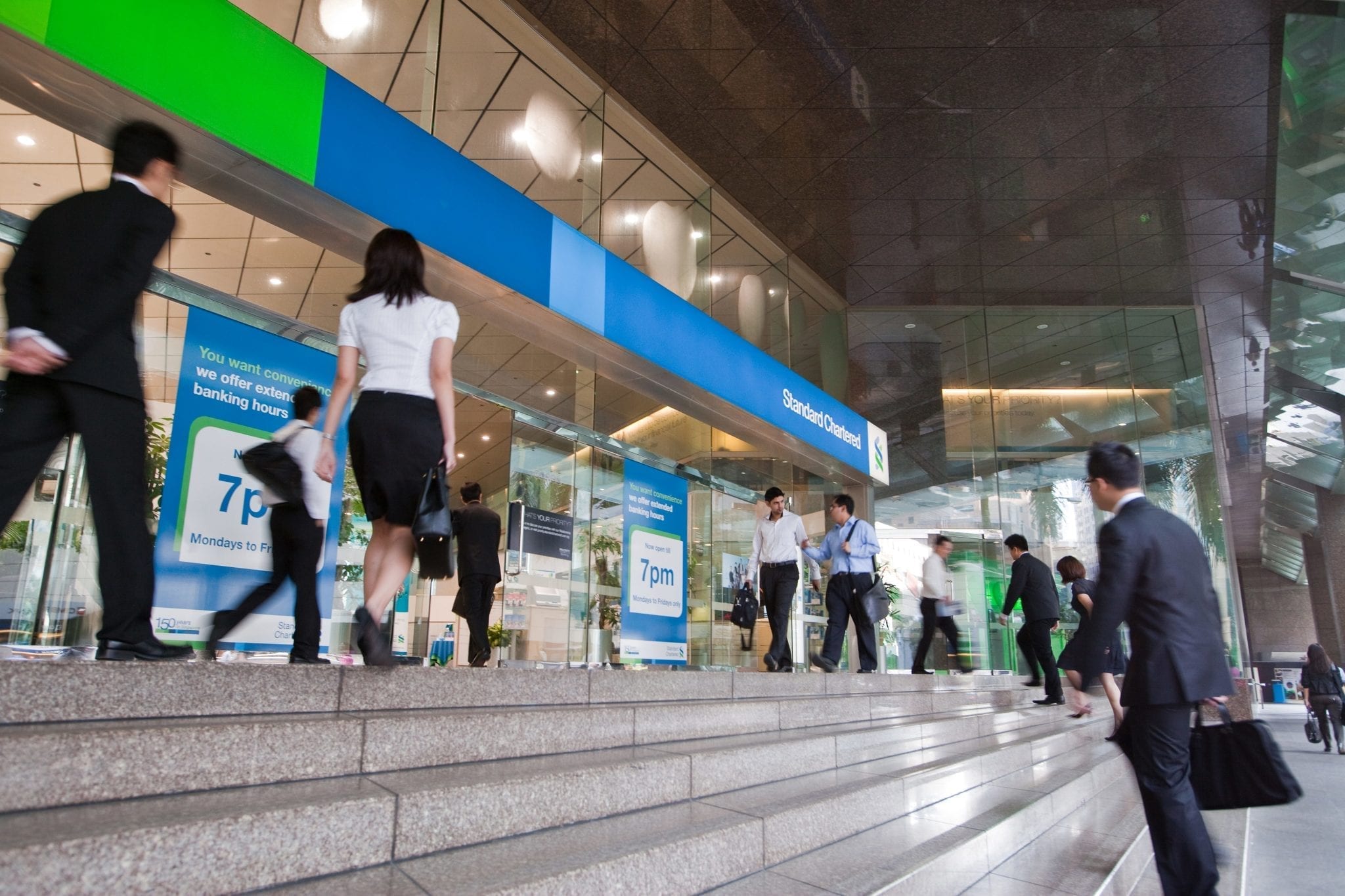
    Standard Chartered Bank China (SCB China) recently completed its first-ever Qualified Foreign Investor (QFI) investment in China Government Bond (CGB) Futures following the market’s recent opening. The bank served in dual roles, both as the QFI’s custodian and futures margin depository bank. This service facilitated the comprehensive execution of the trade.

    Opening Up of China’s Capital Markets

    On April 24, 2026, the China Securities Regulatory Commission, the People’s Bank of China, and the State Administration of Foreign Exchange sanctioned QFIs to trade in CGB futures for hedging purposes. This move opened up broader access to onshore risk management tools. Jerry Zhang, the Global Head of Banks and Broker Dealers & Head of Coverage for Greater China & North Asia, noted that Standard Chartered was among the first six banks authorized to participate in CGB futures. He explained that this development is a significant step towards the continued opening of China’s capital markets. It also satisfies the high demand from global institutional investors for improved risk management and portfolio diversification tools. Zhang asserted that, with its robust cross-border connectivity, Standard Chartered is ideally positioned to assist clients in efficiently and effectively executing their investment strategies in China.

    Pierre Mengal, the Regional Head of Financing & Securities Services for Greater China & North Asia, expressed that this initial transaction’s completion just over a month after the market opening highlights their strong collaboration with local regulators and partners, as well as their expertise in China market access schemes. He echoed that this also showcases the strength and consistency of their services and operations developed over decades of on-the-ground presence. Mengal concluded by saying that they are eager to enable more global investors to access China’s capital markets with speed and assurance.

    Standard Chartered’s Long-standing Presence in China

    Standard Chartered initiated its custodial business in China’s capital markets as early as 1992 and has since been a leading custodian in both inbound and outbound schemes. In 2018, Standard Chartered China became the first international bank to receive a domestic fund custody license. Since then, it has been custodizing products from local brokers, fund managers, and wholly foreign-owned enterprises, developing a unique proposition to facilitate collaboration between local and overseas investors.

    Questions & Answers

    What was the significance of the recent QFI investment completed by SCB China?
    The completion of this investment signifies the opening of China’s capital markets, promoting broader access to onshore risk management tools and catering to the strong demand from global investors.

    What roles did Standard Chartered play in this transaction?
    Standard Chartered acted as both the custodian and futures margin depository bank for the QFI, facilitating the comprehensive execution of the trade.

    How is Standard Chartered China positioned in the Chinese market?
    Standard Chartered has been a leading custodian in China’s capital markets since 1992 and was the first international bank to receive a domestic fund custody license in 2018. It has built a unique proposition of facilitating collaboration between local and overseas investors.

  • UBS Challenges Swiss Court Verdict on Credit Suisse’s AT1 Bond Valuation: A Game Changer in Bank Recovery?

    UBS Challenges Swiss Court Verdict on Credit Suisse’s AT1 Bond Valuation: A Game Changer in Bank Recovery?

    The Swiss Federal Administrative Court issued a partial ruling on October 13, 2025, which put up for debate the legality associated with deeming Credit Suisse’s Additional Tier 1 (AT1) bonds as worthless. The ruling came in response to an appeal lodged by Switzerland’s financial regulator, Finma. Now, UBS has declared its intention to lodge their appeal as well.

    UBS to Appeal Ruling

    In line with the release of its results for the third quarter of 2025, UBS announced its plan to challenge the partial ruling of the Federal Administrative Court relating to the AT1 litigation. The bank clarified that this step is being undertaken with the aim of ensuring that the court considers its perspective regarding the relevant facts associated with the acquisition of the AT1 bonds.

    UBS also emphasized that the appeal is essential in order to preserve the credibility of AT1 instruments, considering the integral role these play in the resolution and recovery process of banks.

    Key Component of the Bailout Package

    UBS highlighted that the devaluation of Credit Suisse’s AT1 instruments was an important part of the bailout package. The bank maintained that the devaluation was in line with the contractual terms of the AT1 instruments and the applicable legislation. It also asserted that the decision taken by Finma was lawful.

    UBS pointed to the conclusions reached by the Parliamentary Inquiry Commission, which determined that Credit Suisse would have faced insolvency without the bailout package and would not have been able to continue its operations after Monday, March 20, 2023.

    Challenging A Questionable Verdict

    In October, the Federal Administrative Court ruled that the legal foundation for Finma’s decision to deem Credit Suisse’s AT1 bonds as worthless was inadequate. Finma has already taken a step to challenge this decision at the Federal Supreme Court, and UBS has now announced its decision to do the same.

    UBS has also addressed several questions related to the AT1 issue on its FAQ page.

    Questions & Answers

    Why is UBS appealing the ruling?
    UBS is appealing the ruling to ensure the court considers their view regarding the acquisition of the AT1 bonds and to safeguard the credibility of AT1 instruments due to their key role in the resolution and recovery of banks.

    Why was the devaluation of Credit Suisse’s AT1 instruments a critical part of the bailout package?
    The devaluation was crucial as it was in line with the contractual terms of the AT1 instruments and the applicable law. Without the bailout package, Credit Suisse would have faced insolvency.

    What was Finma’s decision regarding Credit Suisse’s AT1 bonds?
    Finma decided to render Credit Suisse’s AT1 bonds worthless. However, the Federal Administrative Court ruled that the legal basis for this decision was insufficient. Finma and UBS have both decided to appeal this decision.

  • China Bond Bankers Flee HSBC

    China Bond Bankers Flee HSBC

    HSBC has reportedly lost four bankers in its debt capital markets team covering Chinese state-owned enterprises as the business faces pressure from the Huawei incident and stressed relations with the U.K.

    Managing directors John Hai and Jiang Song have left HSBC in recent weeks, according to a report citing unnamed sources, with plans to join competing firms after more than a decade with the British lender.

    Hai and Jiang led client coverage of Chinese investment-grade issuers including state-owned enterprises (SOE).

    Two other bankers on HSBC’s China investment grade team have also left.

    The Chinese investment-grade bond team has 12 employees and the overall debt capital market (DCM) unit has about 20.

    According to the sources, HSBC has been missing out on dollar bond deals from Chinese SOE clients following the U.S. probe of Huawei’s chief financial officer Meng Wanzhou.

    Dealmaking was also affected by U.K.-China tensions over political freedoms in Hong Kong.

    Despite the headwinds, HSBC continues to concentrate resources in Asia with reduction or exits from unprofitable operations in the U.S. and Europe.

    In addition to the transferal of three of HSBC’s most senior executives from London to Hong Kong, the bank has also made managing director-leveled hires in global co-head of capital financing Matthew Ginsburg and head of consumer and retail Heidi Chan.

    We continue to invest in our mainland China business – both onshore and offshore – and have seen recent strong momentum for our China DCM business, particularly in [the] public sector, FIG and high yield, said an HSBC spokesperson. As the leading foreign bank in mainland China, we are proud of our track record, and confident and optimistic about our ability to serve the financial and banking needs of our Chinese clients.

  • Tiki raises $43.5 mln via corporate bonds

    Tiki raises $43.5 mln via corporate bonds

    E-commerce platform Tiki has raised VND1 trillion (nearly $43.5 million) over the last three months by issuing corporate bonds.

    Issued from 16 March to June 13, the bonds are non-convertible with a fixed interest rate of 13 percent per annum, one of the highest rates in the local market.

    Over 97 percent of Tiki bonds’ buyers are Vietnamese individual professional investors. Two domestic institutional investors and two foreign investors also bought the bonds.

    Tiki will use the VND1 trillion to increase its working capital, expand warehouses, invest in subsidiaries, and fund advertisement and marketing campaigns, among others.

    After suffering losses in recent years, Tiki still has to spend big to grab market shares from rivals like Shopee, Lazada, and Sendo.

    Tiki reported losses of over VND750 billion in 2018, and more than VND320 billion in 2019.

  • UOB Taps Digital Platform for Bond Issuance

    UOB Taps Digital Platform for Bond Issuance

    The bank has priced S$600 million of perpetual capital securities at a fixed coupon rate of 2.55 percent – the lowest for benchmark perpetual securities for banks in Singapore.

    UOB is piloting the digital issuance of its latest bond offering on exchange-operated digital asset issuance platform Marketnode, the bank said in an announcement on Wednesday.

    The non-call seven-year additional Tier 1 (AT1) capital securities offering is the industry’s first public capital issuance to reference the Singapore Overnight Rate Average Overnight Indexed Swap (SORA-OIS) rate. The digital bond is run in parallel with the conventional issuance process.

    UOB said the transaction saw a subscription rate of 1.7 times, supported by an extensive investor base comprising both quality institutional accounts and private banking investors

    Marketnode is a joint venture between Singapore Exchange and Temasek. It uses distributed ledger technology to connect various parties – from issuers to investors – and to tokenize capital securities so that smart contracts can be created and conducted for greater efficiency.

    UOB said it is fully behind the development of Singapore’s digital capital markets infrastructure and the smooth transition to a SORA-centred financial market.

    As more global issuers and investors come on board and participate in Singapore’s digital capital markets, we will see further strengthening of Singapore’s status as the region’s financial hub, Wee Ee Cheong, UOB deputy chairman, and CEO, said

  • DBS Obtains Bond Settlement Agent License in China

    DBS Obtains Bond Settlement Agent License in China

    DBS Bank (China) announced that it received a Bond Settlement Agent license in the China Interbank Bond Market, making it the first and only Singapore bank to be granted such a license.

    DBS Bank (China) has received a Bond Settlement Agent license from the People’s Bank of China to act as a bond settlement agent in the China Interbank Bond Market, the lender said in a statement on Tuesday. Prior to the license, DBS China has been involved in the China bond market as Trial Bond Market Maker in the China interbank bond market for years.

    This license will enable DBS China to serve overseas investors who are interested in the China bond market because from now on, we can provide the bond settlement or custody services to them.

    The China bond market is the largest in Asia and the second-largest in the world and is of significant interest to international investors. With the license, we look forward to introducing more overseas customers to the China bond market and providing our comprehensive service to international institutional investors said Neil Ge, CEO of DBS China in the statement.

    China’s onshore bond market worth was 88 trillion yuan ($13.12 trillion) in February last year, according to the country’s central bank. Since last April, the phased inclusion of Chinese sovereign bonds and debt sold by three key state-owned policy banks into the Bloomberg Barclays Global Aggregate Index has attracted a new group of investors into China’s domestic bonds.

    Up to then, inflows have been dominated by central banks and sovereign wealth funds. With the inclusion of China bonds into such indices, private-sector managers following the index would be looking to join the market.

  • Aston Martin Valhalla To Be Featured In The Upcoming 25th James Bond Movie

    Aston Martin Valhalla To Be Featured In The Upcoming 25th James Bond Movie

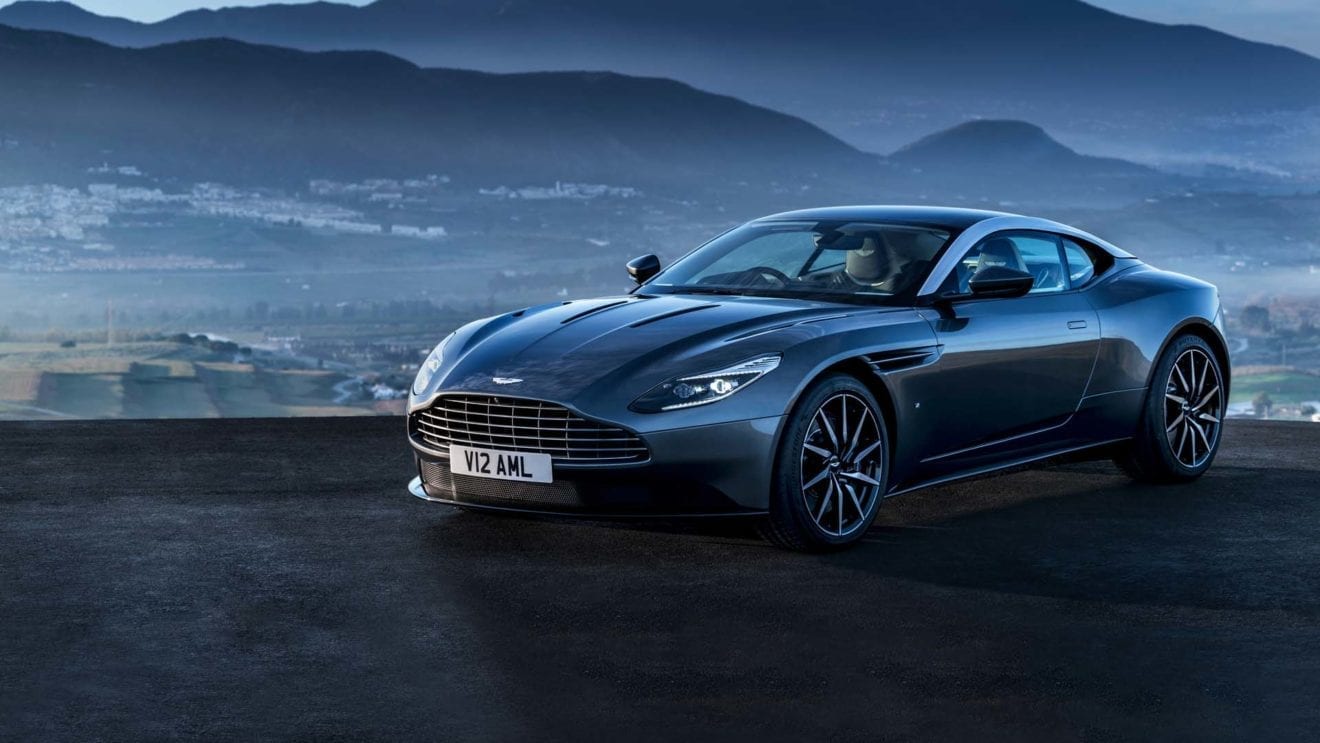
    Further extending its deep connection with the James Bond franchise, Aston Martin has recently revealed the carmaker’s new mid-engined hypercar Valhalla will be a part of the upcoming 25th Bond movie, staring actor Daniel Craig. In addition to the recently unveiled Aston Martin Valhalla, the new 007 movie will also feature the classic Series II V8 Vantage and the iconic DB5. While the Vantage was last seen in a Bond film more than 30 years ago when Timothy Dalton drove it in The Living Daylights, the Aston Martin DB5 has been a series regular driven by almost all major 007s. Last time we saw the DB5 was in the 2015 movie Spectre.

    The new Valhalla will be the first mid-engined Aston Martin car to be driven by a James Bond, and only the second among all. Last time a James Bond character drove a mid-engined car was in the1981 movie For Your Eyes Only, and it was Roger Moore driving the Lotus Esprit Turbo.

    As for the Aston Martin Valhalla, the all-new hypercar will be positioned below the company’s flagship, Valkyrie, which is more track-focused, and instead be a more road-friendly usable everyday car. An outcome of the collaboration between Aston Martin and Red Bull Racing, the Valhalla was earlier known as the AM-RB 003. The car uses a carbon fiber monocoque chassis and is powered by a twin-turbocharged V6, assisted by a battery-powered electric hybrid system. The powertrain system is expected to offer a combined power of up 986 bhp. The exhaust system uses dual outlets, which are positioned on top of the car, similar to the Porsche 918 Spyder.

    While we are likely to see a pre-production model in the movie, the new Aston Martin Valhalla is expected to officially enter production in 2021. It is expected to compete with the upcoming successor of the McLaren P1.

  • Aston Martin Celebrates 50 Years Of James Bond Movie

    Aston Martin Celebrates 50 Years Of James Bond Movie

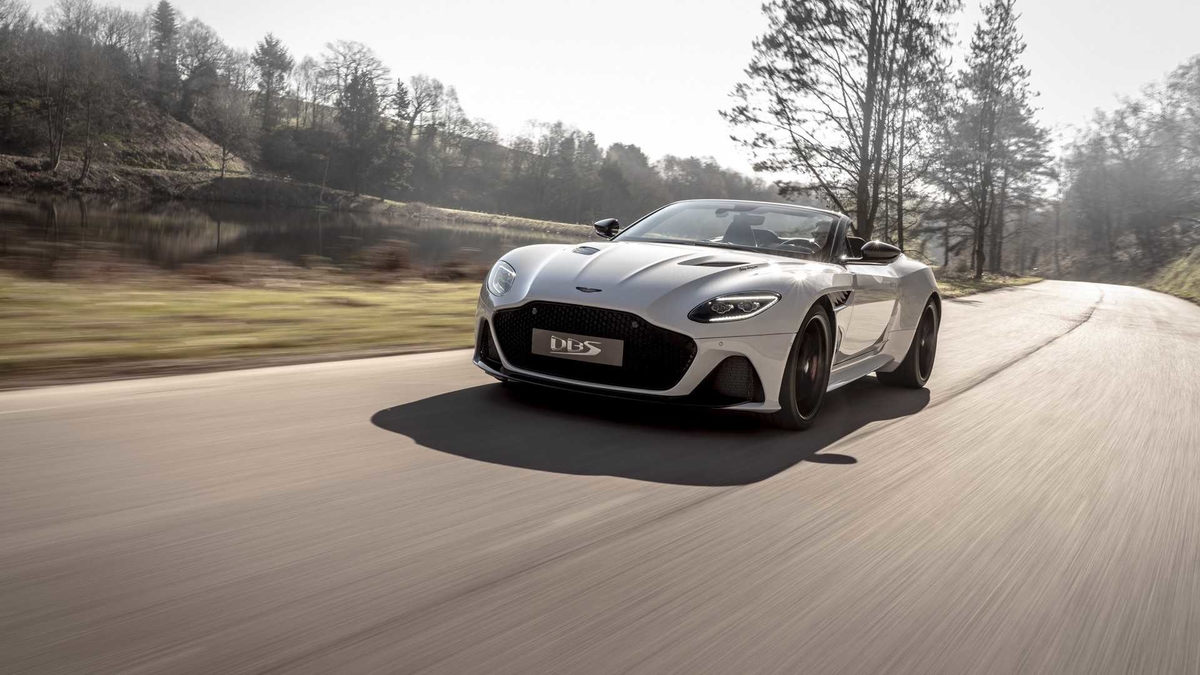
    The Aston Martin DBS Superleggera is set to become the newest James Bond-inspired car, thanks to the most recent collaboration between Aston Martin and EON Productions. To celebrate the 50th anniversary of the James Bond film, On Her Majesty’s Secret Service, 50 ‘On Her Majesty’s Secret Service’ DBS Superleggera special edition cars will be sold. Painted Olive Green to match the original 1969 Aston Martin DBS driven by James Bond in the movie, the new models will take bring in a brutish elegance to the DBS Superleggera. It is 50 years since filming began for the sixth James Bond film, which told the story of Bond villain ‘Blofeld’ and his ongoing attempts to hold the world to ransom. The 1969 Aston Martin DBS was James Bond’s perfect partner to save the world.

    Andy Palmer, Aston Martin Lagonda President and Group Chief Executive Officer, said, “Aston Martin is synonymous with James Bond and the DBS from On Her Majesty’s Secret Service has provided great inspiration to the team tasked with creating this very special edition. This new DBS Superleggera will be an extremely distinguished ‘brute in a suit’, designed to capture the essence of the iconic DBS from the 1969 film but with a 5.2 litre twin-turbo V12, 715bhp engine!”

    The 5.2-liter twin-turbo V12 on the DBS Superleggera engine is set low and as far back in the chassis as possible to optimize the center-of-gravity and weight distribution, this high-performance engine develops 725PS at 6500rpm and 900Nm from 1800-5000rpm. Detailed tuning of the V12 together with an exhausting strategy with active valves and quad tailpipes ensures that the DBS Superleggera is audible wherever it goes.

    The special edition DBS Superleggera boasts carbon fiber, splitter, aero blade and unique diamond turned and forged wheels. A bespoke metal grille featuring six bright horizontal vanes, adorns the front of the limited-edition car to replicate the distinctive feature of the DBS featured in On Her Majesty’s Secret Service. The exterior paint surface is enhanced with body colored contrails and roof. Bearing commemorative side strakes and unique touches throughout, the car is every inch ‘007’.

    On the inside, the DBS Superleggera is trimmed in pure black leather, accented by grey blend Alcantara, as in the original 1969 DBS. The cockpit is accented in red, inspired by the red-trimmed glovebox in the original car, which held 007’s telescopic-sight rifle.

    The 50 owners of this James Bond Special Edition will have the option to select a bespoke designed drinks case which fits into the boot space. The black drinks case opens via the bright metal clasp to reveal the matching red felt-lined interior, with space for two bottles of champagne and four champagne flutes.

    Each of the 50 On Her Majesty’s Secret Service DBS Superleggera special editions will retail at 300,007 Euros, with first deliveries to customers commencing in Q4 2019

  • ICBC Singapore Issues Bank’s First Green Bond

    ICBC Singapore Issues Bank’s First Green Bond

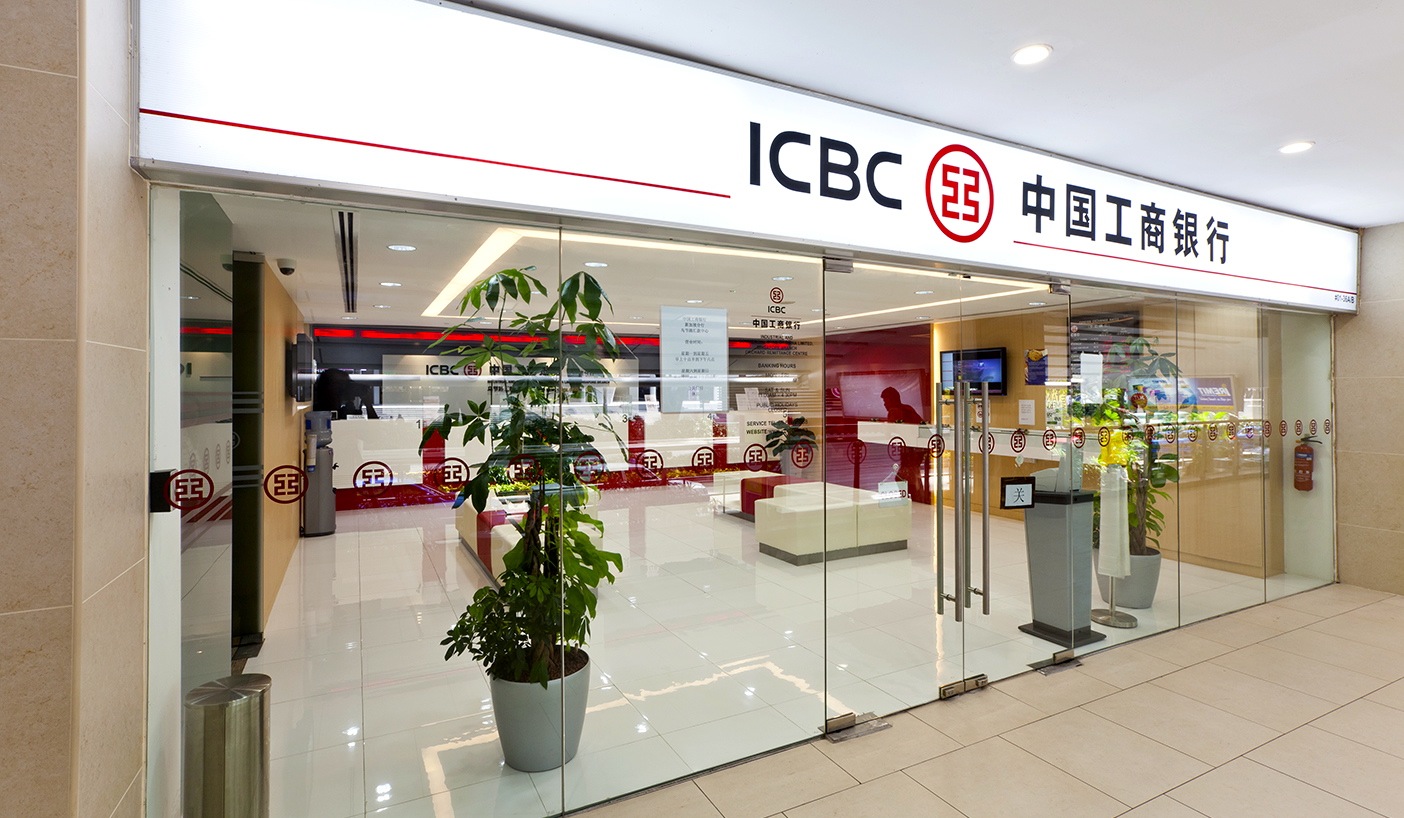
    State-owned bank offers green Silk Road bond in three currencies one week after a similar exercise by rival Bank of China. Acting through its Singapore branch, the Industrial and Commercial Bank of China (ICBC), the world’s biggest bank by assets, has issued its first green bond offering in three currencies totalling $2.2 billion equivalent, Reuters reported on Wednesday.

    The U.S. dollar-denominated tranche includes $900 million three-year floating rate notes priced at three-month Libor plus 72 basis points and $600 million five-year floating rate notes priced at three-month Libor plus 83 basis points. They received over $2.4 billion and $1.5 billion in orders respectively, with Asia buying 92 percent of the deal and the rest coming from EMEA in both cases, according to Reuters.

    The 1 billion yuan ($149 million) three-year tranche was priced at 3.3 percent. The 500 million euro tranche received over 1.8 billion euros in orders.

    DBS Bank was the only Singapore bank among the issue’s joint global coordinators, which also include ICBC, Credit Agricole, HSBC and Standard Chartered Bank. DBS was also the joint book runner and joint lead manager of the issue. There were 22 underwriters for the bond issue, which intends to support green projects under China’s Belt and Road Initiative.

    According to Clifford Lee, DBS Bank head of fixed income, said that ICBC Singapore’s successful issuance of its first green bond is underpinned by its commitment to financing sustainable development along the Belt and Road, «The Business Times» reported.

    A week before, Bank of China raised $3.8 billion equivalent across five currencies and eight tranches from its fifth Silk Road bond offering.

  • India central bank makes surprise interest rate cut

    India central bank makes surprise interest rate cut

    India’s central bank unexpectedly lowered interest rates and, as anticipated, shifted its stance to “neutral” from “calibrated tightening” to boost a slowing economy after a sharp fall in the inflation rate. The monetary policy committee (MPC) of the Reserve Bank of India cut the repo rate by 25 basis points to 6.25%, as predicted by only 21 of 65 analysts polled by Reuters. Most polled respondents expected the central bank to only change the stance, to neutral.

    Four of six members of the MPC voted to cut the rates, while all six voted for a change in the stance.

    “Investment activity is recovering but supported mainly by public spending on infrastructure,” the MPC said in a statement. “The need is to strengthen private investment activity and buttress private consumption.”

    Rupa Rege Nitsure, chief economist at L&T Financial Services, called the central bank moves “the perfect policy response in the current circumstances.”

    Indian shares pared gains while 10-year bond yields slid 5 basis points after the surprise rate cut.

    The Indian rupee weakened to 71.69 to the dollar immediately after the announced but strengthened soon after to 71.42.

    The NSE index was up 0.04% at 11068.05 while the 10-year benchmark government bond yield fell to 7.51% from Wednesday’s close of 7.56%.

    India’s last rate cut, to 6.00%, was in August 2017.

    Also, in Manila, the Philippine central bank kept its benchmark interest rate steady for a second straight meeting , saying inflation risk had fallen on lower crude oil and food prices.

    The Bangko Sentral ng Pilipinas kept the rate on its overnight reverse repurchase facility The central bank paused its tightening cycle in December to allow its five straight previous rate increases, totalling 175 basis points, to work their way into the economy.

    The rate increases appear to be having their desired effect as inflation has started to cool since it hit a near-decade peak of 6.7% in September and October last year.

    The decision to stay on hold was based on the central bank’s view that lower oil costs and stabilisation in food prices would bring inflation under control and could see it back on target as early as March, when it could fall to below 4%.

  • Indonesia to Sell $4b in Bonds to Fund Freeport Purchase

    Indonesia to Sell $4b in Bonds to Fund Freeport Purchase

    State-owned mining holding company Indonesia Asahan Aluminium, better known as Inalum, sold bonds worth $4 billion in its first-ever US dollar bond deal on Thursday to fund the acquisition of a majority stake in the Grasberg copper mine in Papua.

    The deal came amid choppy global markets, rocked by trade concerns and slowing economic growth in Asia – including Indonesia – that have made it hard for emerging market borrowers to attract investor interest.

    The coupon on the bonds was lower than the initial guidance.

    Inalum sold a tranche of three-year bonds at a yield of 5.230 percent, five-year bonds at 5.710 percent, 10-year bonds at 6.530 percent and 30-year bonds at 6.757 percent, according to a copy of the term sheet for the sale.

    That compared with initial guidance ranging from 5.875 percent to 8 percent.

    Inalum sold $1 billion in three-year and 10-year bonds each, $1.25 billion in the five-year bonds and $750 million in the 30-year paper, according to the term sheet.

    The bonds were sold slightly below face value.

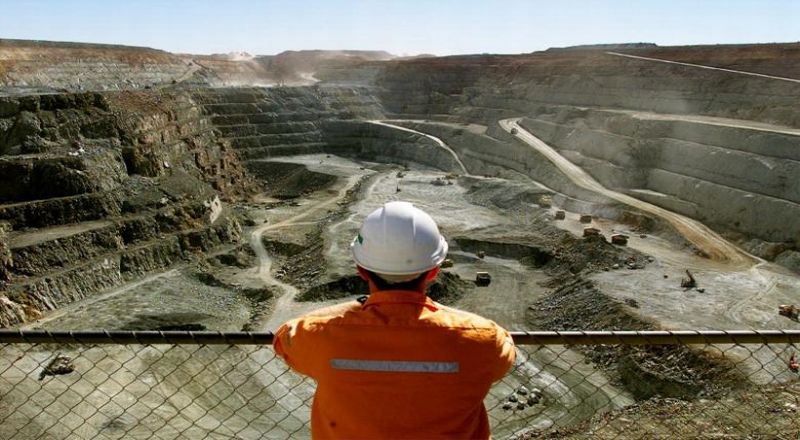
    Inalum will use the funds to buy shares in US mining giant Freeport-McMoRan’s Indonesian unit, which owns the mine.

    Freeport agreed in July to sell its stake to the government for $3.85 billion, ending a long-running dispute with Indonesia, which is seeking to gain greater control over its mineral wealth.

    The sale occurs during a period of market turmoil which has seen Asian issuers hit particularly hard as rising US interest rates have pushed up borrowing costs.

    The sale drew over $20 billion in investor orders, most of them from the United States.

    Asset managers and fund managers represented the bulk of investors, making up 78 percent to 86 percent of buyers.

    The bonds are expected to be rated BAA2 by Moody’s and BBB- by Fitch.

    There is some uncertainty around the Grasberg deal as the government said it is binding while Freeport and Rio Tinto said it is non-binding.

    The bond deal includes a clause that says the bonds will be redeemed at 101 percent of face value if the acquisition is not completed by June 30 next year.

    BNP Paribas, Citigroup and Mitsubishi UFJ Financial Group were the joint global coordinators for the deal.

  • Philippines gov’t to sell $596M retail treasury bonds

    Philippines gov’t to sell $596M retail treasury bonds

    The Philippines plans to sell at least 30 billion pesos ($596 million) worth of three-year retail treasury bonds to provide small investors with safe investment options, the Bureau of Treasury said on Thursday.

    It would be the second retail bond issue under President Rodrigo Duterte’s nine-month-old government, which in September 2016 raised as much as 100 billion pesos from such offering.

    “We want more Filipinos to get into the habit of investing, and become more financially aware of how their money could work harder for them,” National Treasurer Rosalia de Leon said.

    Public offering runs from March 28 to April 6, with investors given an option to earn from a minimum investment of 5,000 pesos.

    The RTBs earn a fixed interest rate based on prevailing market rates with interest coupons paid quarterly.

    The treasury bureau has tapped First Metro Investment Corp and Land Bank of the Philippines as joint lead issue managers.

    BDO Capital & Investment Corp, BP Capital Corp, Development Bank of the Philippines, China Bank Capital Corp and SB Capital Corp are joint issue managers.

  • Hongkongers must wake up to new yuan reality

    Hongkongers must wake up to new yuan reality

    For a long time, Hong Kong people and corporates enjoyed a free ride on the renminbi as the Chinese currency promised steady appreciation and high returns.

    But the steep devaluation this week has spoilt the party for good, and everyone — be it multinational corporations operating out of IFC 2 or housewives in Ngau Tou Kok — is now seeking to repatriate money back from China to Hong Kong.

    Thanks to the Stock Connect between Hong Kong and the mainland, the daily limit of transferring Hong Kong dollar to renminbi was lifted last year.

    But for those who took advantage of the easier rules and shifted to China assets and chose to stick with them would have got hurt by the yuan’s downward move and the recent A-share collapse.

    Apparently more corporates have been hurt, rather than benefit, from the weaker yuan.

    Among international firms, Apple Inc, for instance, saw its share price move into correction territory on Wall Street as investors were concerned about the tech giant’s large China sales exposure.

    In Hong Kong, the weak yuan led fashion-wear retailer I.T. Ltd. to issue a profit-warning on Thursday, with the firm saying that it estimates a HK$60 million loss from a decline in the value of its renminbi time deposits.

    The tiny retailer’s decision to swiftly mark down its assets sent some shockwaves through local investing circles and also led to a guessing game as to which other cash-rich listed firms might be having huge exposure to the Chinese currency.

    Last month HKTV announced the purchase of a 11 million yuan bond bearing 6.25 interest and another 15 million yuan bond of 4.85 percent interest, but the asset has seen its value come off 4 percent this week.

    Likewise, Asia Financial chief executive Bernard Chan also said his company had HK$400 million exposure in yuan which earned a 3 percent coupon. With the yuan’s devaluation, the effective returns will be zero.

    Apart from corporates, individuals would also now have to think twice on where to park their money once their fixed-term yuan deposits mature.

    As there are fears of further devaluation of the renminbi, the Chinese unit has lost its earlier safe-haven status.

    For investors, the formula that previously gave them super returns on the yuan is no longer working amid China’s new normal.

    On the bright side, imported deflation could help ease the rise in consumer prices in Hong Kong. Prices will remain elevated no doubt, but they are unlikely to climb much higher.

    Meanwhile, a weaker renminbi could also cool down mainland investor interest in Hong Kong property, providing some relief to locals.

    That said, we should also be prepared for the negative consequences of reduced overseas spending power of the mainlanders.

    There might be diminished capital flows into the local stock market, and the tourism and retail industries could also face more rough weather.

    It’s time for Hongkongers to wake up to a new reality.


  • Singapore Savings Bonds: Good intent, bad timing, say analysts

    Singapore Savings Bonds: Good intent, bad timing, say analysts

    Singapore’s plan to launch a savings bond to encourage long-term retail savings is unsettling domestic banks and economists who fear this bond will push interest rates up and suck cash out from an already anaemic economy.

    The new bond, which will begin selling in October, will have a term of 10 years. It will offer the same yields as government bonds or ten times the returns on bank deposits, and can be redeemed without penalty at any point.

    Such a juicy proposition could cause a flight of cash from bank deposits into these bonds and force interest rates higher as banks compete to attract savers.

    The government says it will issue a maximum of S$4 billion worth of bonds this year, which is still more than a fifth of deposit growth in 2014.

    The timing of these bonds, which are aimed at meeting a long-felt need for long-term investment options in the low-yielding economy, couldn’t be worse, say analysts.

    The economy contracted sharply in the second quarter as manufacturing slumped and is at risk of tipping into technical recession. Price pressures are subdued and expectations are building for the central bank to ease policy once again at a twice-yearly review in October.

    “Launching a retail savings bond now is almost like reverse QE,” said Chua Hak Bin, an economist with BofA Merrill Lynch in Singapore, referring to the unorthodox quantitative easing (QE) policies the United States and other major economies have pursued in the years since the 2007 financial crisis.

    Chua points to the already slowing deposit growth in the Singapore banking system, with just S$3.8 billion ($2.8 billion) of deposits being added in the first five months of 2015, just 20 percent of the total growth last year.

    He suspects the government would invest the savings bond flows overseas. That would further pressure loan growth, by tightening available cash and triggering a rise in deposit rates, he said.

    “So the timing is not ideal. The economy has stagnated in the first half and this will worsen the situation,” Chua said.

    Citibank analysts expect that of a total S$559 billion of deposits in the banking system, 36 percent are savings deposits held by households. If on average the MAS issued about S$6 billion worth of bonds each year, S$30 billion would flow from the deposit base into bonds over five years, they estimate.

    RISK-FREE AND REWARDING

    Singapore’s central bank, the Monetary Authority of Singapore (MAS), has set a cap of S$100,000 on individual investments in the bond.

    MAS Managing Director Ravi Menon played down fears the bond will cannibalise bank deposits.

    “The savings bonds issuance numbers pale in significance compared to the total size of the banking deposits,” he said at a news conference this week.

    Yet there is little doubt the bonds will draw savers from banks. Government bonds yield about 0.95 percent for one-year and 2.6 percent for 10 years. Bank deposits fetch around 0.25 percent for a year and just double that for 24 months.

    “The Singapore Savings Bond is bending the risk-reward paradigm in investors’ favor,” said Zal Devitre, head of investments at Citibank in Singapore.

    Devitre believes retail investors and consumers will be keen to buy the bonds, and yet thinks it is premature to be projecting the impact that will have on rates and banking system liquidity.

    Local banks such as DBS, Oversea-Chinese Banking Corporation and UOB are expected to be impacted if there is a heavy migration of deposits.

    But analysts also expect there will be more pressure on global banks such as Citibank, Standard Chartered, HSBC and Malayan Banking Bhd, which have been deemed systemically important by Singapore and therefore need to maintain higher capital than stipulated under the Basel 3 guidelines.