
Tag: boohoo.com

  • Impressive Primark sales growth boosted by new stores

    Impressive Primark sales growth boosted by new stores

    The impressive Primark sales growth over the last half year has been boosted by network expansion with the addition of 16 stores across both Europe and the US – and exchange rates.

    The value retailer expects to end the first half with 329 stores, and 13.1 million sqft of trading space – up 12 per cent year-on-year. Like-for-like sales to date are flat compared with last year at a group level, brought down by store cannibalisation in the Netherlands, but fared better at home, up 2 per cent.

    But tourists drawn to Britain by the low pound have driven sales up 10 per cent at the company’s two London flagships.

    Parent company ABF expects Primark’s sales over the half year to be 11 per cent ahead of last year at constant currency rates. At actual exchange rates, sales are expected to be up 21 per cent.

    Kate Ormrod, senior analyst with GlobalData, says margin pressure will remain the big story for Primark in the second half, especially given its commitment to maintaining prices until August.

    “That’s a necessary move given the importance of staying price competitive at the value end of the market. As a result, operating profit margin for the full year is expected to fall. Some form of price increase can still be expected on Primark’s more expensive products, with investment in design and fit used to justify any hikes, ensuring shoppers still receive value for money,” she says.

    “Being known as the price leader affords Primark some protection at a time when disposable incomes are being squeezed; however, ensuring product ranges remain fashionable and relevant will be imperative to retain appeal.”

    Ormrod says this is particularly important as emerging players such as boohoo.com and Missguided continue to encroach on Primark’s fast fashion unique selling point, enabling them to steal customers and share.

    “Further investment in menswear to address new trends will be important to build Primark’s fashion credentials, as its offer remains more basics-driven than those of rivals such as New Look and H&M,” she concluded.
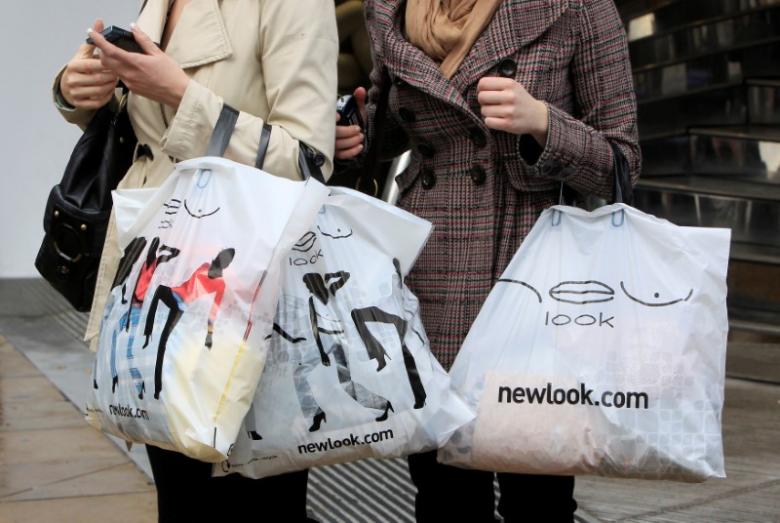

  • New Look loses market share in tough year

    New Look loses market share in tough year

    New Look’s share of the UK clothing market has fallen to 2.6 per cent for calendar year 2016 – from 2.7 per cent in 2015.

    Stores have failed to drive the necessary footfall to return its like-for-like performance to positive territory, with year-to-date (39 weeks to 24 December 2016) UK like-for-likes are down 7.3 per cent with the likes of Next, Primark and Matalan also finding it tough to grow organic stores sales during 2016. Moreover, weaker sales and significant levels of discounting throughout the year led to a 32.6 per cent decline in underlying operating profit to £111.5 million, bringing margins down 4.2 percentage points to 9.8 pr cent.

    The strength of the online competition has dampened the appeal of New Look’s physical stores.

    The fashion-led product mix, attractive pricing and inspiring shopping experience at the likes of boohoo.com, Missguided and Asos continue to encourage New Look’s core shopper base to browse and shop more online reducing the need to visit physical stores. This shift has benefited New Look’s online platform as has its investment in product styling, delivery options and editorial content.

    The double digit growth in online sales highlights that the problem does not lie with product – it is the number of stores New Look operates and their lack of responsiveness during periods of unseasonal weaker.

    Store closures, enhanced visual merchandising, increased product newness and adapting its seasonal mix and phasing is essential to return like-for-likes to growth and limit the threat of the online pure-plays.

    Honor Strachan

  • Social media drives Asos success

    Social media drives Asos success

    The first quarter was an especially promotion-abundant period for pureplay UK-based online retailer Asos.

    Blanket discounts of 20 per cent for Halloween and Asos’ five-day Black Friday period as well as 30 per cent off selected categories in the run up to Christmas drove sales growth of 52 per cent.

    Asos’ promotions clearly resonated well with UK shoppers, as first quarter UK retail sales grew to an impressive £244 million. Asos should use the wealth of data it has on customers to offer customers tailored discounts on products they are likely to buy rather than blanket discounting.

    Part of the reason behind the consistent Asos success is the way it successfully targets customers with creative email and social media marketing on platforms such as Twitter and Instagram. The retailer also offers attractive delivery options such as Asos Premier, costing £9.95 for 12 months of unlimited next-day delivery; this encourages consumers to choose Asos over other online retailers over this period. Asos.com is regularly updated with new fashion ranges and featured brands such as 3INA and Young Bohemians, all of which encourage repeat spend and maintain customer loyalty which is vital over the peak trading period.

    Asos is continually future-proofing the business, ensuring it can cope with increased demand as it expands globally. The strong growth in international sales, particularly in the US as a result of the weak pound, means Asos will have to keep up with order fulfilment as the retailer expands. This will be imperative as rival retailer boohoo.com seizes market share away from Asos (which stands at 6.6 per cent for the UK online clothing & footwear market in 2016) through its own global expansion.

    The decision from CEO Nick Beighton in January 2017 not to raise prices should help Asos stay competitive in a busier-than-ever online fashion pureplay market.