Retail News CRM

Tag: Books

  • Singapore’s largest bookstore, Books Kinokuniya is downsizing

    Singapore’s largest bookstore, Books Kinokuniya is downsizing

    Singapore’s largest bookstore, the Books Kinokuniya flagship in Takashimaya shopping centre on Orchard Road, is downsizing – again.

    The company said changes will include refinement of its book collection while incorporating a lifestyle element, including a new cafe set to open this year.

    A recent rental negotiation with Toshin Development has led to announcements informing shoppers that Books Kinokuniya is “currently making changes to store layout” and advising them to approach staff if they cannot find what they need.

    The decision is likely a response to the declining book retail industry, which is experiencing a rise in poor reading habits and diminishing book-buying rates coupled with high rental costs.

    According to a 2021 survey by the National Library Board, only 33 per cent of respondents reported reading six or more books a year.

    Currently, the store occupies 38,000sqft of retail space on one floor, a size that has fluctuated over the years.

    From 1999 to 2013, it occupied a 42,000 sqft space on the third level of the mall before reducing its size by approximately 25 percent and relocating to the fourth floor in 2013 to make room for new retail offerings.

    After the closure of the Chinese restaurant Imperial Treasure Teochew Cuisine in 2016, Books Kinokuniya regained 5000sqft of space and subsequently reopened with a layout and frontage that is familiar to shoppers today.

    Books Kinokuniya said that challenges are “ever present” for book retailers.

    “Our Singapore main store continues to evolve while remaining true to our core values, offering an extensive collection of quality titles housed in a pleasant ambience,” it added.

  • Amazon books 244 per cent surge in net income

    Amazon books 244 per cent surge in net income

    Amazon has delivered a stunning 244 percent growth in third-quarter net income as – in the words of one analyst – it overrides the slight slowdown impacting the wider US consumer economy.

    The e-commerce giant booked a net income of $9.9 billion during the third quarter of FY23, which GlobalData MD Neil Saunders attributes to efficiencies the management implemented, such as responding to concerns of overcapacity and the reorganization of the fulfillment network to both reduce costs and improve services for customers.

    “It is very easy to look on these things as obvious steps after they have been implemented, but the level of thinking and planning required to implement them is very high and is a testament to Amazon’s entrepreneurial zeal and spirit,” said Saunders.

    “One of the factors that makes Amazon less susceptible to some of the challenges in the economy is that it has become a reliable and important partner to many in the consumer sector. When it becomes more difficult to reach customers and shoppers become a little more reticent to spend, many companies turn to Amazon and its various solutions from advertising to seller services.”

    Amazon reported a 13 percent increase in net sales to $143.1 billion, as sales grew 11 per cent to $87.9 billion in the North American segment and jumped 16 percent to $32.1 billion in the international segment.

    Its cloud service AWS reported an increase in sales of 12 percent to $23.1 billion.

    “We had a strong third quarter as our cost to serve and speed of delivery in our stores business took another step forward, our AWS growth continued to stabilize, our Advertising revenue grew robustly, and overall operating income and free cash flow rose significantly,” said Andy Jassy, Amazon CEO.

    For the fourth quarter, Amazon forecasts net sales of between $160 billion and $167 billion.

  • Bookstore chain Fahasa says profits rise 65%

    Bookstore chain Fahasa says profits rise 65%

    Leading bookstore chain Fahasa saw its first half profits surging 65% to VND15.4 billion (US$657,000).

    Revenues rose by 10.8% to VND1.77 trillion.

    It had an excellent second quarter with profits of VND11.05 billion on sales of VND1.13 trillion.

    For the full year it targets profits of VND18 billion and revenues of VND3.5 trillion, up 3,051% and 125%.

    Last year, since it had to close many of its stores due to Covid-19 restrictions, its profits were down to just VND590.5 million on sales of VND2.79 trillion.

    Fahasa was established in 1976 and went public 30 years later. It has 71 stores across the country now, down from 115 at the end of 2020.

  • Amazon to close physical bookstores

    Amazon to close physical bookstores

    Amazon is closing most of its physical stores, the company announced today, with all 68 of its Amazon Books, Amazon 4-Star, and Amazon Pop Up locations across the US and the UK set to close while the company refocuses on its grocery and fashion stores.

    Amazon Books was one of the primarily online storefront’s first physical retail experiences when the first location opened in Seattle in 2015. Amazon has since expanded to 24 bookstores across the US, all of which are now slated to be closed down.

    The company would go on to expand its retail efforts with Amazon 4-Star in 2018, with a more generally focused store that sold products with a four-star or higher rating curated from Amazon’s digital storefront, along with — of course — Amazon’s own first-party products (including Echo, Kindle, and Fire TV devices).

    Amazon Pop Up stores, on the other hand, were smaller, more focused mall experiences that offered to rotate themed products (March is a printer collaboration with Brother, for example).

    All of Amazon’s retail locations, however, helped serve as a physical contact point to return Amazon products, in addition to offering lower prices and perks to Amazon Prime subscribers.

    The news isn’t entirely shocking: Amazon’s retail ambitions have largely felt like small-scale trials compared to the massive scale of its online operations. And, the company’s physical locations have performed far worse than its digital storefront in recent years.

    Amazon isn’t exiting brick-and-mortar stores entirely. The company will continue to operate its Amazon Fresh and Whole Foods grocery stores, as well as its Amazon Go convenience stores. Amazon’s experimental “Amazon Style” clothing store is also sticking around, too.

    Amazon has yet to say when exactly it’ll be closing up its physical shops, although Reuters reports that timing will vary from store to store.

  • Eslite opening mega store in KL, Malaysia

    Eslite opening mega store in KL, Malaysia

    Eslite Spectrum Corp (誠品生活), which runs the Eslite bookstore chain in Taiwan and abroad, yesterday inked an agreement with Malaysia’s YTL Corp Bhd to open a branch in downtown Kuala Lumpur in 2022.

    The two sides signed the partnership via a teleconference to launch the Taiwanese bookstore brand in YTL’s mixed-use property The Starhill in Bukit Bintang, a central business district in the Malaysian capital.

    Despite the company’s aim to grow its business abroad, Eslite Spectrum chairwoman Mercy Wu (吳旻潔) said that she was initially hesitant about expanding to Malaysia when the world was in the grip of a pandemic.

    “I decided to take the step at the urging of YTL Corp, the largest conglomerate in Malaysia whose founder, Yeoh Tiong Lay (楊忠禮), was an immigrant from Kinmen and had long supported Chinese culture and education,” Wu told a news conference in Taipei.

    Joseph Yeoh (楊恭賢), vice president of YTL hotels and property wing, said from Kuala Lumpur he was confident that Eslite would succeed in Malaysia, as many people there would still prefer in-person shopping once the COVID-19 pandemic is over.

    YTL has a global footprint with nine shopping malls in different parts of the world and the collaboration with Eslite could lead to other partnerships in the future, Joseph Yeoh said.

    “We will first focus on the current project,” he said.

    The upcoming flagship Eslite branch at The Starhill would be a 2,000 ping (6,600m2) space featuring a bookstore, as well as retail, food and beverage sections, Wu said.

    A Taiwanese team is in charge of its interior design, in line with the company’s mission to integrate the humanities, arts and creativity into life, Wu said.

    “Our initial hesitation stemmed from our insistence on doing the best we can to live up to a reputation of being the top cultural brand across Chinese societies,” Wu said.

    Kuala Lumpur, dubbed the World Book Capital City by the UN, is an ideal destination for expansion, as Malaysia has topped the list of foreign visitors from Southeast Asia for the past 10 years, she said.

    Malaysians have long embraced cultural diversity, with Chinese constituting the second-largest ethnic group, making Malaysia a major export market for Taiwanese books, she added.

    The new Eslite branch is expected to help drive cultural tourism in Malaysia and benefit the two partners, Wu and Yeoh said.

  • Japan’s Tsutaya Books opens first China outlet

    Japan’s Tsutaya Books opens first China outlet

    Famed Japanese franchise Tsutaya Bookstore said at the ongoing Shanghai Book Fair that its first branch in the city is scheduled to open in December.

    The bookstore chain has joined hands with major Chinese property developer Vanke to build an artistic outlet in the Changning District of Shanghai, which will be on a par with its famous branch in the Ginza Six shopping center and its flagship store in Daikanyama in Tokyo.

    Takuya Nomura, general manager of Tsutaya Investment (Shanghai) Co., Ltd., said Tsutaya’s new store will be located in the Columbia Circle, a redeveloped culture park with preserved, old mansion-compound and industrial buildings, widely known for the Columbia Country Club in the 1920s.

    The new two-story bookstore will cover an area of 2,000 square meters and provide a large collection of selected books and limited commodities, as well as rich experiential activities, according to Tsutaya.

    The book retailer, an affiliate of the Tokyo-based culture and entertainment service group Culture Convenience Club Co., ran about 1,198 outlets around the world.

    The new Shanghai outlet is aimed at providing Chinese readers with more lifestyle choices and enhancing the public’s perception of beauty, said Shohei Matsuo, producer of the new store, who also noted that more clerks will be recruited in China.

  • Vietnamese publisher sues Lazada for allowing sales of pirated books

    Vietnamese publisher sues Lazada for allowing sales of pirated books

    Publisher First News has sued the e-commerce platform Lazada, charging it with repeatedly abetting the sales of pirated books and ignoring its warnings. The Ho Chi Minh City-based company announced on Wednesday that it had filed a suit in the District 1 People’s Court against the e-commerce company for allowing merchants to sell fake copies of its bestsellers.

    Its CEO, Nguyen Van Phuoc, said the issue had been raised with Lazada for the last 12 months by sending it documents and evidence of counterfeiting. But the subsidiary of the Chinese e-commerce giant Alibaba did not make any effort to stop the selling of the pirated books, and the issue had in fact worsened, he said.

    The fakes sold on Lazada cost half the original prices, and his company has received hundreds of complaint letters from customers about them, he said. Some of the fake titles include the self-help classic “How to Win Friends and Influence People” by American writer Dale Carnegie and the “Chicken Soup for the Soul” series.

    First News allows customers to trade their fake books for originals, but “we cannot keep doing that forever,” Phuoc said.

    Lazada Vietnam said in a statement on Wednesday that all merchants on its platform are required to comply with local laws and piracy would be punished according to the law. But it did not make any reference to First News’ allegations. In the suit, the publisher has demanded that Lazada remove all fake books and stop allowing their sale in the future.

    First News said last year 686 of its titles were counterfeited and sold on e-commerce platforms. It had organized two public events last year just to furnish evidence against book piracy. It has not revealed its losses due to piracy, but Phuoc said without it the company’s revenues could have been dozens of times higher in the last 15 years.

    First News was established in 1994, and has published or distributed over 2,000 titles so far. Vietnamese publishers have in recent years been grappling with widespread illegal reproduction of books. HCMC-based Tre Publishing House last year discovered a pirated version of its book, “Japanese For Everyone,” being sold on Tiki, a Vietnamese e-commerce platform. The website later suspended the account of the fake bookseller.

    Publishers lament that e-commerce platforms often deny their involvement in the selling of pirated books, claiming they are merely intermediaries who provide trading space and do not store the goods themselves. The Ministry of Industry and Trade requires e-commerce sites to remove all information related to counterfeit goods if they receive complaints backed by evidence.

  • Ebetsu Tsutaya Books: A community space that’s more than just a public building

    Ebetsu Tsutaya Books: A community space that’s more than just a public building

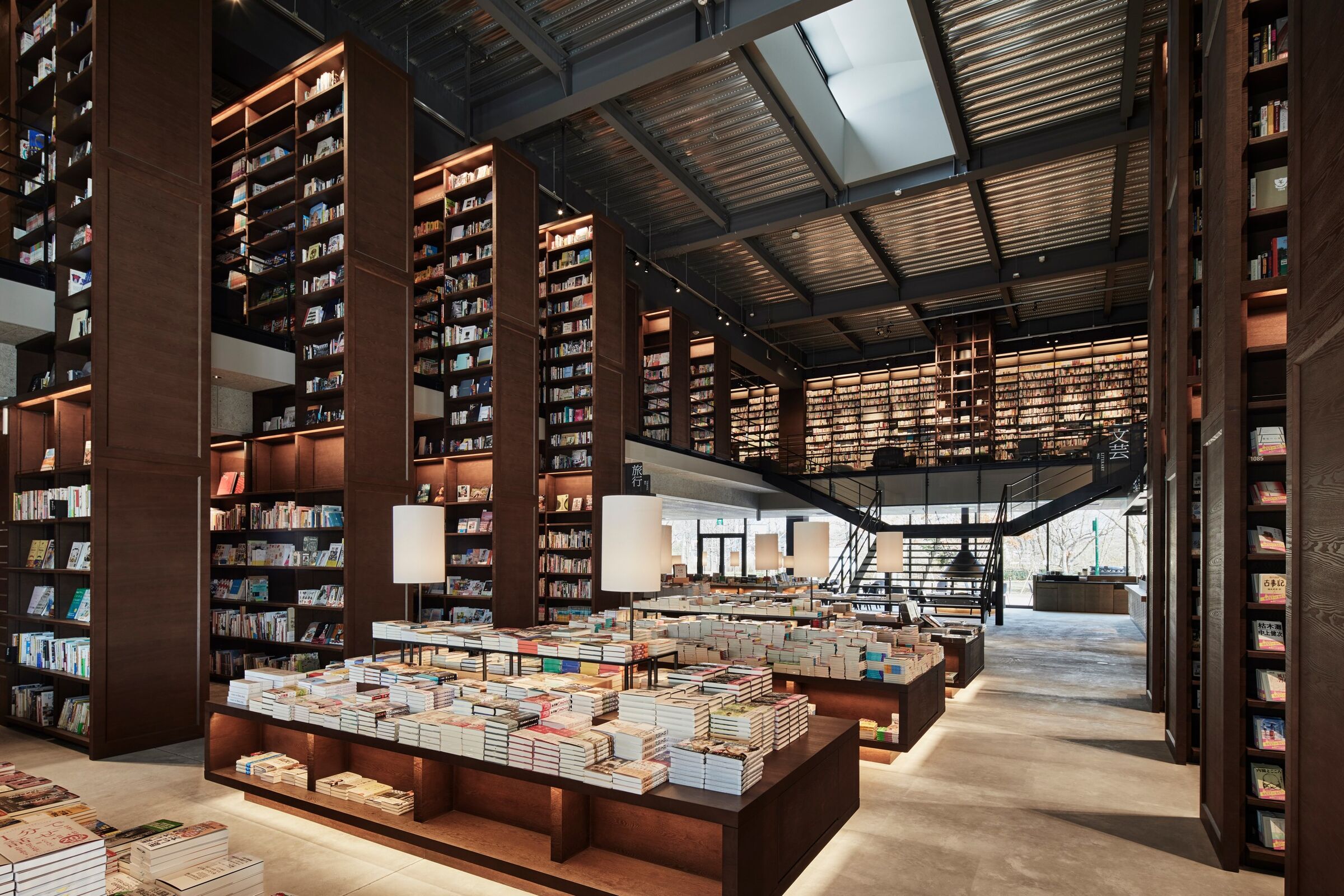
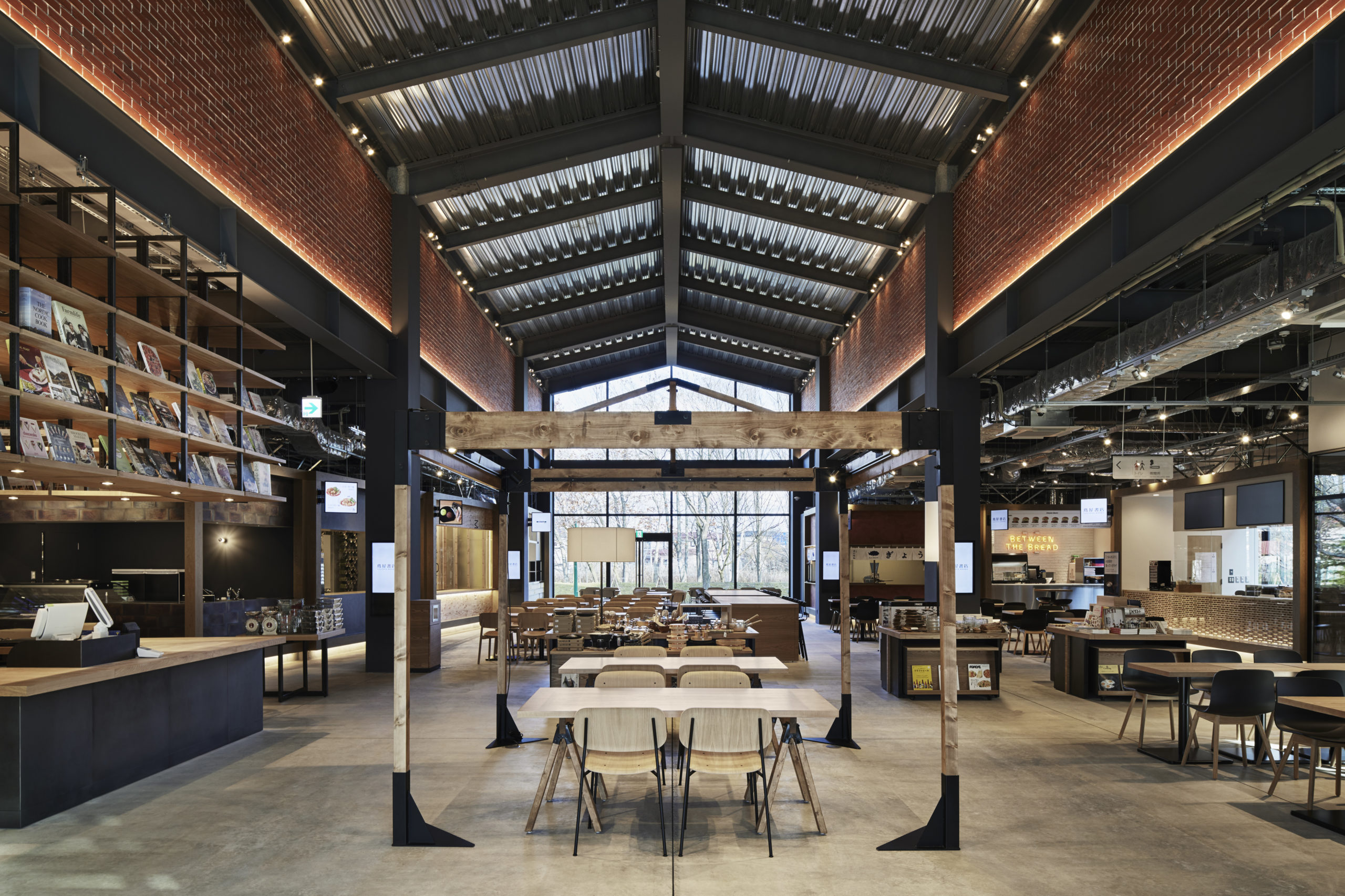
    Tsutaya Books commissioned Hikohito Konishi / HIKOKONISHI ARCHITECTURE Inc. to design the company’s twentieth store since its restructuring, located in the city of Ebetsu, Hokkaido. The site is adjacent to Ebetsu’s Four Seasons Promenade, a landscaped walking path, and faces a wooded area with many large trees. With a store concept of “a slow-life library in the woods,” our focus was on creating a comfortable space for customers to enjoy.

    In order to reduce the volume of the 140-meter-long structure, we divided it into three blocks and five zones with a staggered layout. The blocks form a cohesive cluster of buildings whose trimmed-back scale is effective in attracting more people. The exterior is finished with bricks from three local companies, creating a strong contrast with the surrounding greenery. We expect the bricks to age beautifully, along with the extruded cement panels on the sides of the buildings.

    The three blocks are assigned the respective themes of Mind, Life, and Food, and their interiors are configured to offer framed views of the forest as well as a sense of unity. The locally produced bricks, concrete floors, exposed steel frames, and wood-and-steel furniture all contribute to the tranquil atmosphere inside, as does the lighting design.

    The store hosts nearly 50 events every month and over 500 throughout the year, playing a role in the community that goes far beyond that of a typical public building. It is not only a commercial facility selling books, DVDs, and more, but also a place that strives to create and nurture local culture. This resonates with the commitment of the company’s founder to create places where people gather—and with our concept of a “slow life” bookstore in Hokkaido.


  • Hong Kong’s Swindon Book Store closes after 100 years in Business

    Hong Kong’s Swindon Book Store closes after 100 years in Business

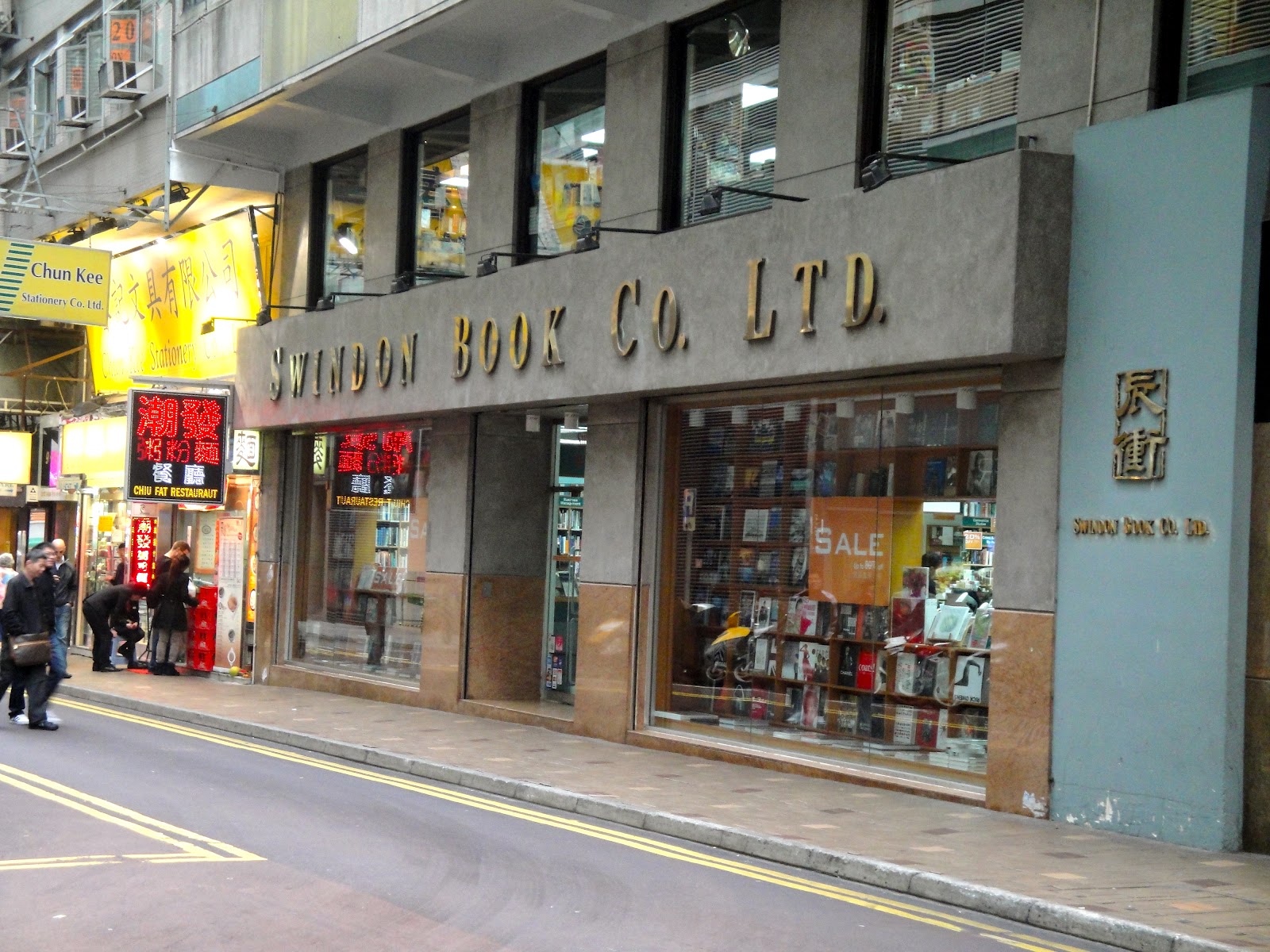
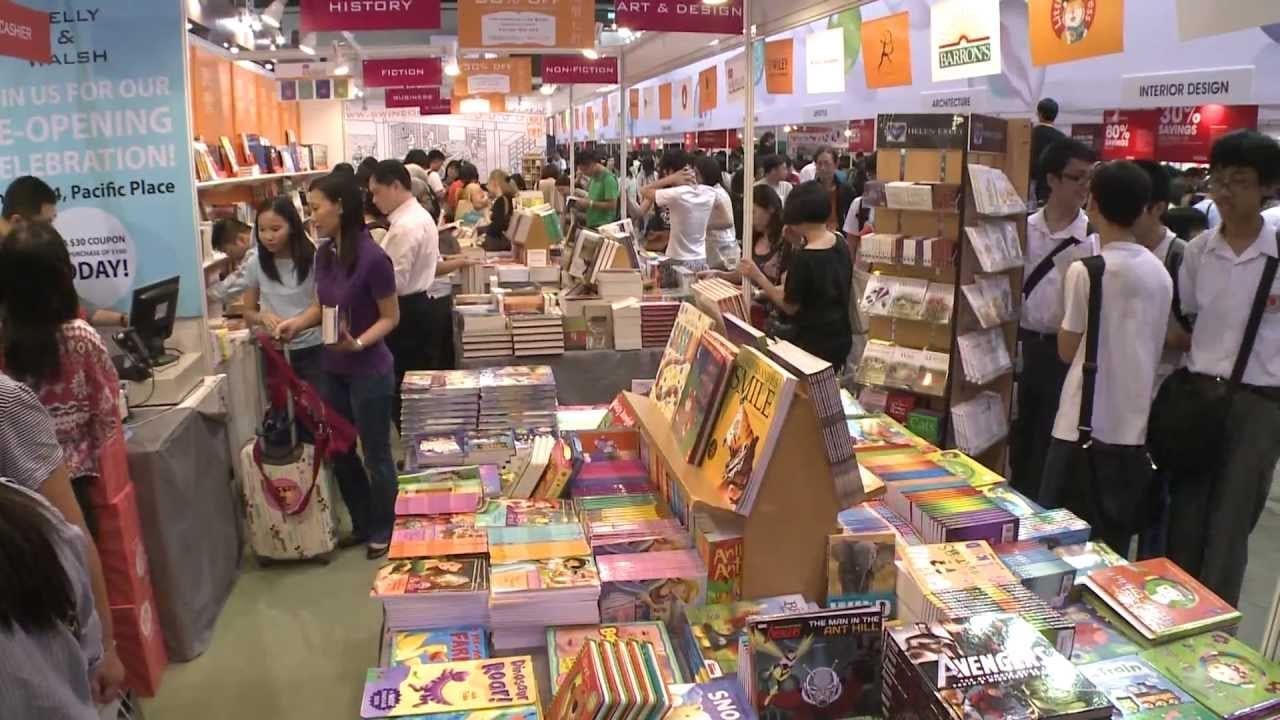
    Swindon Book Co, one of the oldest bookstores in Hong Kong, will permanently close at the end of this month.

    The 5000sqft Tim Sha Tsui venue, with its distinctive vintage storefront on Lock Road, has operated for more than a century. Its closure comes as several other major booksellers exit the Hong Kong market, including all 16 branches of Popular Bookstore, which traded for 40 years in the territory prior to closing in March. Chain stores Dymocks and Page One both departed Hong Kong during the past five years.

    Reports have blamed high rentals and online competitors for the closures.

    A Facebook message posted by the store on Tuesday announced a new chapter in the brand’s journey with a move online, while subsidiary stores Hong Kong Book Centre and Kelly & Walsh will remain open.

    “We deeply appreciate all your support over the years and we are truly honored to have spent time with you at retail,” read the post.

    Swindon Book Co, which distributes school textbooks in Hong Kong, partnered with e-book firm Kobo several years ago as an authorized seller of the device in order to keep up with the times.

  • Online book sales outstrip offline in Covid-19’s wake

    Online book sales outstrip offline in Covid-19’s wake

    With the coronavirus pandemic prompting the growing popularity of ‘untact consumption’, South Korea’s publishing industry is seeing online book sales outstrip offline sales.

    Kyobo Book Center, the No. 1 online and offline bookstore in South Korea, says that its book sales via mobile and web platforms this year comprised 33.4 percent and 22.9 percent, respectively, of total sales.

    Offline sales, in contrast, remained at 43.7 percent. It is the first time that the bookstore’s online sales jumped ahead of offline sales.

    Experts argue that the coronavirus outbreak has prompted consumers to purchase books through mobile or online platforms instead of visiting offline stores.

    The coronavirus has also influenced book sale trends, in which sales of books related to science jumped by 46 percent while sales of publications on politics and society, economy and management jumped by 39.7 percent and 24.4 percent, respectively, compared to last year.

    Most of the books involved how to deal with the coronavirus, and prospects in the post-pandemic world.

    On the other hand, books on tourism plunged by 54.1 percent in sales, followed by magazines (-20.4 percent), cartoons (-10.6 percent), foreign books (-10.1 percent), poems and essays (-6.7 percent), and cookbooks (-5.3 percent).

  • Malaysian bookstore MPH shifting focus to online

    Malaysian bookstore MPH shifting focus to online

    Malaysian bookstore chain MPH is closing multiple stores as it moves to a digitally-driven omnichannel business model.

    The company is not closing down, despite much speculation on social media concerning the impending closure of multiple stores.

    A recent Facebook post revealing nine MPH stores in the process of shutting shop went viral, with many users expressing sadness at the presumably imminent disappearance of the brand.

    In a statement answering customer concerns, MPH Group clarified its strategy as a transition into a more e-commerce-focused retail format, consolidating non-performing stores and pooling resources for a digital-business push.

    The company’s new strategy also involves the deployment of high-tech vending machines placed in strategic locations, as well as a social interactive e-learning platform.

    The 114-year-old firm will maintain its key physical locations as it undergoes the transition, in a process that has been largely accelerated following the coronavirus outbreak with a concomitant sharp uptick in online sales.

    The store’s e-commerce platform is due to launch in its revitalized form later in the year.

    “We want to be able to connect with our customers through multiple touchpoints, be it online or offline by adopting an omnichannel approach,” said MPH Group CEO Donald Kee.

  • JD offers a helping hand to boost bookstore sales in China

    JD offers a helping hand to boost bookstore sales in China

    E-commerce platform JD has helped boost bookstore sales in China during the coronavirus outbreak.

    Last month, sales of two children’s bookstores – Caldecott Bookstore and Zhongshang Children’s Books – increased by 221.6 percent and 282 percent respectively, year on year.

    According to JD, the increased bookstore sales in China are attributed to consumers staying home during the epidemic and turning to books for inspiration and encouragement.

    JD Logistics continued to deliver products to Chinese consumers as usual during the outbreak while implementing a series of disinfectant measures to ensure consumers received their books safely.

    The coronavirus outbreak has led to the temporary shutdown of offline bookstores, a shortage of employees due to the epidemic, a sharp drop in operating revenues, and a surge in pressure on store rents and staff spending. During the period, JD has been assisting partnering bookstores in putting out live broadcasts to drive traffic and promote brand awareness, thus boosting bookstore sales in China.

    “Supporting offline bookstores to do live broadcast is a good example of how JD.com has been using its resources to help offline bookstores to transform their businesses to better cater to the needs of Chinese consumers,” said JD’s offline book team operations manager Jiao Zhang, “especially when there is limited traffic in offline bookstores during the epidemic period”.

    According to the 2019–2020 China Offline Bookstore Industry Report, there are more than 70,000 bookstores in China. Last year, more than 4000 new bookstores opened in the territory. China currently has 135 book malls that are more than 5000sqm each, of which 35 are more than 10,000sqm in size.

  • Eslite Bookstore to open outlet in Tokyo

    Eslite Bookstore to open outlet in Tokyo

    Taiwan’s Eslite bookstore chain is set to launch its first outlet in Tokyo this week.

    The store opening marks Eslite Spectrum Corp’s 30th anniversary as well as the first time for the firm to start-up business in a territory where Chinese is not spoken. The 50th Eslite location, it will trade in books and other merchandise sourced from Taiwan and Japan.

    The late Robert C.Y. Wu, who founded the bookstore, is on record as hoping the store would become a “warm venue for people to meet and connect”.

    Eslite has stores in Hong Kong.

  • Zhongshuge Minhang bookstore announces grand book hall

    Zhongshuge Minhang bookstore announces grand book hall

    new bookstore in Shanghai’s Minhang District has been featured on designboom.com for its remarkable design.

    The Zhongshuge Minhang store was created by Chinese architectural firm X+living and installed in a third-floor business park location. The store features a black book wall with groups of peg-top bookshelves under a soft light, as well as a text-covered curtain wall with balanced geometric bookshelves inspired by spinning ballet dancers.

    The store’s grand book hall features bookshelves stretched outwards on both sides towards a mirrored ceiling with symmetrical designs resembling a British church. Low-profile reading booths allow visitors to enjoy private and quiet escapes during their reading.

    Readers may buy a cup of coffee while reading their selected books in an atmosphere that emphasizes the beauty of books and reflects a cultured and multidimensional design vision.

  • Duoyun Books’ flagship in Shanghai is 52 floors above ground level

    Duoyun Books’ flagship in Shanghai is 52 floors above ground level

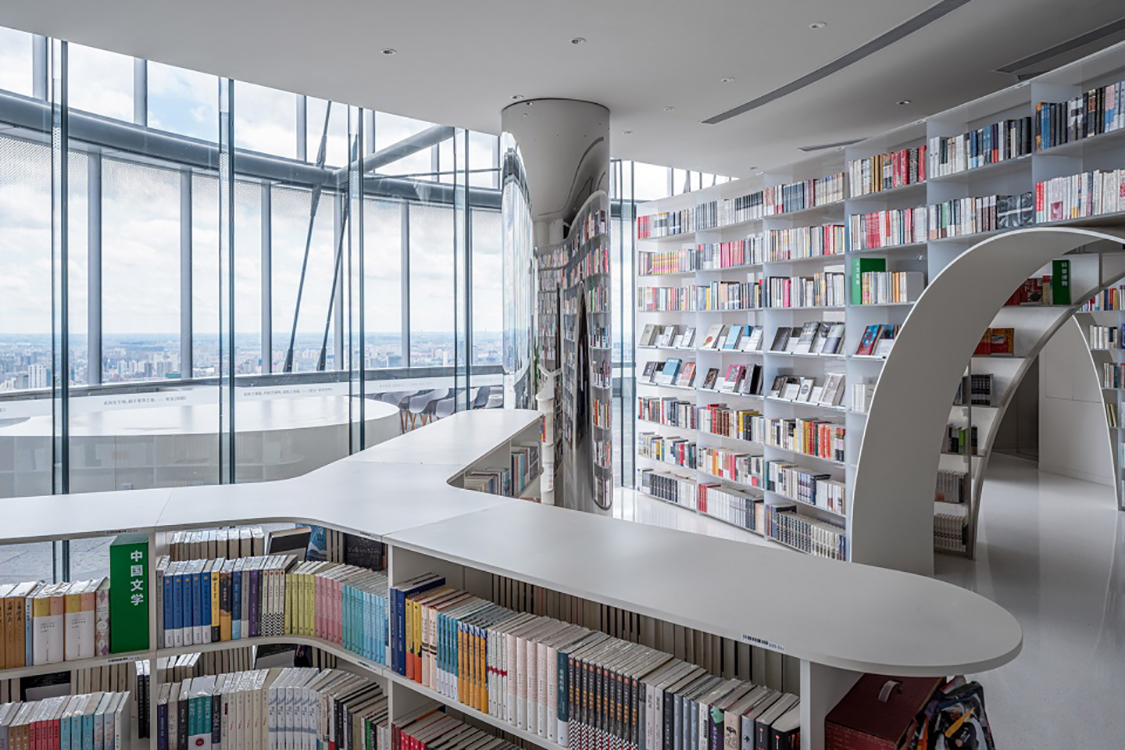
    Design firm Wutopia Lab has designed a unique “books above clouds” store in Shanghai’s tallest building for Duoyun Books.

    The design for 2259sqm flagship located on level 52 of Shanghai Tower was commissioned by Shanghai Century Publishing to provide space for 60,000 books. As well as the book-retailing area, the store features a lecture room, exhibition space and a cafe.

    Wutopia’s scheme centres around a “white abstract mountain” of stacked translucent bookshelves and includes curved entrances and large windows offering expansive views over the city.

    A “Tiffany-blue” cafe is embedded amidst the bookshelves, while a pink dessert house is positioned at the end of the store to surprise visitors.