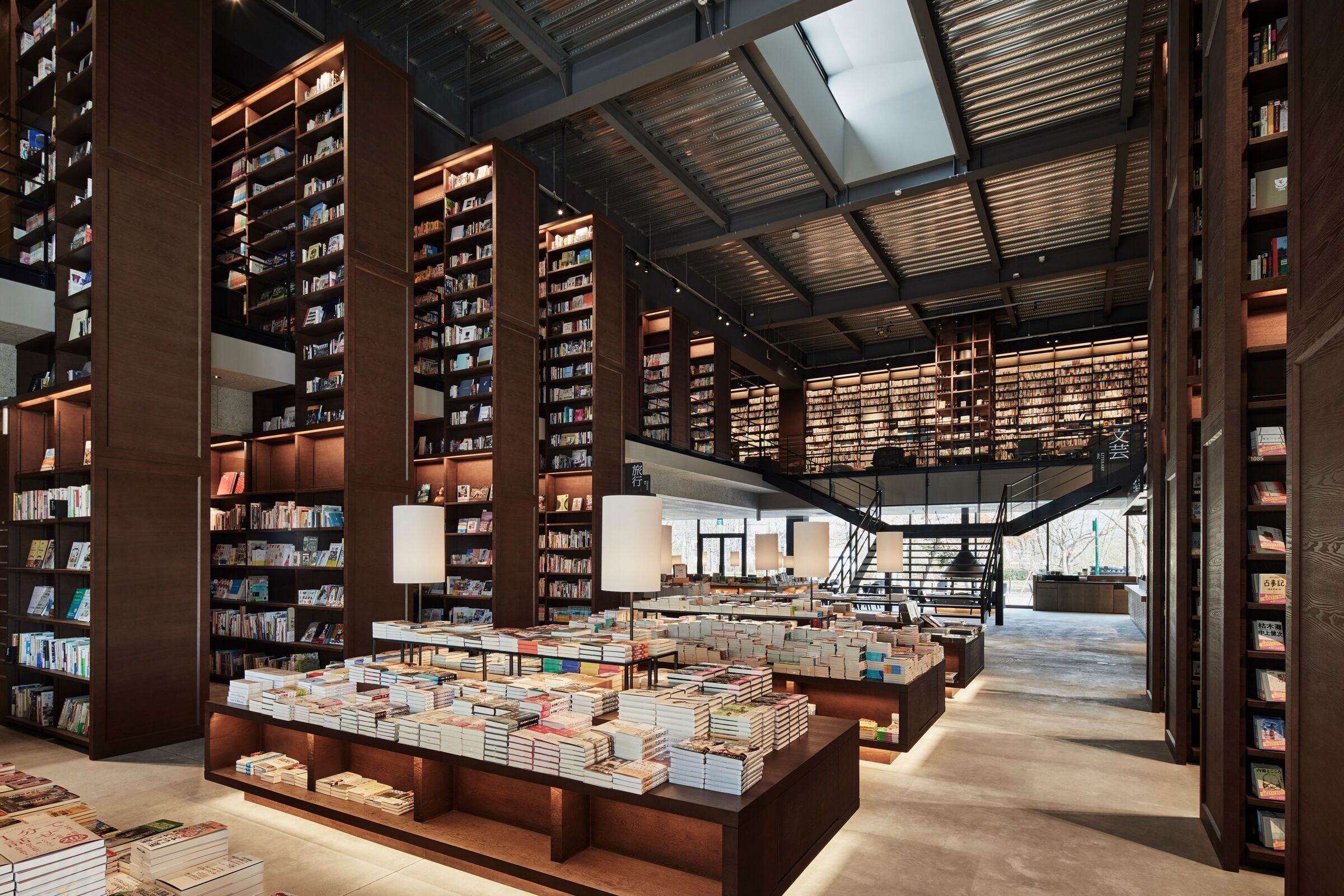
Australian bookseller QBD Books expanded floor allocations and launched nationwide discounts across its 93 stores this September. The push follows double-digit sales growth in manga and pop-culture merchandise.
The Brisbane-headquartered chain rolled out a nationwide buy one, get one half-price campaign. It aims to capture rising foot traffic from anime and graphic novel fans.
Shelf space reallocation across national networks
Prime floor space across the network now goes to Japanese comic series alongside licensed collectible lines, including Funko Pop and vinyl figures. Retailers across Australia report that streaming anime adaptations on major digital platforms convert screen viewership directly into physical book and collectible purchases at checkouts. Viewers become shoppers.
Digital engagement among graphic novel readers has altered traditional marketing spend. QBD confirmed that manga social communications now rank among its highest-performing channels for customer interaction. These posts drive repeat visits from younger shoppers who typically bypass trade fiction.
Publishing distribution and licensed merchandise dynamics
Manga sales provide retail chains with high-margin basket additions. These purchases offset broader pressures on traditional print sales. For publishers, expanding into broader manga genres allows distributors to push mid-tier titles rather than relying purely on top-selling global franchises.
“Readers are discovering new series, collecting favourite editions and sharing recommendations with each other every day,” said Nick Croydon, chief executive officer of QBD Books.
Simon & Schuster and other trade distributors report that Australian consumers are branching out from established shonen hits into varied creators, genres and specialty editions. This diversity gives bookstore buyers use. They can negotiate bulk merchandising agreements and secure promotional placement across national retail footprints.
Commercial pressures across international print markets
Physical manga demand in Australia contrasts with structural contractions across Asian print markets. Trade figures show domestic print publishing sales in Japan fell 4.1 per cent in 2025 to 964.7 billion yen. Japanese rights holders now rely more heavily on export licensing, international print editions and overseas merchandising agreements to maintain revenue.
Global publishing trends show traditional trade segments slowing down as well. Research data indicates the global youth and children’s book market is projected to expand at a modest 1.8 per cent compound annual growth rate through 2034. Fast-turning categories like young adult graphic novels and manga have become critical for bookstore survival.
Expansion trajectory following network growth
Network expansion paved the way for the current discounts. QBD Books grew to 92 locations earlier in 2026 as it marked its 150th anniversary. After adding its 93rd location, the company leaned into pop-culture merchandising to defend mall store economics against digital reading platforms and library apps.
Bookstore operators will track whether manga sales momentum carries into the fourth-quarter holiday trading period. That is when higher-margin box sets and imported collector editions face their steepest volume tests.