Tag: boom

  • Revolutionizing Telco Strategy: The Power of Mobile-First in Asia’s Data Consumption Boom

    Revolutionizing Telco Strategy: The Power of Mobile-First in Asia’s Data Consumption Boom

    The Asia Pacific continues to be a global hotspot for mobile innovation, acting as a catalyst for change in telco strategies due to the growing data consumption rate in the region.

    According to the Ericsson Mobility Report, global mobile network data traffic grew approximately 20% annually by the end of 2025. Significantly, 5G accounted for nearly one-third of the total mobile data traffic, a percentage that is swiftly increasing in the Asia Pacific region.

    It’s not just the volume of data consumption that’s driving change. The way people use data, the timing, and the reasons for their usage are also contributing factors. The increase in video-oriented lifestyles, app-based commerce, remote work, and digital public services have transformed mobile connectivity into a basic necessity. Thus, Asia’s telcos are realizing that their success isn’t merely about pursuing traffic growth but rather managing experience, intelligence, and value.

    Asia’s Data Growth Continues Unabated

    The Asia Pacific region contributes significantly to global mobile data growth, primarily due to its size. The region makes up over half of global mobile subscribers and continues to add new users, with total mobile data traffic set to quadruple by 2030.

    While mature markets in other parts of the world begin to level off, Asia’s blend of high population density, affordable smartphones, and aggressive data pricing keeps demand on the rise. For providers, this growth presents both an opportunity and a challenge. Although traffic volumes are increasing, the economics of delivering that data are becoming more complex.

    Video’s Impact on Network Regulations

    The most noticeable change is the emergence of a video-first economy, with traffic expected to account for 76% of all mobile data by the end of 2026. Short-form video, particularly TikTok, has become the new norm for mobile usage, necessitating an evolution of providers like AIS to become a “Cognitive Tech-Co”. This new model uses real-time AI analytics to autonomously adjust network capacity while partnering with platforms to cater to the high-data demands of the burgeoning tourist sector.

    Furthermore, providers like SK Telecom in South Korea have recognized that managing these fluctuations requires more than traditional capacity upgrades. AI-driven traffic forecasting, real-time optimization, and automated network controls are becoming essential. The network must now be capable of thinking, adapting, and responding independently.

    Hyper-Personalization and AI

    Telcos are incorporating hyper-personalization and AI into their strategies to differentiate their offerings, enhance engagement, and capture greater lifetime value. For example, Reliance Jio analyzes usage patterns across its 300+ million subscribers to provide personalized plans, content bundles, and contextual offers in real time.

    Additionally, Telkomsel uses AI-driven analytics and its chatbot to personalize interactions. Similarly, Airtel uses AI-based recommendation engines to push context-aware data and retention offers, improving engagement in high-churn segments. These shifts indicate that erratic data spikes driven by social trends or large-scale gaming releases are now managed using generative AI and machine learning.

    5G as National Infrastructure

    The growth in mobile data consumption in Asia has elevated 5G to the status of national infrastructure, as governments increasingly view high-capacity, low-latency networks as crucial to economic resilience, industrial digitization, and digital inclusion. As a result, telcos are restructuring their strategies around network intelligence to position themselves as foundational platforms for digital economies.

    Monetizing Experience Rather Than Megabytes

    In more developed markets like Australia, operators are experimenting with new ways to generate value from data-hungry users. Optus, for instance, has moved towards speed-tiered broadband plans, prioritizing consistent performance during peak periods rather than data caps. This shift reflects a wider understanding that across the Asia Pacific, customers are willing to pay for quality, low latency, high reliability, and predictable performance, especially for cloud gaming, remote work, and UHD streaming.

    Looking Ahead: Towards an Intelligent, Hybrid Future

    As Asia’s mobile-first journey moves forward, the next step will likely involve a deeper integration between terrestrial networks and satellite connectivity. The ultimate aim is to redefine telco strategy across Asia, competing not just on coverage or price but on the ability to transform networks into intelligent, hybrid platforms.

    Questions & Answers

    What is the key factor driving the transformation of Asia’s telco strategies?
    The key factor is not just the volume of data people consume, but how, when, and why they use it. Trends like video-led lifestyles, app-based commerce, remote work, and digital public services have made mobile connectivity a basic utility.

    Why is the rise of a video-first economy significant for telcos?
    The rise of a video-first economy is significant because it’s projected to account for 76% of all mobile data by the end of 2026. This surge in video consumption requires telcos to adjust their network capacities and strategies to accommodate the increased traffic.

    What does the future look like for telco strategies across the Asia Pacific?
    The future of telco strategies across the Asia Pacific will involve deeper integration between terrestrial networks and satellite connectivity. Telcos will compete not just on coverage or price but on their ability to transform networks into intelligent, hybrid platforms.


  • Unprecedented Silver Boom: Vietnam Witnesses Record-Breaking High Amid Global Supply Crunch

    Unprecedented Silver Boom: Vietnam Witnesses Record-Breaking High Amid Global Supply Crunch

    Vietnam’s silver prices reached record heights on Monday morning. This surge was triggered by a worldwide increase in the value of the precious metal due to a supply shortage. The selling price at the jewelry chain Phu Quy increased by 6% from Sunday, standing at VND3.07 million (US$117) per tael (37.5 grams). The rate has experienced a substantial increase of 169% within the year.

    Global Silver Prices

    On an international scale, the price of silver soared past the $80-per-ounce mark for the first time. However, it later saw a sharp decrease in a volatile trading environment on Monday.

    Charu Chanana, the Chief Investment Strategist at the investment bank Saxo, said precious metals have experienced a boost this year due to a potent combination of factors. These include rate-cut tailwinds and hedging against geopolitical and fiscal uncertainties. She noted, “Adding supply concerns to the mix has resulted in a parabolic movement. However, the abrupt spike towards the end of the year, particularly in silver prices, also points towards the possibility of greater volatility. In the short-term, the risk is primarily technical and positioning-led.”

    Investments in Silver and Other Alternatives

    Significant debt loads in major economies such as the U.S., France, and Japan, combined with a lack of political determination to address these issues, have encouraged some investors to turn to silver and other alternative assets this year.

    Moreover, the global production of silver from mines has been restricted due to decreasing ore grades and a lack of new project development.

    Questions & Answers

    What has driven the recent surge in silver prices in Vietnam?
    The recent upsurge in Vietnam’s silver prices has been driven by a global increase in the value of the precious metal due to supply shortages.

    What factors have boosted the value of precious metals this year?
    The value of precious metals has surged due to a combination of rate-cut tailwinds and hedging against geopolitical and fiscal uncertainties.

    Why have some investors been accumulating silver and other alternative assets this year?
    Significant debt loads in major economies, coupled with a lack of political will to address these issues, have prompted some investors to accumulate silver and other alternative assets.

  • Turbocharging Malaysia’s Connectivity: The MVNO Market Boom and its Potential in 2030

    Turbocharging Malaysia’s Connectivity: The MVNO Market Boom and its Potential in 2030

    The mobile connectivity market in Malaysia is at full capacity. By the beginning of 2025, there were approximately 43.3 million mobile connections, representing about 121% of the country’s population. Amid this scenario, mobile virtual network operators (MVNOs) serve as significant value creators, unlocking new market segments, introducing differentiated offerings, and ultimately enhancing mobile connectivity throughout Malaysia.

    The Prospect of MVNOs in Malaysia

    According to recent industry reports, the size of the Malaysian MVNO market was approximately $0.8 billion in 2025, and it is projected to reach $1.06 billion by 2030, growing at a compound annual growth rate (CAGR) of 5.75% during the forecast period (2025-2030).

    The continual transition towards a dual-wholesale 5G model has eliminated the unclear pricing that previously hindered the growth of virtual operators, providing a new impetus for the MVNO market in Malaysia. Operators are now resorting to cloud-native operational support systems/business support systems, eSIM-only distribution, and satellite-terrestrial convergence to venture into new markets and reduce operational costs.

    Increased digitization in the enterprise sector is consequently enlarging the average revenue per user in the business-to-business (B2B) market. Simultaneously, ultra-low-cost prepaid plans have boosted subscriptions on the consumer side. Government initiatives like JENDELA are keeping infrastructure expansion on track, reaffirming the possibility for the Malaysian MVNO market to sustain moderate compound growth throughout the decade.

    Regarding deployment models, cloud accounted for 70.51% of the revenue in 2024, with a forecasted CAGR of 10.14% through 2030. As for operations, reseller and light MVNO formats held a 62.33% share in 2024, but full MVNO structures are predicted to grow at a CAGR of 19.19% through 2030.

    Successful Model for Malaysia

    An MVNO offers mobile services to customers by leasing the network capacity from an existing mobile network operator (MNO), thereby eliminating the need for owning infrastructure. This approach presents several advantages in Malaysia:

    – MVNOs facilitate market entry for new service providers, encouraging existing MNOs to innovate their strategies, satisfy niche market needs, foster competition, and provide consumers with more choices.
    – As 4G improves and 5G is introduced, MNOs with extra network capacity can collaborate with MVNOs to utilize this surplus, thus helping them recover some of the costs associated with building and maintaining their networks.

    This year, MVNOs have gained considerable traction in Malaysia. In particular, CMLink, an MVNO by China Mobile International Limited (CMI), was launched on the Maxis network in Malaysia, allowing CMI to offer services like “one card, multiple numbers” and data sharing between China and Malaysia. This demonstrates how MVNOs can cater to cross-border and traveler markets.

    Impact on Connectivity and Market Dynamics

    The growth of MVNOs in Malaysia impacts the broader connectivity ecosystem in several ways. By allowing new and specialized brands to enter the market, MVNOs can cater to groups that are often overlooked, whether due to location, age, or service needs. More competition in the market gives consumers more options and compels MNOs to offer better prices, unique packages, and improved customer service.

    For MNOs, collaborating with MVNOs enhances returns on their network investments. For example, U Mobile’s 5G network already covers 54.9% of populated areas, with higher coverage in urban areas. This ensures optimal utilization of the network’s capacity and supports investments in further coverage and new services.

    Looking Ahead: Key Points to Consider

    For MVNOs to realize their full potential in Malaysia, the industry needs to concentrate on a few crucial areas:

    – Wider Wholesale Access and Fair Pricing: MNOs need to continue expanding open and transparent wholesale access to enable more MVNOs to thrive in Malaysia.
    – Consistent Network Experience: Regulators and the industry must ensure that MVNO customers receive the same service quality as MNO customers, especially during peak times.
    – Sustainable Differentiation: MVNOs offering more than just basic plans, like value-added, niche or cross-border services, are more likely to succeed.
    – Targeting Underserved Regions: MVNOs can help bridge the connectivity gap, particularly in rural Malaysia, using a shared infrastructure model.
    – Regulatory Support: The government and regulatory bodies can aid MVNOs’ growth by simplifying licensing and endorsing consumer-friendly policies.

    In conclusion, by leveraging the established infrastructure of major network operators, Malaysian MVNOs are expanding connectivity to underserved demographics, reducing costs, and sparking innovation in niche segments. This diversification enhances competition and consumer choice, aligning with the national connectivity goals outlined in the Malaysia Digital Economy Blueprint (MyDIGITAL), which targets near-universal connectivity by 2030.

    Questions & Answers

    – What is the projected growth rate of the Malaysian MVNO market?
    The market is expected to grow at a compound annual growth rate (CAGR) of 5.75% from 2025 to 2030.

    – What impact do MVNOs have on the mobile connectivity market in Malaysia?
    MVNOs facilitate market entry for new service providers, stimulate competition, provide consumers with more choices, and help MNOs recover some of the costs of building and maintaining their networks.

    – What are some key areas the industry needs to focus on for MVNOs to realize their full potential in Malaysia?
    Key focus areas include wider wholesale access and fair pricing, ensuring consistent network experience for MVNO customers, enabling sustainable differentiation in MVNO offerings, supporting MVNOs in targeting underserved regions, and offering regulatory support.

  • Australia’s IoT Boom: 5G Evolution to Fuel 22.1 Million Connections by 2030

    Australia’s IoT Boom: 5G Evolution to Fuel 22.1 Million Connections by 2030

    The expansion and modernization of 5G networks, coupled with the increasing use of IoT/M2M connectivity and strong government backing for these ecosystems, is set to significantly increase M2M/IoT cellular connections in Australia. By the end of 2030, it’s projected that there will be 22.1 million such connections. This represents a robust compound annual growth rate (CAGR) of 8.7% from 2025 to 2030.

    5G Growth and Impact on IoT/M2M Market

    Forecasts for Australia’s mobile broadband landscape indicate that 5G mobile subscriptions will see a CAGR of 12.6% between 2025 and 2030. This growth will have positive implications for the M2M/IoT market. The higher capacity, lower latency, and greater scalability of 5G connectivity will enhance M2M/IoT deployments across a range of sectors.

    Telecom analyst Srikanth Vaidya notes that evolving M2M/IoT use cases across industries will also stimulate adoption. Examples of these use cases include telehealth & remote diagnostics, smart retail stores, smart manufacturing, fleet management & logistics, smart cities & infrastructure, automation in agriculture, and cybersecurity-enhanced networks. Dedicated connectivity plans offered by telecommunications companies will further facilitate this growth.

    Government Support and Industry Initiatives

    In 2025, the Australian government, together with IoT Alliance Australia (IoTAA), launched a Labelling Scheme for Smart Devices. This initiative, backed by funding of up to AUD 1.7 million (USD 1.07 million), is designed to improve security and standards in the IT industry. It focuses specifically on M2M/IoT consumer smart devices, opening up new opportunities for telecommunications companies in this sector.

    Telstra is anticipated to dominate Australia’s M2M/IoT market in terms of subscriptions through to 2030. This is largely due to its versatile IoT/M2M data plans, which cater to both low data sensors and high-usage connected devices. Optus also provides a variety of IoT solutions, including telematics, connected cars, emergency lift phones replacing PSTN, and digital signage, all designed to streamline and enhance business processes.

    Conclusion

    Vaidya concludes that the increasing demand for IoT solutions and connectivity will bring about significant changes in Australia’s mobile services market. Operators providing dedicated M2M/IoT connectivity plans and services that cater to emerging use cases will be in a solid position to benefit from this trend.

    Questions & Answers

    What is the projected growth rate for M2M/IoT cellular connections in Australia by 2030?
    The projected compound annual growth rate (CAGR) is 8.7% from 2025 to 2030, with total connections expected to reach 22.1 million.

    What initiatives have been introduced to support the growth of M2M/IoT technologies in Australia?
    In 2025, the Australian government and IoT Alliance Australia (IoTAA) introduced a Labelling Scheme for Smart Devices, an initiative designed to enhance security and standards within the IT industry, particularly for M2M/IoT consumer smart devices.

    Which company is expected to lead the M2M/IoT market in Australia?
    Telstra is expected to lead in terms of subscriptions through 2030, mainly due to its flexible IoT/M2M data plans.

  • “Vietnamese E-commerce Boom: Monthly Online Spending Hits $1.3B on Top Platforms

    “Vietnamese E-commerce Boom: Monthly Online Spending Hits $1.3B on Top Platforms

    In the first three quarters of the year, consumers in Vietnam have shown a growing preference for e-commerce, spending approximately VND34 trillion (US$1.3 billion) per month on popular platforms such as Shopee, TikTok Shop, Lazada, and Tiki. According to analysis from data provider Metric, the gross merchandise value of these leading platforms reached a total of VND305.9 trillion, marking a substantial 34% increase from the previous year.

    Factors Fueling E-commerce Growth

    Several factors contribute to the impressive growth of these e-commerce platforms. A surge in demand, coupled with enticing incentives such as heavy discounts and low shipping fees, has led to increased consumer spending. Additionally, sellers are investing more in livestreaming and short-form video content to further stimulate buyer interest.

    Shopee has maintained its position as the dominant platform, accounting for 56% of the gross merchandise value for the aforementioned period. It is trailed by TikTok Shop, which holds 41% of the market share.

    Shopee’s collaboration with YouTube has also paid off, with 2.4 million products now linked to the video sharing platform. In another strategic move, Shopee recently teamed up with Meta to facilitate the purchase of its products via Facebook livestreams.

    Platform-Specific Strategies

    Meanwhile, TikTok has honed its focus on promoting sales through videos and livestreams. One particular campaign in the northern mountain province of Lai Chau was notably successful, with 300 tons of potatoes sold in the months of September and October.

    Lazada, holding a steady 3% market share, saw the strongest growth in average order value over the past nine months. The platform has been expanding its product range by partnering with several milk brands and South Korean retailer G-Market, adding an estimated 20 million new products to its offerings.

    Looking forward, Metric predicts the gross merchandise value for these four platforms will rise by 15% year-on-year in the fourth quarter. Fashion, beauty, household goods, and groceries-food are expected to continue leading in sales.

    Questions & Answers

    What factors are contributing to the growth of e-commerce in Vietnam?
    Increased demand, attractive discounts, low shipping fees, and more investment in livestreaming and short video content are driving e-commerce growth.

    Which e-commerce platform holds the largest market share in Vietnam?
    Shopee holds the largest market share, accounting for 56% of the gross merchandise value in the first three quarters of the year.

    Which categories are expected to lead in sales in the fourth quarter?
    Fashion, beauty, household goods, and groceries-food are forecast to maintain the lead in sales.

  • HSBC and Standard Chartered Predict Blockchain and AI Boom in Hong Kong’s Fintech Future

    HSBC and Standard Chartered Predict Blockchain and AI Boom in Hong Kong’s Fintech Future

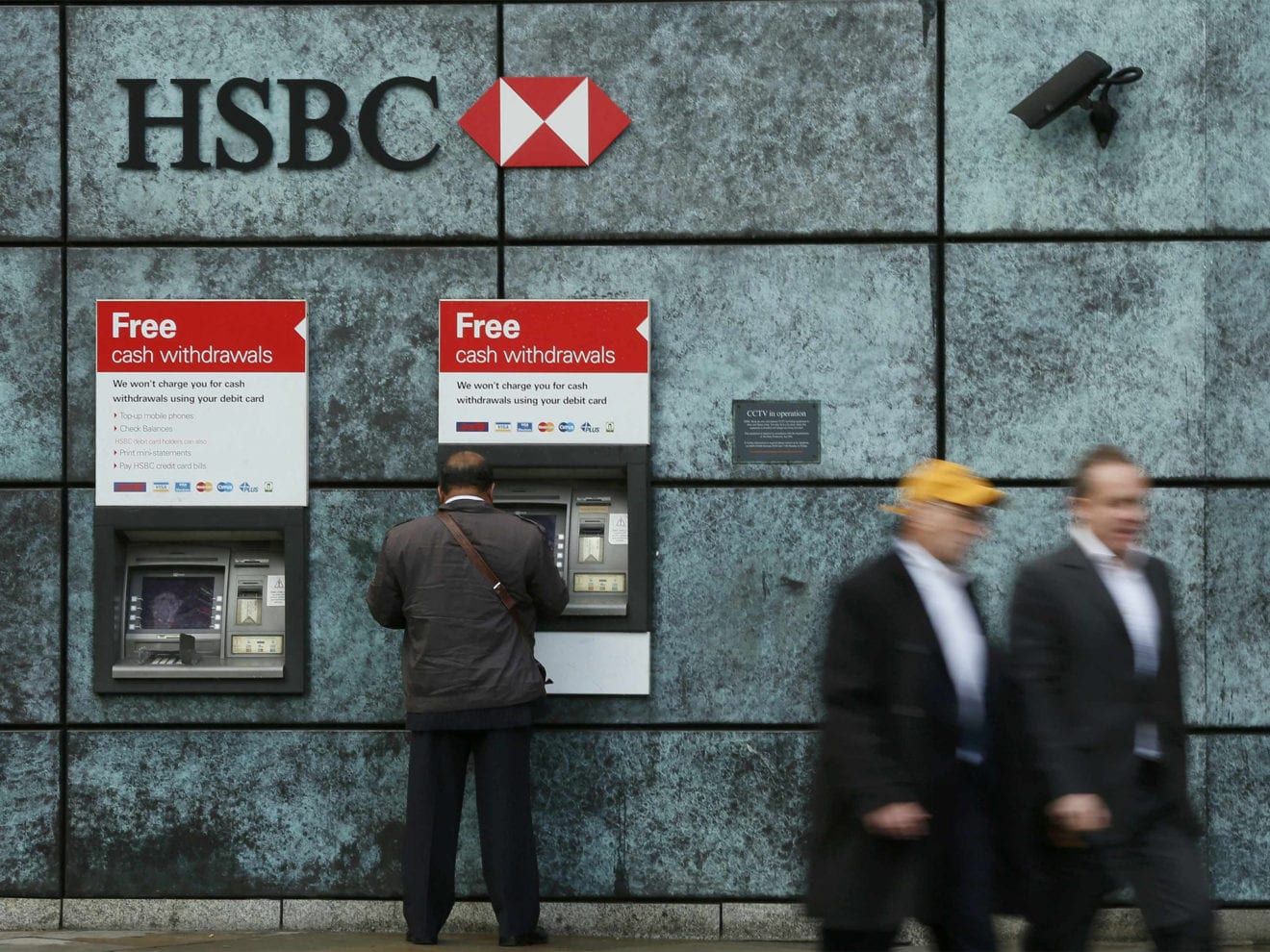
    During the 10th annual Hong Kong FinTech Week in 2025, HSBC CEO Georges Elhedery and Standard Chartered CEO Bill Winters discussed the city’s significant role as an international finance hub. Both CEOs shared a bullish outlook about the future of digital assets, blockchain, artificial intelligence (AI), and other tech-related advancements.

    The Future of Blockchain Settlements

    Standard Chartered CEO, Bill Winters, shared his vision for the future of money and settlements, anticipating a shift away from traditional methods. He expressed a mutual belief with Hong Kong’s leadership that, in due course, all transactions will be settled on blockchains and all money will become digital. “This implies a complete transformation of the financial system, although the specifics remain uncertain,” he stated.

    AI: Emphasizing Efficiency and Adoption

    HSBC CEO, Georges Elhedery, highlighted the distinctive approach to AI in Asia, particularly in mainland China and Hong Kong. This contrasts with the cutting-edge innovation focus in the US and the emphasis on safety through regulations in Europe. Elhedery pointed out the efficiency and speedy delivery showcased by AI, as well as the mass adoption of such emerging technologies, using the DeepSeek moment as an example.

    “This has truly been enlightening,” Elhedery commented.

    Tech Milestones in Hong Kong

    Both HSBC and Standard Chartered have been proactive in introducing new fintech innovations in Hong Kong, particularly in relation to digital assets. HSBC made several commendable strides, including being the first to complete a local blockchain-based settlement and the initial launch of tokenized gold. Standard Chartered has also shown leadership in crypto custody and the pioneering of tokenized money market funds.

    Elhedery reaffirmed their commitment to Hong Kong, stating, “HSBC announced on October 9th an investment exceeding HK$100 billion ($13 billion) for acquiring minority shares of Hang Seng Bank in Hong Kong. This demonstrates our strong confidence and belief in Hong Kong’s future outlook.”

    Questions & Answers

    What future predictions were made for blockchain settlements?
    Standard Chartered’s CEO, Bill Winters, predicted that all future transactions will be settled on blockchains and all money will be digital, implying a total transformation of the current financial system.

    What is the Asian approach to AI, according to HSBC’s CEO?
    HSBC’s CEO, Georges Elhedery, stated that Asia, particularly mainland China and Hong Kong, has embraced AI by showcasing efficiency, speed of delivery, and promoting mass adoption of such technologies.

    How is Hong Kong’s role as an international finance hub being reinforced?
    HSBC and Standard Chartered have been active in introducing new fintech innovations in Hong Kong, particularly in the area of digital assets. HSBC’s recent investment of more than HK$100 billion ($13 billion) in Hang Seng Bank also indicates confidence in Hong Kong’s future financial outlook.

  • Tokyo: The New Fintech Frontier Poised for $30.2 Billion Boom by 2033

    Tokyo: The New Fintech Frontier Poised for $30.2 Billion Boom by 2033

    Tokyo is spurring efforts to establish itself as a leading hub for financial technology (fintech), capitalizing on the exponential growth of digital finance in Asia. The city’s fintech market is predicted to hit an impressive $30.2 billion by 2033, growing at a steady rate of 14.1 percent annually. Leading the city’s drive to attract the most innovative fintech companies globally is FinCity.Tokyo, a financial promotion body that offers tangible support to startups seeking to penetrate the Japanese market and form enduring partnerships.

    Spotlight on Tokyo

    In a bid to showcase Tokyo’s potential, FinCity.Tokyo will host a Fintech Insight Session at the Singapore Fintech Festival (SFF) on 13 November 2025. The event, themed “Unlocking Tokyo: The Next Wave in Fintech and DeFi,” will delve into how global and ASEAN fintech enterprises can tap into Tokyo’s regulatory sandbox, burgeoning venture capital operation, and its function as a conduit for Japanese capital into Southeast Asia.

    A New Home for International Fintechs

    Tokio Morita, Executive Director of FinCity.Tokyo, announced that “ASEAN’s fintech sector is gaining strong momentum and cross-border expansion is the natural next step in its evolution.” He further noted that Japan offers more than just capital- it brings the credibility of a well-established regulatory environment and deep institutional trust. The organization’s aim is to assist fintechs from Singapore, ASEAN, and other global regions to create their secondary base in Tokyo. With the ASEAN fintech market projected to surpass $150 billion by 2030, the timing for such international collaboration is ideal.

    Enhancing Collaboration and Accelerating Web3

    The Financial Services Agency (FSA) in Japan has made strides in welcoming both local and international startups by opening its regulatory sandbox. This move allows businesses to experiment with new models in a flexible, low-barrier setting, thus facilitating smoother market entry and sparking innovation in fields like digital assets, Web3, and decentralized finance.

    Japan’s Ministry of Internal Affairs and Communications predicts that the country’s Web3 economy will grow over 20 times to 2.4 trillion yen by 2027, a testament to the strong institutional and governmental dedication to digital transformation.

    Bridging the Gap between Singapore and Tokyo

    ADDX, a Singapore-based digital securities platform, is one of FinCity.Tokyo’s success stories. The platform now collaborates with Japanese investors and key institutions. Another successful example is Lydia.ai, a healthtech startup that leverages AI to extract insights from unconventional data sources. The Co-Founder, Christina Cai, credited their successful entry into Japan’s financial ecosystem to the support they received from FinCity.Tokyo.

    Transforming Tokyo into a Fintech Launchpad

    FinCity.Tokyo’s mission goes beyond mere promotion. In collaboration with the Tokyo Metropolitan Government’s Invest Tokyo platform, the organization provides practical aid to foreign fintechs, ranging from licensing assistance to venture capital introductions. Under the Attraction U Project, eligible fintechs can receive subsidies of up to 30 million yen (approximately $200,000) to establish and expand their business in Japan.

    Building a Global Financial Hub

    Tokyo is positioning itself as a global launching pad for fintech innovators by offering regulatory clarity, institutional trust, and access to extensive Japanese capital. As the fintech landscape in Asia matures, Tokyo aims to play a crucial role in linking global innovation with one of the world’s largest and most advanced financial markets.

    Questions & Answers

    What is Tokyo’s projected fintech market value by 2033?
    The predicted value of Tokyo’s fintech market by 2033 is $30.2 billion.

    How is FinCity.Tokyo supporting fintech startups?
    FinCity.Tokyo is providing hands-on support to fintech startups by helping them enter the Japanese market and form lasting partnerships. It also offers tangible aid ranging from licensing advice to venture capital introductions.

    What is the purpose of Japan’s regulatory sandbox?
    Japan’s regulatory sandbox allows businesses to test new models in a flexible, low-barrier setting. This facilitates smoother market entry and fosters innovation in various fields, including digital assets, Web3, and decentralized finance.

  • Budget bakery boom as Koreans turn to convenience store bread

    Budget bakery boom as Koreans turn to convenience store bread

    In response to escalating prices in bakery franchises, that can exceed 10,000 won for just a few items, South Korean consumers are progressively seeking out more affordable private label (PB) bread. These are readily available in convenience stores and large retailers. As a consequence, the rise in sales of PB bread has prompted industry insiders to refer to the phenomenon as a ‘budget bakery boom’.

    The Surge of Private Label Bread

    Major convenience store chains report that PB bread now constitutes over 20 percent of all bakery sales. The market share of CU’s PB products has more than doubled from 9.4 percent in 2023 to 21 percent between January and September 2025. Similarly, GS25 experienced a rise from 21.1 percent to 24.9 percent, and 7-Eleven increased its PB ratio from 15 to 20 percent within the same timeframe.

    Due to this growing trend, retailers have been quick to introduce new in-house bakery brands. CU’s ‘Bakehouse 405’ launched in August 2023 and currently offers around 30 products. GS25 operates two PB lines, ‘Breadyque’ and ‘Seongsu’, which were launched in 2021 and 2024 respectively. These lines have sold 70 million and 3 million units to date. The ‘Seven Select’ range offered by 7-Eleven features approximately 40 varieties, and Emart24’s ‘Bakery of the Day’ (BOTD) was introduced in June with an initial selection of seven products.

    Price Versus Quality

    The primary attraction for consumers is the price tag. Items from CU’s Bakehouse 405, such as a sweet pastry, are priced at just 1600 won. Similarly, GS25’s bun is priced at 2100 won, and 7-Eleven’s honey hotteok is a mere 1500 won. Even on the higher end of the price scale, Emart24’s apple pie retails for 2400 won, which is less than a third of the price of similar pastries in high-end bakeries.

    In addition to the cost savings, the stores have also expanded their product ranges. Their selections now include a wide variety of items such as bagels, cream buns, baguettes, roll cakes, and even pizza rolls. Retailers stress that PB bread is not only affordable, but also of high quality. This is attributed to their partnerships with small manufacturers, which help to cut out middleman costs and marketing expenses.

    Supermarkets Join the Trend

    Large supermarkets are also following the trend. Homeplus runs ‘Mont Blagé’ bakery corners in over 120 stores nationally, offering traditional red bean, custard, and soboro buns for around 2000 won each. Lotte Mart’s ‘Poongmiso’, which was launched in 2022, is also growing its reach. Meanwhile, Emart has been selling imported ready-made cakes and dough under its ‘No Brand’ and ‘Peacock’ ranges since 2024, highlighting the advantages of affordability and convenience.

    Industry pundits believe that the popularity of PB bread highlights a shift in consumer thinking, driven by continuous inflation. Consumers are prioritising practicality and taste over brand prestige.

    Questions & Answers

    What is causing the ‘budget bakery boom’ in South Korea?
    The ‘budget bakery boom’ is due to rising prices in bakery franchises, prompting South Korean consumers to seek out more affordable private label bread from convenience stores and large retailers.

    How is the industry responding to the increased demand for private label bread?
    The industry is responding by introducing new in-house bakery brands. These brands offer a wide variety of products at a fraction of the cost of high-end bakeries.

    What are the advantages of buying private label bread?
    The main advantages of buying private label bread are affordability and quality. These breads are more inexpensive due to partnerships with small manufacturers that reduce costs. The quality of the bread also remains high, providing consumers with a cost-effective alternative to higher-priced branded products.

  • Giordano Sees Sales Surge Amid Economic Uncertainty: E-commerce Success And ‘beyond Boundaries’ Strategy Key

    Giordano Sees Sales Surge Amid Economic Uncertainty: E-commerce Success And ‘beyond Boundaries’ Strategy Key

    Hong Kong’s prominent fashion retailer, Giordano, recently announced an increase in their sales for the first half of the fiscal year. This significant improvement in sales is mainly attributed to a substantial surge in the company’s e-commerce operations.

    Positive Revenue Growth Amid Economic Uncertainty

    Giordano’s revenue for the first half of the fiscal year experienced an increase of 1.6 per cent, amounting to HK$1.934 billion (US$248 million). The management team highlighted this growth as a significant accomplishment in the midst of a fluctuating political and economic environment.

    The primary contributor to this growth was the company’s online business, which saw a remarkable increase of 26.1 per cent. This surge was credited to ongoing digital transformation efforts and customer-centric strategies.

    Geographical Revenue Analysis

    In the realm of geographical revenue, Mainland China saw a 13 per cent increase, with a nearly 18 per cent rise in the second quarter and an 8 per cent surge in the first quarter. Same-store sales remained steady in Q2, which was a positive shift from the 3.6 per cent decline in Q1.

    Revenue in Hong Kong and Macau reversed from a 6.5 per cent drop in Q1 to a 2.2 per cent increase in Q2, outperforming the overall negative retail sales in Hong Kong’s clothing sector.

    Sales in the Gulf Cooperation Council similarly experienced a 1.9 per cent growth during the half. However, Southeast Asia and Australia witnessed an 8 per cent decrease, mainly due to the poor performance in the Indonesian market.

    The company’s gross margin dropped by 3.3 percentage points to 55.6 per cent, which was primarily due to a larger volume of online sales and wholesale, inventory clearance efforts, and increased merchandise costs. The attributable net profit remained fairly consistent, with a minor increase of 0.8 per cent to HK$121 million.

    The ‘Beyond Boundaries’ Strategy

    CEO Colin Currie shed light on the company’s ‘Beyond Boundaries’ five-year strategy, which was initiated a year ago. He said that through this strategy, they were able to successfully execute a series of ‘Quick Win’ initiatives to establish a robust foundation for 2025 and beyond.

    The central focus of the ‘Beyond Boundaries’ strategy for 2025 is to strengthen the ‘Digital-First’ approach, simplify the brand portfolio, and make significant strides in Greater China.

    Currie stated that while the company is pleased with the positive results, they are continually reviewing and adjusting areas that need improvement, particularly in safeguarding their gross margin. To support better performance, they are actively improving their processes and enhancing sourcing efficiency.

    Last year, Giordano reported a 1.2 per cent revenue increase.

    Questions & Answers

    What led to the increase in Giordano’s sales for the first half of the fiscal year?
    The increase in sales was primarily driven by a significant boost in the company’s e-commerce operations.

    How did Giordano’s geographical revenue perform during this period?
    Mainland China experienced a 13 per cent revenue increase, while Hong Kong and Macau saw a 2.2 per cent rise. However, Southeast Asia and Australia faced an 8 per cent decrease in revenue.

    What is Giordano’s ‘Beyond Boundaries’ strategy?
    The ‘Beyond Boundaries’ strategy is a five-year plan aimed at strengthening the ‘Digital-First’ approach, simplifying the brand portfolio, and making significant strides in Greater China.

  • South Korea’s coffee shop boom – 1 in 10 are losing money

    South Korea’s coffee shop boom – 1 in 10 are losing money

    The number of coffee shops in South Korea continues to grow. More than 71,000 coffee shops are now operating nationwide, with 14,000 openingsz last year alone.

    According to a report by KB Financial Group Management Research Institute, the increase in the number of coffee shops is because the number of new shops opening has dramatically outpaced the number of shop closures.

    In 2009, 27,000 new shops were opened and 4000 closed. On the other hand, 14,000 opened last year and 9000 closed.

    Meanwhile, 11 percent of local coffee shops were found to be operating in the red. This rate is higher than the 4.8 percent of restaurants that are also unprofitable.

  • Ramadan an opportunity for E-Commerce Retailers

    Ramadan an opportunity for E-Commerce Retailers

    Online sales in Malaysia and Indonesia are set to boom in the lead up to – and during – Ramadan, according to an analysis by advertising platform Criteo. Based on data from last year’s festival – which ran from May 15 to June 14, consumer activity typically slowed at the start and end of the period.

    However, while this could be a result of consumers focusing more on the actual festivities during those times, online retail sales surged 10 days into Ramadan and lasted through the two weeks before Eid al-Fitr on 15 June.

    A 57 per cent uplift in online retail sales was observed on June 4, Criteo revealed.

    By comparison, shoppers in the Middle East typically shop early into the season and slow down closer to Eid al-Fitr to focus on celebrations. Online retail sales surged early, reaching a 106 per cent uplift on May 26. The shopping behaviour during Ramadan in Turkey mirrored that in Malaysia and Indonesia, with online retail sales reaching a peak at 50 per cent uplift a week before Eid al-Fitr.

    “Ramadan represents a notable cultural shift in consumer behaviour, with the Middle East and Southeast Asia being key regions,” said Criteo SEA-Pacific MD said Alban Villani. “Moreover, the global Islamic economy is also growing year-on-year, estimated to reach US$3 trillion by 2023.

    “Given the growth potential of the halal industry, retailers should leverage Ramadan to engage Muslim shoppers,” continued Villani. “They should start reaching out to shoppers early with the relevant messaging two weeks earlier, especially when shoppers are thinking of buying gifts for family and friends. As some shoppers might purchase later into the festive season, retailers should continue engaging them with special offers and personalised content throughout Ramadan to optimise their campaign efforts. By doing so, it is easier for retailers to stay top-of-mind when shoppers are ready to buy gifts to share the festive joy.”

  • These 6 Countries Are Booming in E-commerce

    These 6 Countries Are Booming in E-commerce

    Among the 28 largest internet companies in the world, 11 are e-commerce businesses. Per Statista, Global retail e-commerce sales are forecasted to reach $2.77 trillion this year. Consider that 62 percent of the world’s 7.2 billion population already owns a mobile phone, and by 2019, over 5 billion people will have access to the internet through their smartphones.

    Yet while global e-commerce is undoubtedly thriving, it’s true potential remains untapped, especially when looking at the growth potential for these six booming e-commerce markets.

    China

    China’s 2017 retail e-commerce sales reached $1.2 trillion. From the rise of two of the top 10 internet companies in the world in JD.com and Alibaba, to socially adopted mega-shopping holidays like “Singles’ Day”—China’s large economy is turning more digital by the day. This is underscored by its high consumer confidence index (CCI), currently sitting at 122 as of January 2018. E-commerce accounts for 23 percent of China’s overall retail sales, and there’s a lot of room for growth. China boasts a forecasted compound annual growth rate (CAGR) over 17 percent. This is on par with many underdeveloped markets expecting to see major e-commerce strides in the near future.

    United States

    While e-commerce only makes up 10 percent of the overall U.S. retail economy, that market is expected to reach $5.3 trillion in 2018. U.S. e-commerce sales generated over $431 million in revenue in 2017. With a healthy 96 percent of Americans shopping online, it’s projected to be a $535 billion market by 2019.

    United Kingdom

    Over 19 percent of retail sales come from online purchase in the U.K. With an annual e-commerce revenue exceeding $121 billion, it’s the third biggest market in the world behind China and the U.S. As of March 2017, 87 percent of U.K. consumers had made an online purchase in the last year.

     Japan

    Japan was projected to generate over $111 billion dollars in retail e-commerce sales in 2017. Japan’s relatively small country size, single language, urban population and widespread tech adoption (91 percent) all contribute to its ideal e-commerce environment. E-commerce sales in Japan make up less than eight percent of all retail sales, leaving plenty of room for future growth.

     Germany

    Ninety-three percent of German consumers shopped online in 2016, according to research from Mintel. German e-commerce revenue accounted for nearly eight percent of overall retail sales in 2017 at roughly $77 billion. Growth ahead looks steady with 2018 and 2019 projected to haul in $82.5 and $87.5 billion, respectively. These numbers look even more encouraging when you consider under half of German retailers offer their goods online, leaving inevitable room for growth in the coming decade.

    South Korea

    South Korea’s e-commerce boom has largely resulted from widespread mobile phone adoption and an overall tech-savvy culture. Having the fastest Wi-Fi in the world probably helps too. Their e-commerce sales accounted for 9.8 percent of its total retail sales in 2017 at $46.6 billion annual revenue. E-commerce revenues project to hit $50.5 billion in 2018.

    Countries to Watch

    These six countries may be the powerhouses, but e-commerce is growing globally. In India, where just 2.2 of total retail sales comes from e-commerce, a massive population and widespread mobile phone adoption make it a sleeping giant. In fact, India ranks just behind Malaysia for CAGR from 2016-2021, at 23 percent. Other Southeast Asian island countries like Indonesia, the Philippines, and Vietnam forecast for 20.7, 18.3, 17.2 percent, respectively. And don’t count out large countries like Brazil and Russia, the latter of which boasts the largest number of internet users in Europe.

    Why Borders Don’t Matter

    Aside from country-specific trends, the main thing to take away is that the world is going online to shop for the things they need. According to a Nielsen report, 57 percent of online shoppers purchased from an overseas retailer in the last six months. Only one continent—North America—saw less than a majority (45 percent) of shoppers making an overseas purchase.

    Global e-commerce is on pace to truly be global, as consumers become more comfortable looking to e-stores abroad for more product selection, better prices, or more availability. This borderless e-commerce system will handsomely reward the companies that learn how to build an ecommerce website with appeal to a global audience and personalized experiences.

  • Fast food outpaced in new delivery boom

    Fast food outpaced in new delivery boom

    Restaurants are cashing in on the food delivery boom driven by the likes of Deliveroo and UberEATS, as the fast food industry proves slow to adapt.

    Financial researcher IBISWorld forecasts revenue growth of two per cent for the restaurant industry in 2017/18, with the combined takings of 28,252 businesses to reach $21 billion.

    IBISWorld expects that growth to reach 5.8 per cent in 2018/19, and revenue to surpass $30 billion in 2021/22.

    Revenue for fast food establishments is forecast to rise by only 1.2 per cent in 2017/18, to $19.5 billion, while growth for cafes is forecast to be 0.8 per cent, to $8.1 billion.

    Senior IBISWorld analyst Bao Vuong says food delivery apps including UberEATS, Deliveroo, Menulog and Foodora have changed the way time-poor customers dine, and how restaurants are run.

    They allow customers to search beyond cuisine, price or rating, filtering options based on how quickly the food can be delivered, how close a restaurant is to their location, or whether delivery is free.

    Vuong said some businesses have created delivery-only menus, pop-up shops without tables and seating, or separate pick-up counters for delivery drivers to cater to the growing trend.

    The researchers found only a quarter of fast food restaurants have integrated new ordering and delivery platforms, and low revenue growth is a result of their lukewarm response to the innovative business methods.

    McDonalds and KFC secured partnerships with UberEATS and Foodora respectively in June, Vuong said, despite both delivery applications launching in Australia in early 2016.

    Red Rooster also recently appeared on Menulog, moving out of its suburban stronghold to feed customers in inner-city Sydney and Melbourne for the first time.

    The new platforms have also prompted fine dining businesses – 39 per cent of Australia’s restaurants – to lift.

    “Small tweaks such as improved customer service and enhanced ambience through lighting and increased customer interaction with chefs can go a long way towards combating these apps,” Vuong said.

    In addition, hatted eateries including Sake (Sydney, Brisbane, Melbourne), Three Blue Ducks (Sydney) and Esquire (Brisbane) have all launched on UberEATS with scaled-down menus.

    “The outlook for fine dining restaurants is strong because they place a premium on taste, while new ordering and delivery platforms mainly focus on convenience and price,” added Vuong.

  • Taxi boom blamed for traffic jams in HCM City

    Taxi boom blamed for traffic jams in HCM City

    The city was home to around 300 app-based taxis of less than nine seats in 2015. But the figure grew to 2,437 by the early 2016 and 22,000 by late April this year.

    Giao attempted to blame Uber and Grab for being partially responsible for HCM City’s traffic jams.

    Meanwhile, the city has more than 11,000 traditional taxis, raising the city’s total taxi number to over 33,000 against the set taxi number target of just no more than 12,700 by 2020. The mushrooming taxi development has worsened the city’s traffic jams.

    Nguyen Van Tam, deputy head of the HCM City Transport Department, suggested that app-based taxi boom has become a new problem for the city, so, the city has considered halting the transportation license for cars of below nine seats to operate under the form of app-based taxi service.

    The re-licensing will be carried out after the city finishes a plan on app-based taxi operation, Tam said.

    A representative from the Southern Airport Authority claimed the severe traffic congestion around Tan Son Nhat International Airport is also partially caused by Grab and Uber cars, many of which cruise around to wait for customers.

    Earlier, traditional taxi enterprises urged management agencies to take appropriate steps against foreign ride-hailing firms like Uber and Grab in order because they were proving far more competitive that traditional taxi services.

  • China set for online grocery boom

    China set for online grocery boom

    Online grocery in China could more than double in growth between now and 2020, according to figures released today by international grocery research organisation IGD, with its current 3.1 per cent share of the country’s total grocery market forecast to leap to 6.6 per cent over the next three years.

    Driven by the growth of the internet, greater smartphone usage, more focused investment from retailers and shifting demographics, IGD forecasts online grocery in China to grow by almost 32 per cent year-on-year by 2020.

    “China already has the world’s largest online grocery market in terms of value and this certainly shows no signs of slowing down,” said Shirley Zhu, Asia programme director at IGD. “Last year, 3.1 per cent of all China’s grocery sales were conducted online, a figure we believe will increase to 6.6 per cent by 2020 – a compound annual growth rate (CAGR) of 31.8 per cent.

    “Set against our forecast CAGR of 5.9 per cent for China’s total grocery market over the same timeframe, the size of the opportunity for retailers looking to trade online is clear,” Zhu noted.

    This growth is being driven by a combination of factors, according to Zhu: “Internet and smartphone usage is growing across China, while the country’s demographics are changing too – there is a rising population of young, middle-class shoppers leading busier lives. In turn, this is creating an aspirational class of shoppers who want access to grocery products at the click of a button, and who are also increasingly looking to source international goods. Clearly, retailers have been responding to these trends, with lots of players looking to grab a slice of the action.”

    A combination of online ‘marketplaces’ and bricks and mortar retailers make up China’s leading online grocery players, according to IGD.

    “Alibaba’s Tmall and JD.com are the two of the largest online retailers in China and they also have a strong position in online grocery,” Zhu explained. “These platforms are a one-stop shop for all domestic and international brands and categories, as well as offering a nationwide logistics network, rapid delivery, innovative and simple payment solutions, and new technologies such as drones and virtual reality.

    “These platforms are also increasingly delivering cross-border opportunities, both selling international products in China, but also selling globally, enabling lots of international retailers to enter the Chinese market through them. We’re also seeing marketplaces like Alibaba and JD investing in bricks and mortar stores.

    “Other key online grocery retailers in China include Walmart via JD.com and Sun Art Retail, which sells via multiple platforms,” she outlined. “There are also lots of other retailers investing in online – for example, Bee Quick, which focuses on fresh products, can deliver to its shoppers within an hour in the 14 cities in which it operates, while Carrefour launched in April 2016 and is extending its service to more cities.”

    As the majority of people in China access the internet via their smartphone, getting mobile commerce right is critical for grocery retailers looking to sell online in China, according to Zhu.

    “Thinking mobile first is vital. Many retailers are rolling out apps offering exclusive discounts and special features, while other apps allow for easy e-payment solutions that allow people to shop online,” she said. “Brands and retailers are also advertising and have shops set up on WeChat, China’s biggest social media network.

    “Indeed, as China’s online grocery channel continues to grow, we expect to see more partnerships created between retailers and manufacturers,” Zhu added. “We also expect to see online grocers personalising their offers, using data to understand how and when people shop online, to deliver a better service and even personalised products. We also expect innovations such as voice-activated technology, virtual reality and smart devices to play a greater role as the market develops.”