Tag: booming

  • Booming Demand Boosts Hotel Room Rates in HCMC by 20% in Second Quarter

    Booming Demand Boosts Hotel Room Rates in HCMC by 20% in Second Quarter

    The average price of hotel rooms in Ho Chi Minh City (HCMC) experienced a 20% increase on a year-by-year basis in the second quarter, reaching VND2.4 million (US$92) per night as a result of robust demand. This surge in demand was largely fueled by international tourists, businesses, and attendees of Meetings, Incentives, Conferences, and Exhibitions.

    Hotel Supply and Demand

    The number of available rooms largely remained consistent at approximately 17,000, with minor increases due to the expansion of some three-star hotels. The market is predominantly seeing upgrades rather than new developments. Despite a 4% decrease in the number of flights to the city, driven by increased fuel costs and airfares, the number of international visitors soared by 50% to 6.4 million in the first six months of the year.

    Luxurious accommodations have maintained a steady demand from international tourists and business customers. The lack of new supply has meant that existing hotels have not faced significant competitive pressure. Average rates for four-star hotels were approximately VND3.5 million with an occupancy rate of 72%-78%. Five-star hotels had an average rate of VND5 million per night and a consistently high occupancy of 75%-80%.

    Future Outlook of the Hotel Industry

    The hotel industry’s future looks promising, supported by growing international visitor numbers and the revival of tourism across the Asia-Pacific. However, not all hotels may benefit from the limited supply as customers increasingly prioritize brands and service quality. Older establishments, self-operated hotels, and those lacking sufficient investment could face increased pressure. To remain competitive, these hotels may need to undergo renovation or repositioning.

    Looking towards the future, the market is expected to attract more international brands. By 2029, nearly 900 new rooms within four- and five-star hotels are projected to be added, mostly in the former District 1. However, in the short term, the supply is expected to remain unchanged, allowing existing hotels to maintain occupancy and room rates.

    In the years 2027-2028, upscale brands such as Nobu Hotel, Four Points by Sheraton, and JW Marriott are anticipated to establish a presence in HCMC. The city hopes to attract 61 million visitors and generate approximately VND330 trillion in tourism revenues in 2026.

    Questions & Answers

    What led to the increase in average hotel room rates in HCMC?
    The hike in hotel room rates can be attributed to a surge in demand from international tourists, businesses, and Meetings, Incentives, Conferences, and Exhibitions attendees.

    What is the expected trend for hotel room supply in HCMC?
    The supply of hotel rooms is expected to remain steady in the short term. However, by 2029, nearly 900 new rooms within four- and five-star hotels are projected to be added.

    What challenges could hotels in HCMC potentially face in the future?
    Older establishments, self-operated hotels, and those lacking sufficient investment could face increased competition as customers increasingly prioritize brands and service quality. These hotels may need to undergo renovation or repositioning to remain competitive.

  • DayOne Data Centers Eyes $5B US IPO Amid Booming AI Infrastructure Demand

    DayOne Data Centers Eyes $5B US IPO Amid Booming AI Infrastructure Demand

    DayOne Data Centers, the Singapore-based data center operator, has announced its plans to file for a U.S. initial public offering (IPO). The move comes as the firm aims to raise approximately $5 billion, given the increasing demand for AI infrastructure.

    Anticipated Launch and Funding

    Founded in 2022, the company intends to list its shares as early as the next quarter. This move follows the successful closure of a $4.5 billion Series C funding round in June. The round was primarily led by Coatue Management and Hillhouse, two of DayOne’s largest shareholders. Newcomers ACHI Capital Partners and the Indonesia Investment Authority also contributed to the funding round.

    The newly secured funds are expected to boost DayOne’s expansion plans in critical markets. The company is particularly keen on enhancing its presence in Singapore, Malaysia, Indonesia, Thailand, Japan, Hong Kong, Finland, and Spain.

    Assets and Future Plans

    At present, DayOne has secured over 1.5 gigawatts of bookings for capacity across Asia-Pacific and Europe. Its prominent investor base includes China’s GDS Holdings, SoftBank Vision Fund, and Citadel’s Ken Griffin.

    DayOne’s assets portfolio comprises approximately 480 megawatts of data center capacity either currently in service or under construction. It also has a further 590 MW reserved for future development across key locations in Hong Kong, Indonesia, Japan, Malaysia, and Singapore.

    The rise of artificial intelligence (AI) has sparked considerable investor interest in data centers. For instance, Australia’s Firmus Technologies recently reported receiving commitments for a $2 billion investment round.

    As the industry continues to grow, other data center operators like Switch and Nscale are also preparing for their U.S. IPOs in 2026.

    Questions & Answers

    What is the purpose of DayOne Data Centers’ IPO?
    The company is aiming to raise approximately $5 billion amid the growing demand for AI infrastructure.

    Who led the recent Series C funding round for DayOne?
    The round was led by Coatue Management and Hillhouse, two of DayOne’s largest shareholders.

    What is the current status of DayOne’s assets portfolio?
    DayOne presently has around 480 megawatts of data center capacity that are in service or under construction, with an additional 590 MW reserved for future expansion.

  • MilkLab’s Almond and Oat Milks hit Kiwi Shelves, Feeding NZs Booming Home-Brewed Coffee Culture

    MilkLab’s Almond and Oat Milks hit Kiwi Shelves, Feeding NZs Booming Home-Brewed Coffee Culture

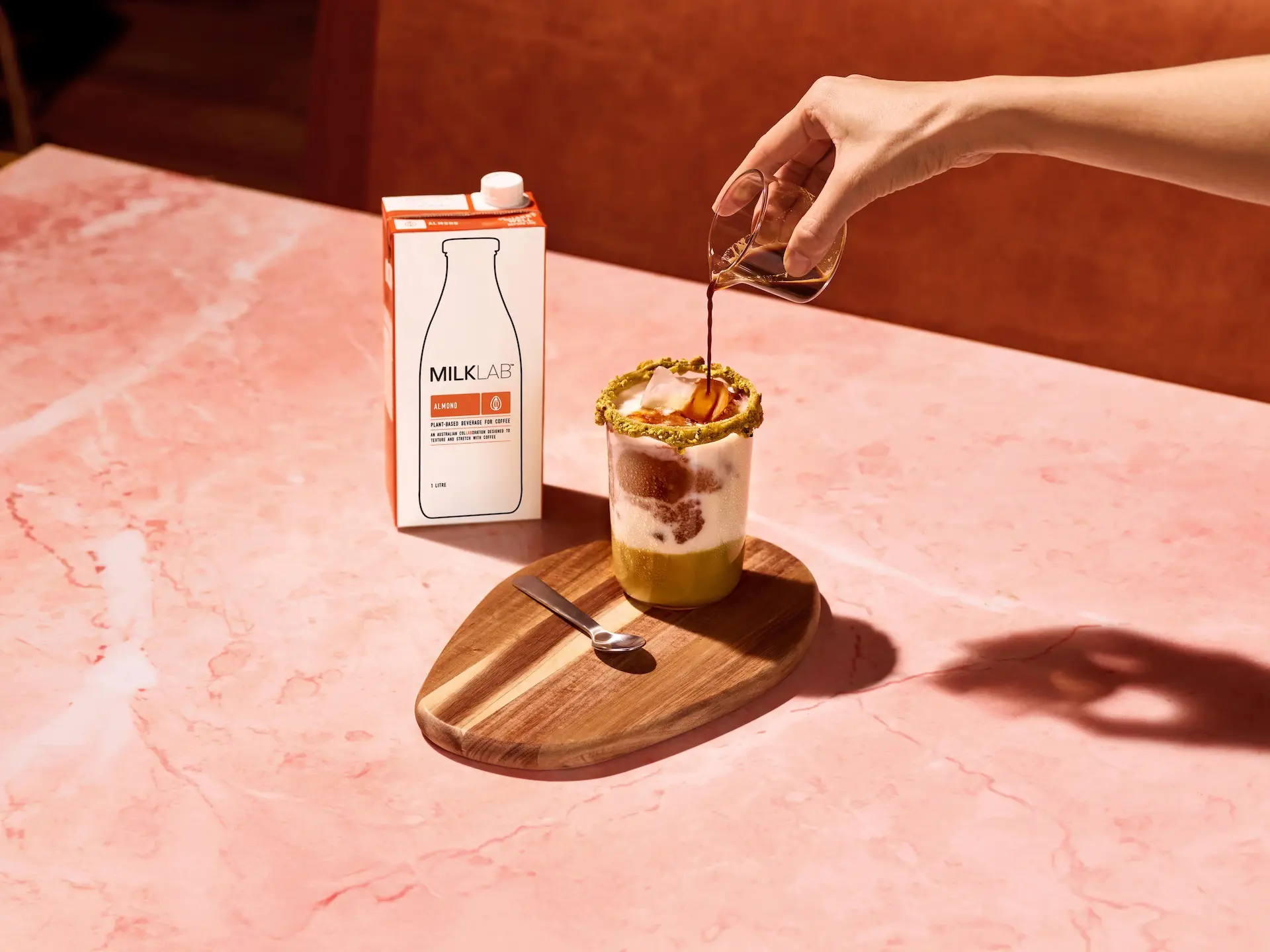
    Renowned dairy and plant-based milk brand, MilkLab, has expanded its market by introducing its Almond and Oat varieties to consumers in New Zealand via Woolworths stores. The move is in response to the increasing demand for dairy alternatives among New Zealand residents, who consume an average of 3.7kg of coffee annually. As more Kiwis embrace the use of home espresso machines, the need for alternatives that do not alter the taste, texture, or appearance of coffee has become evident.

    MilkLab Responds to Demand for Dairy Alternatives

    The introduction of MilkLab Almond and MilkLab Oat – the top two choices of baristas in Australia – into New Zealand supermarkets is an answer to the escalating demand. Natalie Latimore, MilkLab’s head of marketing, views the expansion as a strategic move, considering the growing popularity of specialty coffee among Kiwi households.

    “New Zealand has an advanced and passionately loyal coffee culture. Kiwi consumers expect their coffee to meet high standards whether they are in a cafe or at home,” Latimore said. She further emphasized that New Zealand’s coffee enthusiasts can now enjoy the results of MilkLab’s years of innovation in plant-based milk to achieve cafe-quality coffee at home, by simply shopping at Woolworths.

    MilkLab has been a part of New Zealand’s cafe scene for several years, and the annual MilkLab NZ Barista Battle is a highlight on the local coffee calendar. The competition enables local baristas to display their skills and creativity using the same MilkLab products now available in supermarkets.

    MilkLab’s Partnership Strategy

    In another strategic move, the company has partnered with Allpress Espresso. This partnership will see MilkLab Almond, Oat, and Lactose Free become the alternative milk of choice in Allpress cafes in Australia.

    Melanie Ung, brand manager at MilkLab, expressed her excitement about the partnership stating, “Allpress is a respected name in this industry, and we are thrilled to be the brand behind their bar. We believe this partnership aligns perfectly with our values and standards, and what we believe the barista experience should be.”

    The company anticipates that this collaboration will strengthen MilkLab’s leadership in the highly competitive plant-based milk category.

    Questions & Answers

    What are the MilkLab products now available in New Zealand?
    The MilkLab Almond and MilkLab Oat are now available in New Zealand.

    What is the significance of the MilkLab expansion into New Zealand’s market?
    This expansion allows MilkLab to tap into the growing demand for dairy alternatives in a country with a rich coffee culture.

    What is the new partnership between MilkLab and Allpress Espresso?
    MilkLab has partnered with Allpress Espresso to become the alternative milk of choice in all Allpress cafes in Australia.

  • Booming Retail Sales in Hong Kong Predicted to Persist Amid Positive Economic Climate

    Booming Retail Sales in Hong Kong Predicted to Persist Amid Positive Economic Climate

    The retail sector in Hong Kong experienced a healthy growth in May, a trend that is anticipated to sustain, given the positive economic climate. Data from the Census and Statistics Department reveals a 7.9% year-on-year increase in retail sales, reaching HK$33.8 billion (US$4.3 billion) for the month of May. This extends the revised growth of 8.7% witnessed in April.

    Sales Performance in Different Retail Categories

    In the first five months of the year, retail sales showed an approximate increase of 10.6% compared to the same timeframe last year. When considering the effect of price changes over the same period, retail sales witnessed an improvement of 4.8% in May.

    A government representative stated that majority of the retail categories demonstrated gains in May, continuing the growth observed in the retail sector. The highest growth was seen in valuable gifts with a rise of 25.8%. This was followed by electrical goods and other consumer durable goods with a 13% increase, optical shops at 10.3%, and department store commodities at 9.2%.

    Meanwhile, other categories like apparel and footwear, cosmetics, and furniture experienced modest growth ranging between 3% and 5%.

    However, not all categories thrived. Fuels, Chinese medicines and herbs saw a significant decline in sales by 12.2% and 9.5% respectively. Food, alcoholic beverages, and tobacco also experienced a slight dip of 0.3%.

    Anticipated Trends and Government Overview

    Looking into the future, the government spokesperson is hopeful about the continued growth in the retail sector. The ongoing economic expansion, increasing local labour earnings, and a rise in inbound visitors are expected to keep benefiting retail businesses.

    The government, in response, has pledged to keep a close watch on any potential impact of changing external uncertainties on the local consumption market.

    Questions & Answers

    What was the growth rate for retail sales in Hong Kong in May?
    Retail sales in Hong Kong recorded a 7.9% year-on-year increase in May.

    Which retail category observed the highest growth?
    The highest growth was recorded in the category of valuable gifts, which saw a rise of 25.8%.

    What are the government’s expectations for the future of the retail market?
    The government anticipates continued growth in the retail market, backed by economic expansion, increasing local labour earnings, and a rise in inbound visitors.

  • Hong Kong Gears Up for Gold Futures Relaunch Amid Booming Demand and Chinas Support

    Hong Kong Gears Up for Gold Futures Relaunch Amid Booming Demand and Chinas Support

    The Hong Kong Exchanges and Clearing (HKEX) is advancing its plans to rejuvenate the trading of gold futures as the demand for the commodity keeps escalating across mainland China. This move comes amidst the city’s pursuit to introduce fresh gold products and facilities to leverage the expanding opportunities in the gold market.

    Reviving Gold Futures Trading

    It has been announced to legislators that there’s an intention to reintroduce gold futures in the months to come, with plans to solicit market feedback to enhance the products ahead of their launch. The forthcoming revival will be the city’s fourth attempt since the 1980s, with the most recent effort occurring in 2017 when the exchange presented gold futures denominated in U.S. dollars and Chinese yuan.

    Despite both contracts remaining listed, data from the exchange reveals that neither has seen any turnover in the preceding two years. However, optimism is high this time around, as the current endeavor involves not just the exchange, but also the Hong Kong government who is developing an ecosystem of clearing and storage. This is being supported by China, who aims to establish Hong Kong as a gold trading hub.

    Financial Secretary Chan has highlighted that Asia is responsible for approximately 60% of the total global gold demand every year. In an effort to better capture these opportunities, a central clearing system for gold is being constructed, with pilot operations set to commence within the year.

    Expansion of Gold Storage Capacity

    Simultaneously, the Hong Kong Airport Authority is rapidly increasing its gold storage capacity, aiming to exceed 2,000 tonnes within the next three years. Just last month, Hong Kong listed a new gold exchange-traded fund with physical redemption alternatives.

    This revival aligns with the People’s Bank of China’s ongoing effort to bolster its gold reserves. The holdings reached 74.64 million ounces at the close of April, marking 18 uninterrupted months of growth.

    Furthermore, activity in Hong Kong’s gold market has surged, partly due to tensions in the Middle East. The city has seen a significant surge in physical imports from the region since early April.

    This accumulation of reserves by China mirrors a broader trend among international central banks seeking to reduce reliance on U.S. dollar assets. As a matter of fact, last year foreign central banks officially held more gold than U.S. Treasuries for the first time since 1996.

    Questions & Answers

    What is the significance of reviving gold futures trading in Hong Kong?
    Reviving gold futures trading can help Hong Kong capture expanding opportunities in the gold market as demand for the precious metal rises across mainland China.

    Why is the Hong Kong Airport Authority expanding its gold storage capacity?
    The expansion of gold storage capacity is part of the city’s strategy to establish Hong Kong as a gold trading hub, aligning with increased demand and the introduction of new gold products.

    How does the revival of gold futures trading relate to global economic trends?
    The revival of gold futures trading in Hong Kong is congruent with a broader trend among central banks seeking to reduce reliance on U.S. dollar assets. This is reflected in China’s central bank continuing to build up its gold reserves.

  • Singapore Struggles With Slow Growth in Booming Southeast Asian Food Delivery Market

    Singapore Struggles With Slow Growth in Booming Southeast Asian Food Delivery Market

    A recent study reveals that Singapore experienced the second-lowest growth in its food delivery market in the previous year amongst significant Southeast Asian nations. The gross merchandise value (GMV) for food delivery in Singapore escalated by 13% in 2025, reaching US$2.9 billion. This rate of growth trailed behind the mean growth rate of 18% observed across six Southeast Asian markets.

    Regional Growth Variances

    Singapore’s expansion only superseded that of the Philippines, which marked a 12% increase – reportedly, this sluggish growth was due to recurring interruptions triggered by tropical cyclones.

    In contrast, Thailand’s food delivery market noted the highest growth, with the GMV surging by 22%. The report suggests that this expansion was facilitated by various factors such as affordable initiatives launched by platforms, intensifying competition, and the government’s “half-half” subsidy scheme which underwrites a portion of consumers’ food expenditures.

    Other countries like Indonesia, Malaysia, and Vietnam also witnessed substantial growth, each marking a rise of roughly 18% to 19%. Indonesia, being the region’s most densely populated market, registered the most significant absolute increase, contributing approximately $1 billion.

    Factors Influencing Singapore’s Slower Growth

    Addressing Singapore’s slower growth, Momentum Works CEO Li Jianggan highlighted that consumer behavior and market conditions significantly differ between countries. He referenced variations in city architectures, spending capacities, and the supply dynamics of delivery personnel and eateries.

    He pointed out that food delivery can be quite costly in Singapore, particularly considering the availability of numerous affordable offline alternatives. Nonetheless, Singapore’s double-digit growth signifies a steady demand. However, keeping up this rate could put increasing strain on platforms to enhance their efficiency, especially as customers explore other options like dining out or self-collection.

    Furthermore, Li noted that Singapore has a unique structural challenge – a limited pool of delivery riders – compared to larger and more densely populated neighboring countries. Adopting technology can help address this, but the key to raising the bar would be platforms’ relentless focus on establishing density and operational efficiency.

    Market Leaders

    At the platform level, Grab fortified its position as the predominant food delivery player in Southeast Asia, raising its regional market share from 53.8% in 2024 to around 55% in 2025. In absolute terms, Grab generated approximately $12.5 billion in food delivery value across the region last year.

    ShopeeFood overtook Foodpanda to become the region’s second-largest platform, with estimated transactions totaling $3.3 billion. Meanwhile, Foodpanda’s value dipped to roughly $2.6 billion. Gojek and Thailand-based Lineman reported comparable values of about $2 billion each, indicating Lineman’s impressive performance in its local market.

    The report underscored that compared to other emerging markets, Southeast Asia had a high order volume. The study estimated that collectively, platforms in the region handled between 8.5 million and 9.5 million food delivery orders per day on average in 2025. This volume is nearly twice that of India’s estimated daily orders of 4-5 million, despite India having approximately double the population of Southeast Asia.

    The study concluded that the penetration of food delivery is less determined by population size, and more by urban density, eating-out substitution, and platform-led affordability mechanics.

    Questions & Answers

    What was the growth rate of Singapore’s food delivery market in 2025?
    The food delivery market in Singapore grew at a rate of 13% in 2025.

    Which was the fastest-growing market in Southeast Asia’s food delivery industry?
    Thailand was the fastest-growing market in Southeast Asia’s food delivery industry, with a 22% increase in gross merchandise value.

    Which platform consolidated its lead as Southeast Asia’s dominant food delivery player?
    Grab consolidated its lead as Southeast Asia’s dominant food delivery player, increasing its regional market share to about 55% in 2025.

  • Korean beauty startups bet booming US demand outlasts tariff pain

    Korean beauty startups bet booming US demand outlasts tariff pain

    Following their impressive online achievements in the US, South Korean cosmetic start-ups are seeking to strengthen their physical presence in the world’s largest consumer market. These brands, including Tirtir, D’alba, Torriden and Beauty of Joseon, are currently in discussions with major retailers to make their products available on US shelves. The expectation is that the popularity and broad appeal of their products will outweigh any potential impact from tariffs.

    K-Beauty: Global Competitor

    Known for their high-quality products, competitive pricing, and clever marketing strategies, South Korean beauty products have successfully established a global presence. This success has been largely facilitated by the wider popularity of South Korea’s other cultural exports, including music, film, and television.

    According to Tirtir CEO An Byung-Jun, the increased interest in South Korean culture has paved the way for the country’s cosmetic industry, especially given the good quality of the products and their affordability compared to existing luxury brands such as L’Oreal or Estee Lauder.

    Tirtir’s reputation significantly increased last year due to the viral online success of its cushion foundation shades designed for dark skin. The company aims to double its US sales this year, with its products being made available in Ulta Beauty stores over the summer.

    US Expansion

    Major US retailers, including Sephora, Ulta Beauty, Costco, and Target, are currently in discussions with South Korean cosmetic brands about launching their products in physical stores. Industry experts believe Korean brands’ higher margin business models will allow them to withstand tariffs better than their competitors.

    South Korea became the world’s third-largest beauty product exporter in 2024, after France and the US. The majority of its cosmetic output, valued at $13 billion, is for export, with e-commerce sales driving most of this success.

    Challenges and Opportunities

    While tariffs pose a potential threat to South Korea’s beauty industry, the strong demand for their products is expected to mitigate some of this risk. Olive Young, South Korea’s leading beauty retailer, plans to establish its first US store in Los Angeles later this year.

    Despite concerns about tariffs, South Korean cosmetic brands are persisting with their US expansion plans. Brands such as D’alba, Torriden, and Beauty of Joseon are set to launch in Sephora stores over the summer.

    The Power of Social Media

    South Korea’s success in the cosmetic industry has been significantly bolstered by social media. Viral videos and influencer endorsements can transform a product into a global bestseller. However, industry experts caution that long-term success will require an increase in physical store sales.

    Despite rising competition and the emergence of cheaper alternatives, investors remain optimistic about South Korea’s potential in the cosmetic industry.

    Questions & Answers

    What has contributed to the success of South Korean beauty products in the global market?
    South Korean beauty products have risen in popularity due to their high quality, competitive pricing, and effective marketing strategies. They have also been boosted by the wider global interest in South Korean culture, including its music, film, and television.

    What is the current status of South Korean cosmetics in the US market?
    South Korean cosmetic start-ups are currently in discussions with major US retailers to launch their products in physical stores, following their successful online performance.

    What are the potential challenges for South Korean cosmetic brands in the US market?
    Potential challenges include tariffs and increasing competition. However, the strong demand for their products is expected to mitigate some of these concerns, and many brands have business models that allow them to withstand tariffs better than their competitors.

  • APAC mobile advertising market booming

    APAC mobile advertising market booming

    The Asia Pacific region is leading in mobile ad request with a growth of 44%. This is almost twice the average growth of the Americas and EMEA regions, both of which are pegged at 23%.

    This was the conclusion of the Global Trends in Mobile Advertising H2 2018 report by Smaato, which offers programmatic insights designed to help publishers and advertisers with their decision-making on ads.

    Among others, the report investigated in-app growth, advertising spending, mobile video and advertising fraud.

    The mobile ad market is healthy, according to Smaato, with significant growth across all key advertising metrics, including ad request volume and eCPMs. Demand and supply both increased year-over-year, as advertisers direct more money into mobile advertising.

    In the APAC, India stood out from the pack with a 425% growth in mobile ad requests. This was more than twice the growth rate of the fastest growing markets in EMEA and the Americas, which were led by Spain at 152% and the USA at 170% respectively.

    Smaato says India’s meteoric ad request growth is characteristic of an emerging mobile market in which the number of mobile device owners, their time spent on mobile, and overall app downloads all rise quickly.

    When it comes to the top countries for eCPM growth, Singapore (154%), Japan (125%), Australia (111%), Hong Kong (99%) and Indonesia (96%) topped the charts. As comparison, eCPMs increased in the United States by 79% and in Canada by 70%, while Switzerland (92%) and the United Kingdoms (66%) topped the chart in the EMEA.

    “The impressive ad request and eCPM growth in APAC are driven by app developers finding new ways to better monetize their content even as consumers are spending more time on apps. Advertisers from all verticals are realizing that apps are where consumers are — and they are directing more funds into this channel,” Smaato APAC managing director Alex Khan said.

    “With app usage increasing across the region, there will also be more monetization opportunities for mobile publishers.”

    The full report can be downloaded here (free registration).

  • Online shopping boom in Korea risks mall debt downgrades

    Online shopping boom in Korea risks mall debt downgrades

    South Koreans are spending record amounts shopping with their mobile devices, raising the risk of debt downgrades for retail giants still focused on mall traffic.

    The odds that the nation’s No 1 department store operator, Lotte Shopping Co, will miss debt payments in the coming 12 months doubled to 0.64 per cent from 0.29 per cent a year earlier, according to Bloomberg’s default-risk model that takes into account a company’s finances and stock moves. That suggests it merits a non-investment debt rating. Default risk using the model also climbed for Shinsegae Co, the third-ranked department store operator.

    Moody’s Investors Service and Fitch Ratings have both changed their outlook for Lotte Shopping’s score to negative from stable this month, following a cut in Shinsegae’s outlook to negative by Korea Investors Service last month. The nation’s mobile shopping transactions surged 64 per cent to a record 24.4 trillion won (S$28 billion) last year while sales at department stores dropped for a second straight year, according to Statistics Korea data.

    “We don’t expect a meaningful improvement in Lotte Shopping’s earnings this year,” said Hong Kong- based senior analyst at Moody’s, Wan Hee Yoo.

    Lotte Shopping expects sales in its overseas business to grow this year and it also seeks to increase domestic sales by linking its online and off-line businesses, said its spokesman on Wednesday.

    Shinsegae has been making efforts to reduce its debt ratio since last year, including by selling shares of Samsung Life Insurance Co and issuing perpetual bonds, said its spokesman on Wednesday.

    The spread on Shinsegae’s dollar notes due in 2045 rose to 185 basis points on Feb 23, the highest since its issue in May, showed Bloomberg-compiled data. Lotte Shopping’s 2017 bond spread has fallen 14 basis points this year to 130.

    The nation’s online shopping market is forecast to grow to more than 100 trillion won by 2019, with purchases on mobiles making up about 75 per cent, said Korea Ratings last month, citing Bain & Co’s projection.

    Total transactions on the Internet increased 19 per cent to 53.9 trillion won last year, according to Statistics Korea data.

    South Korea’s smartphone penetration rate is the world’s fourth highest at 83 per cent as of end-March, according to a KT Economics & Management Research Lab report released in July.