Tag: Bosh

  • Bosch To Invest Additional 250 Million Euros In Chip Production Capacity

    Bosch To Invest Additional 250 Million Euros In Chip Production Capacity

    Bosch is investing an additional 250 million euros ($282.50 million) in extending chip production facilities at its Reutlingen plant in Germany, the company said on Tuesday.

    The Reutlingen site had previously been earmarked for 50 million euros of a total of 400 million that the supplier set aside last year for spending on chip production in 2022 across Reutlingen, Dresden and a testing facility in Penang, Malaysia.

    The largest part of that budget was allocated to expanding its 1-billion-euro Dresden factory producing 300-millimeter wafers, which the group inaugurated in June.

    The extra capacity at Reutlingen will come into force in 2025, Bosch said in a statement.

  • Volkswagen & Bosch Form JV For European Battery Production

    Volkswagen & Bosch Form JV For European Battery Production

    Volkswagen and Bosch have signed a memorandum of understanding to explore a joint venture dedicated to providing the European market with battery equipment solutions. The two, together, plan on selling integrated battery solutions with on-site ramp-up and maintenance support for battery cell and system manufacturers. This joint venture has also been designed with the goal of enabling Volkswagen to achieve its goal of building six battery cell factories by 2030 which will also be available to third-party customers.

    The idea for both Bosch and Volkswagen is to be self-sustaining for electric cars in terms of the supply chain. Volkswagen is building on top of its JV with NorthVolt with which it has planned its first facility in Salzgitter in Germany.

    “Europe has the unique chance to become a global battery powerhouse in the years to come,” said Thomas Schmall, a VW board member responsible for the automaker’s battery plans, in a statement.

    “There is a strong and growing demand for all aspects of battery production, including the equipment of new gigafactories. Volkswagen and Bosch will explore opportunities to develop and shape this novel, multi-billion-euro industry in Europe,” he added.

    “Our decision to actively engage in the vertical integration of the battery-making value chain will tap considerable new profit pools. Setting out to establish a fully localized European supply chain for e-mobility made in Europe certainly marks a rare opportunity in business history,” Schmall explained.

    The European battery alliance has already said that a third of the global batteries need to be manufactured in Europe by the end of the decade to cut dependence on South Korean and Chinese suppliers.

  • Bosch Opens German Chip Plant

    Bosch Opens German Chip Plant

    Robert Bosch opened a 1 billion euro ($1.2 billion) chip plant in Germany on Monday, a record investment by the leading automotive supplier as it stakes a claim to equipping the latest electric and self-driving cars. The plant, located in a semiconductor hub near Dresden, opens as the automotive industry battles a global chip shortage, and will increase Bosch’s ability to serve carmakers directly, relying less on third-party manufacturers.

    “Every chip that we make here in Dresden is one chip less that is lacking. That helps,” management board member Harald Kroeger told Reuters in an interview.

    Addressing an online opening ceremony, Chancellor Angela Merkel said semiconductor shortages were hampering Germany’s economic recovery, and that it was important to strengthen resilience against external supply disruptions.

    “We aren’t in pole position – we have to catch up,” Merkel said. “We must be ambitious. Our competitors around the world aren’t sleeping.”

    The Bosch plant will make specialist power-management chips and Application Specific Integrated Circuits (ASICs) that are designed to carry out a single task, such as triggering a car’s automatic braking system.

    It will not however address shortages of products like microcontrollers which have forced automakers to halt production and are expected by industry leaders and analysts to extend into next year.

    “The fab (chip fabrication plant) may help to insulate Bosch and its key customers somewhat,” said Asif Anwar at Strategy Analytics. “But it is unlikely to serve as a gap filler to the current shortages being experienced in the automotive market.”

    The Bosch plant, which received 200 million euros ($243 million) in state aid under a European Union investment scheme, will start making chips for power tools in July, with output of automotive chips to follow from September.

    “The state-of-the-art technology in Bosch’s new semiconductor factory in Dresden shows what outstanding results can be achieved when industry and government join forces,” said European Commission Vice-President Margrethe Vestager.

    Kroeger said Bosch supported a broader strategic push by Brussels to revive Europe’s semiconductor industry. A recently unveiled plan targets doubling the region’s share of global chip production to 20% by 2030.

  • Bosch’s Wrong-Way Skoda Vehicles Will Come With Wrong-Way Warning System

    Bosch’s Wrong-Way Skoda Vehicles Will Come With Wrong-Way Warning System

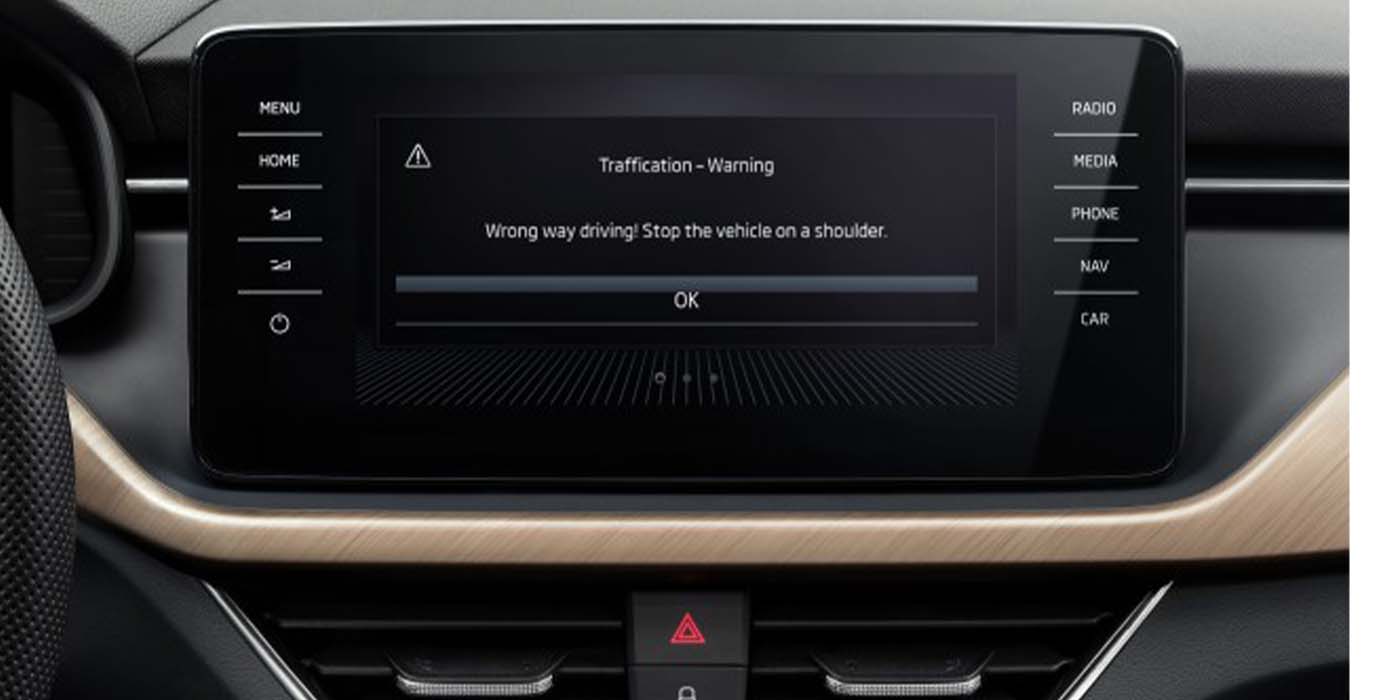
    With its cloud-based wrong-way driver warning system, Bosch has developed a solution that warns both the wrong-way driver and all road users at risk of the impending danger within seconds – much faster than traffic news on the radio. Now Skoda is the world’s first automaker to opt for the Bosch wrong-way driver warning system. Thanks to a new infotainment app, Skoda owners will receive the lifesaving warning directly via the display in their vehicle’s cockpit.

    Starting in the first quarter of 2021, Skoda will offer the wrong-way driver warning system in numerous models, such as the Superb, Scala, Kamiq, Karoq and Kodiaq. Other vehicle models are scheduled to follow before the year is out.

    Accidents caused by wrong-way drivers are fortunately rare, but when they do happen, they usually have serious consequences. In most cases, however, the warning of the unforeseeable danger comes too late: one-third of such incidents generally end after just 500 meters – in the worst case, with fatalities. With Bosch’s cloud-based warning system installed directly in the head unit of Skoda vehicles, the two companies now want to further reduce the number of accidents caused by wrong-way drivers.

    As a vehicle approaches a freeway entrance or exit, the system automatically sends its current anonymized GPS position to the cloud. In the Bosch cloud backend, the software then compares the vehicle’s current direction with the permitted direction of travel. If these two pieces of information clash, the system will alert the wrong-way driver to their mistake by flashing a warning on the display. The distinctive feature of this solution is that the warning occurs within just a few seconds.

    In the vast majority of cases, this is before the driver even gets on the freeway. In addition, Bosch and Škoda are planning that the app will also immediately warn all oncoming road users who are connected and potentially at risk. This feature should be available later this year.

  • Bosch to Cut Thousands of Jobs in India as Auto Sales Slump

    Bosch to Cut Thousands of Jobs in India as Auto Sales Slump

    Bosch, the Indian unit of the world’s largest auto-parts supplier, plans to join its parent, Robert Bosch GmbH in cutting jobs as the South Asian nation witnesses one of its worst auto sales slowdowns in decades.

    The German company will cut “a couple of thousand” jobs in India in the next four years, India Managing Director Soumitra Bhattacharya said. About 10% of 3,700 white-collar jobs and a slightly higher percentage of 6,300 blue-collar jobs will be cut, he added in an interview in Bangalore on Dec. 30.

    “There is a transformation happening across the industry,” Bhattacharya said. “We looked at that as an opportunity to transform the company even before the downturn started.”

    Carmakers across the world will shed 80,000 jobs in the coming years amid shrinking demand. That will hit sales at autopart makers. In India, Bosch expects auto sales to only recover in the next two-three years after plummeting in 2019 because of regulatory changes, threat of electrification, a liquidity crunch, and an economic slowdown.

    Still, the German component maker sees the demand for internal combustion engine vehicles leading growth in the auto industry in India. Both ICE and electric powertrains will coexist for a long time, Bhattacharya said. He forecast that 80% of the vehicles will run on ICE the rest on electric by 2030 in the nation.

    Bosch India’s profit fell 66% in the quarter ended Sept. 30, from a year earlier. Its share price dropped 22% last year.

    India’s auto sector is going through a cyclical and structural changes because of electrification, technological shift and the advent of shared mobility, Bhattacharya said.

  • BSH Home Appliances appoints new director for APAC

    BSH Home Appliances appoints new director for APAC

    BSH Home Appliances Group has appointed Gunjan Srivastava as executive VP, head of Asia Pacific.

    The appointment reflects the company’s focus on driving accelerated growth across the region, including Singapore, Malaysia, Indonesia, Thailand, India, Australia and New Zealand.

    Gunjan has more than 15 years of experience in the durable-goods sector, with core expertise in fortifying brand portfolios. Prior to this appointment, Gunjan was the CEO of BSH India, where he was instrumental in spearheading the firm’s growth over five years, introducing new verticals and doubling its market footprint.

    “I’m both humbled and excited to continue strengthening the BSH brand and fortifying our presence in the region,” said Gunjan. “In my years leading BSH India, I’ve had the chance to gain an in-depth understanding of how to drive vigorous growth for BSH in a high potential market. Asia Pacific is a vastly diverse region, where there is an immense opportunity for us to increase visibility, gain market share, and further consolidate our leadership.”

    In his new role, Gunjan will be focusing on maximising the opportunities in the various Asia Pacific markets that BSH has subsidiaries in.

    “In order to meet consumer needs that are in constant flux, BSH has a clearly defined objective: to become the industry leader for digital services and kitchen experiences for connected consumers, by producing innovations that offer tangible benefits and help make their lives better,” said Gunjan.

    BSH Home Appliances recently opened its first UnserHaus Customer Care Centre and a UnserHaus Experience Centre in Singapore. Meaning “our house” in German, the centre is a lifestyle concept featuring Bosch and Gaggenau appliances in a home-like environment.

    While waiting for their appliances to be repaired, customers can visit either the dining room, which provides a hands-on experience with built-in appliances like dishwashers, coffee machines and ovens; or the living room, where they can sit down, unwind and relax with music or a wide-screen television. There is a children’s playing space as well.

    All products at UnserHaus come tagged with a QR code that allows visitors to purchase and pay for them online.

  • Bosch’s Indian Unit Begins Restructuring As Auto Sector Slowdown Bites

    Bosch’s Indian Unit Begins Restructuring As Auto Sector Slowdown Bites

    India-listed manufacturer Bosch Ltd said on Tuesday it had begun restructuring parts of its business in light of a deepening slowdown in the country’s automotive industry, as the German car parts supplier posted a drop in June-quarter profit.

    Bosch, the latest firm to flag weak conditions in the Indian auto market, said its automotive sales dived 17.5% in the June quarter.

    The outlook for the auto industry was “extremely” challenging, Managing Director Soumitra Bhattacharya said in a statement.

    Bosch, which makes a wide range of auto products including braking systems and batteries, is the latest firm to restructure its business or limit production due to the slowdown, which has been exacerbated in recent months by a liquidity crunch in India’s shadow banking sector.

    Automakers Tata Motors Ltd and Mahindra and Mahindra Ltd (M&M) said last week they would cut production at some plants in response to slowing demand that industry executives say has driven the sector to one of its worst downturns.

    Earlier on Tuesday, an auto industry body said India’s domestic passenger vehicle sales in July had fallen at the steepest pace in nearly two decades.

    Bosch has earmarked 820 million rupees ($11.5 million) as a provision for restructuring, which would include “manpower adjustments,” it said.

    “The slowdown is not cyclical, but structural,” Bhattacharya said. “Necessary course correction measures will be taken in order to remain competitive.”

    Shares in Bosch’s Indian unit dropped 3.4% following the news of restructuring. The company’s profit in the three months ended June dived 35% to 2.8 billion rupees, while revenue from operations dropped 13.5% to 27.79 billion rupees.

  • Car Market Slowdown Threatens Jobs At Bosch

    Car Market Slowdown Threatens Jobs At Bosch

    Global car market is expected to slow this year and the continuing aftershocks of a sector-wide diesel cheating scandal will hit jobs at the world’s biggest component supplier Bosch, its boss said Tuesday.

    “Of course, we have to react to falling demand,” chief executive Volkmar Denner told Munich-based daily Sueddeutsche Zeitung when asked about possible job cuts.

    Expected by analysts to contract this year, the global car market is developing “much more weakly than we still thought a year ago,” Denner said.

    “This isn’t just a short-term dip that will quickly be recovered,” he added.

    Reduced demand for diesel-fuelled vehicles “is hitting us particularly hard,” said Denner.

    Customers in Germany and abroad have turned away from the fuel since Volkswagen’s 2015 admission to cheating regulatory emissions tests on 11 million vehicles worldwide, while investigations have spread to other carmakers in Germany’s flagship industry.

    Many potential buyers have been deterred by already-implemented or proposed bans for some diesels from city centres, as municipalities try to reduce levels of harmful nitrogen oxides (NOx) in the air.

    Meanwhile manufacturers themselves are ramping up alternatives, like hybrid and battery-electric vehicles, to meet tough new EU carbon dioxide (CO2) emissions targets set to bite from next year.

    Bosch said in January lower diesel demand would force it to slash 600 jobs among its 15,000 employees in the field.

    Over the full year, the company expects revenue at the same level as 2018, when sales reached 77.9 billion euros, rather than the slight increase it had previously predicted.

    And “we won’t be able to maintain the high level of profitability we had last year,” Denner said.

    The company said early this year it expected a profit margin of below six percent, rather than last year’s seven percent.

    Competitor Continental, listed on the blue-chip DAX index, in July lowered its full-year financial objectives, blaming the weak global market.

  • Prosecutors Fine Bosch 90 Million Euros For Illicit Emissions Software

    Prosecutors Fine Bosch 90 Million Euros For Illicit Emissions Software

    Automotive supplier Bosch has agreed to pay a 90 million euros ($100.21 million) fine for lapses in supervisory duties which enabled carmakers to engage in emissions cheating, German prosecutors in the city of Stuttgart said on Friday.

    Privately-held Bosch, the world’s biggest automotive supplier, delivered around 17 million technical devices equipped with engine management software, including tools that allowed carmakers to manipulate emissions tests, prosecutors said in a statement.

    Bosch has accepted the fine and will not appeal the decision, they added.

    Volkswagen used the software provided by Bosch to help the carmaker mask illegal pollution in diesel-engined vehicles.

    Volkswagen has borne the brunt of penalties and fines for emissions cheating since carmakers, rather than suppliers are responsible for certifying that cars meet clean air rules

  • Bosch Goes For Platinum-Light Fuel Cells

    Bosch Goes For Platinum-Light Fuel Cells

    Global automotive supplier Bosch expects platinum to play only a minor role in its new fuel cells, giving precious metal markets scant benefit even as the technology gains momentum for pollution-free transport. According to Reuters calculations, Bosch would only need a tenth of the platinum used in current fuel cell vehicles.

    Hopes of reviving demand and prices of platinum increasingly hinges on widespread uptake of fuel cells in vehicles, ships, and trains to make up for dwindling amounts used in each device, analysts say.

    The spot price of platinum has shed more than 40 percent in the last five years, burdened by persistent oversupply, before rebounding slightly in recent months.

    But hopes that fuel cells will boost long-term demand may be dampened after Germany’s Robert Bosch GmbH told Reuters that platinum was expected to play only a “minor role” in its plans to mass produce fuel cells.

    Privately-owned Bosch, which last month signed a deal with Powercell Sweden AB to mass-produce fuel cells, said its fuel cell design was not finalized, but it expects them to use only as much platinum as a diesel catalytic converter.

    A catalytic converter in a diesel passenger vehicle typically uses three to seven grams of platinum compared with around 30-60 grams currently needed for a fuel cell for the same vehicle, according to analysts.

    “There has been lots of optimization work concerning platinum in fuel cells,” Achim Moritz, product manager for mobile fuel cells at Bosch, told Reuters.”If you look at a diesel catalytic system, there is about the same amount of platinum content you need for a fuel cell,” he added.

    He declined to give specific estimated figures for the S3 fuel cell system it is developing with Powercell and expects to launch by 2022, citing commercial sensitivities.

    Bosch’s fuel cell deal with Powercell, announced last month, was another signal that the technology is poised to be rolled out more widely as governments toughen emissions regulations.

    China is leading the way, targeting 2 million fuel cell vehicles by 2030.

    Fuel cells generate electricity through a chemical reaction using hydrogen as a fuel and platinum as a catalyst but comprise only a fraction of the electric vehicle (EV) market even though they allow vehicles to travel much longer distances between charges than battery powered cars.

    For years, fuel cells were expected to boost platinum demand dramatically, but doubts have increased due to reports that scientists have found ways to cut the amount of platinum they contain.

    The best selling fuel cell vehicle, Toyota’s Mirai, is expected to cut platinum by two-thirds to around 10 grams per vehicle in its next version, down from 30 grams in the current model, according to David Hart, director of E4tech consultancy, based in Lausanne.

    “They (fuel cell makers) all have a pathway of using less platinum, which is fairly clear,” Hart said.

    Toyota Motor Corp declined to comment.

    Hyundai Motor Co has cut the amount of platinum needed for the fuel cell stack in the latest edition of its NEXO, released last year, to 56 grams from 78 grams previously, a company spokesman told Reuters.

    Hyundai plans to invest over 6 billion euros to make 700,000 fuel cell systems annually by 2030.

    Fuel cells give EVs longer ranges and recharging takes a matter of minutes, a fraction of what is needed for batteries.

    Hyundai’s NEXO has a range of 380 miles compared to 226 miles for the best-selling battery electric vehicle, Nissan’s Leaf.

    That is especially useful for heavy goods vehicles and buses, which are expected to be the primary market for fuel cells initially.

    “The heavy-duty truck side is the biggest initial opportunity for fuel cells because they are very hard to electrify with batteries,” said Marten Wikforss, a consultant for Sweden’s Powercell.

    Batteries would take up more space in a heavy goods truck and would take hours to recharge.

    Once costs come down, fuel cells may also appeal to car buyers who do not want to worry about frequent and time-consuming recharging.

    If fuel cells catch on in ships and trains as well as road vehicles, platinum demand may get a boost despite the lower loadings due to the sheer numbers, some analysts said.

    Global demand for platinum for all fuel cells from vehicles is forecast rise to 366,000 ounces by 2030 but to surge to 965,000 ounces when including other fuel cell and hydrogen uses, said Jonathan Butler, head of business development at Mitsubishi.
  • Bosch to launch IoT software services in China

    Bosch to launch IoT software services in China

    Bosch and Huawei have struck a partnership to accelerate the development of the Internet of Things (IoT) in China. The collaboration will see the pair makes Bosch’s IoT Suite software services available in China on Huawei Cloud. The software platform of Bosch connects web-enabled objects to facilitate data sharing across a multitude of digital services and business models. The first service made available to Chinese consumers via Huawei Cloud will be the Bosch IoT Remote Manager – a service for managing and controlling gateways, sensors, and devices. Additional services from the Bosch IoT Suite will follow in 2019.

    The pair also said a Chinese automotive manufacturer has chosen to deploy the Bosch IoT Suite on Huawei Cloud for updating its vehicles’ firmware over the air (FOTA). The service is expected to be rolled out to millions of connected cars in China over the coming years.

    “The demand for IoT solutions in China is rising. The partnership between Bosch and Huawei Cloud marks a decisive step for Bosch in one of the fastest growing IoT markets in Asia,” said Dr. Stefan Ferber, CEO of Bosch Software Innovations, a wholly-owned subsidiary of Bosch.

    Bosch Software Innovations has been active in China since 2012 and has implemented IoT projects ranging from Industry 4.0 to connected transportation. The company expects China’s market for IoT platforms to grow by close to 70% over the coming years, Ferber said.

    Bosch and Huawei also intend to develop an integrated end-to-end IoT offering as a result of the partnership.

    Huawei is developing IoT hardware gateways that will be pre-configured with Bosch IoT Gateway Software and managed through the Bosch IoT Remote Manager to run on Huawei Cloud.

    This close integration will provide customers with a more complete IoT solution that is easier to deploy and manage, the companies said.

  • Microsoft, Bosch replace local CEOs with foreigners in Vietnam

    Microsoft, Bosch replace local CEOs with foreigners in Vietnam

    Bosch’s former Vietnamese CEO is taking charge of Vingroup’s new automobile venture, while Microsoft Vietnam’s ex-chief also has a new job.

    American tech giant Microsoft and German engineering and electronics company Bosch have both assigned new foreign CEOs for their branches in Vietnam following the departures of their long-term Vietnamese executives for “personal reasons”.

    Microsoft Vietnam announced the personnel change last Thursday, saying Aung San Maung from Myanmar has been appointed as its new CEO in Vietnam, a position which had been held by Vu Minh Tri for seven years.

    The group’s communications representative said Tri officially left last month after accepting an offer to work for another company, which has not been identified yet.

    Microsoft entered the Vietnamese market in 1996. Under Tri’s management, the company has become an active investor in local information technology and education development, it said.

    Aung San Maung has been with Microsoft Vietnam since early 2013 as head of its Enterprise and Partner Group. He studied computer science in Canberra and has more than 30 years of experience working at global technology corporations, including IBM.

    Several days ago, Bosch Vietnam also announced that Vo Quang Hue had left his 10-year position as CEO. Guru Mallikarjuna from India, who has been working with the group for 12 years, has been charged with leading the company forward.

    “Hue built a strong foundation for the company in Vietnam, turning it from a representative office into one of the biggest European investors with more than 3,100 employees,” said the company, which entered Vietnam in 1994.

    While Tri’s new workplace has not been revealed, Hue has been appointed deputy CEO of Hanoi-based conglomerate Vingroup, and will take charge of its newly-established automobile venture.

    The private company, which is already a top property developer in Vietnam, has launched the construction of a $1.5 billion factory in the northern city of Hai Phong and is expected to deliver its first cars in two years.

    Hue said the new job will continue his dream of helping Vietnam become an outstanding technology center in Southeast Asia.

  • BMW says shortage of parts from Bosch hampers production

    BMW says shortage of parts from Bosch hampers production

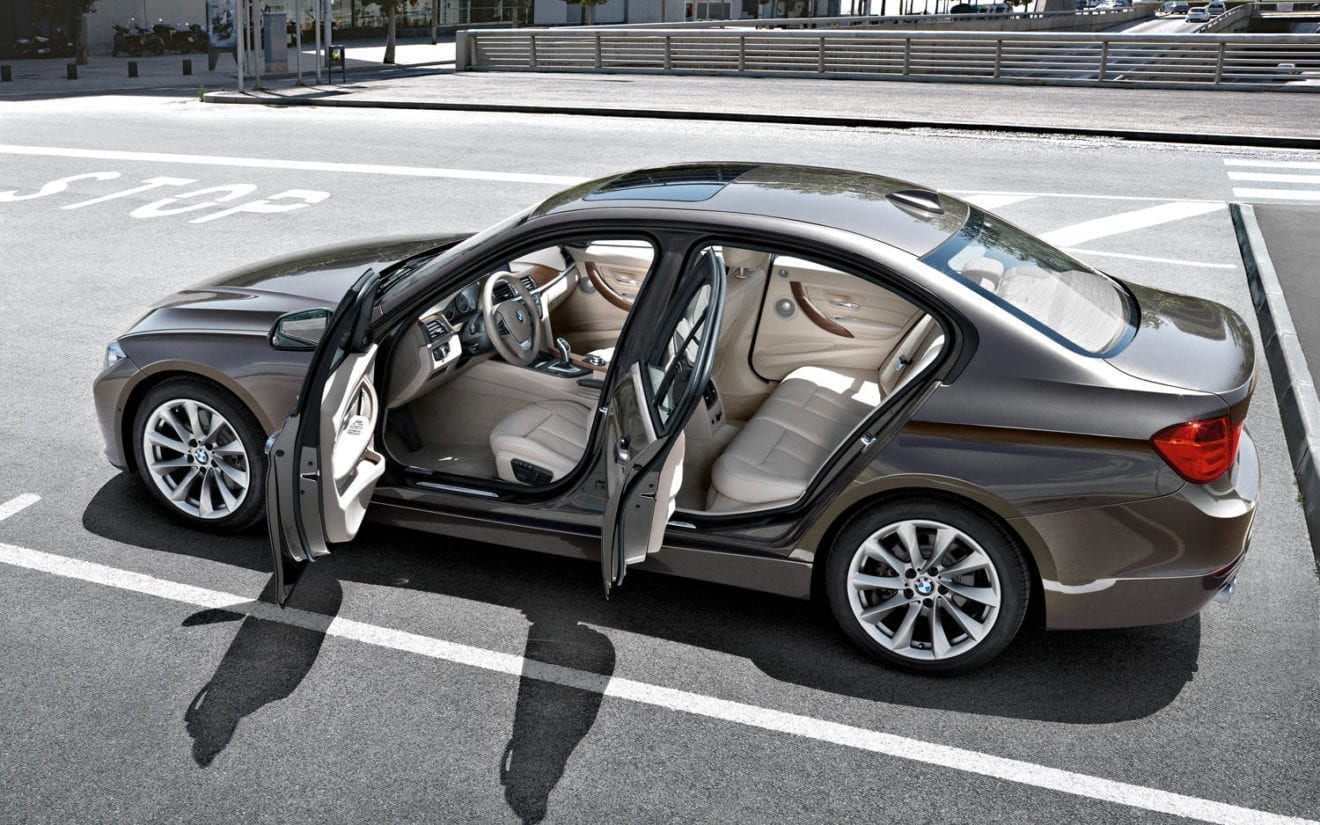
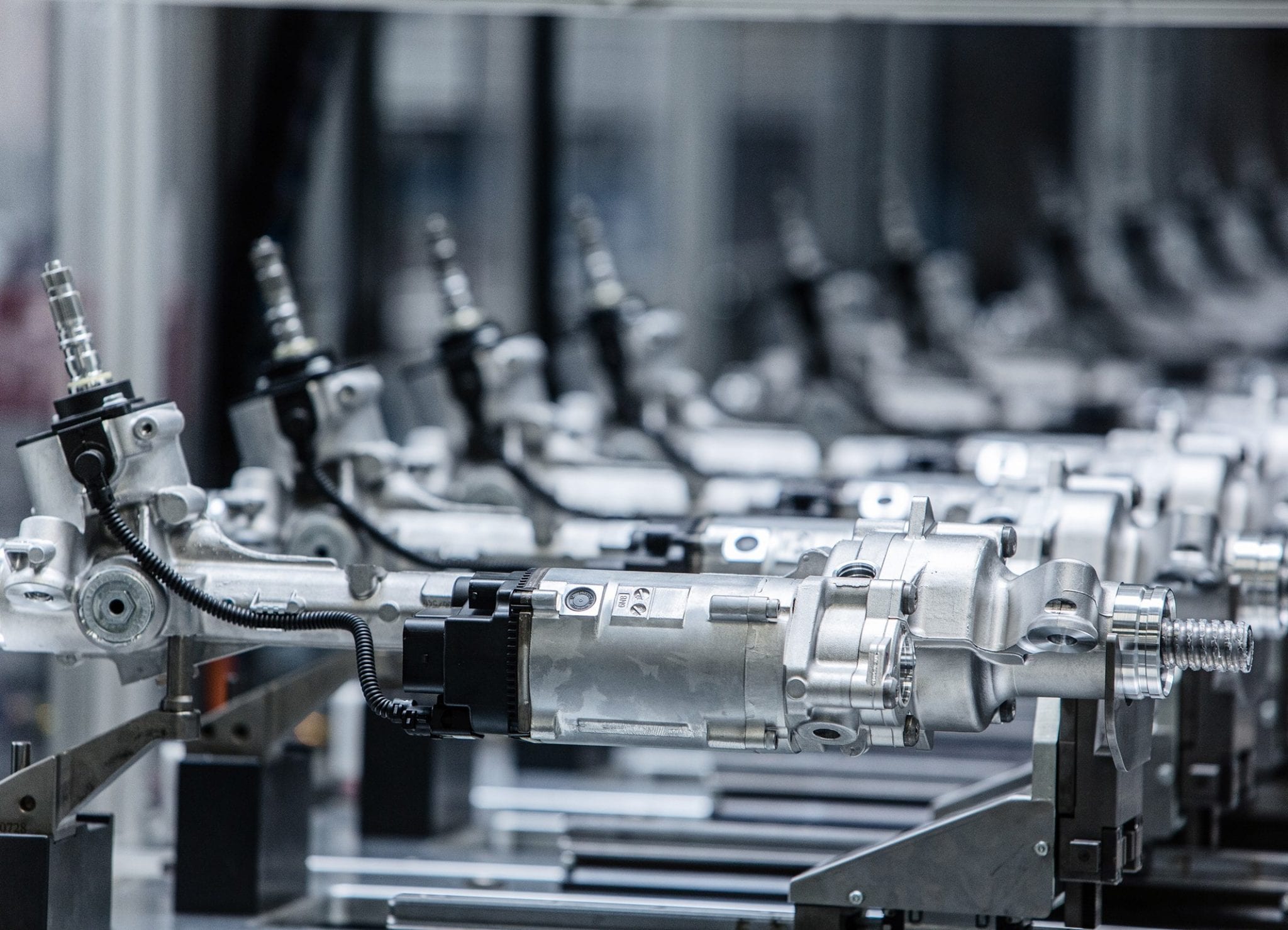
    German carmaker BMW said a shortage of steering gears supplied by Robert Bosch slowed production of several of its compact and mid-sized models and caused stoppages at its plants in South Africa and China.

    “Our supplier Bosch is not currently able to provide us with a sufficient number of steering gears for the BMW 1 Series, 2 Series, 3 Series and 4 Series,” BMW said in a statement on Monday.

    BMW plants in Tiexi, China and Rosslyn, South Africa have extended or pulled forward planned interruptions to production, the carmaker said.

    “We are taking advantage of the flexibility of our processes to minimize economic damage. We expect that Bosch, as the responsible supplier, will compensate for damages,” BMW said.

    Bosch meanwhile blamed the problem on a sub-supplier in Italy, which it did not name.

    “One main component of the steering system is the housing; which Bosch procures from a sub-supplier in Italy. We are currently experiencing delivery problems with this supplier,” it said in an e-mailed statement.

    It said Bosch, BMW and the sub-supplier were doing all they could to resolve the delivery bottlenecks.

  • Bosch store boosts Cebu’s top retail market status

    Bosch store boosts Cebu’s top retail market status

    The store opening of a high-end kitchen appliance brand in Cebu proves its position as a primary retail market for top-of-the line products.

    This also means that Cebu’s buying population has a discriminating taste for brands that last for longer period, said Efren Reyes, sales manager, kitchen and appliance division of Hafele Philippines Inc.

    “This signals our company’s confidence in the Cebuanos as the biggest market outside Metro Manila. Cebu is a primary market … it is a growing and booming metropolis with a population that has more disposable cash who are loyal to brands that offer superior quality,” said Reyes.

    Häfele Philippines is the exclusive distributor of Bosch products in the Philippines. It is a subsidiary of the German-based Häfele Group. Häfele has been in Cebu since 1995. The Bosch-Häfele store in Mandaue is the first Bosch retail store outside of Manila.

    Reyes said they hope to “cover the market” as Cebu progresses as the site of condominium developments.

    “We are going out there to make ourselves known because Bosch is currently known as the maker of power tools and spark plugs. Our presence here hopes to be the spark that will enliven your kitchen and your home,” he said during the press conference before the grand store opening last May 5 at the Design Center Cebu.