Tag: Bottega Veneta

  • Kering Redirects up to €300 Million to Asia as Regional Sales Grow 12 per Cent

    Kering Redirects up to €300 Million to Asia as Regional Sales Grow 12 per Cent

    Kering has reallocated up to €300 million in capital toward Asia-Pacific markets as regional sales growth of 8 to 12 per cent outpaced softer Western demand across its fashion portfolio.

    Asian territories now generate nearly half of total group revenue, led by Greater China at 20 to 25 per cent, Japan at 8 to 10 per cent, and the rest of Asia-Pacific contributing 10 to 15 per cent.

    Where the Revenue Comes From

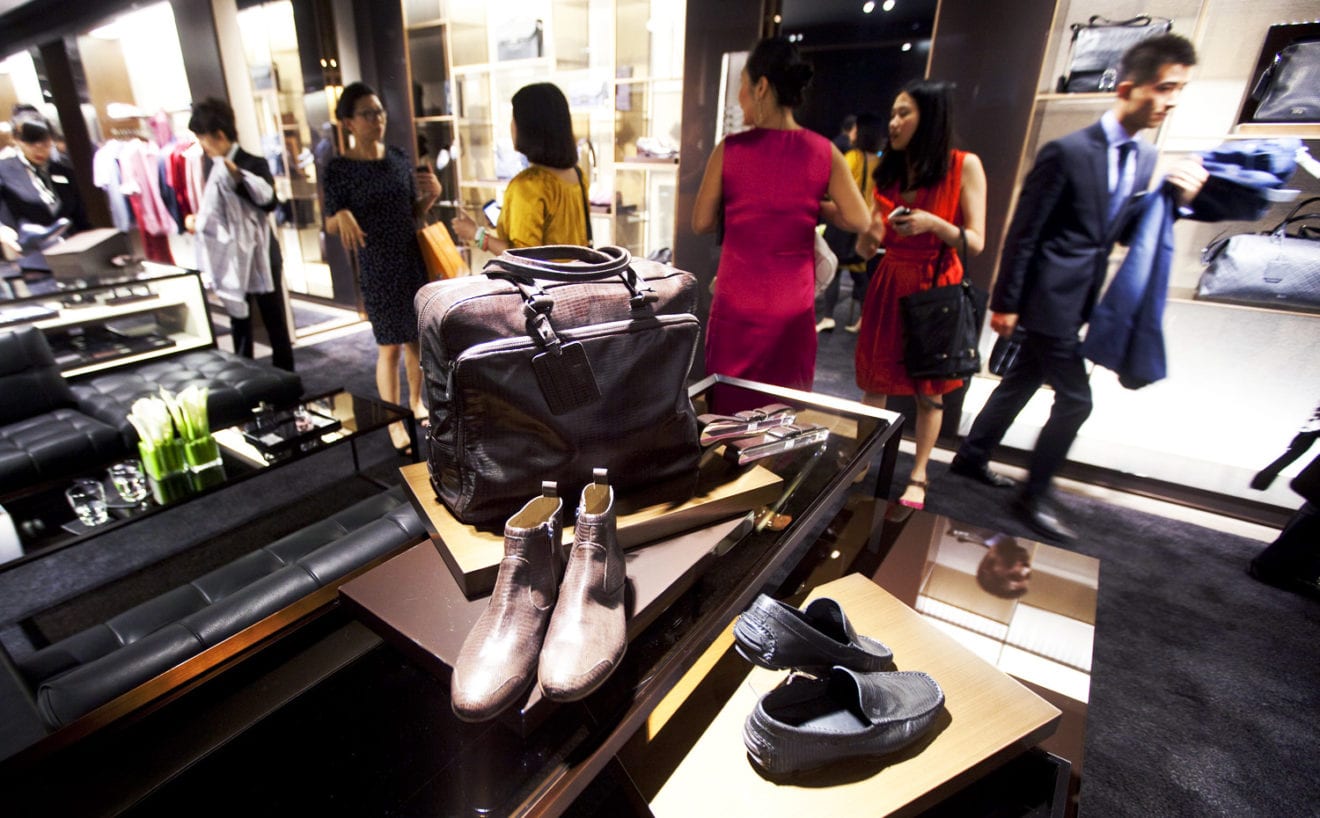
    Direct-to-consumer flagship boutiques in cities like Shanghai and Tokyo anchor the group’s regional retail network, capturing full-margin sales. Wholesale partnerships with upscale department stores account for 35 to 40 per cent of total volume, while digital commerce platforms generate 15 to 20 per cent. The standalone eyewear division adds between €1.5 billion and €2 billion annually across all licensed and owned lines.

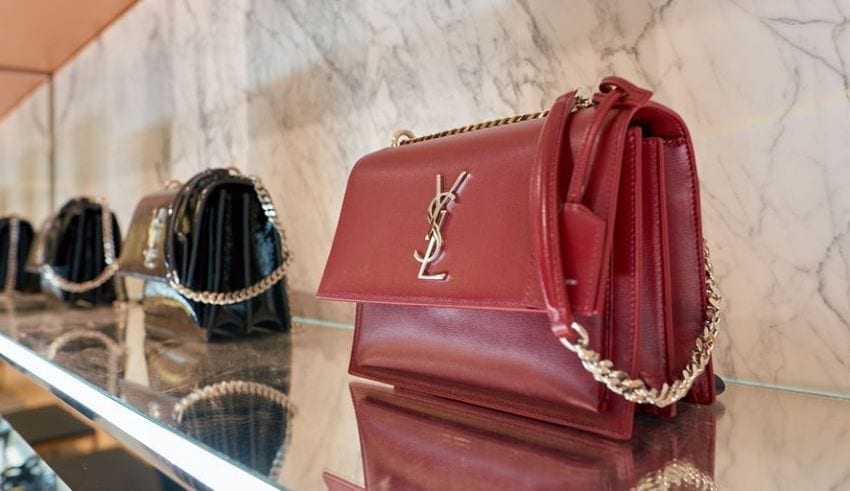
    Yves Saint Laurent proved the strongest performer in the region. The label expanded at annual rates of 25 to 30 per cent in Asian markets between 2019 and 2023, lifting global house sales from €3.18 billion in 2022 to an estimated €3.7 billion by 2024.

    Brand Performance and Capital Shifts

    Gucci remains the conglomerate’s largest single cash generator, producing roughly €9.5 billion in 2024 revenue. Its share of group intake fell from 52 per cent in 2022 to 48 per cent, prompting management to divert capital toward faster-growing labels and regional retail upgrades.

    Bottega Veneta generated between €1.8 billion and €1.95 billion with gross margins reaching 68 per cent, driven by leather goods demand. Balenciaga showed signs of recovery with projected growth of 5 to 8 per cent after revenues contracted 15 per cent during 2023.

    European luxury groups spent the past two years reassessing their heavy reliance on flagship labels in Asia. While rivals like LVMH diversified early across jewellery and hospitality, Kering’s concentrated bets on fashion houses make regional retail productivity critical to its bottom line.

    Management continues to review smaller portfolio brands generating under €200 million annually, with further divestment decisions expected as capital shifts to primary retail hubs.
  • Bottega Veneta opens ‘invisible outlet’ in Shanghai

    Bottega Veneta opens ‘invisible outlet’ in Shanghai

    Kering label Bottega Veneta has just opened its first pop-up store post-Covid-19 at Shanghai’s Plaza 66 Mall, dubbed the ‘invisible store’.

    Running until July 19, the pop up is doubles as an art installation with a mirrored exterior camouflaging the space, which seems to melt into the luxury mall’s atrium.

    Standing three meters high and taking up 100sqm of floor space, the pop up forgoes branding, save for a subtle and almost indistinguishable logo raised on the surface. Instead, it reflects the logos and stores of its neighboring permanent store rivals, essentially providing them with free exposure.

    Inside the Bottega Veneta invisible store, a reflective interior highlights the pre-autumn 2020 collection, covering men and women’s ready-to-wear lines, along with leather goods and accessories. Bottega Veneta currently operates 44 stores in China.

  • Bottega Veneta gets a new look in Singapore

    Bottega Veneta gets a new look in Singapore

    The Bottega Veneta Singapore boutique at Ion Orchard has undergone a major makeover.

    The 255sqm store has been fully renovated in time to celebrate the arrival of the first Bottega Veneta collection designed by new creative director Daniel Lee.

    Under the theme of lightness, the space now has a new sense of openness and modernity. Walls are painted bright white or covered in plaster with a Roman ‘travertine texture’.

    Floors are covered with dark ivory limestone and pale carpets, while the ceiling is pure white.

    A pale-hued Antique Oak is used throughout the store to create linear shelves and glass-topped display tables.

    Opened in Singapore in 2009, with the first store at Takashimaya, Bottega Veneta now has four branches in the city.

  • Bottega Veneta opens massive flagship store in Tokyo

    Bottega Veneta opens massive flagship store in Tokyo

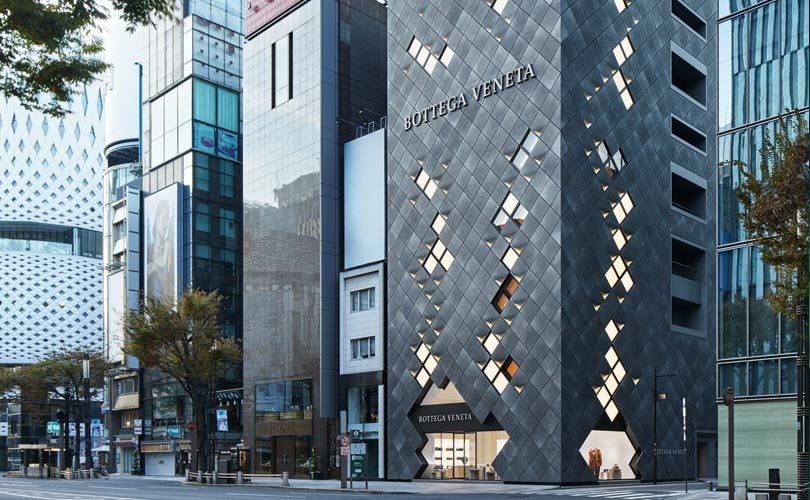
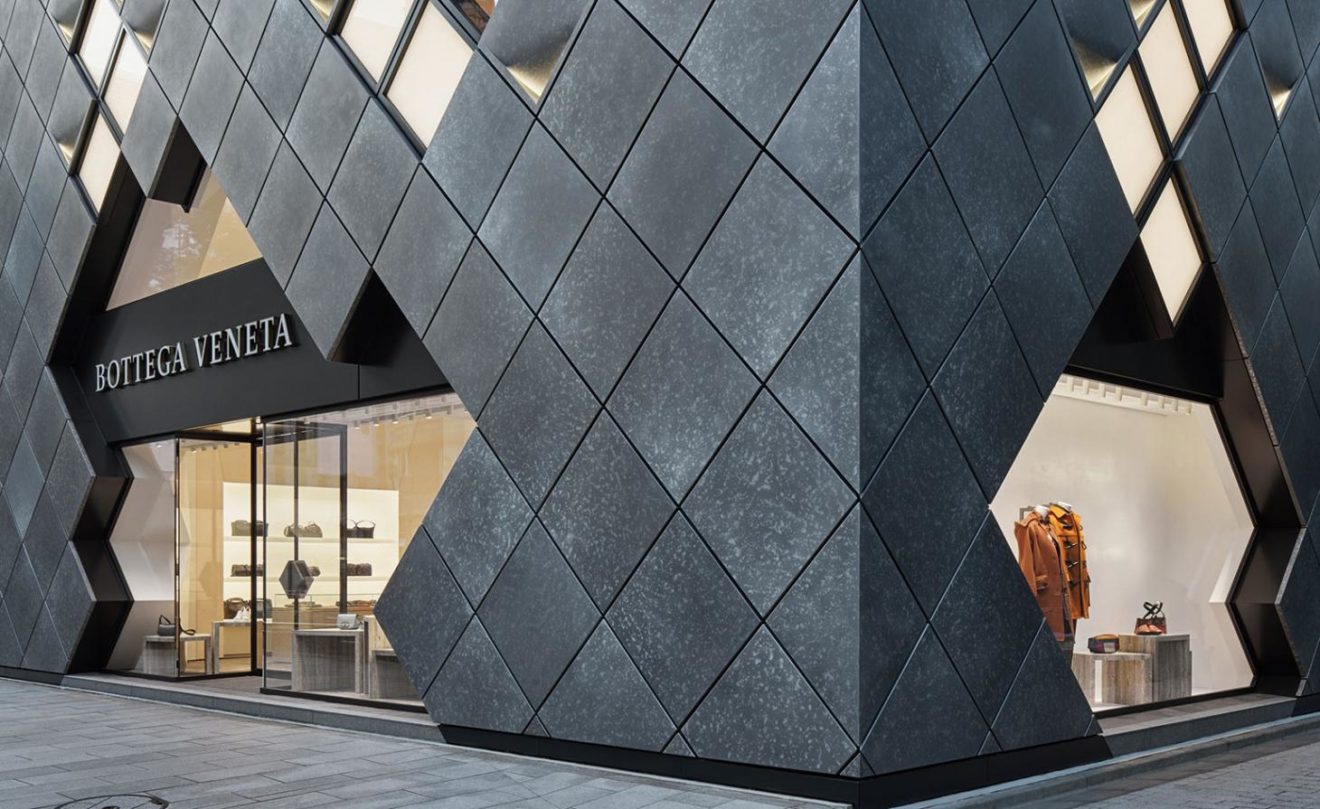
    High-end Italian label Bottega Veneta has opened a new flagship in Tokyo this month. The six-storey store at Ginza Chuo-Ku is the brand’s largest in the Asia region, and features men’s and women’s ready-to-wear, leather goods, handbags, eyewear, footwear, fragrances, jewellery and home decor.

    The store’s facade is composed of more than 900 metal panels similar to a motif featured on the brand’s handbag range, while the understated interior design matches Bottega Veneta’s furniture aesthetic.

    The label’s GM Claus-Dietrich Lahrs said in a statement that the Japanese clientele is important and extremely loyal – adding that Japan is one of the world’s leading markets for Bottega Veneta.

  • Kering leads the way to gender diversity

    Kering leads the way to gender diversity

    French luxury goods giant Kering has received a prize for its high level of female representation on its board. The company has made gender equality one of its corporate priority and has, this week, been chosen to receive the “Most Feminine Board of Directors” award.

    Handed out by the European Women on Boards along with Ethics & Boards, Kering was selected among the 200 largest companies of the Stoxx Europe 600 index based on the percentage of women on the boards as well as the presence of women serving as chief executive officer or chair of the executive board.

    The company, which owns a range of high-end labels including Saint Laurent, Bottega Veneta and Pomellato, launched a leadership and diversity program in 2010 with the aim of increasing access for women to leadership positions.

    Kering has also committed to reaching gender parity and pay equality at all levels by 2025.

    French companies are leading the way on gender diversity and Kering is a great model setting an example for the rest of the world to follow.

    Indeed, more than half of the group’s managers are women while they constitute 64% percent of the board and 33% of its executive committee.

    François-Henri Pinault, Kering’s CEO, also announced that the company would be doubling the budget of the Kering Foundation, aimed at tackling violence against women.

    Kering is also partnering with Michelle Obama for the French leg of her blockbuster tour for her memoir titled “Becoming.”

  • Bottega Veneta opens Tokyo flagship store

    Bottega Veneta opens Tokyo flagship store

    High-end Italian label Bottega Veneta is launching a new flagship in Tokyo this Saturday. The six-storey store at Ginza Chuo-Ku is the brand’s largest in the Asia region, and features men’s and women’s ready-to-wear, leather goods, handbags, eyewear, footwear, fragrances, jewellery and home decor.

    The store’s facade is composed of more than 900 metal panels similar to a motif featured on the brand’s handbag range, while the understated interior design matches Bottega Veneta’s furniture aesthetic.

    The label’s GM Claus-Dietrich Lahrs said in a statement that the Japanese clientele is important and extremely loyal – adding that Japan is one of the world’s leading markets for Bottega Veneta.

  • Gucci powers Kering third quarter sales

    Gucci powers Kering third quarter sales

    Kering sales growth significantly outpaced its rivals during the third quarter, up 27.6 per cent as reported and 27.5 per cent on a comparable basis, to €3.402 billion. In Kering-operated stores, Asia Pacific sales rose 33.3 per cent on a comparable basis, bettered only by North America’s 36.1 per cent increase. Growth in online sales exceeded 80 per cent and wholesale sales rose 27 per cent.

    “We are extraordinarily proud of the remarkable performances Kering delivers quarter after quarter,” said chairman and CEO Francois-Henri Pinault. “Our growth, whose pace is unprecedented in the luxury sector, is sound, well balanced and sustained across all regions and distribution channels.”

    Pinault said the company’s enduring success comes down to the talent of each of its brands in “creating strong emotional ties with its customers, conceiving a bold, generous creative universe, and reinventing its codes”.

    “Beyond short-term developments, we know that the secular growth of the luxury market, but particularly our solid fundamentals and the discipline with which we implement our strategy, will continue to support our operating and financial outperformance.”

    Gucci led Kering sales growth during the quarter, with sales up 35.1 percent and strong performance across all distribution channels, regions and product categories. Gucci Asia-Pacific sales soared 41.9 per cent.

    Yves Saint Laurent sales rose 16.1 per cent, driven by the strong performance of iconic lines and the success of new collections.

    While Bottega Veneta sales were down 8.4 per cent on a comparable basis, the label is in a transitional phase led by recently appointed creative director Daniel Lee (ex Celine). His first full collection will go on sale early next year.

    Kering’s other houses (labels) achieved a 32.3 per cent increase in sales, driven by  “exceptional momentum” at Balenciaga and ongoing growth at Alexander McQueen. New collections and extended iconic lines from Boucheron, Pomellato and Qeelin were “very well received”.

    The watches and jewellery categories delivered what the company described as “solid performances”.

  • Luxury group Kering reports positive numbers

    Luxury group Kering reports positive numbers

    Fashion giant Kering’s decision to focus the business on luxury appears to be paying off.

    In what chairman and CEO Francois-Henri Pinault termed “dazzling top-line and earnings performances” during the first half year, total revenue rose 33.9 per cent on a comparable basis and operating margin rose above 30 per cent for the first time in the company’s history.

    Kering sales in Asia rose by 37.6 per cent, excluding Japan, where sales rose by 30.7 per cent. That growth rate lagged the US, (up 45.4 per cent) but was well ahead of Kering’s home European market’s 25.1 per cent. Online sales more than doubled.

    While the growth occurred across most of the company’s brand portfolio, Gucci clearly led the way with sales up 44.1 per cent on a comp basis and margin from recurring operations reaching 38.2 per cent. Yves Saint Laurent sales rose 19.7 per cent.

    Revenue from Bottega Veneta was stagnant, up just 0.9 per cent, but all the other houses collectively rose by 36.5 per cent, led by Balenciaga and Alexander McQueen.

    First-half year consolidated revenue was €6.432 billion, up by 26.8 per cent before taking into account exchange rate influences and changes to the group structure. A year earlier, Kering’s portfolio included sportswear label Puma, a majority stake of which has since been spun off.

    Net income rose 185.7 per cent to €2.36 billion, although just over half of that was a capital gain resulting from the sell-down of Kering’s Puma stake.

    Pinault said Kering’s growth was “grounded in the exclusivity and desirability of our brands”.

    “The development model we implement across our houses paves the way for increased value creation as well as profitable, sustained and consistent organic growth. While facing increasingly demanding comps and an uncertain global environment, we will once again substantially enhance our financial and operating performances in 2018.”

  • Bottega Veneta appoints British designer Daniel Lee

    Bottega Veneta appoints British designer Daniel Lee

    A new high luxury designer reshuffle brings some interesting aesthetic food for thought. Bottega Veneta, the quiet power of Italian stealth wealth, has appointed Daniel Lee, a 32 year old British graduate of Central St Martins, to replace its outgoing creative director of 17 years, Tomas Maier.

    Mulberry poached her head of accessories Johnny Coca to become its creative director in 2015. Lee, following Philo’s departure will have been out of a job. Her successor, the opinion dividing Hedi Slimane, is busy ripping out everything from her ten year legacy down to the patchwork marble floors (a special Philo commission featuring 12 varieties of marble sourced from Brazil, France and Italy) in the HQ and stores. The Philo vision for Céline is dead, something which her acolytes have been mourning.Lee on paper seems a shrewd choice. He was until recently the Director of ready to wear at Céline, latterly helmed by Phoebe Philo. Under Philo’s exacting steer, Céline assumed its role as the ultimate destination for the woman who lusted after a kind of intellectual design rooted in a nuanced evolution of minimalism. Her team were renowned in the industry for their talent.

    Enter Lee. Bottega is perhaps the natural successor to an evolution of the Philo style. Its tagline “When your own initials are enough” underlines its position as a home of understated, exclusive craft. Maier’s elegant, grown up collections riffed off this, explaining to the Telegraph in 2016 that he designs “for women not 16 year olds.” He marked the brand’s 50th anniversary in 2016 by inviting Lauren Hutton onto the catwalk, styling her in a re-imagined version of the trench coat and red intrecciato clutch bag she wore in American Gigolo.

    Lee will of course have his own ideas, in the statement announcing his tenure he said that “I look forward to evolving what has gone before, while contributing a new perspective and modernity”.

    Kering, the luxury conglomerate that owns Bottega Veneta, has form in making shrewdly successful quiet appointments. Since enduring the high stakes of installing Hedi Slimane at Saint Laurent (he left the house in 2016, later receiving £8million in a lawsuit over intellectual property rights and contractual obligations) Kering has avoided courting more high maintenance names. They replaced Slimane with Anthony Vaccarello, who had form but little ego.

    When they promoted second in design-command at Gucci, Alessandro Michele – then unknown – in 2015, they scored a blinder. Michele has turned it into the hottest designer property, bringing in an approximated global revenue of 6.2 billion euros in 2017 – which accounts for over half of Kering’s overall revenue (reported as 10.823 billion euros in that year). Bottega Veneta reportedly brought in 1.18 billion euros in 2017, not a small amount, but something which they will likely be hoping to expand upon.

    Their policy of installing more low key names is the opposite strategy to rival LVMH which has embarked on a recent hiring spree of star designers, moving Kim Jones to head up Dior menswear, whilst installing sportswear supremo Virgil Abloh in his stead at Louis Vuitton menswear. The ping pong exchange of talent between the two groups has fuelled the ongoing game of industry musical chairs.

    A note of warning though to Lee, in an interview with ES magazine this week, Jones underlined the all consuming nature of these leading roles. “It’s a fantastic life and there’s lots of money to be made at the top, but there is also a vast amount of pressure. It can be all-consuming. You don’t have time for a life really, not at the level I now work. It can be very isolating. And you have to be prepared, sometimes, to sacrifice everything for it. I had to make that choice.”

    Lee worked at Philo’s atelier which was based in London. Tomas Maier was largely based in Florida, travelling to New York and Milan when required. What freedom of address Lee will be able to command remains to be seen. But, certainly at his first show in September, the expectation will be high. Let’s hope he’s ready for it.

  • Tomas Maier exits Bottega Veneta

    Tomas Maier exits Bottega Veneta

    Bottega Veneta announces the departure of its creative director Tomas Maier, who joined the Italian House in 2001.

    Tomas Maier crafted its renaissance by drawing on the exceptional know-how of the House. Thanks to his creative vision, Bottega Veneta today embodies the quintessence of understated and sophisticated luxury.

    Mandatory Credit: Photo by Billy Farrell/BFA/REX/Shutterstock (6118543kh)
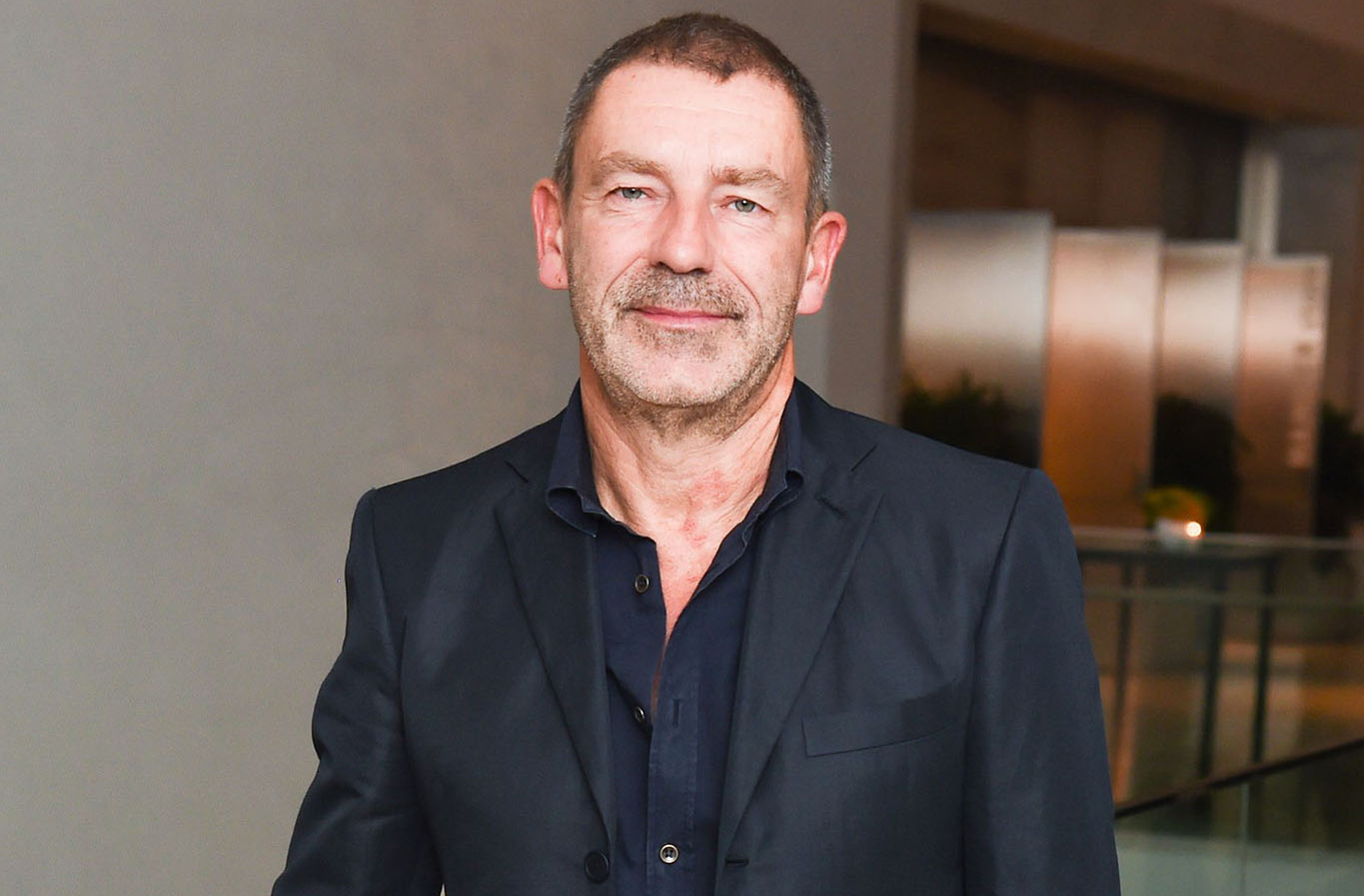
    Tomas Maier
    Hammer Museum Gala in the Garden, Los Angeles, USA – 08 Oct 2016

    “It’s largely due to Tomas’s high-level creative demands that Bottega Veneta became the House it is today. He put it back on the luxury scene and made it an undisputed reference. With his creative vision, he magnificently showcased the expertise of the House’s artisans,” stated François-Henri Pinault.

    I am deeply grateful to him and I personally thank him for the work he accomplished, and for the exceptional success he helped to achieve,” he continued.

  • Kering to celebrate new sales record

    Kering to celebrate new sales record

    In a “phenomenal” result, global luxury group Kering had record operating revenue last year, driven in large part by the popularity of Gucci.

    Kering’s income totalled €15.4 billion (US$19 billion), up 25 per cent as reported or 27.2 per cent on a comparable basis. Revenue from luxury activities was up 27.5 per cent as reported, or 29.9 per cent on a comparable basis, while for sport and lifestyle activities, revenue was up 12.8 per cent as reported or 14.7 per cent on a comparable basis.

    Describing it as a phenomenal year, chairman/CEO François-Henri Pinault says the group created more than €3 billion in extra revenues in a single year, and generated more than €1 billion in additional EBIT.

    In a performance “nothing short of spectacular”, Gucci was amplifying its desirability across all markets.

    “Saint Laurent is on a rapid growth track, while Bottega Veneta pursues its redeployment. Balenciaga is charting an impressive development trajectory, and our other luxury brands are experiencing positive momentum,” says Pinault.

    Revenue for luxury activities topped €10 billion last year, up 29.9 per cent year on year based on comparable data. Comparable growth was up 44.6 per cent for Gucci and 25.3 per cent for Yves Saint Laurent.

    Other luxury brands saw accelerated revenue growth (up 14.1 per cent on a comparable basis), especially Balenciaga, which delivered the fastest growth rate of all group brands in the second half.
    Puma’s revenue topped €4 billion for the first time, a rise of 15.8 per cent on a comparable basis, while recurring operating income for the brand jumped 92.7 per cent.

  • LVMH will expand to eyewear business

    LVMH will expand to eyewear business

    Luxury brand group LVMH is thinking about taking its eyewear business in-house.

    This could be a further blow for Italian eyewear group Safilo, which lost the Armani licence in 2013 and those for the Kering Group labels (Alexander McQueen, Bottega Veneta, Gucci and Saint Laurent) at the end of 2014, reports CPP-Luxury.com.

    Italian investment bank Mediobanca has published a report about Safilo, owned by Dutch investment fund Hal, focussing on its announcement that its licence agreement with Celine has been terminated while its contract with Christian Dior has been extended until 2020. The licence for Celine’s eyeglass collections – the LVMH label joined Safilo’s portfolio in 2012 – ends on December 31.

    While the licence agreement for the design, production and distribution of eyeglasses and sunglasses for Dior and Dior Homme, also part of LVMH’s galaxy, has been extended until the end of 2020, Mediobanca says the extension is for three years only, not for seven years as was the case for the previous contract, renewed in September 2010.

    The bank’s analysts noted that the standard renewable licence contract is for five years.

    “We believe markets are much more volatile than in the past, and renegotiating contracts on a more frequent basis may be to the advantage of both parties,” says the bank. “But we think this could also signal a change in LVMH’s approach as the group has the financial strength to internalise its eyewear business, as Kering did a few years ago.”

    LVMH has been managing the eyewear collections for its leading brand, Louis Vuitton, internally for several years.

    Mediobanca estimates the sales for Celine and Dior eyeglasses collections are worth respectively €40 million (US$41 million) and €200 million. As well as these, there are the sales for the eyewear lines of Fendi, Givenchy and Marc Jacobs, all licensed to Safilo. Altogether, LVMH brands are worth €350 million in annual revenue for the eyewear group, equivalent to nearly 30 per cent of its total revenue, which Mediobanca pegs at €1.2 billion.

    The bank report also highlighted the Safilo portfolio’s “marked reliance on one single client”, plus the weakness of its own brands.

  • How to grow for Luxury brands

    How to grow for Luxury brands

    Luxury brands need to use new technologies and offer experiences for their customers, the second Luxury Society keynote event in Shanghai has been told.

    UCO Cosmetics CEO Arthur Zhang told the event that the early-stage eCommerce model of simply providing a platform for selling products online is dead.

    He said key technologies being experimented and improved upon in China include augmented reality, virtual reality and live-streaming.

    “The millennial generation in China, which already numbers about 300 million people, seeks experiences and emotional connection – they are not just bystanders,” DLG China partner/MD Pablo Mauron told the audience of more than 150 luxury-industry brand executives. “As a result, live-streaming has become a medium for them to express themselves.”

    He told how brands such as Maybelline, Montblanc and Swarovski are taking advantage of these new opportunities.

    Underlining the key message of the event that eCommerce is changing, CEO Thibault Villet of luxury fashion eCommerce platform Mei.com told how a live-streamed show in collaboration with TMall resulted in 65 per cent of the products featured quickly selling out.

    Meaningful data

    Social customer-relationship management (CRM) makes highly targeted messaging and engagement possible, the event was told by Four Seasons Hotels Asia Pacific director of marketing communications John Hamilton. He said the luxury hotel chain has been gaining meaningful data about its customers, which in turn has driven growth. In the past year, through trial-and-error and optimisation, the group has defined a CRM-led content strategy on WeChat.

    Celebrity and key-opinion-leader partnerships can make a big impact in China, said East Entertainment commercial director Qing Dai, who spoke of her experience of partnering luxury brands with appropriate celebrities. One of Easy Entertainment’s most successful was in linking up Cartier with singer/actor Lu Han.

    Baidu GM for East China Wan (Grace) Zhang said Cartier was the most-searched luxury watch brand among the generation born between 1990 and 2000, linked to Cartier’s collaboration with Lu Han.

    Other speakers at the event included Four Seasons Hotel Pudong (Shanghai) GM Arthur Ho, writer Casey Hall of Women’s Wear Daily, Digital Luxury Group founder/CEO David Sadigh and MD for China Pablo Mauron, Baidu senior project manager Di Fu and Sephora China digital manager Vanessa Qian.

    Attendees included representatives of Alexandre de Paris, Baume & Mercier, Bottega Veneta, Bulgari, Cartier, Chanel, Chaumet, Conde Nast, De Beers, Dior, Hublot, Loewe, LVMH, Marc Jacobs, Massimo Dutti, Michael Kors, Montblanc, Nars, Net-a-Porter, Nike, Sephora, Shiseido, Swarovski, TAG Heuer, Tiffany & Co and Vacheron Constantin.

    Luxury Society, published by Digital Luxury Group, is an online destination for luxury-brand executives covering digital and technology matters and with more than 40,000 members across 150 countries.

  • Kering sales soar – even in China

    Kering sales soar – even in China

    Luxury goods and apparel giant Kering has reported a 10.5 per cent global rise in revenues in the latest quarter, with luxury sales up 11.3 per cent and sports and lifestyle brands up 9.3 per cent.

    Most significantly, at a time its peers are battling falling sales in Hong Kong, Macau and some brands even in Mainland China, Kering seems to have experienced respectable results in those core markets.

    Paris-based Kering’s brands range from luxury labels Gucci, Bottega Veneta and Yves Saint Laurent through to lifestyle brand Puma. The company says sales in directly operated luxury stores enjoyed double-digit growth across all geographic regions excluding Japan, with strong growth of 24 per cent in Asia-Pacific, a very steady 17 per cent increase in North America and an “extremely good performance” in Western Europe, which expanded by 12 per cent.

    “In a complex environment, we stepped up the pace of revenue growth and continued to gain market share,” said Francois-Henri Pinault, chairman and CEO. “Thanks to the creativity of our brands and the outstanding customer experience they offer, we achieved double-digit increases across all geographic regions excluding Japan.

    “We have laid the foundations for steady, sustainable growth, and are highly confident about the full year.”

    Kering’s headline brand Gucci achieved a sales increase of 17 per cent, while Yves Saint Laurent sales soared 33.9 per cent, both gaining market share from rivals. Sales were up sharply across all product categories and regions, excluding Japan, where market conditions were lacklustre for the sector as a whole. Gucci sales in directly operated stores rose by 19 per cent. Sales from Gucci’s e-commerce website increased by more than 50 per cent during the quarter.

    Overall, Kering’s luxury activities generated €2.115 billion in revenue during the period, the 11.3 per cent same-store growth its fastest quarterly figure in three years.

    But at Bottega Veneta, third-quarter sales were again impacted by slower tourism, particularly in the mature markets of Western Europe and Japan. Revenue was down 10.9 per cent on a comparable basis.

    Here, Hong Kong’s luxury retail decline impacted on the brand, the company said, without divulging figures: “While sales in directly operated stores were lower in the quarter, they delivered a slight improvement compared to the second-quarter trend thanks to resilient sales to local customers in Europe and growth across all main markets in Asia Pacific, with the exception of Hong Kong.”

    Puma’s leap

    Puma’s 10.8 per cent same-store sales leap was the result of the brand building on innovative products and renewed appeal, Kering said. Shoes performed particularly well, posting 17 per cent growth, fuelled by the success of new models such as Ignite, Fierce and Fenty. Revenue from apparel was up a solid 10 per cent.

    “With the exception of Japan, Puma achieved double-digit growth across all geographic regions, enjoying strong performances in Europe and the Americas, and sustained expansion in Mainland China.”

    Kering has an ensemble of luxury fashion, leather goods, jewellery and watch brands: Gucci, Bottega Veneta, Saint Laurent, Alexander McQueen, Balenciaga, Brioni, Christopher Kane, McQ, Stella McCartney, Tomas Maier, Boucheron, Dodo, Girard-Perregaux, Pomellato, Qeelin and Ulysse Nardin.

    Kering also has the sports & lifestyle brands Puma, Volcom and Cobra. The group generated revenues of more than €11.5 billion in 2015 and had more than 38,000 employees at year end.

  • DFS Group Cambodia gala opening

    DFS Group Cambodia gala opening

    Luxury travel retailer DFS Group Cambodia has marked the opening of its first store, T Galleria by DFS, Angkor, with a gala event for more than 300 guests.

    DFS T-Galleria Angkor Cambodia

    In the resort town and provincial capital of Siem Reap, near the ancient temple of Angkor Wat, T Galleria by DFS, Angkor is the largest duty-free luxury department store in Cambodia. It offers travelers an integrated retail, hospitality and leisure experience with 170 brands across 86,000 sqft (7989 sqm).

    The opening celebration began with a ribbon-cutting ceremony, after which traditional Cambodian Apsara hostesses led guests through the two-storey store for traditional cultural performances and demonstrations by Cambodian craftsmen.

    DFS T-Galleria Angkor Cambodia 3

    From DFS Group were chairman/CEO Philippe Schaus and co-founder Robert Miller, while special guests included Cambodia’s Senior Minister of Economy and Finance Aun Pornmoniroth and Minister of Tourism Thong Khon.

    DFS Cambodia

    The store features a curated collection of Cambodian artisanal products designed and produced by more than 30 Cambodian artist workshops. At the event, Angkor Artwork, a Siem Reap design studio, demonstrated the art of lacquer work, while Golden Silk, one of the last fully integrated silk producers in the world, wove silk spun from Cambodian silk worms.

    DFS T-Galleria Angkor Cambodia 2

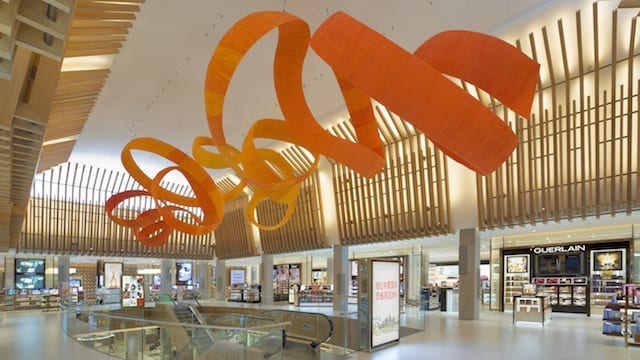
    Traditional Khmer motifs and carvings feature throughout the store, including a nearly 20m art installation suspended above the vaulted atrium.

    DFS T-Galleria Angkor Cambodia 1

    T Galleria by DFS Angkor also ranges more than 130 international brands including watches and jewellery from Bulgari, Cartier and Tiffany & Co and fashion from Bottega Veneta, Burberry, Fendi, Gucci and Saint Laurent. There are also more than 30 beauty and fragrance brands such as Cle de Peau Beaute, Dior, Estee Lauder and Giorgio Armani.

    DFS T-Galleria Angkor Cambodia 5

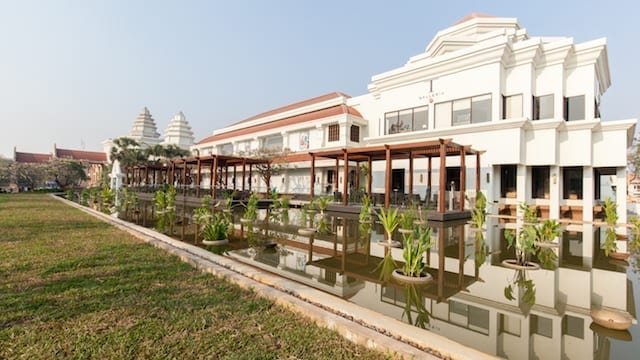
    The gala event also marked the official opening of the onsite restaurant, the first Crystal Jade outlet in Cambodia, serving traditional Chinese cuisine in a setting overlooking the gardens and reflecting pools outside.

    DFS T-Galleria Angkor Cambodia 6

    DFS T-Galleria Angkor Cambodia 8

    The event also provided a platform to officially announce the company’s sponsorship of several non-profit organisations focussed on helping underserved populations in Cambodia. Schaus presented a donation to Kuma Cambodia, which aims to reduce poverty through providing education, healthcare and nutrition to vulnerable youngsters, English and computer courses for teenagers, and workshops and guidance for parents and guardians.