Retail News CRM

Tag: bottles

  • Packamama Lands $1M Grant to Revolutionize Wine Industry with Low-Carbon, Recyclable Bottles

    Packamama Lands $1M Grant to Revolutionize Wine Industry with Low-Carbon, Recyclable Bottles

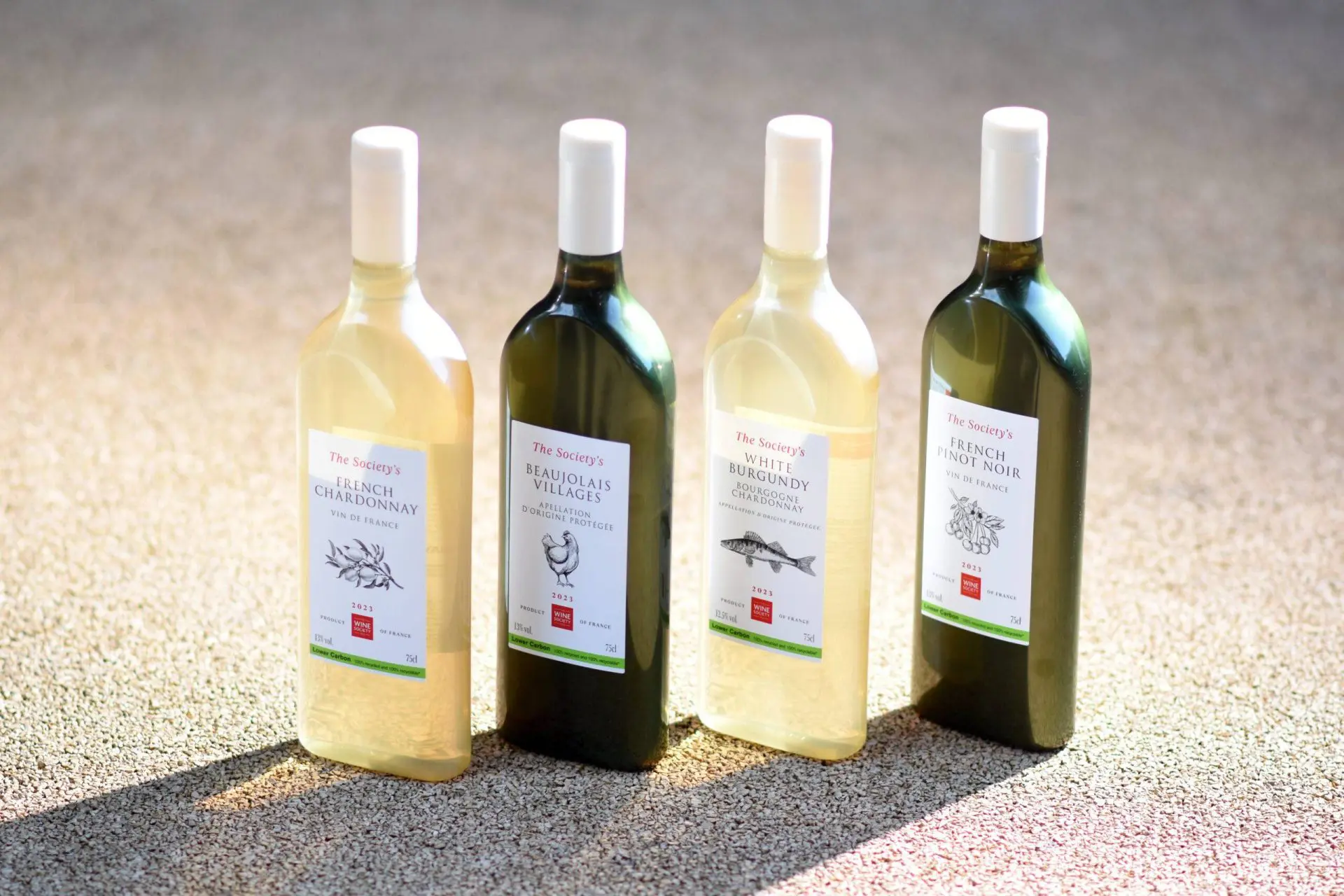
    Packamama, a leading innovator in packaging, has secured a government grant totaling $1 million. The funds will bolster their efforts to develop and perfect an advanced circular polymer wine bottle. This product promises to reduce carbon emissions without negatively affecting the quality of the wine it holds.

    Earlier Funding and Research

    The substantial funding follows an initial $100,000 feasibility grant provided by the Business Research and Innovation Initiative (BRII). The initial grant supported Packamama’s preliminary study, which effectively demonstrated the technical viability of the project, along with impressive potential for emissions savings.

    Packamama’s bottles underwent independent life cycle analyses, which confirmed the impressive reduction in carbon emissions. The findings showed that emissions were cut by over 50% when compared to conventional glass bottles. In addition to being environmentally friendly, the bottles are lighter, shatterproof, and fully recyclable using existing systems.

    Recognition and Future Plans

    As one of only two proof-of-concept recipients amongst a group of six participants in the Alternative Packaging for Australian Wine challenge, Packamama views the grant as a powerful affirmation of its vision. The company is driven to engage consumers and make the wine industry more sustainable through forward-thinking design and technology.

    Over the forthcoming 18 months, Packamama will move forward with validating its innovative bottle design. This will involve material trials, recyclability testing, and consumer research.

    The company is also investigating opportunities for retail collaborations both domestically and in the UK. These efforts will build on existing relationships with major retailers like Coles, Tesco, and Aldi.

    Comments from the CEO

    Packamama’s CEO and founder, Santiago Navarro, expressed his excitement and motivation at being chosen by the Australian Government and Wine Australia to spearhead the industry’s transition to more sustainable packaging.

    He stated, “This shows that innovation in materials, design, and technology can preserve both wine and the environment. Together, we can transition the wine bottle from being part of the problem to being part of the climate solution.”

    Questions & Answers

    What is Packamama’s mission?
    Packamama aims to excite consumers and decarbonize the wine industry through innovative design and technology.

    What makes Packamama’s bottles environmentally friendly?
    Packamama’s bottles significantly reduce carbon emissions compared to traditional glass bottles. They are also lighter, shatterproof, and fully recyclable using existing systems.

    What are the company’s next steps?
    Packamama plans to validate its innovative bottle design through material trials, recyclability testing, and consumer research. They are also exploring possibilities for retail collaborations locally and in the UK.
  • Ho Chi Minh City Ceo Arrested: Accused Of $570,200 Counterfeit Perfume Operation

    Ho Chi Minh City Ceo Arrested: Accused Of $570,200 Counterfeit Perfume Operation

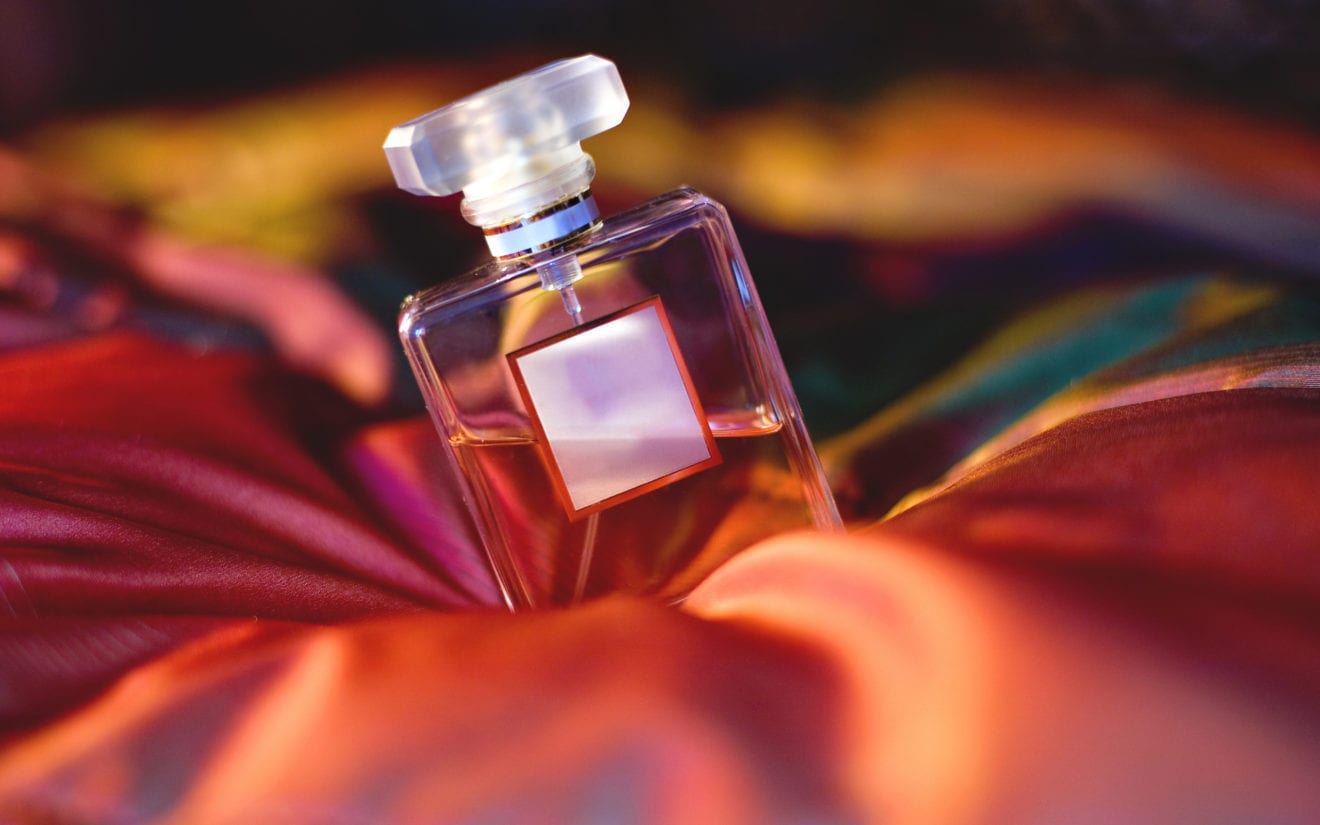
    In a recent turn of events, a CEO and his spouse based in Ho Chi Minh City (HCMC) have been apprehended by the police on the grounds of allegedly manufacturing and marketing tens of thousands of fraudulent perfume bottles. These counterfeit products bore the labels of well-known luxury brands such as Chanel, Gucci, and Dior, among others. The illicit profits gathered from this illegal enterprise are estimated to be around VND15 billion (US$570,200).

    The Masterminds and Their Accomplices

    The individuals caught in this scandal are Nguyen Ngoc Tho, the CEO of Nguyen Huong, and his wife, Truong Thi Mai Hien. Along with them, nine other people were also taken into custody by the HCMC police on charges related to the production and sale of fraudulent goods.

    The couple has been identified by the authorities as the key instigators behind this significant counterfeit perfume production ring.

    The Raid and Confiscation

    During a recent operation at the company’s production site within the city, the law enforcement officers seized 20,000 imitation perfume bottles carrying the tags of elite luxury brands. The authorities also confiscated various perfume-making equipment and tools used in the fraudulent operations.

    The Counterfeit Scheme

    The authorities have accused the couple of initiating this scheme since the beginning of last year. Apparently, Tho observed a surge in perfume demand and started researching and creating formulas for counterfeit perfumes online.

    Together with his wife, Tho procured machinery, raw materials, and perfume bottles. They rented a production facility and mainly hired family members to blend, fill, label, and package the fake perfumes.

    They promoted these spurious products on social media platforms and distributed them in vast quantities across numerous provinces.

    Questions & Answers

    What are the legal implications of the case?
    Given the scope of the fraudulent operation and the brand value of the companies affected, significant legal implications can be anticipated. This includes potential jail time, hefty fines, and possible lawsuits from the affected brands.

    What was the primary market for these counterfeit products?
    The couple leveraged the internet and social media platforms to market these counterfeit products, targeting customers in several provinces.

    Who were involved in the production process of these counterfeit perfumes?
    The CEO and his wife led the operation, hiring mainly family members in their production facility to create the counterfeit perfumes.

  • Sip Coco’s Pure Coconut Water Takes Australia By Storm With New One-litre Bottles

    Sip Coco’s Pure Coconut Water Takes Australia By Storm With New One-litre Bottles

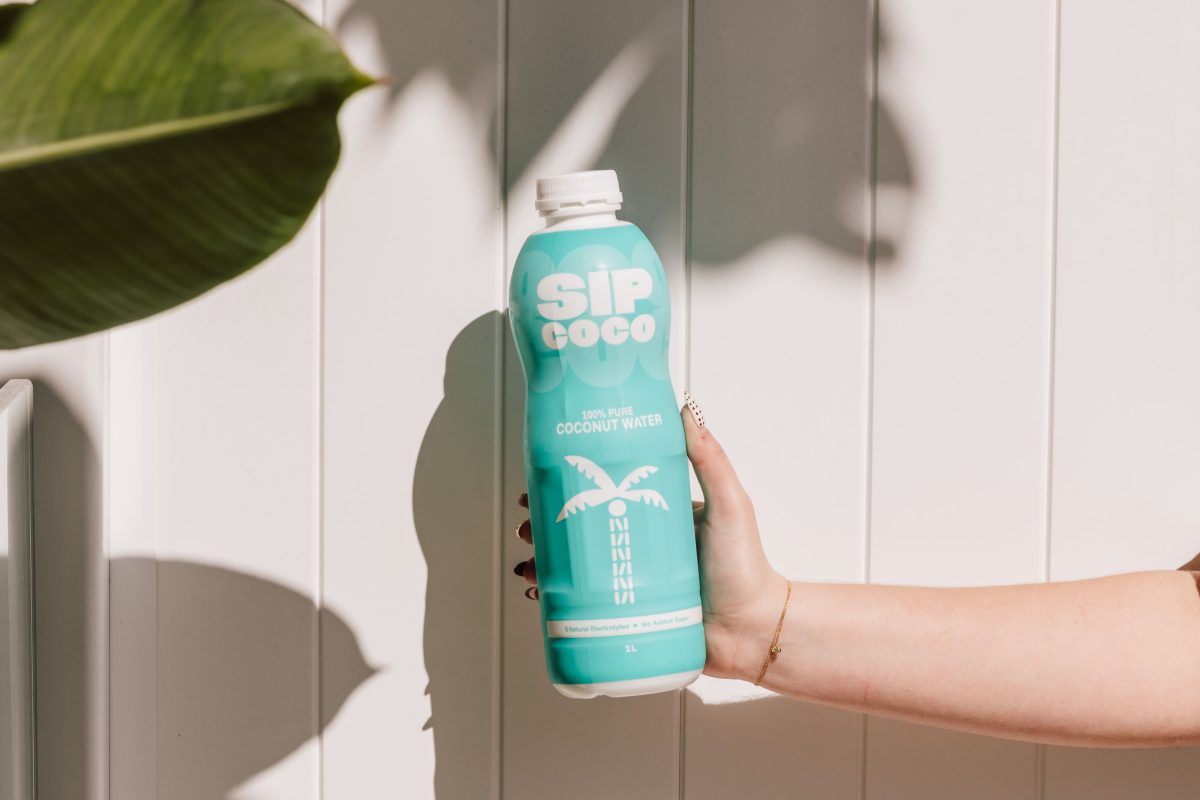
    Sip Coco, a prominent retailer of coconut water, recently introduced one-litre bottles of their product to the market. The coconut water, which is 100% pure and contains no added sugar, is lauded for its five natural electrolytes such as sodium, potassium, magnesium, calcium, and phosphorus. The product can be found in cafes, independent stores, and hospitality venues all over Australia, all contained in unique teal-coloured bottles.

    The Success of Sip Coco’s Launch

    Just a few months ago, the company unveiled their bright and invigorating Sip Coco cans that have since been a hit with consumers. The cans have found their way into a variety of venues and activities, from running clubs to yoga sessions, and from cafe gatherings to post-workout hydration. Sip Coco CEO, Chris Seaton, stated that the positive reception and demand from Australians for their straightforward, refreshing coconut water led to the creation of their one-litre size. Australians were eager for more, wanting to prolong the enjoyment of their coconut water and share it with others, prompting the larger, ‘super-sized’ Sip Coco bottle.

    One-Litre Bottles: One Flavour Offering

    While Sip Coco offers a range of flavours in their canned product line – including passionfruit, ginger, watermelon, lychee, and pineapple – for now, the one-litre bottle is only available in the original coconut water flavour. This decision reinforces the company’s focus on delivering a simple, pure and refreshing coconut water experience in their new bottle format.

    Questions & Answers

    What is unique about Sip Coco’s coconut water?
    Sip Coco’s coconut water is 100% pure and contains no added sugar. It comes in a distinctive teal-coloured bottle and is available in a one-litre size.

    What led to the creation of the one-litre Sip Coco bottle?
    The positive reception from Australians and their desire to have more of the refreshing, no-fuss coconut water to share and enjoy led to the development of the larger, one-litre Sip Coco bottle.

    Are other flavours available in the one-litre Sip Coco bottle?
    Currently, only the original coconut water flavour is available in the one-litre bottle. Other flavours, such as passionfruit, ginger, watermelon, lychee, and pineapple, are available in the canned product line.

  • Raw C Launches 1l Chocolate-infused Coconut Water: A Healthier Alternative Now Available At Woolworths

    Raw C Launches 1l Chocolate-infused Coconut Water: A Healthier Alternative Now Available At Woolworths

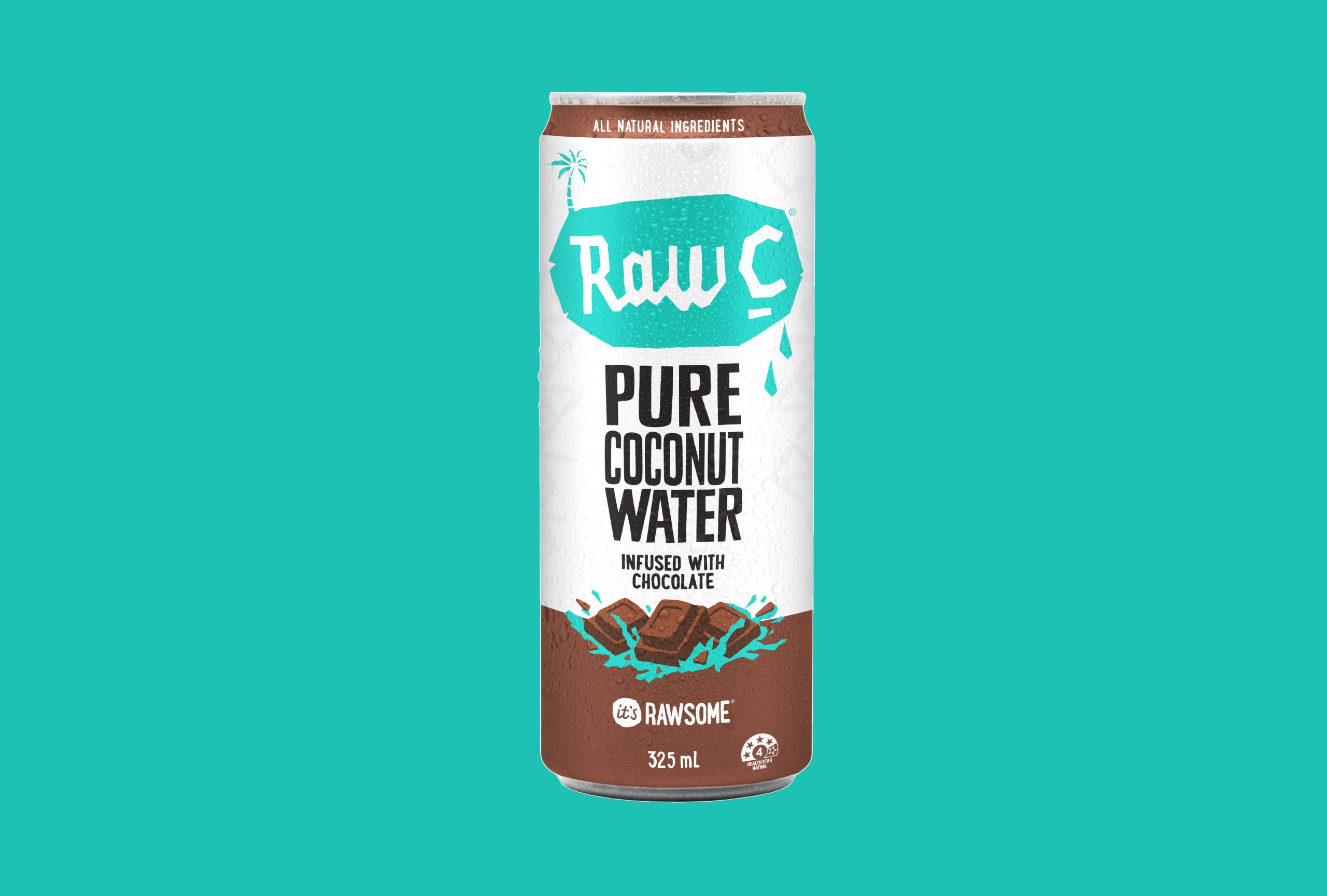
    Raw C, the well-known coconut water brand, has recently introduced a larger 1-litre variant of its Chocolate-Infused Coconut Water, building upon its original 325ml can offering. This innovative product, initially released in April, skillfully combines Raw C’s single-origin coconut water with delectable cocoa and smooth coconut cream.

    Raw C’s decision to introduce the larger format has been driven by an escalating consumer demand for their product. The brand’s Chocolate Coconut Water offers a healthier alternative to regular chocolate milk, with less fat and sugar content. In fact, it boasts up to three times less fat and over 70 per cent less sugar than traditional chocolate milk options.

    Endorsing the brand’s clean-label ethos, the Chocolate Coconut Water is dairy-free, vegan, gluten-free, non-GMO, and free of artificial additives. This ensures that consumers are offered a product that is not only delicious but also aligns with their health and dietary needs.

    In a significant development, the new 1L variant of Raw C’s popular offering is now available for purchase at Woolworths stores across the country.

    Questions & Answers

    What is the new product expansion from Raw C?
    Raw C has introduced a 1-litre version of its Chocolate-Infused Coconut Water, adding to its previous 325ml can offering.

    What makes Raw C’s Chocolate Coconut Water a healthier alternative?
    The brand’s Chocolate Coconut Water contains up to three times less fat and over 70 per cent less sugar than traditional chocolate milk. It is also dairy-free, vegan, gluten-free, non-GMO, and free of artificial additives.

    Where can the new 1L format of Raw C’s Chocolate-Infused Coconut Water be purchased?
    The new larger variant of Raw C’s product is now available nationwide in Woolworths stores.

  • Coke, Asahi lead joint venture to recycle 1 billion PET bottles annually

    Coke, Asahi lead joint venture to recycle 1 billion PET bottles annually

    Pact Group, Cleanaway, Asahi Beverages and Coca-Cola Europacific Partners (CCEP) have announced they have signed a Memorandum of Understanding (MOU) to form a joint venture that will build and operate a new PET recycling facility. Under the MOU, the parties intend to come together to provide an industry model for recycling solutions in Australia. This will include the new facility as well as the PET recycling facility currently being built by Pact Group, Cleanaway and Asahi Beverages through Circular Plastics Australia (PET) in Albury-Wodonga, which is expected to be completed later this year.

    The proposed facility will provide a massive boost to Australian recycling by processing raw plastic material collected via Container Deposit Schemes and kerbside recycling. It is expected to process the equivalent of around 1 billion bottles each year to produce over 20,000 tonnes of new recycled PET bottles and food packaging. The facility will use state-of-the-art sorting, washing, decontamination and extrusion technology.

    The cross-industry solution combines the complementary expertise of each participant to enhance their individual sustainability goals. Cleanaway will provide available PET through its collection and sorting network, Pact will provide technical and packaging expertise and CCEP, Asahi Beverages and Pact will buy the recycled PET from the facility to use in their respective products. The plant, when fully operational, will be run by Pact.

    A decision on the plant’s location is anticipated in the coming months and construction is expected to be complete by 2023.

    CCEP and Asahi Beverages, while competitors in the beverage market, have, for the purpose of this joint venture, joined with Pact and Cleanaway to increase the production and availability of recycled PET resin in Australia. The parties are proud to work with one another to advance the cause of sustainability and recycling. This proposed plant is an important step forward in creating a local plastics circular economy in Australia. This new self-sustaining industry is expected to create dozens of new jobs during the construction phase and operation of the plant.

    In describing the deal, Peter West, CCEP Vice President and General Manager Australia, Pacific and Indonesia said, “This new joint venture will deliver a collaborative cross-industry solution to recycle the material that we use to produce our products. Together we can work towards creating a circular economy for PET within the beverages industry, ensuring that we are using more locally processed recycled content for the production of our bottles in Australia.”

    Asahi Beverages Group CEO Robert Iervasi said, “This will be a ground-breaking project that will massively boost PET recycling capacity. It will help transform recycling in Australia by providing a new, local source of high-quality recycled PET. The building of this large rPET plant along with the facility in Albury-Wodonga is a major step towards helping us deliver a truly circular economy for our consumers.”

    Cleanaway Chief Operating Officer Brendan Gill said, “This project supports Cleanaway’s Footprint 2025 by ensuring we have the right infrastructure in place to create a domestic circular economy. This PET plastic pelletising facility is a huge win for the environment by creating a high value, recycled raw material from plastics we collect and sort through our network. At Cleanaway our mission is to make a sustainable future possible and we see waste as a resource to achieve that.”

    Group CEO and Managing Director from Pact Group, Sanjay Dayal said, “We are delighted to be able to bring a scaled cross-industry solution that solves for the local production of recycled resin. We are proud to have CCEP, Asahi Beverages and Cleanaway as partners creating a local circular economy. This partnership shows the value of a solution that works for industry and consumers. This is completely aligned to Pact’s strategy which is to lead the local circular economy through reuse, recycling, and packaging solutions”.

  • Uniqlo Introducing clothes made from recycled plastic bottles

    Uniqlo Introducing clothes made from recycled plastic bottles

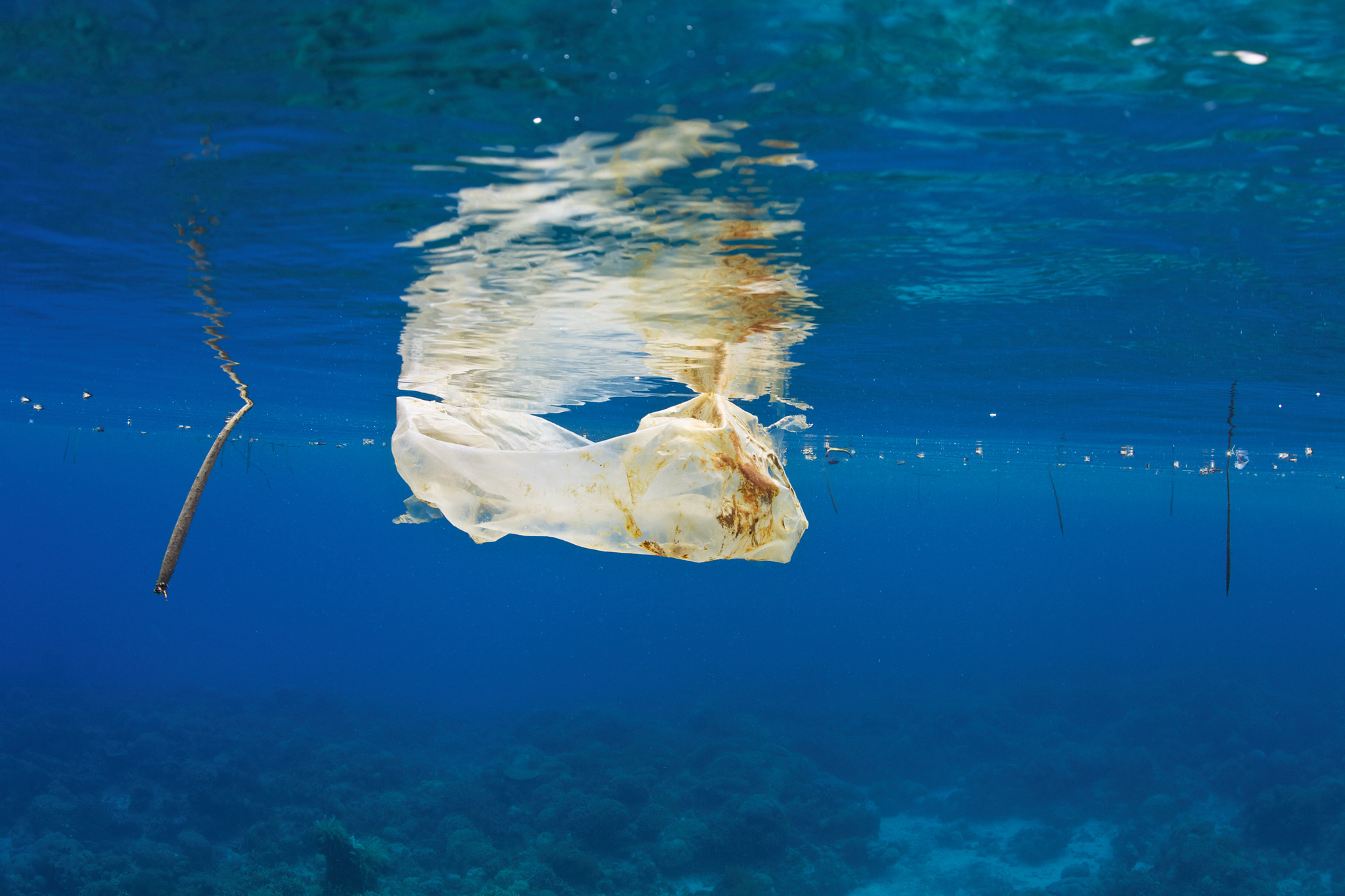
    Japansese fashion retailer Uniqlo and Toray Industries have created apparel made from recycled down and fabric from polyester fibres made with recycled PET bottles.

    The technology partnership will lead to clothes made from recycled plastic bottles going on sale next year in Singapore and other Asian markets.

    Used Ultra Light Down pieces will be collected by Uniqlo stores and go through extraction process run by Toray-developed system. Materials then will be cleansed for use in new down merchandise. The collection program started this month initially only in Japan. Some down products from the 2020 Fall/Winter season will use the recycled material.

    “Uniqlo is committed to improving the sustainability of society,” said Tadashi Yanai, Uniqlo’s founder and chairman.

    “To this end, we will soon begin our new initiative with Toray that promotes the use of recycled materials. Through such an important partnership, we can continue to offer high-performance, high-quality, and sustainable clothing to all customers around the world.”

    President of Toray Industries, Akihiro Nikkaku said that the companies challenged themselves to seek solutions for global social issues as they believe that ‘materials can change our lives’.

    Next year, Uniqlo will produce Dry-Ex pieces of clothing that combine high-value-added polyester fibers derived from reclaimed PET bottles – clothes made from recycled plastic.

  • Blue Bottle Coffee Taking Off in Seoul

    Blue Bottle Coffee Taking Off in Seoul

    The first South Korean cafe for Blue Bottle Coffee has launched today.

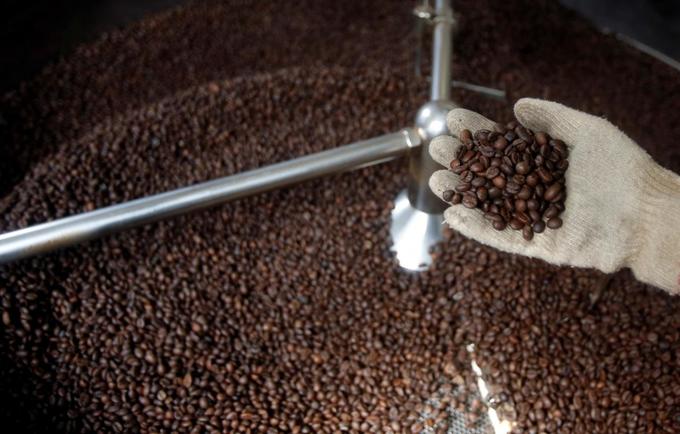
    The brand’s 14,000sqft headquarters in Seoul includes a roastery and training lab, which is open for public tours, classes, and tastings. Blue Bottle will open a second cafe in Seoul later in the second quarter and has plans for more by the end of the year.

    South Korea is the second international market for the company, which opened its first Tokyo cafe in 2015, inspired by the hospitality of traditional Japanese kissaten (coffee house) culture.

    “Every time we visit Korea, we are deeply honored by the enthusiasm and love for our brand,” said Blue Bottle Coffee CEO Bryan Meehan. “Our Instagram account has more followers in Seoul than any other city in the world. South Korean guests have travelled thousands of miles to meet us in the US and Japan. Finally, we are bringing Blue Bottle to our loyal Korean guests.”

    The industrial, red-brick building that Blue Bottle Korea has launched in is located in the Seongsu neighbourhood, often referred to as the “Brooklyn” of Seoul. The space, designed by Jo Nagasaka of Schemata Architects, displays the brand’s signature emphasis on natural light and warm minimalist design.

    Featuring an open atrium with glass separating the first and second floors, the building offers a transparent view from street level into Blue Bottle’s roastery. Guests may descend a staircase into the intimate below-ground cafe featuring classic walnut chairs and tables.

    Seongsu is situated next to the idyllic Seoul Forest, an urban green space frequented by families of all generations.

    Blue Bottle sees huge potential for growth in the Korean coffee market, which is quickly emerging as an international destination for specialty coffee. Koreans consume more than 25 billion cups of coffee per year, and more than half of the world’s Q-graders – coffee specialists licensed to purchase premium green coffee beans – live in South Korea.

    With more than 18,000 coffee shops already trading in Seoul alone, Blue Bottle Coffee has entered a highly competitive market. It intends to differentiate itself by quality and sustainable practices, bringing expressive blends and rare single origins sourced through direct trade to the country.