Tag: box

  • Australia’s love affair with boxed wine endures

    Australia’s love affair with boxed wine endures

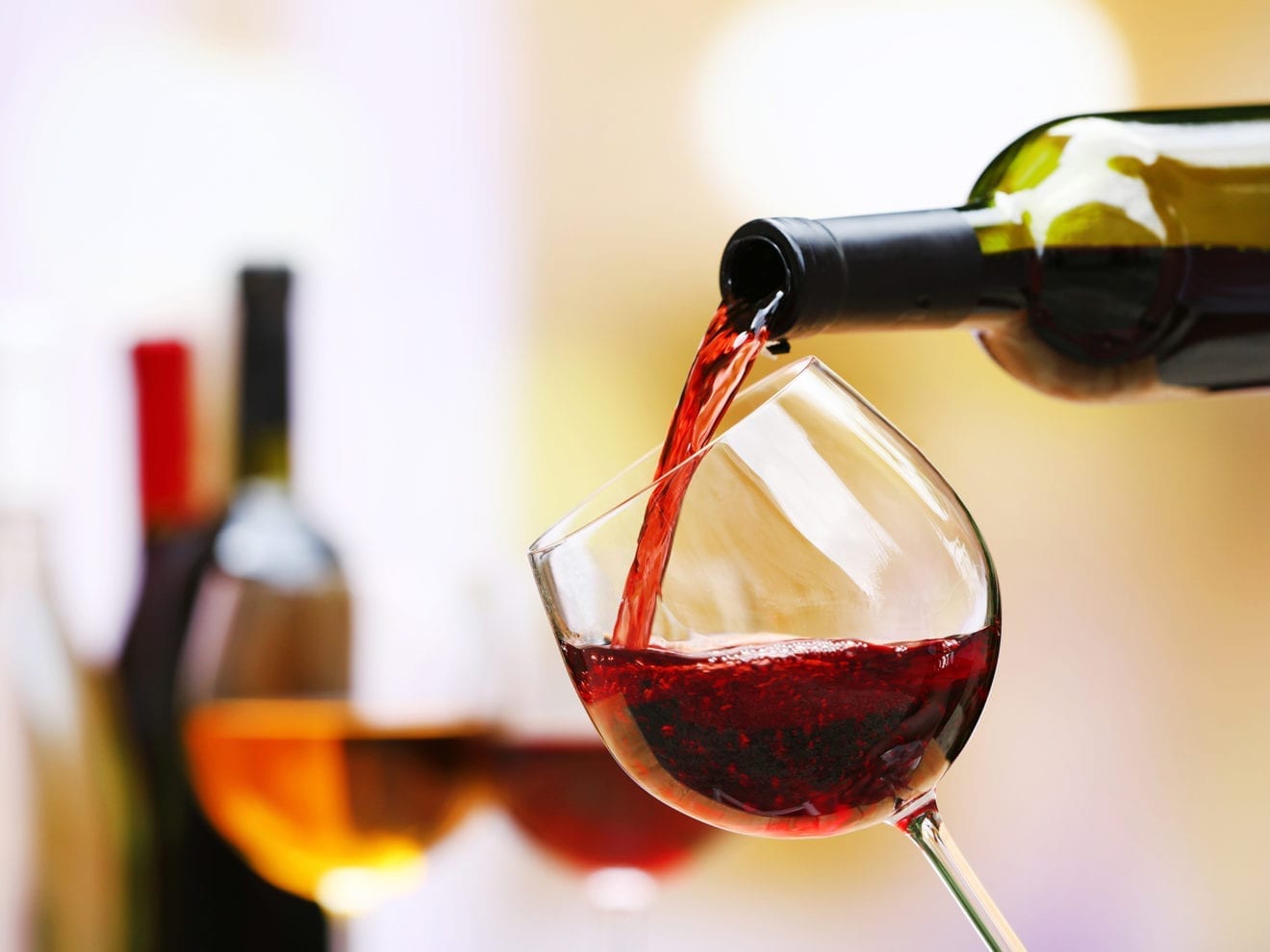
    Boxed wine is one of Australia’s most extraordinary contributions to the wine industry, also known as cardboardeaux, bag-in-box (BiB), or more commonly.

    Australian winemaker Thomas Angove patented the design for a one-gallon polyethylene bladder in a cardboard box in 1965, inspired by the ancient method of storing wine in goat skins. The first model required drinkers to cut a corner of the plastic bag and reseal it with a special category peg (used to transport battery acid).

    Once a tap was designed in the 1970s goon climbed quickly to make up about 50% of wine sales in Australia. In the days when restaurants sold “house wine”, goon was known for being economical above anything else, and convenient, associated more with families on a budget and people on low incomes.

    Wine in the ‘70s was still perceived as for special occasions and casks may have helped change that. Thirty years later, between 2004-2014, there was a 30% drop in cask sales but a 40% increase in bottled wine during the same decade. As domestic sales had been dropping, the cask concept (and its contents) was also being exported.

    Goon has come a long way from its origins and reputation. The visual appeal of the box and the bag has evolved, along with the narrative the wine label communicates about history, geography, identity.

    As the environmental benefits of wine in a box have become more important to new consumers, the quality of its contents has also improved. Jilly Wine Company’s Chateau Cardboard Red at $71 for 3 liters, is a long way from the one-gallon packs of table white, table red, port, sweet sherry, and muscat launched in 1965.

    There are good reasons why Australians love goon, and there are strong reasons for the love to grow.
  • Armani Box on Air Sanya pop up lets customers make their own movies

    Armani Box on Air Sanya pop up lets customers make their own movies

    International actress, Zhang Jing Chu, was invited to celebrate the opening of the Armani Box – Giorgio Armani’s traveling pop-up store – at an exclusive event held on the 11 May in Sanya, on China’s Hainan Island.

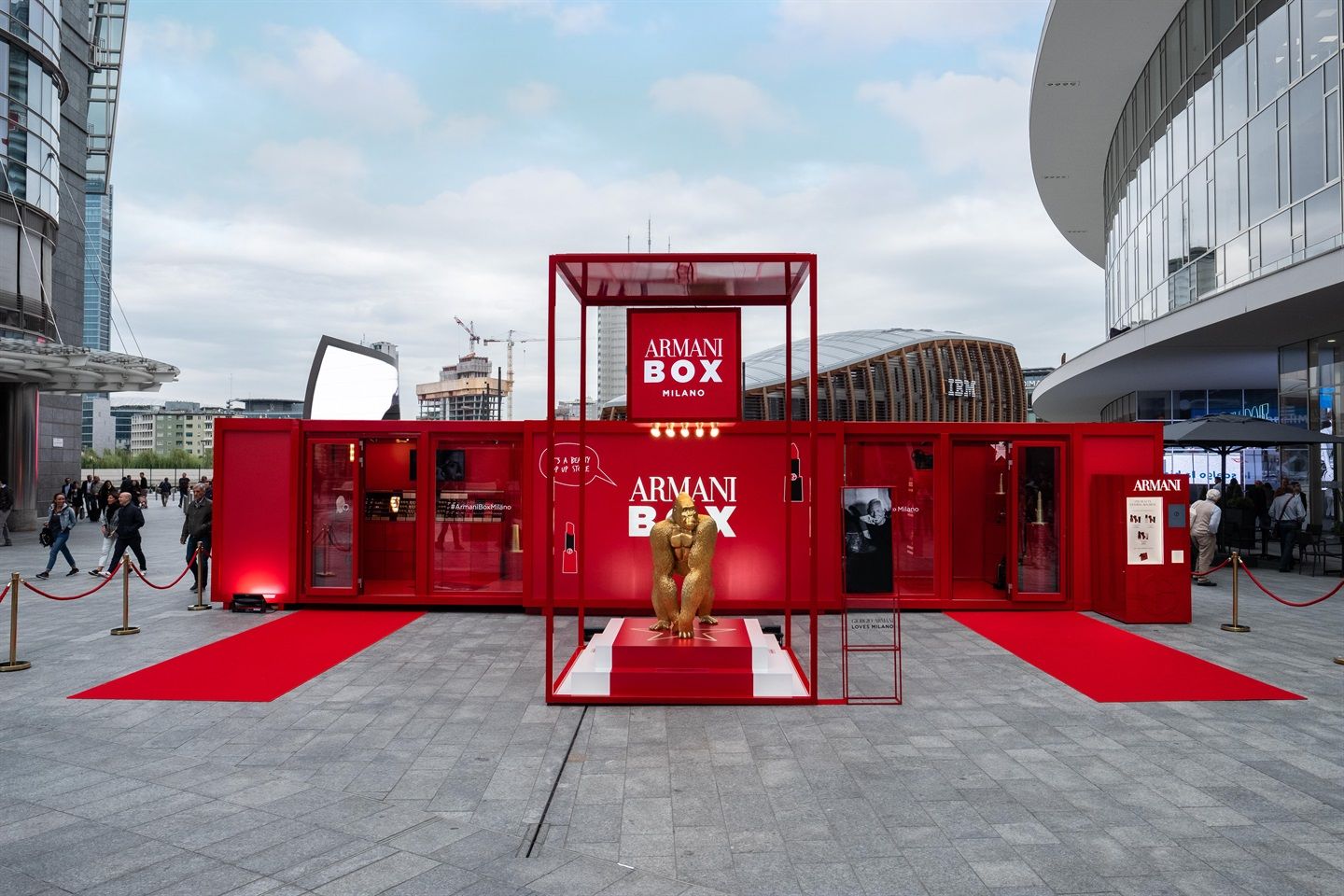
    Within the Sanya International Duty-Free Shopping Complex, the pop-up serves to highlight the brand’s makeup universe and beauty expertise to shoppers from all around the world.

    “With its hot red walls and black lighting fixtures, Armani box is full of surprises,” says Armani.

    “Uri, a giant red gorilla, welcomes visitors as they enter the store: created by Italian artist Marcantonio Raimondi Malerba, the full-sized gorilla is a replica of one that resides in Giorgio Armani’s home in Milan.”

    Armani describes the pop-up concept as a ‘sensorial and playful immersion’ in Giorgio Armani Beauty’s universe. It also features a photo booth.

    “With its hot red walls and black lighting fixtures, Armani box is full of surprises,” says Armani.

    “Visitors will indulge in a unique experience, as they will be able to book a private consultation with one of the eight top selected Armani Face Designers in Asia,” adds Armani.

    Travelers will be given the chance to try the Armani Glow complexion range – including the top-selling Power Fabric foundation; experience the full Armani lip range, including the Lip Maestro products and the latest Ecstasy Shine line. They will also have the chance to personalize their makeup products with an engraving.

  • Ikea and Pizza Hut design table based on pizza box widget

    Ikea and Pizza Hut design table based on pizza box widget

    Swedish furniture chain Ikea and Pizza Hut Hong Kong have teamed up to create a full-sized pizza table shaped exactly like the tiny plastic table (the “sava”) included in pizza boxes.

    The product is part of a collaboration that has also resulted in a new pizza recipe using Ikea’s meatballs – and comes packed in a genuine pizza box for good measure.

    The collaboration has been advertised throughout Hong Kong in a campaign designed by Ogilvy.

    “We’ve been absolutely thrilled to see the launch of the new Ikea and Pizza Hut pizza with a fun, cheeky campaign that has proven to be quite popular with the fans already on the first day,” said Ogilvy Hong Kong executive creative director John Koay. “This is a great pizza, and this campaign really shows how collaborations can really benefit the fans – not just the brands.”

    “This campaign shows the playful side of Pizza Hut,” said Pizza Hut Hong Kong marketing director Wendy Leung, “and that our credentials can move beyond the kitchen into new and interesting collaborations with other brands.”

    The Ikea and Pizza Hut collaboration has already proven popular with 67 percent of units already sold.

  • Freitag Japan opens store in Kyoto

    Freitag Japan opens store in Kyoto

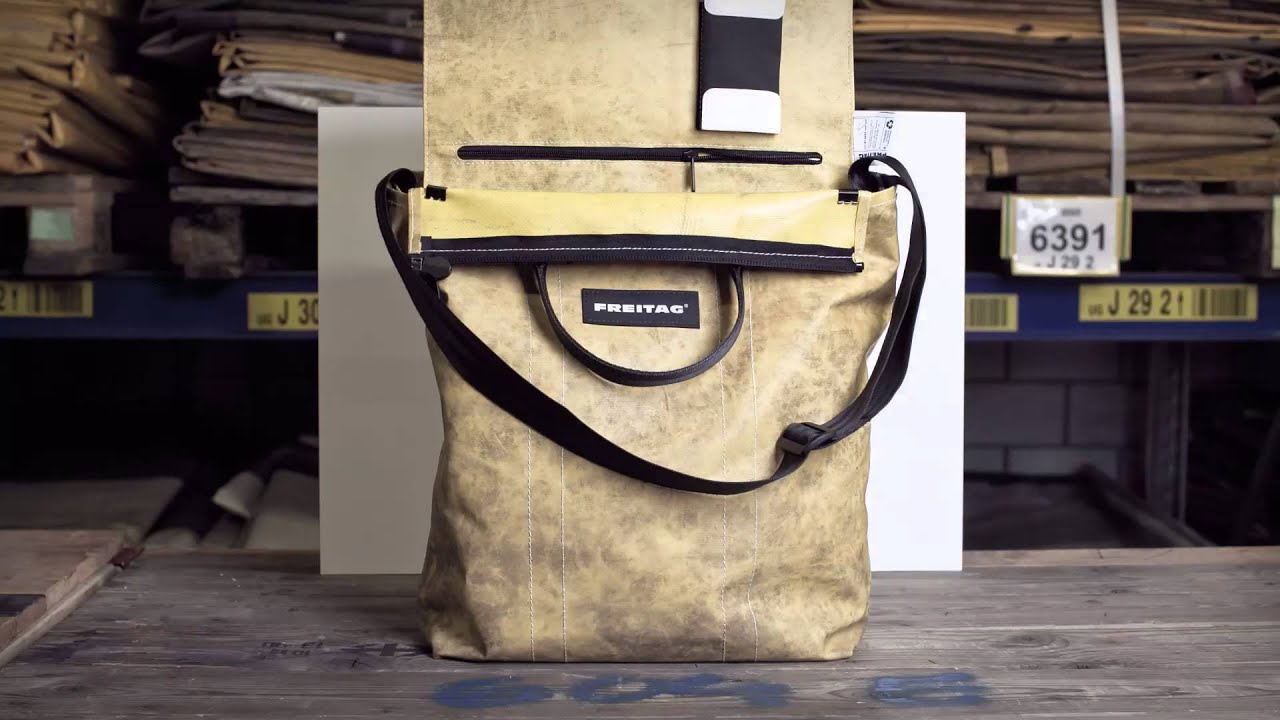
    Bag and carrying case manufacturer Freitag has opened its fourth outlet in Japan, which was featured in Designboom architectural magazine for its unique interior.

    The Swiss firm, which creates its products from used truck tarpaulins, has set up an 80sqm distribution center in Kyoto in the vicinity of the ancient Nishiki market and the metropolitan Nakagyo-ku pedestrian precinct.

    The store design reflects the industrial style of the firm’s logistics warehouses in Zurich and features a DIY workshop where customers can create their own miniature items from tarp off-cuts.

    Around 1100 recycled one-off bags are currently stored at the outlet.

  • tBox by Posti is the “perfect” place to pick up your online orders

    tBox by Posti is the “perfect” place to pick up your online orders

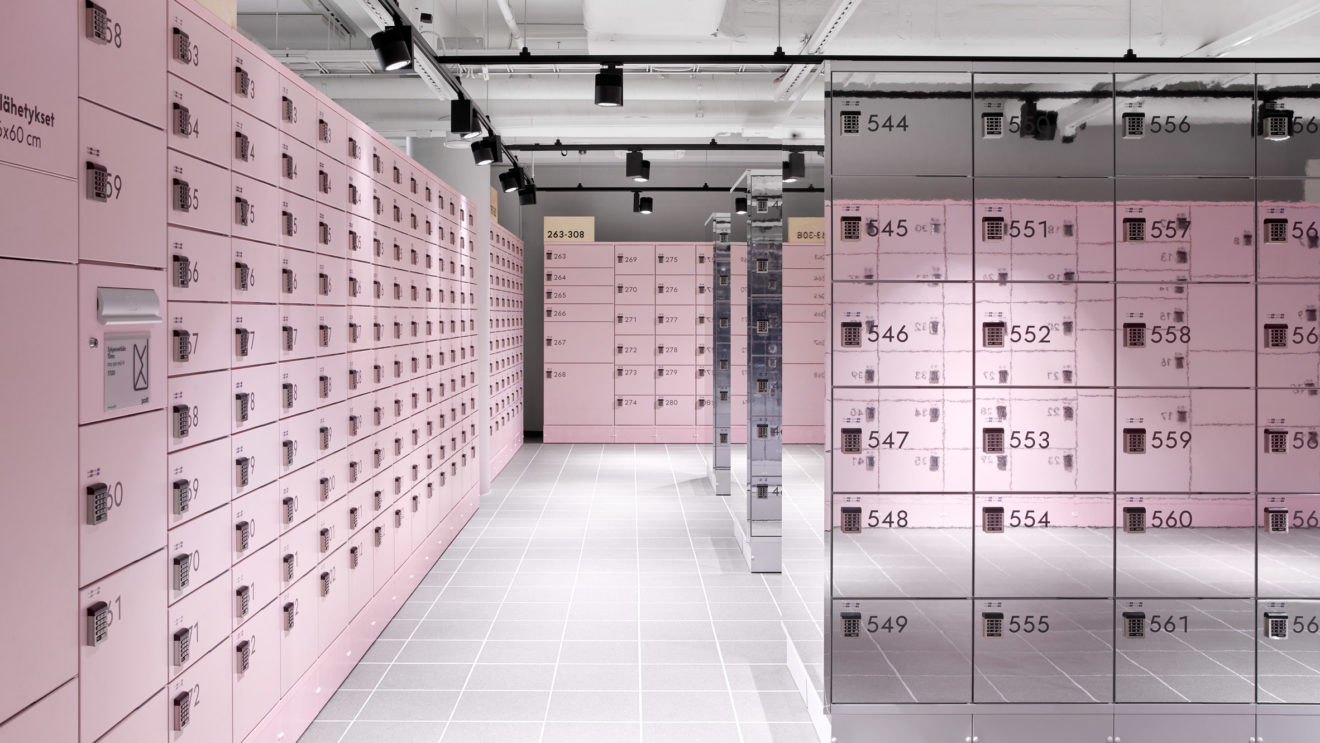
    Design studio Fyra may have created the “perfect” environment for online shoppers to collect their online orders: Box by Posti, the Finnish postal service.

    The brightly colored room, which serves as a convenient drop-off for customers to pick up purchases they have made online, has a recycling area, fitting rooms, and product show space.

    The 600-locker Box by Posti space was created with the intention of making it more than just an ‘unadventurous row of lockers’. Color-coded areas are used in the space to support the different service paths and mark and clarify different functionalities.

    “The consumer behavior of the Finnish people has changed significantly,” said Posti’s head of customer experience and channels Kaisa Ilola. “Before, there was a piece missing between the online store and home. Box was created to fill in the missing piece.”

    Visitors to Box by Posti are welcome to open or pack their parcels in the green unboxing area, which contains scissors, tape and pens as well as parcels and envelopes, or in the recycling zone that features reusable packaging material. They can also arrange for refunds on unwanted items slated for return.

  • LightInTheBox sees strong third-quarter growth

    LightInTheBox sees strong third-quarter growth

    Beijing-based e-commerce retailer LightInTheBox achieved US$59.9 million sales in its third quarter to September, up 35 percent year on year.

    LightInTheBox said third-quarter net income was US$10 million, in contrast to a loss of US$17.8 million in the same quarter a year ago.

    Taking into account the change in fair value of the convertible promissory notes associated with the acquisition of Singapore-based e-commerce platform Ezbuy, net income stood at US$10.3 million.

    “Our results this quarter are a strong reflection of the significant progress we have made since we began implementing our strategy to turn the business around last year,” said CEO Jian He.

    The company attributed the strong growth to its focus on improving product optimization, driving customer engagement and expanding market scale.

    “We remain focused on executing our strategy to generate sustainable long-term growth and are very encouraged by our improvements to date. We will continue to implement our strategies in order to maintain the trend of improvement,” he added.

    The third quarter results have made the company’s outlook for the fourth quarter more bullish, expecting net revenue to rise up to US$75 million.

    LightInTheBox operates e-commerce sites including Light in the box, Mini in the box and Ezbuy.

  • HelloFresh to monetise Tasty Perks

    HelloFresh to monetise Tasty Perks

    HelloFresh has launched a new in-box sampling service called Tasty Perks, which allows brands to test new products on the meal kit company’s customers for a fee.

    The in-box advertising program creates a new revenue stream for HelloFresh and gives it additional insights into its customer base. For food and beverage brands, it presents an opportunity to bypass the supermarket shelf and reach customers in their kitchens.

    “Our in-box sampling breaks through the clutter of all other marketing forms because it enables customers to try new brands risk free,” David Williams, HelloFresh senior manager of loyalty and partnerships, said.

    “We generally ask for at least two samples per box to ensure the products get a change to resonate with our customers. To support, we also offer an in-box flyer and social media amplification as part of the package.”

    Customers are incentivised to complete a tailored questionnaire to gain their feedback on products, which HelloFresh’s data analysts can analyse.

    HelloFresh claims to have served 2.04 million active customers worldwide during Q4 2019.

    A HelloFresh spokesperson told this service is offered in other markets, but has been refined over the last six-months to give the best experience in Australia.

  • Walmart launched subscription service With Kidbox

    Walmart launched subscription service With Kidbox

    International retailer Walmart and Kidbox, the curated childrenswear subscription service, are teaming up to offer Walmart.com customers an exclusive, curated stylebox for kids.

    The service features an option to receive a seasonal selection, without a styling fee.

    The new stylebox will offer Walmart.com customers personalised styles selected from more than 120 premium kids’ brands. The stylebox will include four to five fashion items for US$48 – about 50 per cent off the suggested retail price for the group of bundled items.

    Clothing will include items from premium brands including BCBG, Butter Super Soft, C&C California and Puma.
    Walmart customers can order a stylebox by visiting the store’s website and completing a short style quiz for their child. Kidbox stylists use the quiz to tailor each box based on the child’s style preferences, the season and where the child lives.
    “We are thrilled to partner with Kidbox to introduce our first kids’ subscription apparel service offering premium fashion brands at a substantial savings,” said Walmart US e-commerce head of fashion Denise Incandela.

    “Over the last year, we have significantly expanded our portfolio of kids’ fashion brands as part of our broader effort to establish Walmart.com as a destination for fashion. Our partnership with Kidbox enables us to round out our offering with additional national and premium kids’ brands.”

    The Walmart and Kidbox collaboration has a charitable aspect as well. For every stylebox purchased on Walmart.com, Kidbox will clothe a child in need through its partnership with Delivering Good.

    “Walmart has done a lot over the past year to establish itself as a go-to retailer for all things fashion, and we’re honored to partner with the retailer to expand its kids’ assortment online, while also saving parents time and offering them the value and convenience of a stylebox,” said Kidbox CEO Miki Berardelli. “At Kidbox, we pride ourselves on understanding kids’ fashion preferences while also creating moments for them to learn about the importance of giving back.”

    Walmart.com has an expanding kids’ fashion assortment, which features more than 100 new brands that have been added over the last year, including Betsey Johnson, Kapital K, Levi’s, Limited Too and The Children’s Place. The retailer has also launched new shopping destinations for dance essentials and gymnastics, and licensed children’s clothing, making it easier for customers to shop for fashion featuring top movie, TV and gaming characters.

  • Meet Scout, Amazon’s new delivery robot

    Meet Scout, Amazon’s new delivery robot

    Amazon is field testing a new delivery robot called Scout, which the company describes as a “fully-electric delivery system” designed to safely get packages to customers using autonomous delivery devices.

    Six robots are initially being tested in a Snohomish County neighbourhood in the U.S. state of Washington, where they’ll be delivering packages Monday through Friday during daylight hours. The devices will autonomously follow their delivery route but are initially being accompanied by an Amazon employee.

    Customers in Snohomish County order just as they normally would and their Amazon packages will be delivered either by one of Amazon’s partner carriers or by Amazon Scout.

    The robots, which are the size of a small cooler box, were created at Amazon’s research and development lab in Seattle. They’re designed to roll along sidewalks at a walking pace and safely navigate around pets, pedestrians and anything else in their path.

  • Amorepacific adopts a new eco-friendly packaging

    Amorepacific adopts a new eco-friendly packaging

    Nowadays, products purchased online are typically delivered in a big box with bubble wrap for protection. But once the package is safely delivered, the packaging becomes nothing more than waste. Amorepacific, however, has chosen to make use of eco-friendly packaging, adopting paper materials instead of bubble wrap.

    What seems like a small and insignificant change is the result of hard work, with an eye to the environment.

    The company’s new paper packaging, which was piled up among workers and automatic packaging devices at a logistics centre in Osan, Gyeonggi Province, consists of eco-friendly shock-absorbing packing material called ‘geami’ and ‘papillon’.

    When the product is wrapped with geami and the remaining space is stuffed with papillon, it can withstand most external shocks.

    It took months of research and testing before such materials were put into use. Furthermore, paper packaging is two or three times more expensive than bubble wrap, and its use extends the time required for packaging.

    Despite all of the disadvantages of the new materials, paper packaging was chosen because its value to the environment cannot be calculated and converted into money, the company says.

    Amorepacific needed a pre-emptive response as the problem of over-packing and using plastic is becoming a serious social problem, and as the number of consumers considering the environment increased. The remaining problem was how consumers would react to such change. As expected, some customers complained that they were sent garbage.

    Soon enough, however, the mood turned with positive comments regarding the new packaging surfacing online.

    Amorepacific continues to change to contribute to the environment. It no longer uses vinyl tape on its packages, replacing it instead with paper tape.

    The company has stopped using colour-coated boxes, and also uses smaller and slimmer boxes when possible. Product containers also went through major changes to become more eco-friendly.

    It was a difficult process as many consumers buy cosmetics because of the packaging.

    Since aesthetic standards cannot be ignored, Amorepacific changed the design of containers to reduce the amount of plastic used, made transparent containers for easy recycling, and used paper to make dual-structure containers.

    In addition, last year Amorepacific used paper that was certified with Forest Stewardship Council (FSC), which is given to paper produced in a sustainable way, on boxes for 500 different products.

    Although the company’s packaging materials research team is having difficulty developing new designs, it is continuously developing cosmetics containers that maximise aesthetic effects and at the same time reflect eco-friendly elements without affecting product preservation.

  • Memebox will no longer sell Korean beauty products to the US

    Memebox will no longer sell Korean beauty products to the US

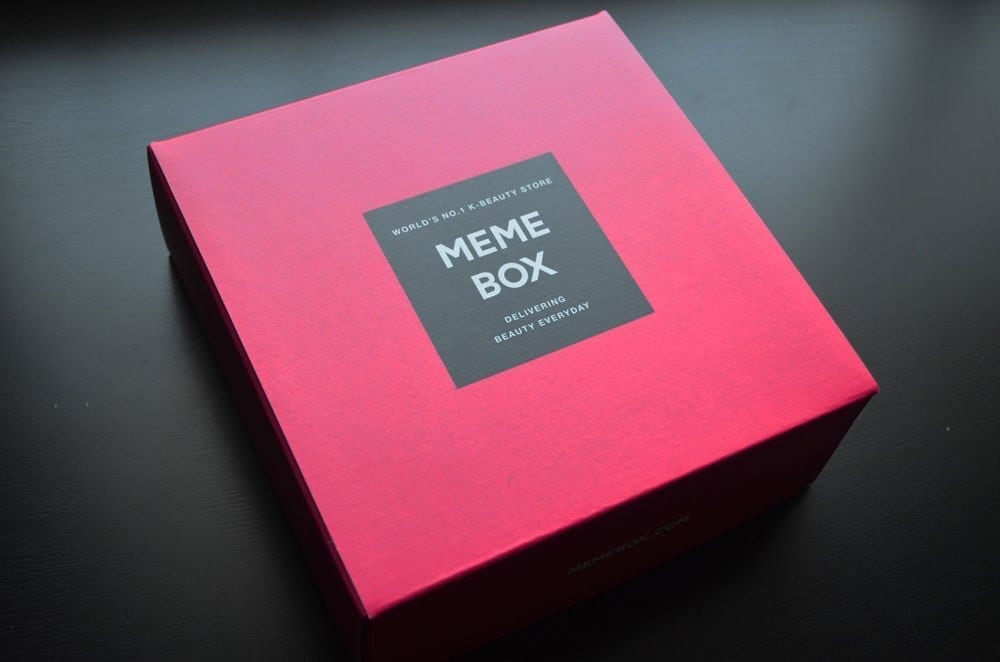
    Online Korean beauty shop Memebox was known for selling popular K-beauty products to the United States. However, the retailer revealed it will change its model from selling beauty products to focusing on educating consumers about Korean products through information, reviews and tutorials.

    Though it will continue selling K-beauty products to Korea and China, the site will send its US customers to Amazon to shop. According to Memebox founder Dino Ha, the restructuring will turn Memebox into an educational site and search function rather than online shop. “What we learned is that what we really need is the education and the content piece to let the users know what K-beauty really means,” he said. Memebox’s new model will also integrate YouTube tutorials and Instagram posts featuring K-beauty products into its search function, and allow users to search for products based on ingredient or skin type.

    With the new model, Memebox will earn money through affiliate links rather than direct sales. It currently has an affiliate agreement with Amazon, and Ha says the brand is in talks to create a similar deal with Sephora.

    Ha also says Memebox has seen longer engagement from visitors since introducing YouTube videos to the site. Though the site currently has no official agreement with YouTube or Instagram personalities, Ha says he has received requests from influencers to make their content more visible on Memebox. Eventually, the site may add a live chat feature with influencers.

    Memebox still maintains its four private beauty labels, and will soon introduce a fifth, but the site will send US shoppers to Amazon to purchase the products.

    Currently, Memebox has 1.5 million customers, and wishes to increase its customer base to 10 million by the end of the year. Ha says the site might see its profits dip with the new model, but hopes to see more engaged users and fruitful partnerships. “Whoever can do the best job sending these products to users is where we’ll partner as much as we can.”