Tag: boycot

  • Uniqlo hitted by South Korean consumer boycott

    Uniqlo hitted by South Korean consumer boycott

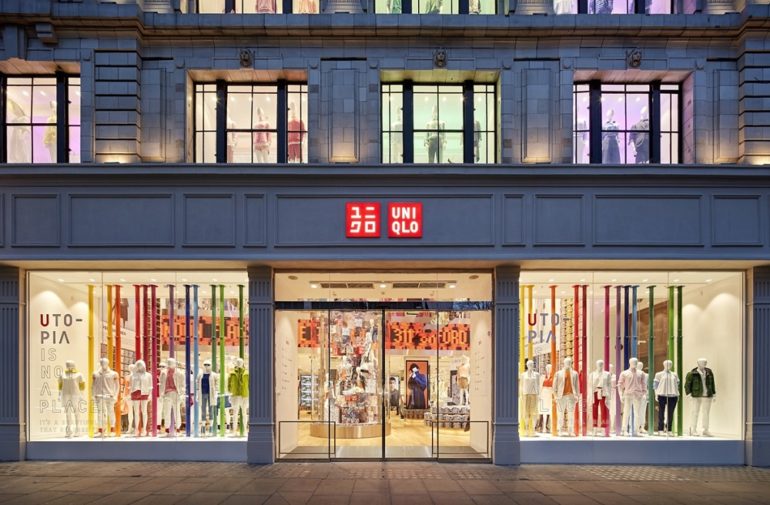
    Fast-fashion chain Uniqlo is suffering from the South Korean consumer boycott of Japanese goods.

    “We can confirm that there has been an impact on the sales in Korea,” a spokeswoman for Uniqlo owner Fast Retailing told Reuters. She declined to release any figures, however.

    The two countries are involved in a diplomatic row relating to disagreements over the compensation for forced laborers during Japan’s occupation of Korea during the second world war. That dispute has spilled over into the populations with Japanese products in South Korea being boycotted by shoppers as a form of protest.

    Uniqlo has nearly 200 stores in South Korea, selling around US$1.3 billion worth of clothing annually, equal to about 6.6 percent of its total sales. The South Korean consumer boycott may lead to delays in new stores opening if it continues

  • Uniqlo, Coupang, Daiso weigh cost as Japan boycott grows

    Uniqlo, Coupang, Daiso weigh cost as Japan boycott grows

    Casual-clothing chain Uniqlo says its sales have been affected as the consumer boycott of Japanese goods intensifies in South Korea.

    Uniqlo, owned by Fast Retailing, will close a downtown Seoul store soon, but says this is due to a decision not to renew a lease rather than the Japan boycott as reported by Japanese news media.

    Uniqlo has close to 190 stores in South Korea where it sells around US$1.3 billion of clothes annually, accounting for 6.6 percent of its revenue.

    Meanwhile, the boycott is leaving some South Korean companies that some consumers have labeled as “Japanese companies” struggling to explain themselves.

    South Korean consumers are boycotting Japanese products from beer to pens in protest over Japan’s decision to impose restrictions on exports of key high-tech materials to its Asian neighbor. While Japan cited security concerns for the curbs, the move also been seen as retaliation after a South Korean court last year ordered Japanese companies to compensate Koreans who were forced to work for Japanese occupiers during World War Two.

    Japan has also removed South Korea from a list of favored trading partners.

    “It is not easy to clear up the misunderstanding as there are some complicated cases of stake relationships that are confusing even to consumers,” wrote D M Park of Korea Bizwire.

    For example, Daiso, a flat-priced household goods company run by Asung Daiso, has been dogged by constant attacks from some consumers saying it is a “Japanese company” since the beginning of the boycott campaign.

    Daiso originally started in May 1997 when Park Jung-won, a former office worker, opened a household goods store called “Asco Even Plaza” in Seoul. In November 2001, the company changed its name to Daiso Asung in cooperation with Daechang Co, a Japanese distributor of flat-price goods. Daiso is the Japanese pronunciation of Daechang. It later registered as a foreign-invested company under the Foreign Investment Promotion Act in March 2002.

    Currently, Park holds 50.02 percent of Asung HMP, the largest shareholder, while Japan’s Daechang Industrial holds 34.21 percent of the shares.

    The problem is that Japanese companies own more than 30 percent of the shares, and Japan also has more than 2900 stores of the same mutual, uniform price household goods company run by Daechang Industrial.

    “There is no relationship between Japan’s Daiso, Japan’s payment of royalties, personnel exchanges, nor participation in management except for equity investments,” stressed a representative of Asung Daiso.

    “Samsung Electronics also has a high foreign stake, but that does not make Samsung a foreign company,” the representative said.

    Coupang, a leading e-commerce company, also suffered from rumors that it was a Japanese company after Japan’s Softbank Vision Fund (SVF) made equity investments.

    Although Coupang, an unlisted company, has never made its exact stake public, industry sources estimate that SVF’s stake in Coupang will exceed 30 percent.

    Coupang responded quickly through its own promotional channel as such rumors spread quickly in the early days of the boycott and showed signs of affecting sales as well.

    “Foreign ownership of KB Financial Group is close to 70 percent, while foreign ownership of Samsung and Naver is also close to 60 percent,” Coupang explained.

    Coupang then laid out the similar logic of Daiso that high foreign investment in shares does not mean that a company is a foreign company, hoping to overcome impact from the Japan boycott.
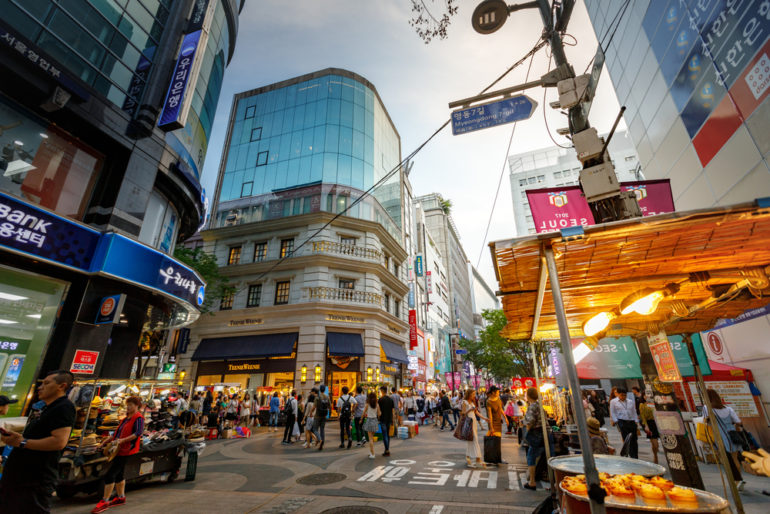
  • South Koreans boycott Japanese products

    South Koreans boycott Japanese products

    A boycott campaign against Japanese products and services is becoming a nationwide movement and extending into travel.

    The boycott started after Japan imposed trade restrictions against South Korea. Amid the boycott, a series of statistics show that the number of reservations for trips to Japan has dropped significantly.

    Hana Tour, the nation’s leading travel agency, reports that the number of new reservations for three-day trips to Japan from July 8 to 10 dropped to an average of 400 per day.

    The figure is down one-third, considering the average number of people booking a new trip to Japan through the company is around 1200 per day.

    However, Hana Tour reported that the number of cancellations, where customers retrack their reservation, remained the same.

    “Up until last week, the number of customers making reservations to Japan was similar, but this week the number declined sharply,” a Hana Tour official said.

    Another travel agency, which requested anonymity, also said that reservations for trips to Japan had been declining compared to typical levels since late last week.

    Those who considered travelling to Japan for the summer vacation season are changing their destinations to other countries. The decision is part of the aftermath of the boycott, a travel industry source said.

    “However, those who had booked trips to Japan in advance seem to be reluctant to cancel because of the huge burden of cancellation fees,” added the source.

  • Trump Again Goes After India

    Trump Again Goes After India

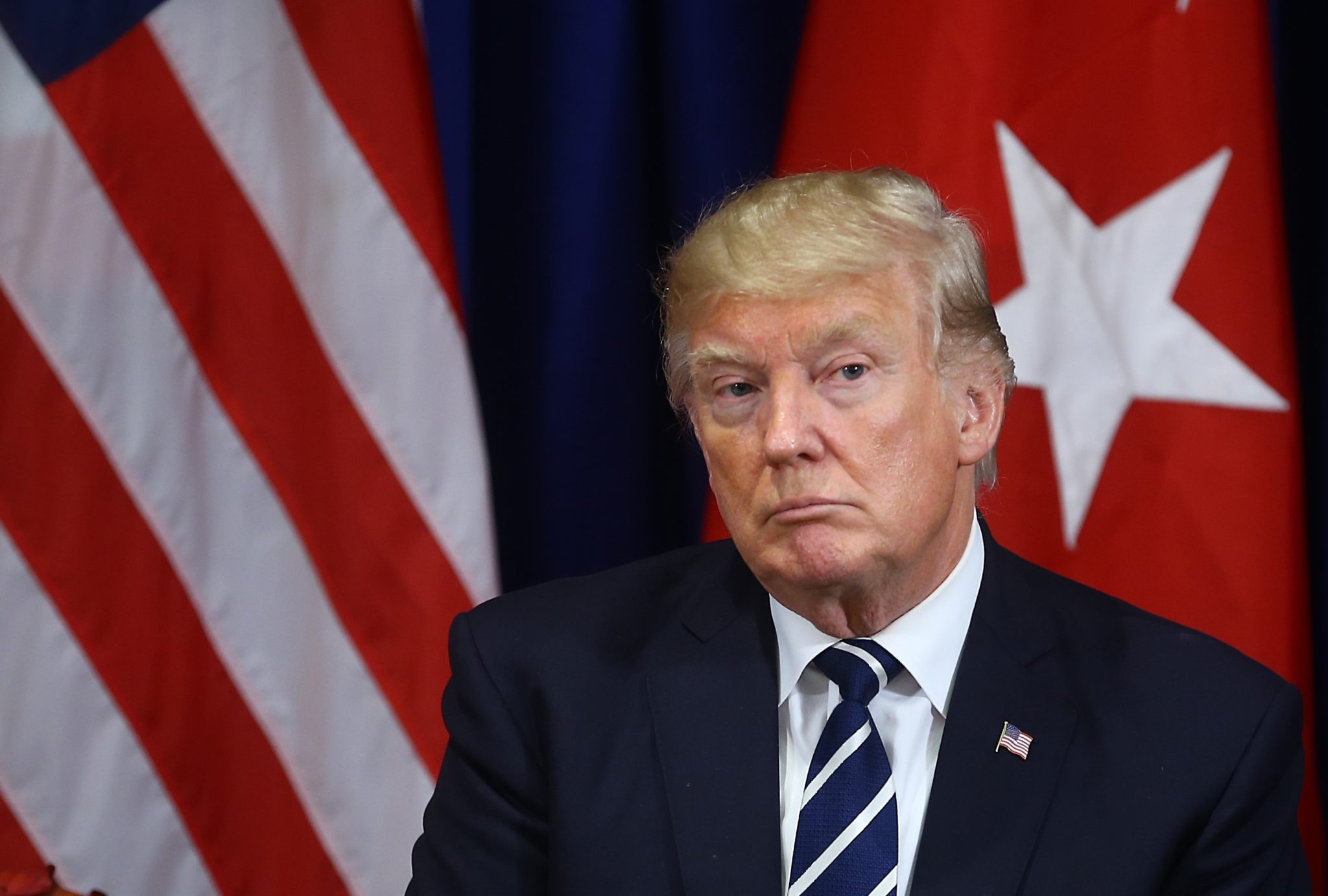
    President Donald Trump has criticised India’s “big tariffs” on American paper products and the iconic Harley-Davidson bikes, saying the US has been losing billions of dollars to countries like India, China and Japan. Addressing a Republican political rally in Wisconsin state’s Green Bay city on Sunday, Trump alleged that every country has been ripping off America for years.

    The President has repeatedly claimed that India is a “tariff king” and imposes “tremendously high” tariffs on American products. “For so many decades we’ve been losing tens of billions of dollars to China and Japan, and India, and name any country and we lost, but we’re not losing anymore,” he said to his cheering supporters. He said that the US was being charged high tariffs on foreign paper products.

    “We charge other countries zero tariffs on foreign paper products, but when Wisconsin paper companies export it abroad… China charged us big tariffs, India charged us big tariffs, Vietnam charge us massive tariffs,” Trump said. He claimed that people of the US demanded a government that puts America first. “And we’re doing that with China, we’re doing that with India, we’re doing that with Japan, we’re doing it with a great new trade deal, that hopefully will get approved in the house,” the President said.

    Early this year at a White House event to announce his support for reciprocal tax, Trump had said that he was satisfied with the Indian decision to reduce the import tariff on high-end Harley-Davidson motorcycles from 100 per cent to 50 per cent. The President said that he called up Prime Minister Narendra Modi on the issue of tariffs on Harley-Davidson motorcycles. “Look at Harley-Davidson. I met with them three years ago, they would tell me tough to do business in certain kind. I asked ‘How you’re doing in India?’ and they said, ‘Oh, we don’t do any business’. They weren’t even complaining because so many years.

    “So India charged a 100 per cent tariff on Harley-Davidson, but when they send their motorcycles and they may come to us, we charge them nothing,” Trump said. “So I called up Prime Minister Modi, I said unfair, he cut it 50 per cent… But that’s not good enough because look, it’s 50 per cent to nothing. And what we’re doing is changing all of that stuff, changing all of that rapidly,” he added.

    India is pressing for exemption from the high duty imposed by the US on certain steel and aluminium products, resumption of export benefits to certain domestic products under the Generalised System of Preferences (GSP) programme, greater market access for its products from agriculture, automobile, automobile components and engineering sectors.

    On the other hand, the US is demanding greater market access through a cut in import duties for its agriculture goods, dairy products, medical devices, IT and communication items. India has stated that it would be difficult for them to cut duties on IT products.

    India’s exports to the US in 2017-18 stood at USD 47.9 billion, while imports were USD 26.7 billion. The trade balance is in favour of India.

  • Travel agents issue official letter to boycott Garuda

    Travel agents issue official letter to boycott Garuda

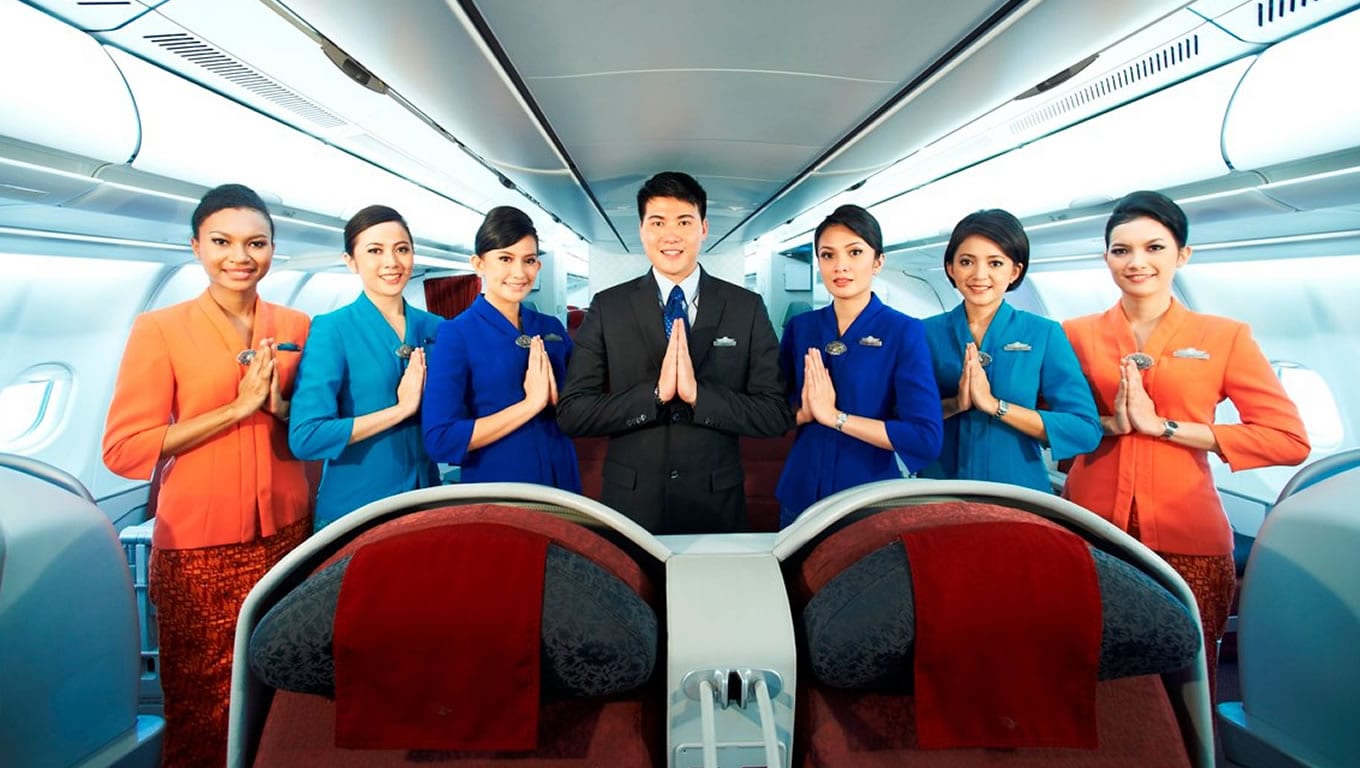
    Following up on their recent statement, the Association of Indonesian Tour and Travel Agents (ASITA) officially boycotted through a circulating letter national flag carrier Garuda Indonesia over the decision to reduce commissions for travel agents.

    The letter, signed by ASITA chairman Asnawi Bahar, noted that Garuda Indonesia had not responded to the association.

    “During the period to resolve the problem with Garuda Indonesia, ASITA Indonesia has decided that all ASITA members are prohibited from participating in any activities involving Garuda Indonesia,” the letter stated.

    Previously, Asnawi said that the airline’s commission from ticket sales would be cut from 7 percent to 5 percent for international flights and 5 percent to 3 percent for domestic flights.

    Garuda Indonesia vice president of corporate communications Benny S. Butarbutar also previously confirmed that the airline would reduce commissions for travel agents.

    “We are adjusting the business pattern with our partners, travel agents. The business situation is changing really fast, with online travel being much stronger, but we will also want to keep traditional travel agents,” he said.

    Benny added that the decision might be temporary, as it would depend on the market situation. He declined to comment on the protest.

    ASITA currently has around 6,300 members of tour and travel agencies across Indonesia, including Panorama Tours Indonesia–a core unit of Panorama Group, Indonesia’s largest integrated travel group.