Retail News CRM

Tag: boycott

  • Berjaya Food Reports Rising Losses: Starbucks Malaysia’s Struggles Amid Middle East Conflict

    Berjaya Food Reports Rising Losses: Starbucks Malaysia’s Struggles Amid Middle East Conflict

    Berjaya Food, a Malaysia-based company, has recently reported a significant increase in losses and a decrease in sales for both their fourth quarter and the entire fiscal year. Berjaya Food, which operates Starbucks Coffee in Malaysia and Brunei, along with Kenny Rogers Roasters and Paris Baguette in Malaysia, experienced reduced sales due to a decrease in store numbers.

    Quarterly Report

    The revenue for the group, for the quarter ending on June 30, experienced a decrease of 11 per cent compared to the previous year, settling at RM115.8 million (US$27.4 million). This reduction is mainly attributable to the decrease in the number of store locations. However, the management has noted a slight increase in sales compared to the third quarter. This increment is primarily due to an improved sales performance from Starbucks Malaysia.

    In this quarter, the loss before tax increased from RM42.6 million to RM183.7 million. The primary reason for this increase was the impairment of property, plant, and equipment (PPE) and right-of-use (ROU) assets linked to non-performing stores.

    Annual Report

    For the entire fiscal year, the revenue dropped by 36 per cent, amounting to RM476.7 million. This drop is linked to the ongoing sentiment surrounding the Middle East conflict, which has affected market dynamics and altered customers’ purchasing behaviours.

    The pre-tax loss for the year broadened from RM89 million to RM288.7 million. This loss was due to the necessary impairment provision to PPE and ROU assets, resulting from the downsizing of Starbucks Malaysia’s operations.

    Questions & Answers

    What were the main reasons for the loss in Berjaya Food’s fourth quarter and fiscal year?
    The primary reasons were the impairment of property, plant, and equipment (PPE) and right-of-use (ROU) assets of non-performing stores, and also the downsizing of Starbucks Malaysia’s operations.

    Did Berjaya Food see any improvement in the fourth quarter compared to the third quarter?
    Yes, sales were slightly higher in the fourth quarter compared to the third, primarily due to improved sales performance at Starbucks Malaysia.

    How did the Middle East conflict affect Berjaya Food’s annual results?
    The ongoing conflict in the Middle East has influenced customers’ spending patterns and affected market dynamics, which contributed to the significant drop in the annual revenue.


  • Indian Boycotts Challenge U.S. Giants: A Push For ‘made In India’ Amid Tariff Tensions

    Indian Boycotts Challenge U.S. Giants: A Push For ‘made In India’ Amid Tariff Tensions

    American multinational corporations, including household names such as McDonald’s, Coca-Cola, Amazon, and Apple, are feeling the pressure of increasing calls for boycotts in India. This sentiment has been fueled by business leaders and supporters of Prime Minister Narendra Modi as a form of protest against U.S. tariffs.

    India, known as the world’s most populous nation, presents a significant market for these American brands. With a rapidly expanding base of affluent consumers who view international brands as symbols of societal advancement, many American companies have found success in India.

    For instance, Meta’s WhatsApp counts India as its largest user base and Domino’s boasts more restaurants in India than in any other country. Similarly, beverages such as Pepsi and Coca-Cola often take up prime real estate on store shelves, and there is typically a significant buzz when a new Apple store opens or Starbucks offers discounts.

    Recently, however, there has been growing support for choosing local products over American goods, both on social media and offline. This shift in consumer behavior has been catalyzed by a 50% tariff on Indian goods imposed by former U.S. President Donald Trump, which has unsettled exporters and strained relations between New Delhi and Washington.

    Indian Business Leaders Advocate for ‘Made in India’

    Manish Chowdhary, co-founder of India’s Wow Skin Science, has taken to LinkedIn to voice his support for Indian farmers and start-ups. His goal is to transform ‘Made in India’ into a ‘global obsession’, learning from countries like South Korea, which boasts globally renowned food and beauty products.

    Similarly, Rahm Shastry, CEO of DriveU, an Indian car driver service, wrote on LinkedIn that India should develop its own versions of popular platforms like Twitter, Google, YouTube, WhatsApp, and Facebook, much like China.

    Indian retail companies offer stiff competition to foreign brands like Starbucks in the domestic market, but global expansion remains a challenge. However, Indian IT services firms, such as TCS and Infosys, have integrated deeply into the global economy, providing software solutions to clients around the world.

    In a recent address in Bengaluru, Prime Minister Modi made a “special appeal” for increased self-reliance. He urged Indian technology companies, who have been producing products for global consumption, to prioritize India’s needs.

    Consumer Opinions Differ

    Despite the ongoing anti-American sentiment, the American electric vehicle and clean energy company Tesla recently opened its second showroom in India. The opening event in New Delhi was attended by Indian commerce ministry officials and US embassy officials.

    Simultaneously, the Swadeshi Jagran Manch group, which is associated with Modi’s Bharatiya Janata Party, organized small public rallies across India, encouraging people to boycott American brands.

    However, not all Indian consumers share this sentiment. For instance, a customer named Rajat Gupta, who was dining at a McDonald’s in Lucknow, expressed that he was not concerned with the tariff protests and simply enjoyed the value for money he received from his 49-rupee coffee.

    Questions & Answers

    What has led to the calls for a boycott of American products in India?

    These calls for boycotts have been fueled by the imposition of a 50% tariff on goods from India by former U.S. President Donald Trump, which has created unrest among exporters and strained diplomatic ties between New Delhi and Washington.

    How are Indian business leaders responding to this situation?

    Leaders such as Manish Chowdhary, co-founder of Wow Skin Science, and Rahm Shastry, CEO of DriveU, have been advocating for a focus on “Made in India” products and services, and the development of home-grown alternatives to popular platforms like Twitter, Google, YouTube, WhatsApp, and Facebook.

    Are all Indian consumers supportive of the boycotts?

    No, consumer opinions on the boycotts vary. Some consumers, such as Rajat Gupta, a McDonald’s customer in Lucknow, are not concerned by the tariff protests and continue to enjoy the products and services offered by American brands.

  • Chagee’s Return To Vietnam Spurs Renewed Criticism Amid Expansion Plans

    Chagee’s Return To Vietnam Spurs Renewed Criticism Amid Expansion Plans

    Despite facing an earlier boycott due to its utilization of a contentious ‘nine-dash line’ map in its mobile application, Chinese milk tea franchise Chagee has made a return to the Vietnamese market.

    New Store Opens

    Recently, Chagee set up shop in Tan Huong Ward, a location which was previously part of District 7 prior to the administrative reorganization implemented in Ho Chi Minh City on the first of July. In an effort to regain customer trust and loyalty, the company has been offering promotional discounts.

    In an official statement shared on its fanpage, Chagee expressed its commitment to its mission “Chagee Together!”. The company also outlined its goal to “bring a complete tea experience closer to Vietnamese customers”.

    Renewed Criticism

    Nevertheless, the company’s reintroduction into the Vietnamese market has provoked a renewed wave of public criticism. A number of Vietnamese consumers continue to be skeptical of Chagee due to the brand’s link to the unlawful maritime claim represented in its former mobile application.

    One Facebook user stated, “Vietnam has no shortage of great milk tea brands. We should be supporting local businesses.” Following this renewed backlash, Chagee has deactivated comments on its social media platforms.

    Expansion and Controversy

    Additionally, Chagee has developed a website catered to the Vietnamese market, showcasing a beverage menu with prices varying from approximately US$1.65 to $3.35. The company reportedly has plans for further expansion by setting up numerous stores throughout Ho Chi Minh City in the forthcoming period.

    Chagee, established in 2017 in Shanghai, has swiftly expanded throughout Southeast Asia. Earlier this month, it inaugurated its first Philippine outlet.

    Chagee’s original foray into Vietnam was marked by the opening of a flagship store located at the crossroads of Dong Khoi and Nguyen Thiep streets in downtown Ho Chi Minh City, an area formerly part of District 1, now known as Saigon Ward.

    However, this initial launch rapidly fell apart after internet users identified a map on the Chagee app that represented China’s controversial “nine-dash line”. After this revelation, the company deactivated its social media platforms without providing a public explanation.

    Questions & Answers

    Why did Chagee face an earlier boycott in Vietnam?
    Chagee faced a boycott due to the use of a controversial ‘nine-dash line’ map in its mobile application, representing China’s contentious maritime claim.

    How is Chagee handling the renewed criticism and backlash?
    Chagee has responded by disabling comments on its social media platforms to mitigate the negative feedback.

    What are Chagee’s plans for the Vietnamese market?
    Chagee has launched a website targeted at the Vietnamese market and is reportedly planning to establish multiple stores across Ho Chi Minh City.

  • Adidas hit by China boycott, Vietnam factory closures

    Adidas hit by China boycott, Vietnam factory closures

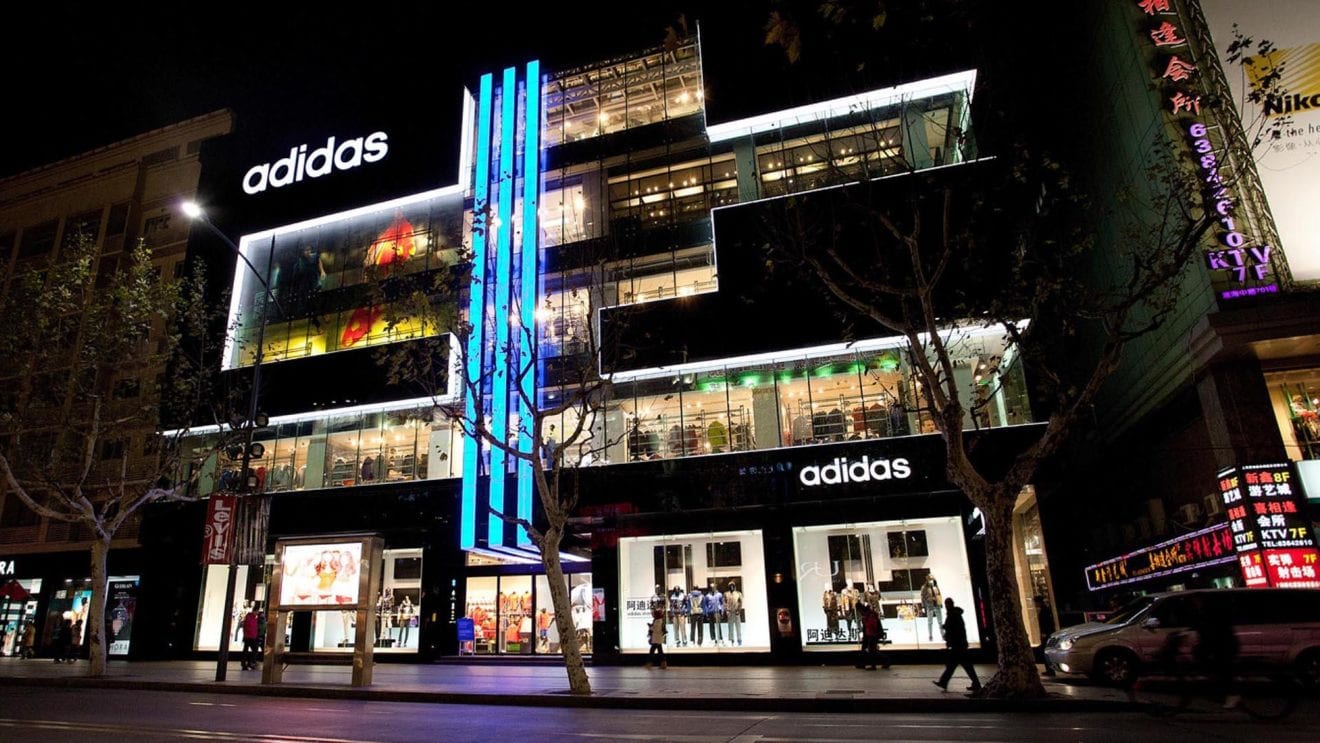
    Adidas felt the impact of a Chinese boycott of Western brands on its second-quarter results and is also suffering from the closure of factories in Vietnam due to Covid-19 infections.

    The German sportswear company still raised its outlook for full-year sales and profitability as it said it has seen demand recover in China since calls for a boycott in late March, and said it hopes to restore production in Vietnam soon.

    But Adidas shares were down 4.1 percent by 9:50 GMT as analysts noted that its growth was lagging rivals Nike and Puma, which both reported that sales nearly doubled in recent earnings releases.

    Second-quarter sales at Adidas rose 52 percent to 5.077 billion euros ($6 billion), while operating profit came in at 543 million euros, ahead of analysts’ average forecasts.

    Adidas raised its 2021 outlook to predict sales will grow up to 20 percent, and net income from continuing operations will reach 1.4-1.5 billion euros. That compared to Puma’s forecast for sales to rise at least 20 percent for 2021.

    Adidas already saw online sales return to growth in China in June, Chief Executive Kasper Rorsted told journalists, adding he expects the country to record strong growth for the full year and he welcomed a government drive to promote youth sport.

    The company hopes to be able to restart production in Vietnam after the scheduled end of a coronavirus lockdown on Aug. 15 and is working on reallocating production to other centres in the meantime.

    Vietnam usually accounts for 28 percent of Adidas sourcing and its factories mostly make shoes for the company, with a lag of three to four months before products hit the shelves.

    The combined impact of supply chain problems, new Covid-19 lockdowns in Asia and tensions with China could amount to more than 500 million euros in lost sales in the second half, said finance chief Harm Ohlmeyer.

    Ohlmeyer added he expects Adidas to seal a deal to divest the underperforming Reebok brand by the end of the summer.

  • Indian retailers boycott Samsung products

    Indian retailers boycott Samsung products

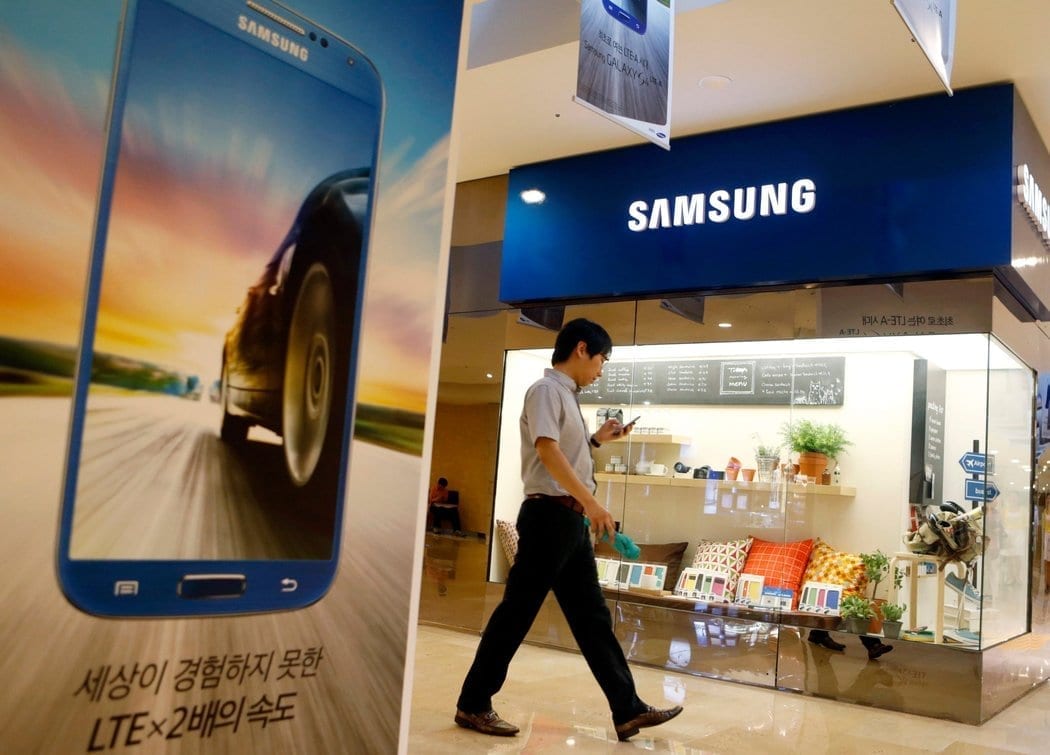
    Indian retailers are staging a three-day nationwide boycott on selling Samsung mobile devices in response to the firm’s exclusive discounting deals with e-commerce operators.

    The All India Mobile Retailers Association (AIMRA) has arranged the Samsung boycott at brick-and-mortar outlets following several rounds of unanswered communications with Samsung country heads extending back over the past five years.

    “We will be showing our protest through digital posts, covering Samsung branding with a black cloth in our stores, and not doing business with Samsung distributors for three days,” said AIMRA president Arvinder Khurana, adding that Samsung representatives had neither met with leaders of their organization nor responded to emails.

    The association has been working to end deep discounting and cashback offers for e-commerce mobile retailers and has drawn guarantees of fair pricing across channels from Vivo, Oppo and Realme.

    Samsung is “adamant and underestimating the power of offline,” said Khurrana. “They are the only brand with M Series exclusive tie-up and now to grab our customers they have also tied up for a cashback offer through Amazon Pay … Such activities have caused great damage to us but the brand does not seem to be interested in working with offline traders.”

    Industry commentators have noted that the move will heavily impact Samsung’s revenues and shake consumer confidence in the brand.